{{ 'fb_in_app_browser_popup.desc' | translate }} {{ 'fb_in_app_browser_popup.copy_link' | translate }}

{{ 'in_app_browser_popup.desc' | translate }}

Your Shopping Cart is empty.
{{ (item.variation.media ? item.variation.media.alt_translations : item.product.cover_media.alt_translations) | translateModel }} {{ (item.variation.media
                    ? item.variation.media.alt_translations
                    : item.product.cover_media.alt_translations) | translateModel
                }}
{{ 'product.bundled_products.label' | translate }}
{{ 'product.bundle_group_products.label' | translate }}
{{ 'product.buyandget.label' | translate }}
{{ 'product.gift.label' | translate }}
{{ 'product.addon_products.label' | translate }}
{{item.product.title_translations|translateModel}}
{{ field.name_translations | translateModel }}
  • {{ childProduct.title_translations | translateModel }}

    {{ getChildVariationShorthand(childProduct.child_variation) }}

{{ 'product.set.open_variation' | translate }}
  • {{ getSelectedItemDetail(selectedChildProduct, item).childProductName }} x {{ selectedChildProduct.quantity || 1 }}

    {{ getSelectedItemDetail(selectedChildProduct, item).childVariationName }}

{{item.variation.name}}
{{item.quantity}}x NT$0 {{ item.unit_point }} Point
{{addonItem.product.cover_media.alt_translations | translateModel}}
{{ 'product.addon_products.label' | translate }}
{{addonItem.product.title_translations|translateModel}}
{{addonItem.quantity}}x {{ mainConfig.merchantData.base_currency.alternate_symbol + "0" }}

The textiles of the African continent are a magnificent art form, profoundly intertwined with the land itself. Through the observant eyes and creative translation of the natural world, the diverse peoples of this vast continent have developed exquisite, localized weaving and dyeing techniques.

For this special event, we have invited Danilo, a dedicated curator who has conducted long-term field research on African textiles. Focusing on three of the continent's most iconic fabrics—Bògòlanfini (mud cloth) from Mali, Kuba cloth from Congo, and Ndop (blue indigo cloth) from Cameroon—Danilo will guide us through the sacred rituals, cultural narratives, and rich cosmologies of these African peoples.

Date & Time: Sunday, July 5, 2026, 2:00 PM – 4:00 PM
Location: Sousou Corner|No. 4, Lane 16, Taishun Street, Da’an District, Taipei City
Instructors: Danilo Lovisi
This workshop will be led by our guest instructor from Brazil and will be conducted primarily in English

Pigments of the Earth: Malian Bògòlan 
 

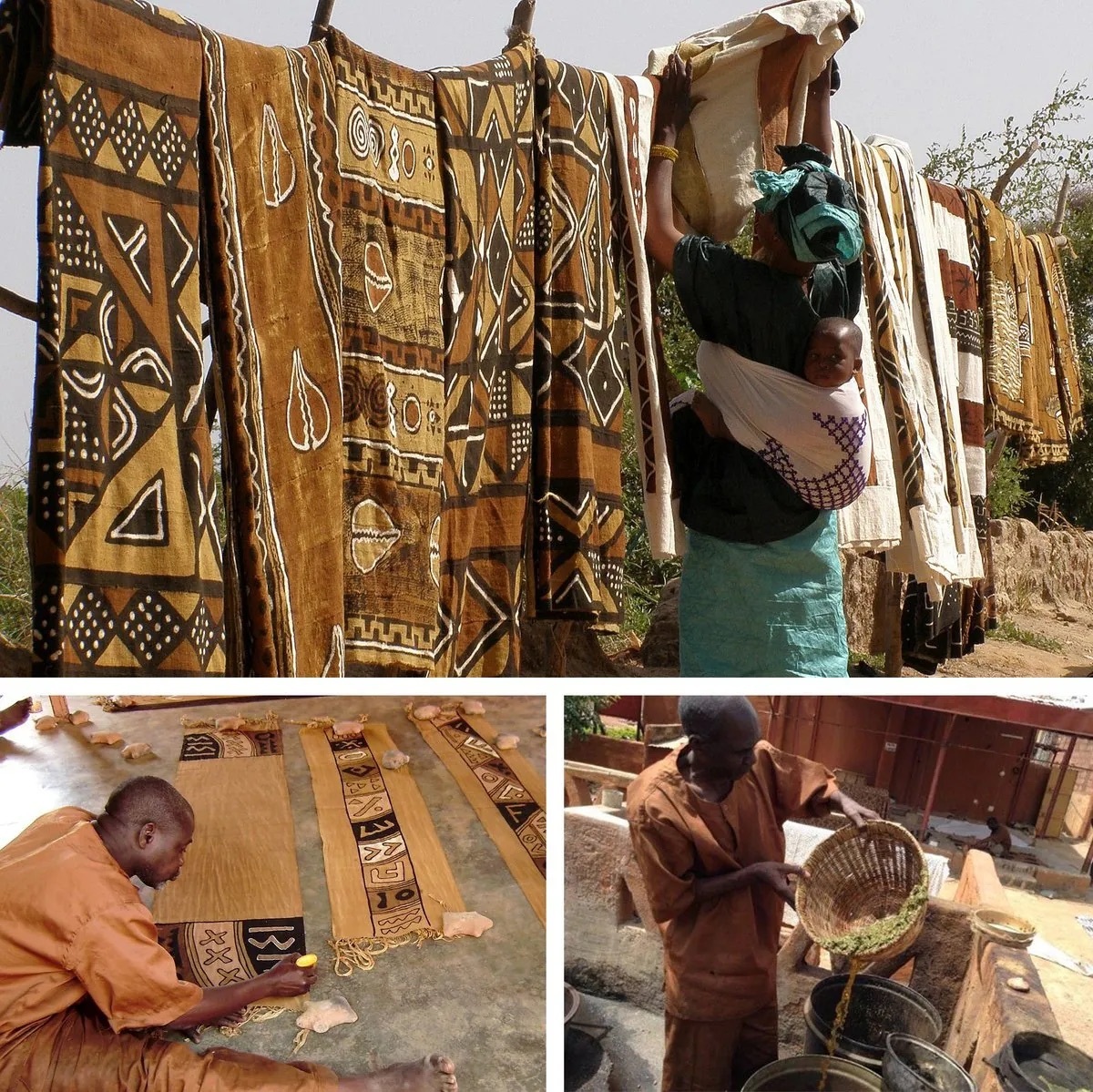
The word "Bògòlan" originates from the Bambara language of Mali in West Africa. "Bògò" represents the earth or mud, while "Lan" means to create or make—translating literally to "cloth made with the earth." This textile is painted using a rich, thick pigment blended from natural mud, clay, and herbal plants. Every carefully drawn geometric pattern carries a specific symbolic meaning, weaving stories of their daily lives, historic events, or legendary tales of heroism.

Within the traditional life of the Bambara people, Bògòlan holds immense cultural weight. It does not simply represent a hunter’s deep connection with and respect for nature—granting them courage to face challenges—but it also wraps women in protection during the most sacred moments of life. From birth and marriage to childbirth and funerals, Bògòlan is crafted into ceremonial garments worn for these profound life transitions.

Source/The Africa Fabric

Blue of the Savannah: Cameroonian Ndop 
 

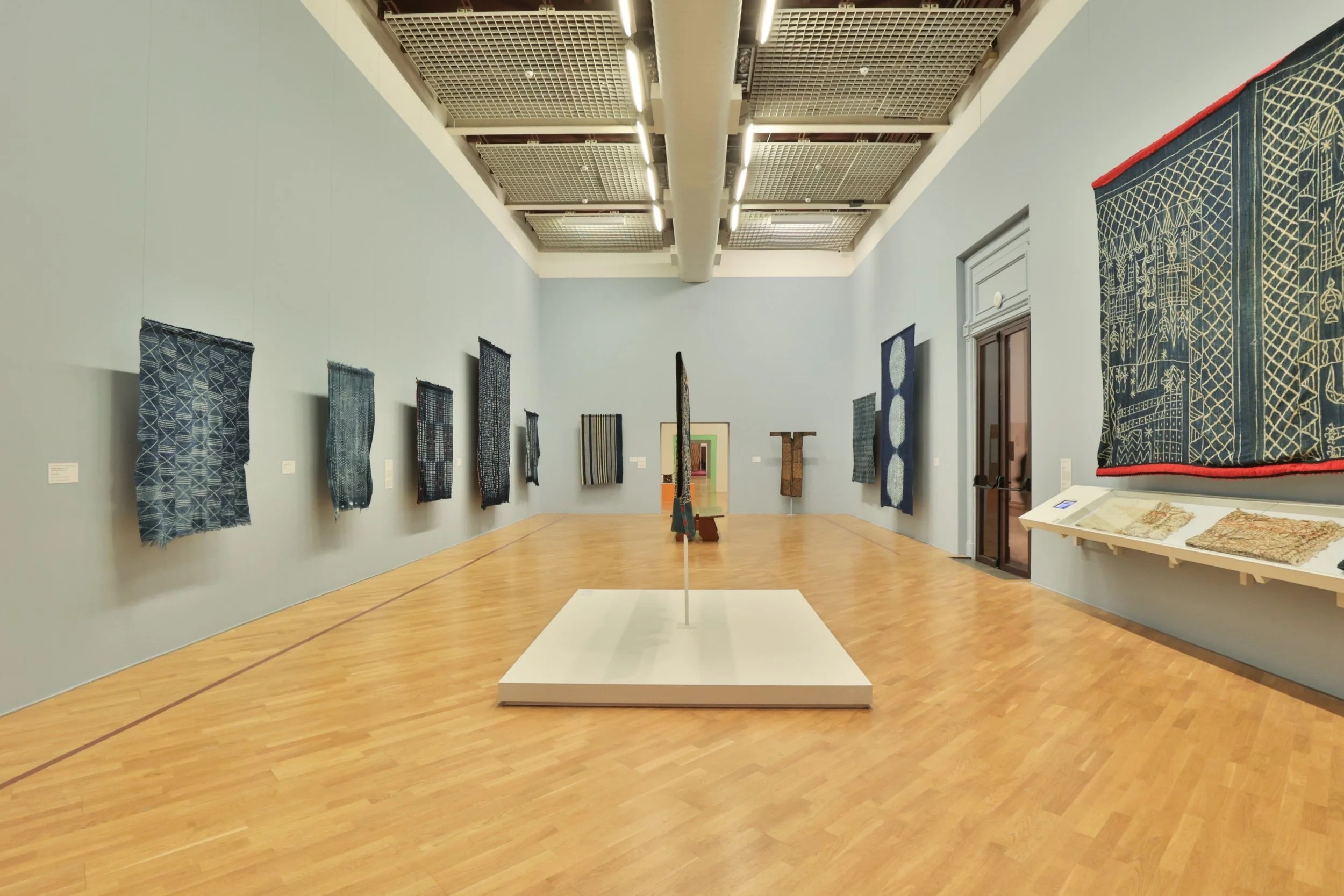
Indigo is one of the oldest dyes in human history, and across the African continent, numerous cultures have long crafted beautiful textiles from these deep blue plants. Yet, each cultural group and community handles, dyes, and interprets this indigo hue in its own unique way, revealing fascinating cultural nuances within a shared artistic tradition.

Among these, the creation of Cameroonian Ndop is a long, contemplative journey. Crafting a single piece of Ndop fabric can take an entire year and requires collaboration across multiple regions: beginning with the farmers who grow the cotton, moving to the artisans skilled in natural indigo dyeing, and involving meticulous hands that sketch the patterns and stitch the tight embroideries. Each artisan carries knowledge passed down through generations. Because of this immense dedication, traditional Ndop was historically reserved exclusively for kings and distinguished members of the community.

Source/Danilo Lovisi

Dancing Geometrics: Kuba Kasaï
 

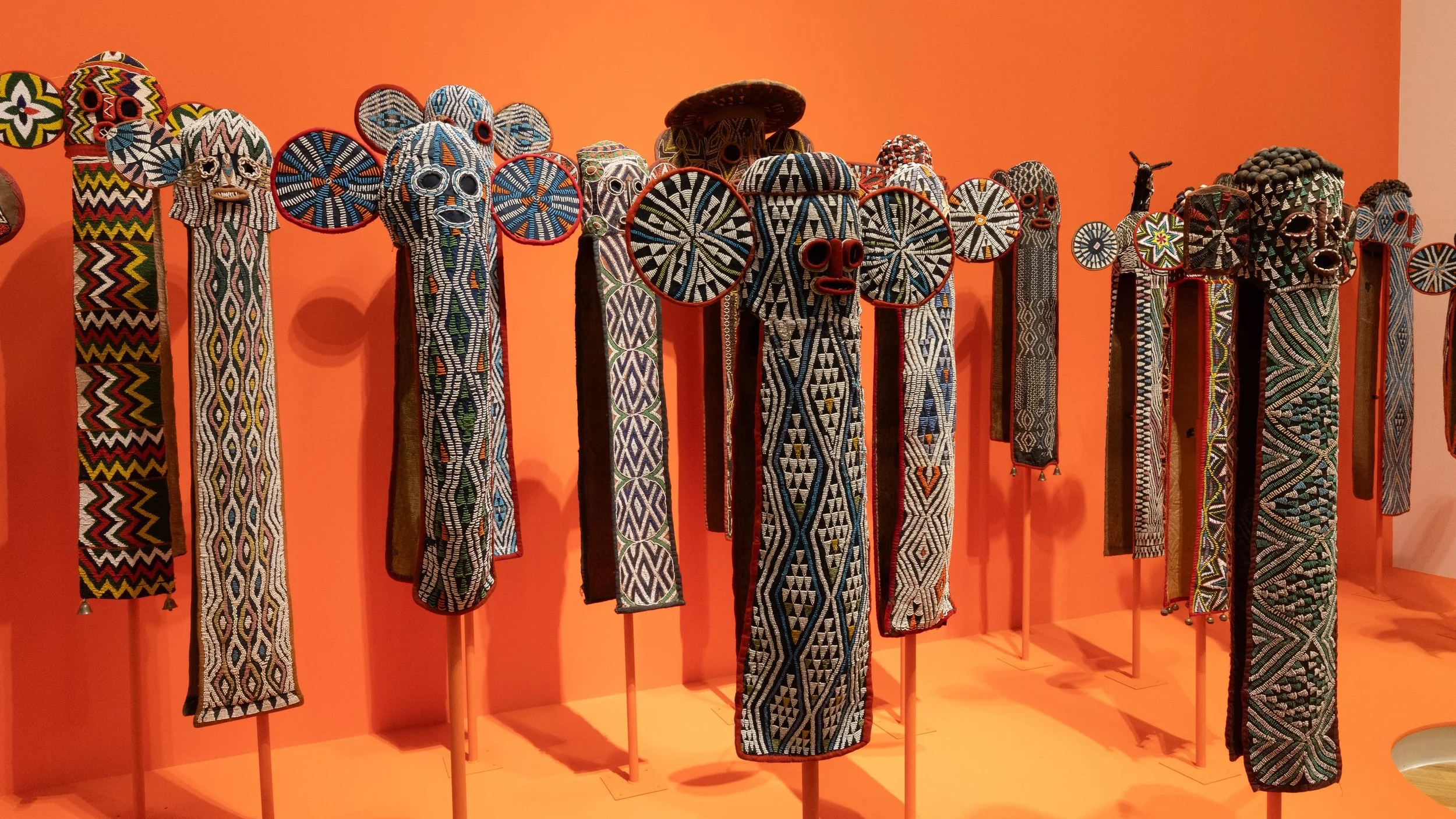
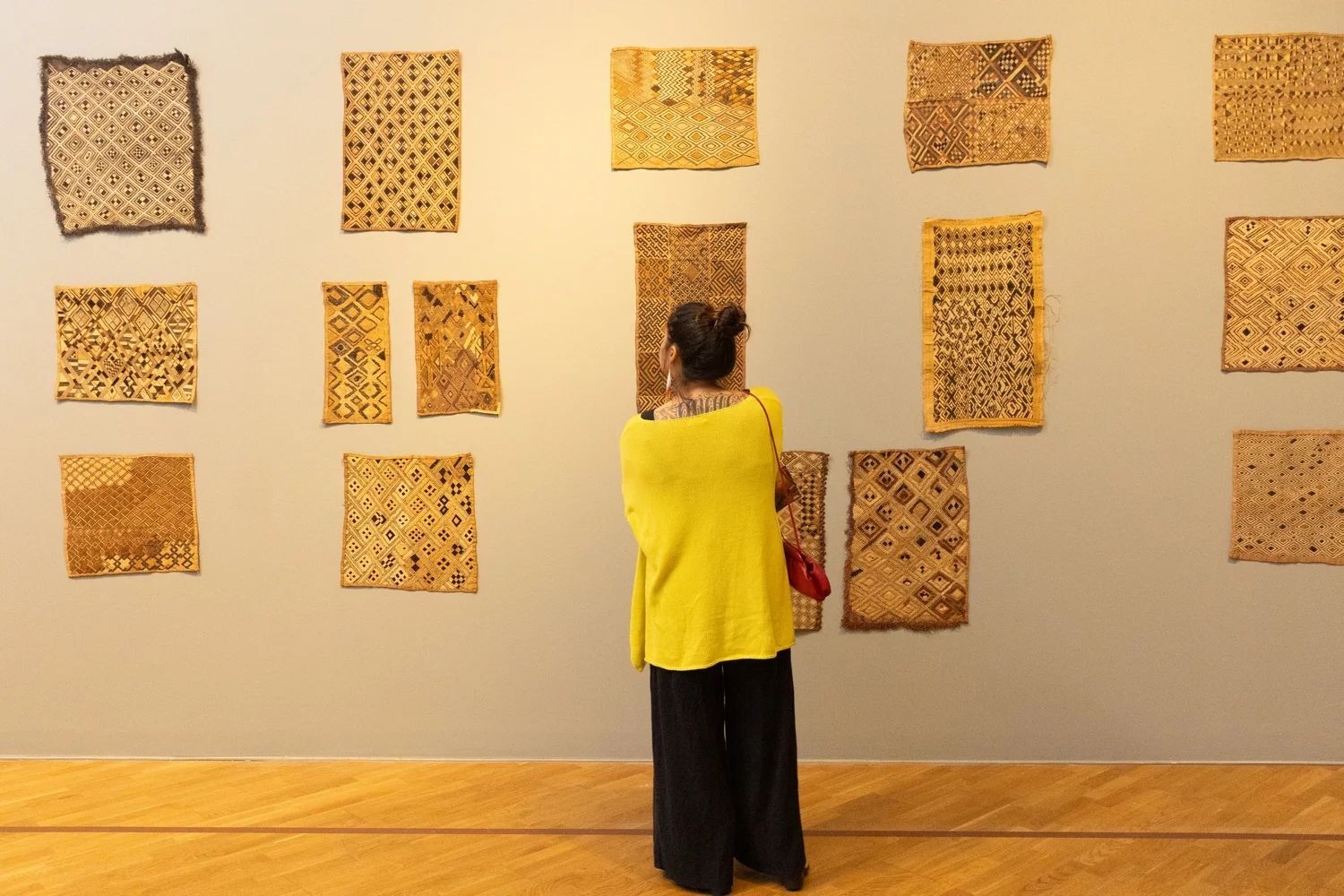
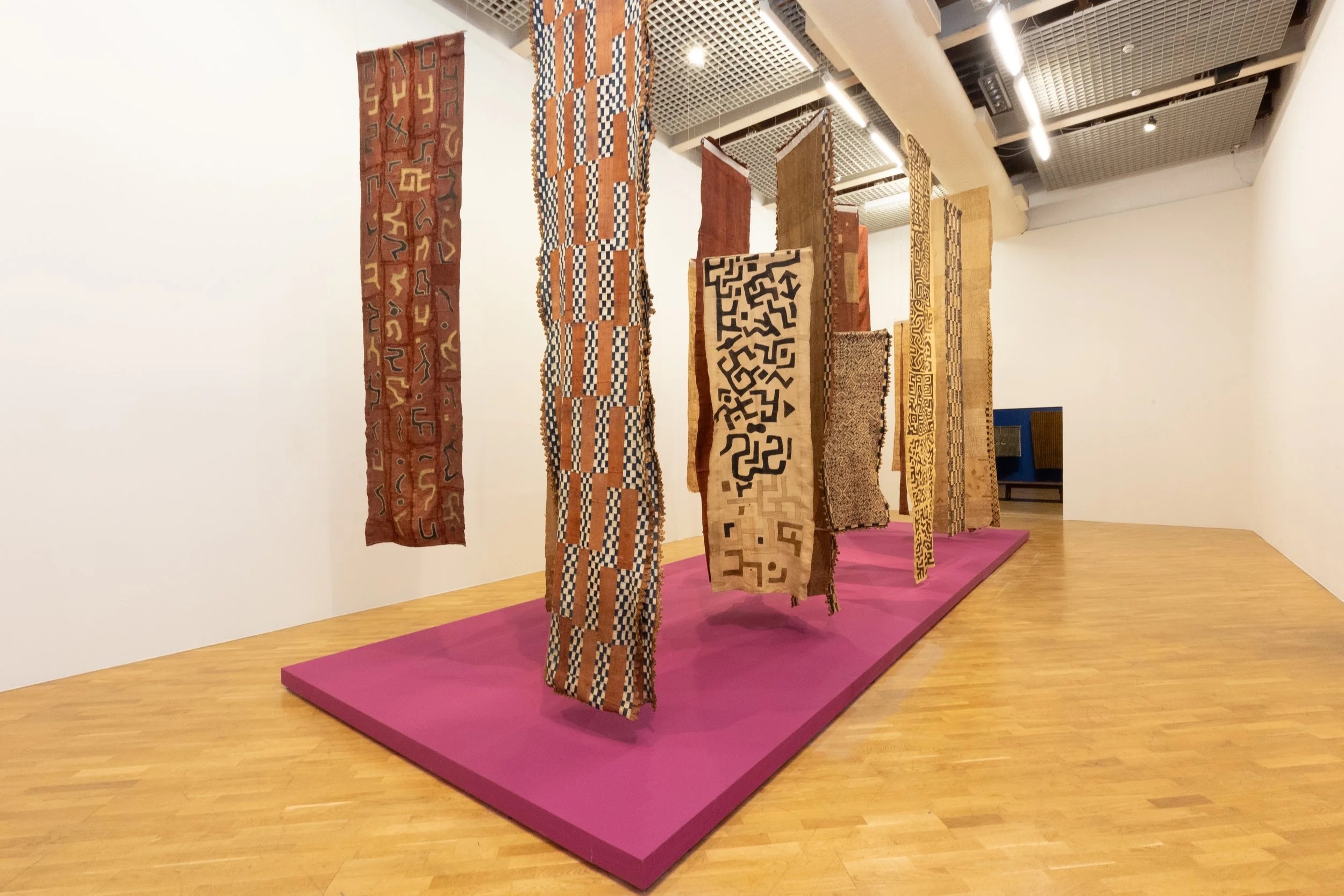
Deep in the heart of Central Africa, within the Congo, Kuba cloth—exquisitely woven from the leaf fibers of the raffia palm—stands as one of the most iconic expressions of local textile artistry. The geometric patterns adorning Kuba cloth shift effortlessly between structured order and playful irregularity, exuding a rhythmic vitality filled with life. This dynamism truly comes alive during festive celebrations and sacred rituals; as the cloth sways and flows with the dancers' steps, it amplifies the joyful, collective energy of the movement.

Spanning centuries and uniting various ethnic groups, the history of Kuba cloth is a living lineage. When creating these textiles, women do not simply rely on a collective memory of over 200 traditional motifs passed down through generations—they infuse each piece with their own personal improvisation. As a result, these patterns carry infinite layers of meaning. Even within the very same community, members may have different names and interpretations for a single design. It is this spirit of creative freedom that ensures no two pieces of Kuba cloth are ever identical.

Source/Danilo Lovisi

Lecture|Mud, Dance, and Indigo: African Textiles and Fibers

At Southern Corner, we have previously introduced various African textiles, including Mali's mud cloth and Côte d'Ivoire's Korhogo hand-painted cloth. Each piece carries a distinct, earthy essence, naturally sparking curiosity about the true meanings behind the local geometric patterns and animal motifs painted upon them.

For this lecture, we are pleased to welcome African textiles curator Danilo. Active across France, Cameroon, and Brazil, Danilo collaborates closely with local artisans from different African regions on various textile curatorial projects.

The theme of this event—"Mud, Dance, and Indigo"—connects directly to three iconic African fabrics selected by Danilo: Malian Bògòlan (mud cloth), Congolese Kuba cloth, and Cameroonian Ndop (indigo cloth). Beyond appreciating the craftsmanship itself, Danilo will share his firsthand observations and discoveries from his field research. Through the intricate motifs and unique crafting processes of these textiles, you will gain a deeper understanding of Africa's diverse cosmologies and the cultural rituals that extend from these cloths.

|Date & Location
July 5 (Sun), 2:00 PM – 4:00 PM
Sousou Corner Flagship Store|No. 4, Lane 16, Taishun Street, Da’an District, Taipei City
This workshop will be led by our guest instructor from Brazil and will be conducted primarily in English


|Lecture Fee
Regular price: NT$780 per person
Early bird (before Friday, July 25): NT$680 per person / NT$1300 for two
Limited to 25 participants

|Special Refreshments
 

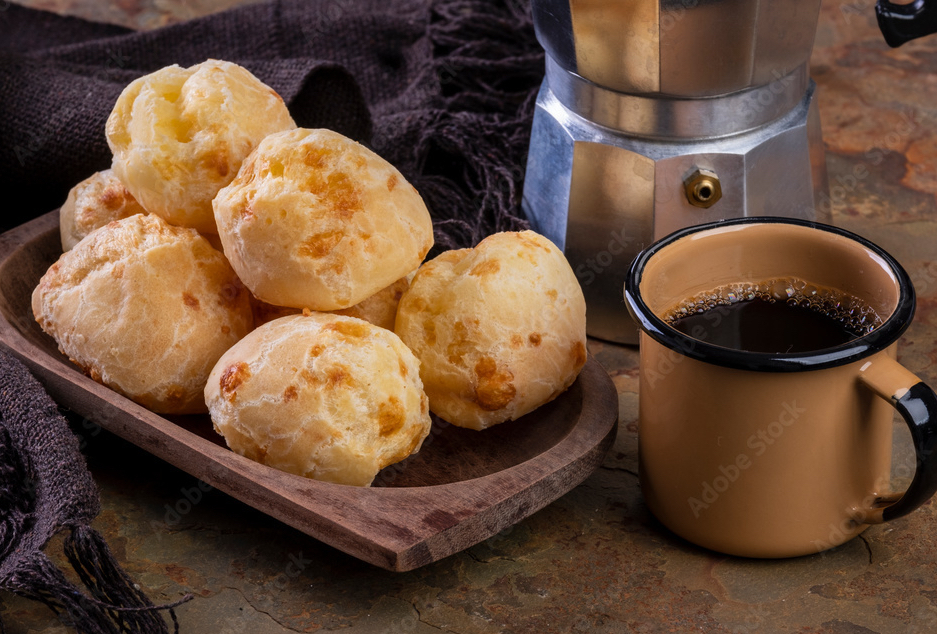
  • Pão de Queijo (Brazilian Cheese Bread) A beloved, nation-wide traditional snack in Brazil. These golden, round little breads are baked with rich, savory cheese, offering a perfectly crisp crust on the outside with a delightfully soft, chewy texture on the inside.

  • Brigadeiro (Brazilian Chocolate Truffles) A classic Brazilian treat made by heating condensed milk, cocoa powder, and butter into a rich, thick fudge. Once cooled, it is rolled into bite-sized balls and coated in chocolate sprinkles. Smooth, fudgy, and delightfully sweet, it is available in two flavors: Classic Cocoa and Tropical Coconut.

  • Brazilian Coffee

Mud, Dance, and Indigo: African Textiles and Fibers