{{ 'fb_in_app_browser_popup.desc' | translate }} {{ 'fb_in_app_browser_popup.copy_link' | translate }}
{{ 'in_app_browser_popup.desc' | translate }}
{{ childProduct.title_translations | translateModel }}
{{ getChildVariationShorthand(childProduct.child_variation) }}
{{ getSelectedItemDetail(selectedChildProduct, item).childProductName }} x {{ selectedChildProduct.quantity || 1 }}
{{ getSelectedItemDetail(selectedChildProduct, item).childVariationName }}
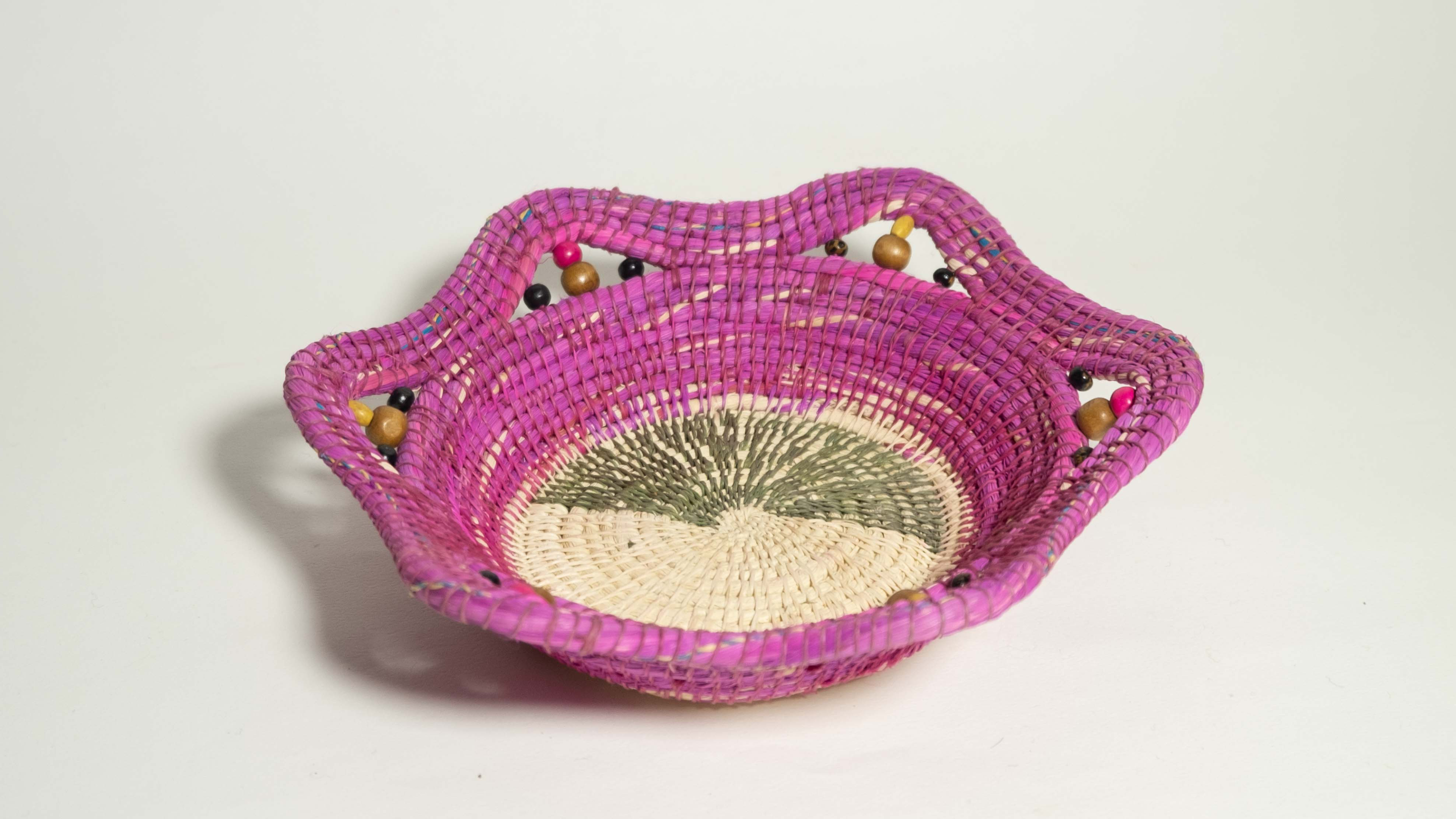
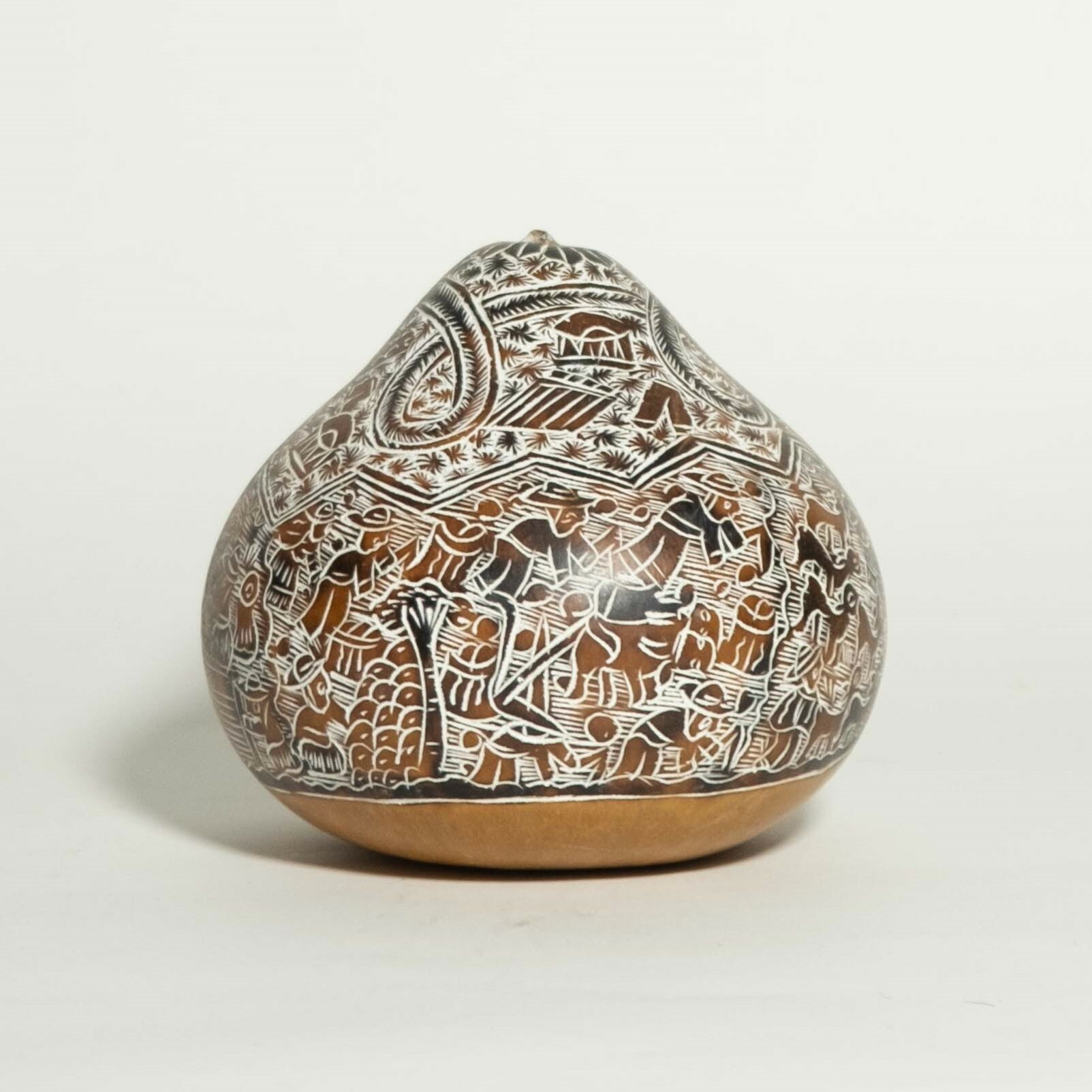
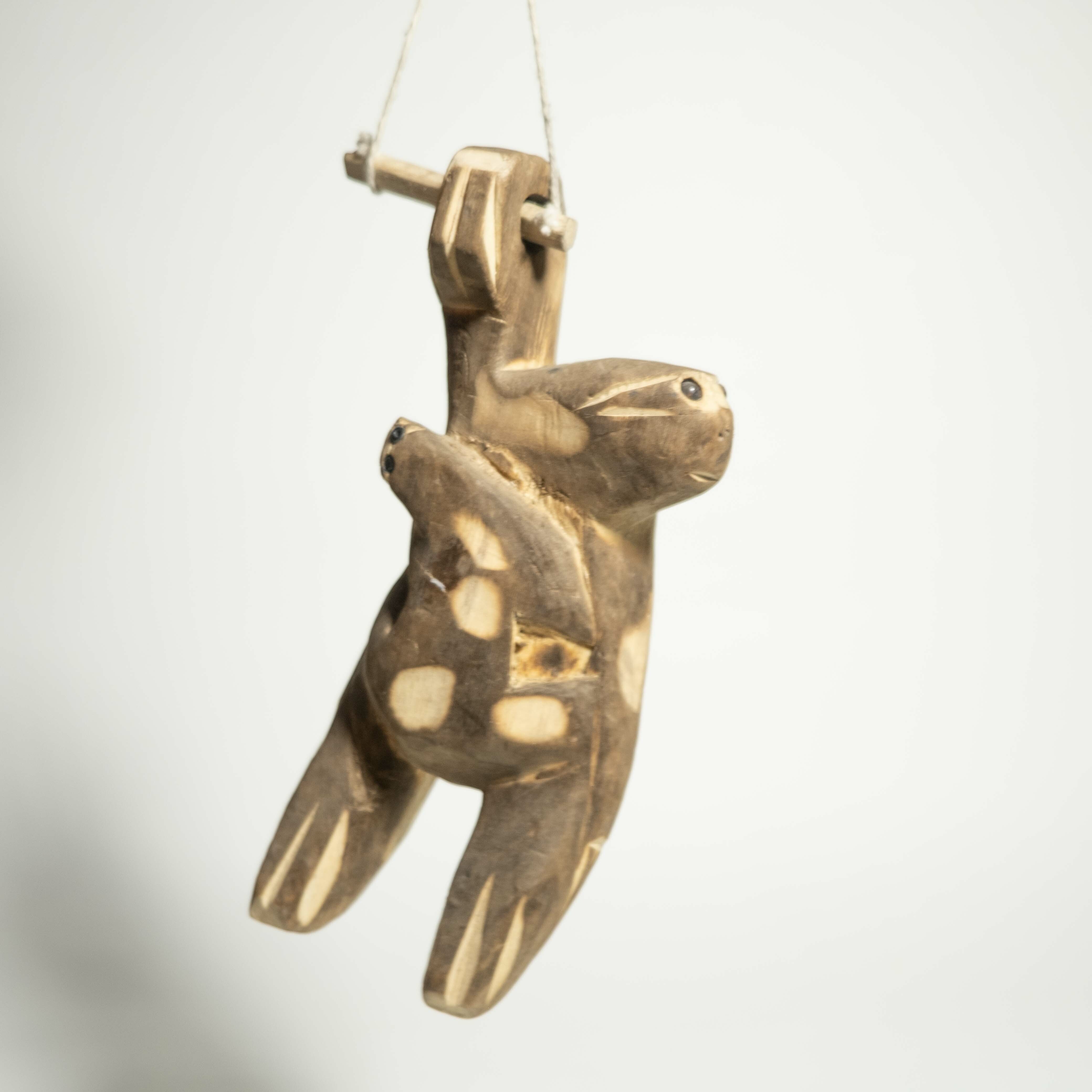
There are hundreds of indigenous peoples living in the vast Amazon rainforest. Some ethnic groups live in isolation and make a living by collecting fruits and seeds, from which they have developed a unique craft culture. They use fruits, fish scales and other elements from the rainforest animals and plants to make musical instruments, ornaments and other crafts, giving them a symbolic meaning, full of blessings.
The world's largest biological treasure house
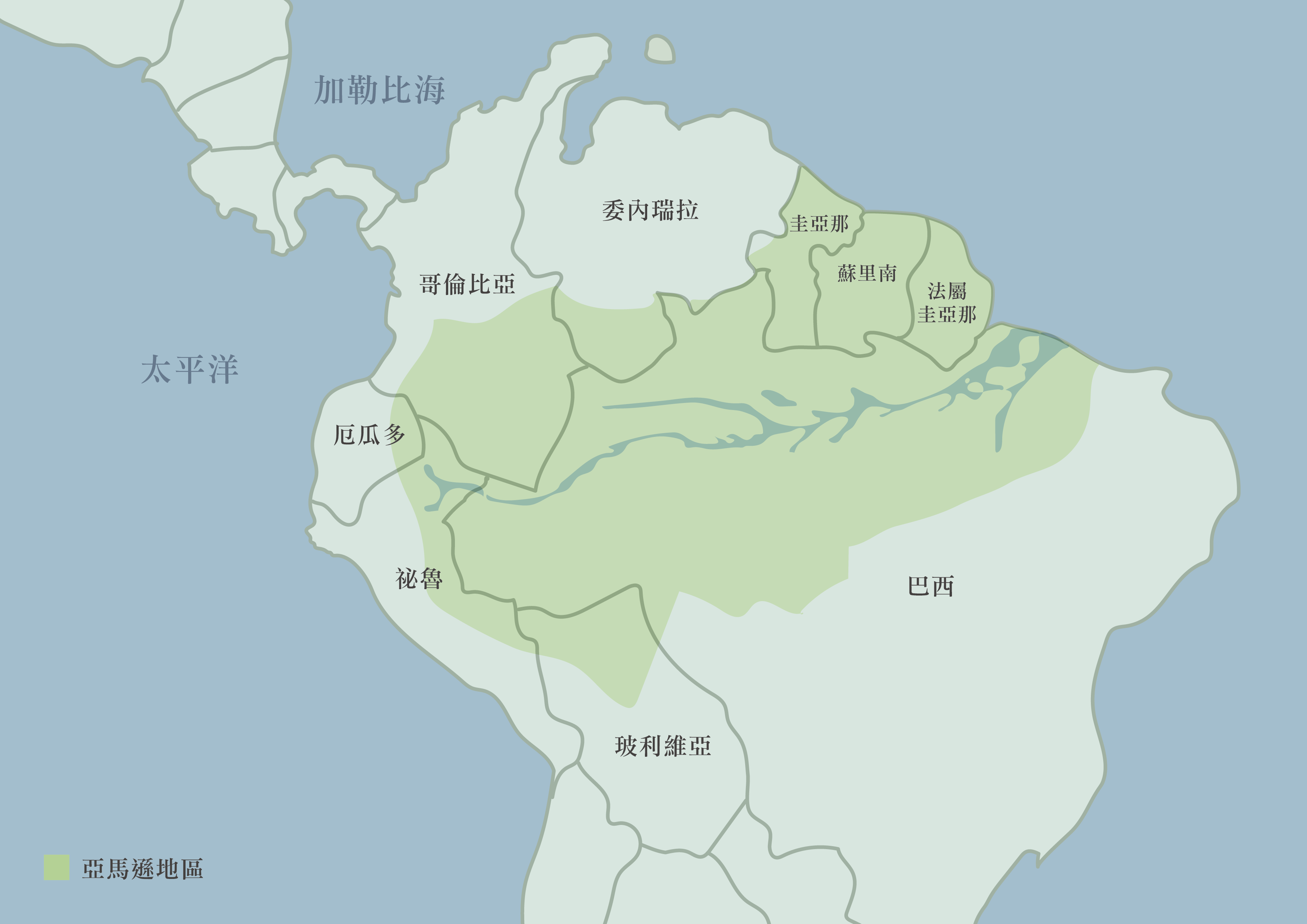
The Amazon River, which flows from west to east through South America, has the largest flow volume, number of tributaries, and basin area in the world. The humid climate brought by the river has created five million square kilometers of Amazon rainforest, of which up to 60% is located in Brazil and spans eight countries: Colombia, Peru, Venezuela, Ecuador, Bolivia, Guyana and Suriname.
The Amazon rainforest is not only the "Lungs of the earth", but also the world's largest biological treasure house. According to estimates by the World Wildlife Fund (WWF), there are at least 40,000 species of plants, 3,000 species of fish, 378 species of reptiles, more than 400 species of amphibians, 1,300 species of birds and 427 species of mammals, accounting for 10% of the world's total known species. In recent years, countries such as Peru and Ecuador have begun to develop rainforest ecological itineraries, allowing travelers to travel to the Amazon and fulfill their dream of adventuring through the rainforest.
Image / The Amazon rainforest spans eight countries
Source / SouSou Corner
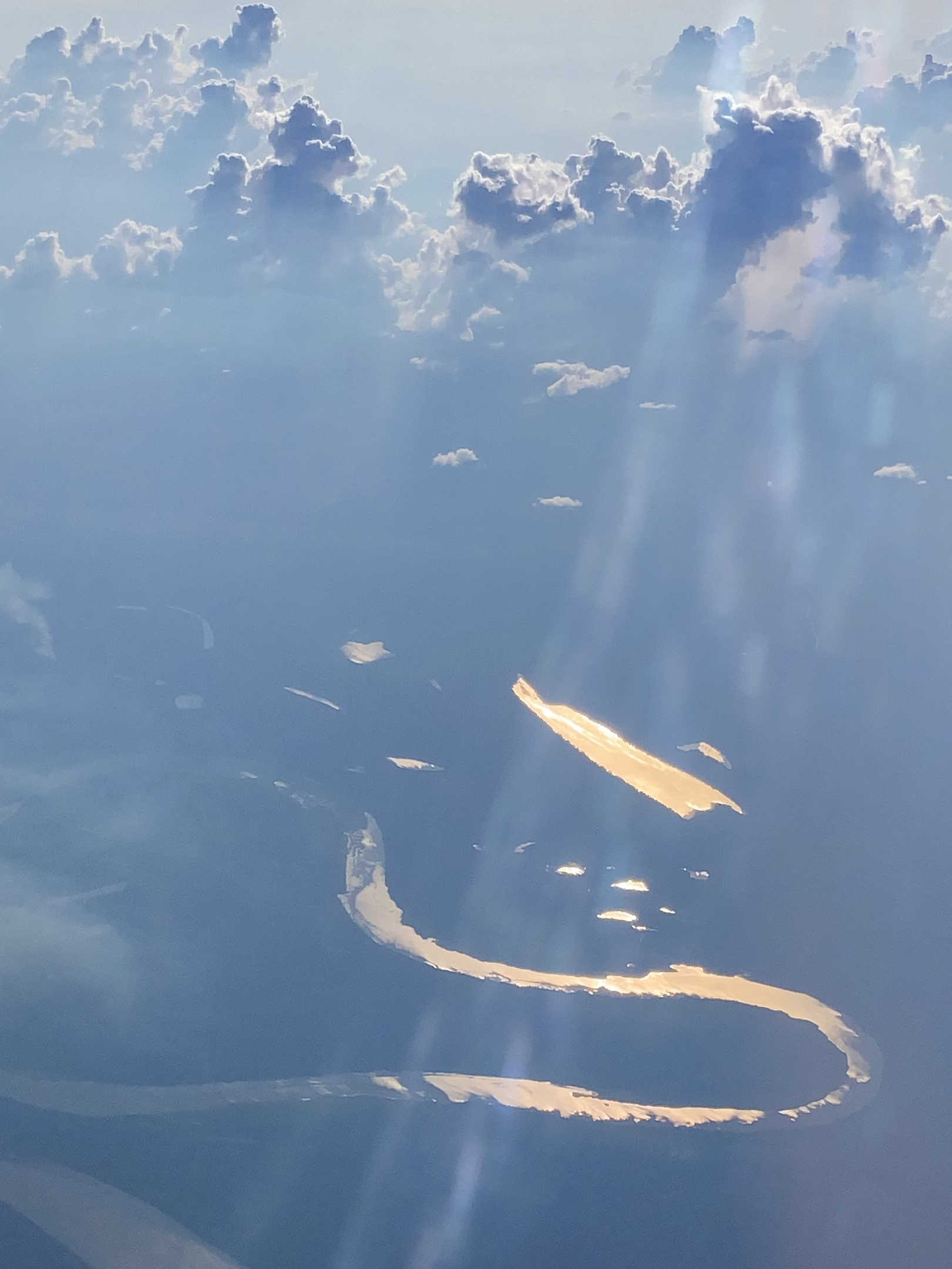
Image / Bird's-eye view of the Amazon rainforest from the air
Source / SouSou Corner
Adventure in the rainforest: Aboriginal guides’ jungle survival tips
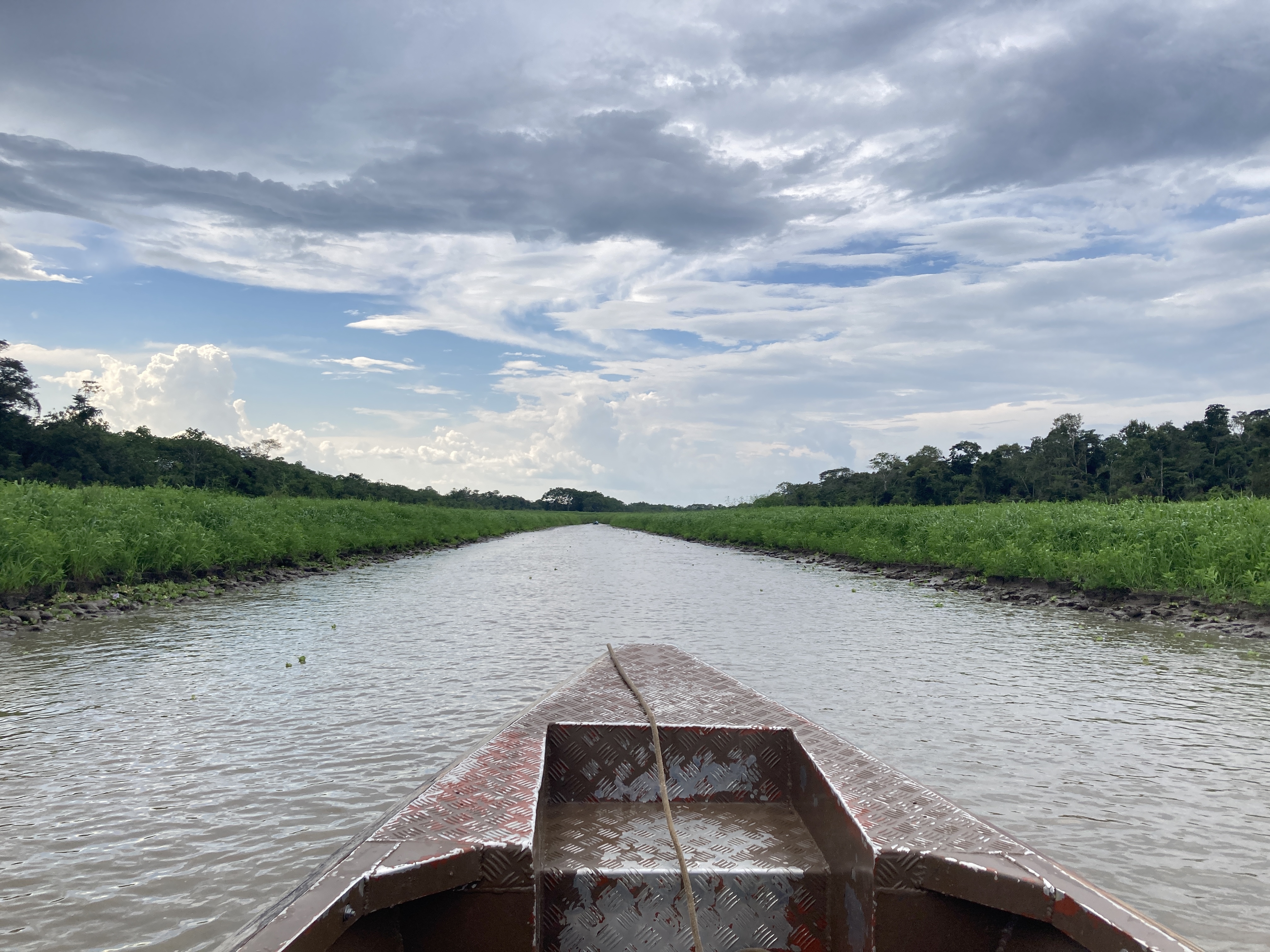
Image / Canoe trip in the Amazon Basin
Source / SouSou Corner
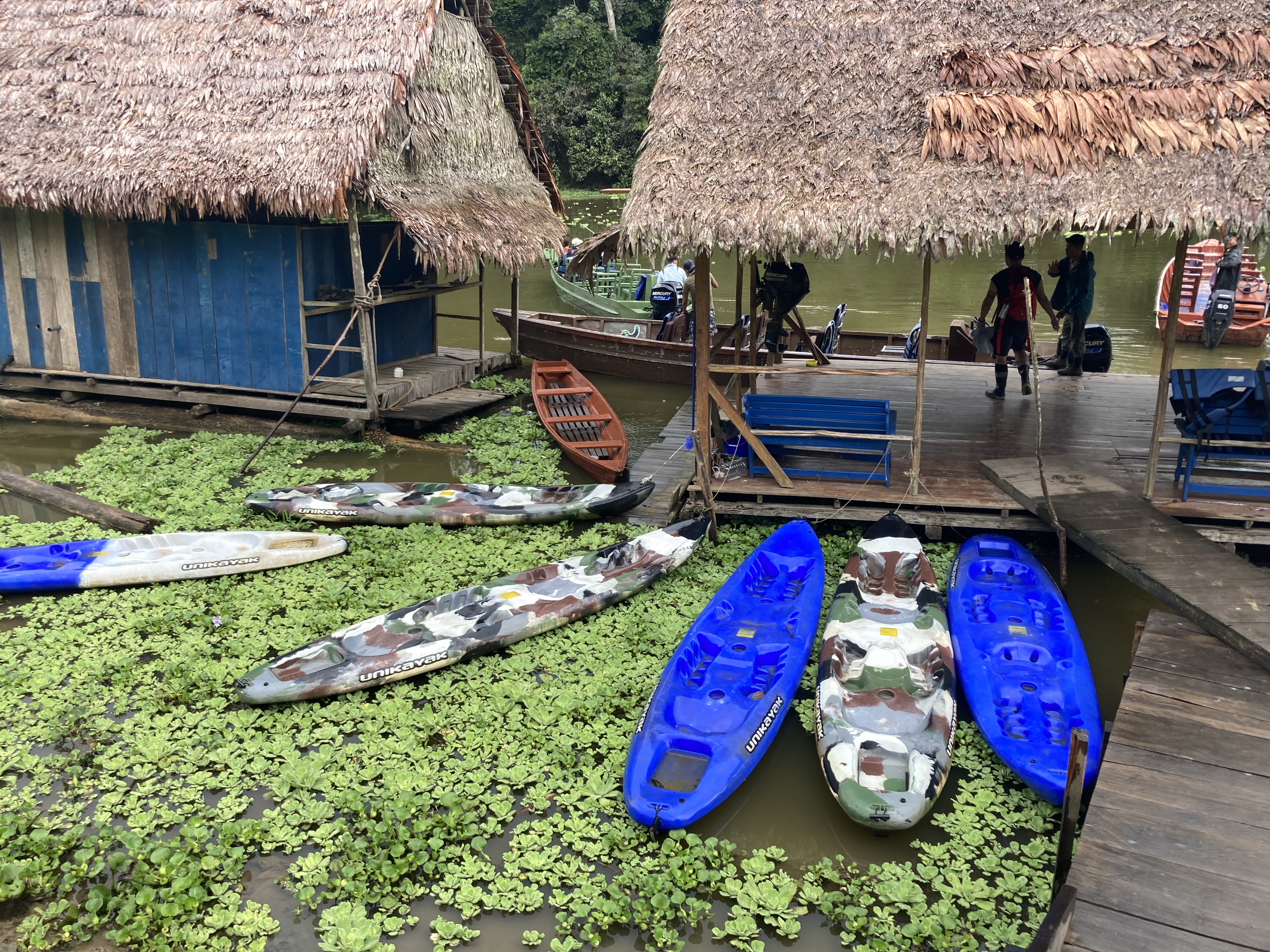
Departing from Lima, the capital of Peru, take a two-hour domestic flight to the Amazon entrance city "Iquitos". Viewed from the air, the winding Amazon River looks like a giant dragon surrounded by an endless green jungle. After arriving in the city, you have to take a two-hour bus to the river, take a boat for another hour, and finally arrive by a group of isolated tree houses in the lower reaches of the Amazon River.
Image / Ecological treehouse group in the lower Amazon
Source / SouSou Corner
While walking on the jungle trail, Donaldo seemed to have an eagle eye that was different from ordinary people. He could detect traces of creatures from a distance of more than 800 meters: like two "Pygmy Tamarins" (Cebuella pygmaea) scratching each other's itch in the tree, which are the smallest monkeys in the world, smaller than the palm of a hand. Or the common squirrel monkeys (Saimiri sciureus) jumping around in the canopy, as well as large equatorial monk-faced monkeys (Pithecia), and a bearded black bush-tailed monkey (Black bearded saki).
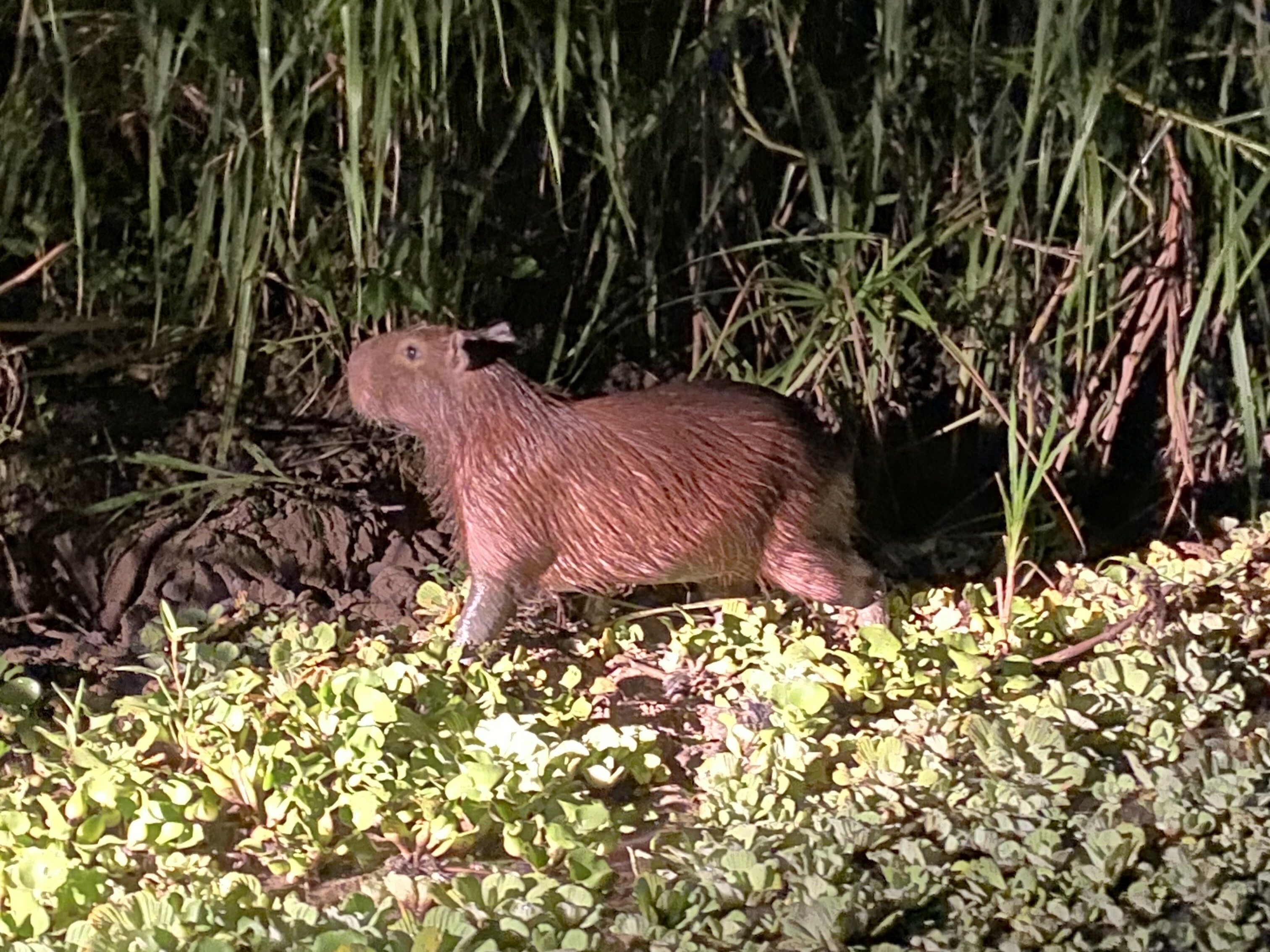
After dinner, we took a night cruise and saw a sloth hanging on a tree eating leaves. As soon as Donaldo imitated the call of an eagle, the sloth immediately stopped moving and huddled into a ball. We also saw a capybara in the grass by the water, grazing leisurely by the river. We watched it eat for a while on the boat before leaving. Later, when the boat was halfway through, a big fish jumped into the boat from the river. The guide said it was another type of arapaima with very hard and large scales.
Source / SouSou Corner
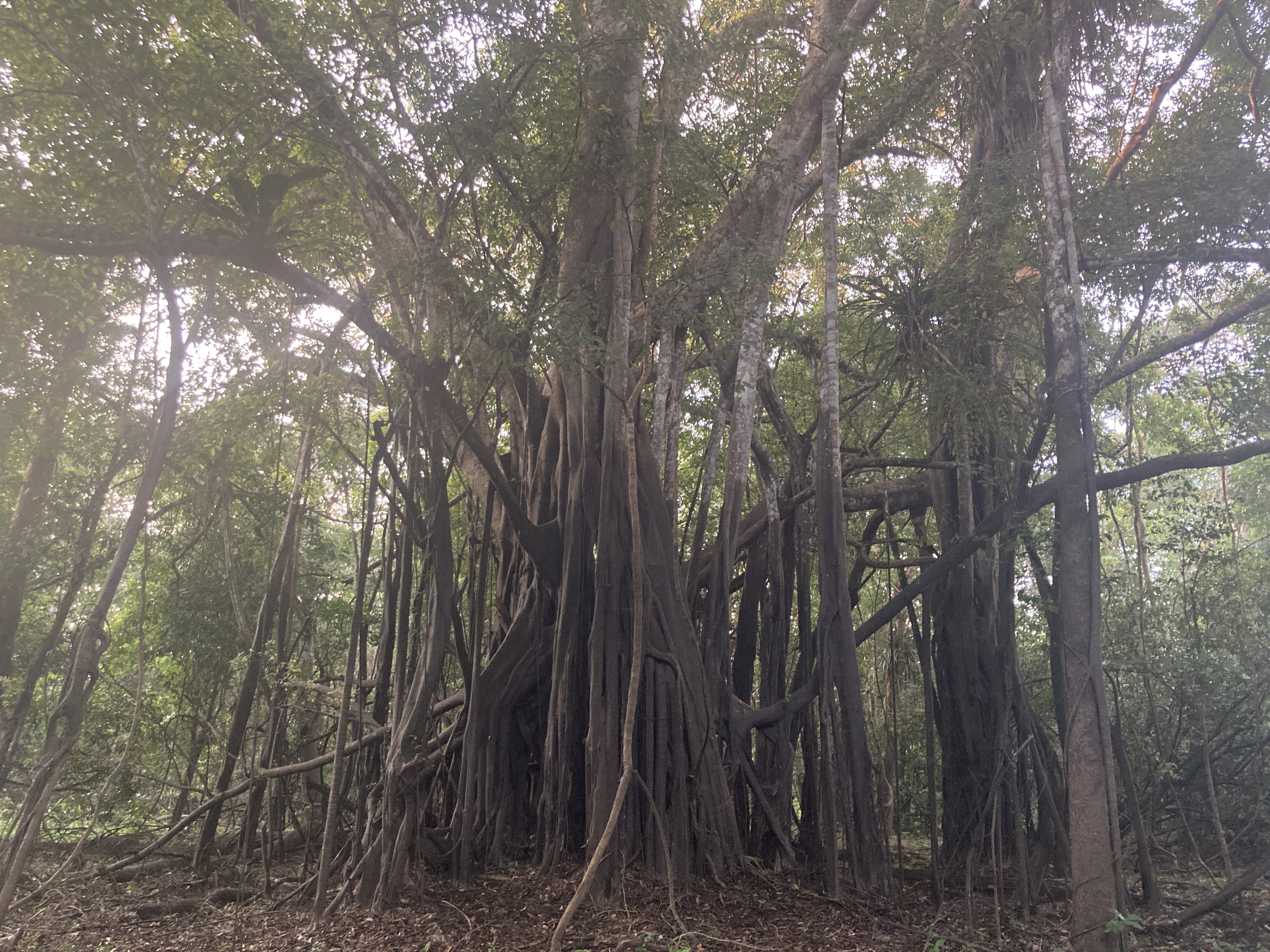
Donaldo shared many secrets of the jungle, like to not make too much noise when stepping on fallen leaves because it would scare animals away, or to be careful not to step on the leaf-moving ants on the ground as they pass by. On our way, we also encountered a kind of mushroom where the local aboriginal people would use branches to carve messages, and aerial roots of large trees with thorns where you could hide in to protect yourself if you encountered a leopard.
Donaldo said that this jungle is part of his life, and that all animals and plants are full of spirituality. He takes tourists into this sacred jungle and listens to the voices of these animals and plants' spirits, hoping that tourists from all over the world would learn from this place after seeing it in person, and join the effort to protect it with their own strengths and methods.
Source / SouSou Corner
Rainforest craftsmanship using local materials
It is estimated that more than 30 million people live in the Amazon rainforest, coming from 350 different tribes; including farmers, urban residents and indigenous people. There are about 370,000 indigenous people in Brazil alone, and they come from 188 tribes, of which at least 114 tribes have never had contact with the outside world.
Even though they live in the same tropical rainforest, the lives and customs of Amazonian indigenous groups are different, and they have developed their own unique craft culture. They use fruits, fish scales and other elements from the rainforest animals and plants to make musical instruments, ornaments and other objects, giving them a symbolic meaning, full of blessings.
Tagua, Ivory Fruit
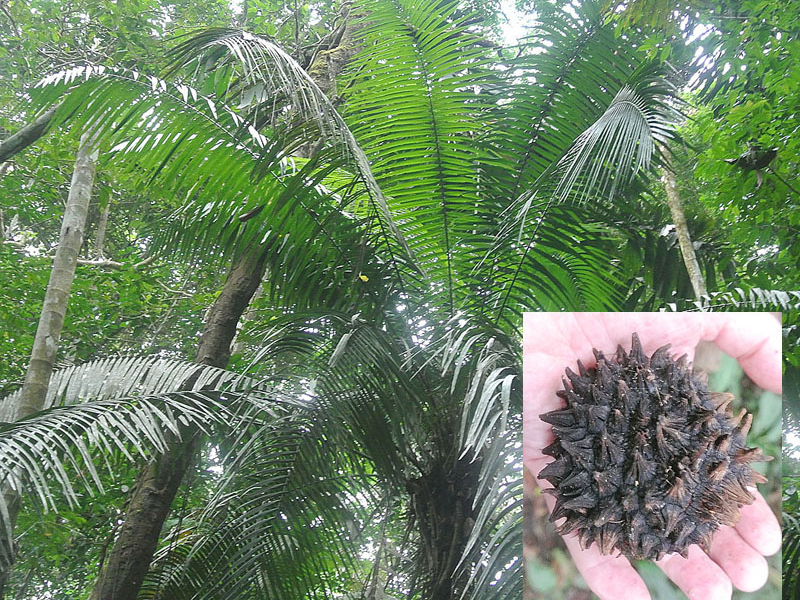
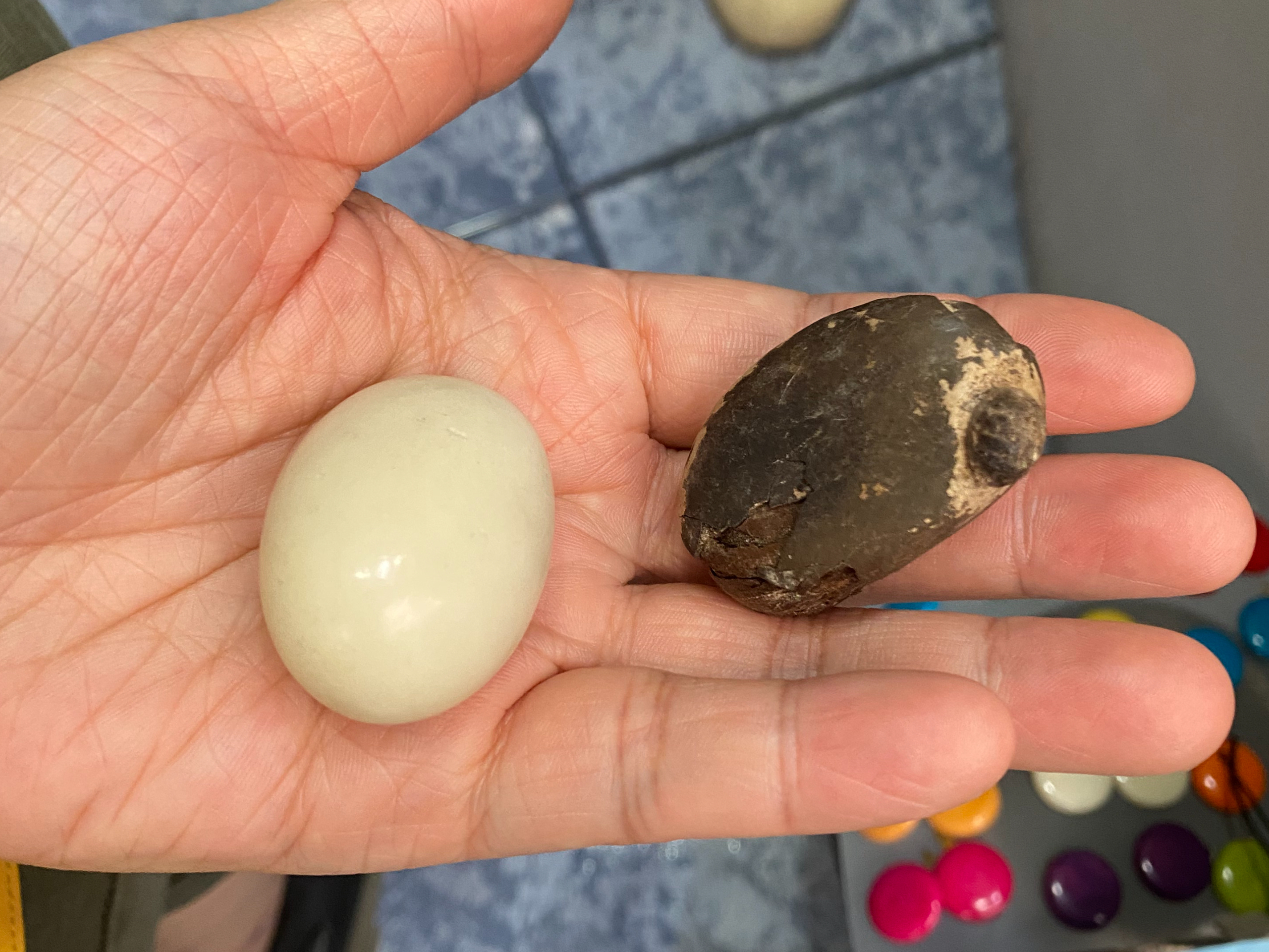
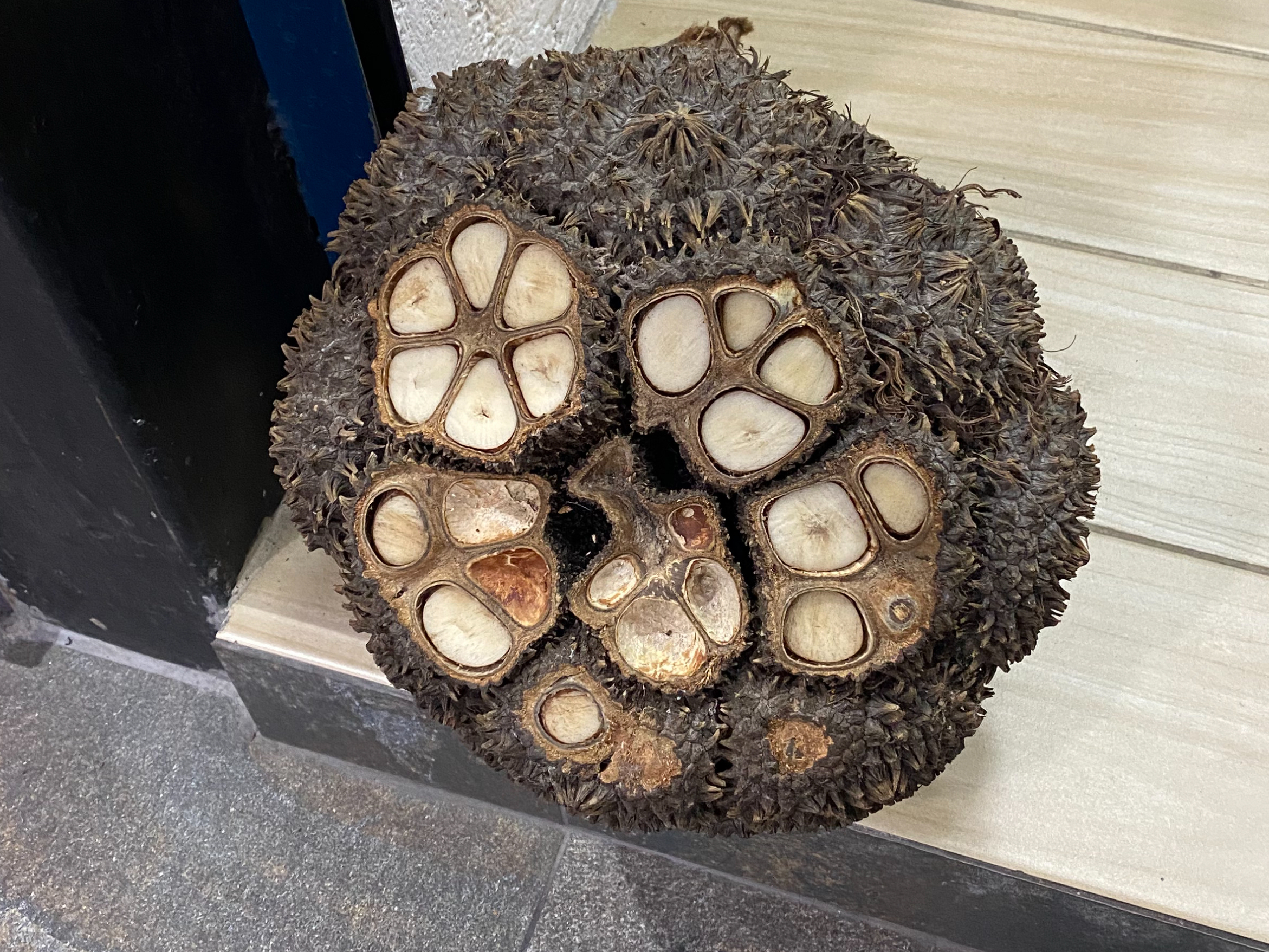
Tagua, which feels like ivory, actually comes from a specific species of palm tree in the Amazon rainforest. The fruits of these palm trees are a bit like coconuts, with thorny shells. When cut open, you can see the mangosteen-like white endosperm, which gradually condenses from liquid to gel and becomes a hard ivory fruit. Tagua fruits have growth-ring-like patterns, and are similar in color, hardness and texture to ivory. The tree species that produces these fruits is classified and named Phytelephas.
Ivory fruits were introduced to Europe by German businessmen in the 19th century. They were widely used by nobles as buttons or decorations for high-end clothing. Some craftsmen also carved ivory fruits into statues or handicrafts.
Although the growth rate of Ivory Palm is extremely slow, taking 15 years to bear fruit, the fruit will take another three to eight years to fully mature, and it will take one to three months of sun exposure to truly obtain Tagua. But a mature tree Palm can produce about nine kilograms of ivory fruit every year, which is equivalent to the weight of ivory in a female elephant's lifetime, and can be harvested for up to a hundred years. It is a very sustainable and environmentally friendly tree species and material, which helps in the process of replacing ivory and protecting elephants from poaching.
Image / Plants and fruits of Tagua palm
Source/Wiki
Image / Dried ivory fruit
Source / SouSou Corner
Image / Ivory palm fruit cross section
Source / SouSou Corner
Pambil, Iron Palm Tree
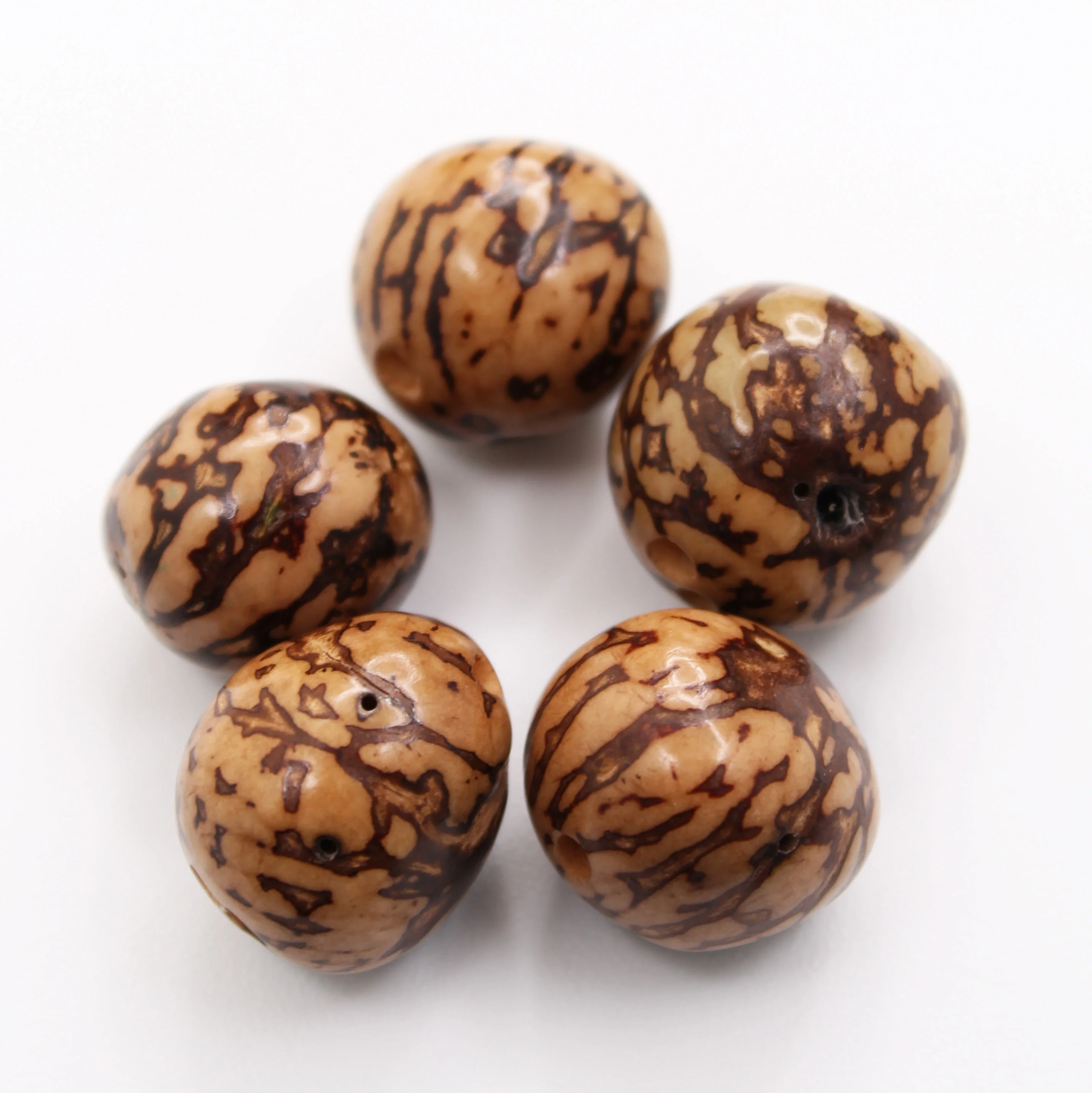
The iron palm tree (Iriartea deltoidea), common in the Amazon rainforest, is known as the "walking coconut". Legend has it that they can move secretly when no one is around, and can move 30 centimeters in a year. It's actually the spreading prop roots at the base that cause them to tilt slightly. The trunk of the iron palm tree is very hard and makes a metallic sound when struck. People would beat the trunk to warn or call for help. It is also an important building material for local houses. Aboriginal people also make ornaments from the seeds with beautiful textures.
Image / Iron Palm Seeds
Source / Tigue Tague
Pirarucu, Arapaima
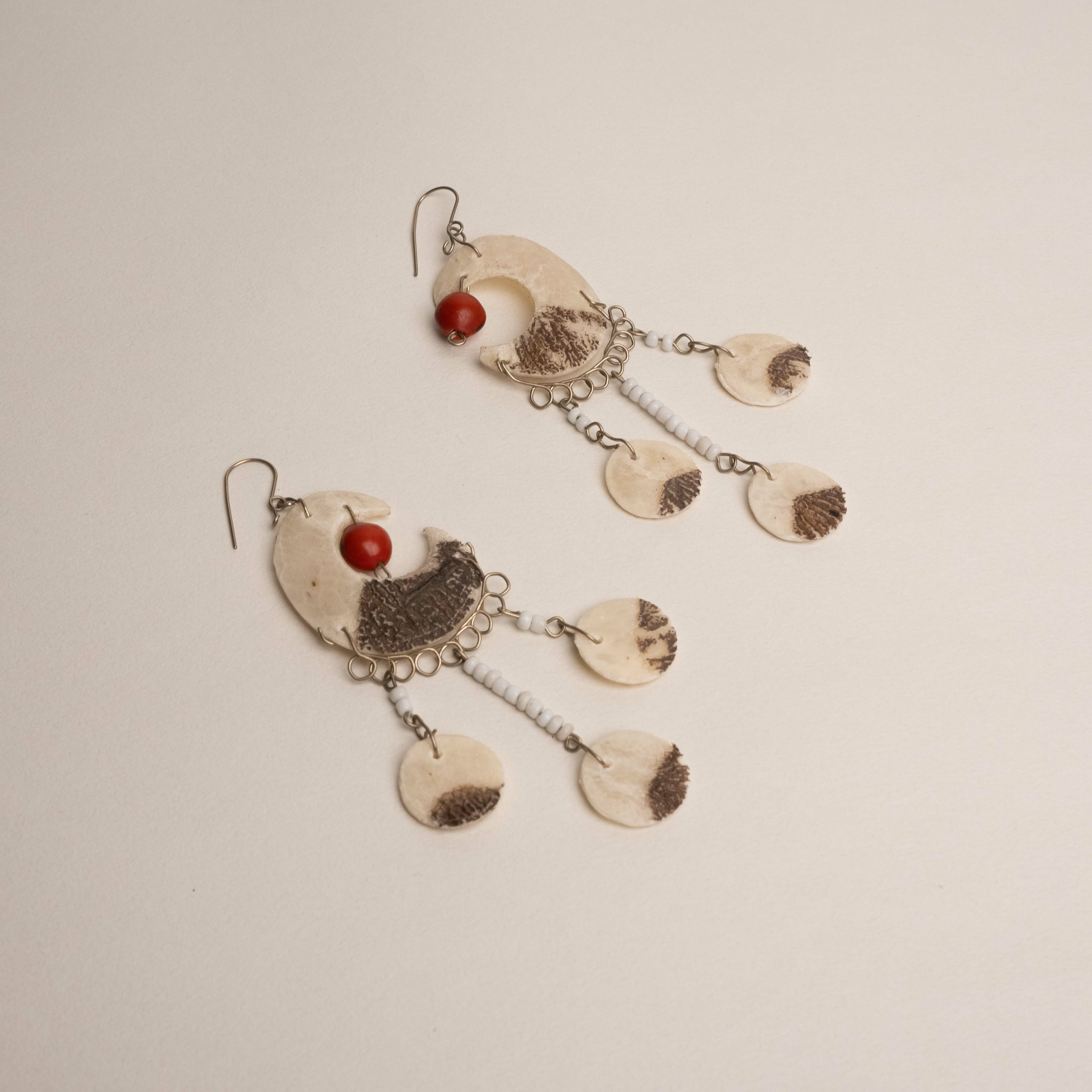
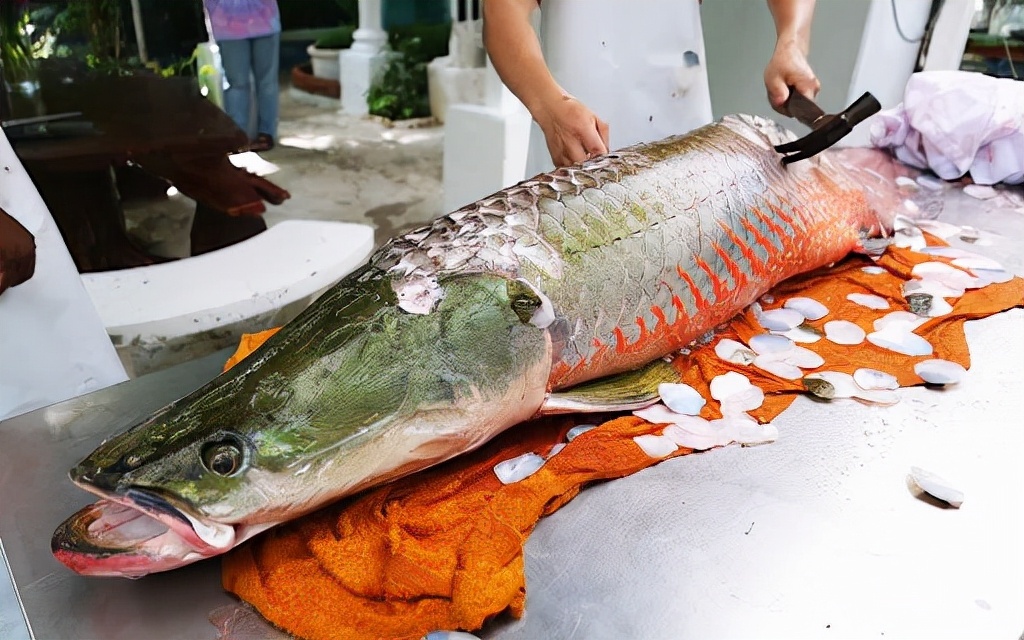
The arapaima, known as pirarucu by the Amazon natives, is a native species of the Amazon. It can exceed 2.5 meters in length and weigh more than 100 kilograms. It is one of the largest freshwater fish in the world. Although they have teeth like other freshwater fish, the arapaima actually uses its hard, bone-like tongue to hunt, which is where their name comes from, together with its large, thick and extremely strong scales. In addition to eating fish, they can also feed from small crocodiles or piranhas. The aborigines would thump off the scales of arapaima fish with iron hammers to make daggers or ornaments.
Image / The scales of arapaima are very hard and can be used to make daggers or jewelry
Source / Daily Headlines
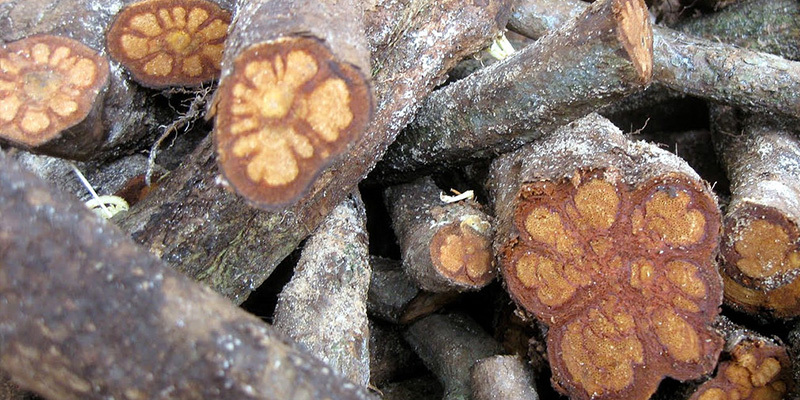
Image / The unique texture of ayahuasca cut surfaces
Source / Chinese Encyclopedia of Plants
Ayahuasca (Kapi wood)
Ayahuasca (Banisteriopsis caapi), also known as Kapi wood, is called "Ayawaska/Ayahuasca" in the South American Aboriginal language where "Aya" means soul or spirit, and "waska" means vine or rope. Ayahuasca rituals are popular in the Amazon rainforest. The local indigenous people would mix ayahuasca with local endemic plants to prepare the beverage ‘Ayahuasca’, taking it during ceremonies for healing, purifying, interpretation, and even psychic effects. In addition, ayahuasca slices with beautiful patterns are also made into pendants and other accessories.
Huayruro, Yin and Yang beans
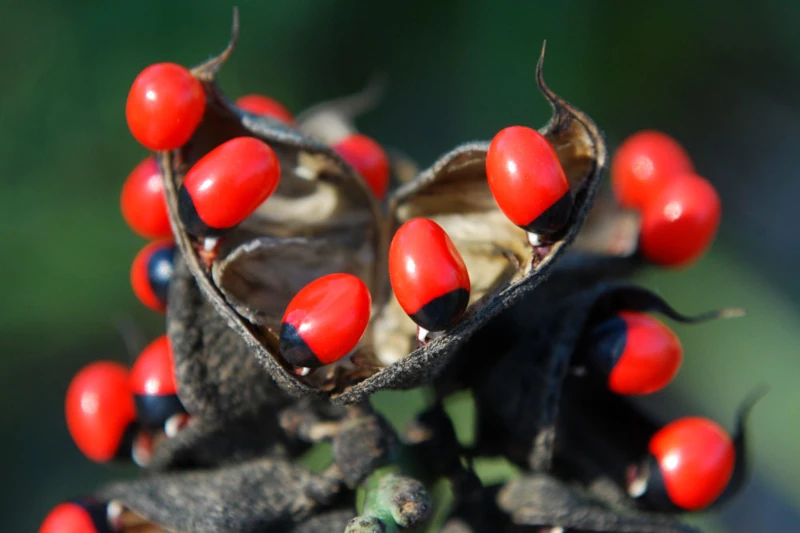
The red bean tree (Ormosia coccinea) from the Amazon rainforest has not only been considered a symbol of luck since ancient times, but the indigenous people of the rainforest have also given it profound meaning: Huayruro is red and black, and people believe that the color red represents female (yin) energy, and the black color represents male (yang) sexual energy, showing the duality of all things, balancing the energy of yin and yang. People collect yin and yang beans that fall in the rainforest, bottle them and put them at home to bring good luck, make them into necklaces and jewelry, or carry them as amulets, making yin and yang beans an important cultural symbol of the Amazon rainforest.
Image / Huayruro is considered a symbol of good luck
Source / Palotoa Amazon Travel
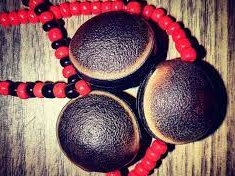
Ojo de venado, Deers eye stone
The seeds of Mucuna Pruriens look like deer eyes. People believe that animals' eyes can be keenly aware of danger and evil, so deer's eye stone is regarded as an important talisman to avoid evil, jealousy and other negative emotions.
Edible plant seeds
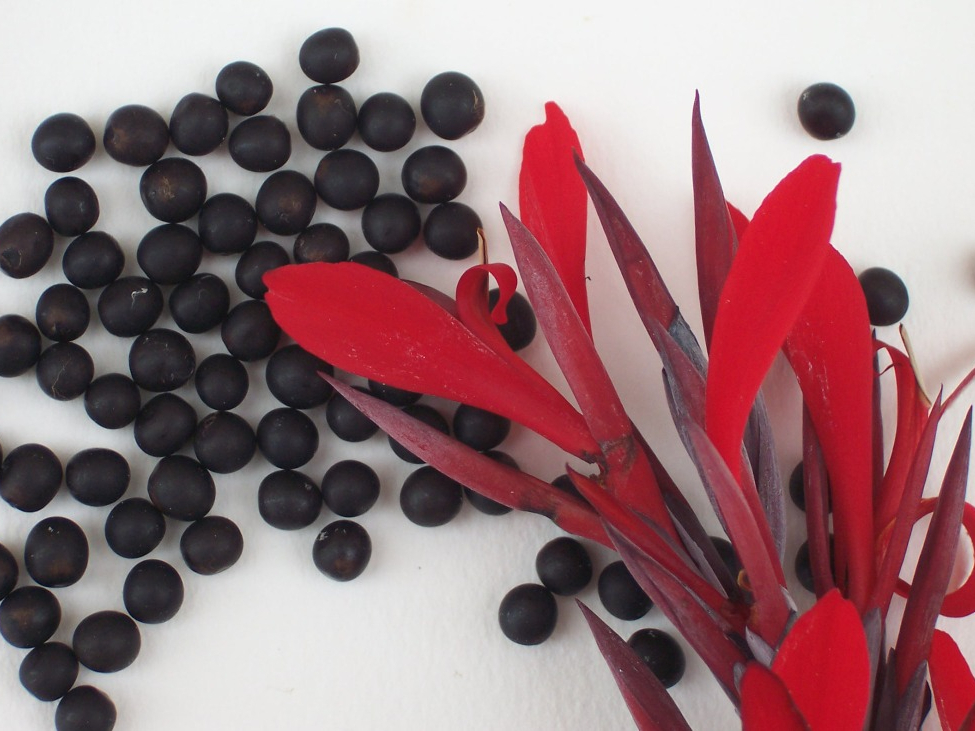
The seeds of Canna Indica were not only used as food in the Inca civilization, but also for the effect of absorbing toxins. The aboriginal people of the Amazon will make Achira into ornaments or fillings for musical instruments such as sand bells, which have a symbolic meaning of preventing the invasion of evil spirits. Other edible plant seeds such as mustard seeds (Semilla mostaza, earthy yellow particles) and coix seeds (Semilla lagrima de San Pedro, white seeds that look like shells) have become important elements of Amazon jewelry.
Image / Canna Seeds
Source / Dachnaya zhizn
Image / Deer’s Eye Stone
Source / En Pareja
Southern Craft|Amazonian Craft Rainforest Craft