{{ 'fb_in_app_browser_popup.desc' | translate }} {{ 'fb_in_app_browser_popup.copy_link' | translate }}

{{ 'in_app_browser_popup.desc' | translate }}

Your Shopping Cart is empty.
{{ (item.variation.media ? item.variation.media.alt_translations : item.product.cover_media.alt_translations) | translateModel }} {{ (item.variation.media
                    ? item.variation.media.alt_translations
                    : item.product.cover_media.alt_translations) | translateModel
                }}
{{ 'product.bundled_products.label' | translate }}
{{ 'product.bundle_group_products.label' | translate }}
{{ 'product.buyandget.label' | translate }}
{{ 'product.gift.label' | translate }}
{{ 'product.addon_products.label' | translate }}
{{item.product.title_translations|translateModel}}
{{ field.name_translations | translateModel }}
  • {{ childProduct.title_translations | translateModel }}

    {{ getChildVariationShorthand(childProduct.child_variation) }}

{{ 'product.set.open_variation' | translate }}
  • {{ getSelectedItemDetail(selectedChildProduct, item).childProductName }} x {{ selectedChildProduct.quantity || 1 }}

    {{ getSelectedItemDetail(selectedChildProduct, item).childVariationName }}

{{item.variation.name}}
{{item.quantity}}x {{ item.unit_point }} Point
{{addonItem.product.cover_media.alt_translations | translateModel}}
{{ 'product.addon_products.label' | translate }}
{{addonItem.product.title_translations|translateModel}}
{{addonItem.quantity}}x {{ mainConfig.merchantData.base_currency.alternate_symbol + "0" }}
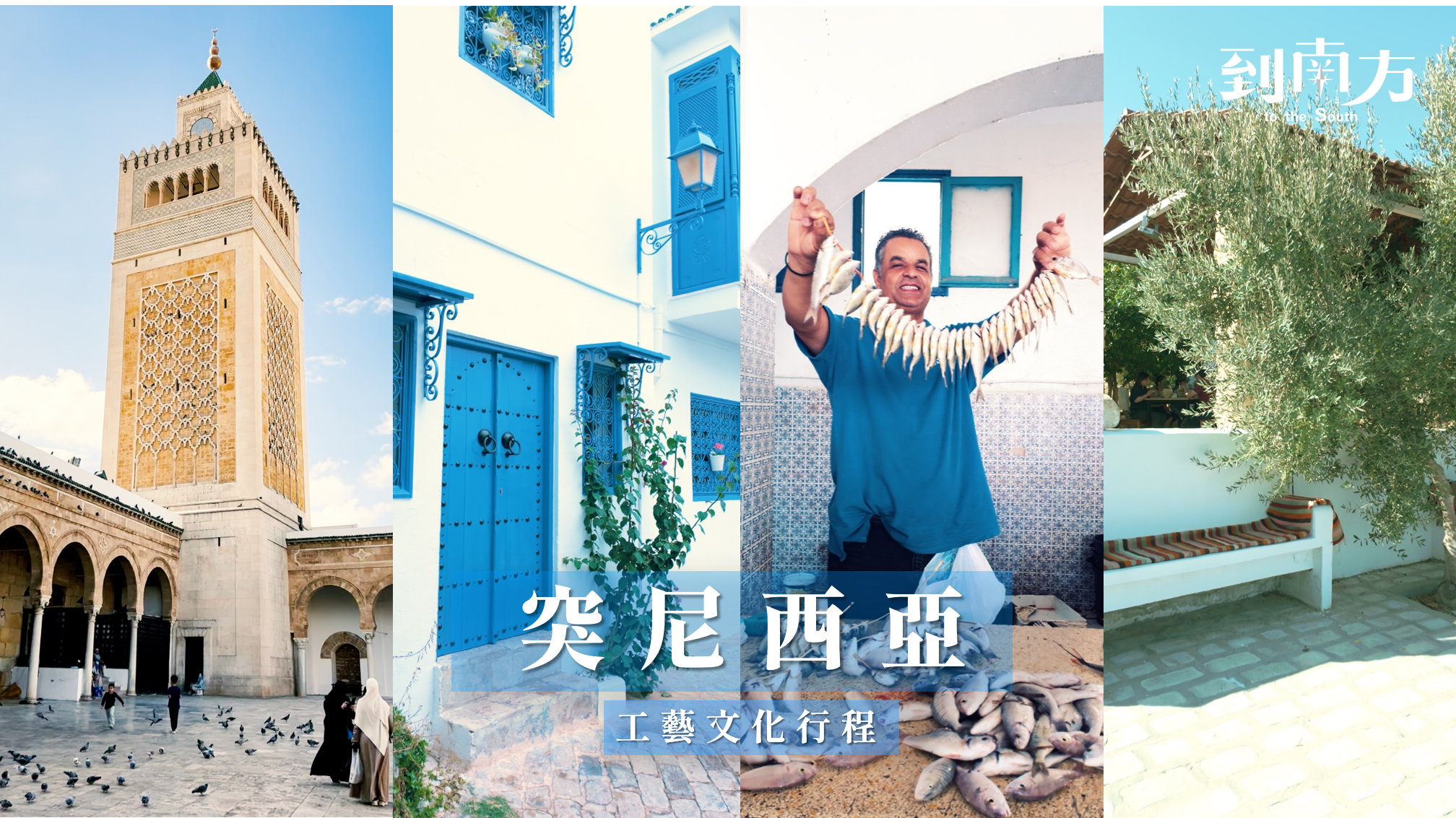
Tunisia stands at the historic crossroads of civilizations, shaped over millennia by Phoenician, Roman, Islamic, Ottoman,Berber, and French colonial legacies. Beneath these architectural and cultural layers lies a thriving heritage of living craftsmanship. On this journey, we will step directly into local artisan workshops and timeless landscapes. We warmly welcome those with a passion for traditional crafts and cultural exploration to travel with us.

► Info Session Registration & Expression of Interest

✦ Organized & Operated by: Hsin Chin Hsin Travel Service Co., Ltd. (New Golden Joy Travel Service)

After wrapping up this year’s artisan and cultural scouting expedition and sharing such a wonderful journey through Tunisia with our community, Sousoucorner has taken the insights from our field research to refine and elevate the experience. This refreshed edition is crafted to welcome those who couldn’t join us previously due to timing, inviting you to wander together through working farms and studios, vibrant traditional souks, evocative heritage sites, and ancient ruins.


Tunisia: An Understated Treasure, Radiant with History

Located in North Africa, Tunisia is the smallest of the Maghreb trio, yet it carries the region's most layered cultural mosaic—blending Islamic, indigenous Berber, Ottoman, French, Spanish, and Roman heritages. This profound diversity stems from its ancient roots as Carthage, the powerhouse that once commanded the Mediterranean.


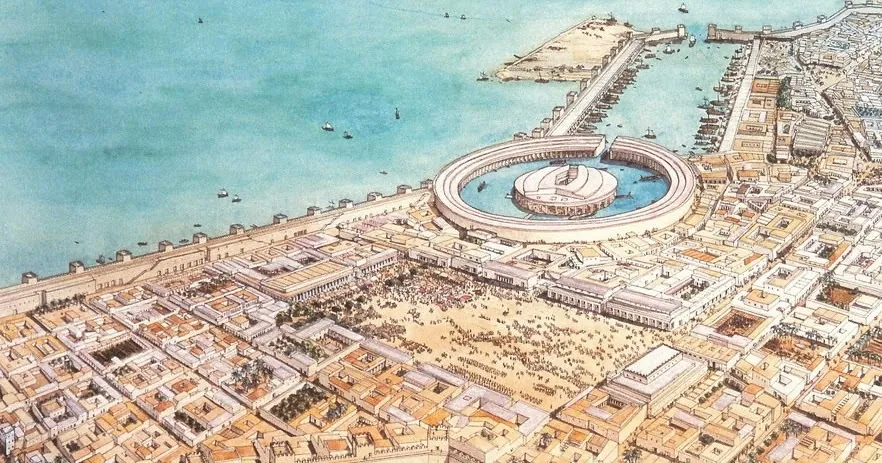
Established by Phoenician seafaring traders, the Carthaginian Empire held sway across the Western Mediterranean from the 7th to the 2nd centuries BCE. Modern Tunisia was its imperial capital and merchant heart, serving as the era's most dynamic trade network. After enduring legendary rivalries with classical Greece and Rome, Carthage fell in the 2nd century BCE to become Rome’s province of Africa. Successive centuries brought the rule of the Vandals, Byzantines,Arab dynasties, and the Ottomans. Following shifting wartime occupations by France, Italy, and Germany during World War II, Tunisia finally achieved independence in 1956.


Centuries of passing civilizations have left Tunisia with an exceptionally brilliant cultural heritage. While it remains less documented in mainstream travel circuits than other Mediterranean hubs, its quiet profile invites deeper curiosity. With fewer crowds, we are granted unmediated access to the land's genuine everyday rhythms and ancestral spirit.

The Carthaginian Empire: Once the Economic Powerhouse of the Mediterranean

Discover Crafts & Culture with Sousoucorner

Field research was once a solitary path for our team. Yet after our inaugural scouting trip, we realized that venturing into the field with our fellow travelers brings an incomparable depth to the experience. We design our journeys not as a patchwork of fleeting impressions, but as an immersive framework for truly understanding a place through its sights,textures, and rhythms.


Together, we will explore Tunisia’s living artisan studios, walk through historic estates and olive groves, and step into the cadence of daily life among local spice markets and medinas. Along the way, we will encounter defining UNESCO World Heritage sites bearing Roman, Islamic, Jewish, and Ottoman legacies, alongside Berber desert villages and the vast landscapes of the Sahara.

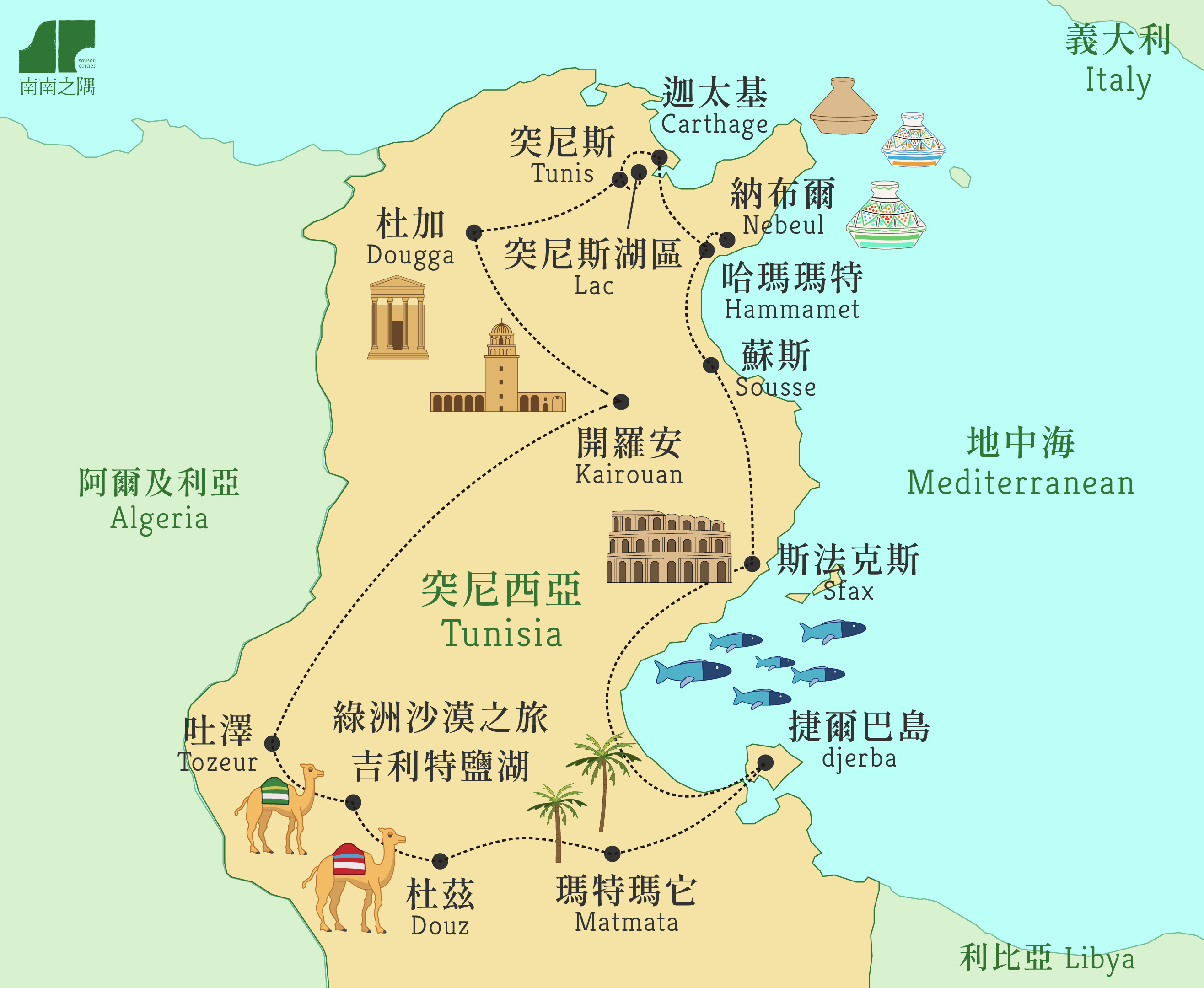
Route Map

| Workshop Experiences: Field Studies in Agriculture & Craft Heritage

Tunisia boasts a distinguished heritage of craftsmanship, agriculture, and artisanal production, which forms the core of this journey.


The country is world-renowned for its vast cultivation of bitter orange blossom (neroli), bourbon geranium, and Damascus rose, alongside its traditional floral water distillation techniques. Renowned for both exceptional yield and quality, Tunisia serves as an indispensable, behind-the-scenes pillar of the French fine fragrance industry.


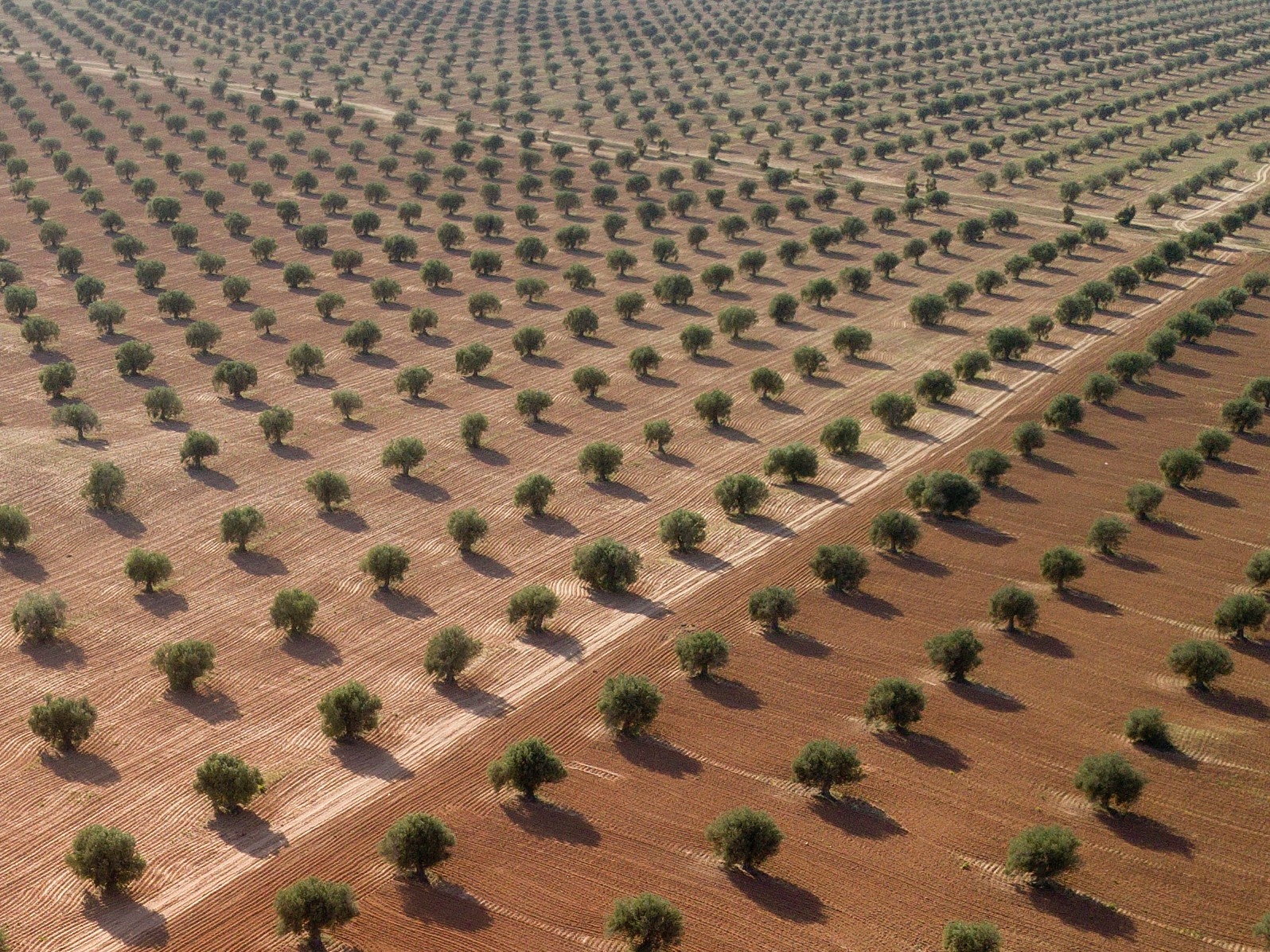
Tunisia also ranks among the world’s leading olive oil producers. On this journey, we will visit an organic olive estate,where agricultural experts will introduce native olive varietals and cultivation methods. Here, we will sample extra virgin olive oils on-site, learning to distinguish their flavor profiles and quality classifications.


Mosaic art and pottery stand as twin pillars of Tunisian cultural pride, frequently serving as the centerpiece of the Tunisian pavilion at World Expos. Accordingly, we will visit a dedicated mosaic museum and an active ceramics studio.We will also explore the region’s celebrated carpet-weaving heritage, visiting medina merchants and weavers to observe their traditional loom techniques firsthand.


Finally, we will encounter Tunisia’s signature harissa paste. Officially recognized as UNESCO Intangible Cultural Heritage, this spicy condiment has captivated palates across Europe and beyond. We will step inside a premier local harissa atelier to discover its production process.


By engaging directly with these studios and ateliers, we invite you to experience the authentic terroir and living traditions of Tunisia through all five senses.

| From Souks to Shisha Cafés: Immersed in Everyday Living Traditions

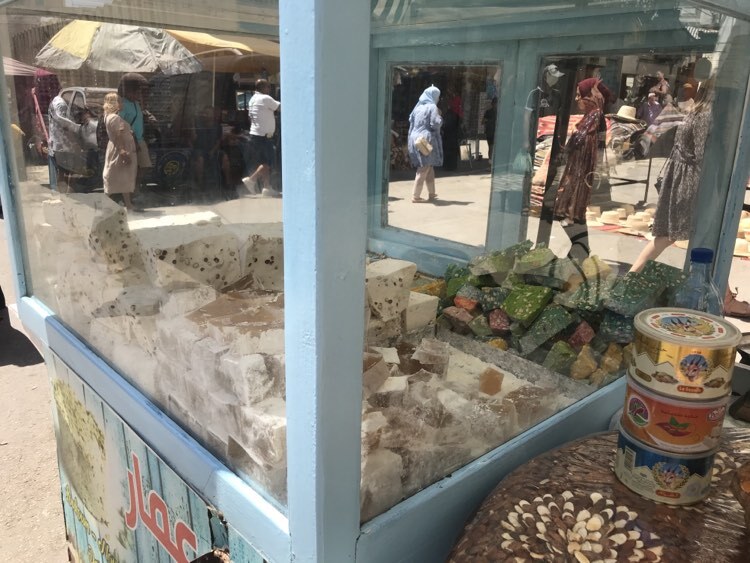
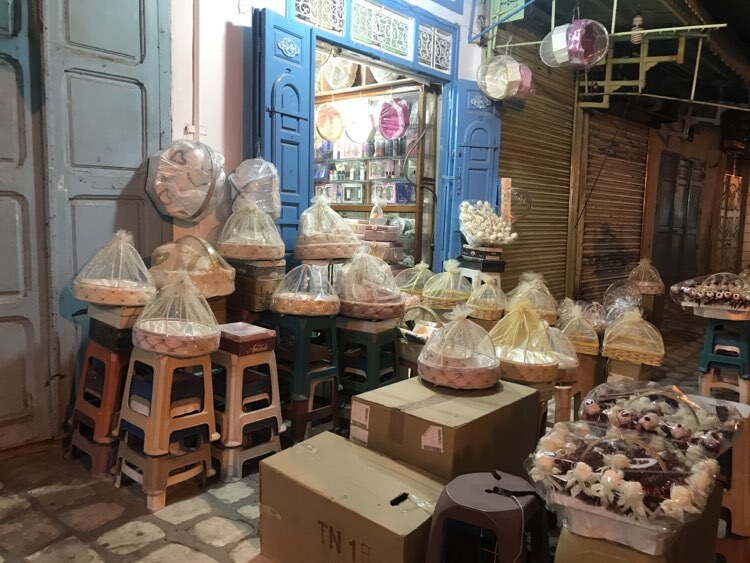
Understanding Tunisia means moving beyond workshops and agricultural estates into the living pulse of its streets. We navigate the labyrinthine alleys of ancient medinas, bypassing standard sightseeing tracks to enter the quiet corners where locals trade. These walks illuminate regional spices, utilitarian tableware, market produce, and the unspoken social codes of everyday commerce, punctuated by meals in unpretentious neighborhood eateries.


Our exploration also takes us to working harbors and a rare Jewish fish market. Within North Africa’s predominantly Arab landscape, Tunisia’s Jewish heritage remains an active, unbroken thread, reflected in ancestral fish-auction traditions still practiced on the coast. From quiet afternoons in traditional shisha coffeehouses to nights spent beneath Saharan skies sharing warm skillet bread, alongside visits to storied neighborhood shops, these intimate encounters define the Sousoucorner journey.

| Echoes Through Time: The Living Soul of Cultural Heritage

Tunisia stands at the crossroads of Carthaginian, native Berber, Roman, Ottoman, French colonial, and Islamic civilizations—each embedding its story into the built environment.


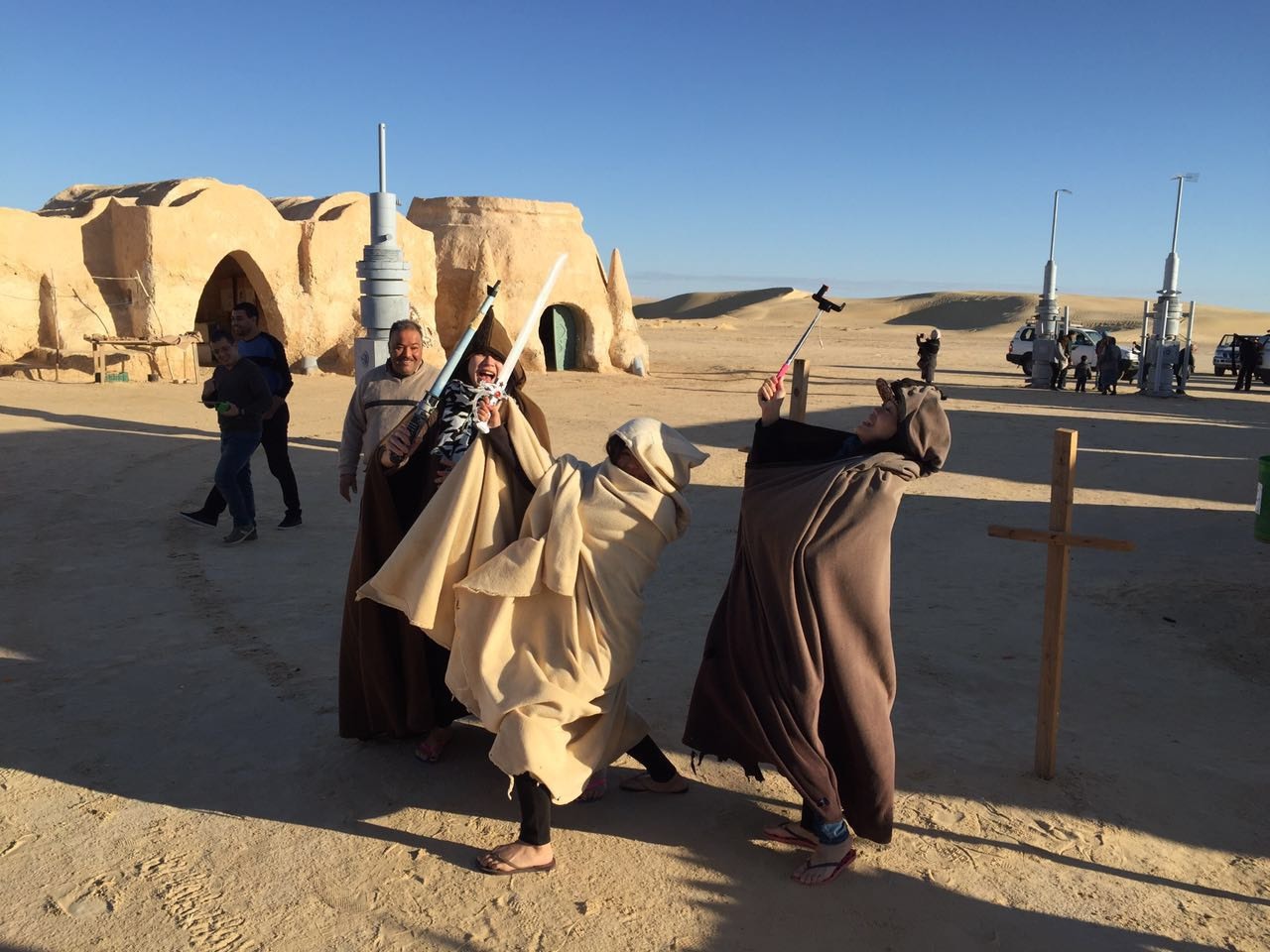
Our itinerary weaves through these pivotal historical landmarks, from celebrated UNESCO World Heritage sites to the surreal terrains immortalized in Star Wars and featured in iconic music videos by Mayday. We invite you to walk these ancient and contemporary crossroads across North Africa.

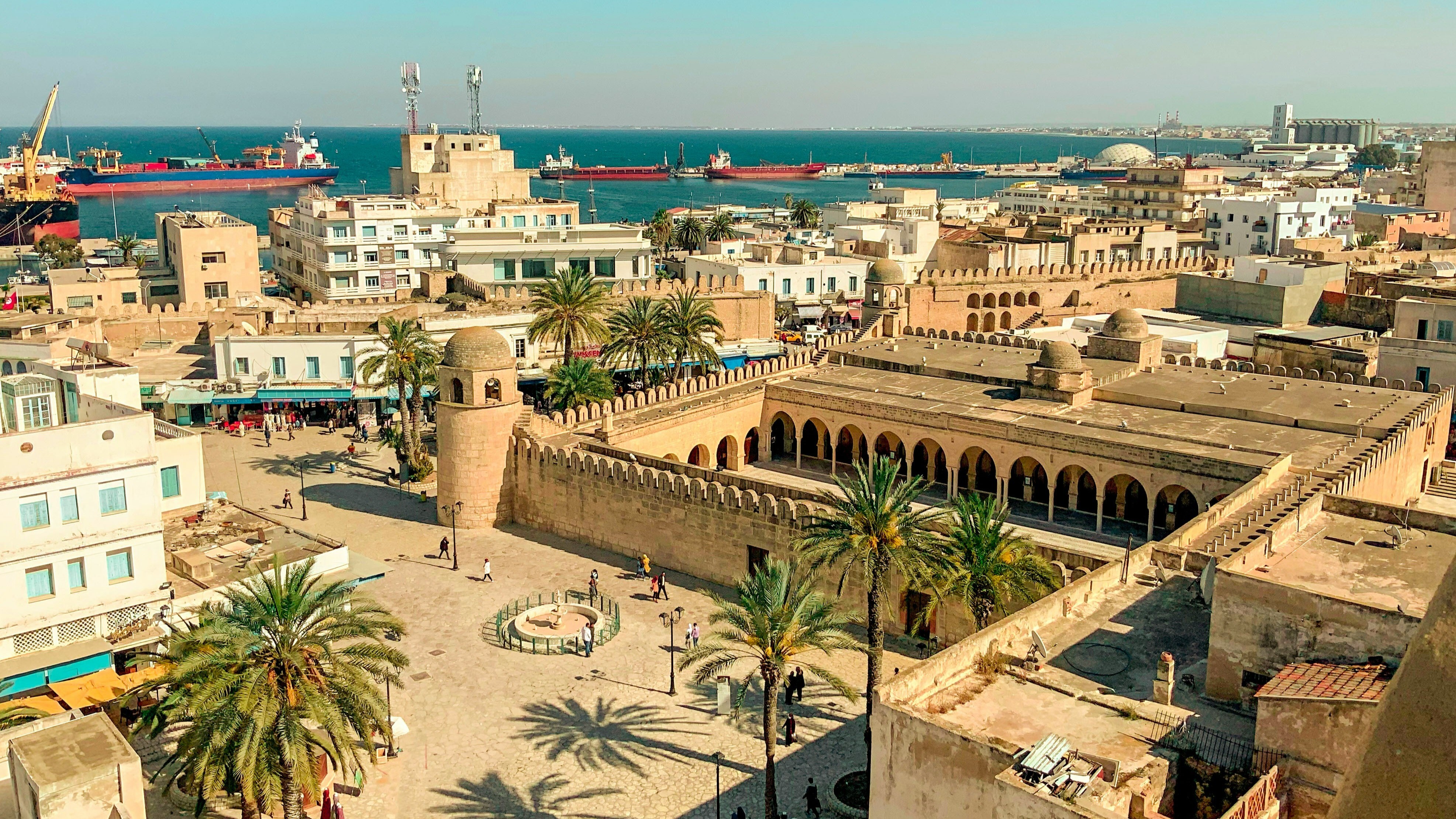
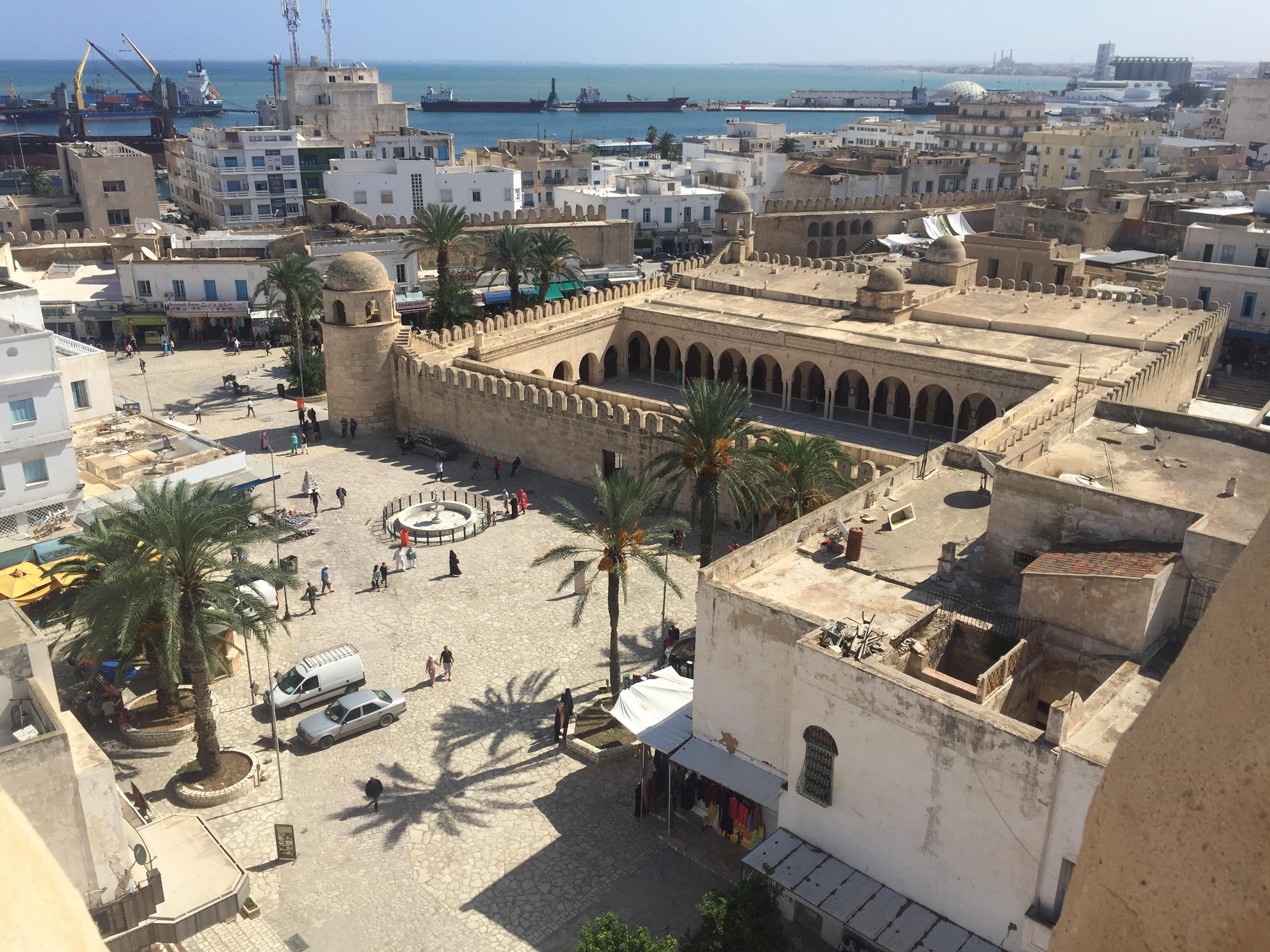
The Medina of Sousse

Designated a UNESCO World Heritage site in 1988, Sousse's ancient medina retains a remarkably intact fabric of medieval homes, vibrant markets, and sacred architecture.

At the heart of the medina lies its celebrated Ribat—a maritime fortress often referred to as a "monastery-fortress" or "warrior mosque." Engineered as a coastal bastion, its preserved mihrab quietly speaks to its spiritual function. The garrison inside lived double lives: devout scholars of Islam in ordinary times, and frontline soldiers during conflict. From atop its commanding watchtower, sentinels guarded the shoreline, deterring Byzantine fleets and securing the borders of the Aghlabid dynasty—a striking testament to the early Islamic era's maritime vigilance.

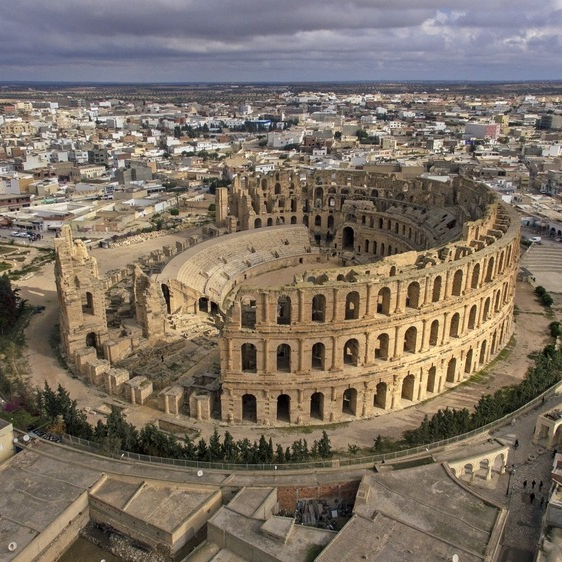
The Roman Amphitheatre of El Jem

Situated in eastern Tunisia, ancient El Jem once flourished as a prominent olive oil trading capital of the Roman province of Africa. Erected in the 3rd century CE, its amphitheatre accommodated around 35,000 spectators and remains the third largest and remarkably intact example of Roman monumentality surviving today.

Designated a UNESCO World Heritage site in 1979, this imposing arena continues to inspire contemporary culture—serving as the backdrop for film and music productions, including Mayday’s iconic music video "Born to Love"—adding new artistic resonance to centuries of stone.

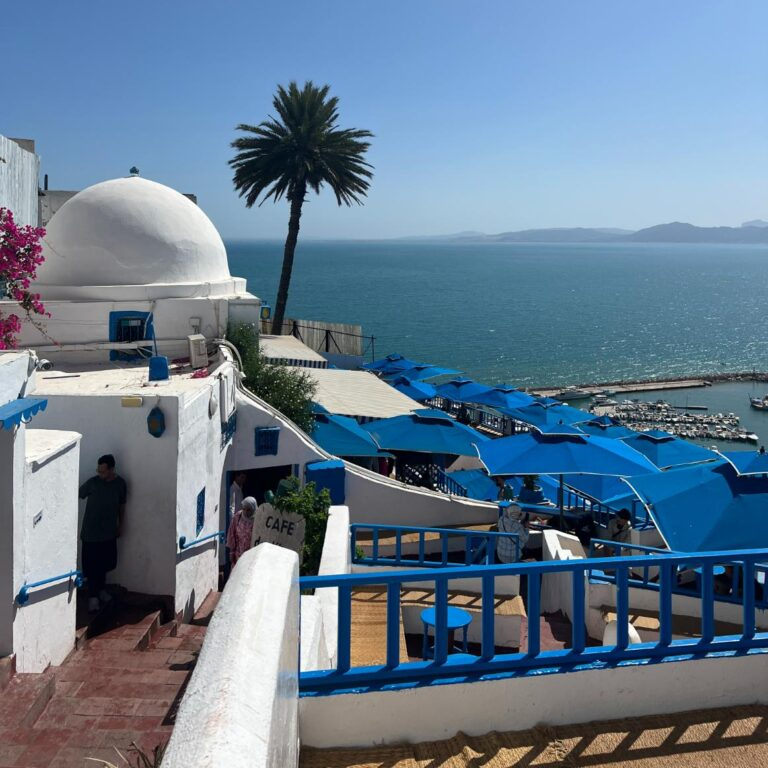
Sidi Bou Said: The Azure and White Haven

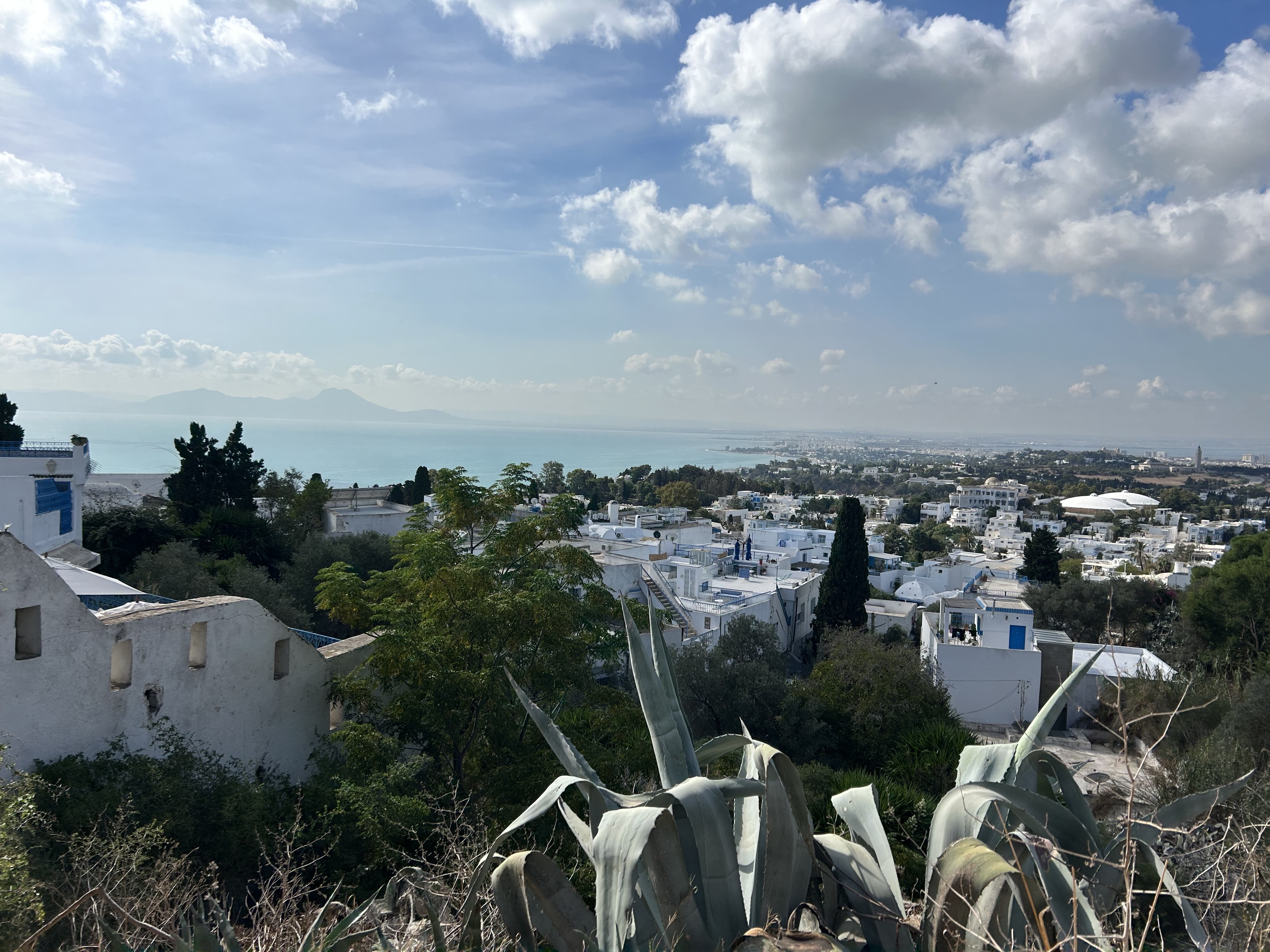
Set atop the coastal cliffs overlooking the Gulf of Tunis, Sidi Bou Said is northern Tunisia’s famed blue-and-white clifftop village. Here, blue stands as an enduring emblem of peace and serenity. Governed by a harmonious palette of chalk-white limestone walls and vivid azure latticework, the village forms an indelible Mediterranean sanctuary. Visitors linger in century-old cafés over steaming pots of pine nut-infused mint tea, gazing out as midday light settles upon the Mediterranean water and embracing the village’s timeless rhythm.

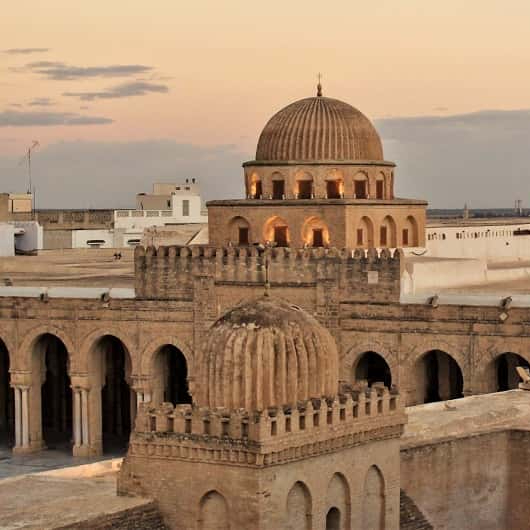
The Great Mosque of Kairouan

Kairouan is widely regarded as Islam’s fourth holiest city, standing alongside Mecca, Medina, and Jerusalem. Founded in 670 CE by Arab commanders following successive campaigns against Byzantine forces, the city emerged as a crucial synthesis of Byzantine foundations and early Islamic culture. Amid its solemn religious and historical fabric rises the Great Mosque of Kairouan—the foundational sanctuary of the Maghreb and the oldest, most expansive Islamic monument across North Africa.

Matmata: Berber Subterranean Architecture

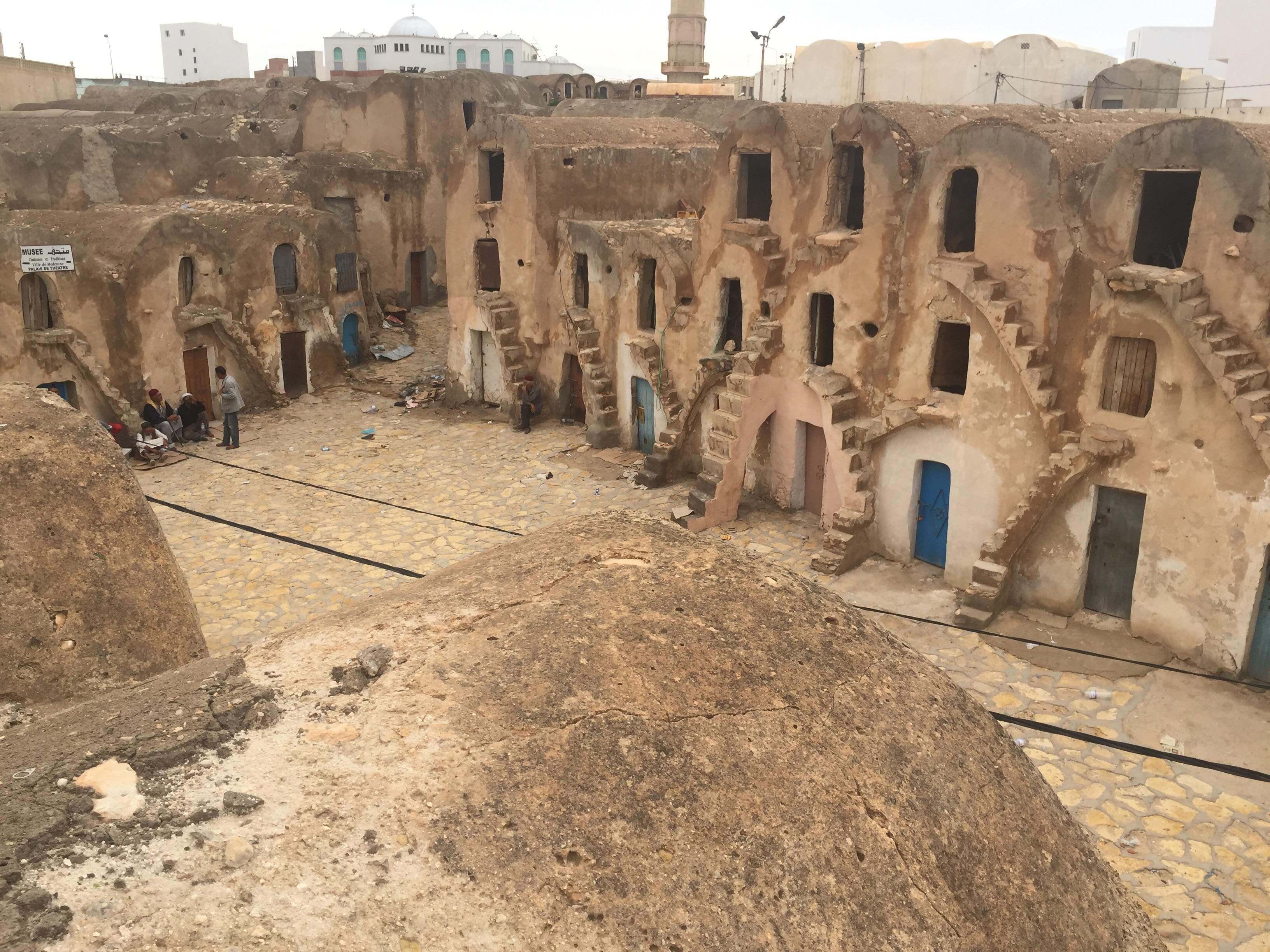
Matmata’s sweeping arid plateau and distinctive sunken troglodyte homes create a haunting, stark beauty that feels entirely extraterrestrial. This otherworldly topography has captivated Hollywood directors, serving as a backdrop for cinematic classics including Star Wars, Lawrence of Arabia, and Indiana Jones.

Dwellings are excavated directly into the earth of the plateau: completely invisible across flat horizons, yet revealing a matrix of deep circular courtyards from above. These underground structures offered brilliant vernacular solutions for desert living, buffering against punishing heat and relentless sandstorms while preserving centuries of Berber architectural wisdom.

— Tunisia: An Artisan & Cultural Expedition —

— Tunisia: An Artisan & Cultural Expedition —

Dates | Apr 3 – Apr 15, 2026 (13 Days)

Standard Rate | NT$ 158,000

Early Bird Rate | NT$ 153,000 (Valid for registrations completed by Feb 13)

Dual Registration Perk | NT$ 3,000 Southern Corner store voucher

This small-group expedition is limited to 12–18 participants. We warmly invite you to complete the interest inquiry and RSVP for the webinar below. Should your schedule conflict with this departure window, we will ensure you receive priority waitlist access for upcoming itineraries.

► Online Webinar: Thu, Jan 29 | 20:00 – 21:00

✦ Operated by: Hsin Chin Hsin Travel Service Co., Ltd. (Travel Agency License: 交觀甲第 5786 號)

Interest Form | Tunisia Cultural & Craft Tour