{{ 'fb_in_app_browser_popup.desc' | translate }} {{ 'fb_in_app_browser_popup.copy_link' | translate }}

{{ 'in_app_browser_popup.desc' | translate }}

{{ childProduct.title_translations | translateModel }}
{{ getChildVariationShorthand(childProduct.child_variation) }}
{{ getSelectedItemDetail(selectedChildProduct, item).childProductName }} x {{ selectedChildProduct.quantity || 1 }}
{{ getSelectedItemDetail(selectedChildProduct, item).childVariationName }}
Bògòlan | Fashion and Décor
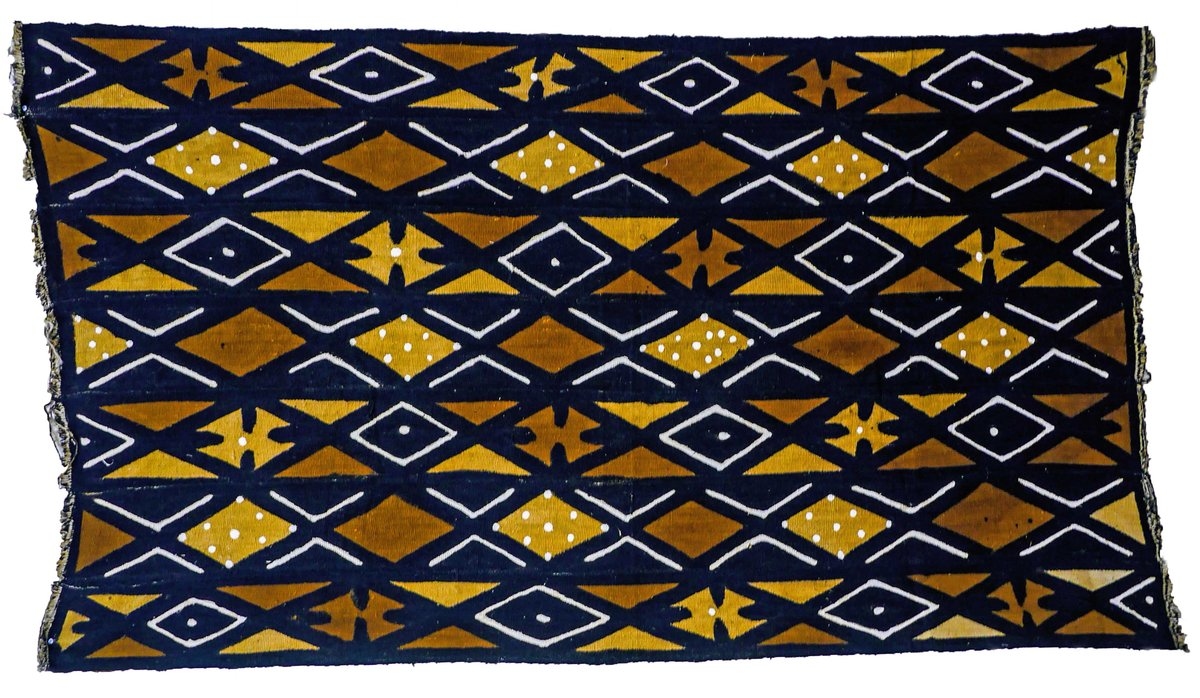
Bògòlan, a traditional handmade Malian fabric, has been taking over worldwide fashion stage for years and become a classic. Bògòlan first caught the eye of Europeans and Americans thanks to Chris Seydou, the Malian fashion designer. Bògòlan made its debut in Seydou's design and then dominated runway in the '80s Paris Fashion Week F/W, starting a trend lasting over forty years in the US and in Europe. With the recent rise of African-American awareness, especially after Obama became the first African-American president of the US, the 'Back to Your Roots' idea has been spreading in the African diaspora and further creates a Bògòlan frenzy in the world of fashion and in hipster culture.
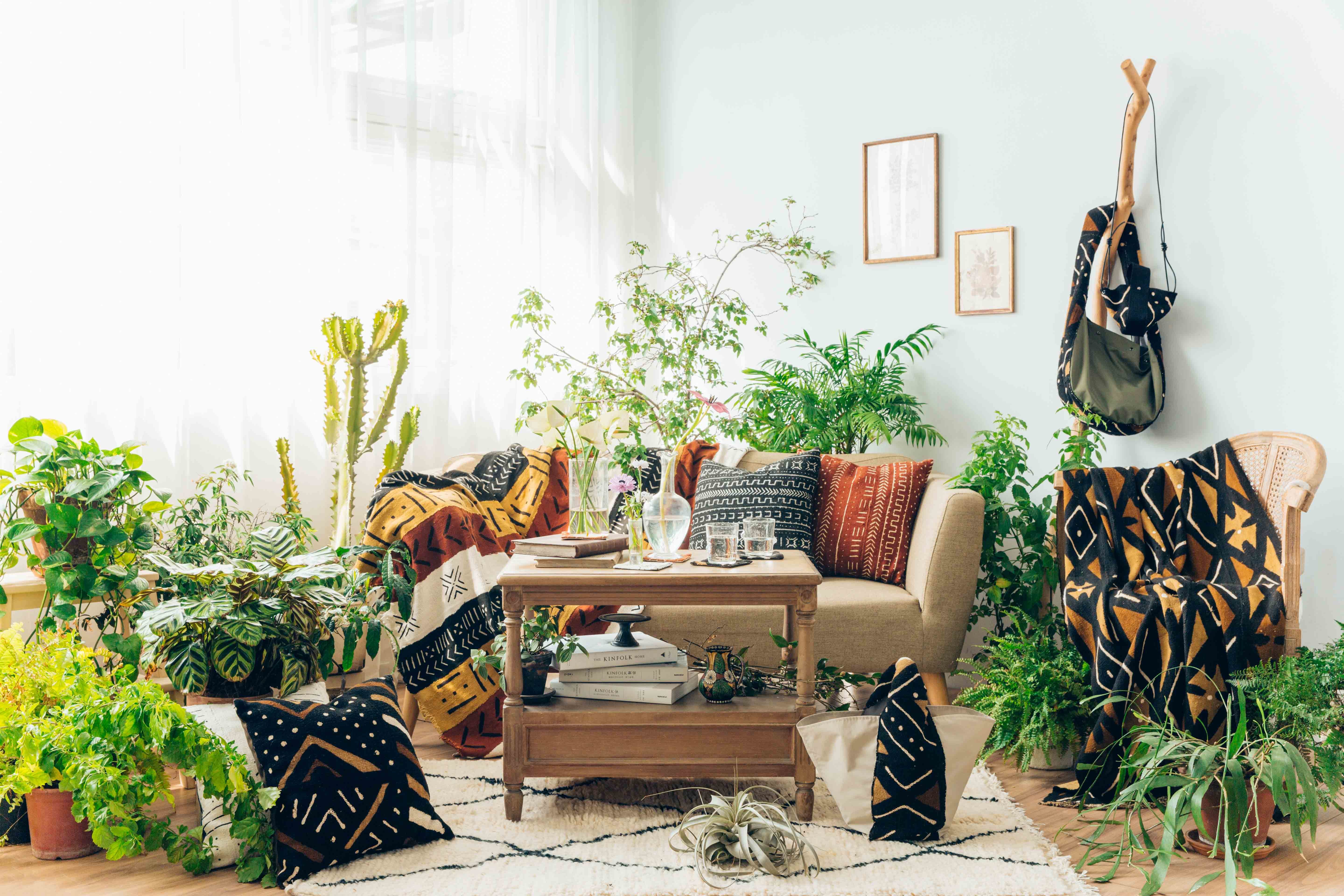
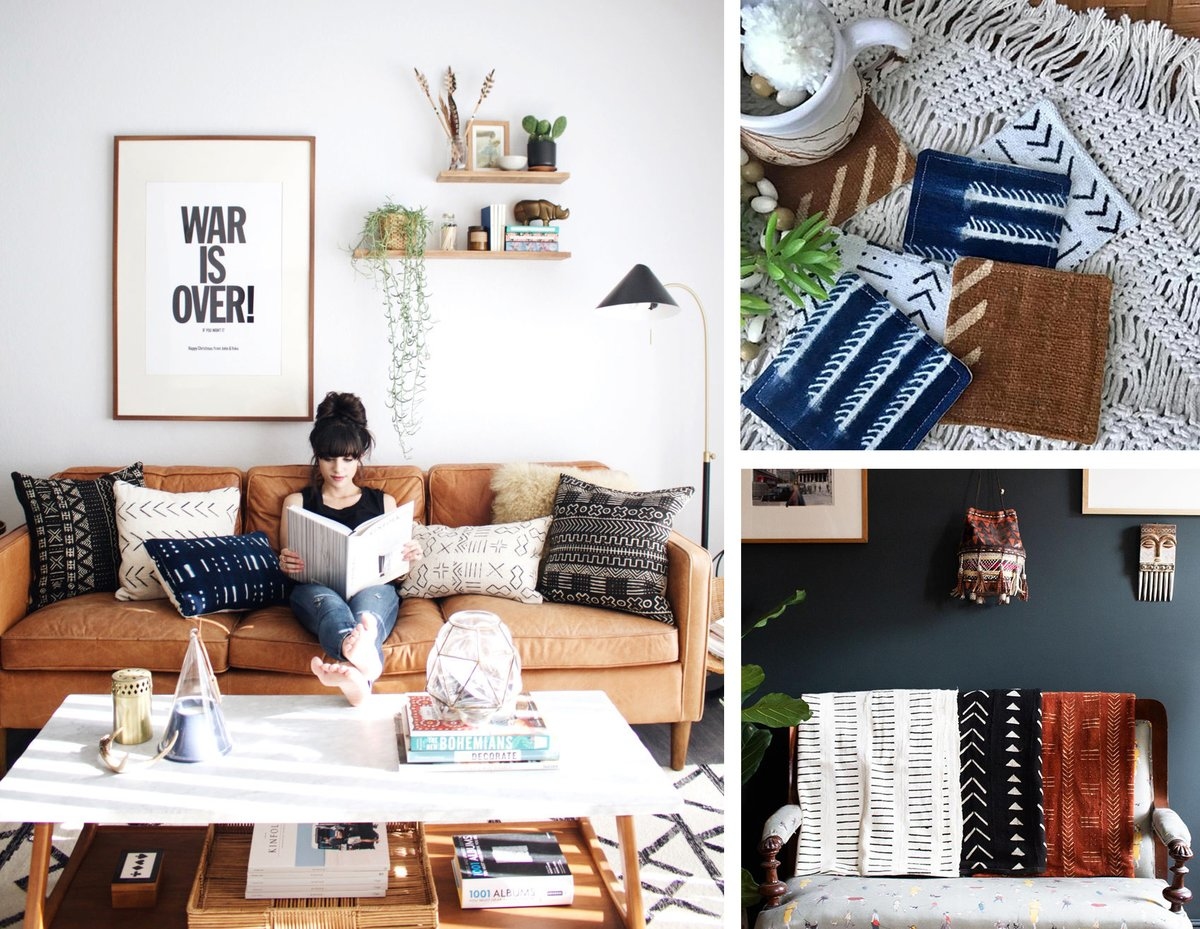
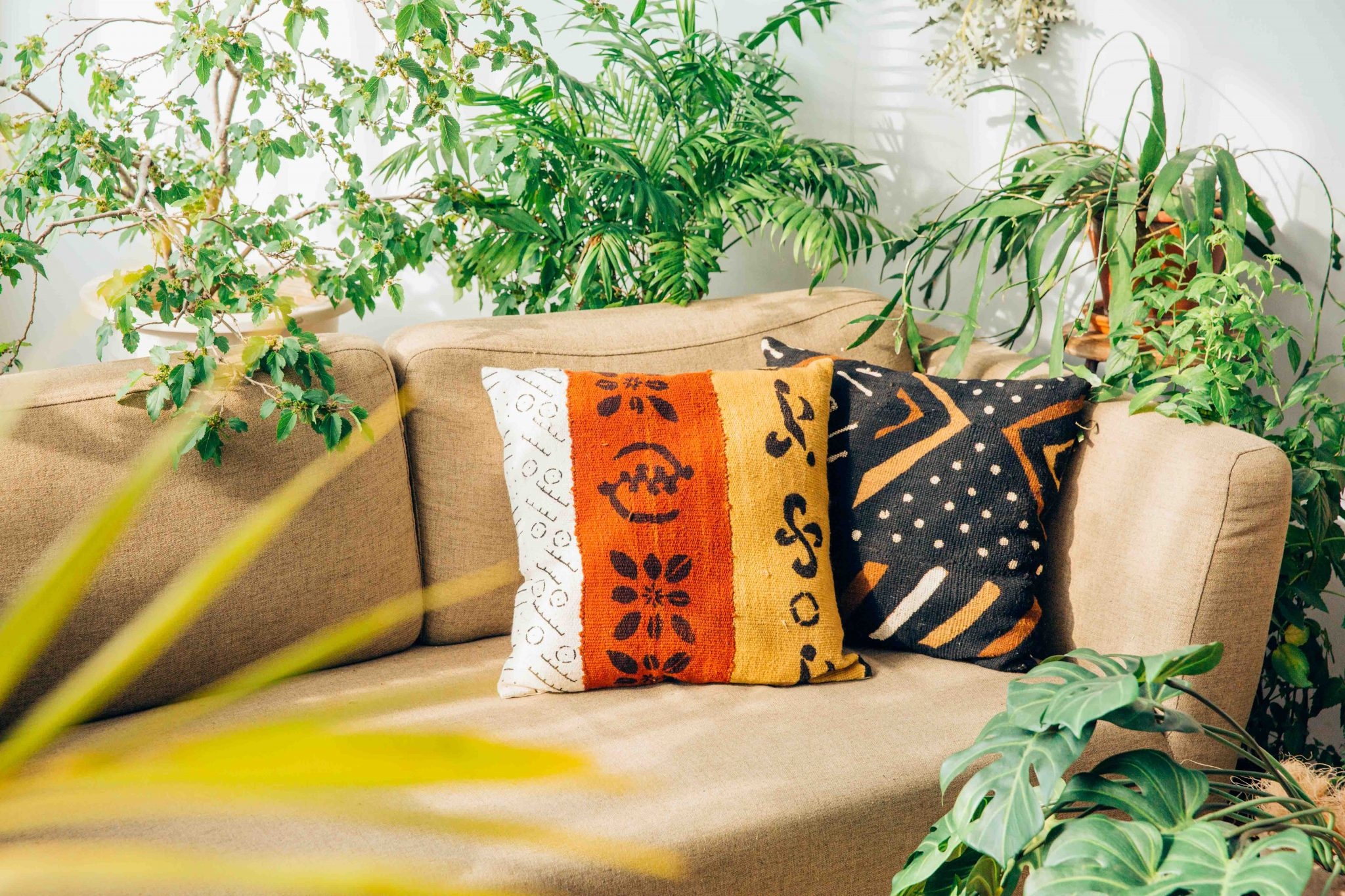
Bògòlan in home décor. A unique style.(Source: African Creative, New Darlings, Mali MudCloth Inc.)
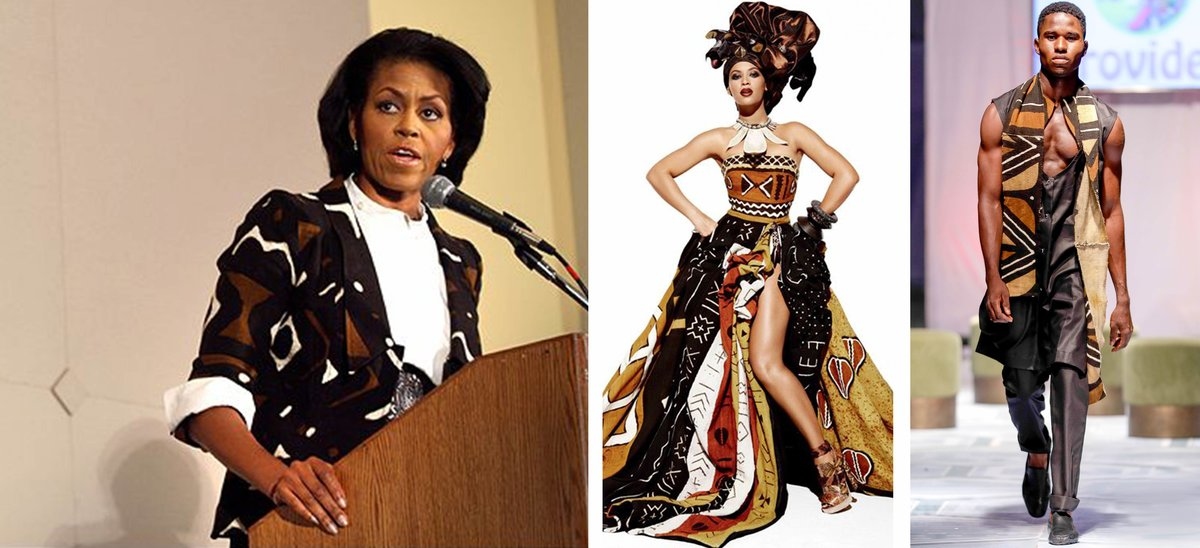
These trends converge African traditional fabrics to fashion design and make Bògòlan all the rage. The mud cloth is now seen everywhere in the world of fashion, including the luxurious line of Fée Uhssi, Oscar de la Renta's Haute Couture, Givenchy and Marina Rinaldi. Its pattern also makes a frequent appearance on Vogue and L'Officiel.
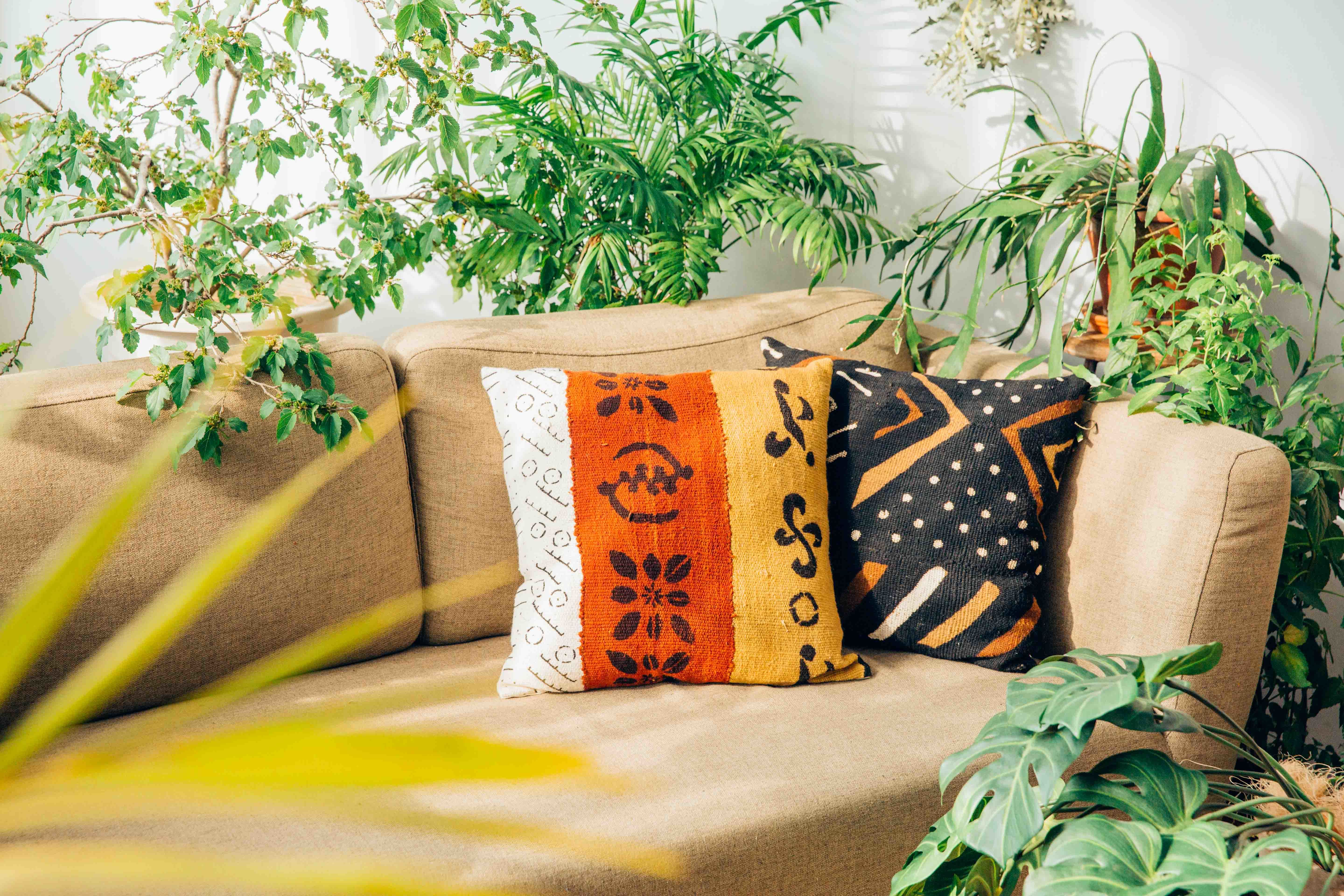
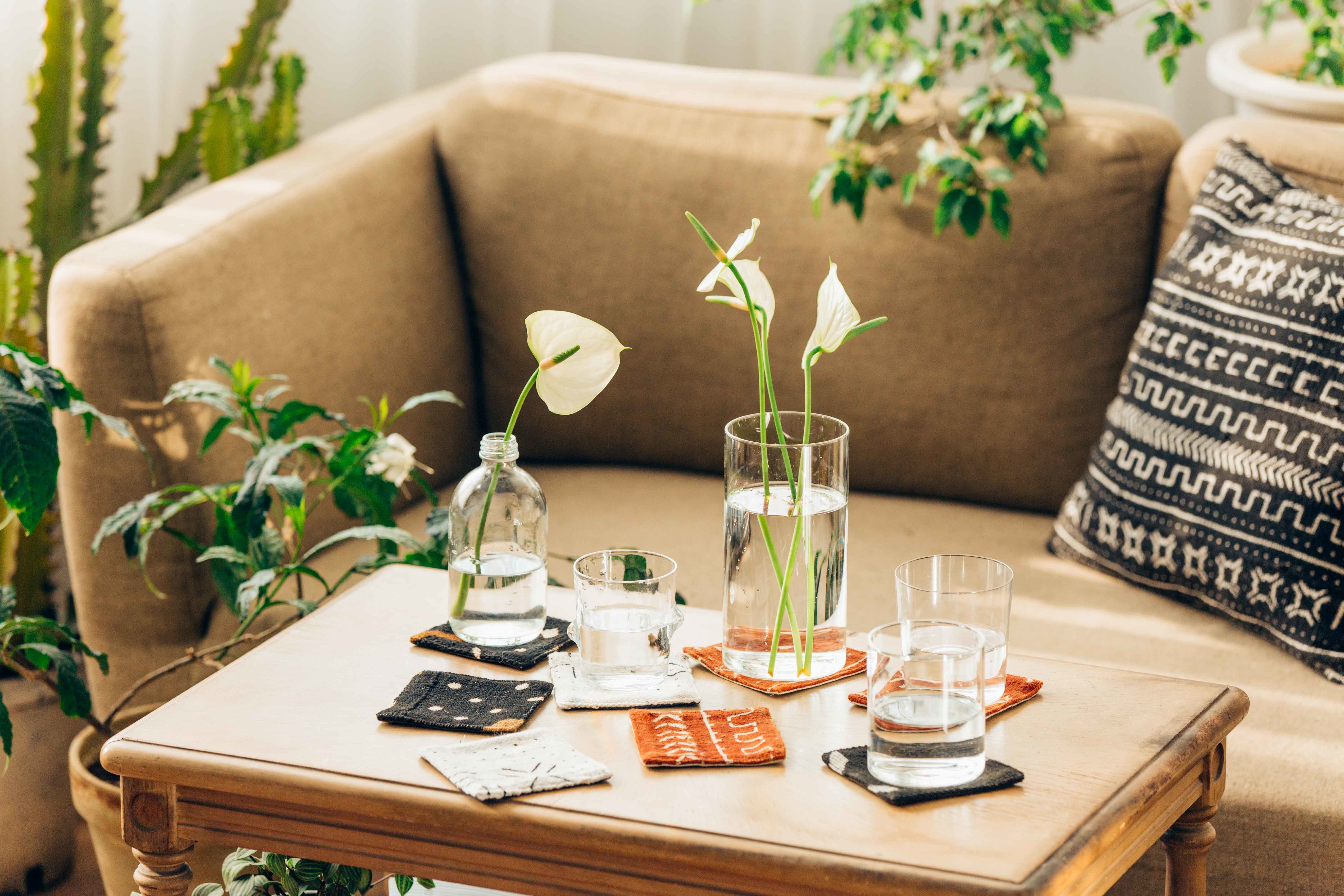
Home décor brands also notice Bògòlan's special texture. They make it into cushions, table cloths, ornaments and tote bags. Bògòlan creates a primitive, naturalistic style and unique freshness. It goes viral among artists and young people.
As a style icon, the former first lady, Michelle Obama wore a Bògòlan jacket when delivering a speech. (Source: Pinterest, Fashion GHANA)
Origins | Bògòlanfini Art Craft and the Bambaran
Bògòlan or Bògòlanfini is the original names of the mud cloth in the Bambara language. The word is combined with Bògòlan, meaning "mud-made" and "fini", meaning "fabric". It is therefore called "Mud Cloth". The handicraft lasts over eight hundred years and can be traced back to the Bambaran ethnic group in the 12th century.
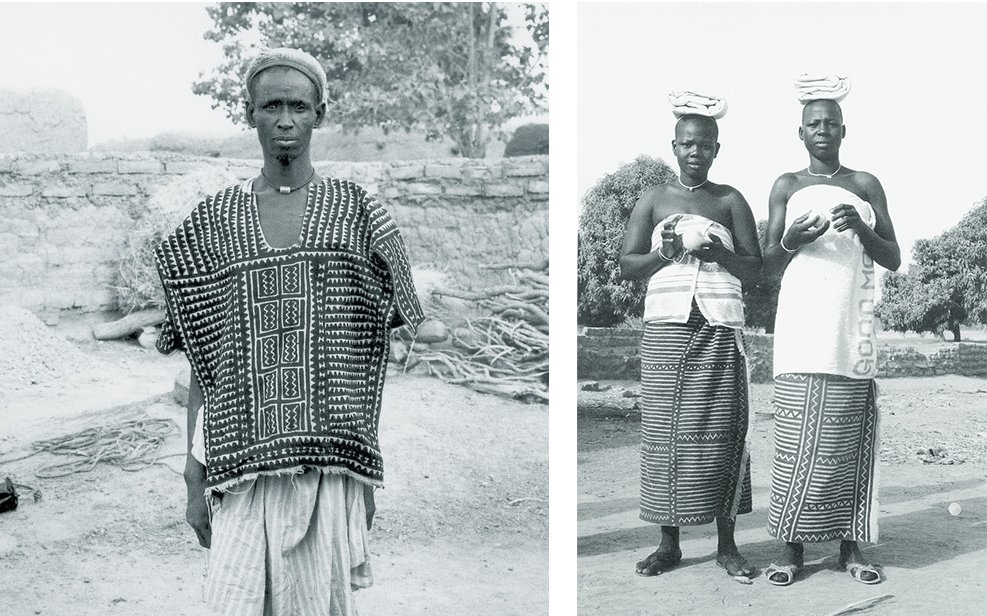
The mud cloth carries a big weight in traditional Bambaran life. For males, Bògòlanfini as the hunting clothing, represents the connection and respect to the nature and gives them courages. For females, they wore Bògòlanfini ceremonial dress to rituals for birth, weddings, childbirths or funerals.
Bambaran hunter and women in bògòlan (Source: Wall Street International Magazine)
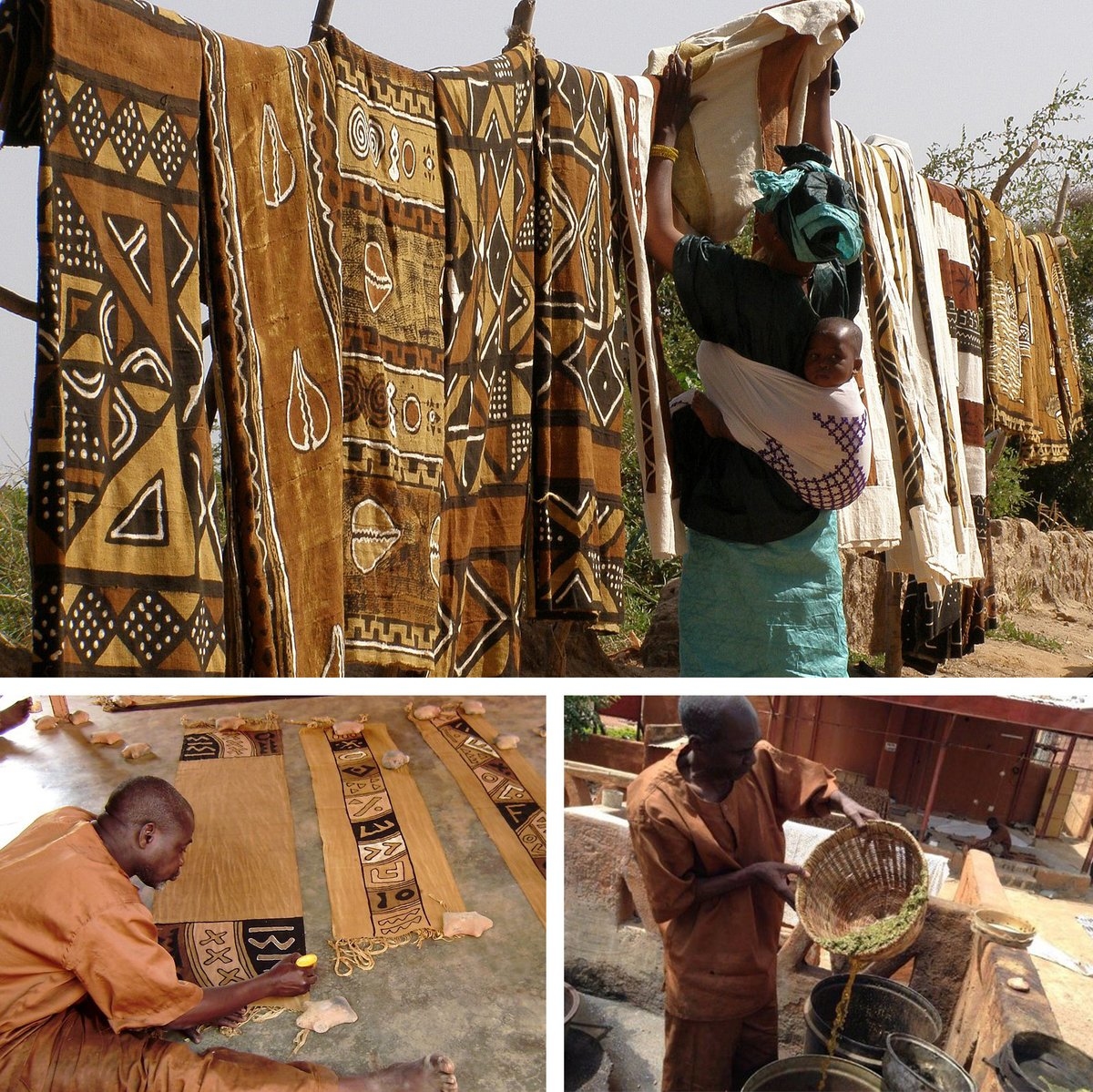
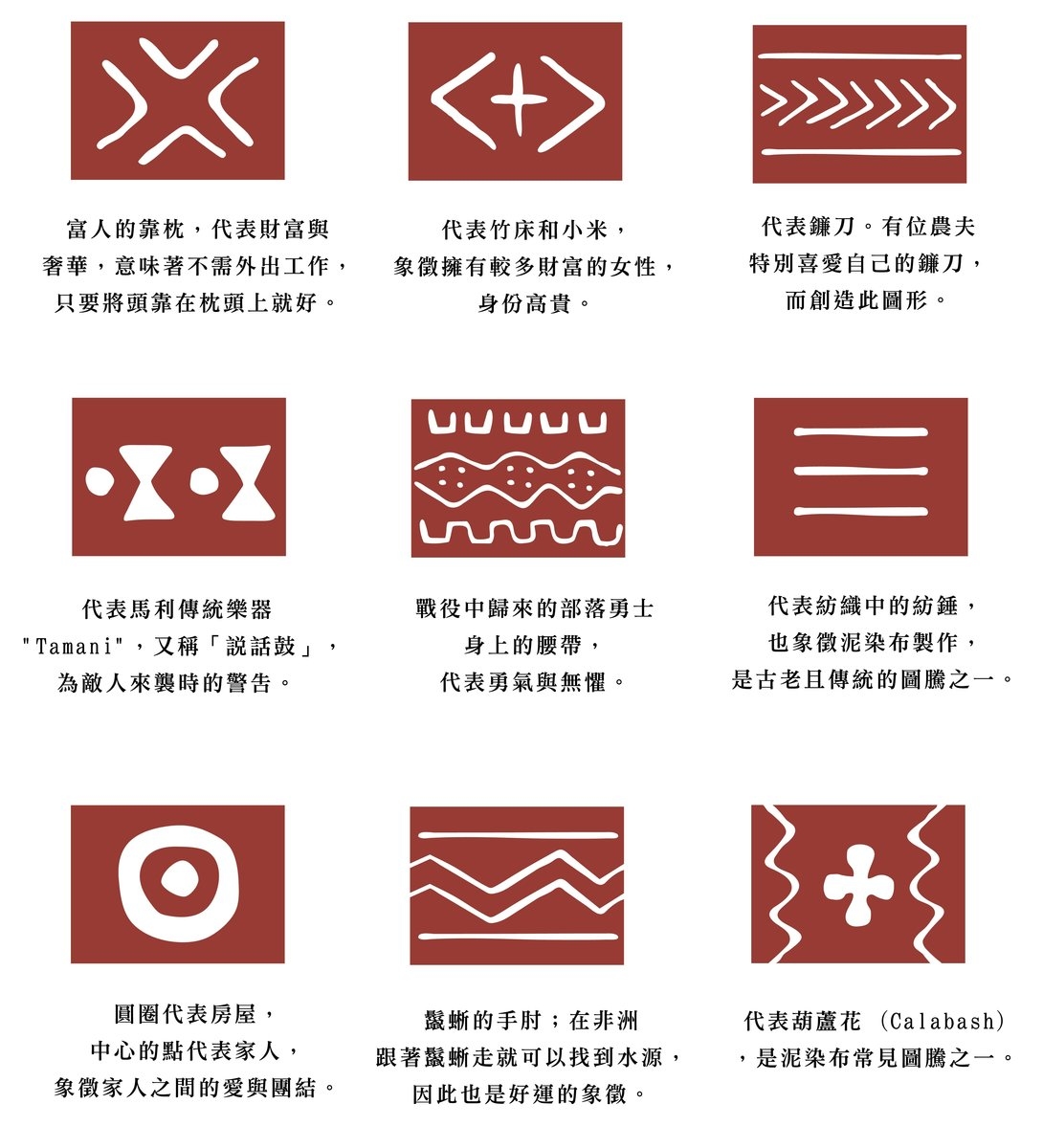
The geometric patterns on the mud cloth are hieroglypths of their daily lives, historical events or heroic acts. Traditionally, mud cloth is made by women. The craft, including spinning, weaving and dyeing is passed down from mothers to daughters. Due to the increase of market demands, the gendering is changed and more young men joined the production.
Men joining the mud cloth production (Source: The Africa Fabric)
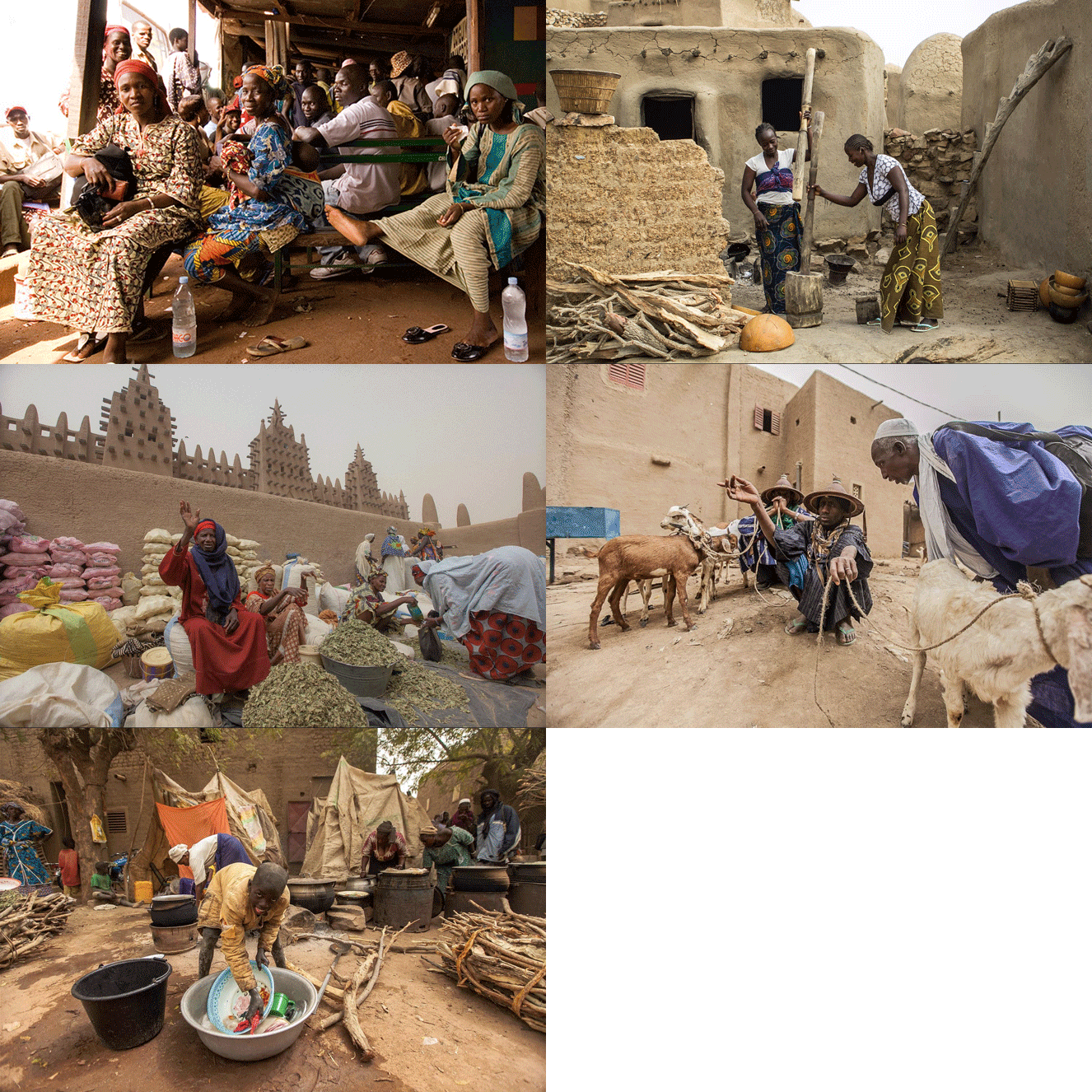
Banbaran is the largest ethnic group in Mali, with the population of nearly ten million people. They value family and solidarity. Usually in a Banbaran village, neighbors are also relatives who live like families, helping and taking care of one other. A Banbaran house is thus larger than that of other ethnic groups. Some of the houses can accommodate up to 60 people.
Family lives of Banbaran.(Source: Swiatoslaw Wojtkowiak, Anthony Pappone)
Today's Mali, from its south to north, stretches across savana to the center of the Sahara. Agriculture is the main economic activity. The warm and relatively humid weather of southern Mali has, since ancient times, been perfect for cotton growing, and later prompting developments for weaving and mud-dyeing. But mud-dyeing was not a fast-developing and wide-spread technique until Banbaran established the Mali Empire in the 13th century. It was propagated to other regions of the empire, including today's Mali, Burkina Faso and the Beledougou region, which later becomes the center of Bògòlanfini.
History | Mali Empire, the country of gravel
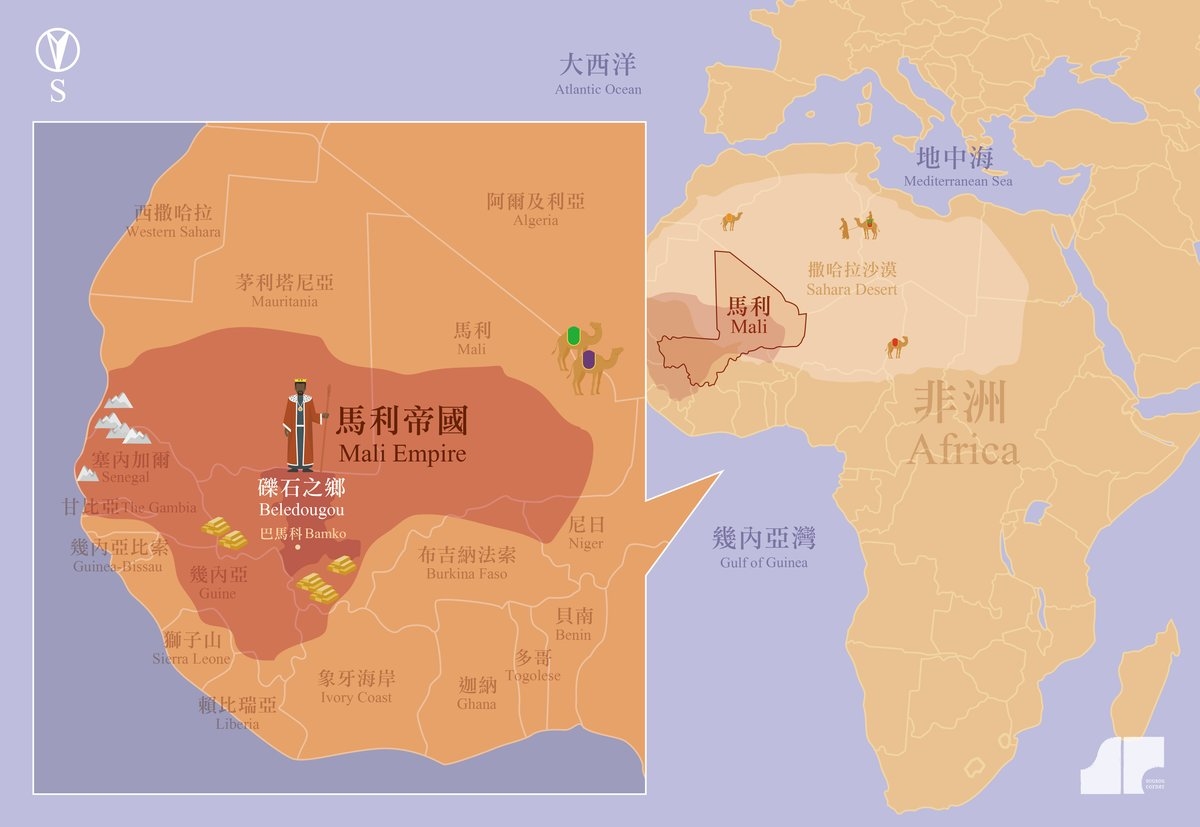
The Mali Empire is one of the most flourishing dynasties in African history. It once reached the southeastern Sahara and the coastal areas, spanning seven modern-day countries in the West Africa. The left side of the empire faced the sea and the upper side extended to North Africa. The empire took the advantage of the great geographical location and imposed tax on any trans-Sahara trader. High tax revenue, gold mining and sea salt business made the Mali Empire the longest-lasting and richest sub-Saharan country.
The Mali Empire at the heyday and the modern-day Republic of Mali
After the Mali Empire built in the 13th century, the bògòlan art craft came to the most developed stage. The Beledougou region, one of the empire's colonies, produced the best quality, most representative bògòlan. Beledougou means "County of the gravel". Being near the equator, the hot and dry inland climate is not easy for trees to grow . The local residents are made of red earth, sand, gravel, grass and leaves. That is how it got the name. Beledougou region is no longer existing. The location is near Bamako, capital of Mali. This area is still significant in modern-day West African history and culture.
The Mali Empire went through civil wars, secession and demise. After that, Mali fell under French colonial rule for nearly a hundred years. It officially gained independence in the 1960s self-determination wave. There are more than 20 ethnic groups in the Republic of Mali, among which Banbara has the most people. The official language of Mali is thus French and Bámànánkan. The religion in Mali is traditional Animism and Islam because of the constant contact with North African muslims in the empire era.
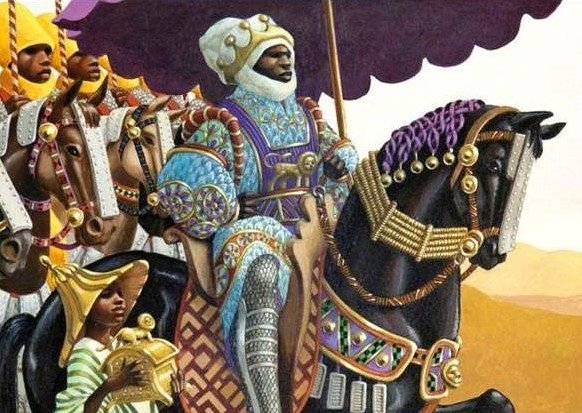
The emperor in Mali Empire's heyday(Source: LISAPO YA KAMA)
Steps of mud dyeing
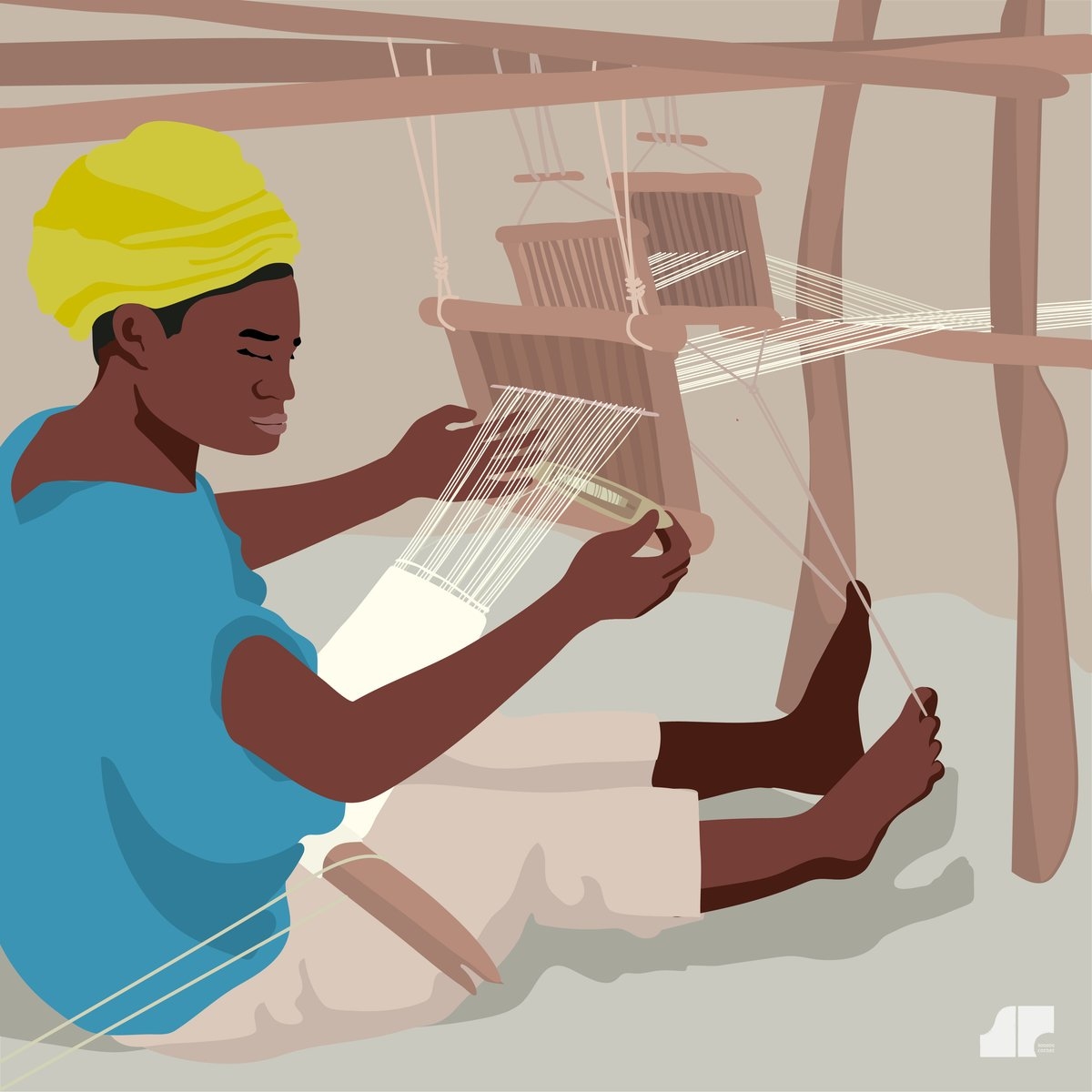
0. Spinning : Hand-spin the local-grown cotton into threads, then weave into 15-centimeter wide cotton cloth with the traditional double-heddle strip loom. Wash and sun-dry. The cloth is now called "finimougou". Because the narrow width of the strip loom, bògòlan has to combine several pieces of finimougou.
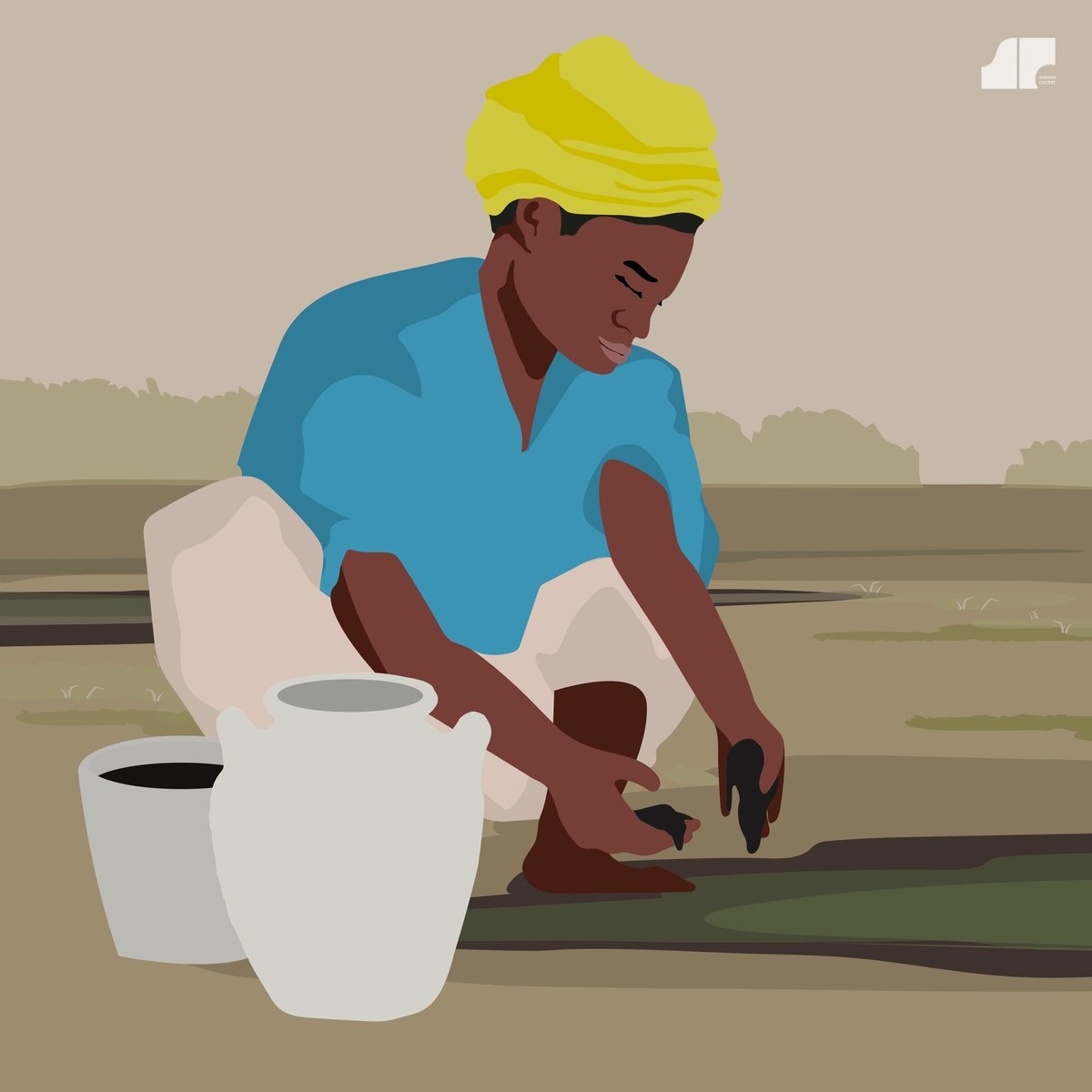
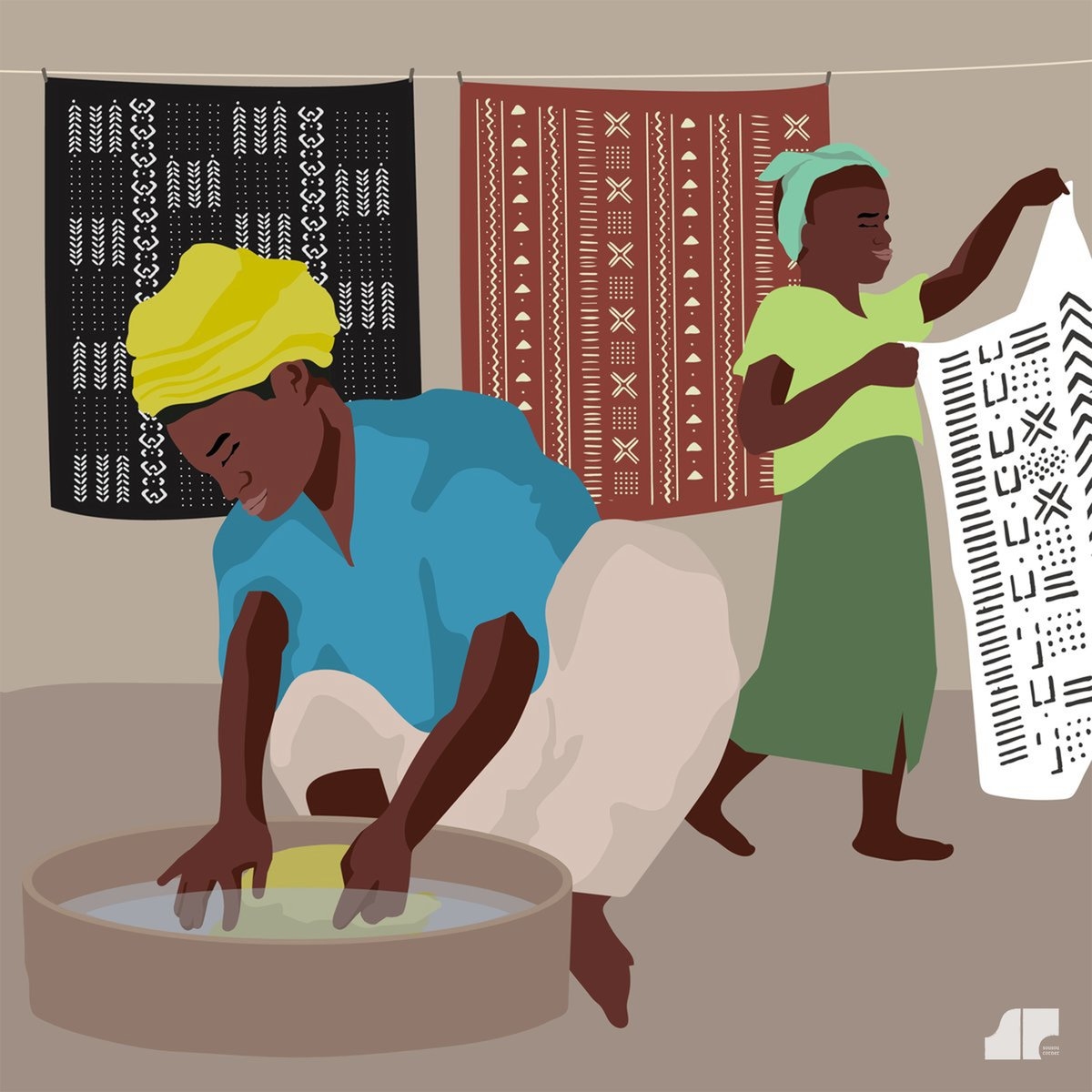
1. Make the mud dye : Dig out mud from the ponds. Rest to ferment for months or up to a year.
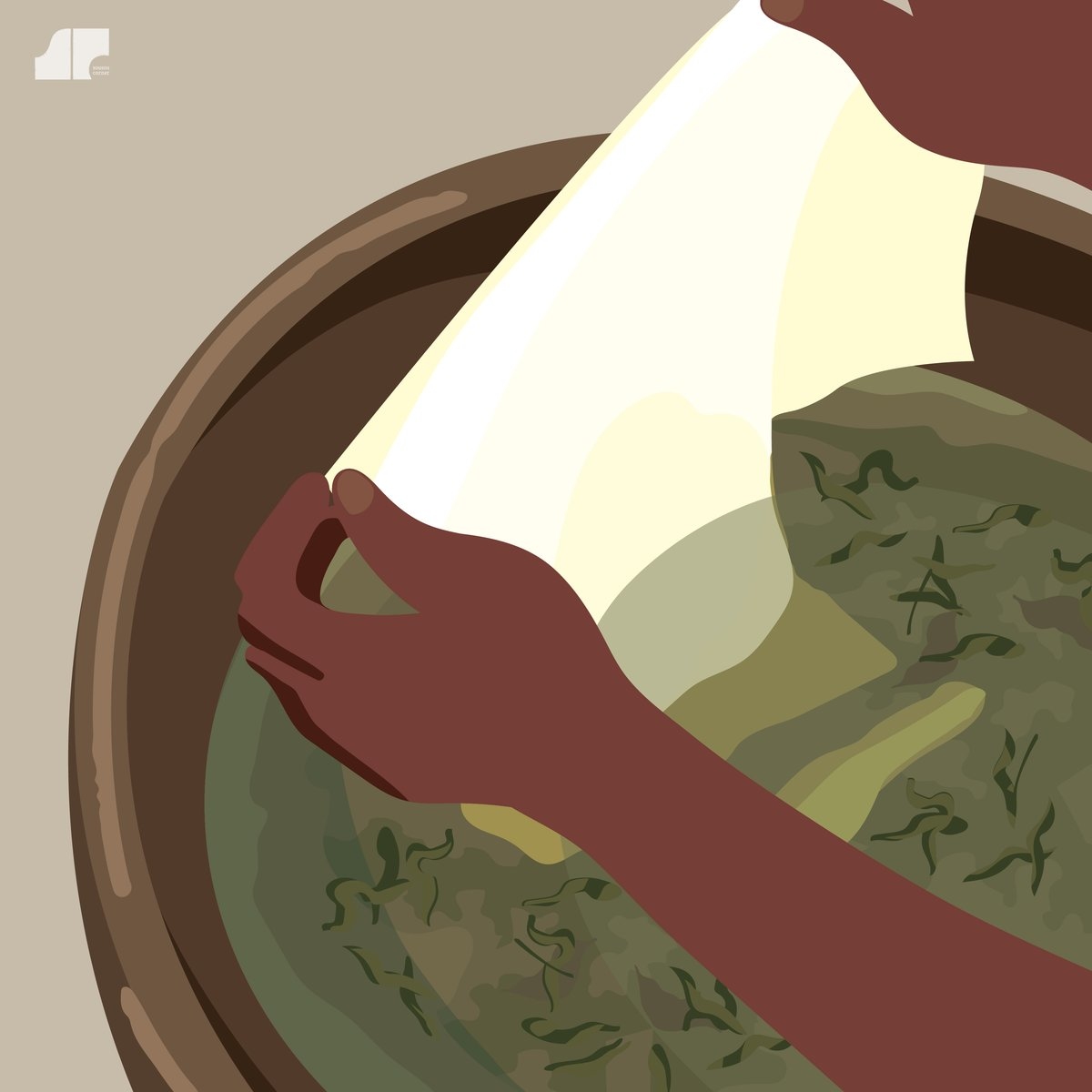
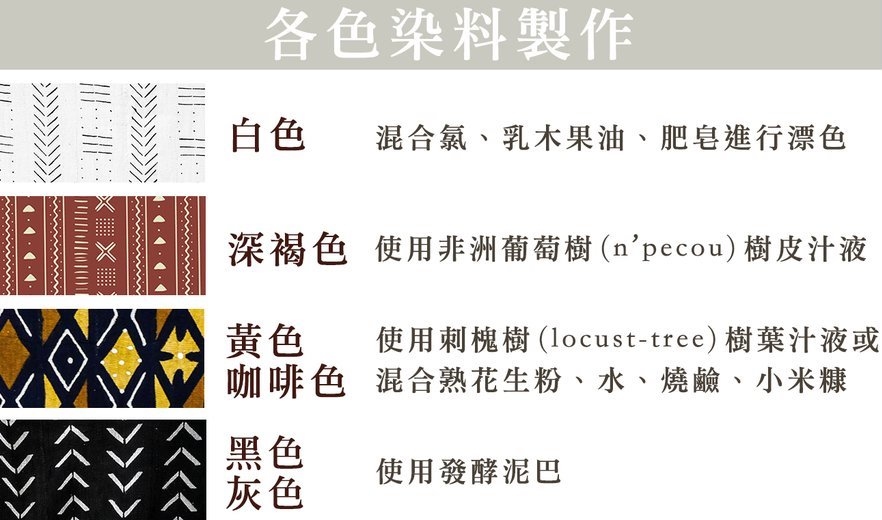
2. Bottoming : Pound out the sap from the leaves and twigs of West Africa N'galama and N'tjankara. Put into water for a whole day or directly boil to make the brown dye full of tannin. Soak the cloth into it till it turned dark yellow. Sun dry. Bottoming will makes cloth combine mud more thoroughly. It is an important step for mud-dyeing.
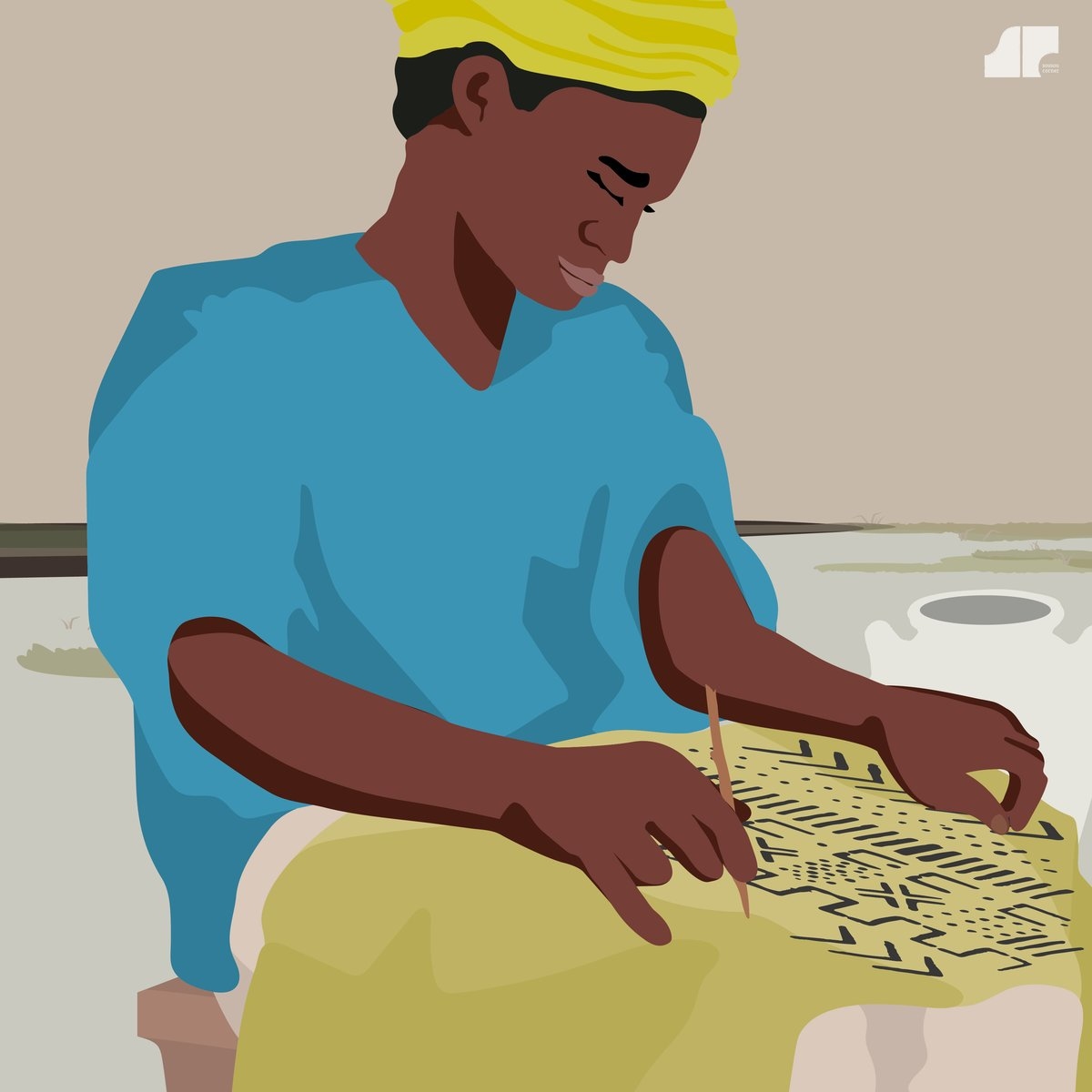
3. Mud dye : Mud-paint the cloth with sticks from tree branches or metal tools. Dry and get the painted areas light-grey. Wash out the excessive mud. Repeat twice to three times. The mud-painted color will get darker.
4. Dye with other colors : Combine different dyes into other colors. It takes several weeks to complete dyeing a piece of bògòlan.
Classic bògòlan|Home collection
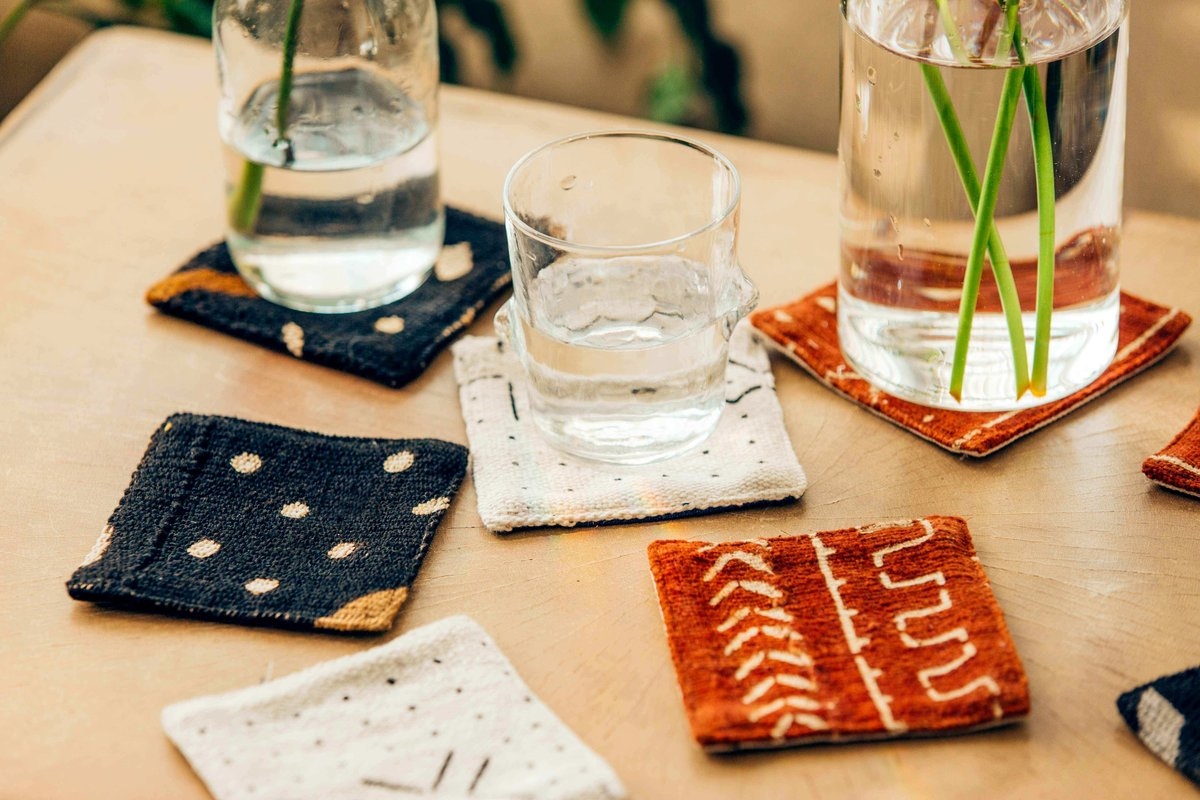
Traditional art craft from Banbaran people, geometric patterns and color blocks, bold and unconstrained-- the cloth has a unique West African style. We worked with African workshops and tailors from Taiwan, to fully understand the texture and tested it on different materials and accessories. After rounds of designing and proofing, finally the one and only Classic bògòlan
Home collection is now available.
No product in this category
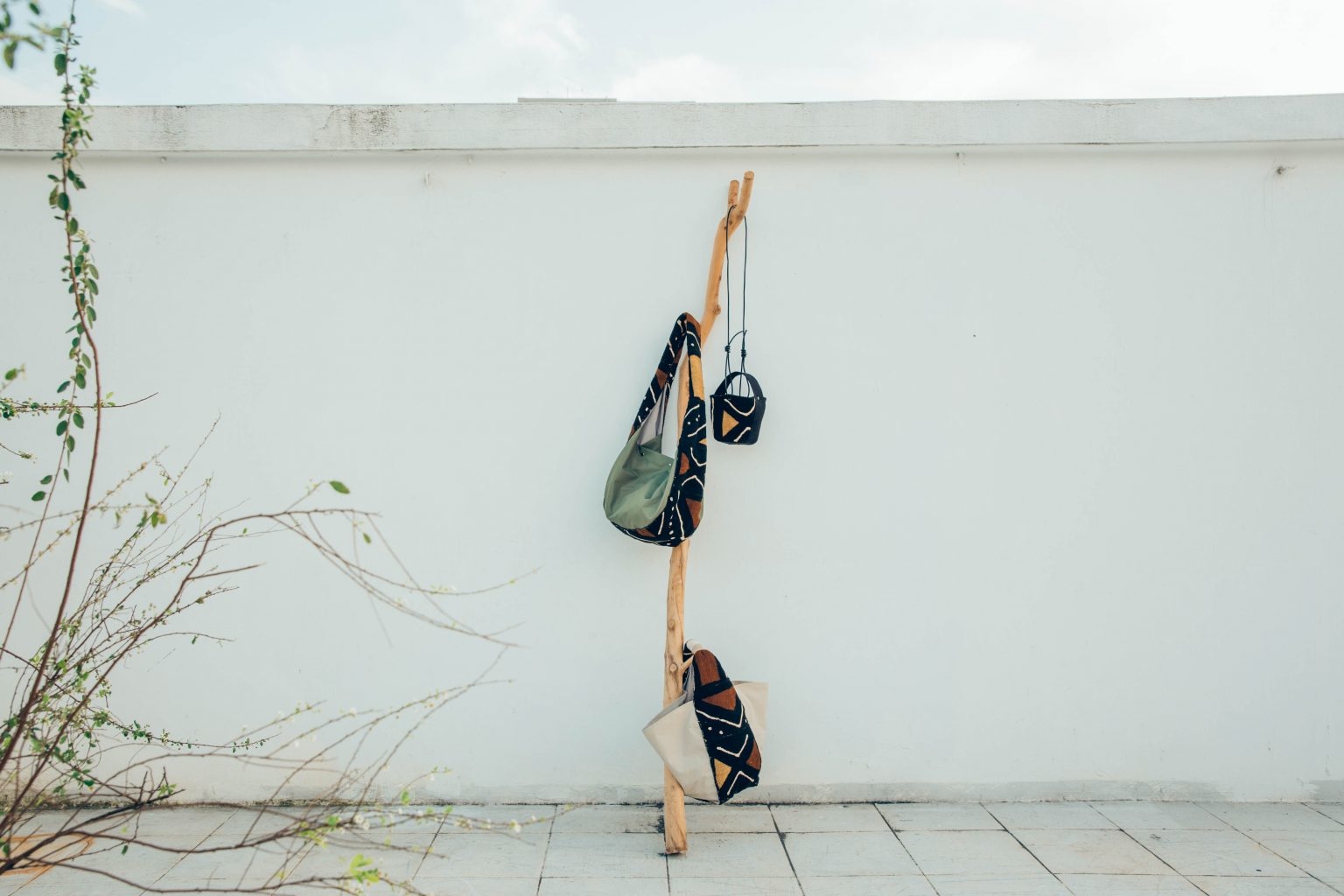
Starting with South-South Project 04, a new collaborative effort will be introduced, inviting emerging Taiwanese artisans, artists, and designers to create works inspired by their interpretations of southern crafts. The goal is to spark unique exchanges between Taiwanese craftsmanship and global artisan traditions. For the first collaboration, fashion designer Shen Yao Huang has been invited to create an original bag collection using rugged, earth-toned mud-dyed fabrics. Together, they will launch the Wild Outdoor Fashion Series.
Romantic Pragmatism ▍Shen Yao Huang
In early 2015, Shen Yao Huang launched his personal brand, shen yao, quickly drawing attention from the Western fashion scene. He was subsequently invited to showcase his collections at renowned fashion weeks in Vancouver, Paris, New York, and Tokyo. Unbound by traditional frameworks, Huang views the human body as a blank canvas, ready to be adorned with beauty. His design philosophy has been described as "romantic pragmatism." Huang has a fondness for natural, handcrafted, and recycled materials, placing great emphasis on pattern cutting, tailoring, and meticulous details. His goal is to create slow-fashion classics with unique styles that transcend fleeting trends.
Huang’s work has been featured in major fashion media such as VOGUE, Harper’s Bazaar, ELLE, and NOT JUST A LABEL. His collections are also available in well-known boutiques in Taipei and Tokyo.
南南計畫04|馬利 Bògòlan 泥染工藝—時尚野遊系列