{{ 'fb_in_app_browser_popup.desc' | translate }} {{ 'fb_in_app_browser_popup.copy_link' | translate }}

{{ 'in_app_browser_popup.desc' | translate }}

Your Shopping Cart is empty.
{{ (item.variation.media ? item.variation.media.alt_translations : item.product.cover_media.alt_translations) | translateModel }} {{ (item.variation.media
                    ? item.variation.media.alt_translations
                    : item.product.cover_media.alt_translations) | translateModel
                }}
{{ 'product.bundled_products.label' | translate }}
{{ 'product.bundle_group_products.label' | translate }}
{{ 'product.buyandget.label' | translate }}
{{ 'product.gift.label' | translate }}
{{ 'product.addon_products.label' | translate }}
{{item.product.title_translations|translateModel}}
{{ field.name_translations | translateModel }}
  • {{ childProduct.title_translations | translateModel }}

    {{ getChildVariationShorthand(childProduct.child_variation) }}

{{ 'product.set.open_variation' | translate }}
  • {{ getSelectedItemDetail(selectedChildProduct, item).childProductName }} x {{ selectedChildProduct.quantity || 1 }}

    {{ getSelectedItemDetail(selectedChildProduct, item).childVariationName }}

{{item.variation.name}}
{{item.quantity}}x NT$0 {{ item.unit_point }} Point
{{addonItem.product.cover_media.alt_translations | translateModel}}
{{ 'product.addon_products.label' | translate }}
{{addonItem.product.title_translations|translateModel}}
{{addonItem.quantity}}x {{ mainConfig.merchantData.base_currency.alternate_symbol + "0" }}

妳行走著,母親,不需屈膝,
以堅毅與信念為力;
懷抱七座村鎮,
山裙如蒼鷺展翅般展開;
妳行走著,穿過晝夜的更迭。
 
妳蜿蜒著, 
沿著印加古道的脊背前行。
肌理藏著千年的工程,
與無數羊駝與駱馬的腳步。
 
妳由印地安人的驚歎,
與魔笛深長的嘆息所織成。
 
──〈山脈 Cordillera〉,智利詩人Gabriela Mistral

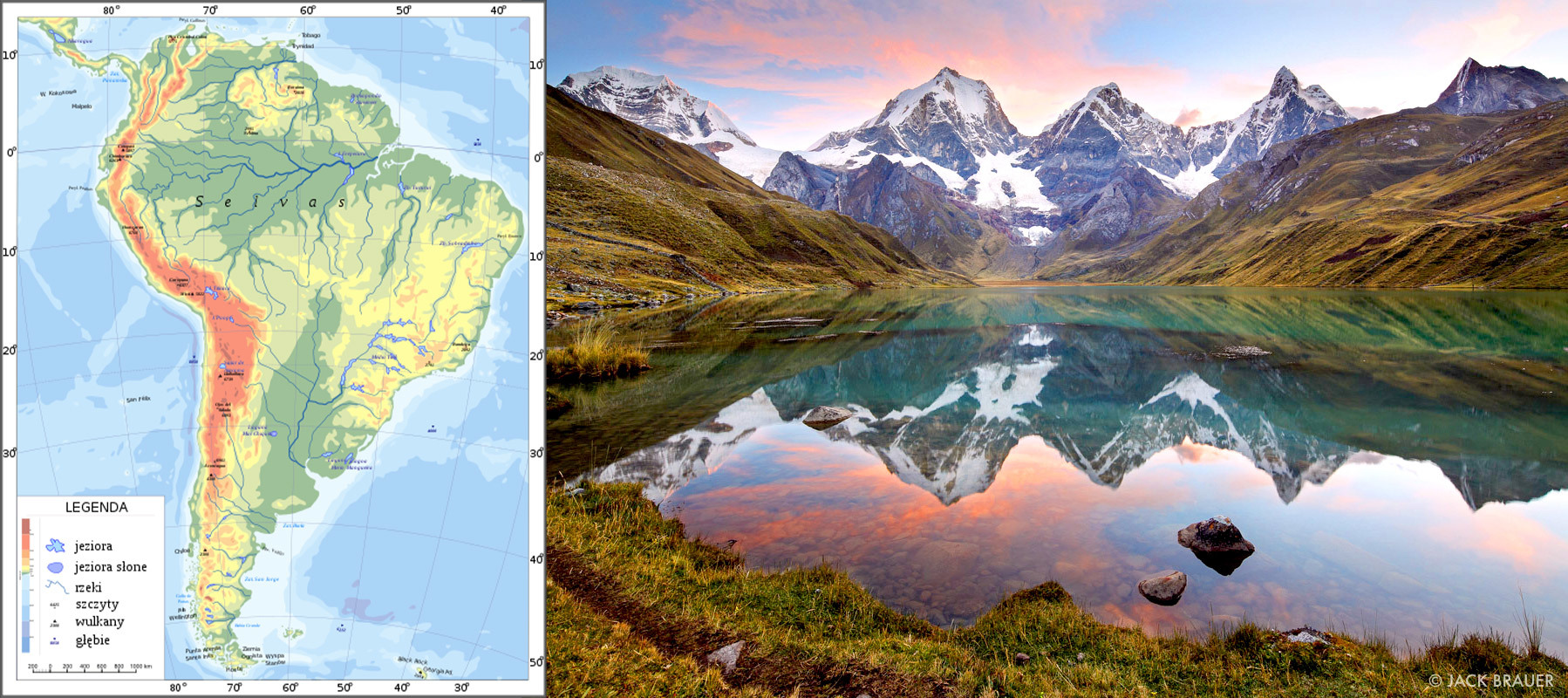
智利詩人Gabriela Mistral(1889~1957)筆下蜿蜒堅毅、山裙迤邐的「母親」,正是橫亙南美大陸的安地斯山脈。全長達7,000公里的她是全世界最長的山脈,涵蓋哥倫比亞、委內瑞拉、厄瓜多、秘魯、玻利維亞、智利及阿根廷等國家,孕生了上千種文化。


由於平均海拔超過四千公尺,有些山頂終年積雪,環境低氧、嚴寒又乾旱,唯羊駝是少數能夠生存的動物。從數千年前開始,安地斯民族與羊駝緊密相依,除了生活上的陪伴,部落婦女也利用羊駝毛料,編織出實用、保暖的織品,造就安地斯淵遠流長的編織文化。

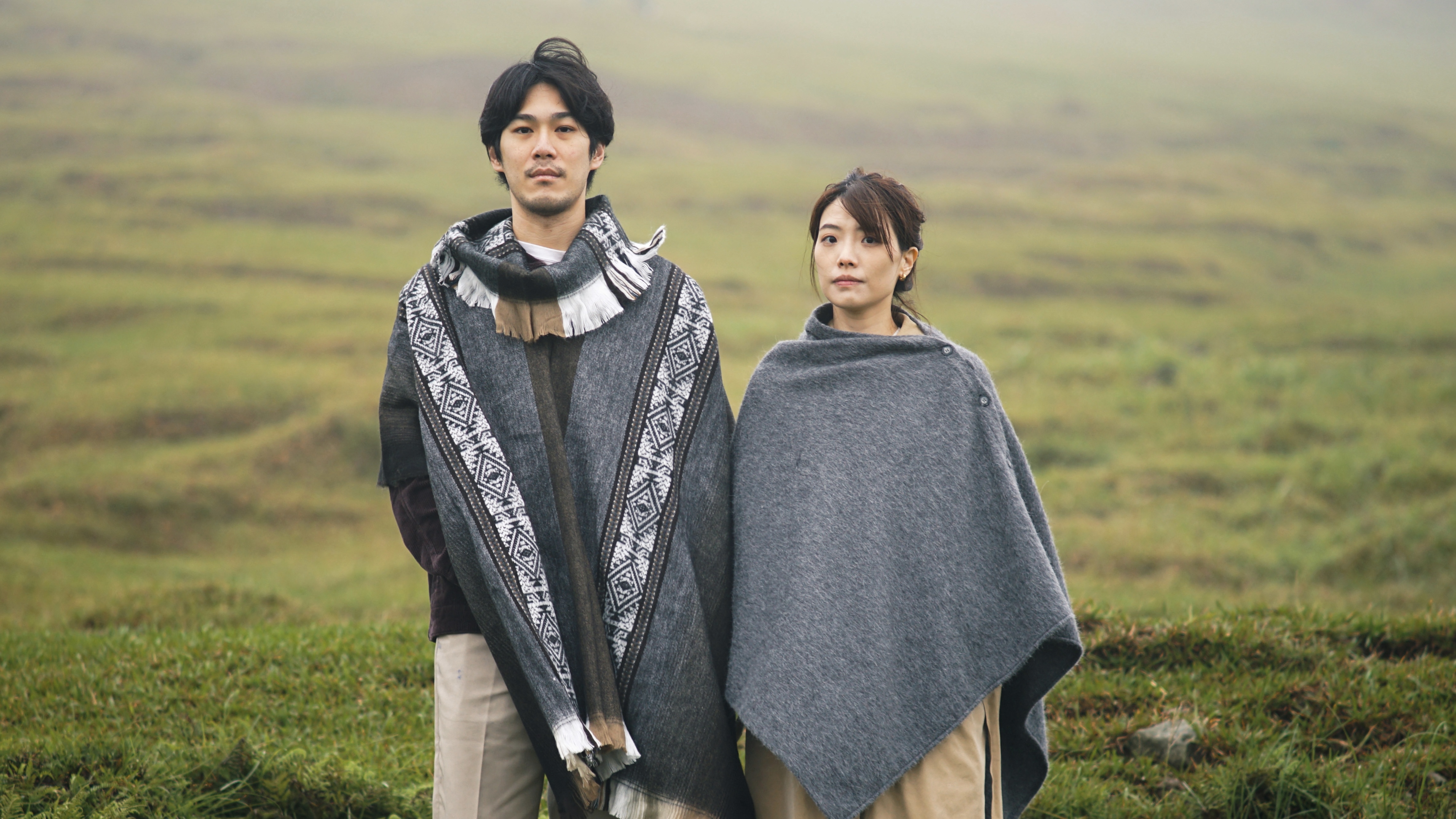
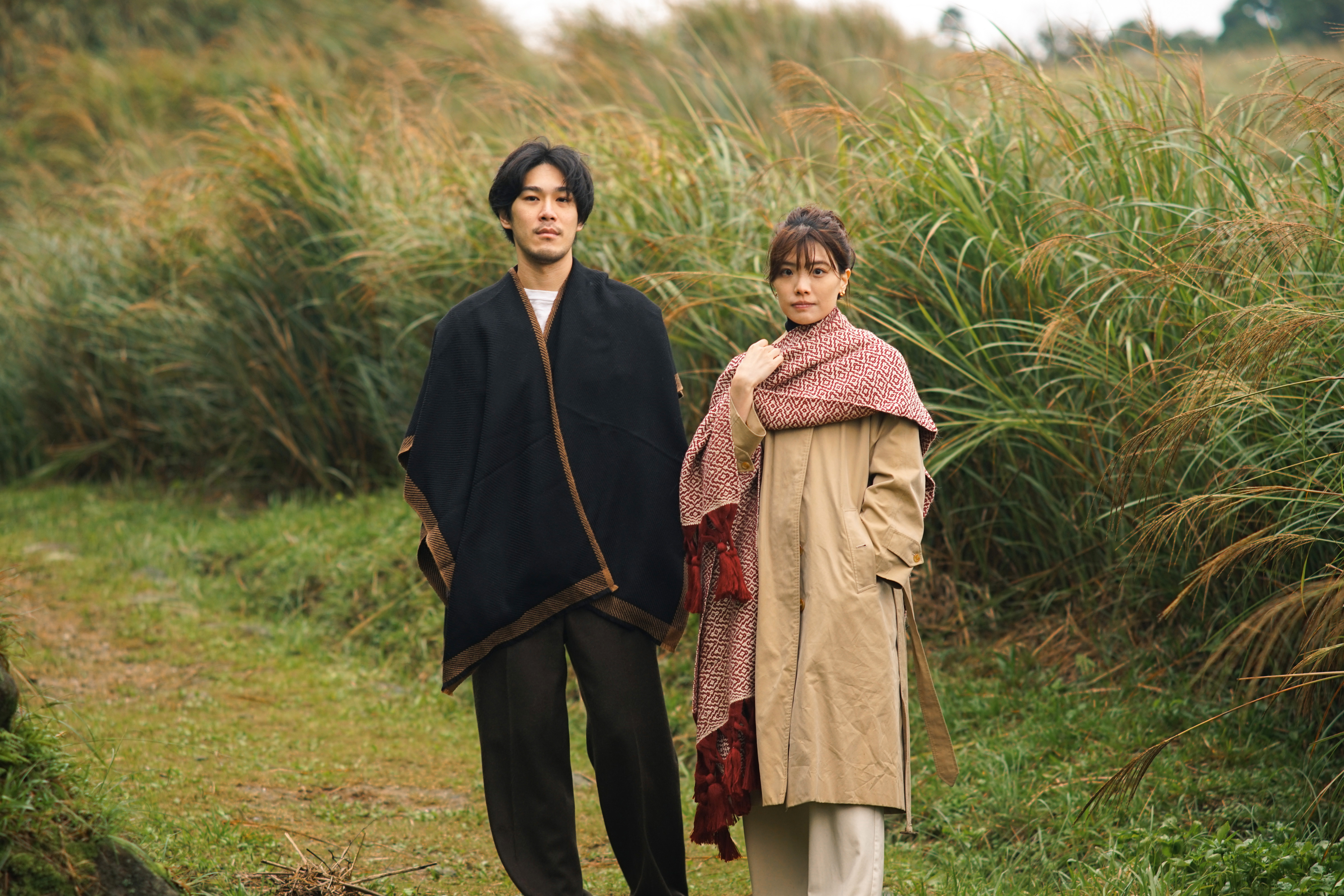
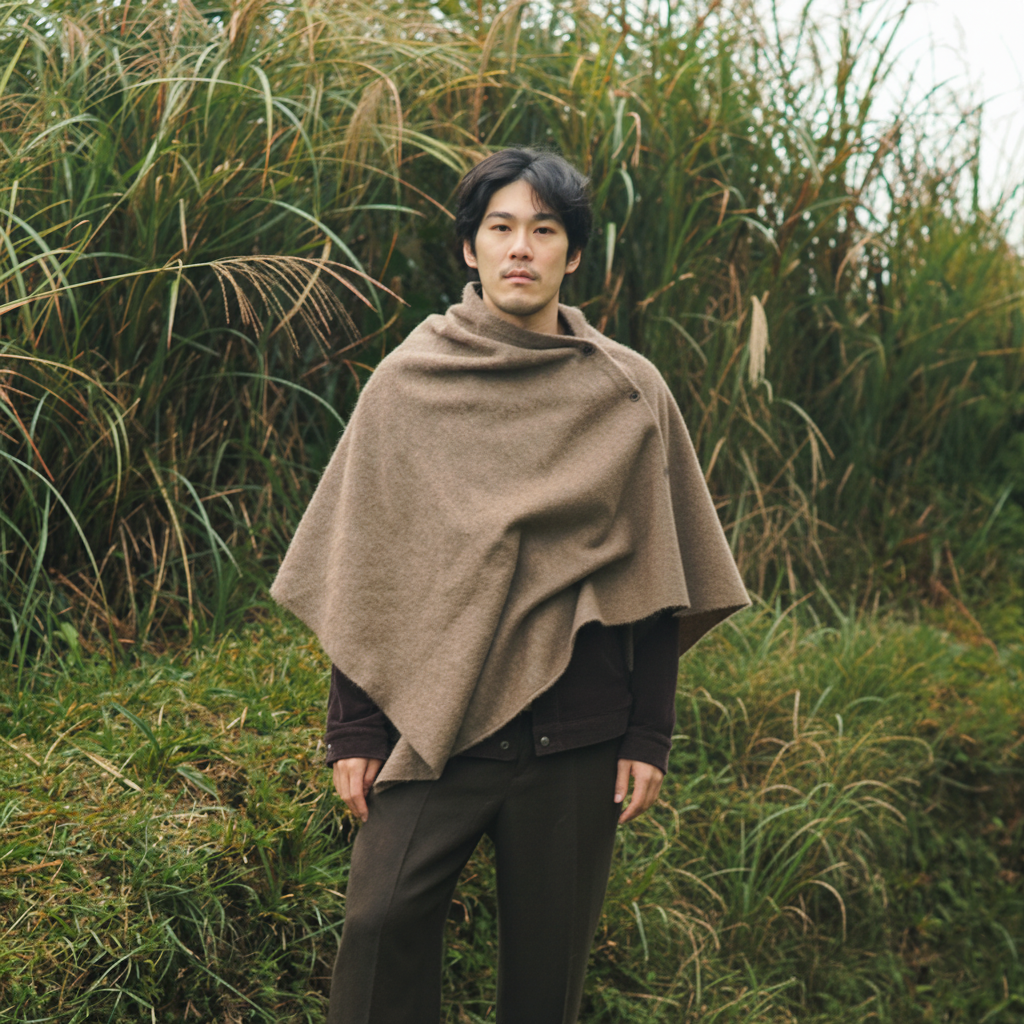
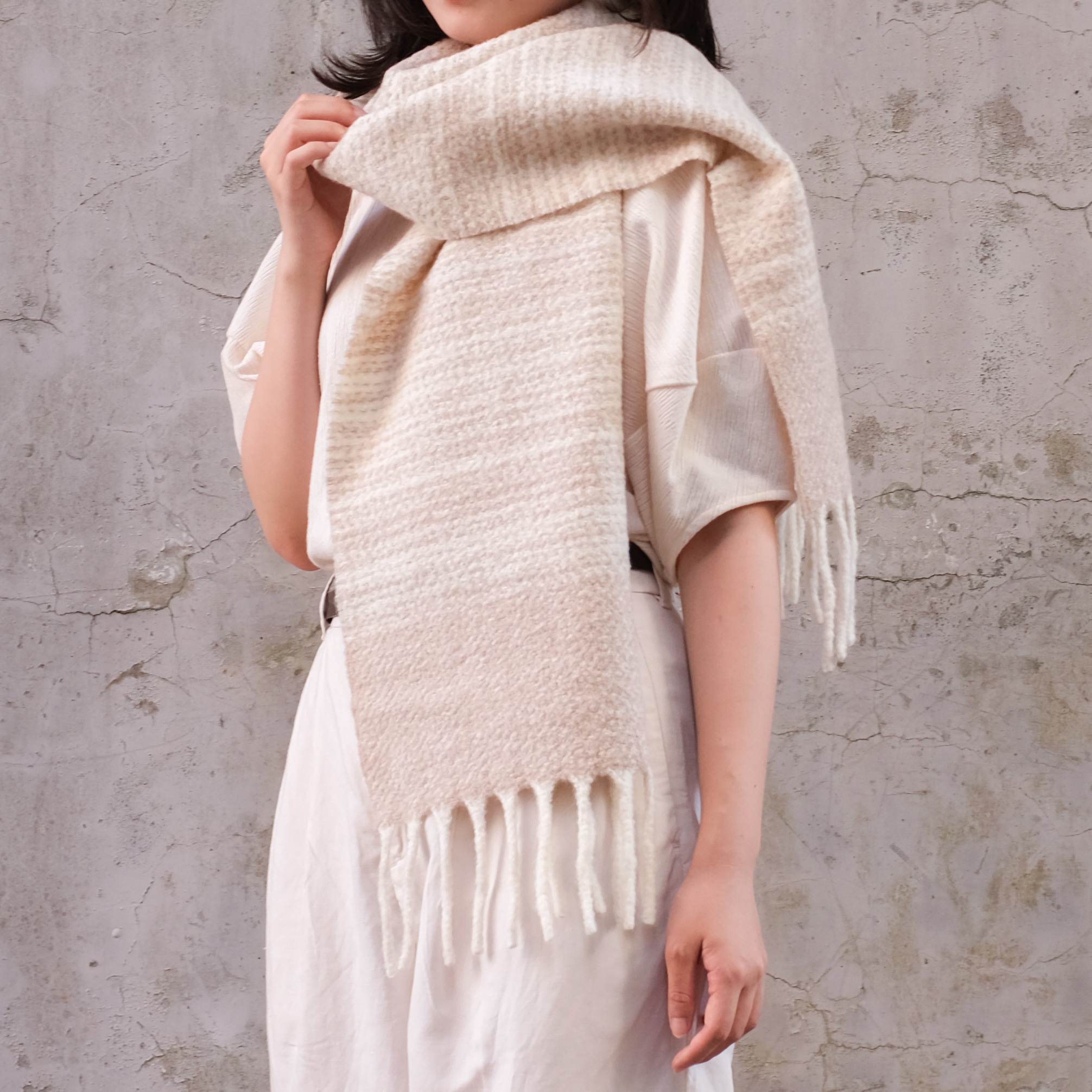
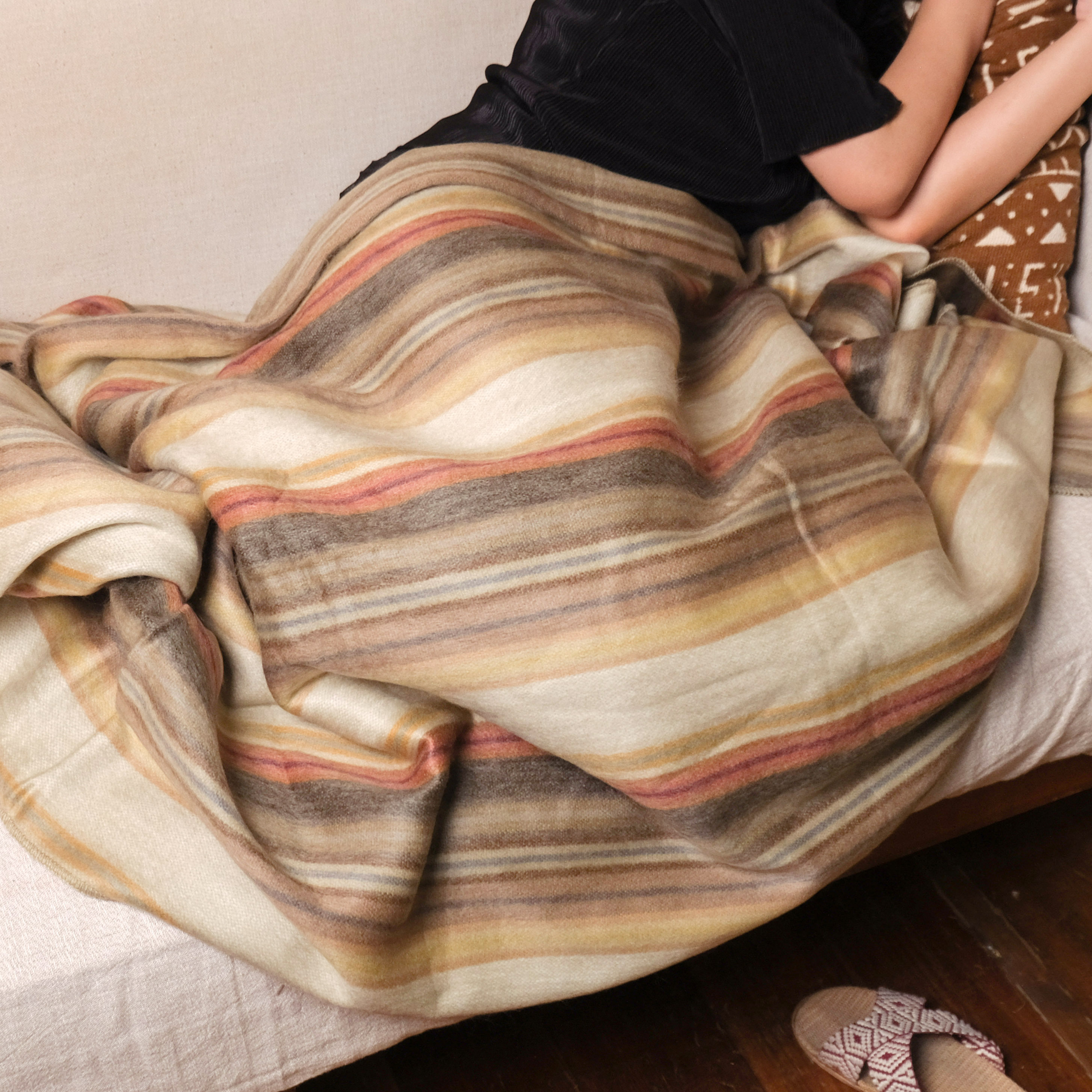
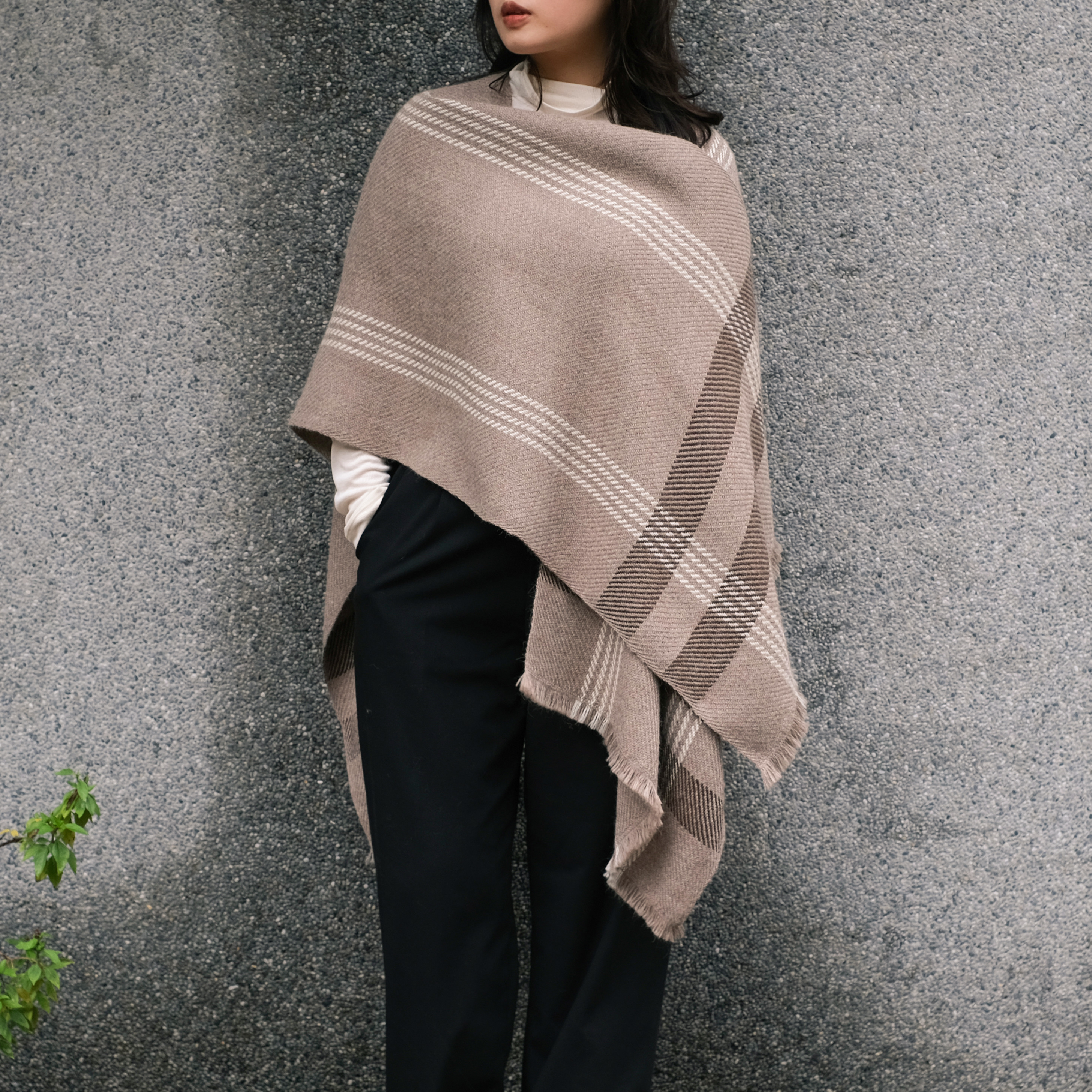
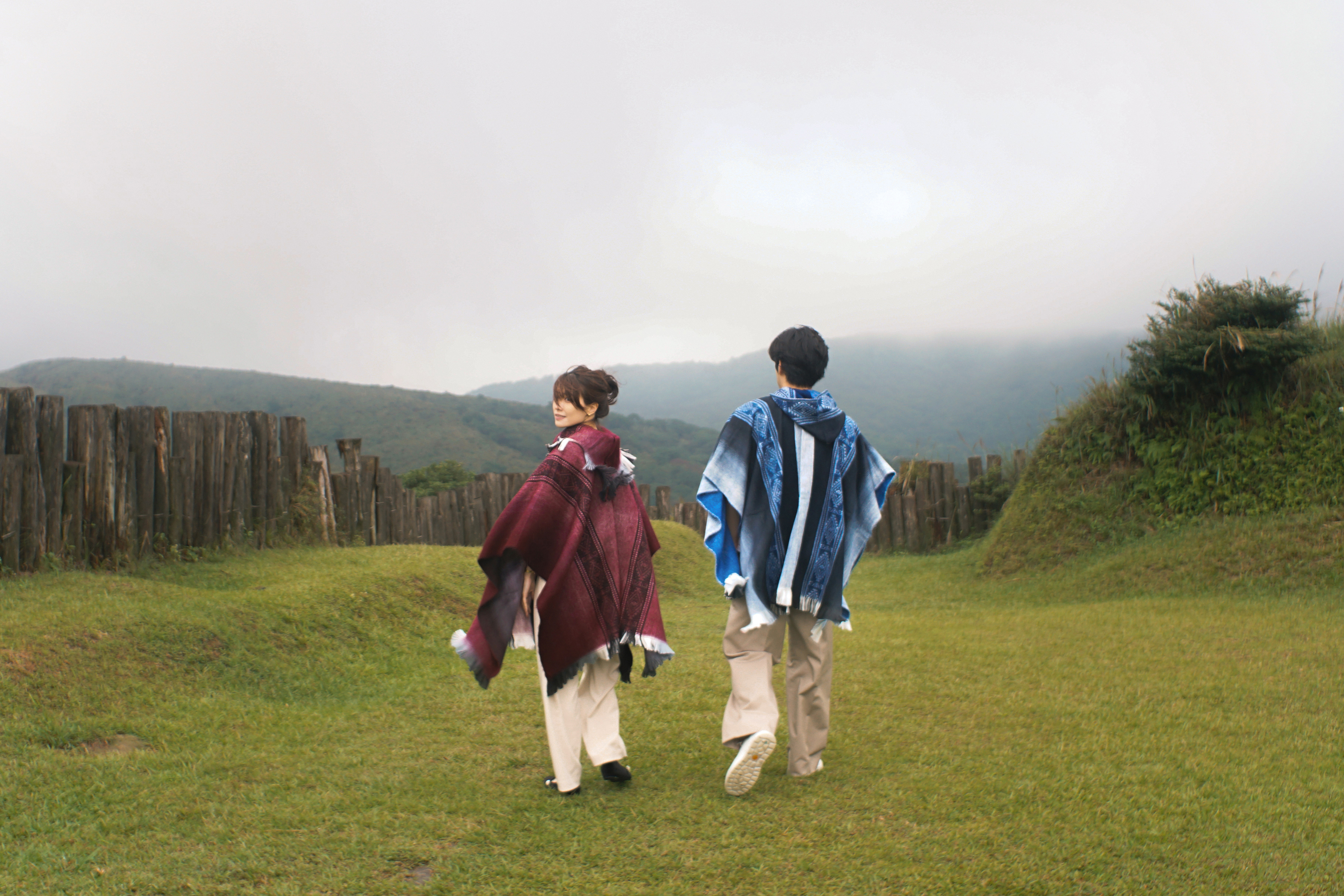
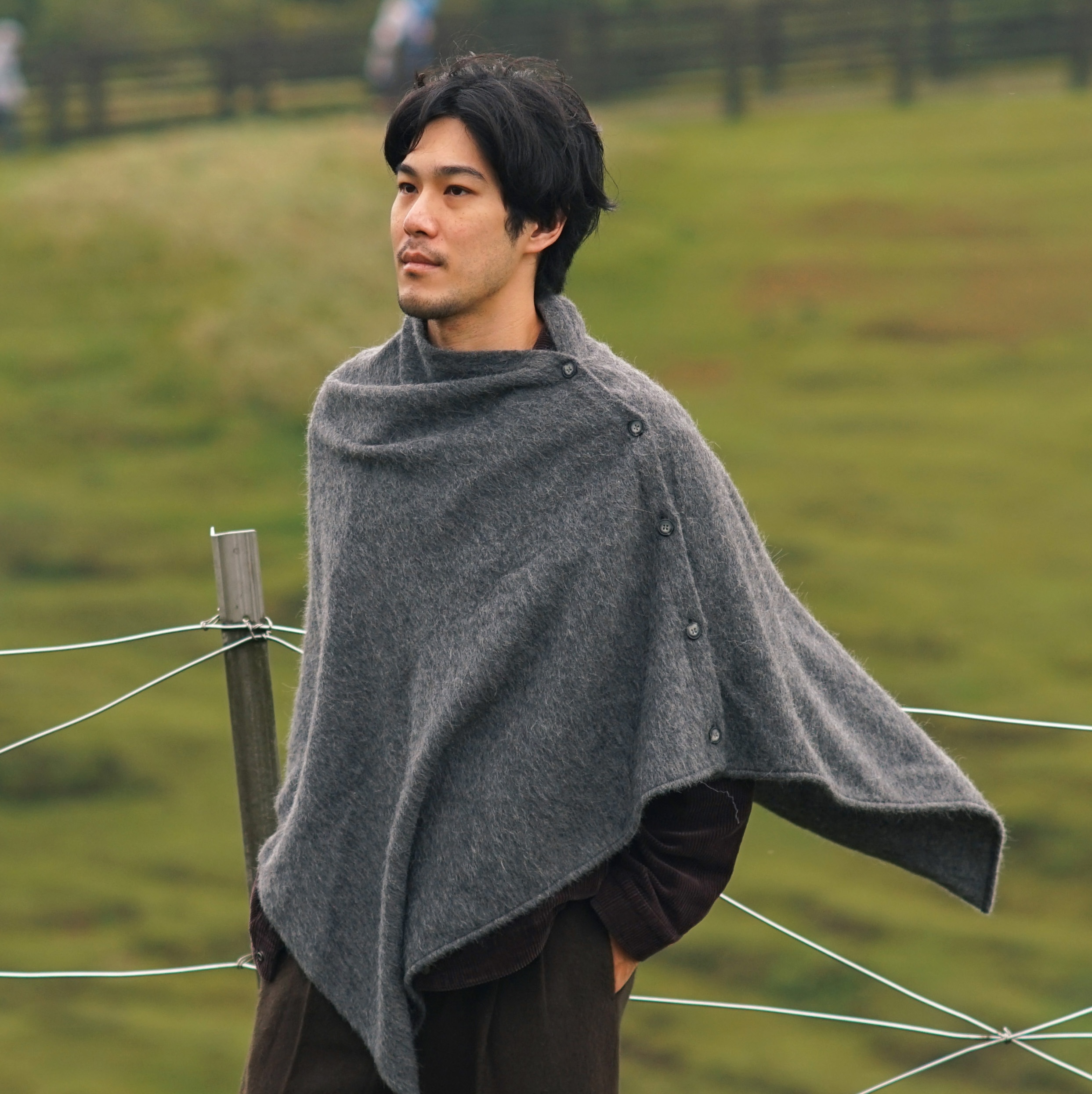
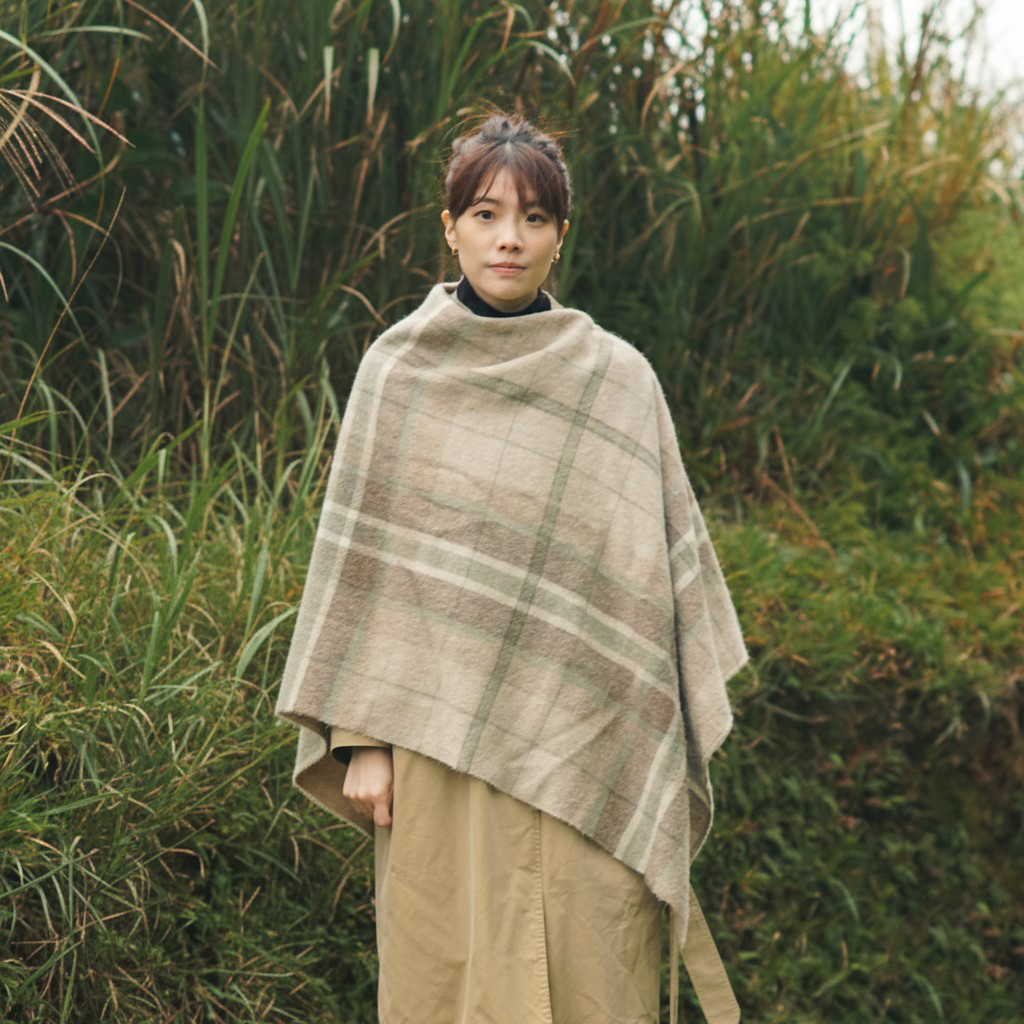
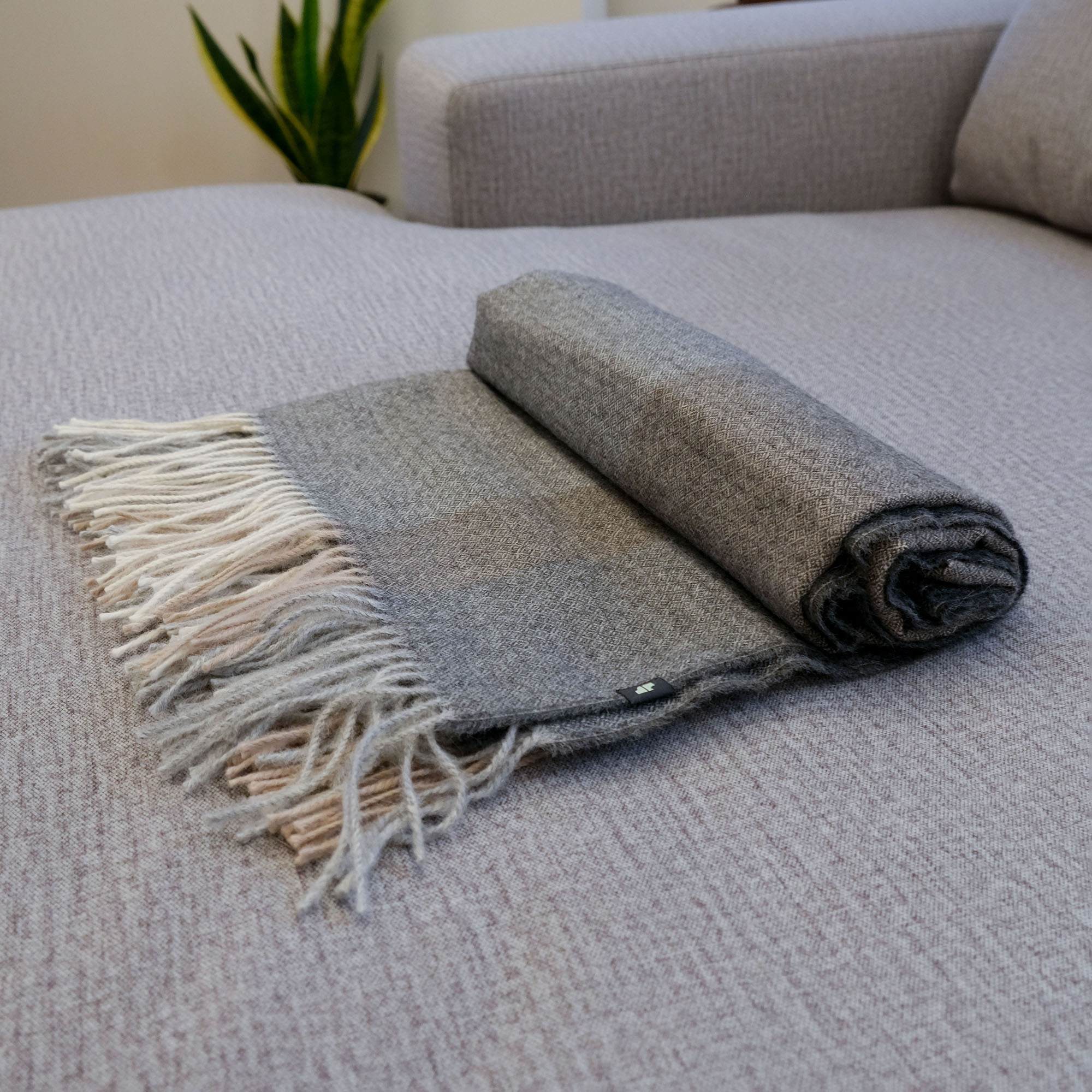
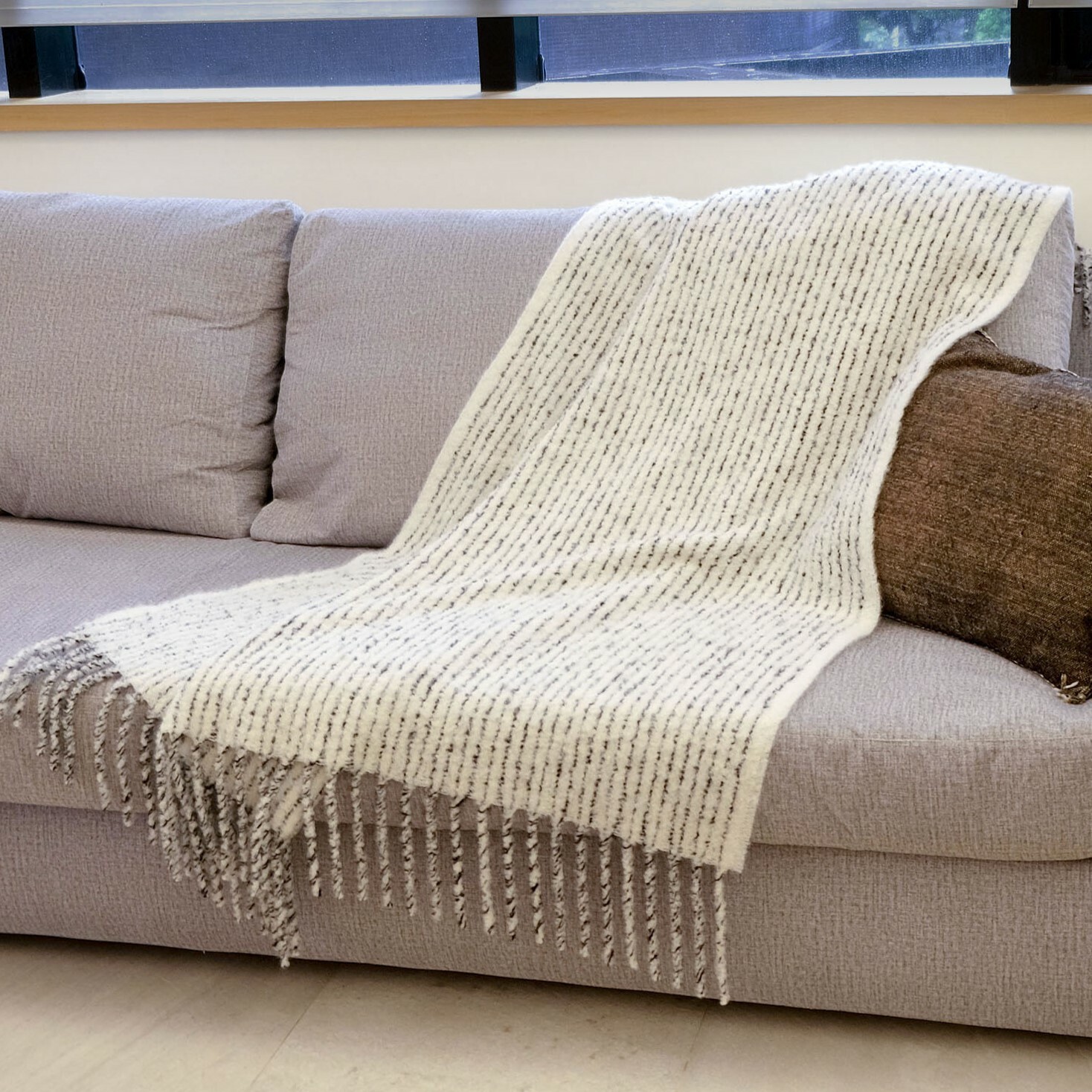
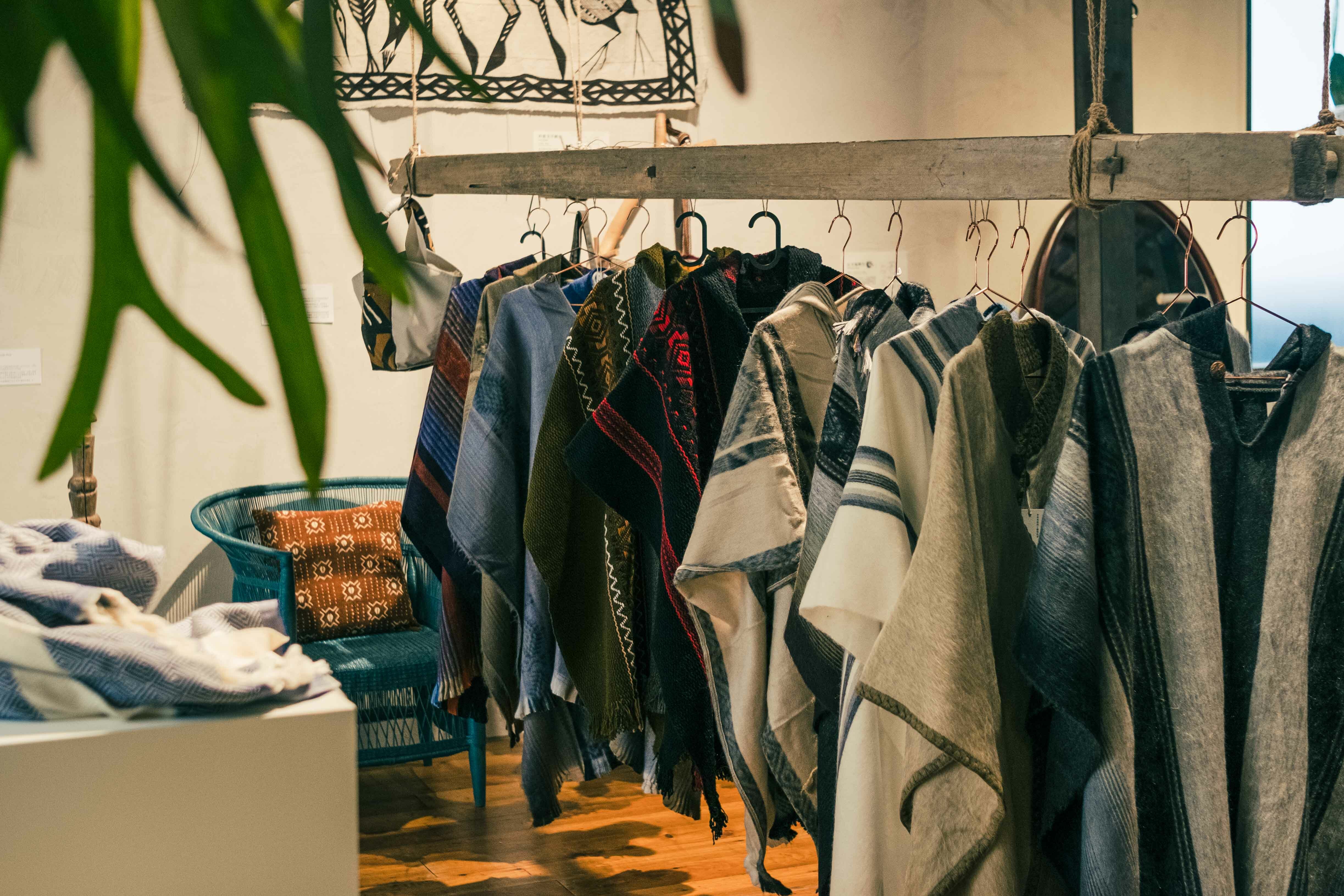
2025~26安地斯羊駝新品,有超過二十款全新款式羊駝斗篷,包括現代剪裁的斗篷披肩,以及手工編織的限量高階款斗篷,還有新款蓋毯、圍巾、毛帽與可愛的羊駝娃娃。

羊駝斗篷

羊駝圍巾

羊駝毛帽

羊駝蓋毯

高階手工斗篷

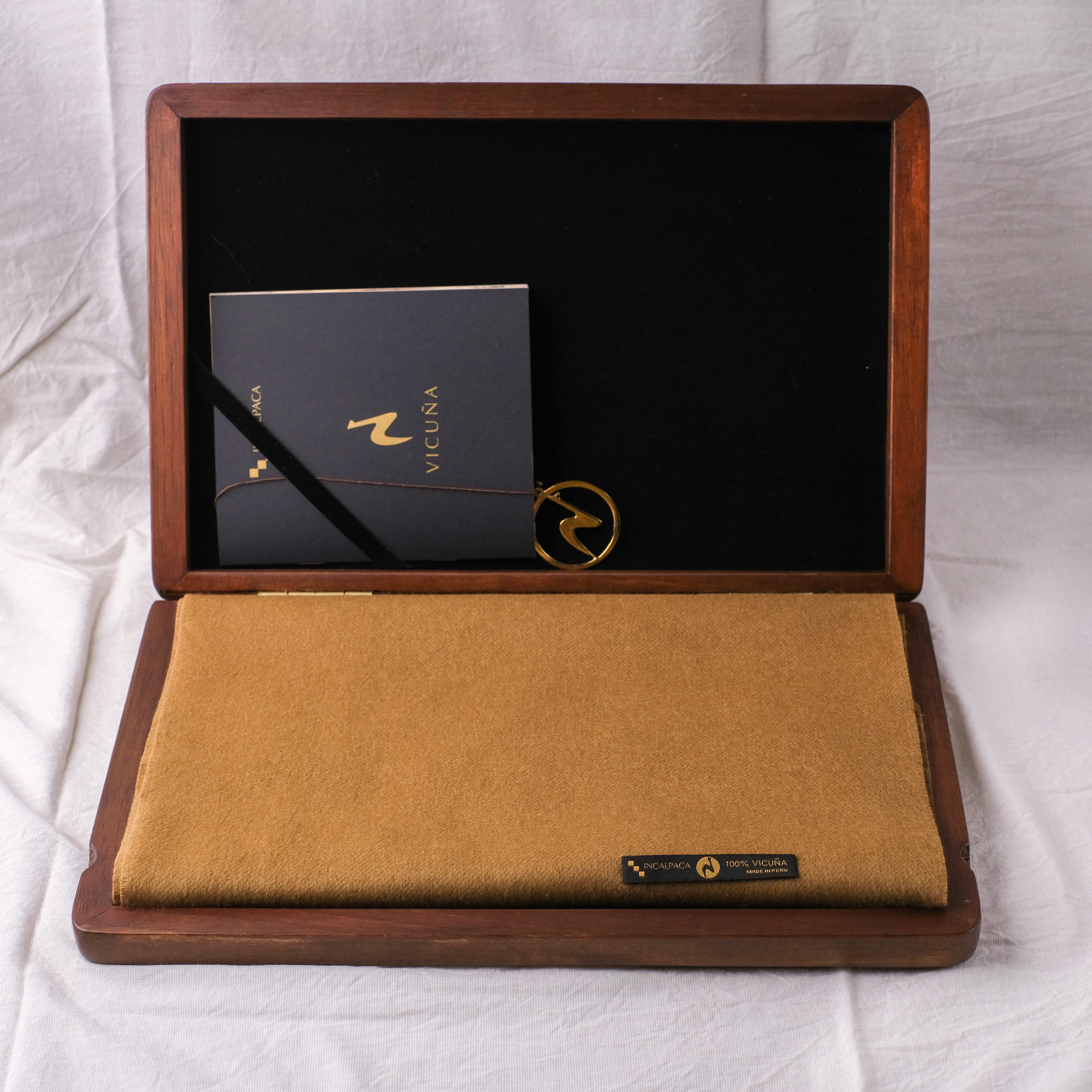
Vicuna 小羊駝織品

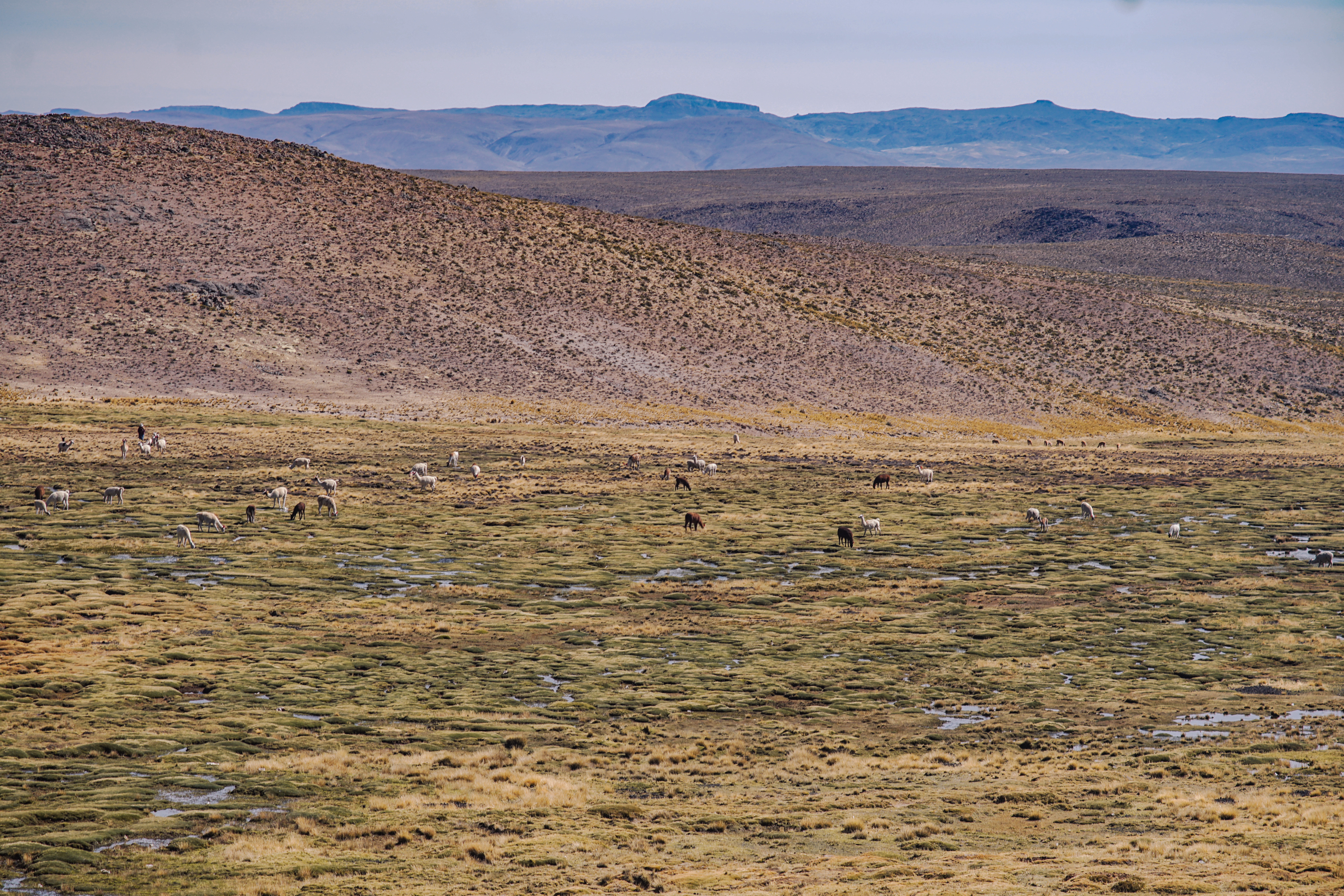
安地斯山脈的羊駝

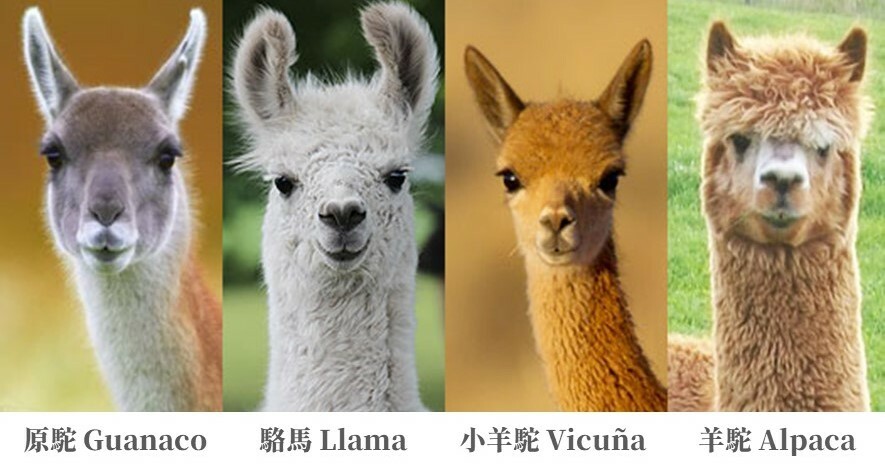
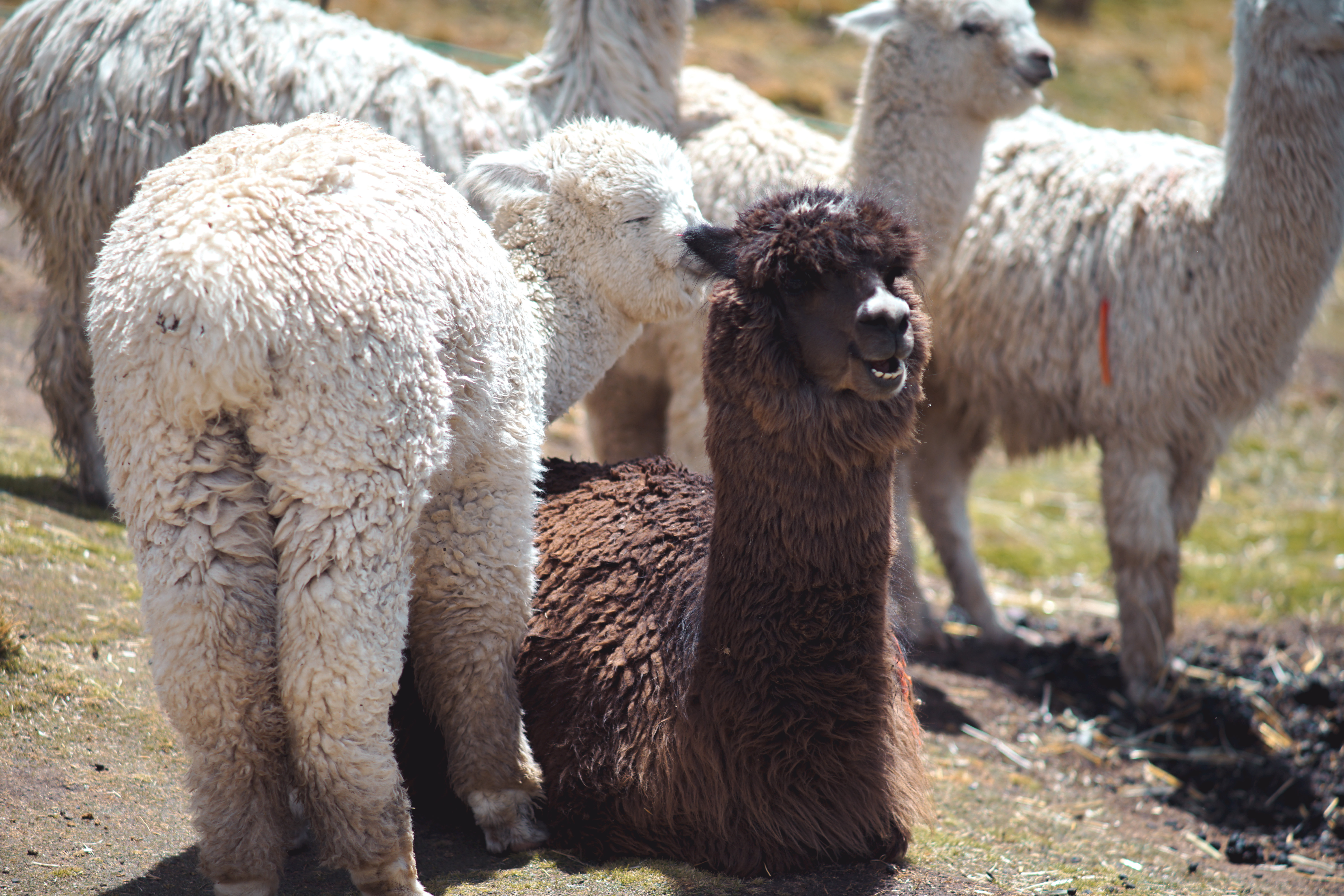
羊駝分布於秘魯、厄瓜多、玻利維亞、智利等安地斯山區,共有四大種類,其中羊駝(Alpaca)和牠的表親駱馬(Llama)從印加帝國時期至今已被人類豢養超過五千年,是在歐洲人侵略美洲大陸之前,南美洲僅有的被馴化牲畜,用於提供食物、燃料、衣物和運輸交通,是安地斯文明的象徵和其生活方式的體現。


最常見的Alpaca可細分為Suri跟Huacaya兩種,前者為長毛,後者為捲毛,飼養數量上以Huacaya佔多數,Suri量少只佔5-10%,牠們毛料更柔軟,但較不好染色。


Llama在印加帝國時期是用來運送貨物的駝獸,牠的毛料較具韌性,特色是未精梳而略帶細草根,捻線粗而織紋大。

Figure / There are four major species in the alpaca family
Source / Inca


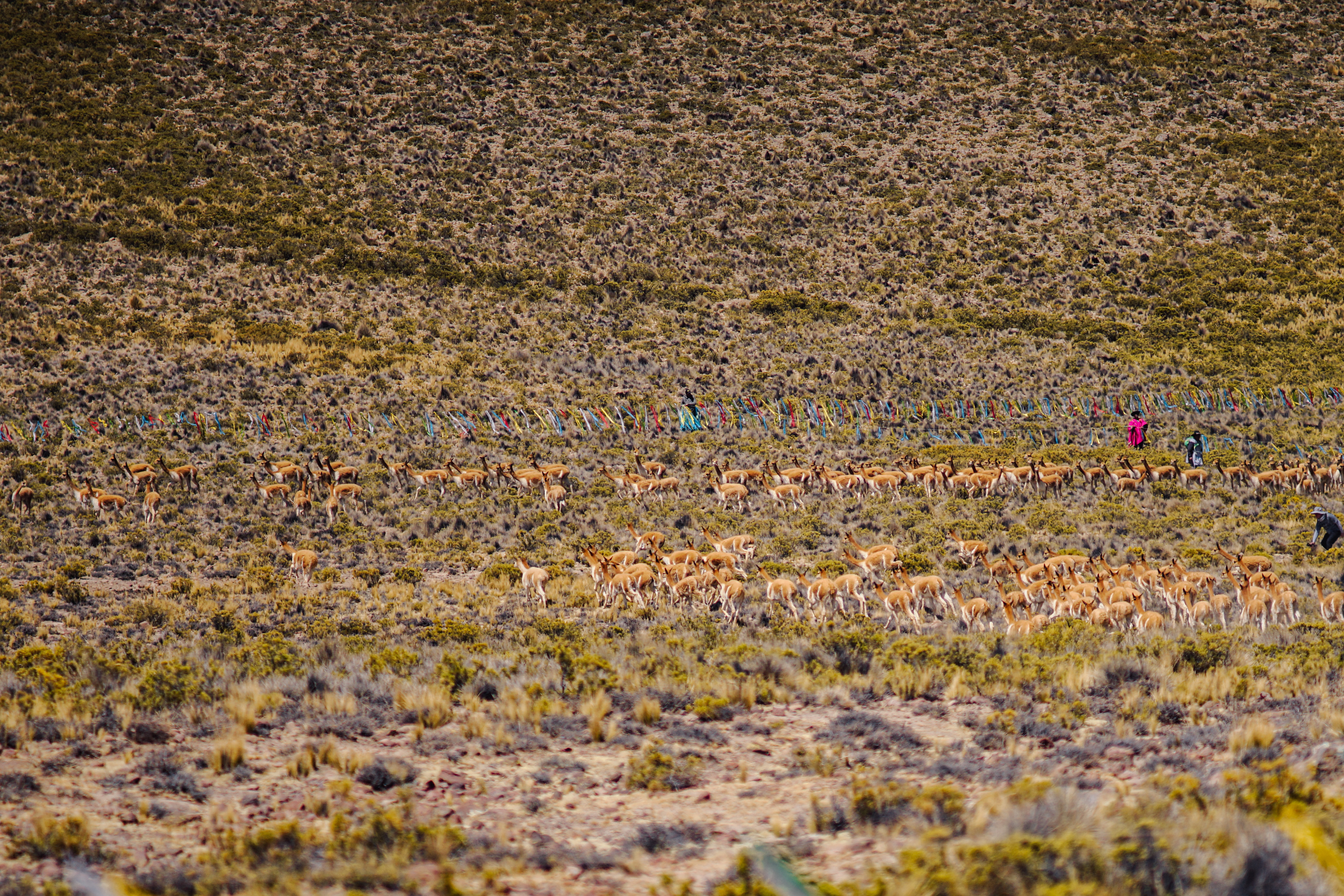
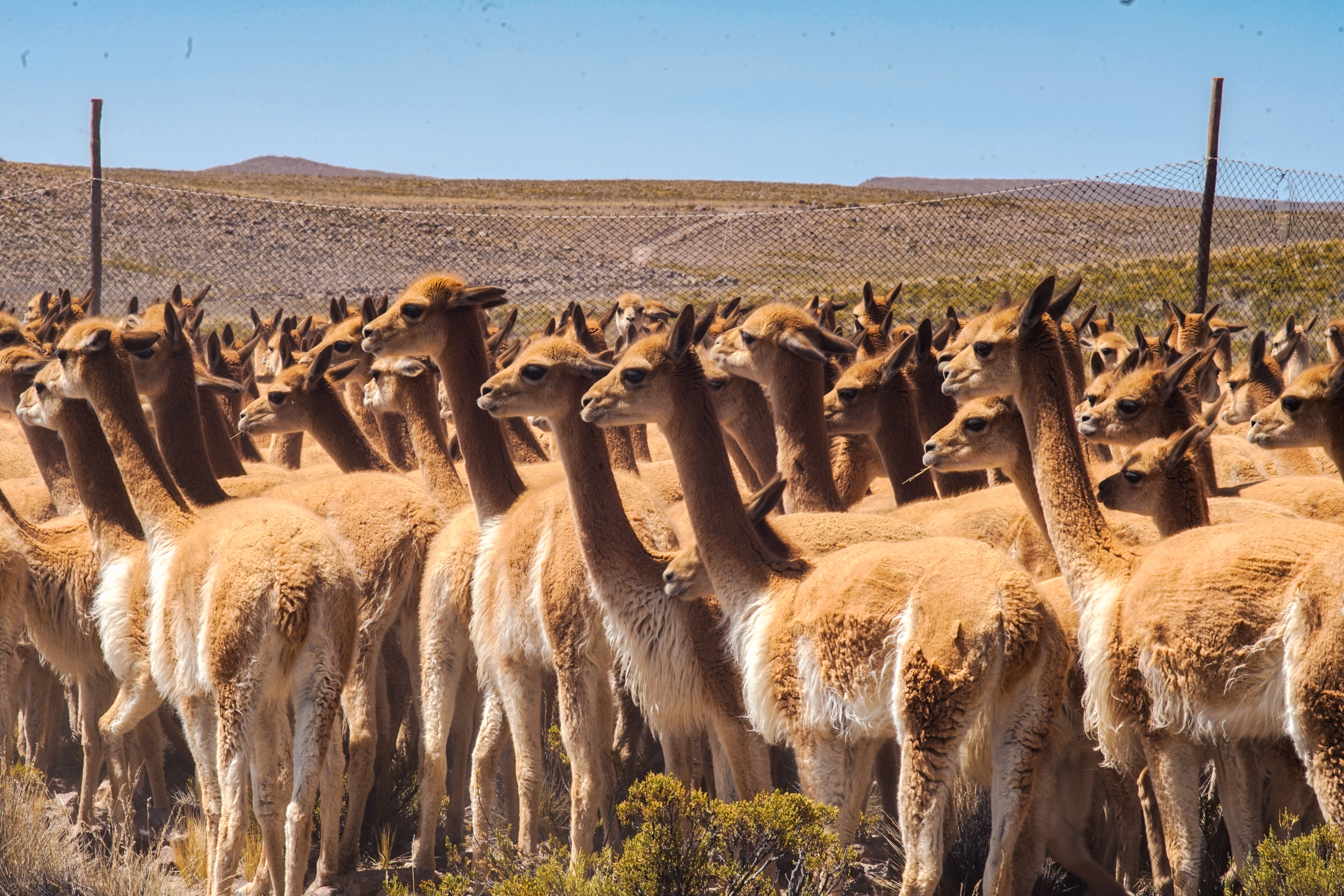
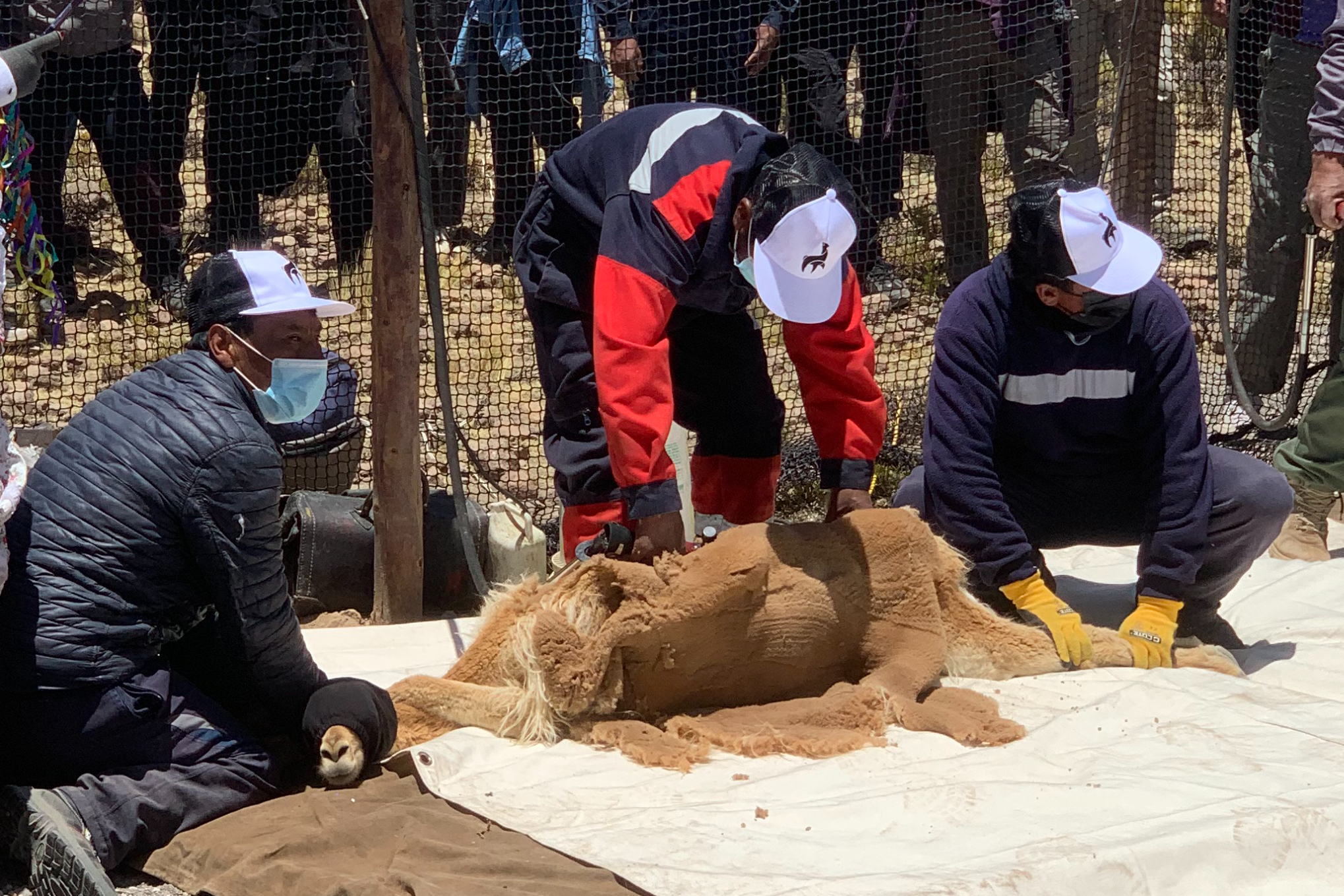
Another wild vicuña is small and deer-like in size. It is a national protected animal in Peru, with fine and soft hair to create a fiber of only 12 microns. It is the most expensive top-grade wool in the world. Due to the ban on capture by the Peruvian government, the traditional aboriginal technique "tuck-checking technique" was reactivated, using a sea of ​​people to collect the wool of vicuñas every three years.


圖 / 傳統圍捕小羊駝的查谷技法
 拍攝 / 南南之隅

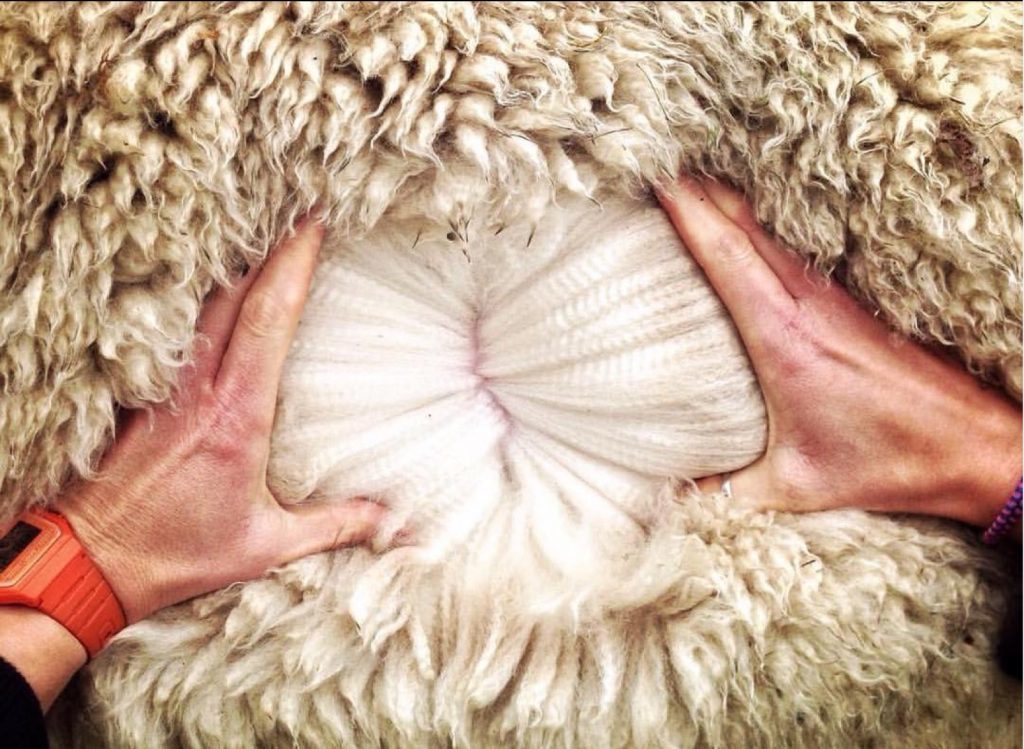
Figure / Alpaca has the softest hair in the world
Source / Master Class


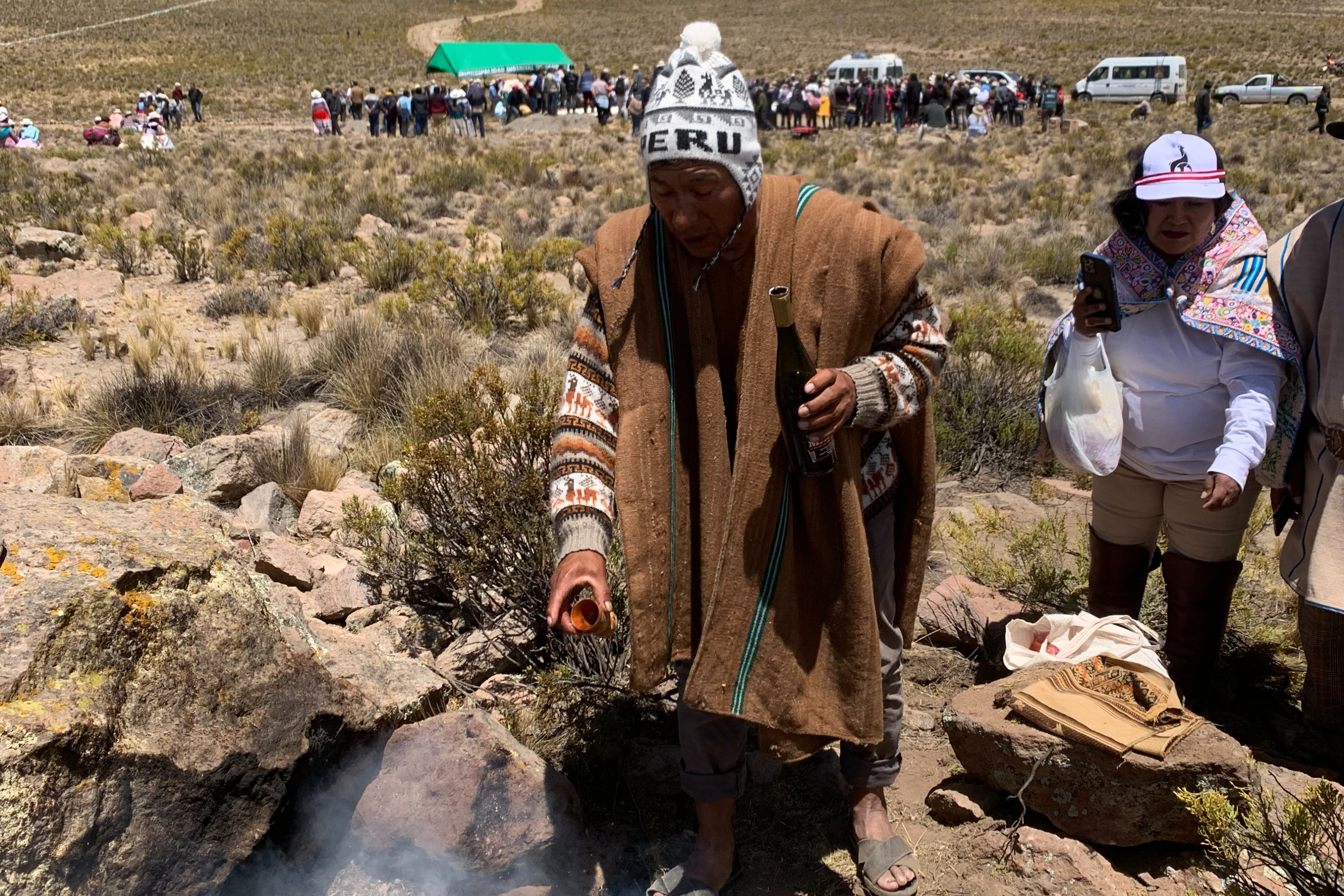
圖 / 剃毛前舉行Pachamama儀式祭告大地之母
 拍攝 / 南南之隅

圖 / 小羊駝剃毛儀式
拍攝 / 南南之隅

羊駝身上的世界級毛料

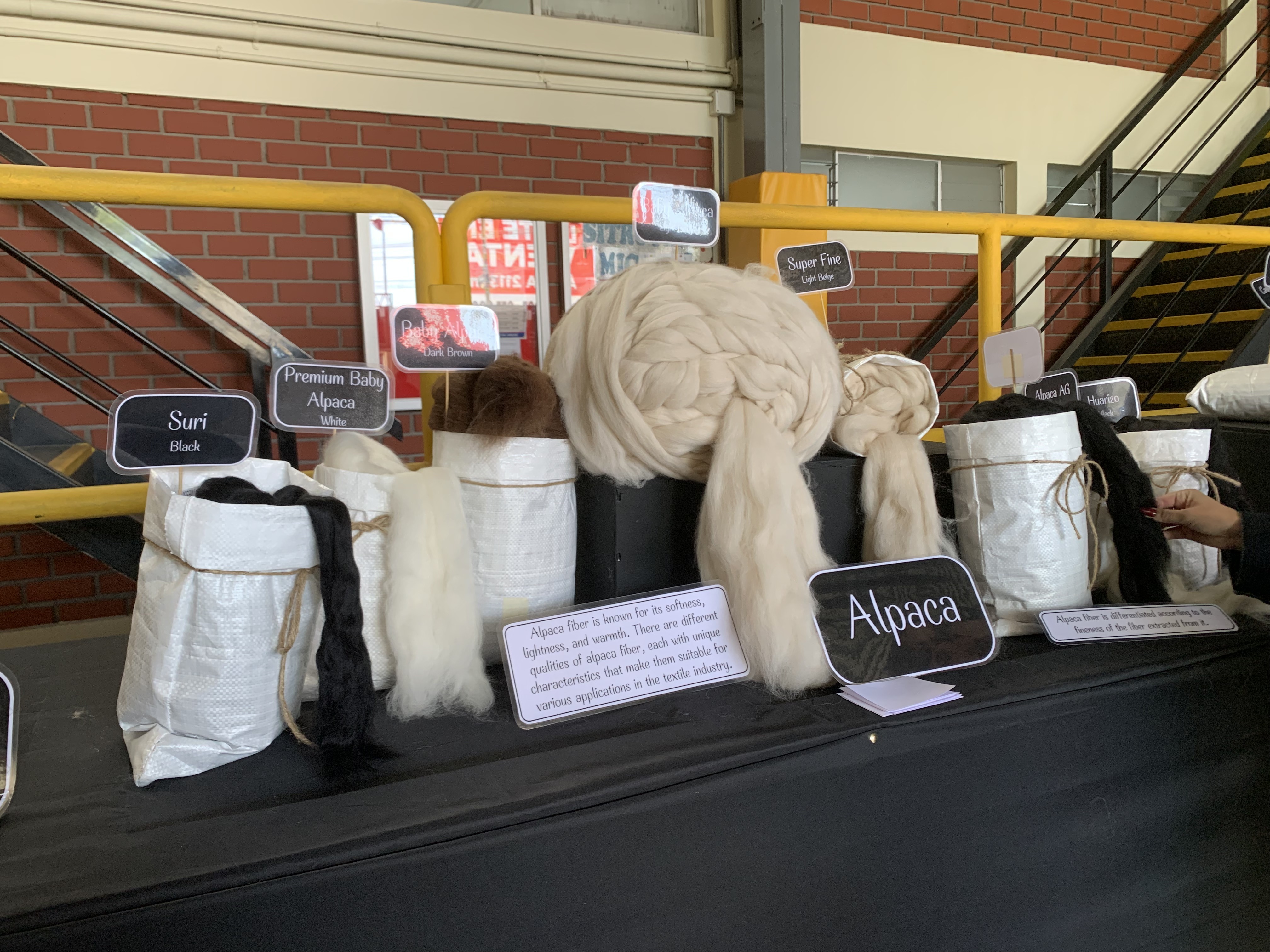
The collection of Alpaca wool is labor-intensive. The softest and finest down suitable for use as clothing only grows on the side of the body, and only less than 1/3 of the fur can be used. The fur collected for the first time is called "baby alpaca". And when the removal is more frequent, the quality of the fur will decrease. Therefore, according to the regulations of the Peruvian government, alpaca wool can only be collected once every two to three years, which makes alpaca wool fabrics expensive. Many well-known brands sell their handmade pure alpaca wool ponchos at a market price of about ten to thirty thousand New Taiwan dollars.

Andean Alpacas live in high, cold mountains and have a large amount of fur (Source: Metro)

Alpaca down grows only on the side of the body, and the amount that can be used for each collection is very small. (Source: Quenti Alpacas &Mill)

圖 / 不同等級的羊駝毛料
拍攝 / 南南之隅

The South American Spirit and the Ponchos

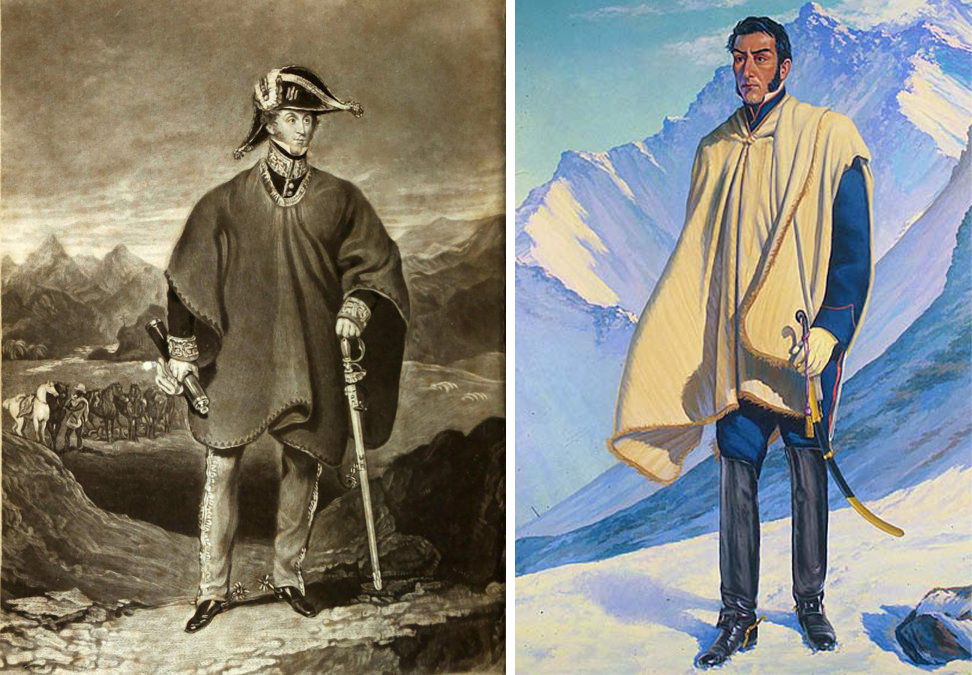
The convenience and flexibility of the poncho makes it an indispensable equipment for the South American knights. The War of Independence broke out at the end of the 18th century in South America after years of Spanish rule. The poncho became a symbol of fighters for independence. The poncho presented by the Mapuche people to the hero, José de San Martín, accompanied him during liberation of Chile and Peru. The hero and the garment set an immortal record in history.

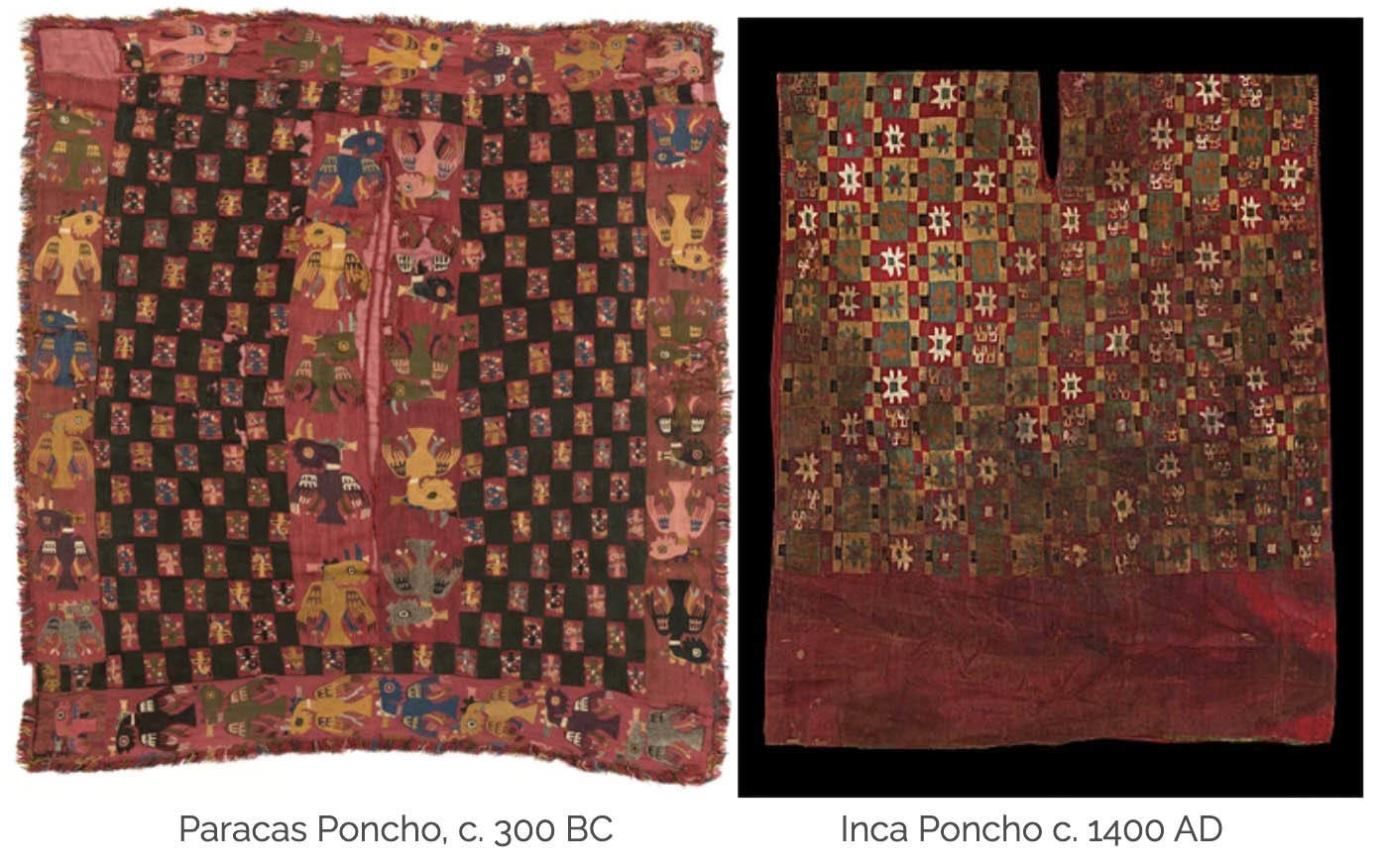
The oldest poncho in history, made in 300 B.C.  (Source: Invisible world)

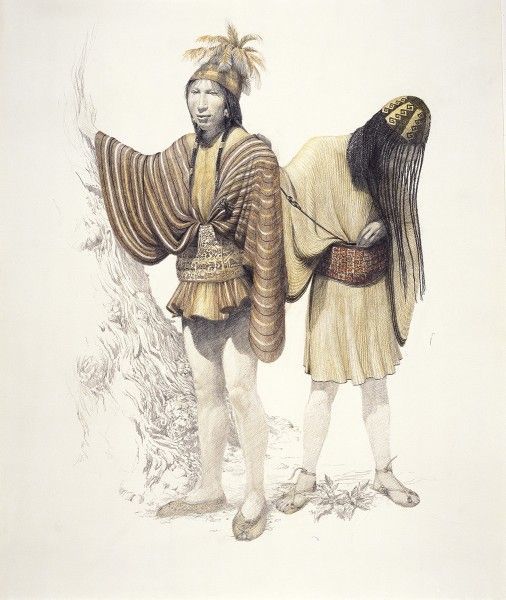
A thousand years later, the rise of the Inca Empire promoted Paracas’s poncho culture to the entire Andes Mountains. At that time, the Incas used geometric patterns and brightly colored alpaca wool to weave ponchos. These designs showed the social status of the wearer in the Inca Empire. As time progressed, ponchos no longer belong to the royals and nobles. The design was already integrated into the life of the indigenous people in South America.


In the early years, the tribes of the settlements in the Andes, the ethnic groups in the Patagonia plateau and the Pampa grasslands lived a life of hunting and gathering in the wildness for a long time. The women thus used alpaca wool to make such practical and warm ponchos as outdoor menswear. They can keep out the wind and cold. In addition, they have a wide range of uses, such as raincoats, blankets, and pillows. 

The 7,000-kilometer Andes Mountains run through almost all of South America (Source: wikiwand, Jack Brauer)

Evolution of Ponchos in different places

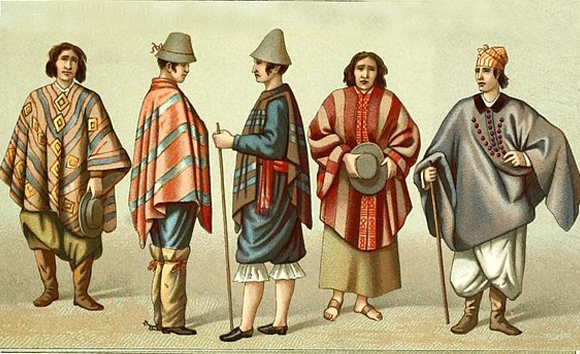
The poncho styles change with different terrain and climate. They have also developed local characteristics and had different names. The popular ponchos in the Inca Empire are shorter with the style similar to both coats and ponchos, and are called "unku". The Guane who lived in Colombia and Venezuela had more thick and warm ones, called "Ruana", which are also another major style nowadays. The Mapuche people living near the border of Chile and Argentina call their ponchos "ponthro", which means "blanket". Theirs are knee-length and have good warmth retention.


During the Age of Discovery, Spain entered South America and began its colonial rule. The word "ponthro" was changed to the Western word "poncho" and unified. As Europeans brought silk and wool to Americas, there were more options for the material of the ponchos, but still mainly as alpaca wool. At the same time, with the introduction of European looms, ponchos had also been cut into circular European-styles such as round hats. The poncho culture had gradually expanded to the Central American, North American and European markets.

The "unkus" in Inca Emire (Source: Pinterest)

José de San Martín (right) and his friend William Miller (left) both wore ponchos. (Source: Esgrima Criolla, Historia Hoy)

Ponchos were no longer limited to menswear, with the rise of hippie culture in the 1960s. Women began to wear ponchos. In modern times, the poncho has been widely regarded as a feature of South American culture. All men, women, aboriginals or foreigners can wear the traditional and fashionable ponchos in celebrations, parades, or daily life in South America.

The poncho has been integrated into life, culture, language and history of South American countries. One of the most authentic slang goes, "the place where the devil lost the poncho (Donde el diablo perdió el poncho.)" means "the end of the earth". When one is “not allowing others to step on his poncho” (No dejarse alguien pisar el poncho.)”, one is “unwilling to submit”. When “lifting the cloak (Poncho te levanta.)”, it means a time to start a revolution or uprise.

Figure / The thermal properties of alpaca wool can also be made into different items such as blankets and socks.
Source / Sousoucorner


台灣首間世界工藝概念店,歡迎前來試穿體驗。


南南之隅 泰順本店
地點|台北市大安區泰順街16巷4號
營業時間|每週二至週日 12:00 - 20:00

南南之隅 大安2號店
地點|台北市大安區大安路一段105號B1
營業時間|每週二至週六 12:00 - 20:00


位置資訊

Sousou Project 07 x  Poncho de Los Andes