{{ 'fb_in_app_browser_popup.desc' | translate }} {{ 'fb_in_app_browser_popup.copy_link' | translate }}
{{ 'in_app_browser_popup.desc' | translate }}
{{ childProduct.title_translations | translateModel }}
{{ getChildVariationShorthand(childProduct.child_variation) }}
{{ getSelectedItemDetail(selectedChildProduct, item).childProductName }} x {{ selectedChildProduct.quantity || 1 }}
{{ getSelectedItemDetail(selectedChildProduct, item).childVariationName }}
Conflict or terror are the world's most direct impressions of Afghanistan, but few people know that this land, where wars are frequent, actually hides one of the world's largest gemstone deposits.
I am proud to see young Afghan men and women bringing handicrafts from Kabul to markets around the world. I hope these artifacts can demonstrate the importance of traditional crafts in rebuilding lives and generating income, especially in post-conflict situations. - King Charles III of England
Gemstones and their origins
Afghanistan is located at the junction of the East and the West, in the heart of Asia. It is a landlocked country, not close to the sea, that borders Middle Eastern countries such as Iran, Pakistan, Turkmenistan, Uzbekistan, and Tajikistan. Despite being politically unstable for more than four decades due to its strategic location, it remains one of the poorest countries in the world. However, the mountainous Afghanistan is actually rich in mineral resources. In addition to industrial minerals such as gold, silver, copper, iron, and zinc, it also has various extremely valuable gemstones.
In gemology, gemstones are distinguished by the Mohs scale of relative hardness and are therefore subdivided into precious stones and semi-precious stones. Precious gemstones refer to gemstones with a Mohs hardness of 9 or above, including diamonds, rubies and sapphires. Semi-precious stones are other gemstones with a hardness of less than 7 on the Mohs scale and a lower value than the former.
The northeastern part of Afghanistan is one of the most important gem-producing areas in the world, and mining began even as early as 1,300 years ago. The most famous thing in Afghanistan is the world's largest collection of lapis lazuli. Other precious and plentiful ones include ruby, emerald, tourmaline, Konsai stone, etc. These large gem collections have laid the foundation for Afghanistan's history for thousands of years of a traditional gemstone and metalworking culture.
Lapis lazuli, the national stone of Afghanistan that has been mined for thousands of years
Afghanistan has used gemstones for more than 6,000 years, among which Lapis lazuli is the oldest and is even known as the "National Stone of Afghanistan". Lapis lazuli originates from Latin, Lapis which means “gemstone”, and lazuli that means “blue”. It also had its own special name in ancient China and ancient Indian Buddhism. Lapis lazuli is similar to the indigo color of the sky or ocean. Modern spiritual schools believe that it can penetrate directly into the depths of the soul and provide healing energy. It can relieve anxiety, enhance expression ability, and enhance spirituality.
Figure / Rough lapis lazuli produced in Afghanistan
Source / Wikipedia
聯合國難民署的《MADE 51計畫》
Afghanistan mainly uses explosive mining. Miners have to climb and dig tunnels in narrow canyons and set up explosives. This is very dangerous and there is also the risk of gemstone damage and reduced output. The exploded gemstones range from dozens to hundreds of kilograms and all rely on miners to carry them down the mountain, which can take up to two weeks.
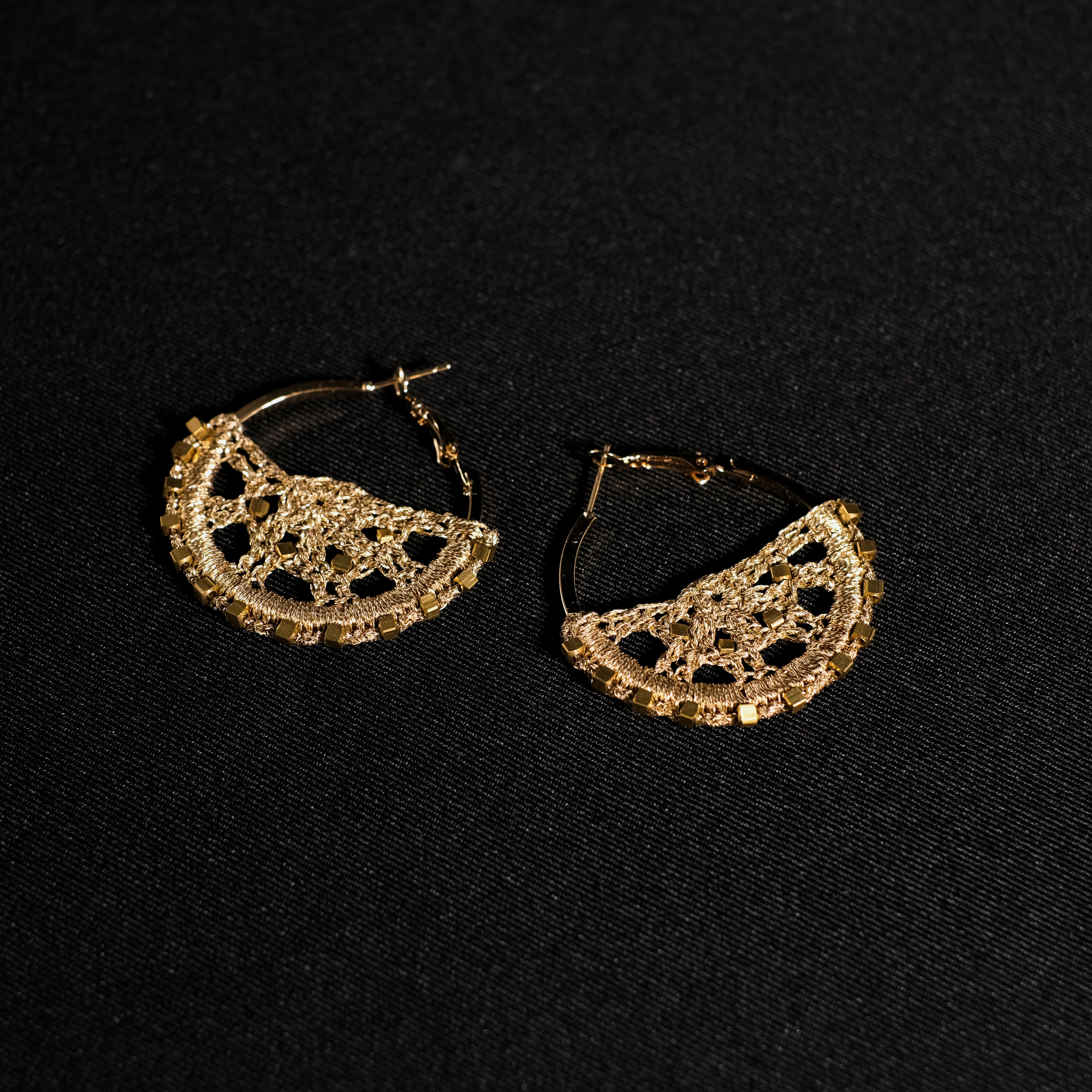
Most gemstones are sent to Pakistan for sorting. Low-priced gemstones are cut and sold directly in Pakistan, while medium- and high-priced gemstones are precision cut and then sold to Western markets. But there are also many gemstones that are embedded in alloys such as sterling silver, brass or cupro nickel through the skillful hands of Afghan craftsmen to create jewelry with Afghan characteristics.
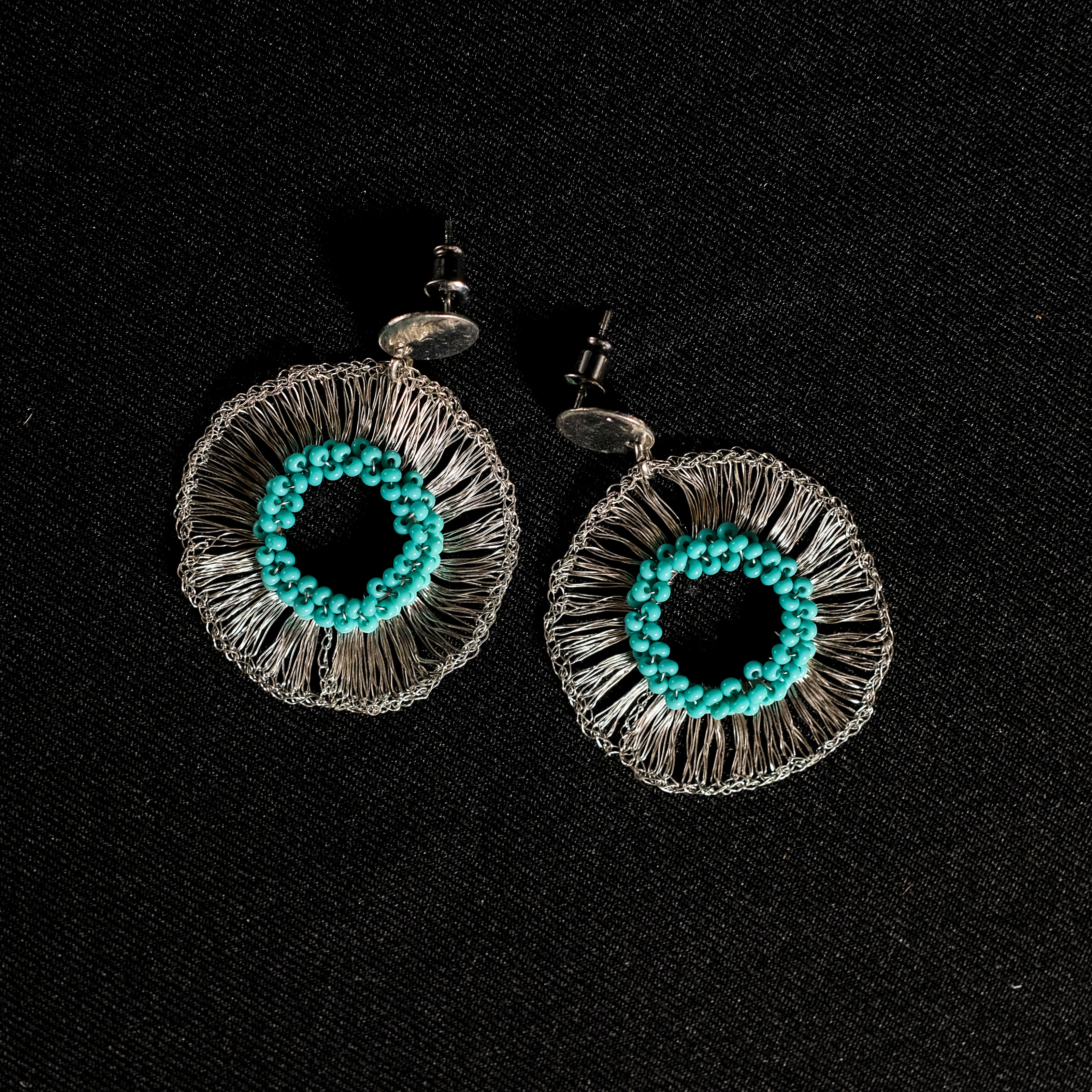
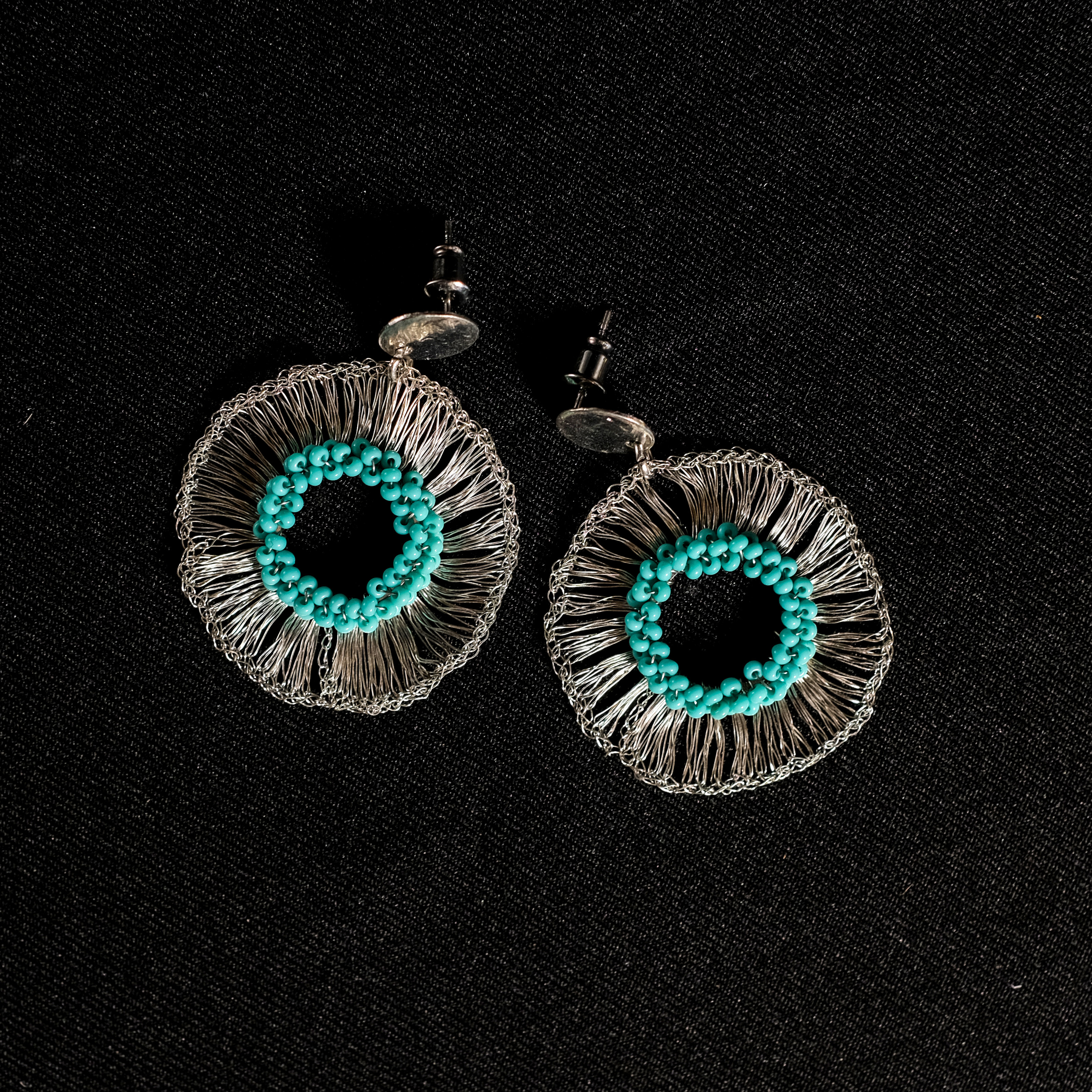
In addition to lapis lazuli, Afghan turquoise is also world-famous, which spread to Europe via West Asia and became the origin of the color "Turkey Blue". Turquoise is also known as Turkic jade and turquoise. In addition to being the birthstone representing December, believers of the body, mind and soul also believe that turquoise is a mineral that brings confidence and courage from an energy point of view.
Turquoise also has a long history. In ancient Persia, turquoise was used as a talisman and to ward off evil spirits. Tibetans in China believed that turquoise was the incarnation of God. In the myth of Nuwa patching up the sky, turquoise was among the colorful stones used by Nuwa. It was called Dianzi at that time. Although it is called the national stone of Turkey, Turkey does not produce turquoise. Instead, turquoise was produced in ancient Persia and entered Europe from Turkey through the Silk Road, hence its name.
Turquoise is currently produced in Afghanistan, Iran, Chile, Mexico and other countries. Turquoise is divided into four levels internationally based on color, transparency and texture, with Turkish blue being the most valuable.
Figure / ovoid turquoise
Source / Wikipedia
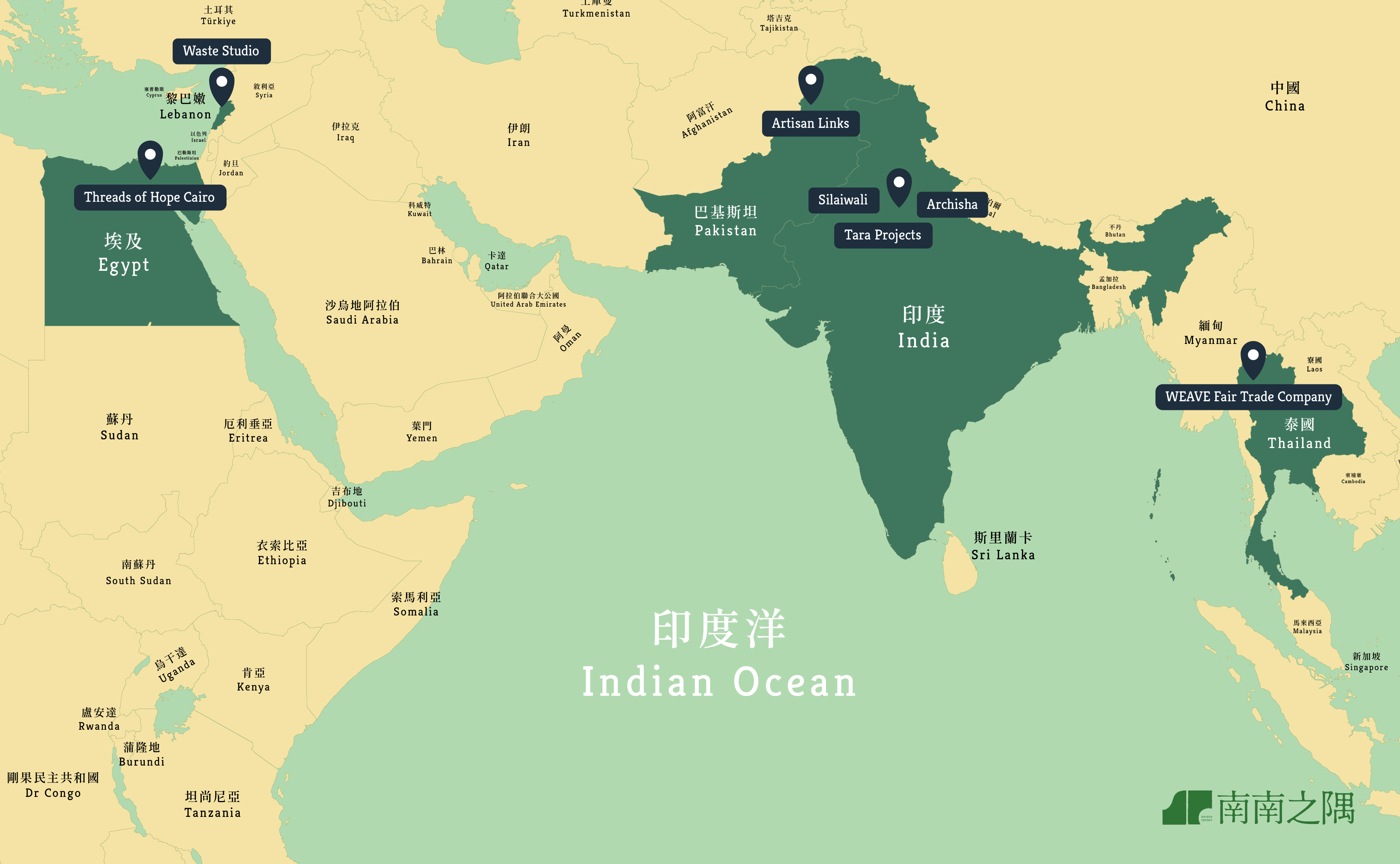
圖/MADE51的全球版圖與合作夥伴
製圖/南南之隅
Craftsman Original Series
This series is based on the independent creations of Afghan craftsmen, and their creations are inspired by natural landscapes, historical stories and traditional ornaments. For example, the Hindu Kush Mountains in the east, with their jagged peaks and dramatic valleys, have become a strong linear style of jewelry. The blue watersheds formed by the open rivers in the valleys are presented in lapis lazuli, demonstrating a stunning beauty of the central asian landscape. Other stories about the queens of the ancient empire and traditional silver jewelry from neighboring Turkmenistan have become the creative themes of Afghan craftsmen.
Figure / Hindu Kush Mountains and River Valleys
Source / Turquoise Mountain
Figure / Kapisa Lapis Lazuli Earrings
Source / Turquoise Mountain
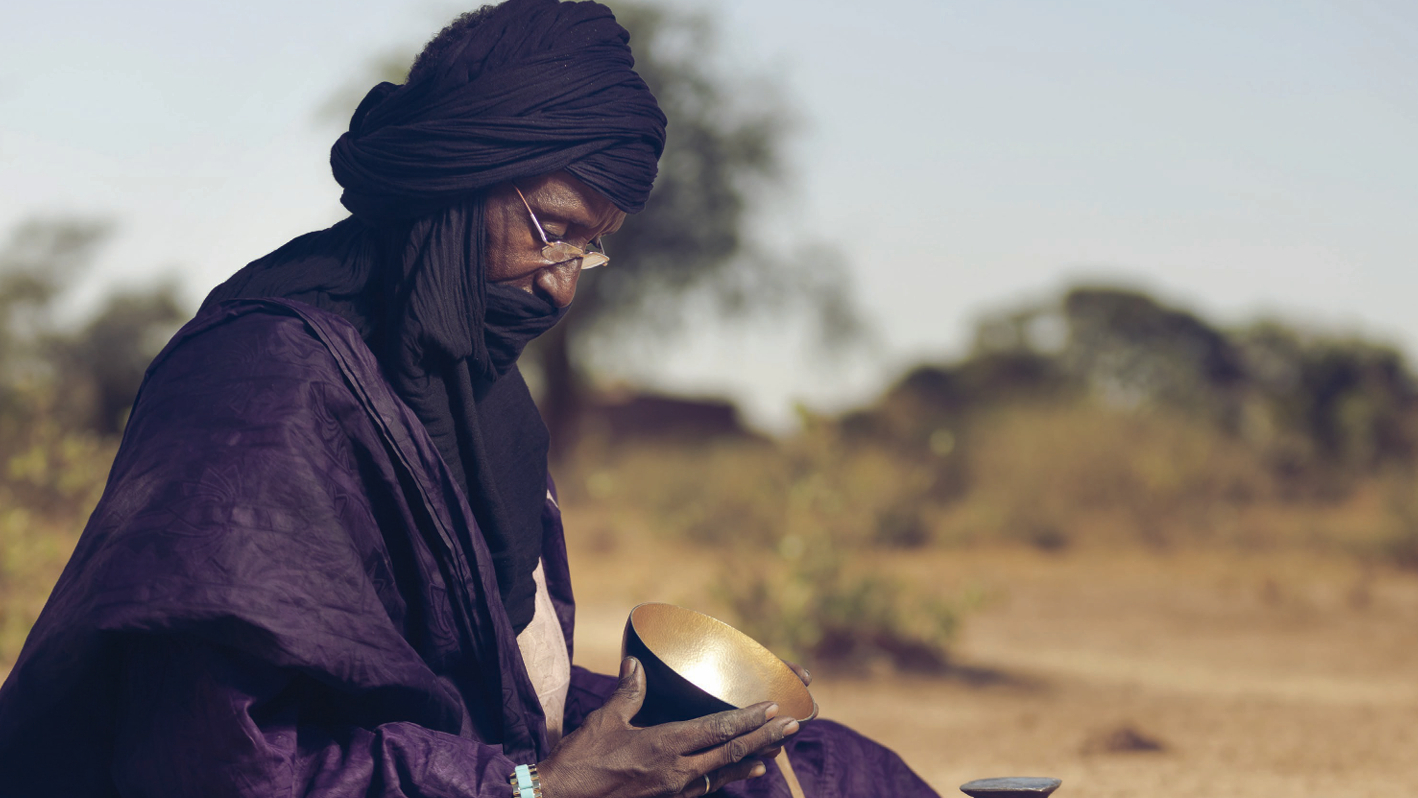
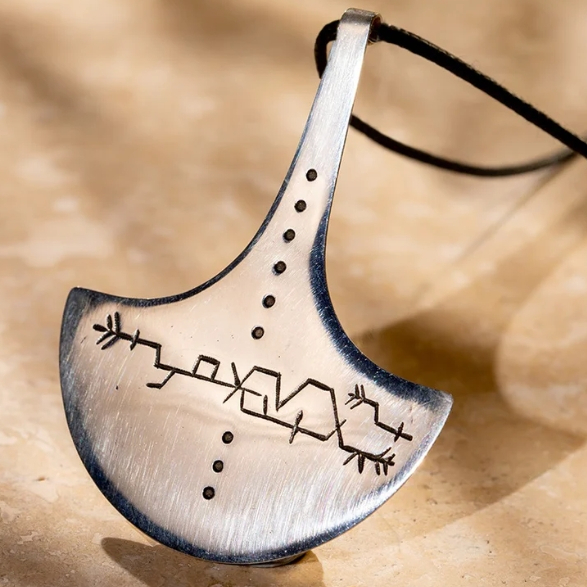
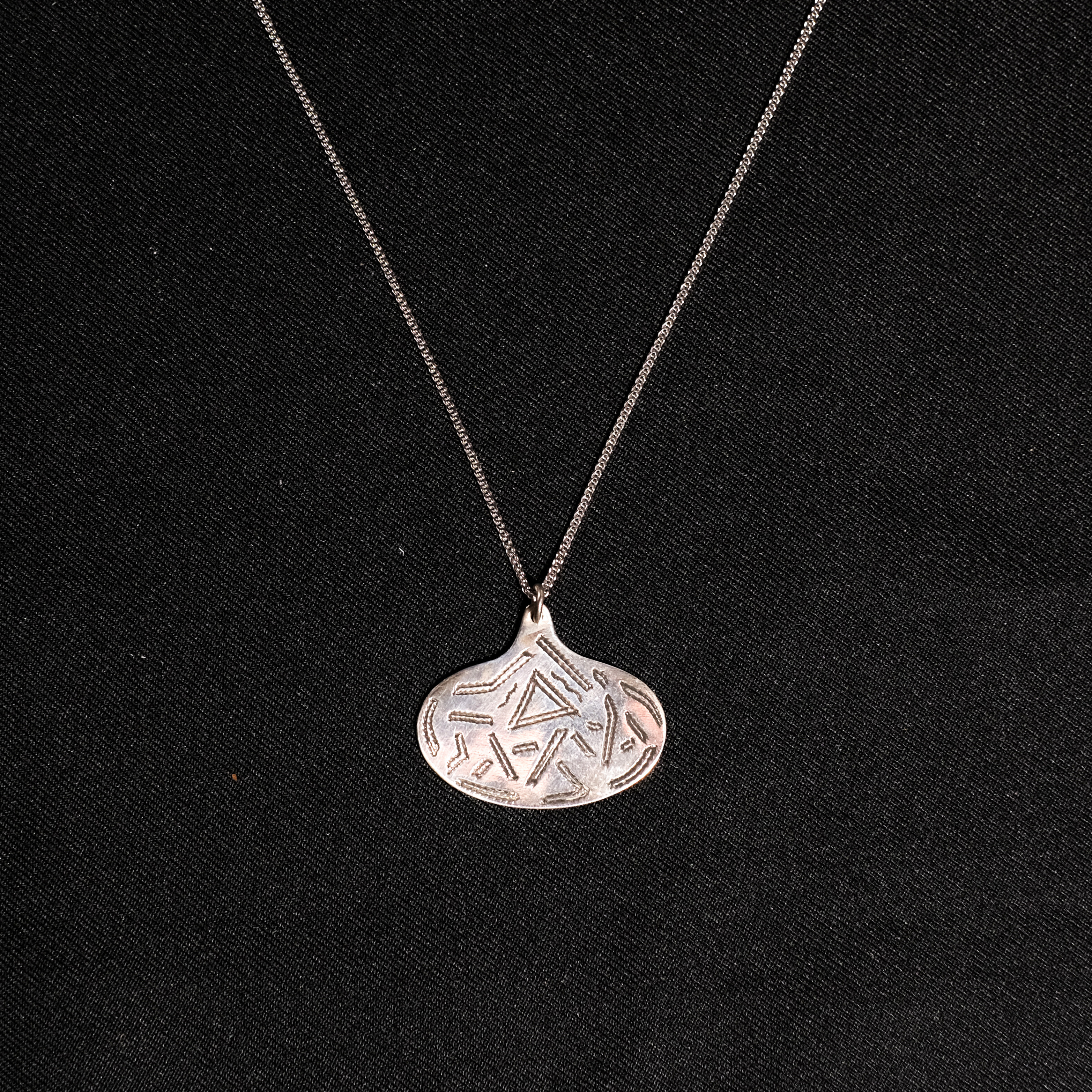
葫蘆項鍊
靈感源自薩赫勒地區常見的葫蘆。對於足智多謀的圖阿雷格人來說,乾燥的葫蘆常被用作盛水、碗或樂器的容器,並飾有裝飾性雕刻。
Babur Garden Series
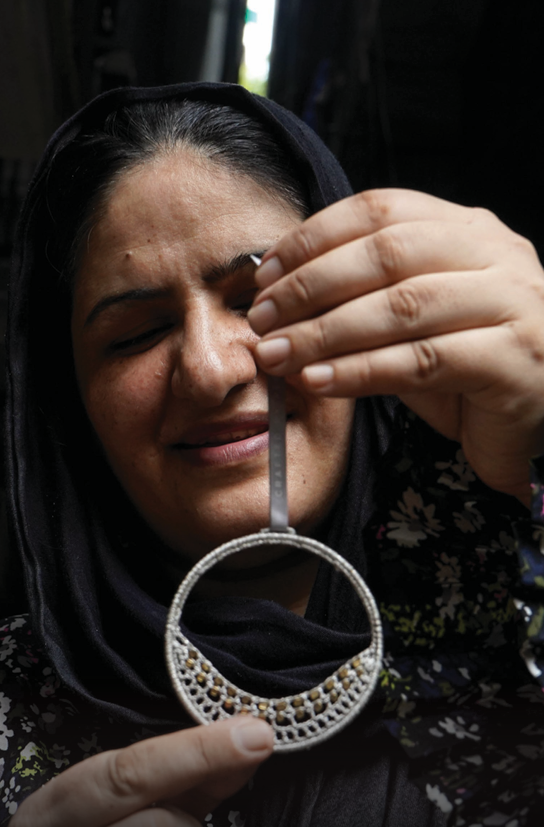
The concept of the series comes from the famous building "Babur Garden" in the capital Kabul. Babur, a descendant of Genghis Khan, established the Mughal Empire from Afghanistan to India in the 16th century. The garden was built by him and is also his final resting place. The mausoleum is surrounded by an arched lattice screen made of marble. Inspired by the lattice screen (jali) common in Islamic architecture, the craftsman hand-cut the metal sheets into hollow arches and decorated them with lapis lazuli to become a unique metalwork ornament.
Islamic Geometric Series
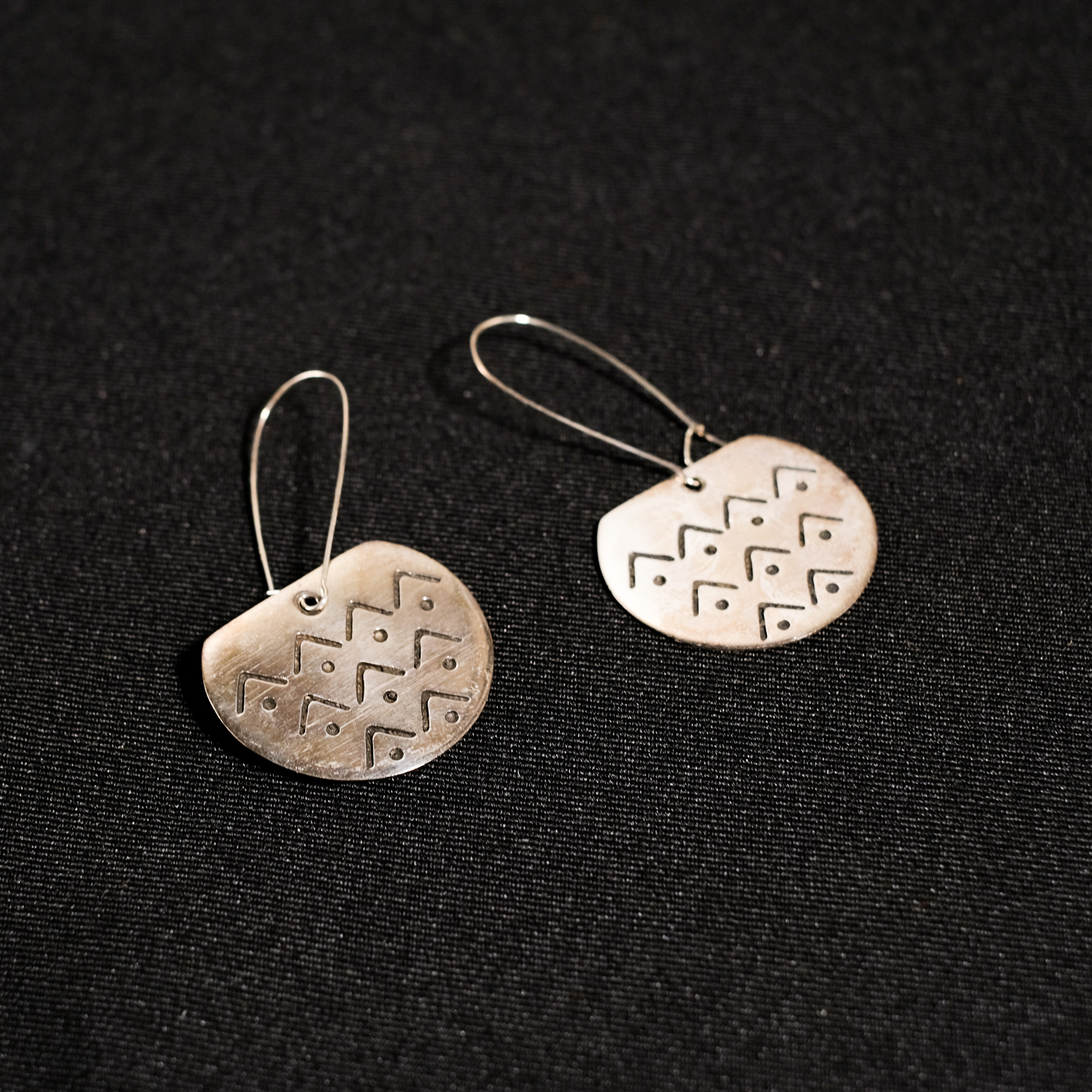
There is a well-known building in northern Afghanistan, the Zadian Minaret, which is a "prayer tower" used to notify people of prayer times. This tower is covered with Islamic geometric patterns of octagons, pentagons, hexagons and rhombuses, which are the inspiration for this series. Traditional hand-cutting techniques are used to transform the geometric patterns of the minaret into exquisitely balanced metal accessories.
Cats of kabul series
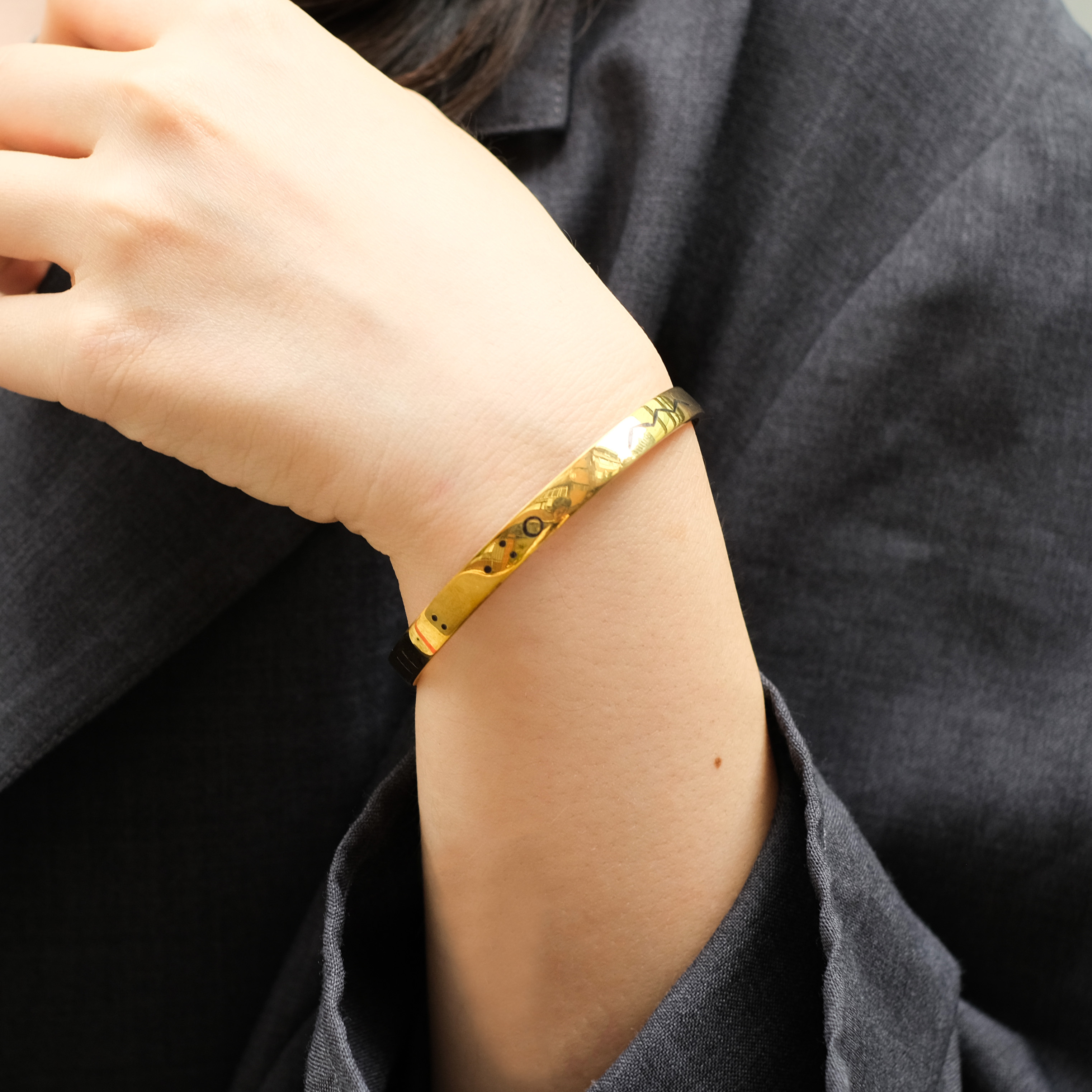
In the old city of Kabul, the capital of Afghanistan, cats are indispensable but often ignored. Craftsmen often give cats names or play with them. This series is inspired by the cats of Kabul, using lapis lazuli and malachite as the protagonists to design bracelets, rings and necklaces.
“I am proud to see young Afghan men and women bringing handicrafts from Kabul to markets around the world. I hope these crafts can demonstrate the importance of traditional crafts in rebuilding lives and generating income, especially in the post-conflict world’s situation." - King Charles III of England
Since ancient times, the fine cutting and setting techniques of Afghan jewelry have been highly respected. However, decades of war and instability have made it difficult for Afghan gemstone crafts to enter the international market. Faced with this dilemma, Turquoise Mountain established a craft training institution in Afghanistan to train talented gemologists and establish bridges for them with museums, retailers and international design brands around the world. Through partnerships with Pippa Small and Pamela Love Cooperate, well-known design brands, they let the world see the beauty of Afghanistan’s gemstone and metalwork.
This time SouSou Corner cooperates with Turquoise Mountain to introduce Afghan gemstone and metalworking for the first time. From the unique creations of craftsmen, through these beautiful, unique and story-telling gemstone jewelry, you will see the landscape, history and beauty of Central Asia.
升級再造 Waste Studio
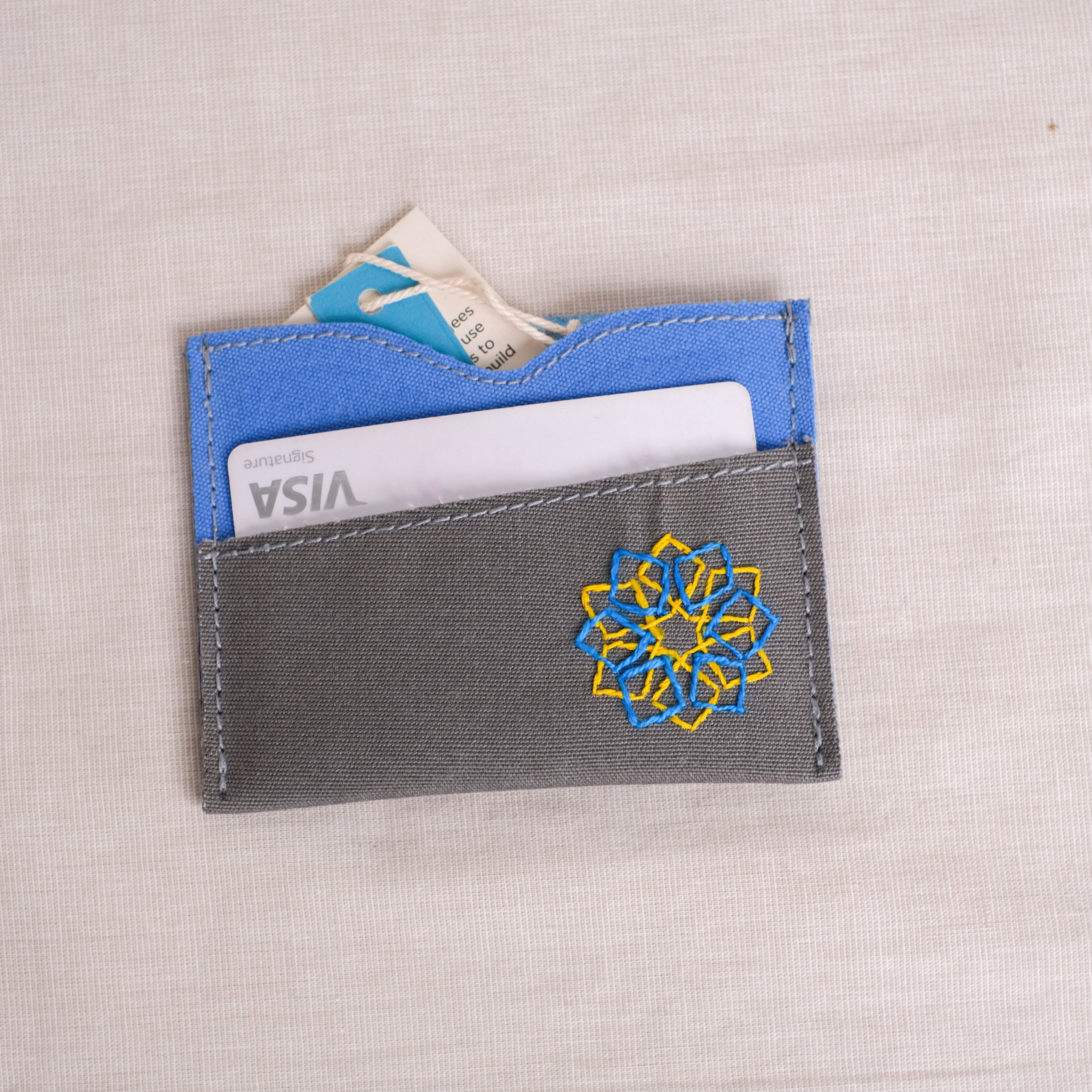
與黎巴嫩的Waste Studio合作,由居住在黎巴嫩的敘利亞難民製作,將從貝魯特港回收的船罩、內胎與廣告橫幅等材料,升級再造成帶有刺繡元素的名片夾。
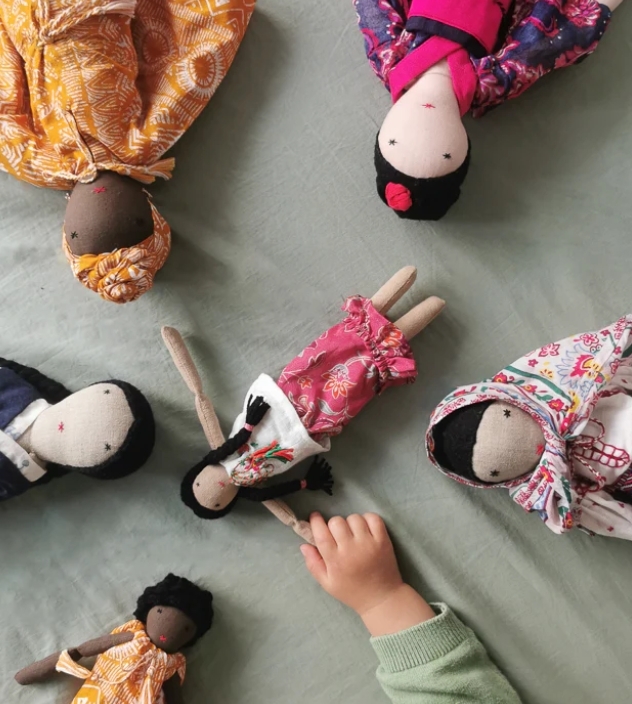
回收紗線晚安娃娃 Silaiwali
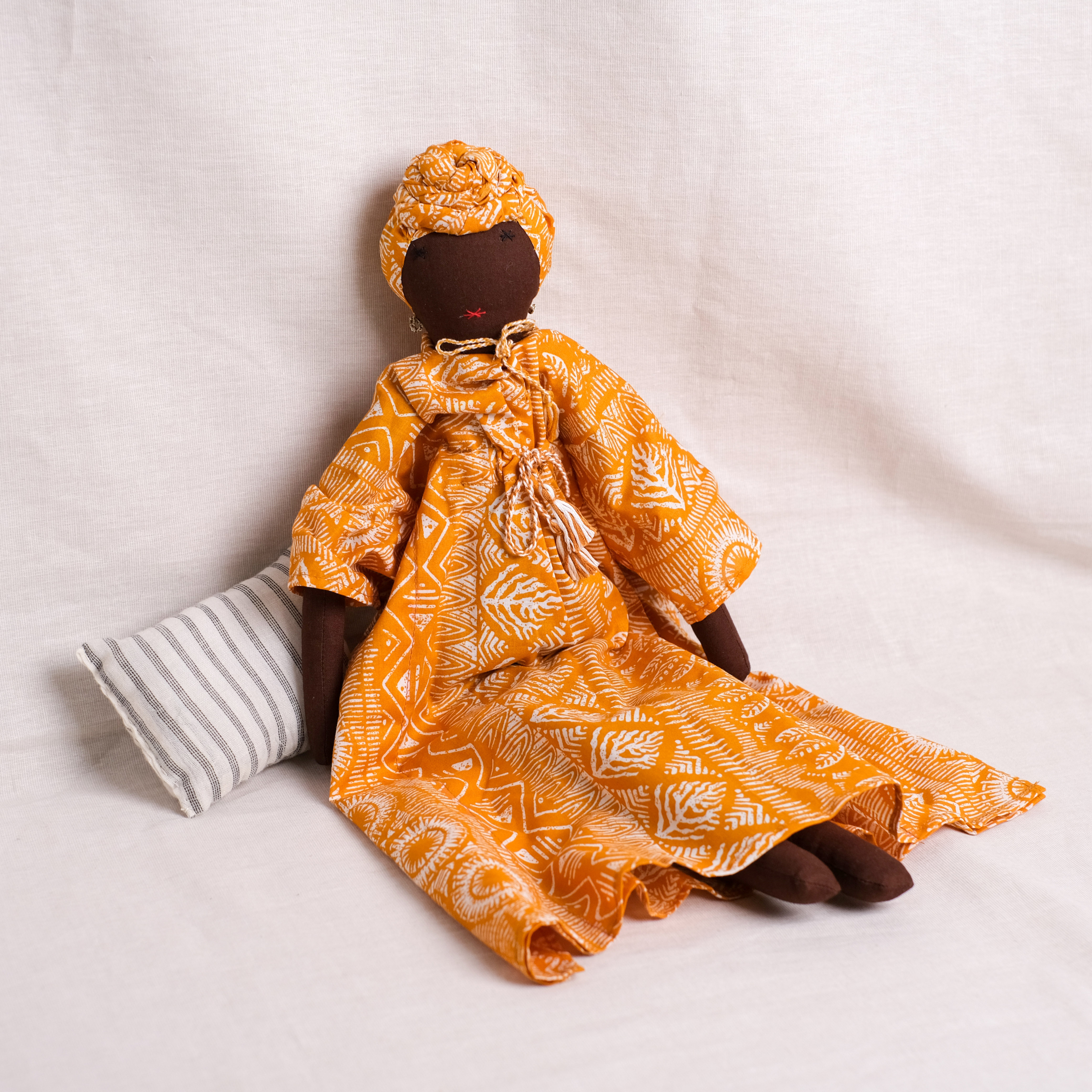
與印度新德里的社會企業Silaiwali合作,由居住在印度的阿富汗難民製作。Silaiwali利用印度紡織業的布料、棉線等邊角料,設計和製作Soumba 床邊故事的晚安娃娃、配件和家居裝飾等新產品。不僅讓工藝師獲得收入,也為地球永續盡一份力。