{{ 'fb_in_app_browser_popup.desc' | translate }} {{ 'fb_in_app_browser_popup.copy_link' | translate }}
{{ 'in_app_browser_popup.desc' | translate }}
{{ childProduct.title_translations | translateModel }}
{{ getChildVariationShorthand(childProduct.child_variation) }}
{{ getSelectedItemDetail(selectedChildProduct, item).childProductName }} x {{ selectedChildProduct.quantity || 1 }}
{{ getSelectedItemDetail(selectedChildProduct, item).childVariationName }}
Nicaragua is located in the center of Central America and is known as the "Heart of Central America". It is a country full of lakes and volcanoes, where the locals take volcanic mud and minerals from the earth to carve them into art with their own hands. This is the Central American country with the richest craft culture.
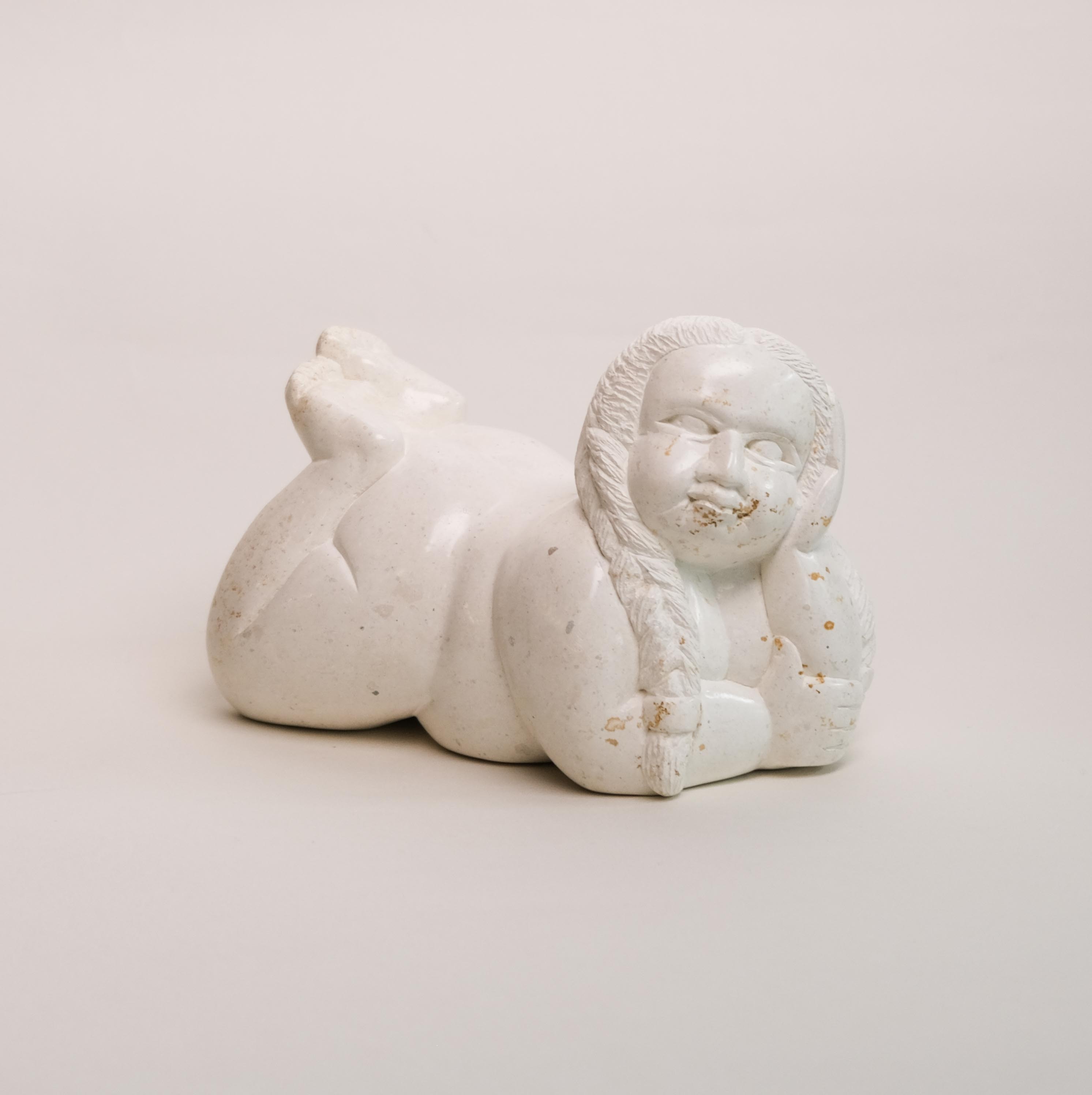
When you go to the famous Las Gordas Corridor (La Ruta de Las Gordas) in northern Nicaragua, you will encounter stone sculptures at regular intervals. These stone sculptures are carved from cobblestones and marbles from the river bed, and are 1.5 meters high. There are 20 stone sculptures of plump naked women sitting or lying on the 37-kilometer road, reminding us that we are about to arrive at the stone sculpture capital of Nicaragua: San Juan de Limay.
The Stone Sculpture Capital of Nicaragua – San Juan de Limay
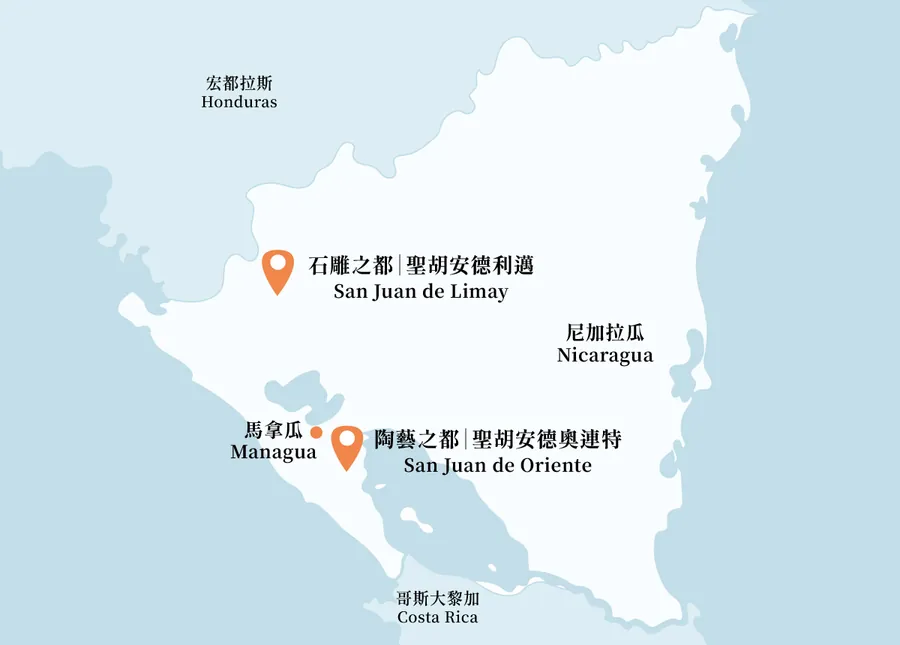
San Juan de Limay is located in the Esteli Province in the north of Nicaragua, 195 kilometers away from the capital Managua. It is an inaccessible valley town sandwiched between two mountains. In addition to gold, silver, copper and other minerals, it is also rich in marble mines. Resources have also made this town the stone sculpture capital of Nicaragua.
Photo / San Juan de Lima is located in northern Nicaragua
Source / SouSou Corner
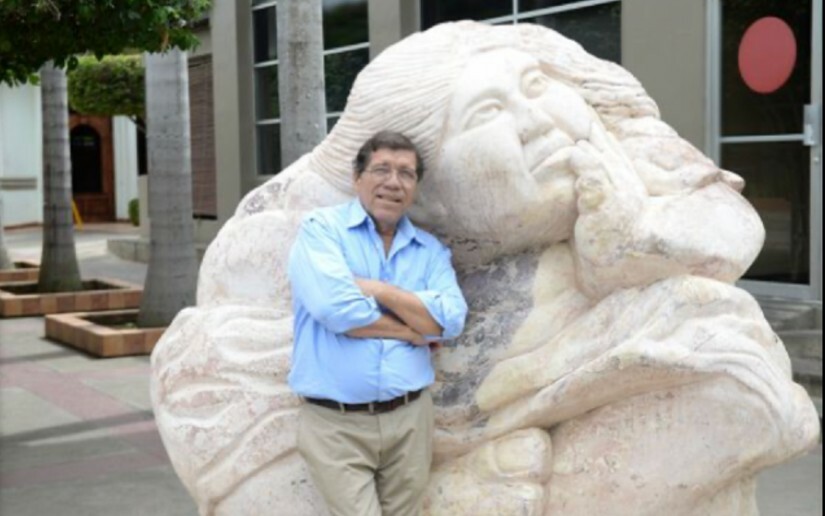
The Fat Woman stone sculpture was originally created by the San Juan de Lima sculptor Erasmo Moya. In 1988, he was recognized with the National Sculpture Award for his outstanding artistic achievements.
The fat woman stone sculpture is inspired by the traditional women who make corn tortillas. They are always smiling and displaying a wealthy and optimistic character amid hard work and labor. The plump body and round female posture also represent the fertility and fertility of Mother Earth.
Interestingly, each stone sculpture represents a productive activity of various communities in San Juan de Limay, such as coffee or cereal farming, beekeeping, etc. Naturally, it attracts many tourists to come for pilgrimage, making the fat woman stone sculpture the symbol of San Juan de Limay.
Photo/San Juan de Limay sculptor Erasmo Moya
Source/Nicaragua Diseña
The workshops and craftsmen who give the stones a soul
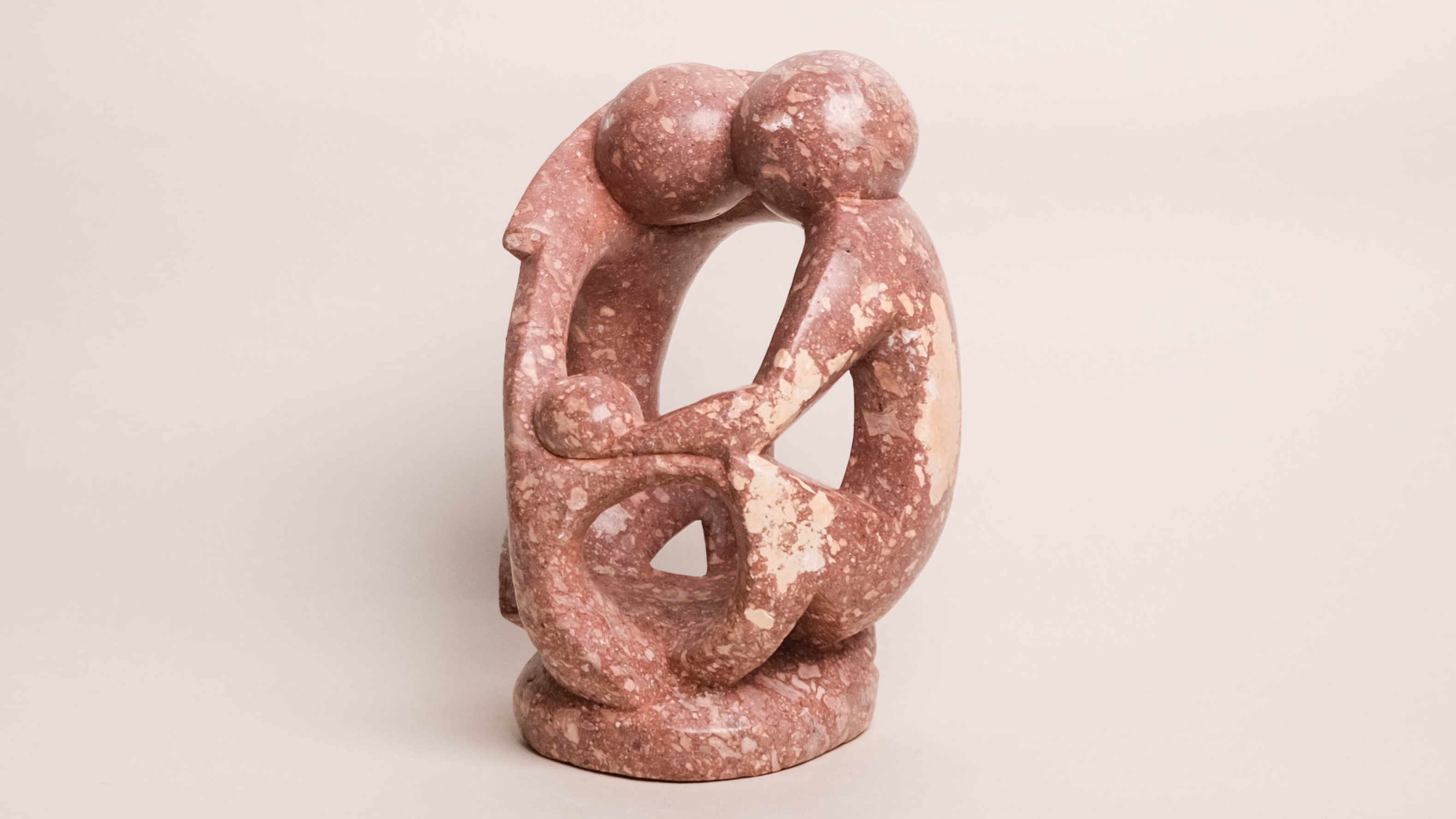
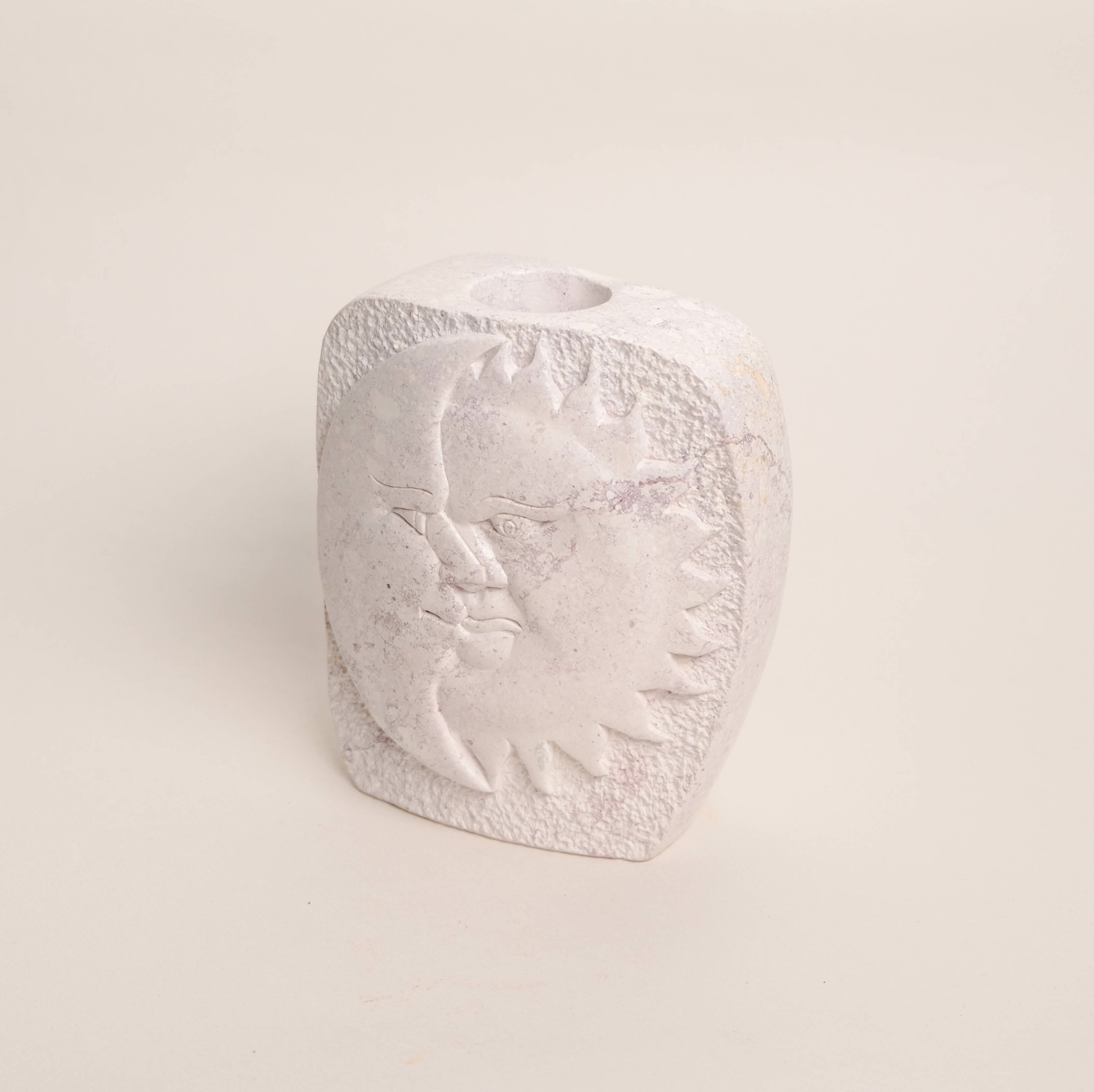
The history of creating stone sculptures in San Juan de Limay can be traced back to at least 1972, when a priest, Eduardo Mejía, taught stone carving techniques to the locals in order to improve local life. The raw material for the stone carvings is soapstone (Marmolina), which has a texture as smooth as soap and a low hardness. It was originally obtained from nearby the city. However, due to the shortage of raw materials in recent years, the ore produced in El Limón, the second largest city in Nicaragua, together with pebbles or marble from the river bed, are used instead.
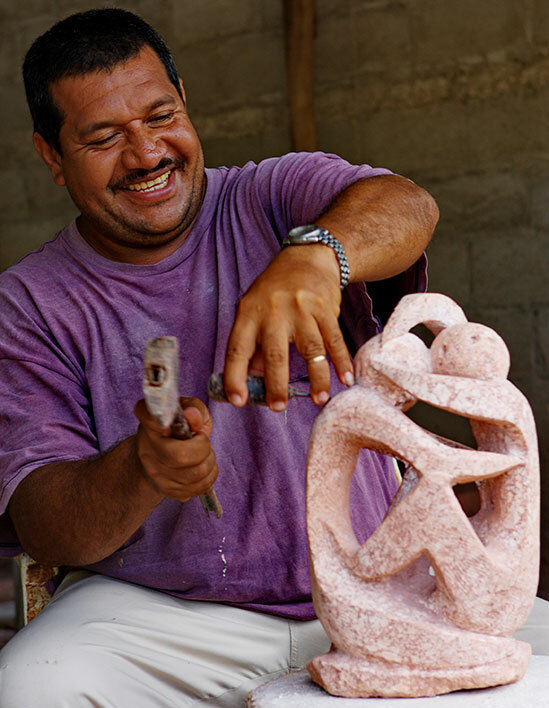
There are large and small stone carving workshops in the city. Both adults and children use their skillful hands and chisels to give form to the natural ore through the complicated process of cutting, filing, washing and grinding. The time it takes depends on the size of the stone sculpture. Small stone sculptures can take more than three hours to carve, and large stone sculptures even take one to three months to be completed.
Source/National Tourism Map | Nicaragua
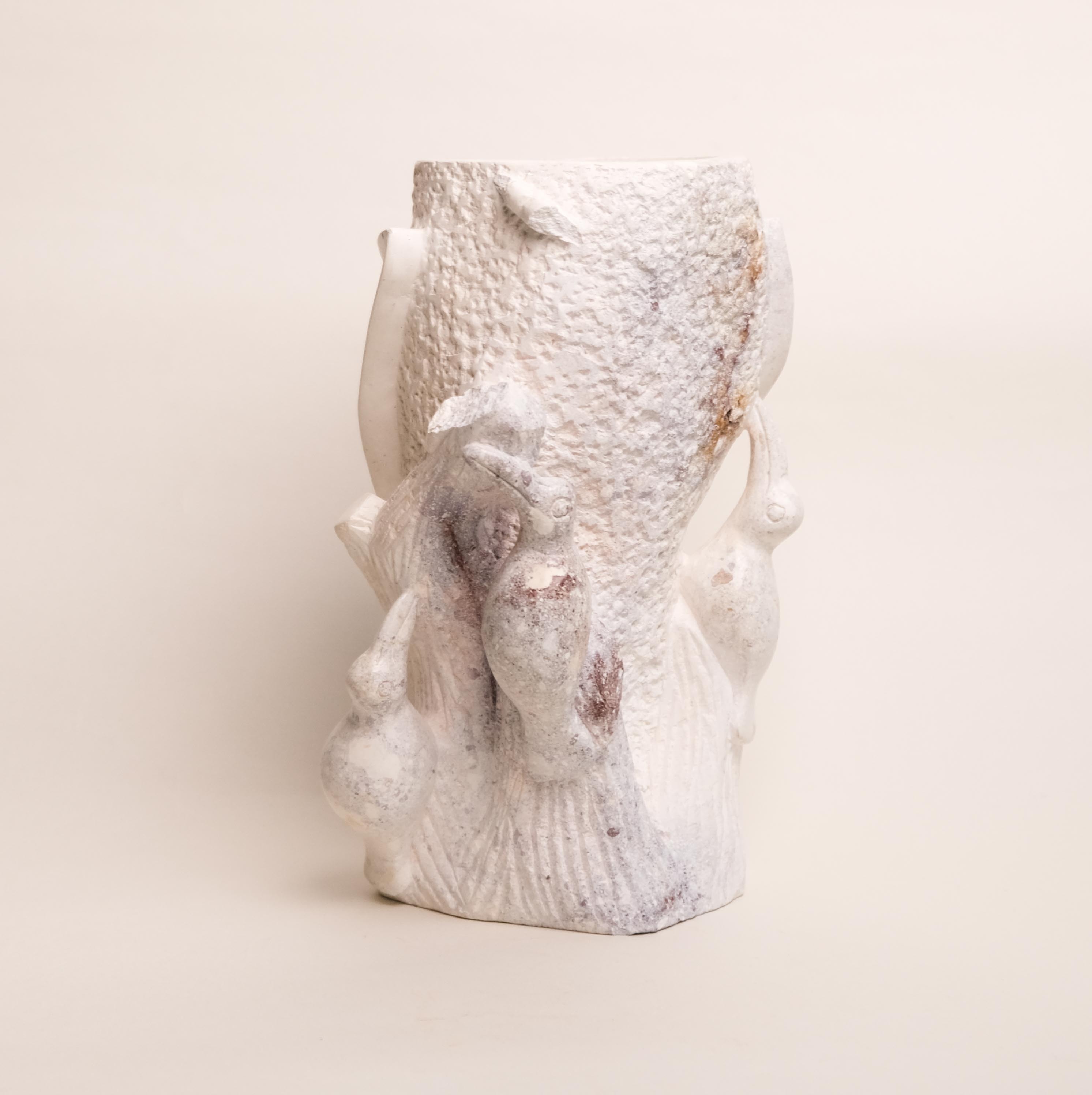
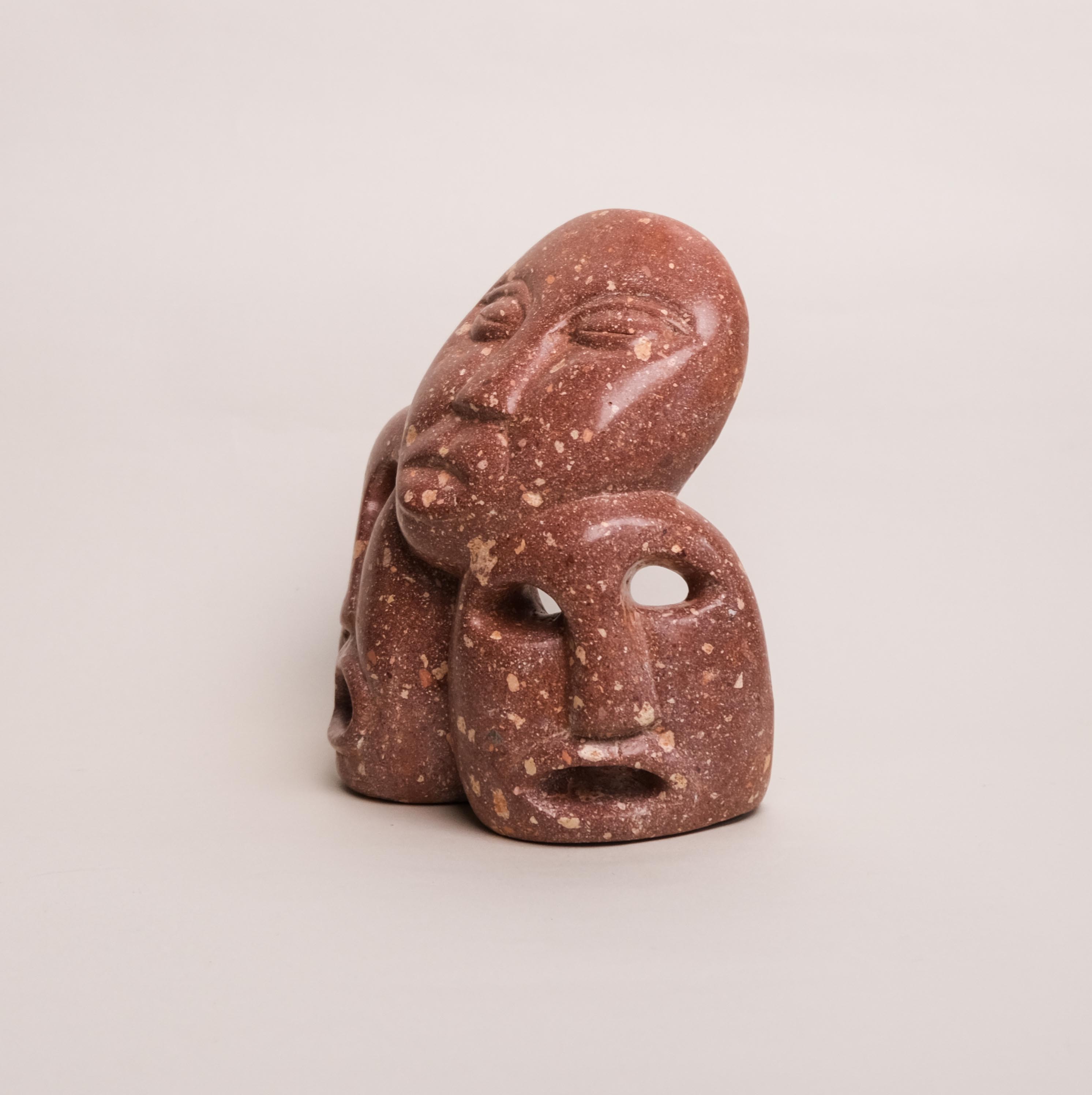
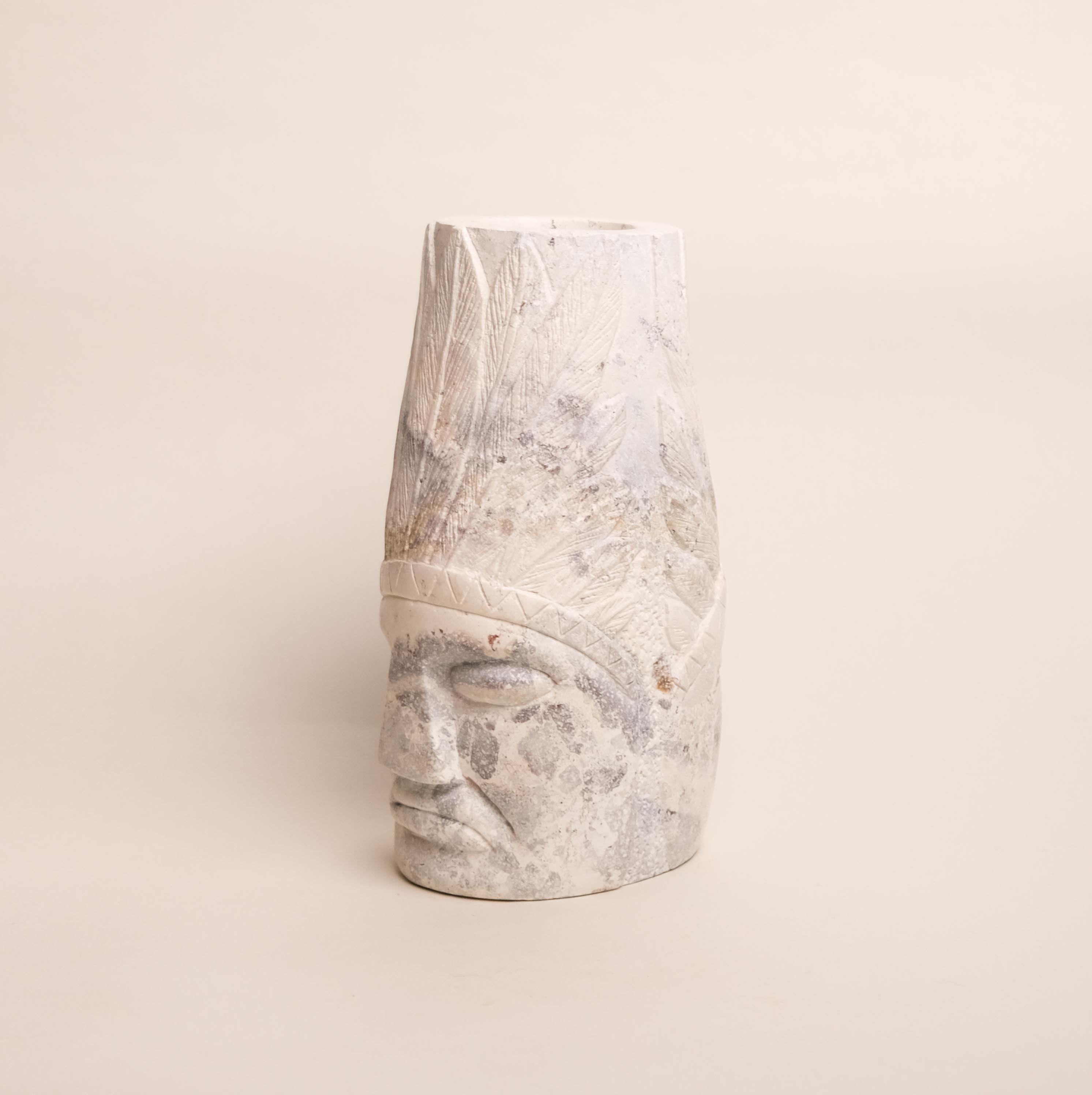
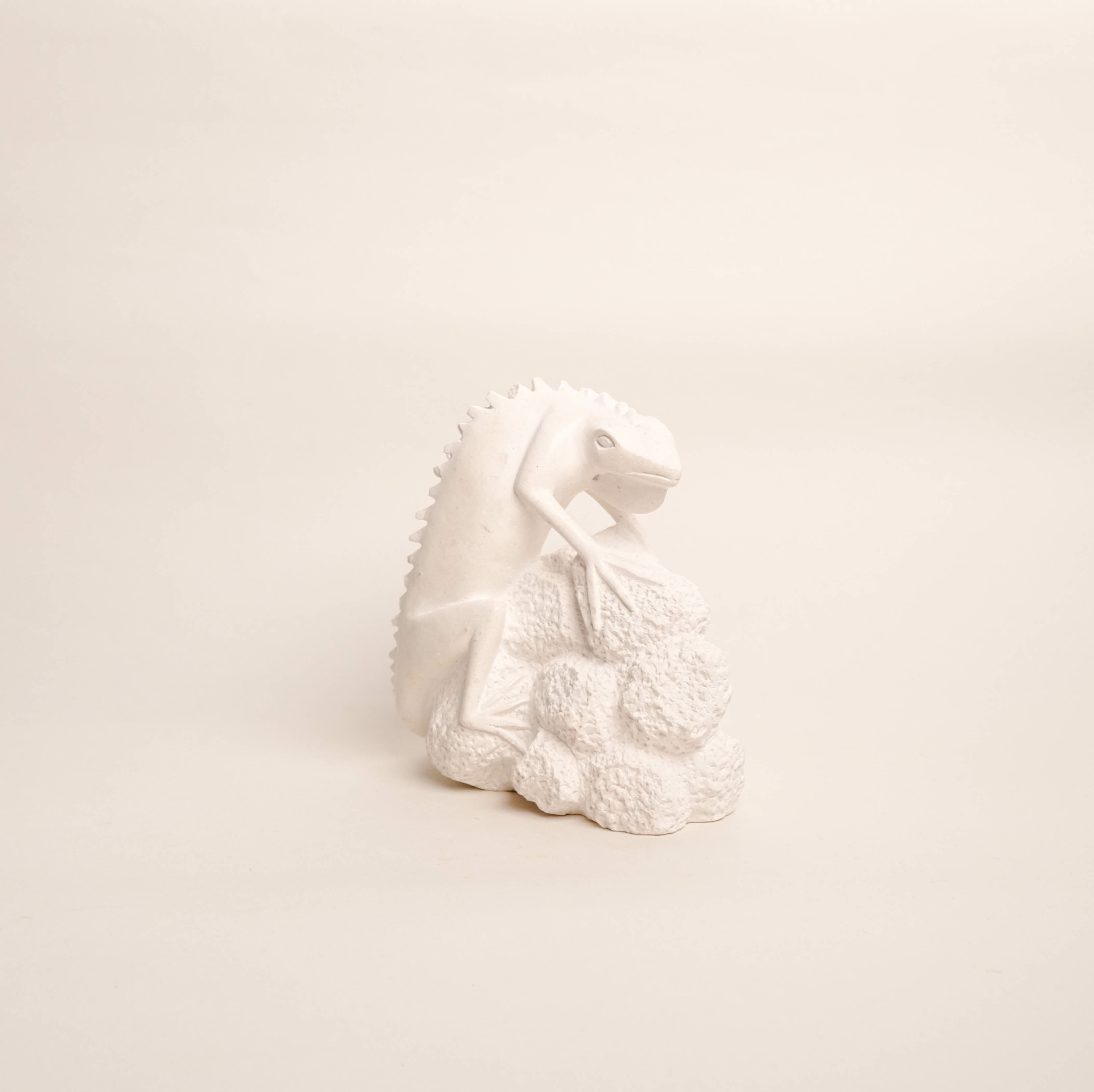
In addition to fat women, animals, human figures and American culture may also become the subjects of stone sculptures. Animals include toucans and green iguanas commonly seen in Central America, as well as frogs and elephants. They all come with the natural texture and color of the ore.
For sculptors, creation is a talent that runs in their blood. Sculptor Juan Sánchez shared: "This is an innate talent. No one taught us. We created these sculptures."
The connection between workshops, cooperatives and technical schools
Large and small stone carving workshops, connected in the form of cooperatives and the establishment of craft schools, have developed a complete industrial system for San Juan de Limay's stone carving.
Ramón Vinel, sculptor: “I am happy to pass on my experience to these children, so that they can become future craftsmen. Being able to pass on this knowledge to a new generation not only makes us craftsmen happy and proud, it also allows the stone carving craftsmanship of San Juan de Limay to continue and be passed on.”
Nicaragua Stone Sculpture