{{ 'fb_in_app_browser_popup.desc' | translate }} {{ 'fb_in_app_browser_popup.copy_link' | translate }}
{{ 'in_app_browser_popup.desc' | translate }}
{{ childProduct.title_translations | translateModel }}
{{ getChildVariationShorthand(childProduct.child_variation) }}
{{ getSelectedItemDetail(selectedChildProduct, item).childProductName }} x {{ selectedChildProduct.quantity || 1 }}
{{ getSelectedItemDetail(selectedChildProduct, item).childVariationName }}
The Batik represents the cultural identity of the Indonesian people. Through various colors and patterns that contain beautiful symbols, it vividly inherits the spirit of Indonesian ancestors, allowing the world to witness the richness of Indonesian traditions.
The Ultimate Beauty - The Indonesian National Craft Batik
The Batik is the most famous traditional craft in Indonesia, and it has also had a profound impact on cloth making in many countries. The meticulous and complicated batik technique gave artists a very high status in the past, so when the heads of state visited Indonesia, they often visited these artisans.
Batik clothing is also transliterated as "Badi clothing". It is a formal clothing in Indonesia, just like a suit, and is often seen in formal occasions such as shopping malls, weddings, banquets, or major national festivals. In 2009, after UNESCO listed Batik Tulis Indonesia as a world cultural heritage, the Indonesian government designated October 2, of each year, as the "Indonesian Batik Festival" and encouraged people to wear Batik to work every Friday.
Centuries-old Batik Tradition in Java
The development of Indonesian batik is most prosperous in Java Island, where it originated in the court of Mataram, in Java in the seventeenth century. The word "Batik" is derived from Javanese and is composed of two words "Amba" (drawing) and "Titik" (point), which means "drawing patterns bit by bit". The word "Batik" can represent the craft of making, and it can also refer to the finished fabric.
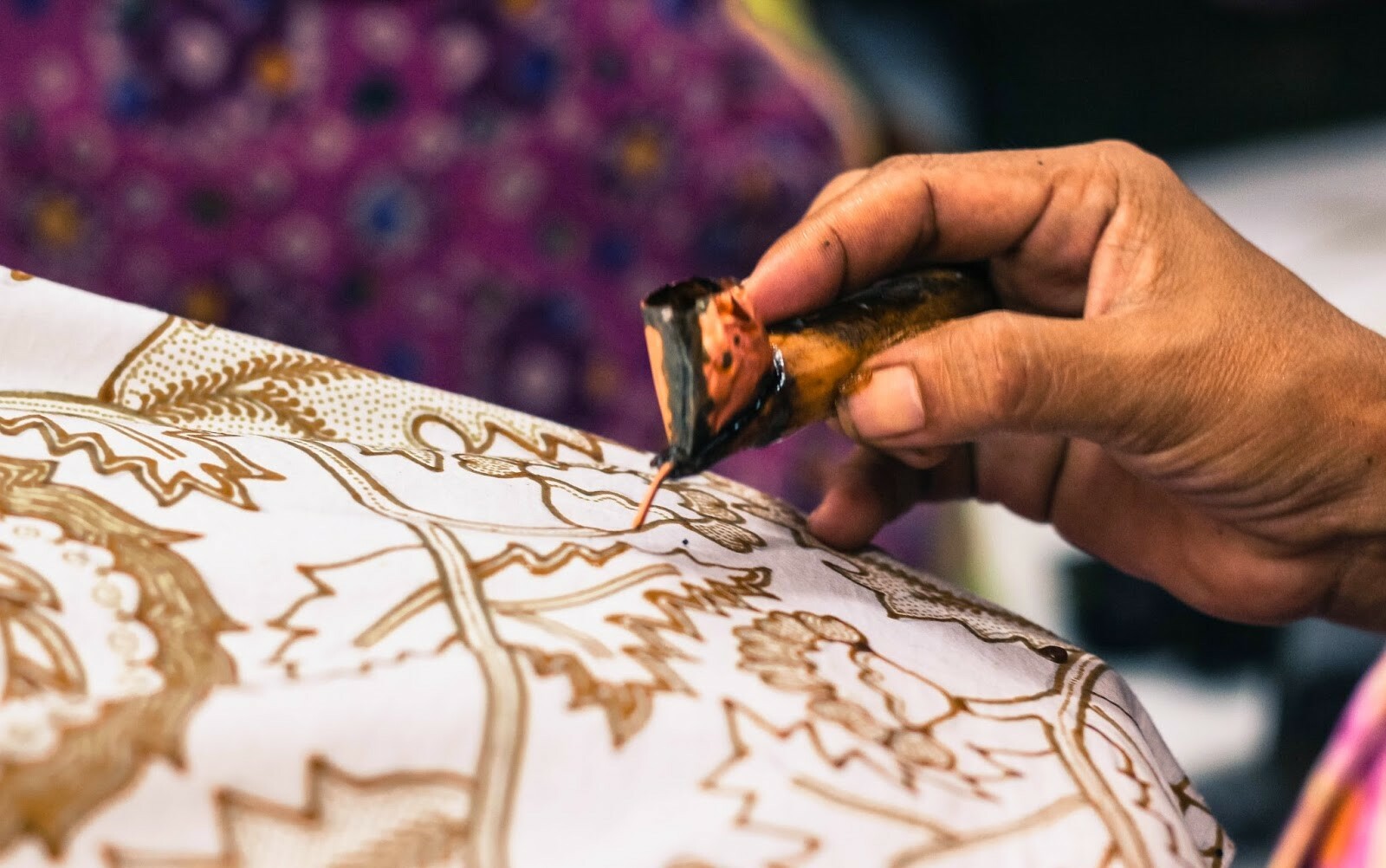
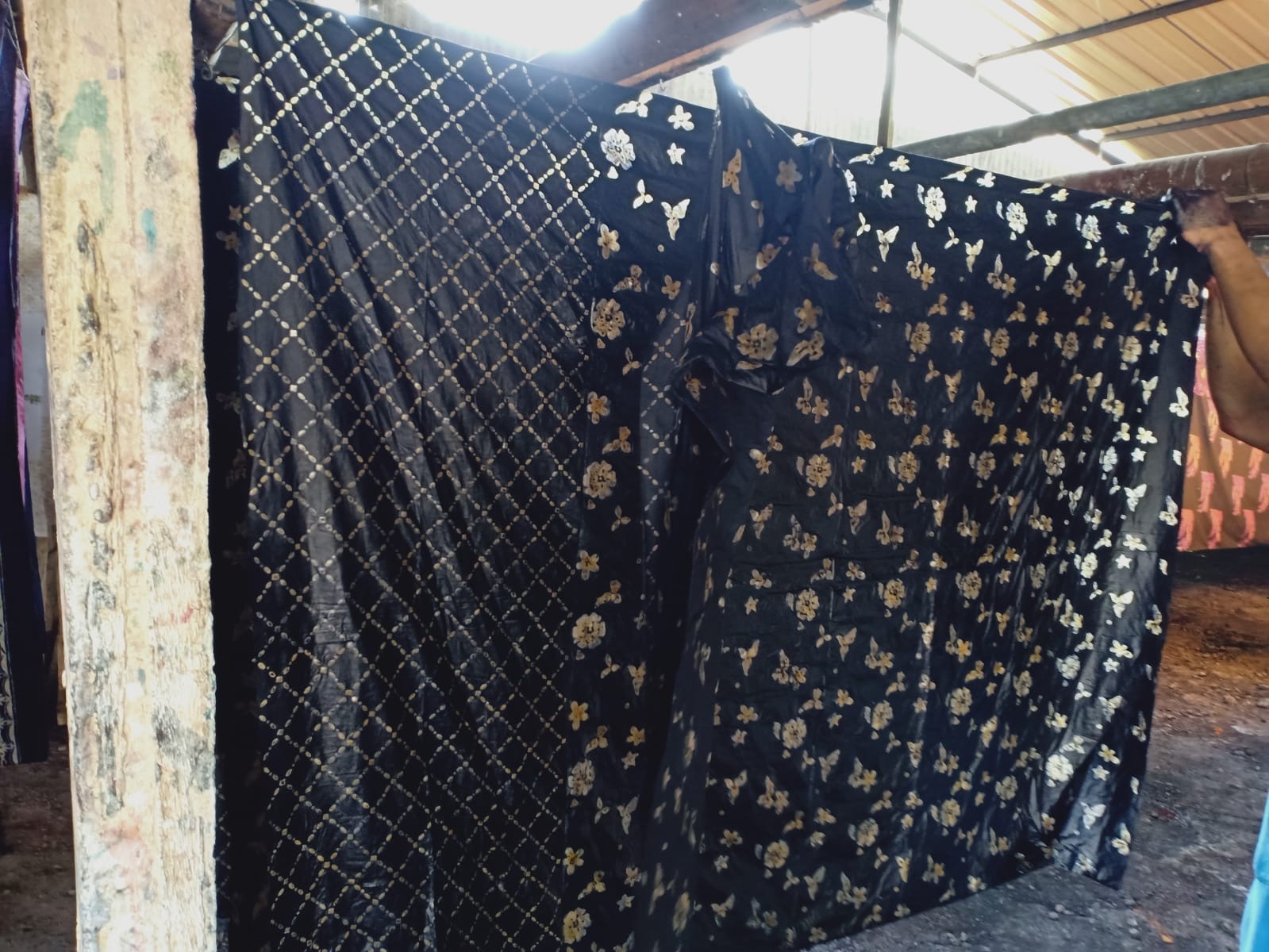
Batik adopts the "batik" technique, using wax mixed with paraffin. Beeswax and resin to draw rich graphics on the front and back of the cloth, to then impregnated it with pigments. Because the wax will isolate the dye, the waxed place will keep the original fabric color and the unwaxed place will be colored. After the dip-dyeing is completed, the wax on the cloth is boiled with hot water, and the pattern formed by the mix of the dyeing and the original cloth color will appear after the wax is removed. To use multiple colors, this process has to be repeated many times, starting from the lightest color to the heaviest color, dyeing different colors each time, which is a very delicate and labor-intensive process.
Figure / A pattern drawn with wax; this pattern will not be dyed, but the rest of the white part will be dyed
Source / jnjbatik
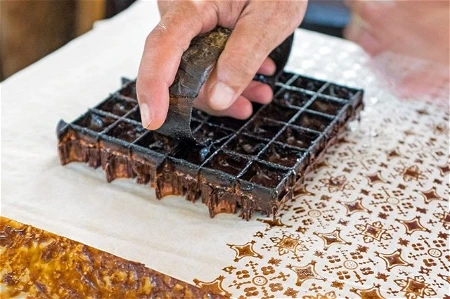
Figure / Stamping that became popular in the middle of the 19th century
Source / theasianparent
Traditionally, women would use a pointed copper canting pen (copper canting) to slowly draw patterns with hot wax, one stroke at a time, requiring a high degree of concentration. After the middle of the 19th century, stencil seals became popular and the most popular patterns were made into seals, like this, the patterns did not need to be hand-painted, greatly improving production efficiency. However, it was still a traditional method.
Batik fabric is very beautiful and delicate but extremely time-consuming and labor-intensive.
Because of the difficulty of traditional workmanship and the gradual loss of various patterns, the price of traditional cloth has risen.
Batik making process
Step 1: Design Patterns
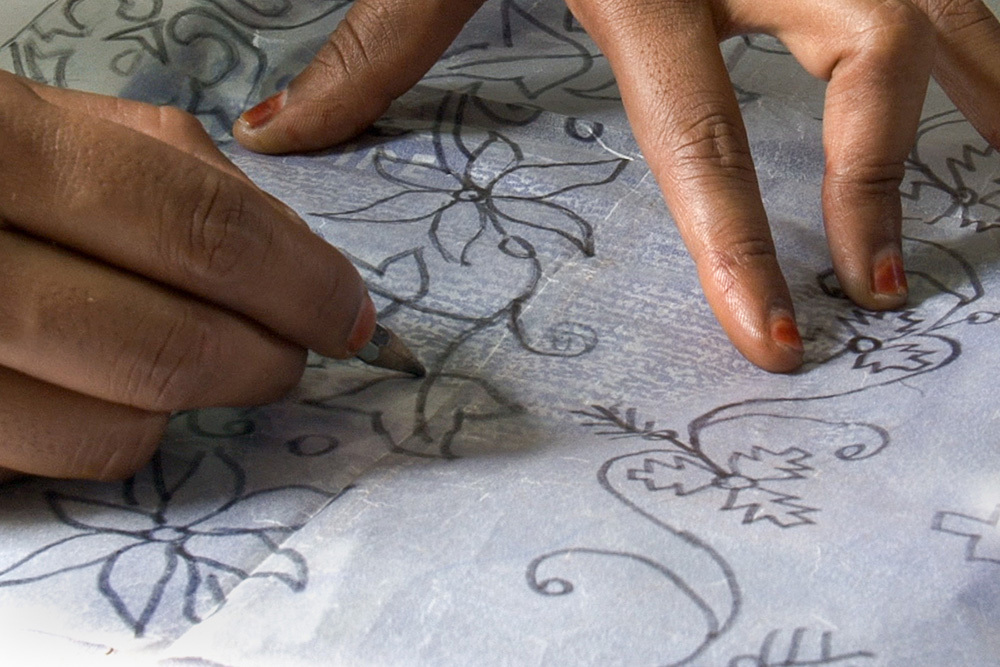
The craftsman will first design the pattern on paper, and then transfer the pattern to the white fabric with a pencil.
Figure / Drawing on the white fabric along the pattern on the paper
Source / dsource
Step 2: Apply wax for the first time
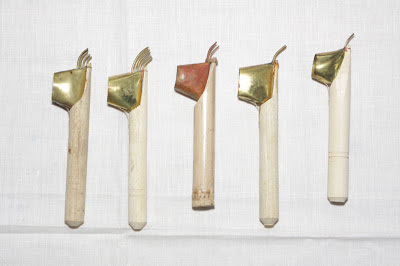
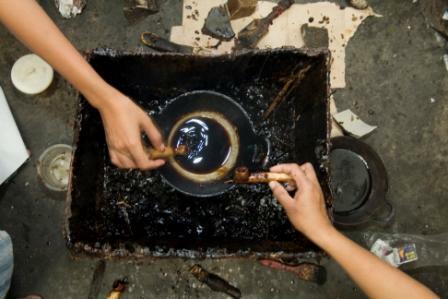
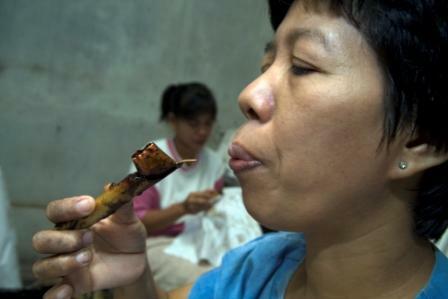
An important tool for batik is the "copper pot pen". The body of the pen is made of wood or bamboo, with an upward opening at the front end and a thin tube at the end. The crafter will use the upper opening to scoop in and hold the hot wax, and then blow air on the front thin tube to ensure that it is unimpeded, so that the wax can pass through the thin tube smoothly. The wax can then be applied to the front and back of the fabric along the pattern.
Figure / According to the needs of drawing patterns, there are different styles of copper pot pens
Source / journeytobatik
Figure / Use a copper pot pen to scoop out and retain hot wax
Source / Wikipedia
Figure / In order to ensure the smooth flow of the tip copper tube, they blow it so that the wax can pass through the thin tube smoothly
Source / Wikipedia
Step 3: Dip Dyeing
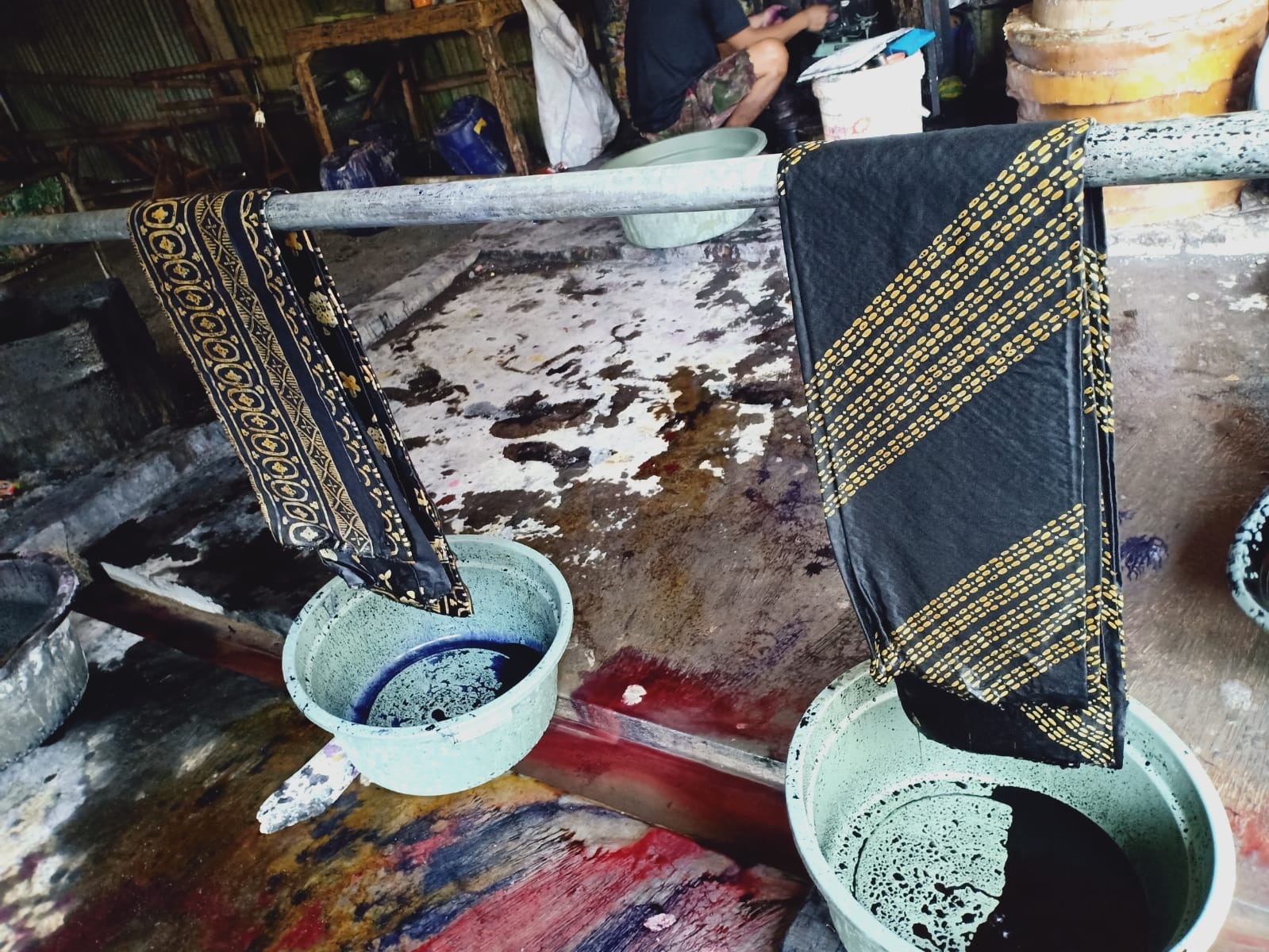
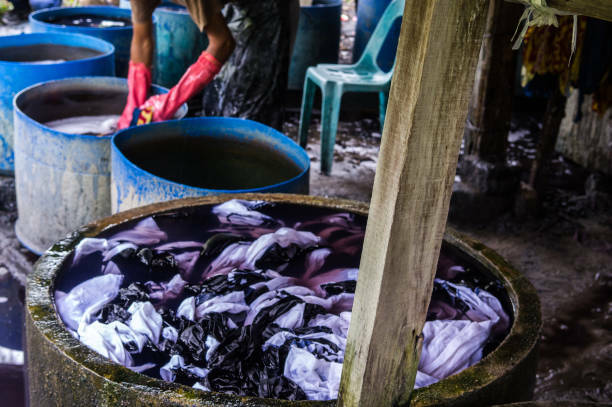
After the pattern is drawn with hot wax, the cloth is dipped in dye for dyeing. Batik uses natural dyes, the most common include Jelawe (green), Merr, Jambal, Tingi, and Secang.
Step 4: Dry
They dry the fabric in a ventilated place without exposure to the sun.
Source / SouSou Corner
Step 5: Washing
Washing will be carried out after dip-dyeing, the purpose is to wash away the excess of unstained dye.
Step 6: Dewaxing
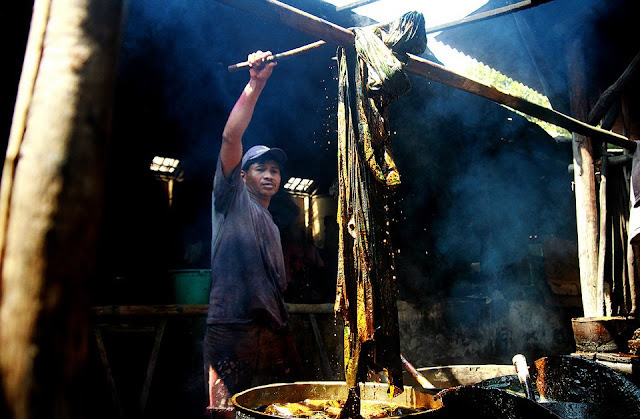
Boil the dyed, air-dried and non-fading fabric in hot water, and stir the fabric to melt the wax. The wax decomposed this way can be recycled and reused.
Source / gettyimages
Source / fotokita.net
Batik pattern tradition
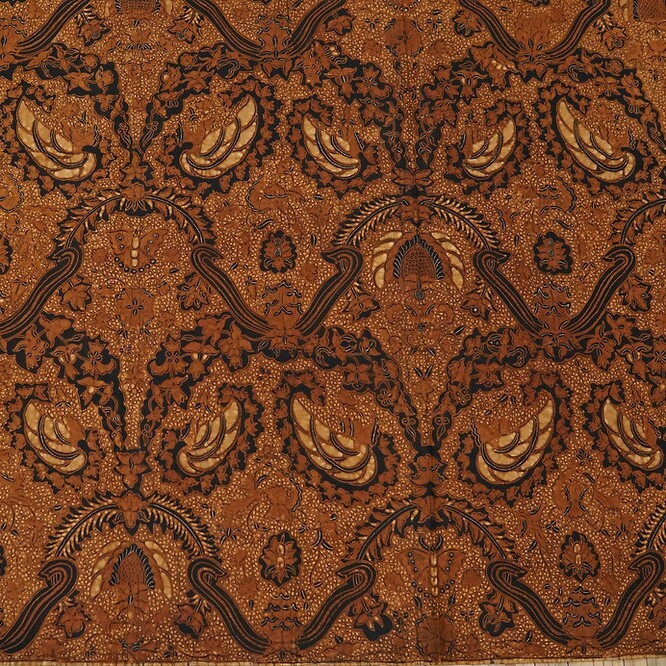
Batik patterns symbolize many different things. The civilization of Central Java has a long history that once absorbed the cultural elements of Buddhism and Hinduism, but later adopted the Islamic belief as the mainstream, so the decorations are mostly plants and geometric patterns.
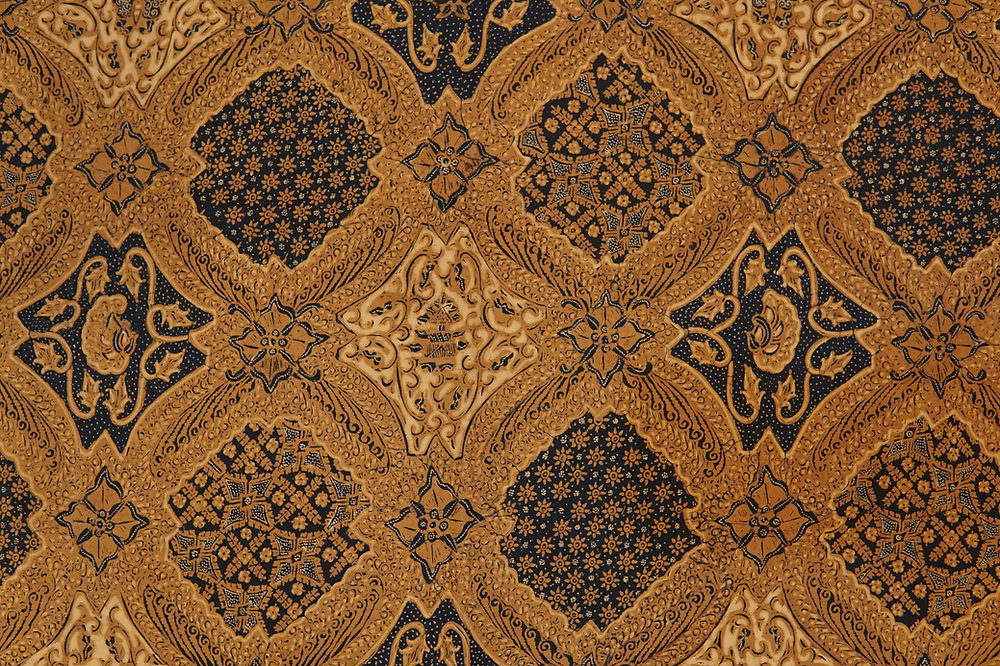
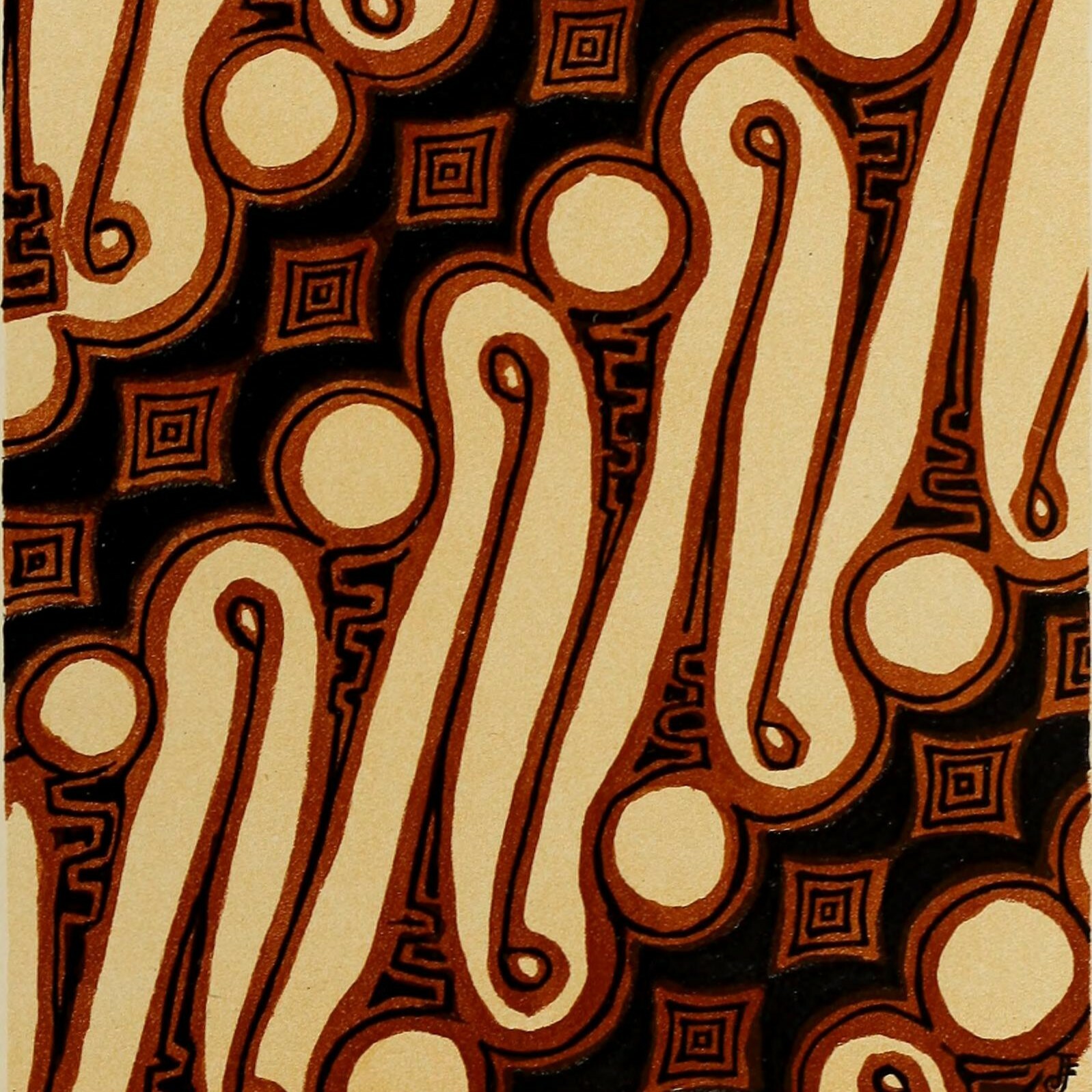
At the same time, the Javanese royal family also regulated specific patterns for their exclusive use. Patterns like the Parang, Kawung, and Semen were exclusive to the royal family. For example, the Sword-shaped Balang symbolizes safety, and legend has it that the Javanese prince Panja was protected from harm by wearing it. Another one was the Jiaying pattern, which is a palm tree abundant in the local area that symbolizes beneficial and useful, this image is sometimes regarded as a lotus flower, symbolizing longevity and purity.
Figure / Parang, which looks like a sword and represents safety
Source / De inlandsche kunstnijverheid in Nederlandsch Indië
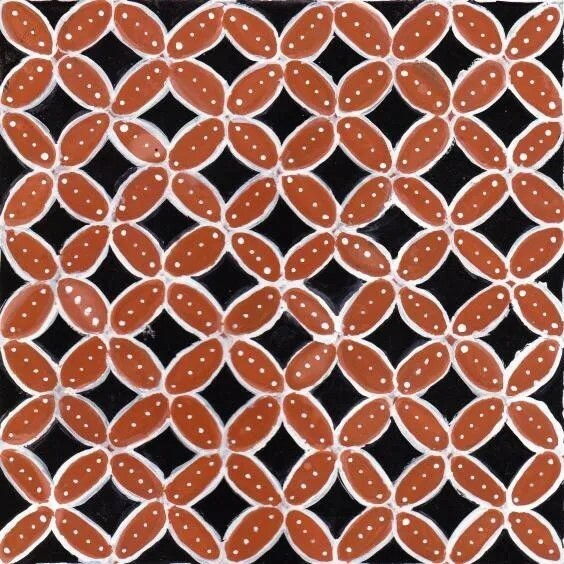
Figure / Kawung, symbolizing lotus or palm
Source / fimela
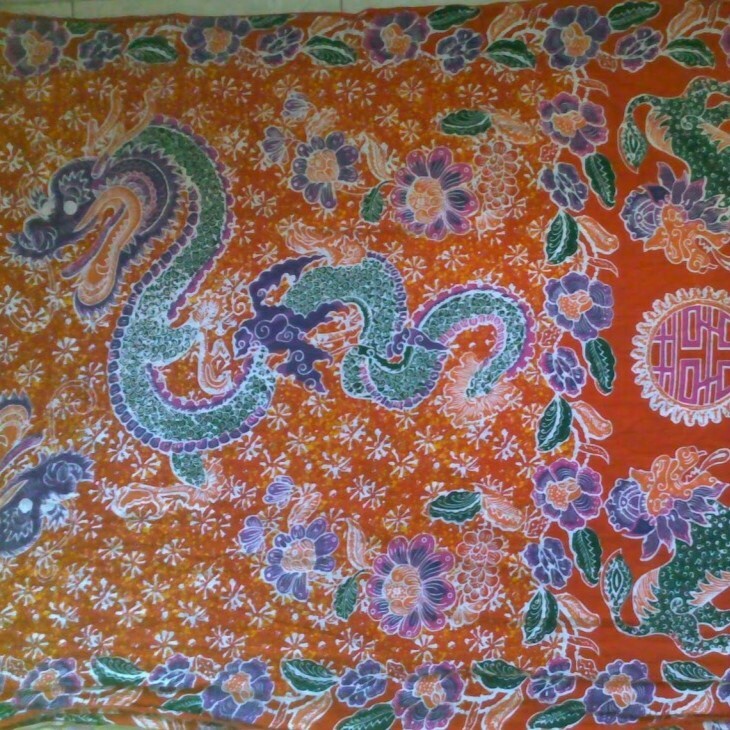
Each region has different styles of batik. For example, the batik style in Central Java is soft and moderated, while the style in South Sulawesi uses bright colors and natural patterns. The diverse patterns of batik also reflect the influence of different foreign cultures on Indonesia, including Arabic calligraphy, European flower bouquets, Chinese phoenixes, Japanese cherry blossoms, Indian peacocks, etc. The ability to accommodate different cultural styles makes Indonesian Batik even more unique and beautiful.
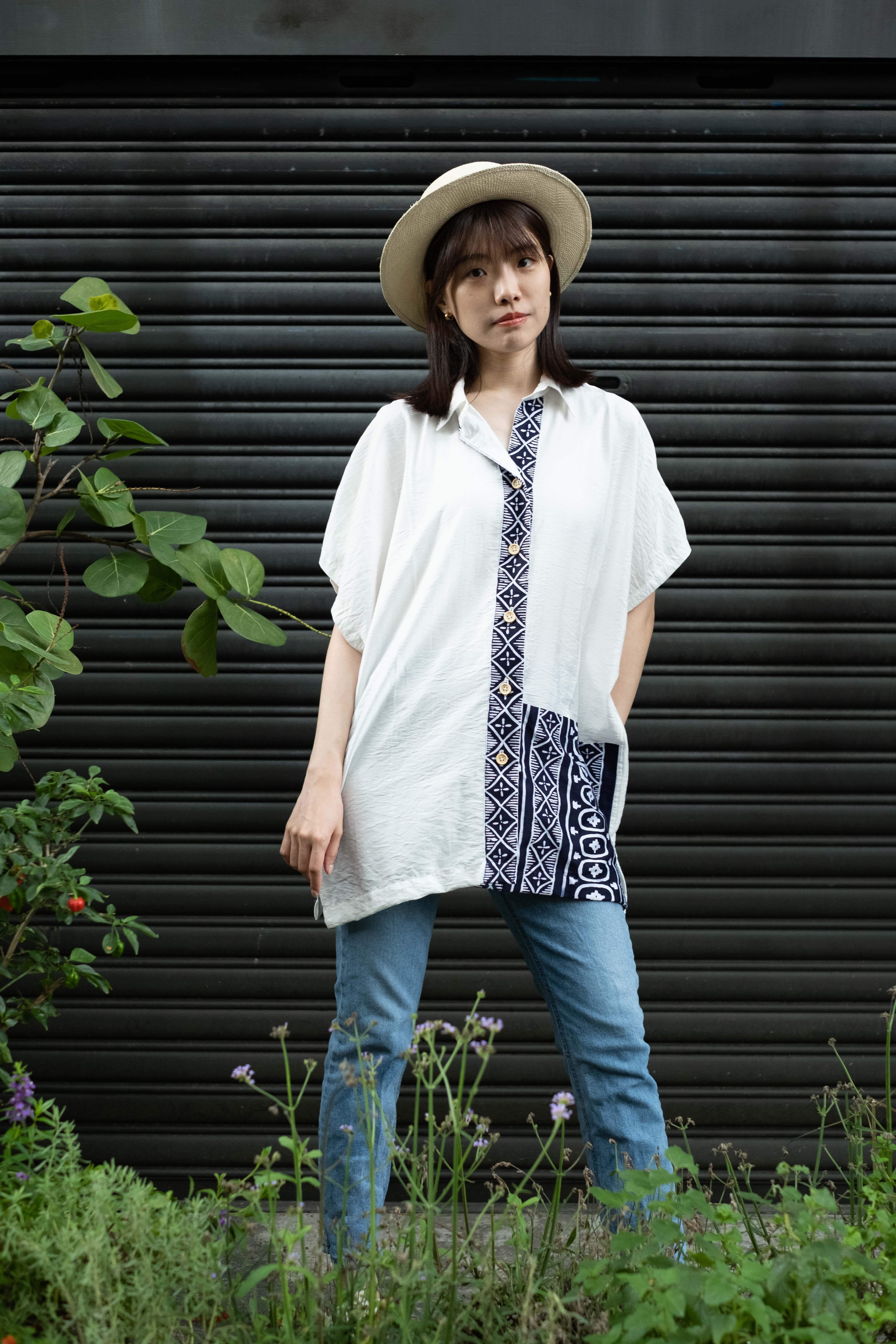
Figure / Batik clothing with Chinese elements
Source / lianrohima
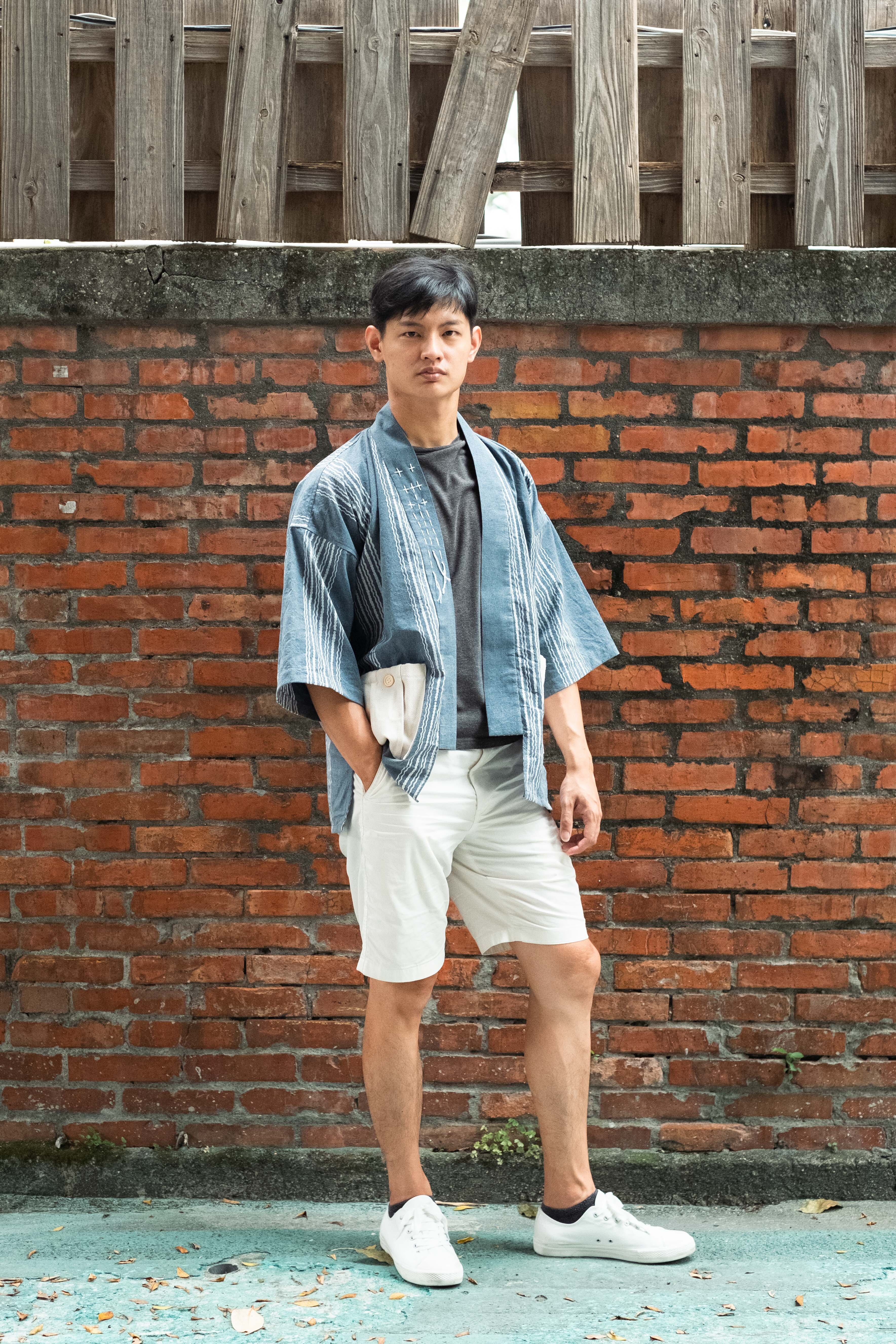
Figure / Batik clothing influenced by Japanese style
Source / pixels
Decorative details outside the main pattern: Isen-Isen
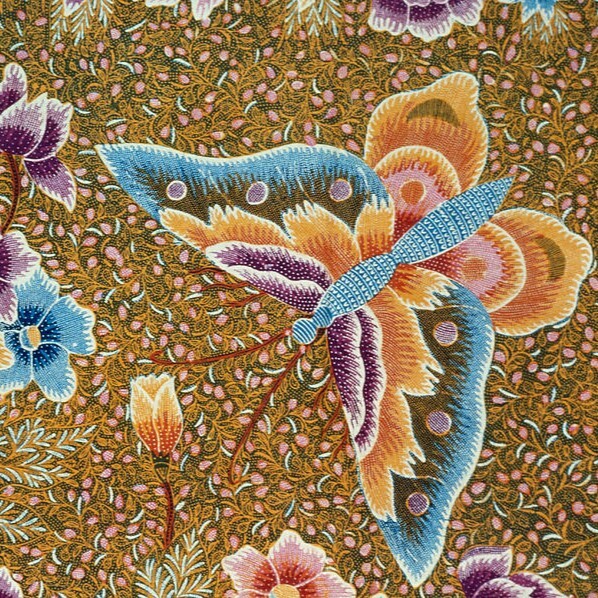
The name Isen-Isen comes from Javanese and means "complete", referring to the decorative pattern outside the main pattern of Batik. The function of Isen-Isen is to fill the gap between the main pattern and the background, or to strengthen the characteristics of the main pattern, so its color is in sharp contrast with the main pattern; making the whole Batik fabric look richer and more interesting. Skilled craftsmen usually have hundreds of Isen-Isen in their minds, and the production requires not only professional knowledge but also a lot of time. In modern Batik, Isen-Isen is no longer used to fill the entire cloth, but is only added to the part that really needs it, so that the batik will not look overly full and eventually lose the overall beauty.
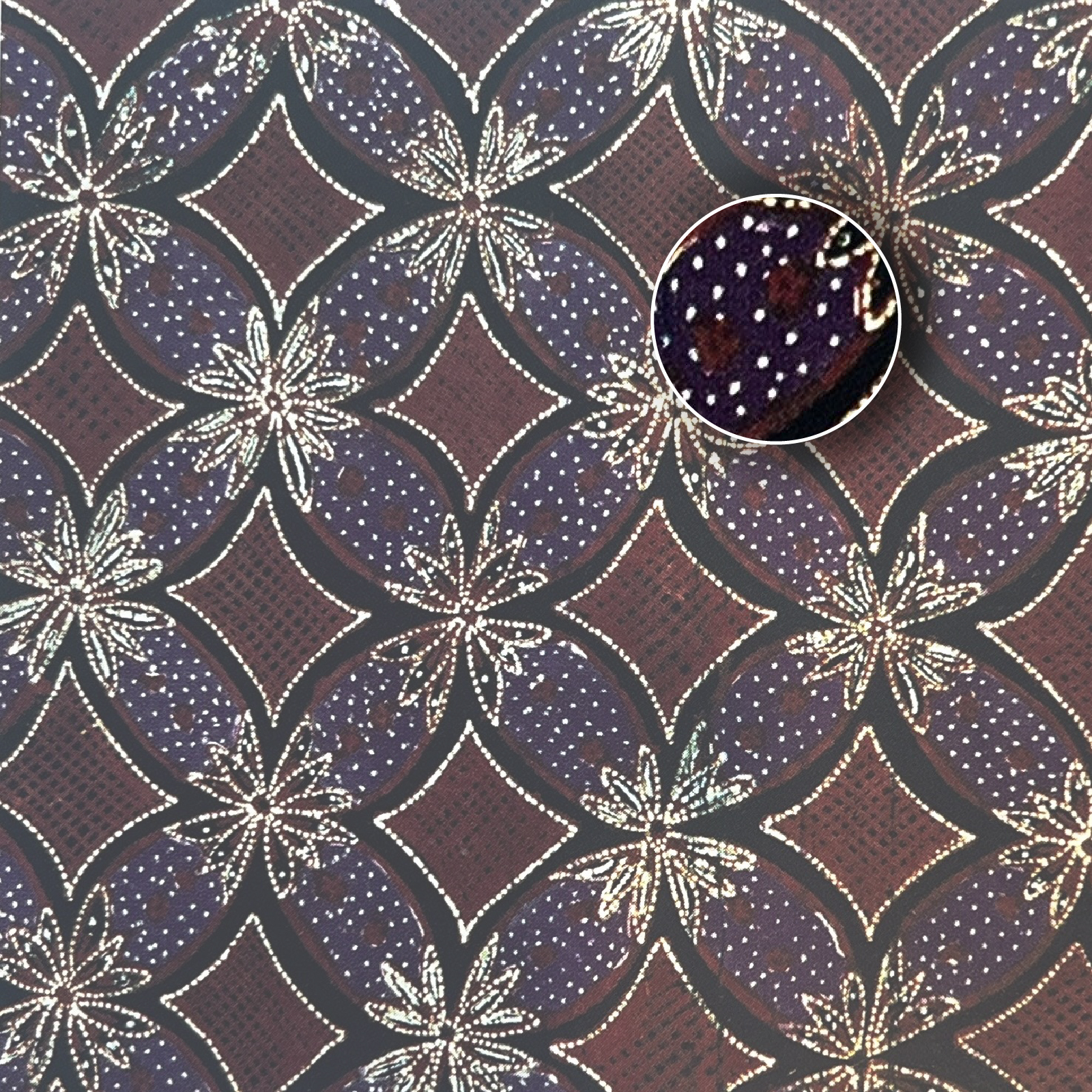
Figure / Cecek, consisting of a series of dots, is one of the most widely used isen-isen
Source / ISEN-ISEN Dalam Batik Tati Suroyo
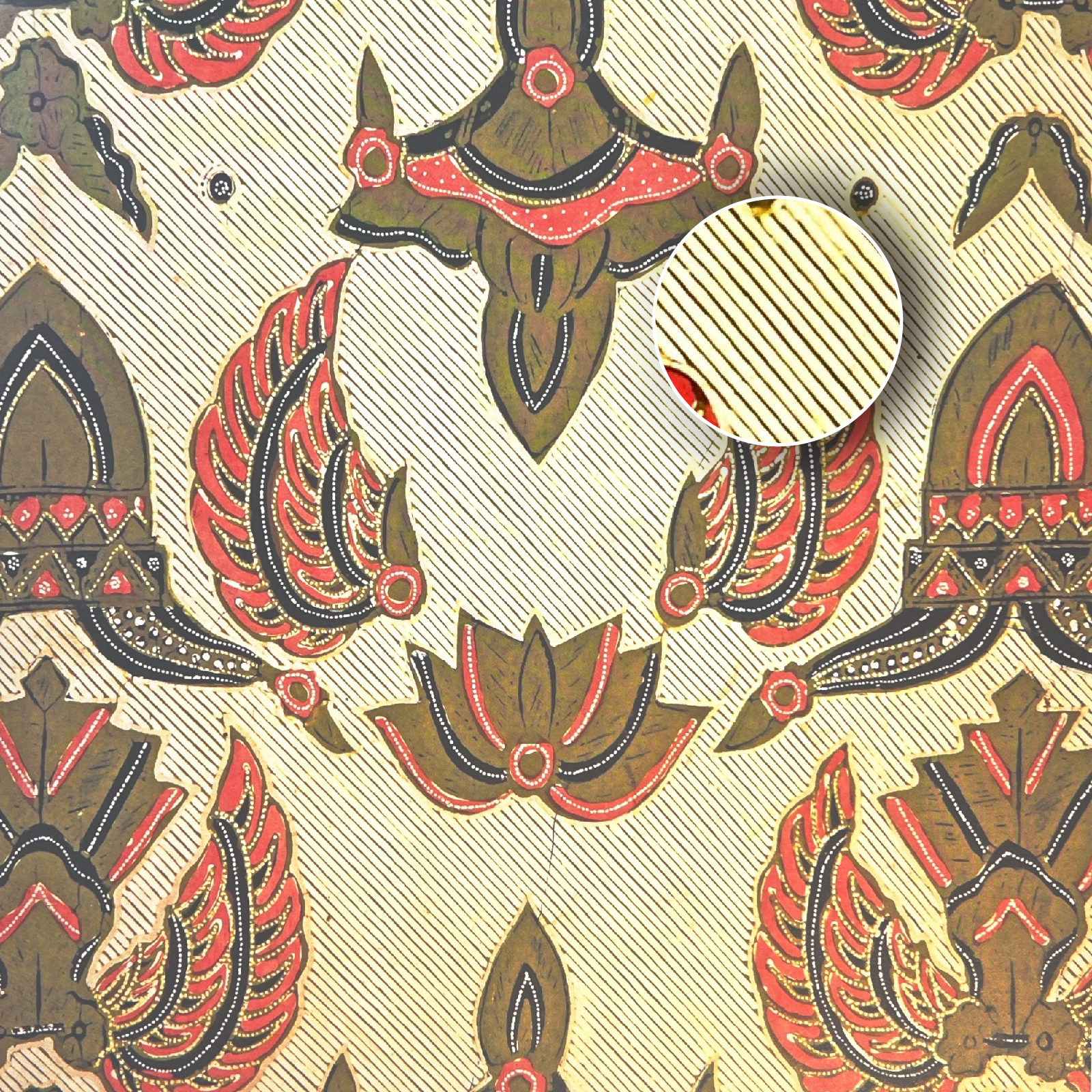
Figure / Galaran, presented in a diagonal manner, is the same and repeated parallel line pattern
Source / ISEN-ISEN Dalam Batik Tati Suroyo
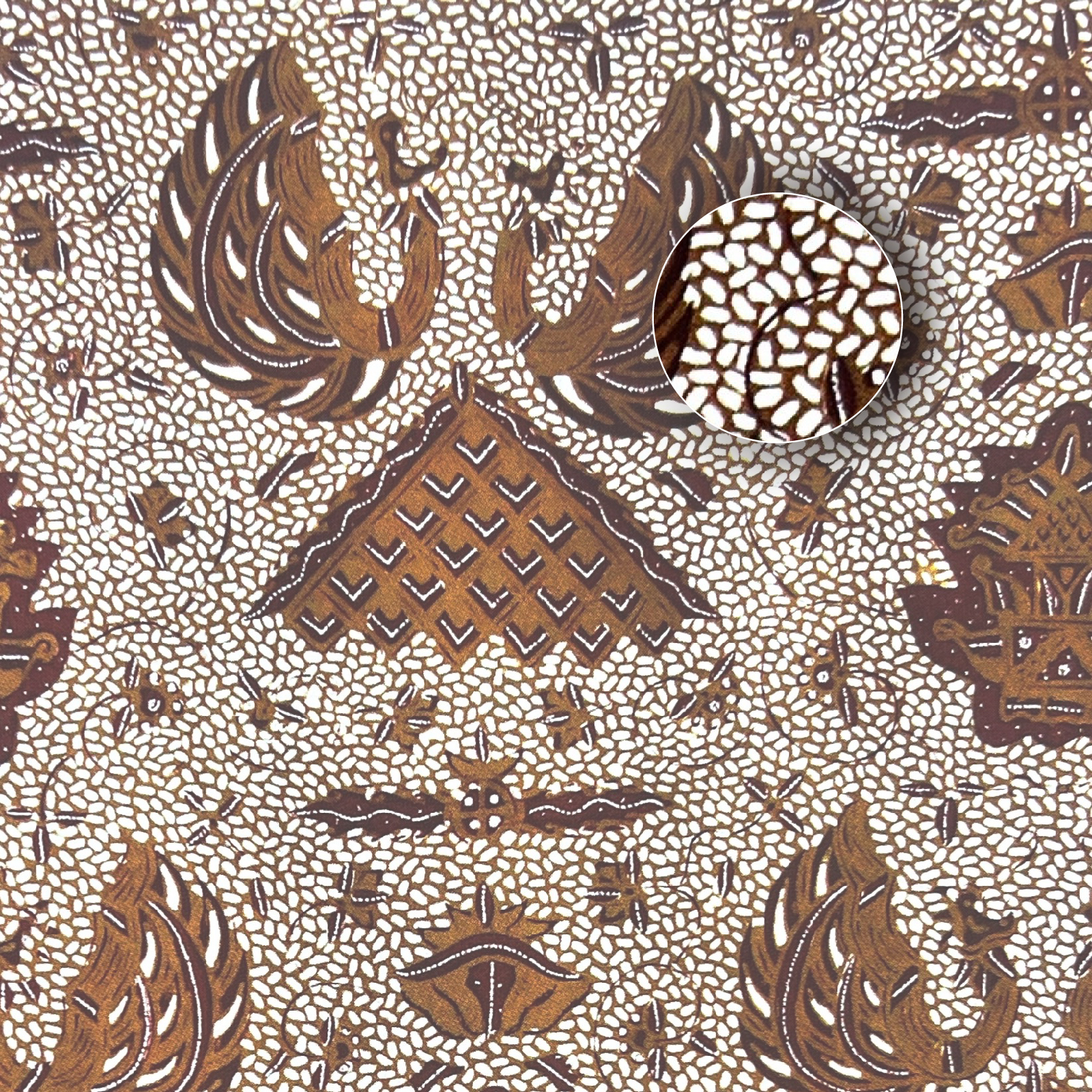
Figure / Beras Mawur, similar to scattered rice grains (mawur), symbolizing common prosperity
Source / ISEN-ISEN Dalam Batik Tati Suroyo
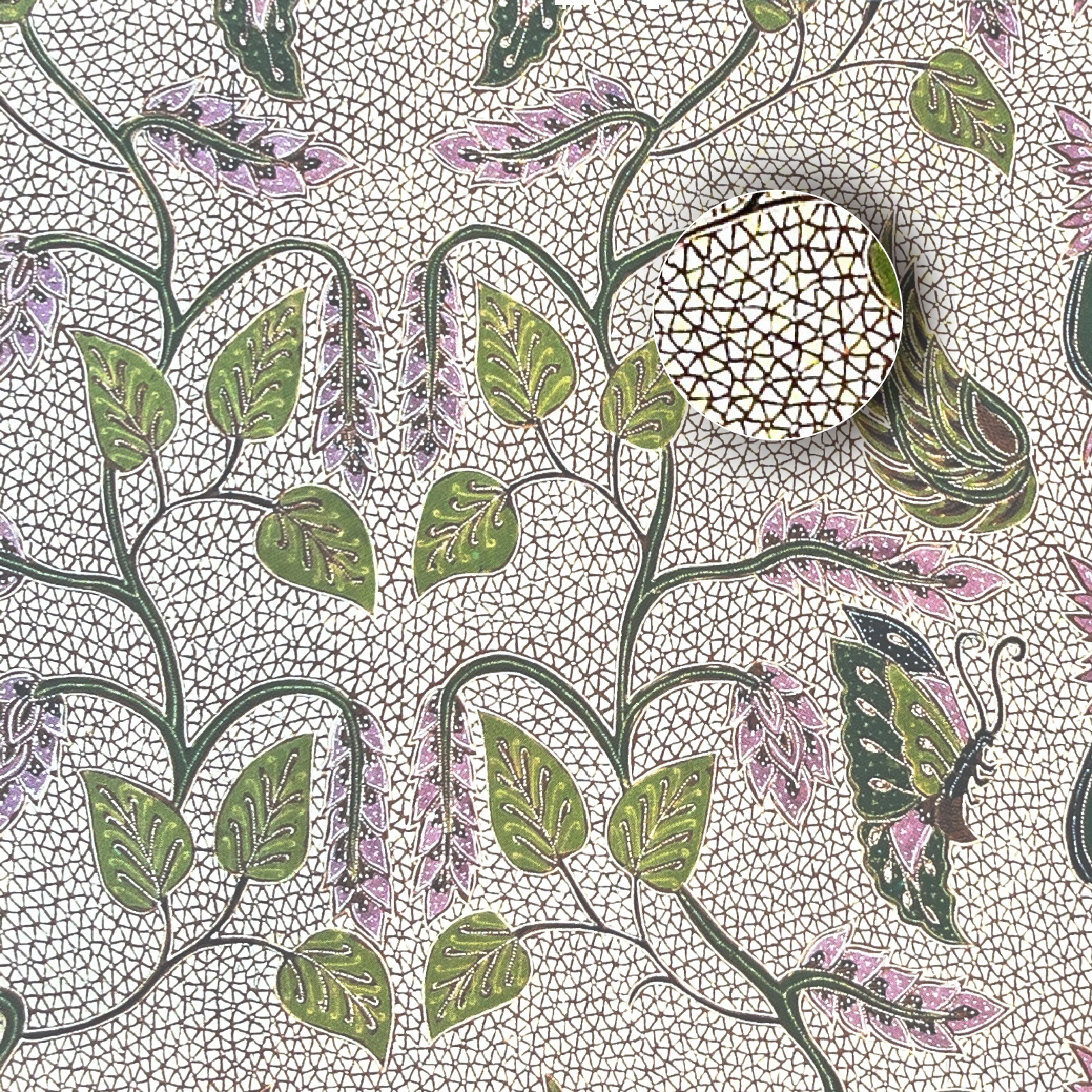
Figure / Manggisan, the pattern is shaped like a mangosteen, sometimes called silit manggis
Source / ISEN-ISEN Dalam Batik Tati Suroyo
Outward Spread of Batik
Batik is a national craft that the Indonesian government is committed to protect. In addition to being listed as an official national costume, batik has also banned industrialized imitations of European companies in order to protect the craft tradition.
As far back as the 1850s, a Dutch company named Vlisco obtained samples of Indonesian batik. At that time, Indonesia still used a time-consuming and labor-intensive manual method to make the batik fabric. Businessmen saw business opportunities for mass production by machines and began to develop roller printing technology, successfully producing batik cloth. Afterwards, Vlisco exported a large amount of imitation batik fabrics to Indonesia, which became popular in the local area. However, due to the relatively cheap price, it seriously impacted the labor-intensive traditional batik industry in Indonesia; as a result, the local government ordered a ban on imports. Vlisco, which had invested heavily in research and development, and machinery and equipment, began to set its sights on the new market "Africa".
This kind of machine-produced printed fabric was prone to cracks, which were regarded as imperfect print cracks in Indonesia, but in the hands of African consumers they became recognizable features. Around the 20th century, Vlisco’s imitation batik fabric was known as “Dutch Wax”, and although the shadow of batik could still be noticed, the gradual integration of local printing designs in Africa also made it more and more “African”.
Batik that goes deep into Indonesian culture and life
From the 15th century, Batik became everyday clothing. In the beginning, it was exclusively worn by the royal family and palace personnel of the Kingdom of Java. Moreover, each kingdom had its own representative pattern and other people's patterns couldn´t be used casually.
Today, Batik is quite popular and very common in Indonesian life. From the baby carrier that keeps the baby safe at birth to the clothes used for burial, it is worn throughout Indonesians’ lives. Birthdays, puberty, singleness, adulthood, engagement, marriage, illness, evil spirits and even death, there are batik clothes with specific patterns that can be worn at each stage. For example, the batik clothes worn by mothers during pregnancy have patterns that represent prayers and blessings.
Batik in modern trend
To this day, the once forbidden pattern of the royal family has become a popular pattern of contemporary batik. But wearing traditional royal patterns is still regarded as a symbol of simplicity and solemnity, and it will not be disrespectful on any occasion. In addition to the above-mentioned Parang and Kawung patterns, Semen and Truntum are still classic patterns today.
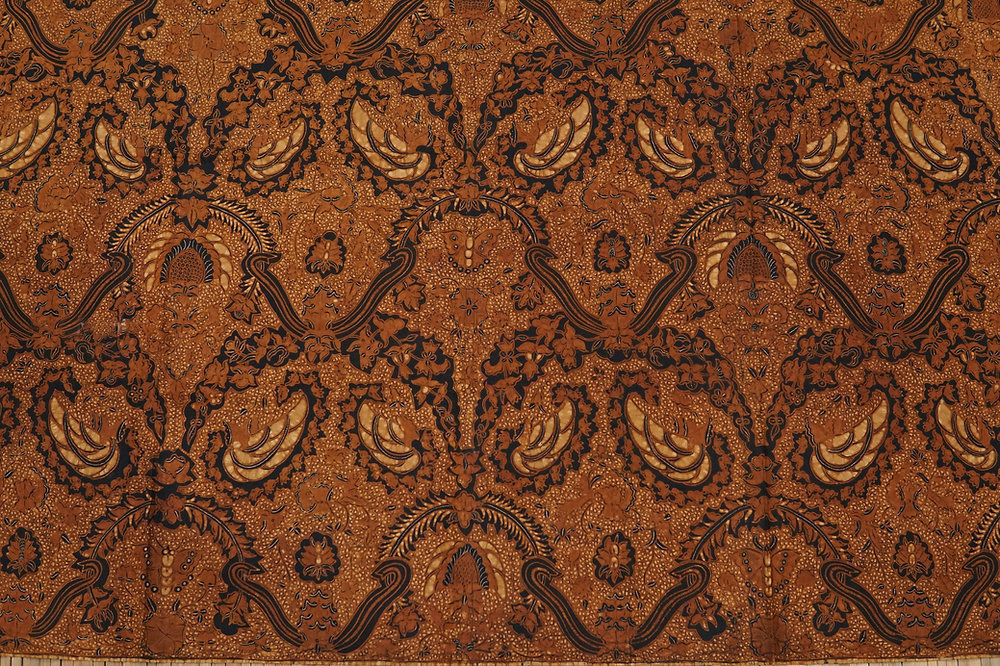
Semen means "seedling" or "sprout" in Javanese. This pattern is said to have been created by a king (Sri Susuhunan Paku Buwana IV) in the early 19th century, to remind his son of the aphorism from the Hindu epic Ma-habharata that says: “Protect the universe, take into account the prosperity of the people, be firm, noble, just, tolerant, great, and defend your own status.”
These eight principles are reflected in eight main motifs: mountain, garuda wing, tree of life, fire, water, bird, deer and crown, while the background is often filled with tiny tendrils (ukel). The significance of all these patterns combined is that we should never forget that everything we have is due to the Almighty: God, so we must always guard the universe.
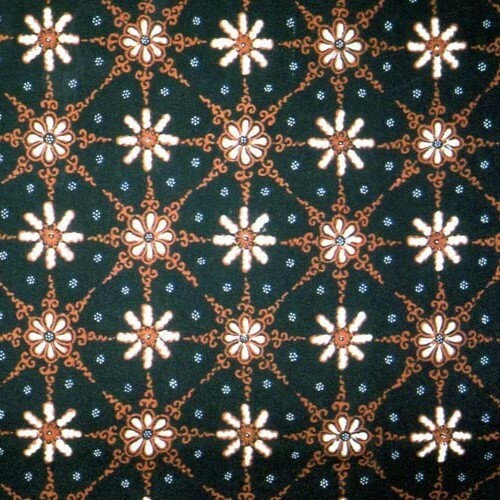
Figure / Sumen pattern (semen) with the meaning of growth and germination
Source / garlandmag
Figure / Truntum, which symbolizes the rebirth of true love
Source / wadaya
The Truntum pattern represents the long-standing love story of the Javanese. The etymology of Truntum comes from Javanese and means to grow and bloom again like a spring flower. In the 18th century, the Thoreau royal family had a king and a queen who were in love, but the queen found that she could not conceive, and the king was busy with government affairs and ignored her. The love between the two faded away, and the king decided to divorce. The queen who was still in love with the king could only pray to God that their love will grow as before and bloom again like a flower. While praying, she would draw the starry night and flowers that accompanied her day and night, on the cloth. After a long time, the king found this beautiful batik and noticed the queen who had painted it under the starry night, and so the two reunited. Therefore, Truntum has the meaning of "rebirth of true love", and now it represents loyalty to love. In the traditional weddings in Solo, Yogyakarta and other places, it is a symbol of wishing the couple eternal love.
Nowadays, batik in Indonesia is not limited to traditional fabrics, and many batik brands have emerged, with different styles in terms of fabric selection and style design. From designer brands like Iwan Tirta, Parang Kencana Batik to Alleira Batik, which show elegant styles with gradients and renderings, they fully meet the needs of people with different needs.
It can be seen that in addition to traditional patterns, today's batik styles have become rich and diverse, which not only symbolizes the contemporary aesthetics of craftsmen and designers, but also breaks the established impression of ordinary people's complicated and colorful batik. In addition to being more suitable for daily wear, it can also make people who have never been in contact with batik begin to know and fall in love with this beautiful culture that has been passed down for hundreds of years.
Contemporary batik clothing is not only everyday and popular fashion, but also very international. Like the internationally renowned modern batik clothing designer Iwan Tirta, with their high-profile luxury style, exquisite lines, large and eye-catching patterns, that has been featured in Vogue, Bazaar and other international fashion magazines many times. The customer base includes world leaders to celebrities and elites.
Batik has even also been shone on the international stage. In 2016, Indonesian designer Denny Wirawan and Bakti Budaya Djarum Foundation, a sustainable and cultural platform, brought Indonesian batik to New York Fashion Week. Many European and American designers use batik as a source of inspiration for their works, and foreign collectors are also keen on collecting Indonesian batik works and custom-made batik clothes.
Indonesia|Batik