{{ 'fb_in_app_browser_popup.desc' | translate }} {{ 'fb_in_app_browser_popup.copy_link' | translate }}

{{ 'in_app_browser_popup.desc' | translate }}

Your Shopping Cart is empty.
{{ (item.variation.media ? item.variation.media.alt_translations : item.product.cover_media.alt_translations) | translateModel }} {{ (item.variation.media
                    ? item.variation.media.alt_translations
                    : item.product.cover_media.alt_translations) | translateModel
                }}
{{ 'product.bundled_products.label' | translate }}
{{ 'product.bundle_group_products.label' | translate }}
{{ 'product.buyandget.label' | translate }}
{{ 'product.gift.label' | translate }}
{{ 'product.addon_products.label' | translate }}
{{item.product.title_translations|translateModel}}
{{ field.name_translations | translateModel }}
  • {{ childProduct.title_translations | translateModel }}

    {{ getChildVariationShorthand(childProduct.child_variation) }}

{{ 'product.set.open_variation' | translate }}
  • {{ getSelectedItemDetail(selectedChildProduct, item).childProductName }} x {{ selectedChildProduct.quantity || 1 }}

    {{ getSelectedItemDetail(selectedChildProduct, item).childVariationName }}

{{item.variation.name}}
{{item.quantity}}x NT$0 {{ item.unit_point }} Point
{{addonItem.product.cover_media.alt_translations | translateModel}}
{{ 'product.addon_products.label' | translate }}
{{addonItem.product.title_translations|translateModel}}
{{addonItem.quantity}}x {{ mainConfig.merchantData.base_currency.alternate_symbol + "0" }}
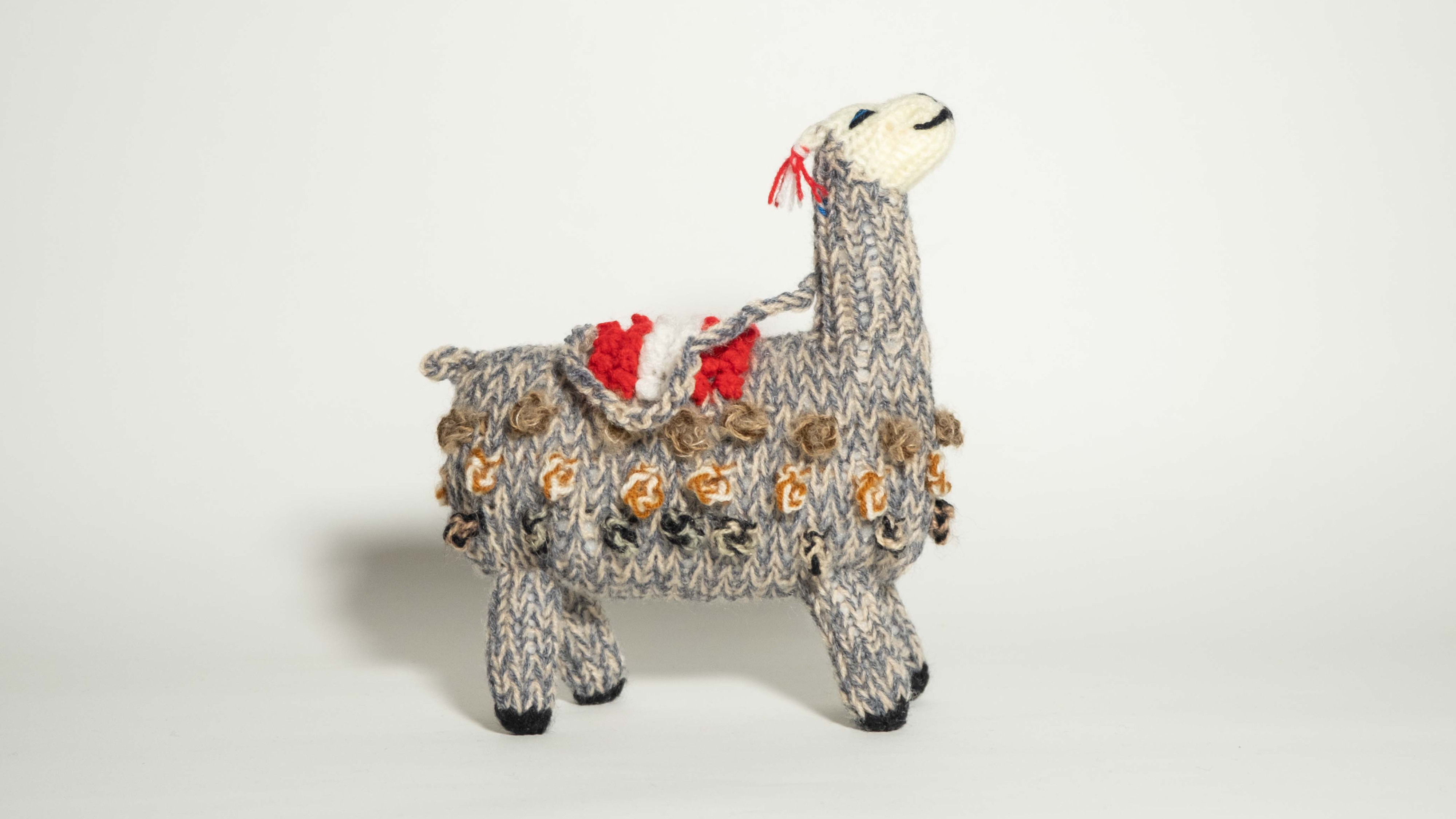
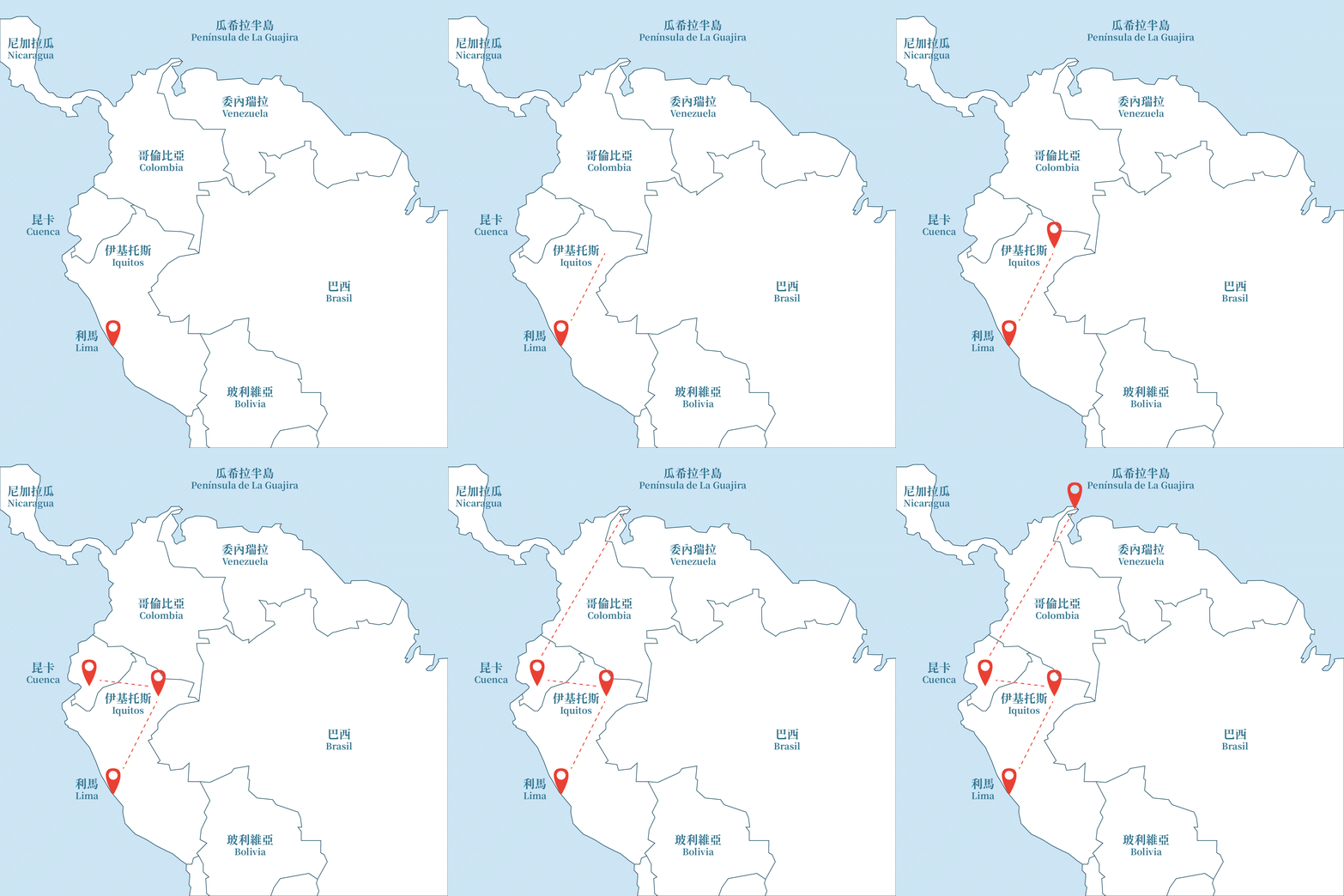
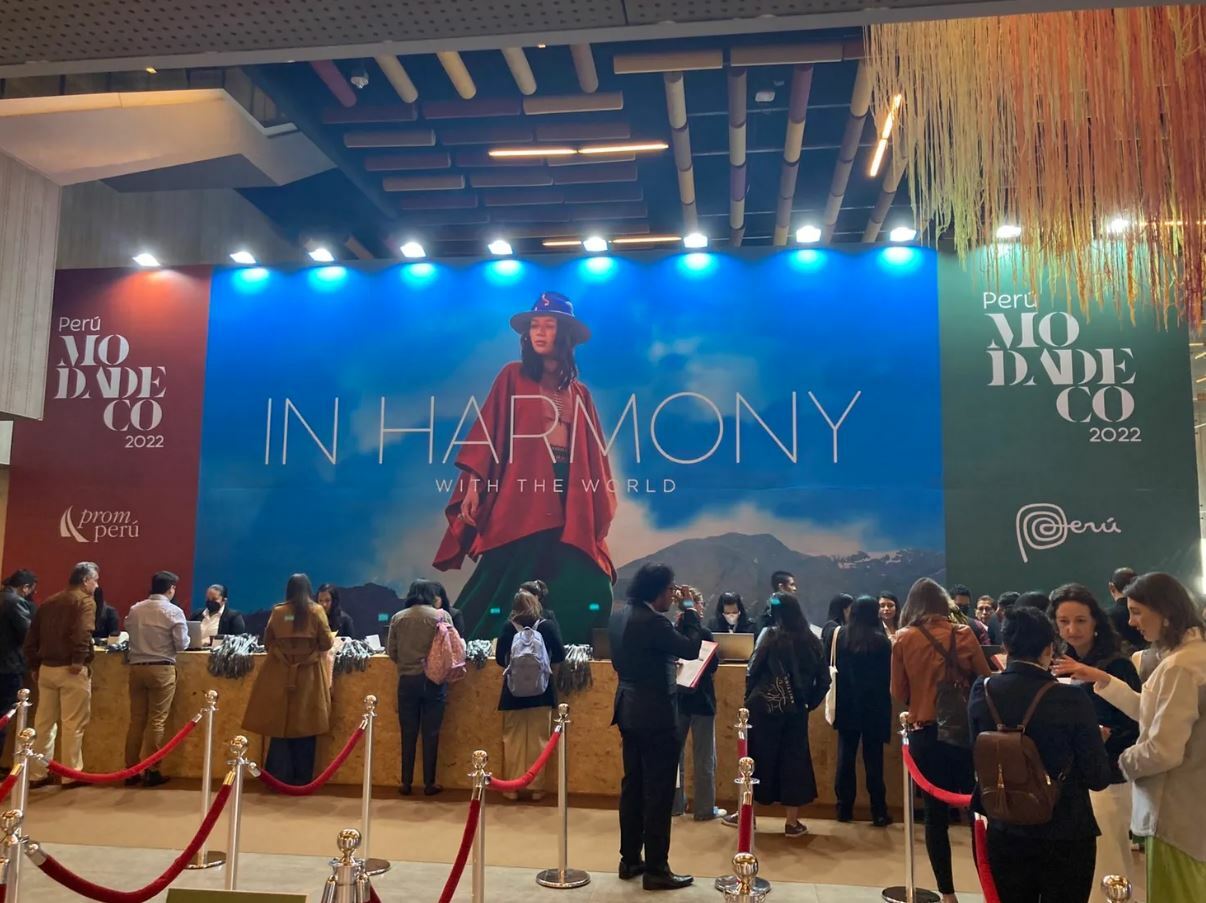
Following an invitation at the end of 2022, Nan Nan Corner traveled to Peru in South America to participate in the annual Peru Moda, a major fashion and home décor exhibition. In the autumn of 2023, we returned to South America once again. In addition to revisiting the Amazon rainforest, we attended the Peru Food Expo and the Peru Moda international textile fair. We also visited palo santo production areas and alpaca textile workshops in the Andes, continuing our exploration of South America’s local craftsmanship.

Photo / South America Journey
Source / SousouCorner

The Transnational Amazon Rainforest

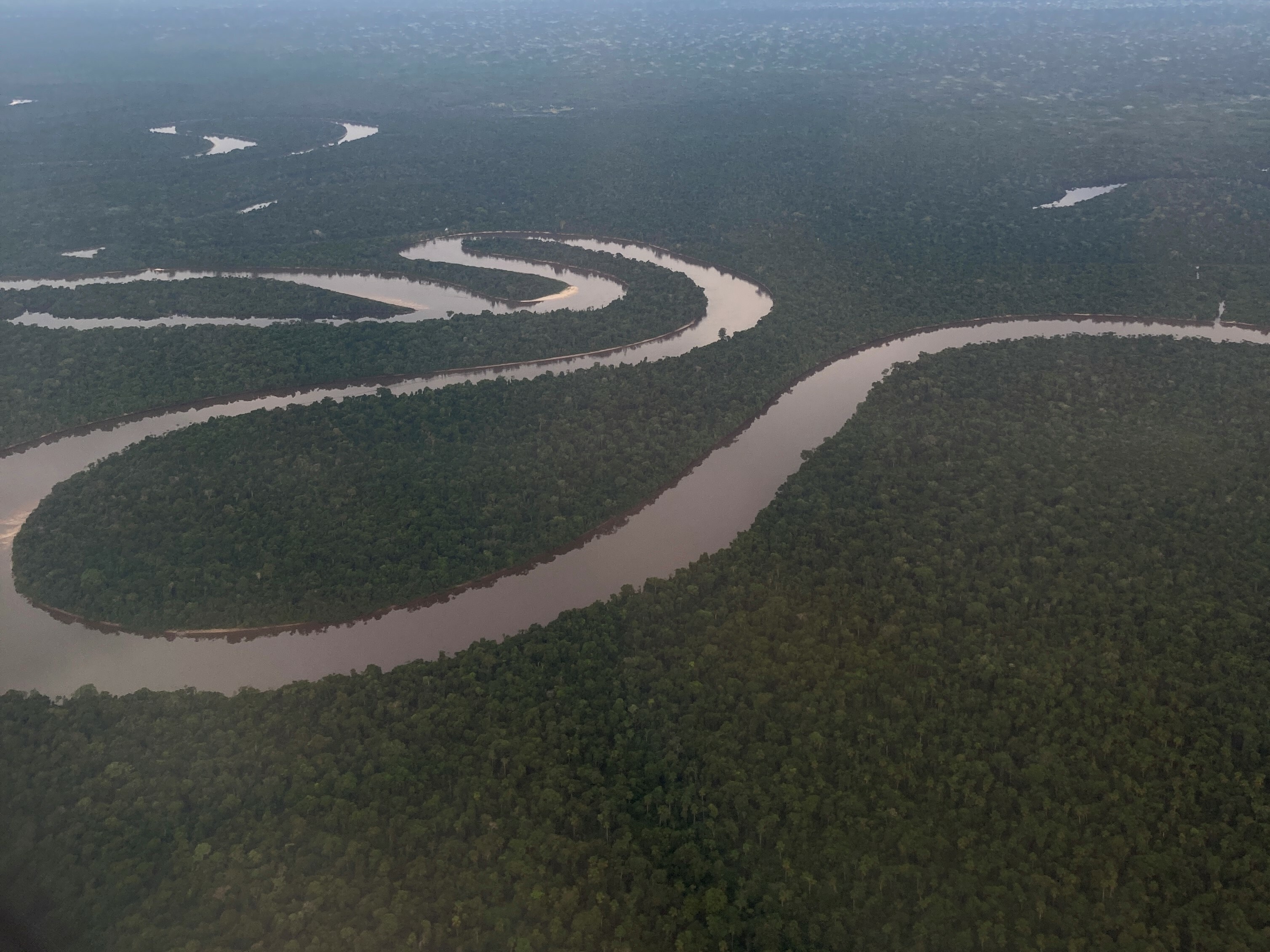
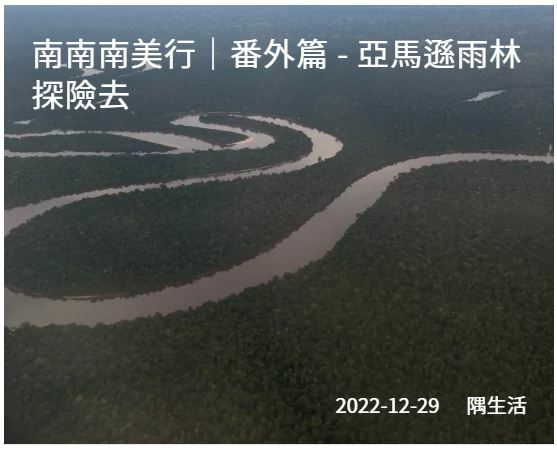
During this journey to South America, we specially arranged a dreamlike adventure, taking a red-eye flight to the Amazon rainforest region of Peru. The Amazon is the largest tropical rainforest in the world. It is not only located in Brazil, but also spans across eight countries, including Peru, Ecuador, and Colombia. Rich in resources and home to countless endemic species, many countries have been actively developing rainforest ecotourism.

After a long journey, we arrived at the Muyuna lodge deep in the forest. Guided by a local expert, we paddled along the Amazon River and ventured into the rainforest. Along the way, we encountered the world’s smallest monkeys, sloths, capybaras, pink river dolphins, and even fungi said to transmit signals, as well as trees covered in long thorns—each revealing the vibrant life of this jungle. Through the traditional pottery, embroidery, and beadwork of Amazonian indigenous communities, we also glimpsed the spirit of the rainforest, alongside emerging contemporary designs inspired by it.

Photo / Into the Amazon
Source / SousouCorner


Seed Jewelry Craft

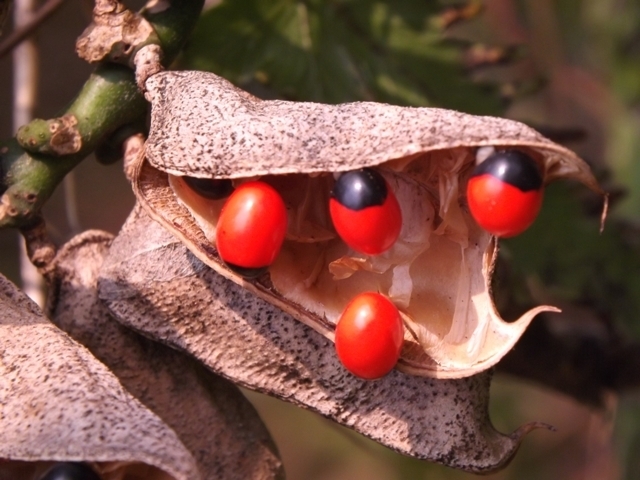
Huayruro is a bright red seed that comes from the pods of the South American tree Ormosia coccinea. Since ancient times, it has been regarded as a symbol of good luck. Indigenous communities of the rainforest collect these fallen seeds and keep them in bottles at home to bring fortune, or turn them into necklaces and ornaments to be worn as protective amulets.

These seeds are glossy and vividly red, some marked with black spots. Traditionally, fully red seeds are associated with the feminine, while those with black markings represent the masculine—together symbolizing the origin of life and the energy of fertility. Beyond their symbolic meaning, the seeds are also believed to have medicinal properties; their sap has been used to treat eye conditions such as conjunctivitis, making them an important resource in rainforest life.

Tagua, often referred to as “vegetable ivory,” has a texture similar to real ivory but comes from a specific type of palm tree found in the Amazon rainforest. The fruit resembles a coconut with a spiky outer shell. When opened, it reveals a white endosperm similar to mangosteen, which gradually solidifies from liquid into a gel-like substance, and eventually hardens into what is known as tagua. With ring-like patterns and a color, hardness, and texture comparable to ivory, the trees that produce it are classified under the genus Phytelephas, commonly known as ivory palms. In the 19th century, German traders introduced tagua to Europe, where it became popular among the aristocracy as a material for high-end buttons and decorative elements. Artisans also carve tagua into sculptures and handicrafts.

Photo / Seeds of Good Luck
Source / iNaturalist

Pirarucu: The Giant of the Amazon

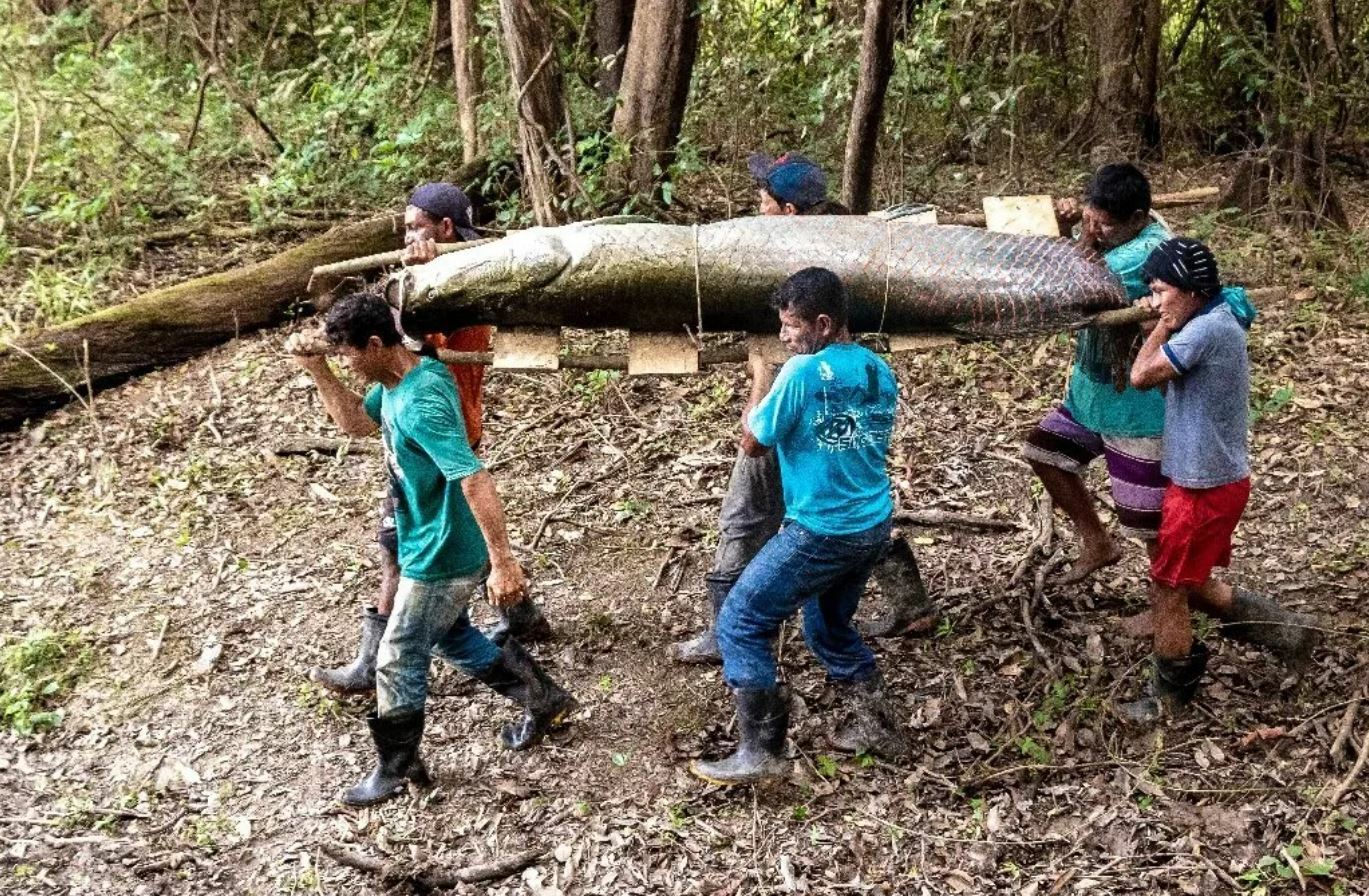
The Pirarucu, as it is known by the indigenous people of the Amazon, is a species native to the region. Growing to lengths of over 2.5 meters and weighing more than 100 kilograms, it is one of the world’s largest freshwater fish and a vital food source for local communities.

While it possesses teeth like many other freshwater fish, the Pirarucu actually hunts using its tongue, which is as hard as bone—the very origin of its name ("bony tongue"). Its diet consists of fish, but it is also known to prey on small caimans and piranhas. Beyond its unique tongue structure, the Pirarucu is covered in scales that are remarkably large, thick, and tough. Indigenous people often harvest these scales with hammers to craft daggers or decorative ornaments.

Today, some workshops collect discarded fish skins from local harvests to develop unique fish-leather crafts. These artisans strictly adhere to environmental conservation regulations: they only accept skins from Pirarucu exceeding 1.5 meters in length and ensure that the harvest does not exceed one-fifth of the total population in a given lake. This sustainable approach has paved the way for new developments in Amazonian craftsmanship.

Andean Indigenous Weaving Craftsmanship

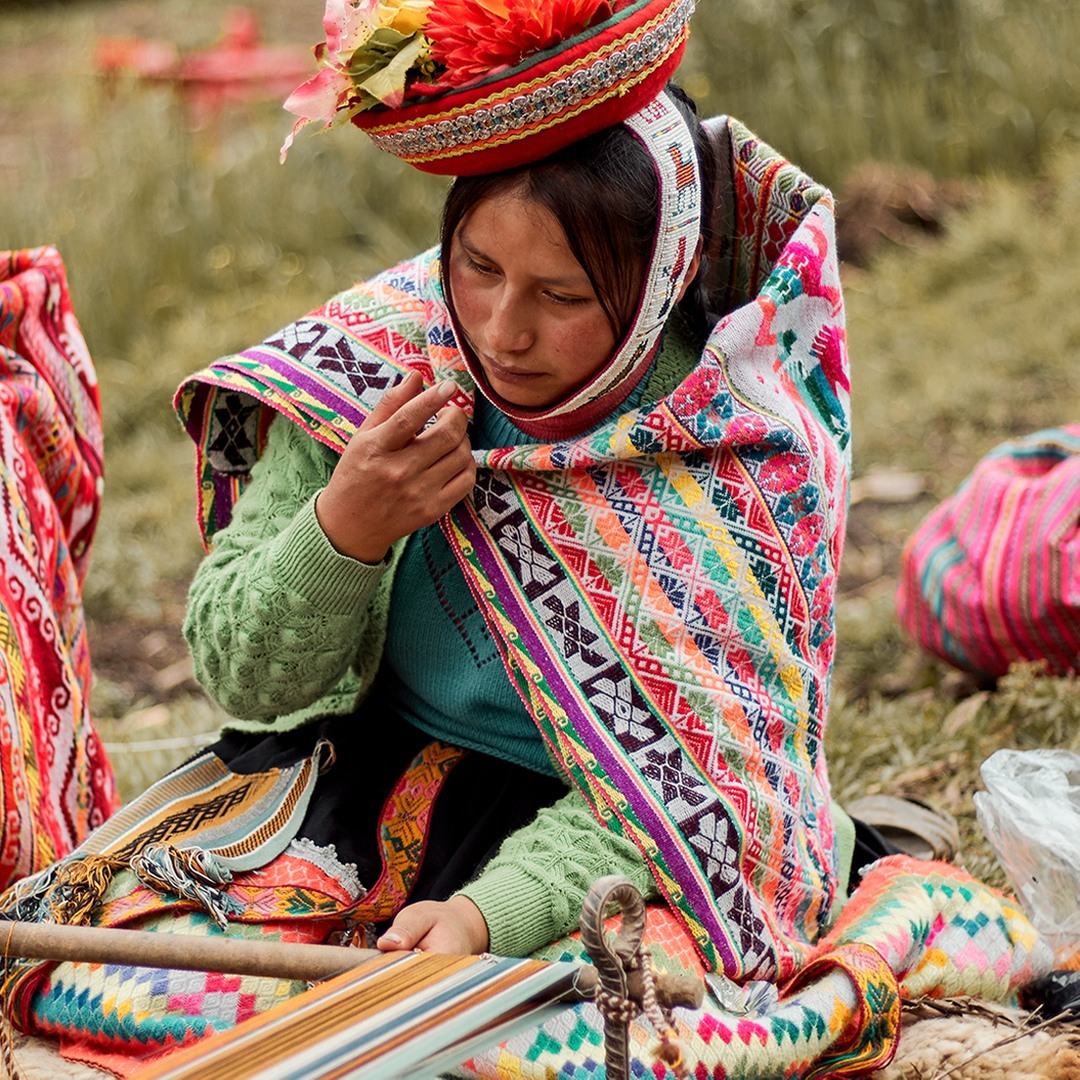
Weaving and embroidery are the oldest crafts in the Andes. Using local wool, alpaca fiber, or cotton, these textiles reflect the essence of civilization and culture. Peru is home to more than 50 different indigenous groups, each possessing unique weaving techniques and totems. Some are embroidered patterns for traditional rituals, while others are decorative motifs on "manta" (slings) used by indigenous women for childcare, serving as a vital symbol of ethnic identity.

In recent years, many workshops and designer brands have dedicated themselves to preserving indigenous weaving. By venturing deep into high-altitude mountains and jungles, they seek to understand the techniques, color palettes, totems, and cultural meanings of various tribes. These efforts include compiling embroidery catalogs and integrating traditional craftsmanship into modern home decor and apparel, allowing the exquisite textiles of the Andes to be seen by a wider global audience.

Photo / Andean Weaving Craftsmanship 
Source / Awamaki

Gourd Carving Craftsmanship (Mate Burilado)

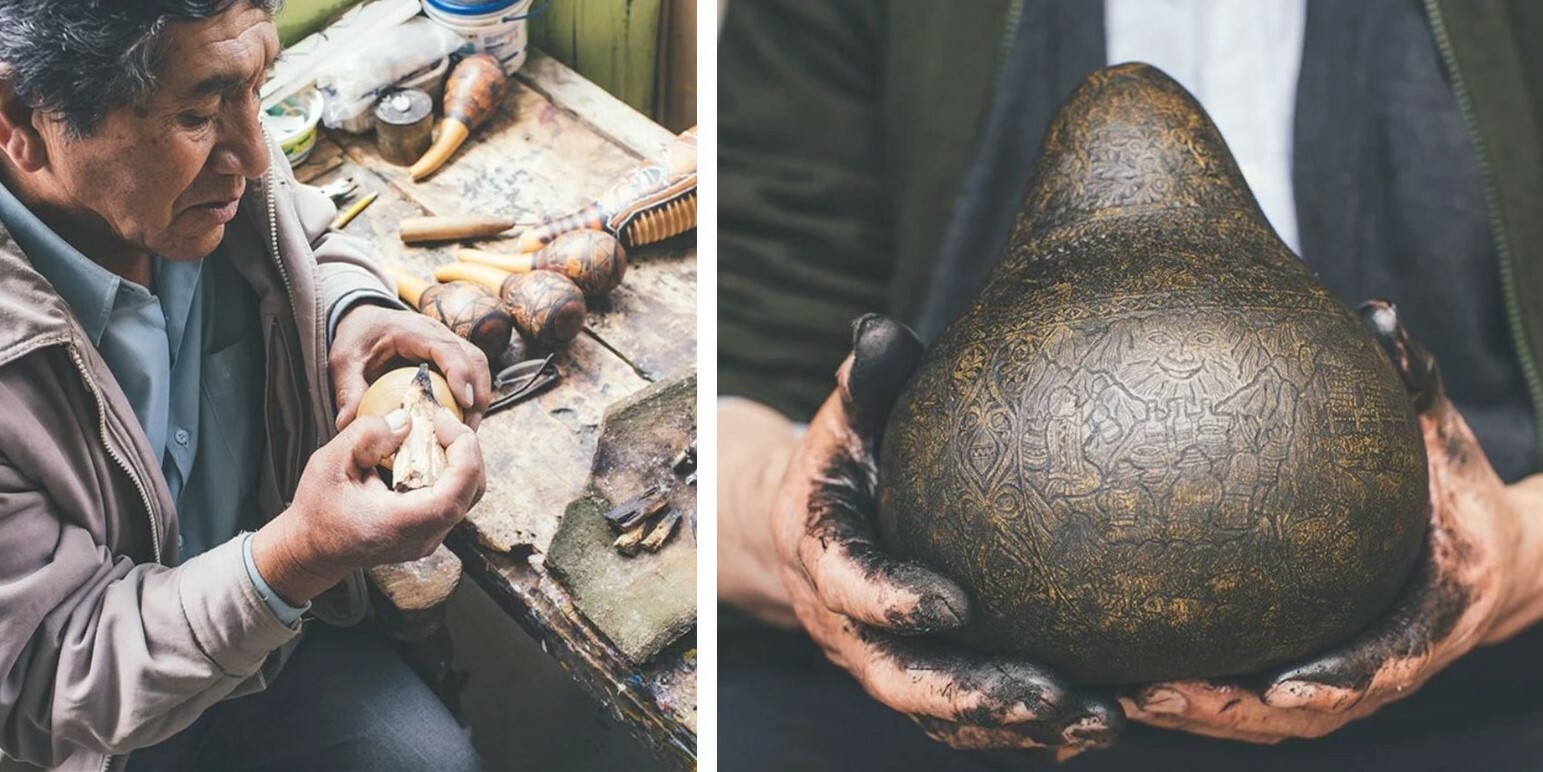
The use of gourds as ladles, containers, or musical instruments is a widespread cultural tradition worldwide. However, in Peru, palm-sized gourds are etched with incredibly fine lines and intricate patterns. This is the art of gourd carving—a tradition spanning over 4,000 years—centered in the villages around Huancayo in central Peru.

Huancayo serves as the cultural and commercial hub of the central Peruvian Andes, boasting a rich heritage of crafts including gourd carving, mask-making, pottery, and embroidery. Artisans first peel and dry the gourds, then use small specialized tools to etch delicate designs. By rubbing charred straw ashes into the incisions, the lines are blackened, causing detailed imagery to instantly emerge. These carvings serve as a visual narrative, storytelling of festivals, legends, myths, and the essence of their daily culture.

Photo / Gourd Carving Craft of Huancayo 
Source / Joshua Eli Cogan, Ralph Rinzler Folklife Archives

Peru: A Hub for South American Craftsmanship

Compared to other South American nations, Peru boasts a long-standing history of brand development and a diverse array of artisanal brands. Whether they are preserving the traditional cultural crafts of Andean indigenous peoples or infusing them with modern design elements, the results are truly refreshing.

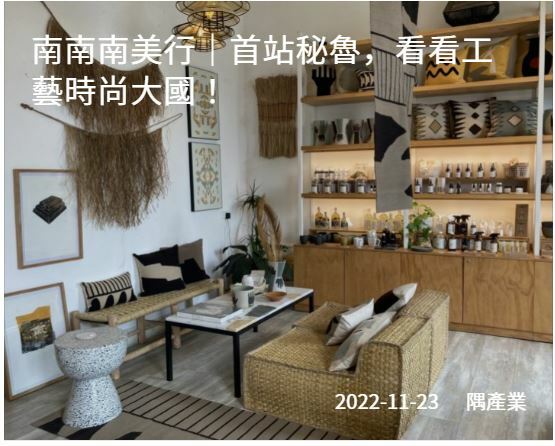
The coastal areas of the capital, Lima, are particularly vibrant, gathering numerous independent boutiques, art galleries,and craft shops. This area is often hailed as the "Brooklyn of Lima." If you find yourself in Peru, I highly recommend taking a stroll through these neighborhoods to explore for yourself.

Photo / Peruvian Craft Fairs and Boutique Shops
Source / SousouCorner


Peruvian Pima Cotton: The Silk of the Andes


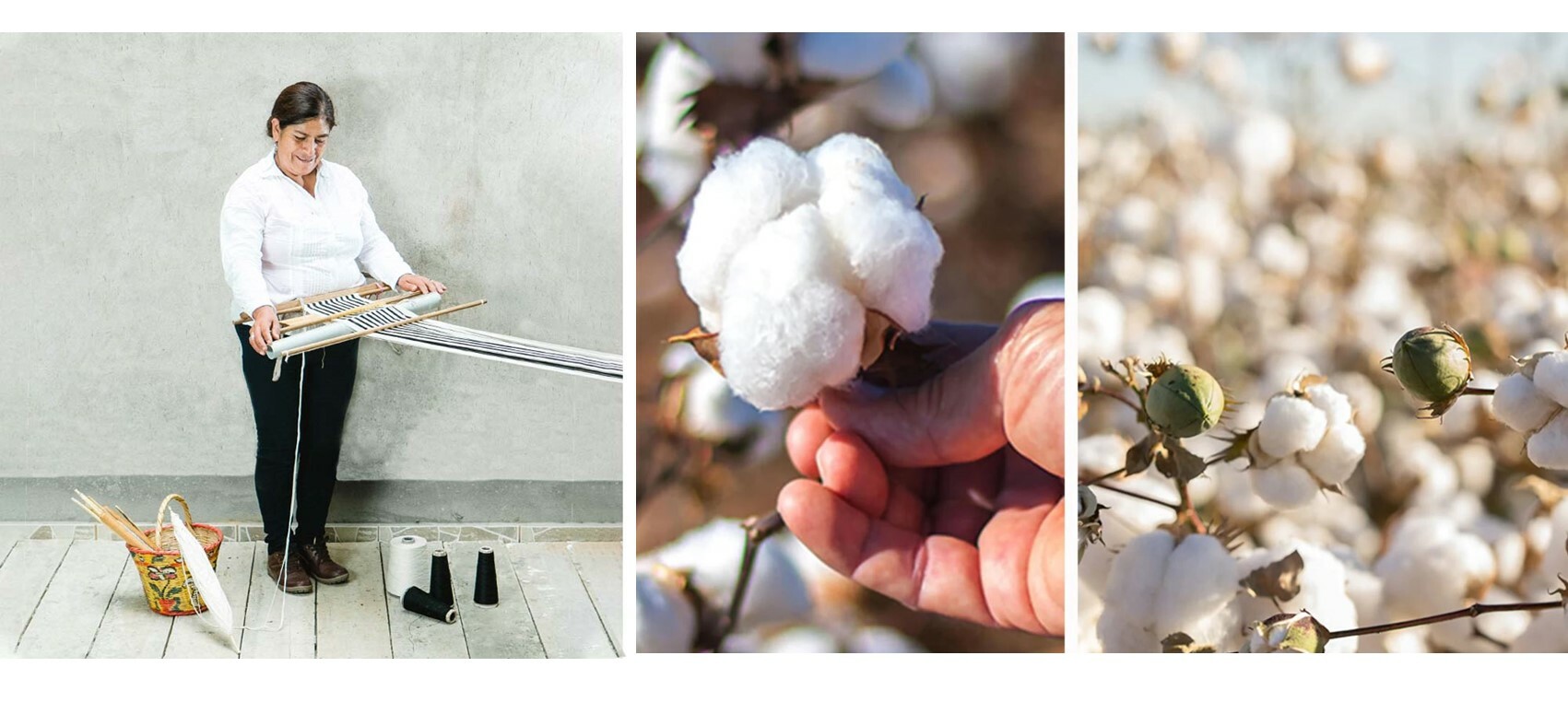
Peru is home to one of the world's most renowned premium fibers: Pima Cotton (also known as Sea Island Cotton). Native to Peru and Ecuador, it has been domesticated, cultivated, and woven by South American indigenous peoples for over 3,000 years. Through global trade, Pima cotton has become a favorite worldwide. Although it belongs to the same botanical species as Egyptian cotton, its quality often surpasses the latter due to unique cultivation methods and the Andean climate.

Generally speaking, the longer the fiber, the softer and lighter the resulting textile. Pima cotton benefits from long hours of sunlight, leading to higher maturity and classifying it as an Extra-Long Staple (ELS) cotton. Once spun into yarn, it possesses a natural luster and a silky-soft texture, while remaining incredibly durable and resistant to pilling. It is considered the finest cotton in the world, accounting for only 3% of global cotton production.

圖 / 擁有超長纖維的海島棉
來源 / País textil、Pepa&Co

印加錢凱文明陶偶

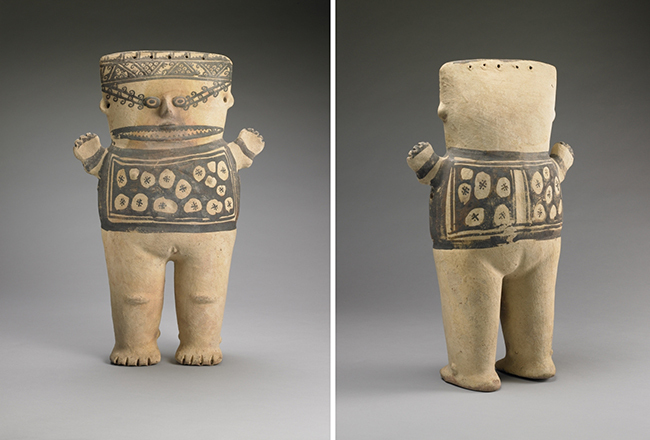
小型的陶偶娃娃,來自安地斯重要的考古文化 - 錢凱(Chancay)。錢凱文明位於秘魯海岸的山谷之中,以山谷Chancay命名,盛行於公元 1200 年到 1470 年間,為印加帝國的一部份。


錢凱文明出土大量陶器與紡織品,其中陶塑人偶多以女性形象為主,在臉部或上半身上有著圖騰的裝飾,下身則毫無遮掩,擁有高大的身形及短小的手臂,通常睜著大眼高舉雙臂,為錢凱陶偶的一大特徵。這次旅程中,看見錢凱陶偶為造型的娃娃與小吊飾,為奠基於考古文化的秘魯文創物件。

圖 / 錢凱文明陶偶
來源 / Michael C. Carlos Museum

巴拿馬帽的編織之地-厄瓜多

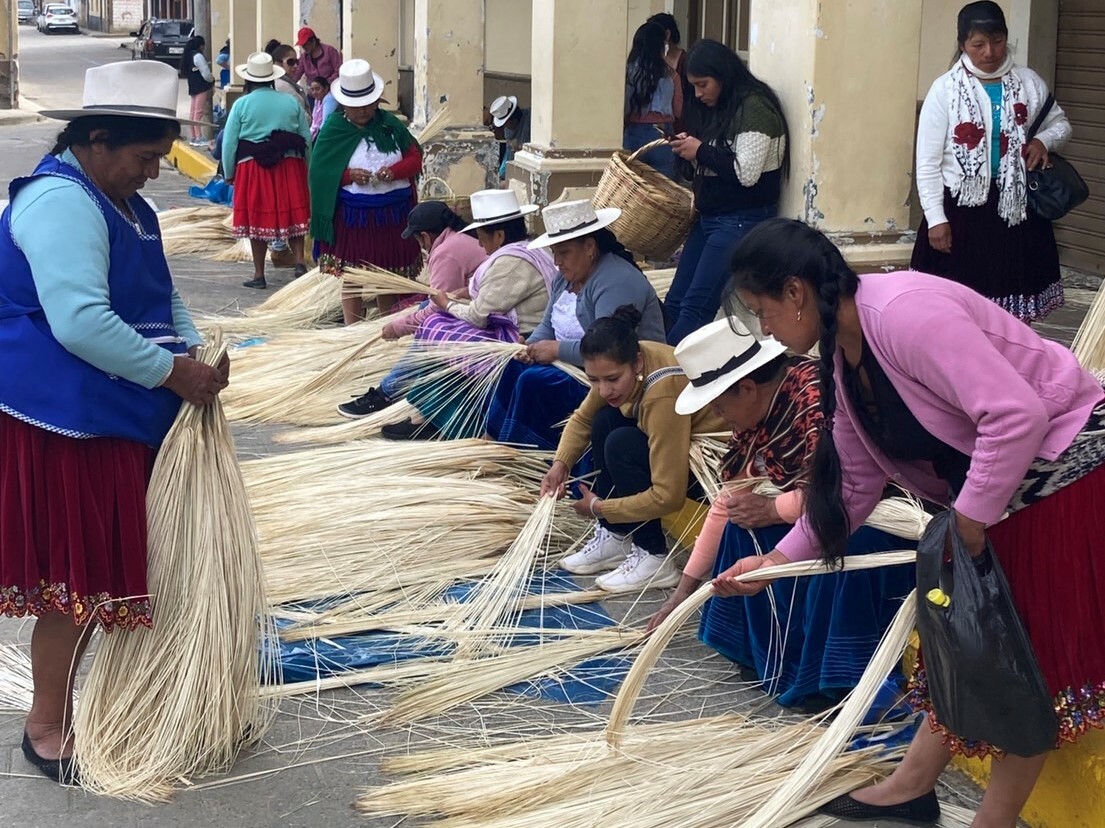
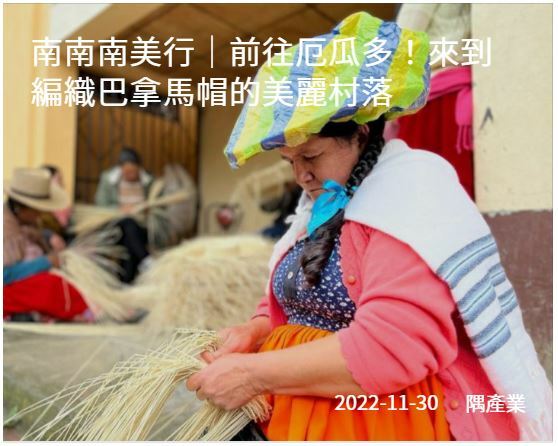
離開秘魯,我們來到巴拿馬帽的故鄉-厄瓜多。厄瓜多有兩大巴拿馬帽產區,沿海小鎮蒙特克里斯蒂(Montecristi),是最早的發源地;另一個是中南部城市昆卡(Cuenca),在19世紀中葉逐漸發展起來,成為巴拿馬帽的工藝重鎮。這次走訪昆卡,進入山區村莊,看看工藝師們編織的身影,與他們所居住的美麗村落。

圖 / 編織帽子的村落
來源 / 南南之隅

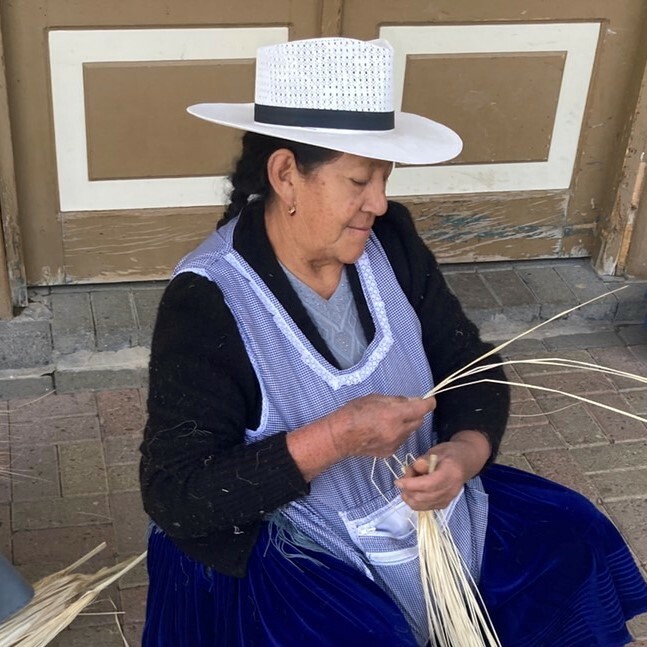
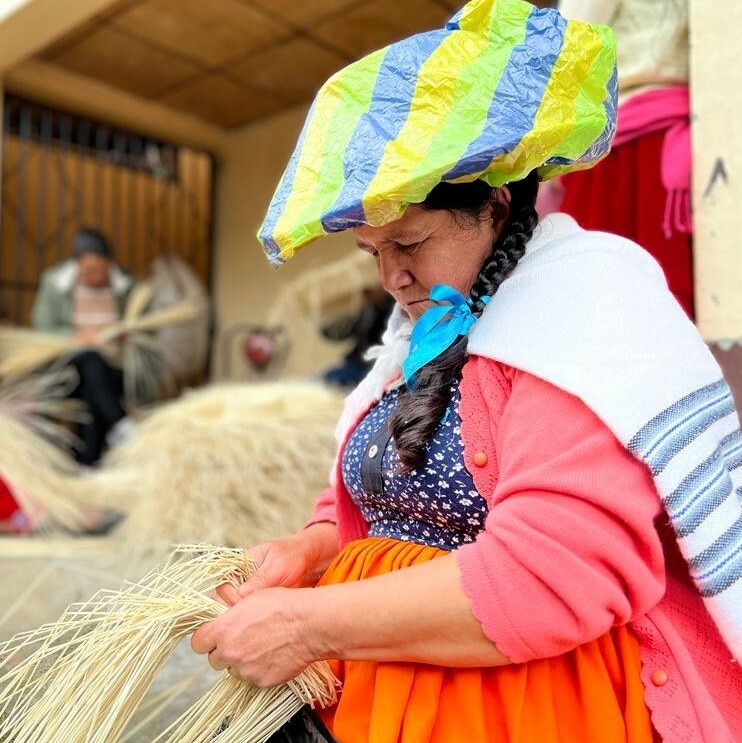
巴拿馬帽由一群藝師婦女專門編織帽胚,再轉售給中間商、工坊壓制帽型。她們大多為傳統婦女,頭戴巴拿馬帽,留著兩條及腰的雙辮子,再搭配一件蓬蓬裙,裙擺上還有著刺繡圖樣。頭戴的草帽都是自己親手編織,級數相當高,一般會塗上白色顏料,僵化固定帽子也更為耐用,唯有下雨時白色塗料會稍有掉色,因而需以塑膠袋包裹帽子。

延伸閱讀:巴拿馬草帽|完整介紹

圖 / 編織帽子工藝師
來源 / 南南之隅

圖 / 下雨時會用塑膠袋包住帽子
來源 / 南南之隅

厄瓜多陶偶擺飾


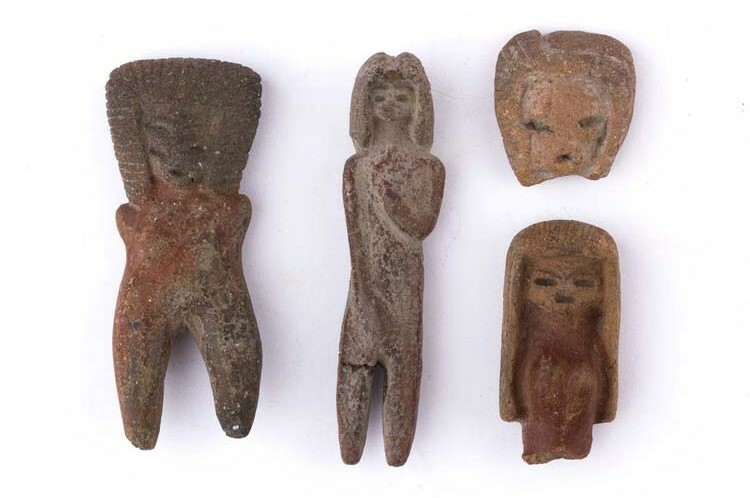
Valdivia瓦爾迪維亞女性陶偶


瓦爾迪維亞文化位於厄瓜多西部沿海,考古出土大量的貝類與陶器,為南美洲陶器的發源之地,可追溯公元前300多年前。瓦爾迪維亞小雕像與農業、求雨儀式密不可分,由於多數有女性的胸部特徵,小雕像也被認為代表生育、生產和農業發展。

來源 / bertolami fine arts

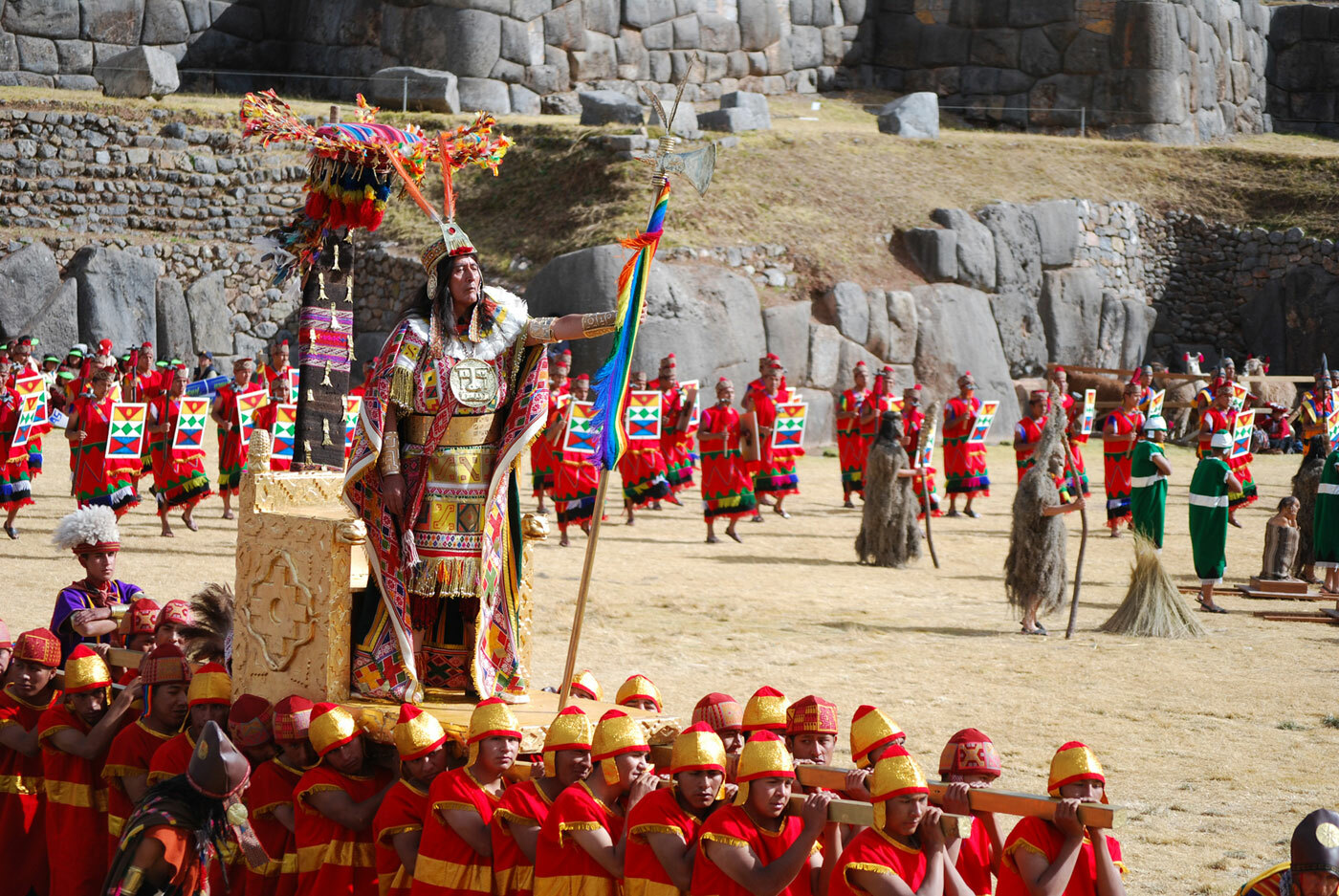
Inca Inti 印加太陽神陶雕


印加文明崇敬太陽之神印地(Inti),祂攸關著玉米與穀物的種植法則。每年6月24日,南半球「冬至」這天,印加人會舉行太陽節(Inti Raymi),敬拜太陽神以祈求豐收,還會跳舞、祭祀長達9天,希望在日照最短與夜晚最長的日子,用火與燈喚醒太陽神。

來源 / the golden scope

瓦尤編織包的故鄉-哥倫比亞

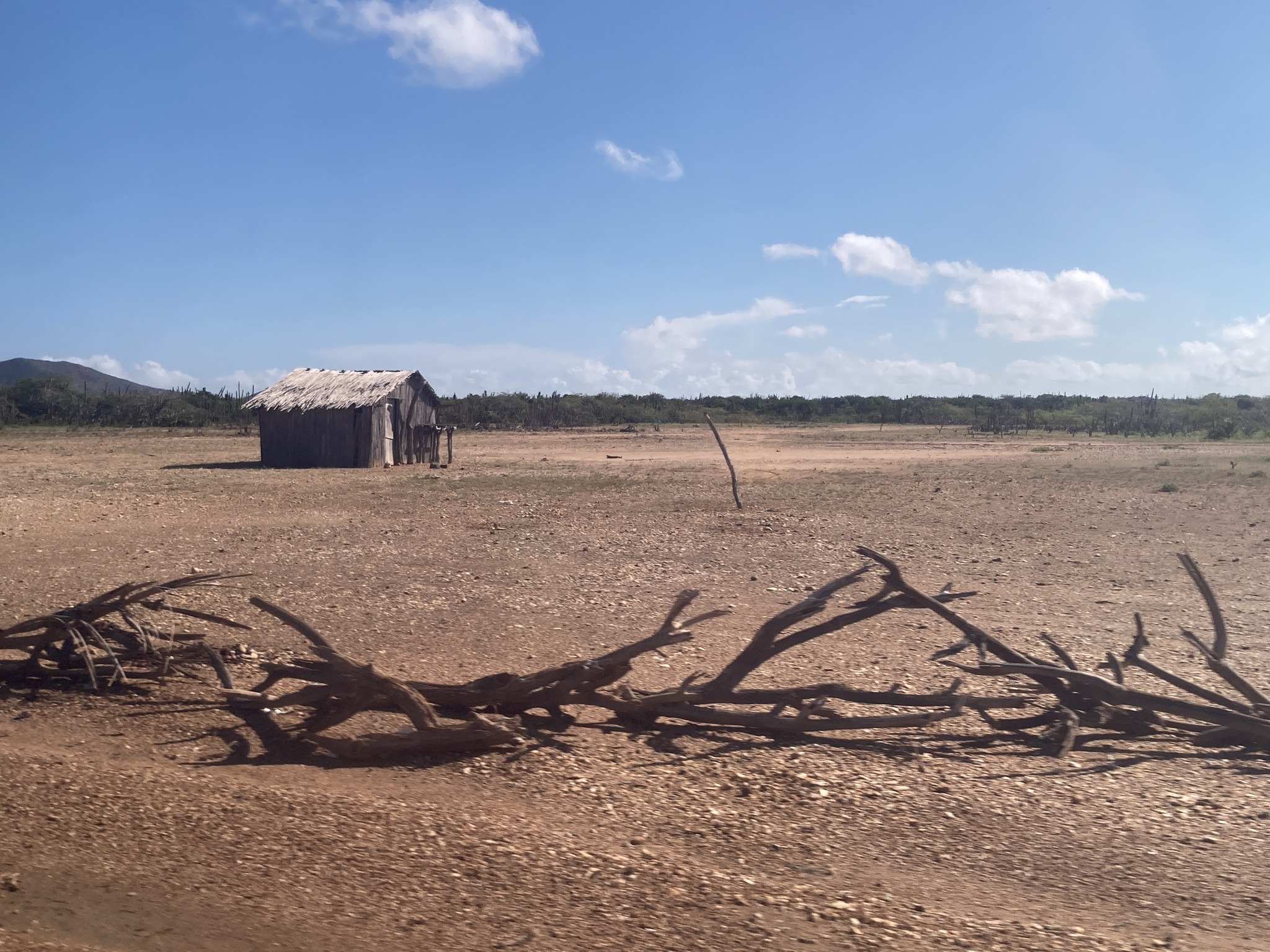
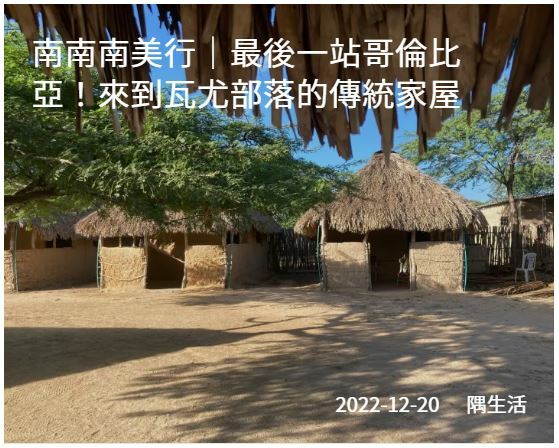
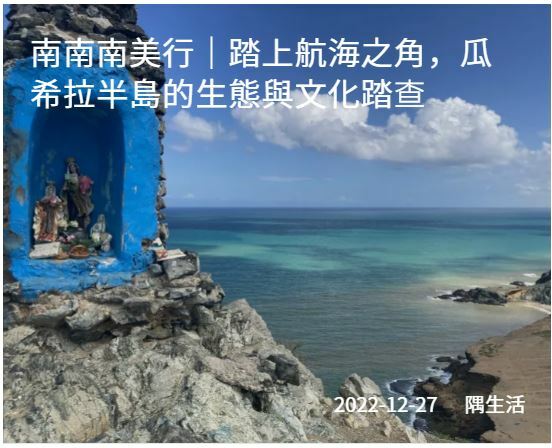
來到哥倫比亞,首要之務是要拜訪瓦尤包的故鄉-瓦尤部落。位於哥倫比亞最北邊與委內瑞拉交界的瓜希拉半島(La Guajira),這裡住著一群擁有獨特文化的瓦尤族 (Wayuu)。他們說著瓦尤語(Wayuunaiki),延續著母系制度,有自己的法律和生活方式,在哥倫比亞北邊和委內瑞拉西北邊有個跨越國界的自治區。

圖 / 漫漫黃土的瓦尤部落
來源 / 南南之隅

瓦尤族以明亮與多彩的編織聞名世界,他們相信是蜘蛛教導他們編織的。部落女性從小界接觸編織,青春期的女孩更要獨自待在部落的小屋中,閉關數月甚至數年,向媽媽、外婆或阿姨學習編織圖騰(Kannes),為整個瓦尤編織文化的基底,也學習如何照顧家庭,不能與男性接觸。

延伸閱讀:瓦尤編織包|完整介紹

沿著瓦尤部落,甚至整個哥倫比亞,都可以看見坐躺在吊床、板凳上編織的婦女身影。除了傳統水桶狀的包型外,還有新型手提圓桶包、編織吊床與傳統草編帽。傳統草帽使用一種當地名為 Mawisa的棕櫚葉編織,先將棕梠葉染成鮮豔的顏色並融合傳統瓦尤圖騰,製作出帶有水桶形狀與寬大帽簷的編織帽。在長期太陽曝曬的乾燥氣候中,瓦尤族人會帶著草帽,或在臉上塗上植物汁液當作天然防曬。

瓦尤刺針工藝|委內瑞拉

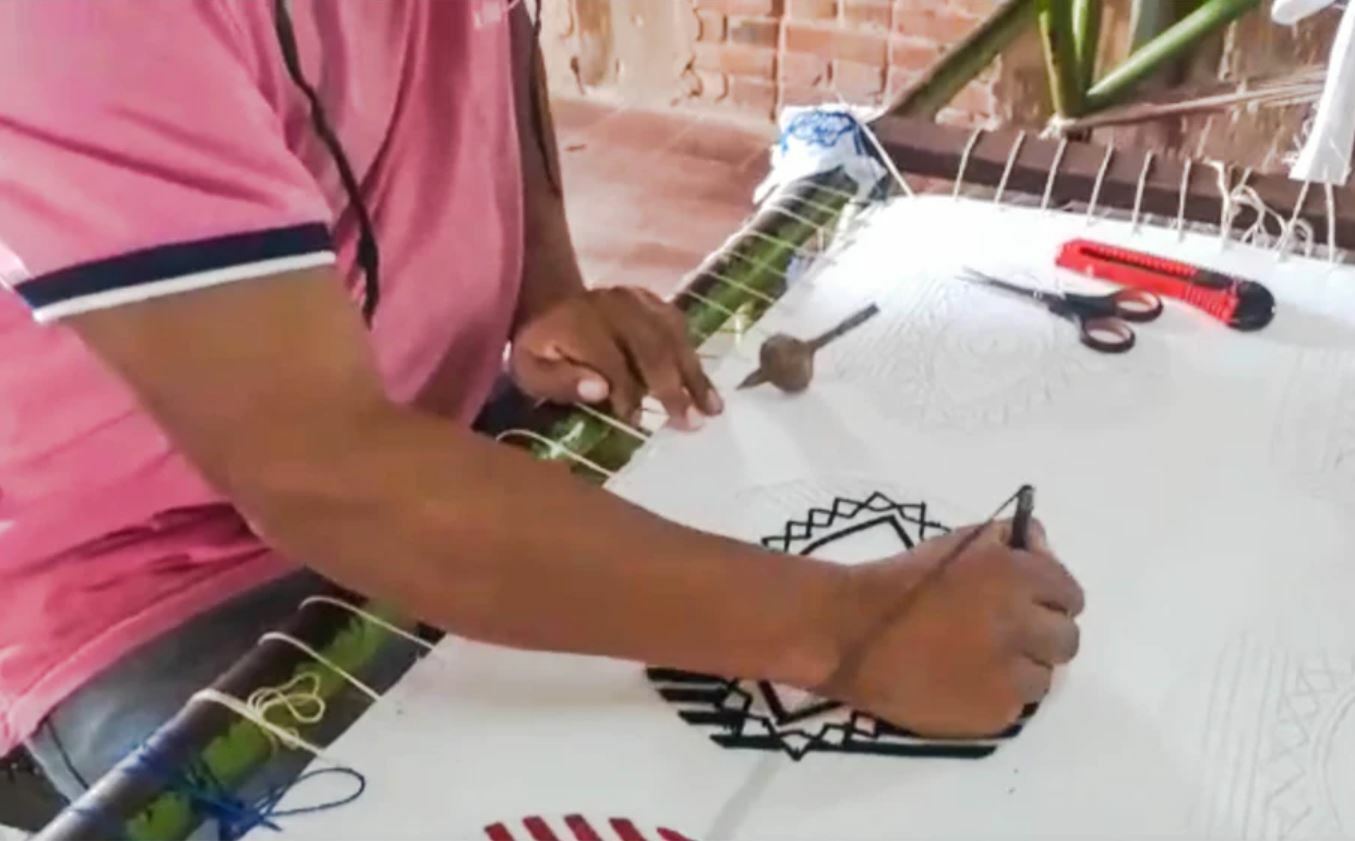
瓦尤族人是拉丁美洲少數不受到殖民統治的民族之一,分布於哥倫比亞與委內瑞拉交界,他們不受政治邊界的約束,能夠在兩國之間自由流動。別於以細小的線與勾針編織成圖騰,委內瑞拉瓦尤族還有用刺針的方式展現傳統瓦尤圖騰,先畫上傳統圖騰,再用針線來回穿梭,製作出包包與家飾物品,發展更多元的編織工藝。

圖 / 刺針工藝
來源 / Barehand

整個瓜希拉半島不只有編織,還有著拉丁美洲最大的煤礦場與天然氣。儘管自然與文化資源豐碩,貧窮在這裡並不陌生。路途中,時常會看到媽媽帶著小孩在路上乞討,或追著觀光客的車。加上近年來氣候變遷雨量不穩,也讓瓦尤部落的生活條件更為艱困,我們也開始進一步思索如何與瓦尤部落更深入的合作,推動更完善的工藝環境。

西皮波族刺繡織品 

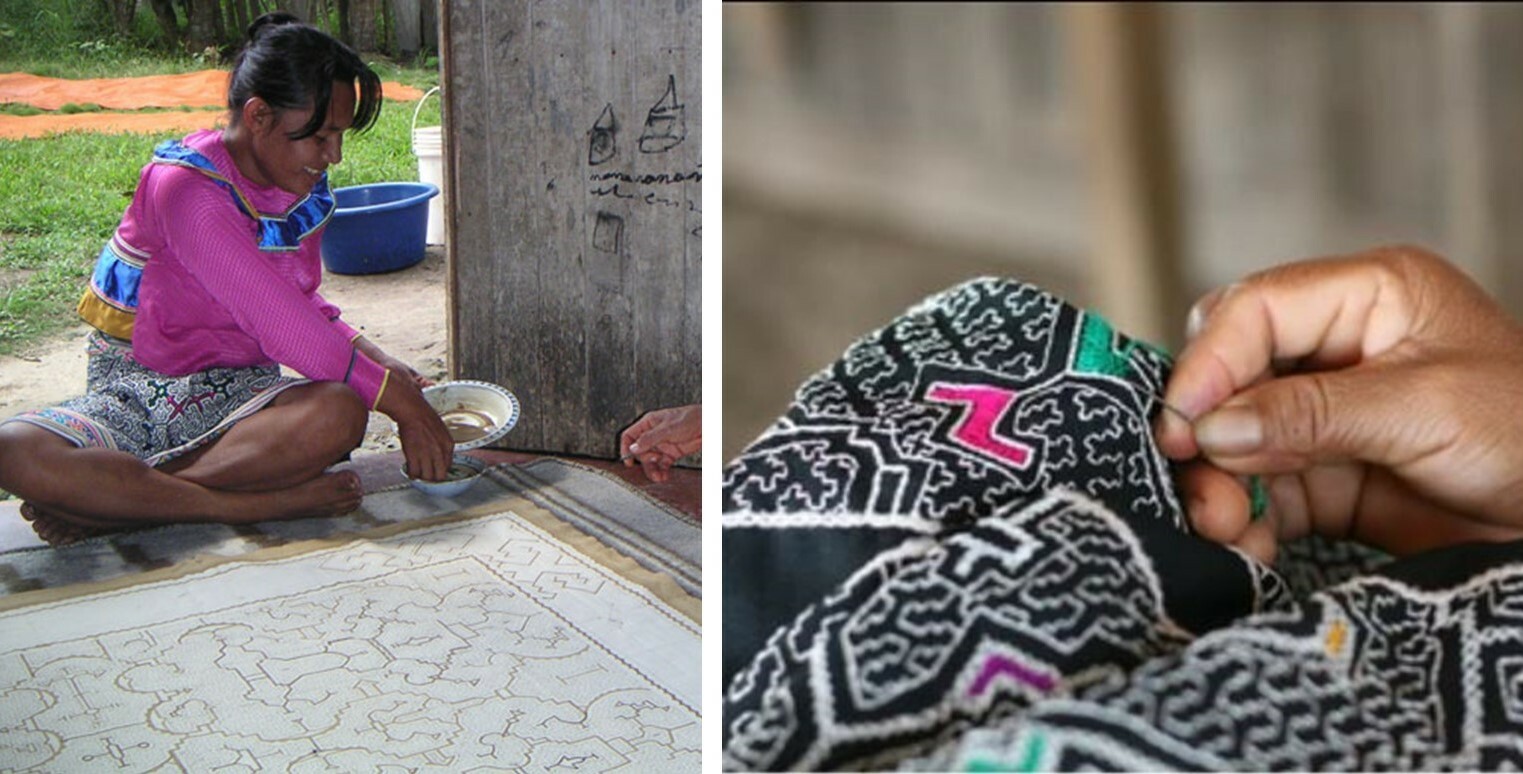
西皮波族(Shipibo)是居住於秘魯亞馬遜河沿岸的原住民族,以薩滿信仰為核心,他們在亞馬遜雨林中生活數千年,至今仍飲用以藥用植物熬煮而成的「死藤水」進行儀式。藥草與薩滿信仰豐富成為他們生活與藝術根本,特別是他們陶器與織品。

由西皮波族婦女所製作的陶器與織品,通常有複雜的圖騰,以紅、黑兩色為主,有如迷宮般的圖型與紋路象徵著亞馬遜動植物,也作為儀式所使用的樂譜,傳遞與保留傳統薩滿樂曲,作為治療及與自然世界交流的工具。

齊瓦族陶器

生活於亞馬遜雨林的齊瓦族,為南美洲蓋丘亞族的其中一個分支,居住於安地斯山上為克丘亞族(Quechua),住在亞馬遜的則為齊瓦族(Kichwa,Quichua)。

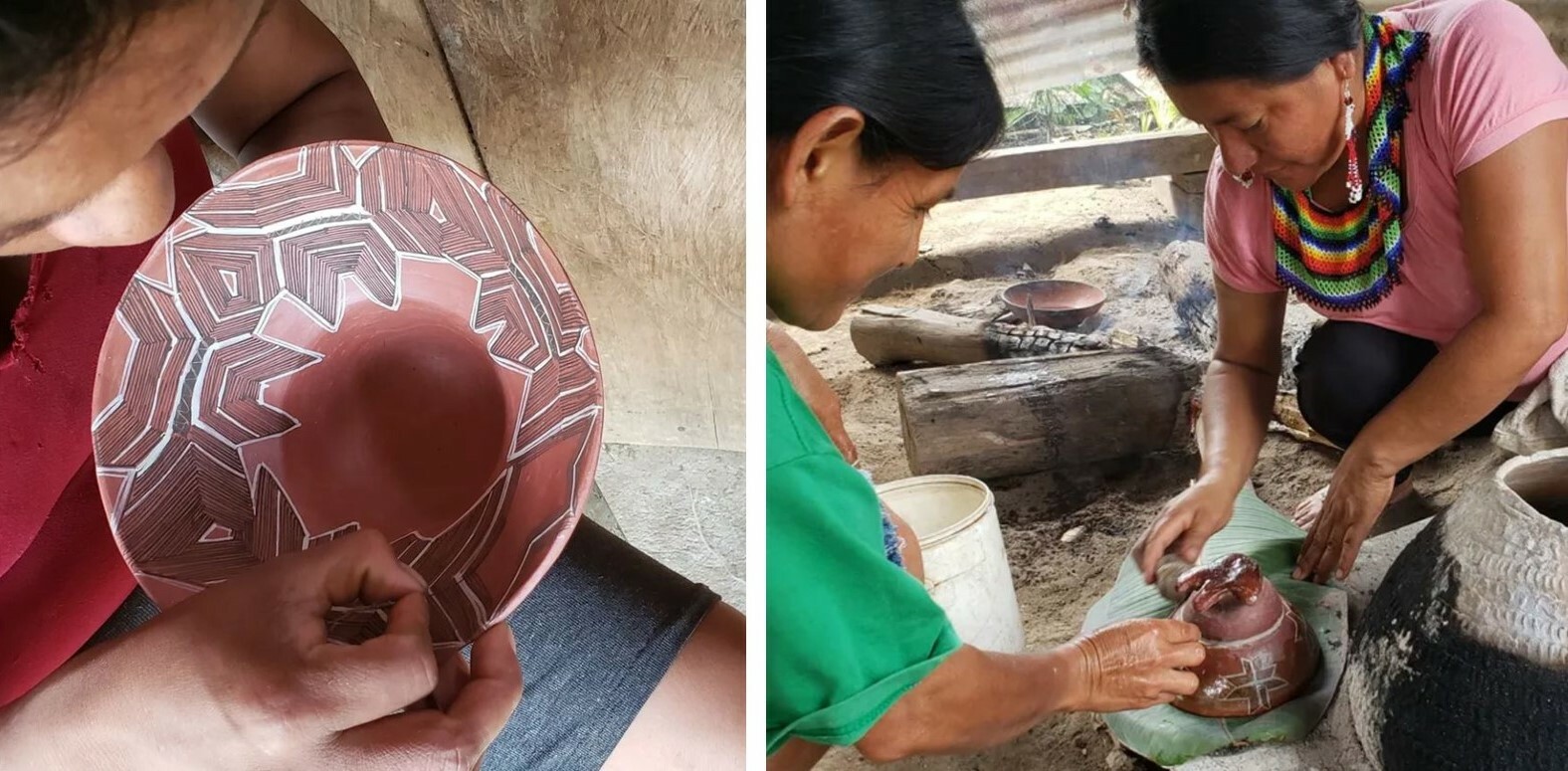
齊瓦族依傍著亞馬遜生活,他們的陶土取自於河岸泥漿,以紅色、白色與黑色為元素,繪出充滿線條的符號,傳統用陶藝師的頭髮所做成的毛筆來作畫。光亮的表面並非釉料,而是採集樹木的樹脂,在陶燒還很熱的時候擦拭在陶器上,留下似漆的表面。  

來源 / puyocabana

齊瓦族的主食為木薯,一種含澱粉的根莖植物,是熱帶地區重要的糧食作物之一,他們會將木薯發酵,製成一種成為奇恰(Chicha)酒飲,傳統的陶器、陶碗便是用來喝奇恰酒用的。


延伸閱讀:印加文明的微醺滋味:聖女製作的奇恰玉米口嚼酒

南美行系列文章

展品一覽