{{ 'fb_in_app_browser_popup.desc' | translate }} {{ 'fb_in_app_browser_popup.copy_link' | translate }}

{{ 'in_app_browser_popup.desc' | translate }}

Your Shopping Cart is empty.
{{ (item.variation.media ? item.variation.media.alt_translations : item.product.cover_media.alt_translations) | translateModel }} {{ (item.variation.media
                    ? item.variation.media.alt_translations
                    : item.product.cover_media.alt_translations) | translateModel
                }}
{{ 'product.bundled_products.label' | translate }}
{{ 'product.bundle_group_products.label' | translate }}
{{ 'product.buyandget.label' | translate }}
{{ 'product.gift.label' | translate }}
{{ 'product.addon_products.label' | translate }}
{{item.product.title_translations|translateModel}}
{{ field.name_translations | translateModel }}
  • {{ childProduct.title_translations | translateModel }}

    {{ getChildVariationShorthand(childProduct.child_variation) }}

{{ 'product.set.open_variation' | translate }}
  • {{ getSelectedItemDetail(selectedChildProduct, item).childProductName }} x {{ selectedChildProduct.quantity || 1 }}

    {{ getSelectedItemDetail(selectedChildProduct, item).childVariationName }}

{{item.variation.name}}
{{item.quantity}}x NT$0 {{ item.unit_point }} Point
{{addonItem.product.cover_media.alt_translations | translateModel}}
{{ 'product.addon_products.label' | translate }}
{{addonItem.product.title_translations|translateModel}}
{{addonItem.quantity}}x {{ mainConfig.merchantData.base_currency.alternate_symbol + "0" }}
 

As the only landlocked country in Southeast Asia, Laos is a crossroads of diverse cultures, bordered by Vietnam to the east, Cambodia to the south, Thailand and Myanmar to the west, and China to the north. This geographical position has created a multicultural society with 49 officially recognized ethnic groups among its approximately 7.7 million people. Some anthropologists even suggest there may be over 100 ethnic groups. While the Lao ethnic group (Tai Lao) makes up 55% of the population, other groups are spread across varied terrains, from 2,000-meter-high mountains to the 70-meter-altitude banks of the Mekong River.

Ethnic Groups in Laos


Based on geographical distribution, Laotian ethnic groups can be broadly divided into three main groups: Lao Loum (who live in the lowlands), Lao Theung (who inhabit the hills), and Lao Soung (who reside in the highlands). This classification emerged in the mid-20th century, during Laos's transition from civil war to the establishment of a socialist republic, emphasizing the country's unity and solidarity.


However, anthropologists classify these groups based on language, history, traditions, and beliefs into three major language families: Mon-Khmer, Tai-Kadai, and Sino-Tibetan. Among these, the Khmu people of the Mon-Khmer language family are the original inhabitants of Laos. The Tai-Kadai language groups arrived approximately 1,200 years ago, while the Hmong and other groups migrated to the region 200-300 years ago.

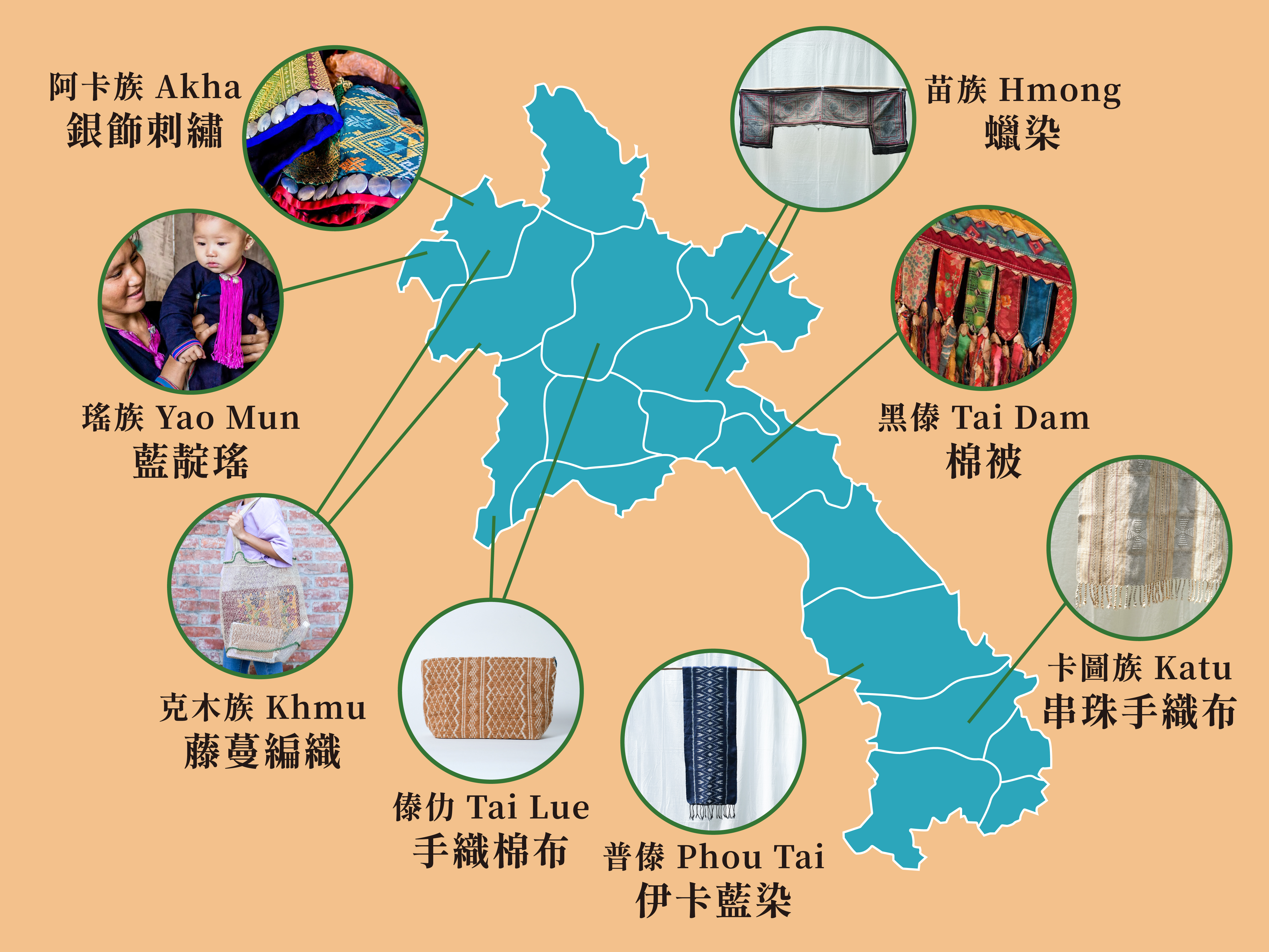
Image/ Map of Ethnic Crafts in Laos

Source/ SouSou Corner

Khmu


The Khmu people, currently residing in Oudomxay Province of northern Laos, have inhabited this region for at least 4,000 years. Their population also extends to Thailand, Myanmar, and Xishuangbanna in Yunnan. Anthropologists believe their original distribution was wider, but they were forced to relocate to mountainous areas following the Tai people's invasion of the lowlands.


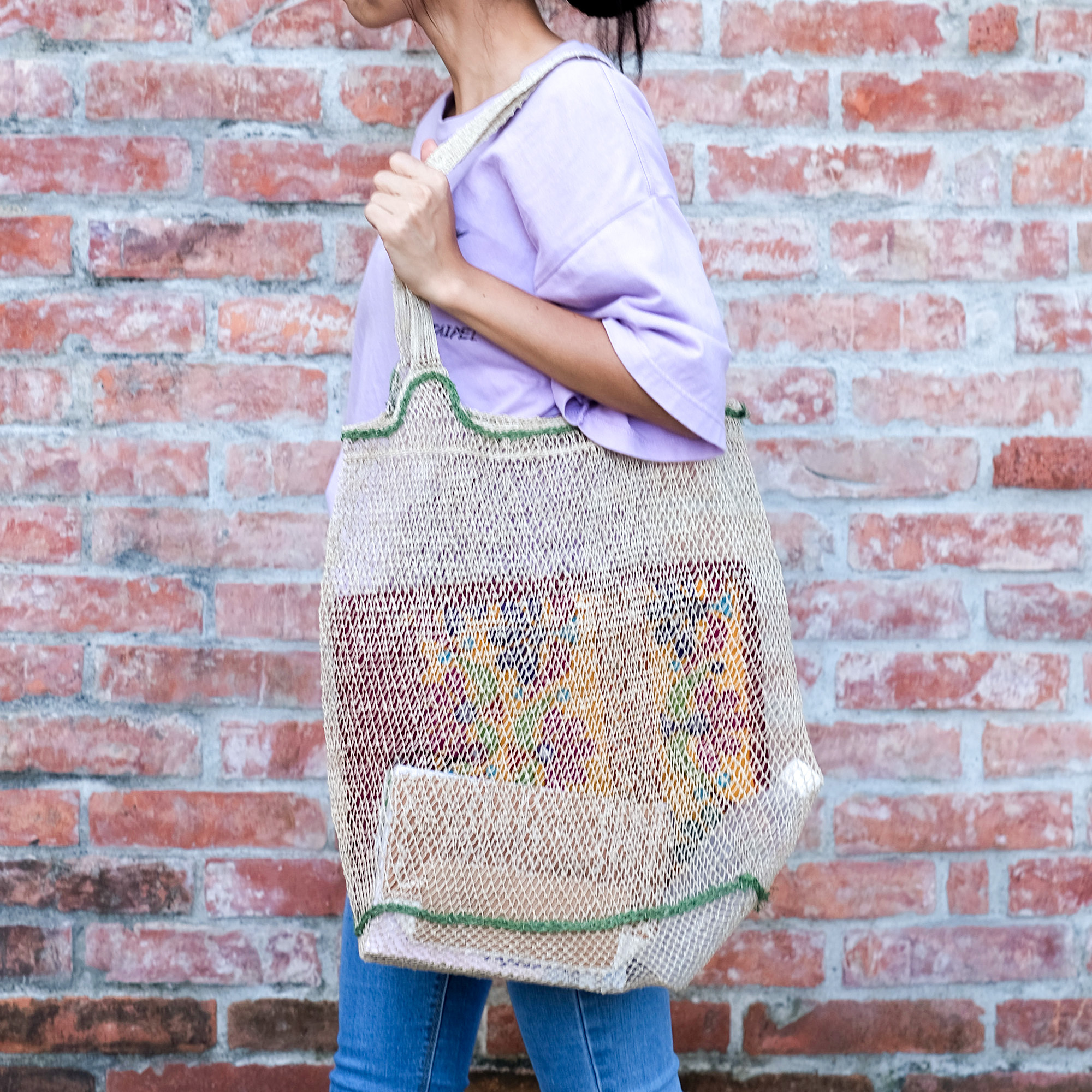
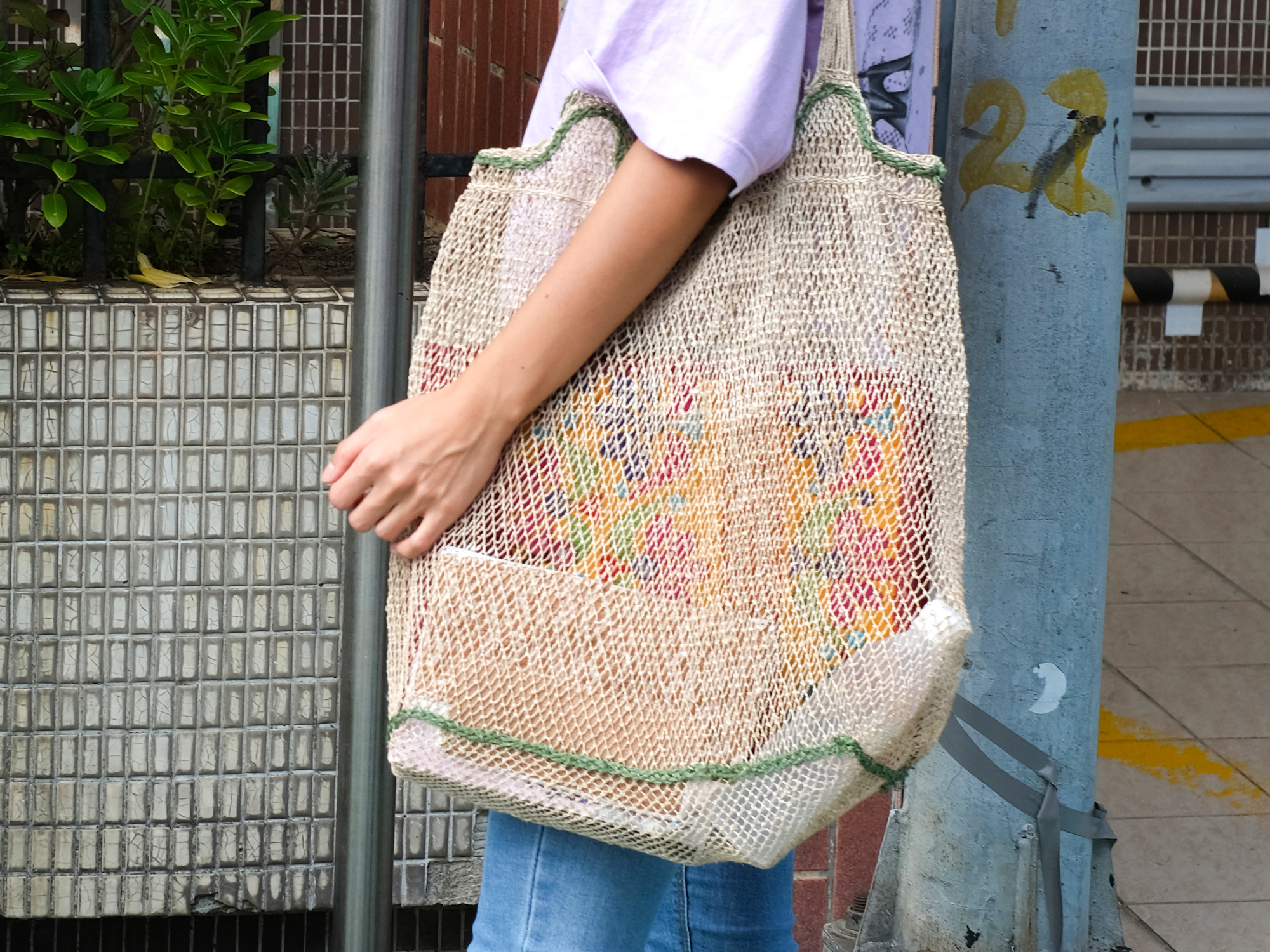
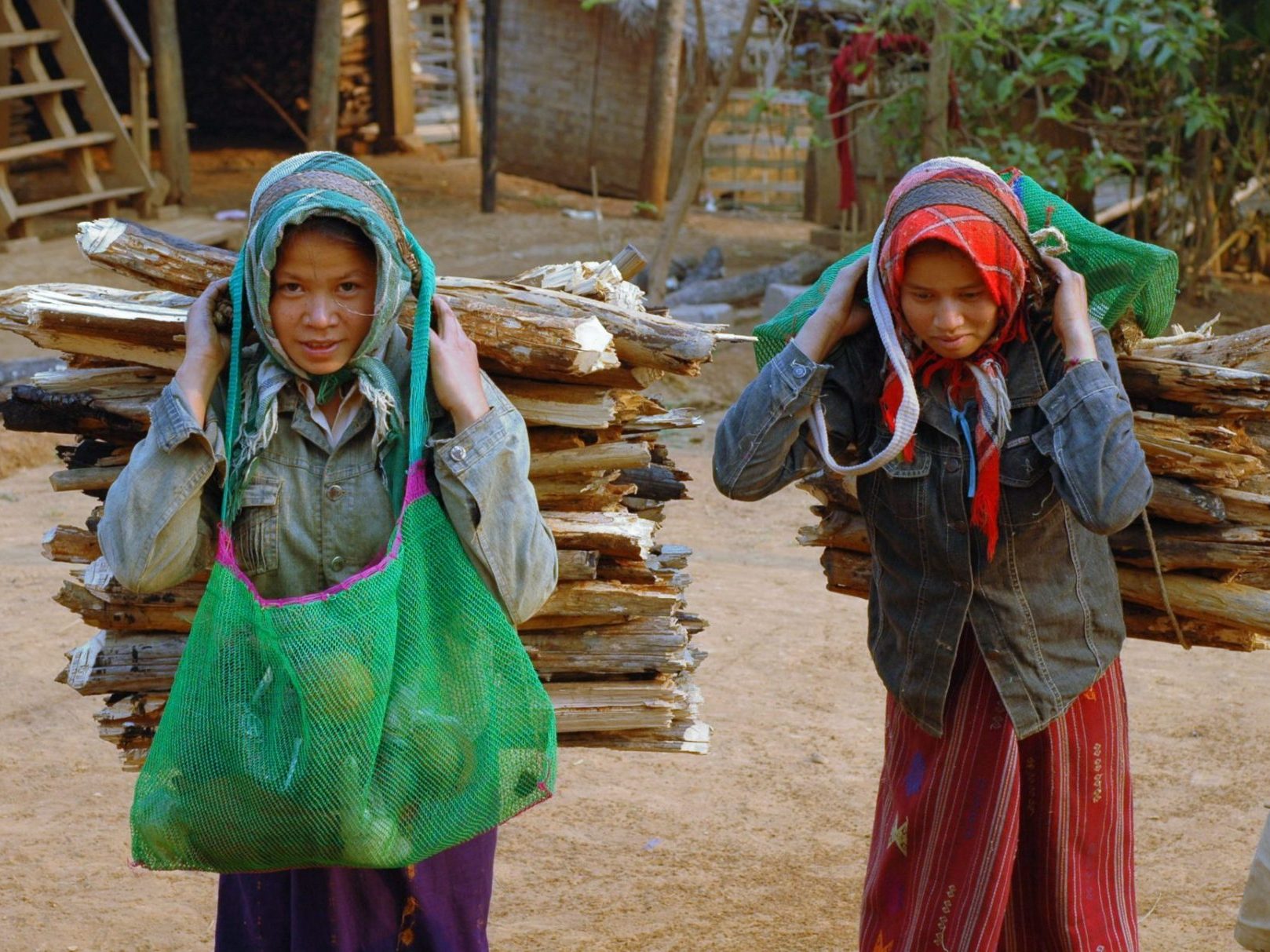
The Khmu practice slash-and-burn agriculture and possess extensive botanical knowledge. The men excel at bamboo basket weaving. During field fallow periods, they collect a climbing vine called "Piat" (Pueraria Phaseoloides). After drying, peeling, and twisting the vine into rope, they hand-craft it into bags or basket straps used for carrying timber, crops, or medicinal herbs. They've also innovated by creating zippered bags and handbags from Piat.

Image/ Khmu people using woven vine bags to transport timber, vegetables, and herbs

Source/ TAEC

Tai Lue


The Tai Lue, a branch of the Tai-Kadai language family, originated from southern Yunnan Province, China. They adopted Theravada Buddhism in the 14th century, and most Tai Lue spend some time as monks during their lifetime. They excel in traditional arts including architecture, silverwork, and weaving, with their villages featuring wooden houses and temples.


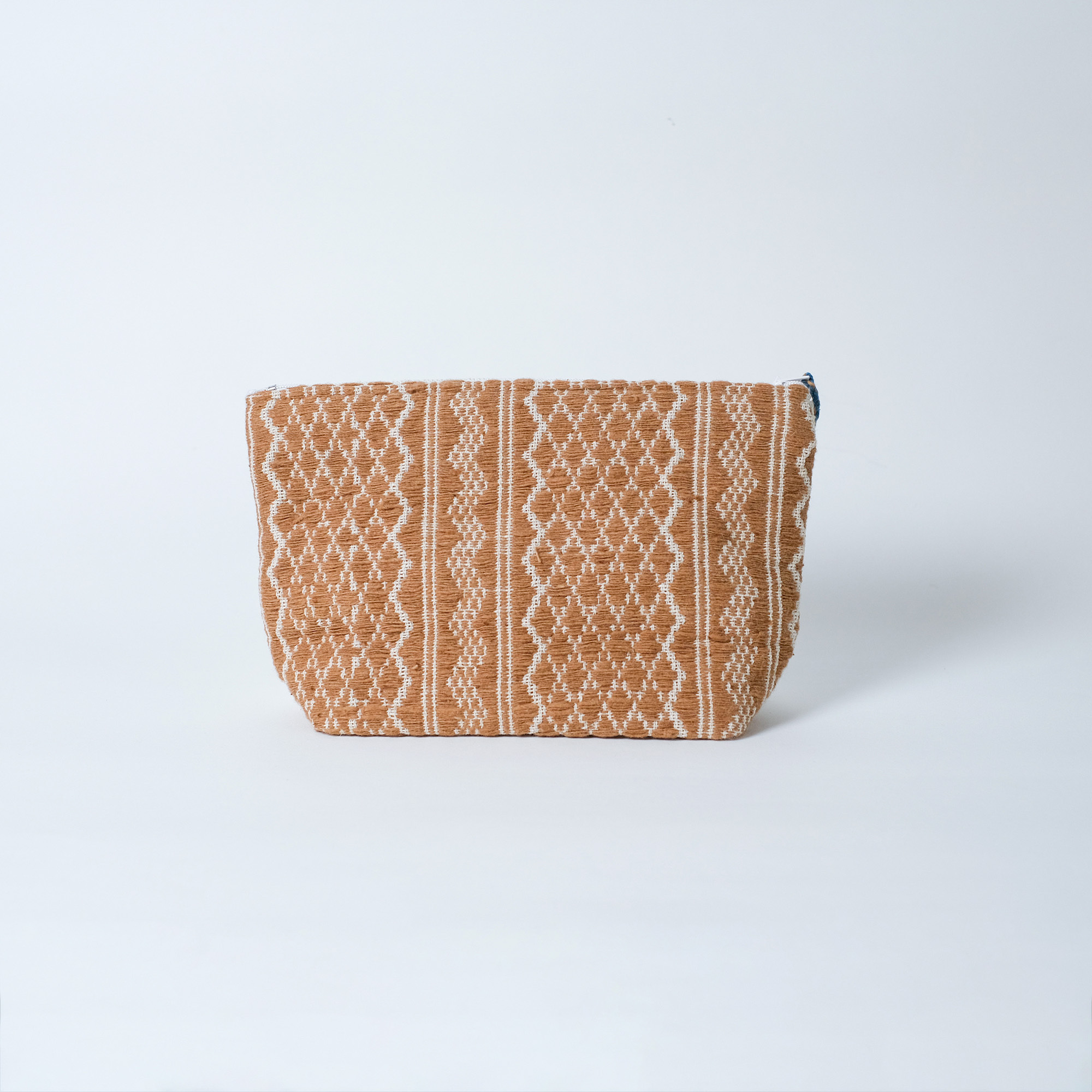
Their cotton weaving craftsmanship is exceptional, with every household owning a loom and growing cotton. Before weaving, they arrange thin bamboo strips on the loom to plan the patterns. This makeup pouch is crafted by Tai Lue weavers, combining traditional fabrics and patterns into practical new designs.

Phou Tai


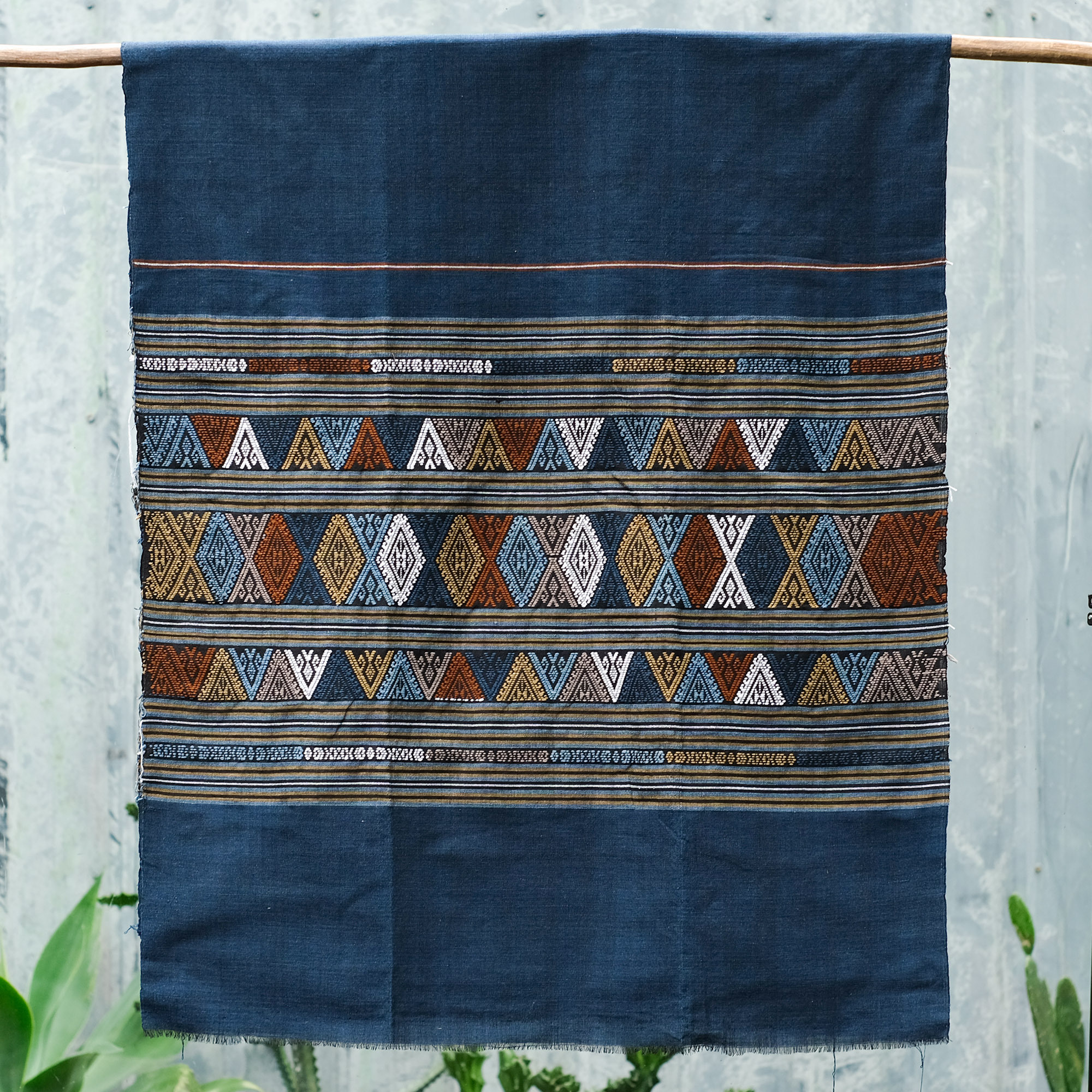
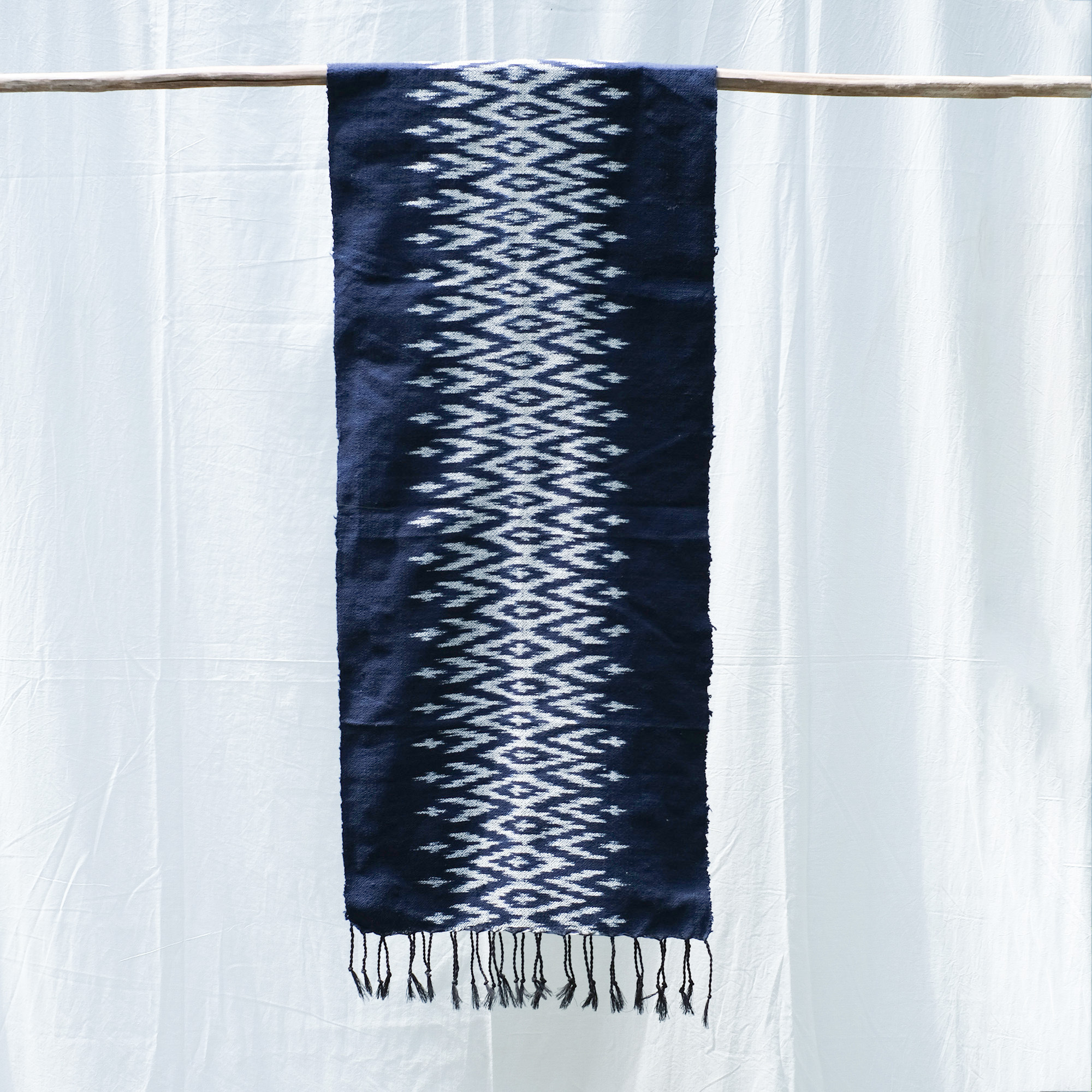
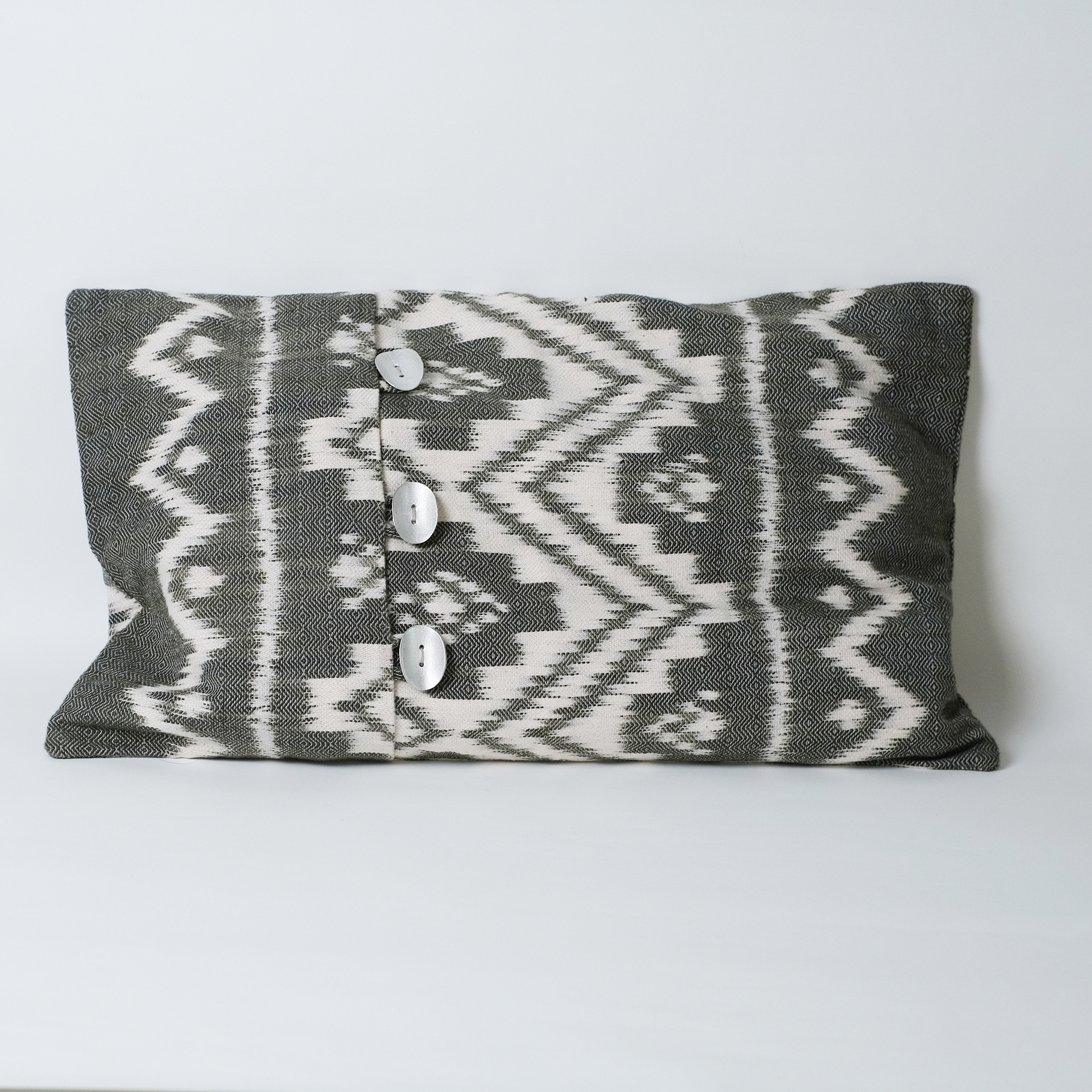
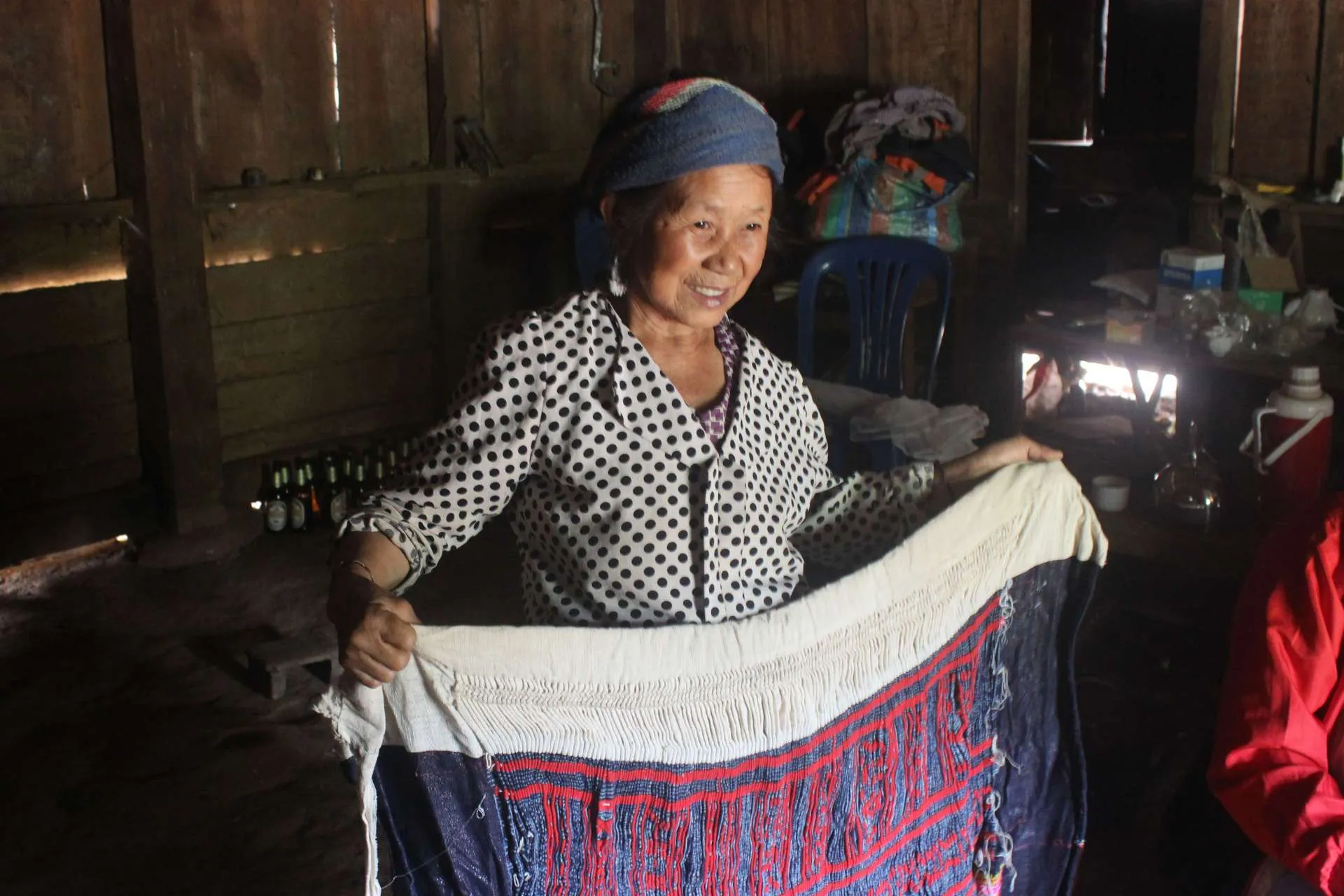
Located in Savannakhet Province in southern Laos, the Phou Tai are skilled in hand-twisting cotton threads combined with natural indigo dyeing and ikat weaving, creating river-like patterns for traditional tube skirts and scarves. Interestingly, before plastic rope became available, they used banana fiber to tie patterns for weaving.

Tai Dam/Black Tai


The Tai Dam, also known as "Black Tai," get their name both from the pronunciation in their language and their darker clothing compared to the "White Tai" who wear lighter colors. Originating from northwestern Vietnam, they fled to Laos in the 1950s during the Franco-Vietnamese War.


Traditionally, all Tai Dam bedding is handmade by women, including mattresses, pillows, and quilts made from naturally dyed fabrics with appliqué and embroidery decorations. Though modern bedding has become mechanized, Tai Dam women still handcraft and gift two sets of bedding as wedding dowry for their children. These quilts also hold significant meaning in funeral and ancestral worship ceremonies.

Image / The handmade quilt is a significant part of the dowry for the Tai Dam people

Katu


The Katu people live in the Annamite Mountains from southern Laos to central Vietnam. They believe in nature spirits and worship a powerful goddess creator called Anoi Amek.


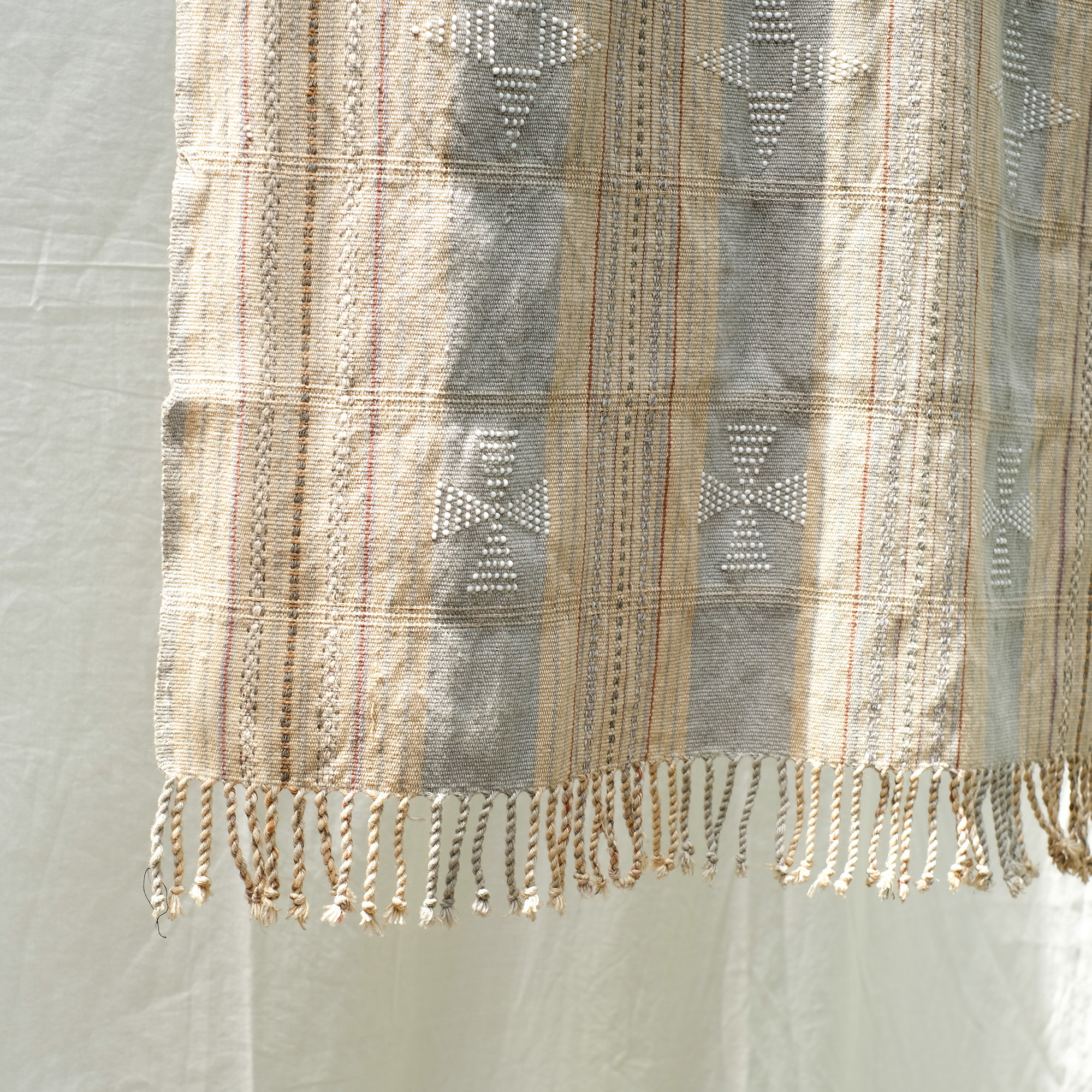
Katu women begin learning weaving at age 7. They create beaded handwoven textiles using ancient foot-braced backstrap looms, where women sit on the ground using their legs and body to stretch the warp threads. Their unique weaving technique involves creating intricate patterns with weft-thread beading, requiring great patience and skill.


Traditional textiles are primarily red, black, and white, with lead or aluminum beads. Today, pre-dyed yarns are used for more color variety, with beads as accents.

Hmong


Originating from Mongolia and Tibet, migrating through China to Laos in the early 19th century. They can be categorized into subgroups based on their traditional clothing: White Hmong (Hmong Dao), Blue Hmong (Hmong Du), and Striped Hmong (Hmong Djua). Among them, the Blue Hmong living in northern Laos are known for cultivating hemp. The seeds of the hemp plant can be processed into oil, while its bark is used to make fabric.


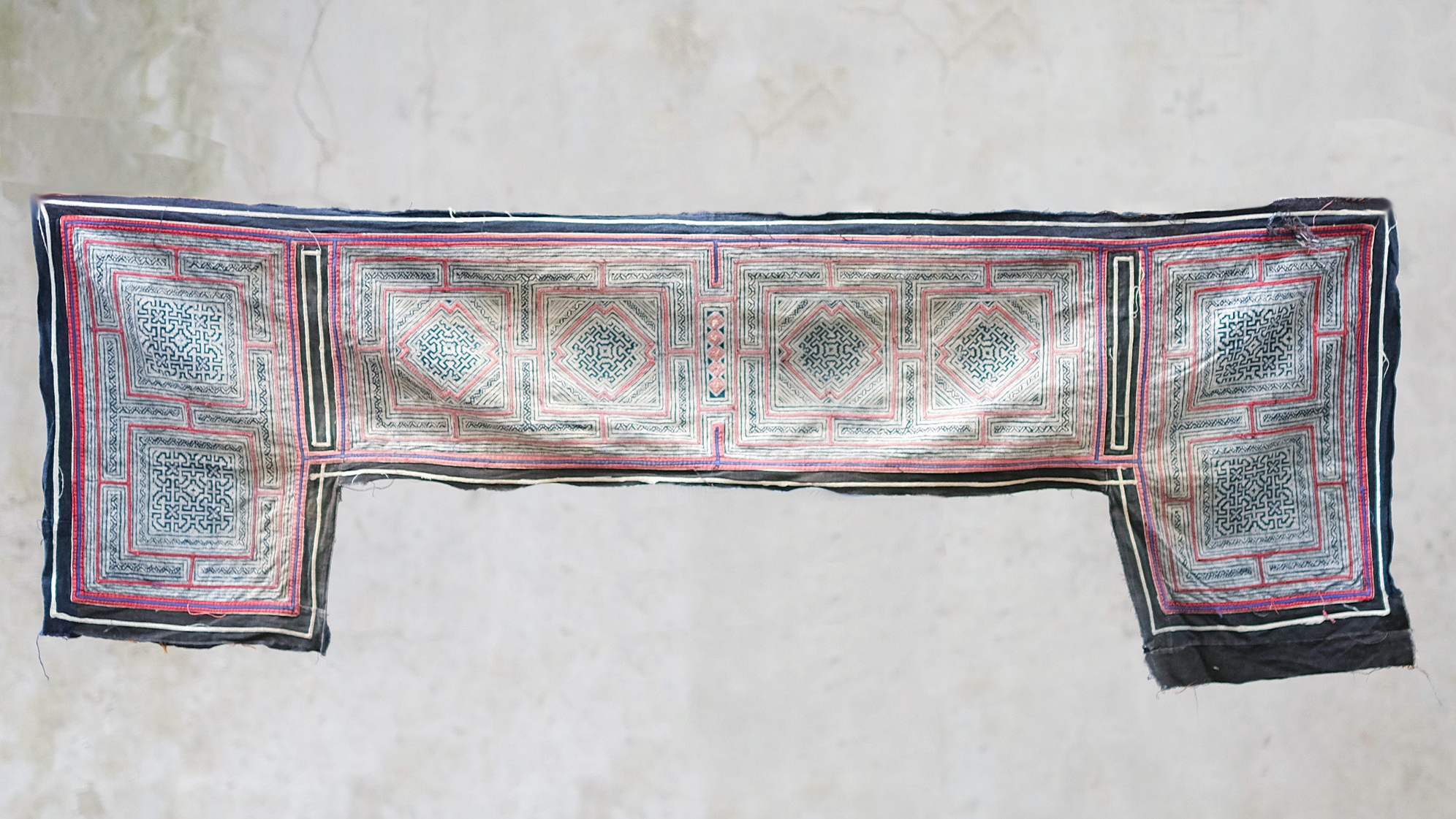
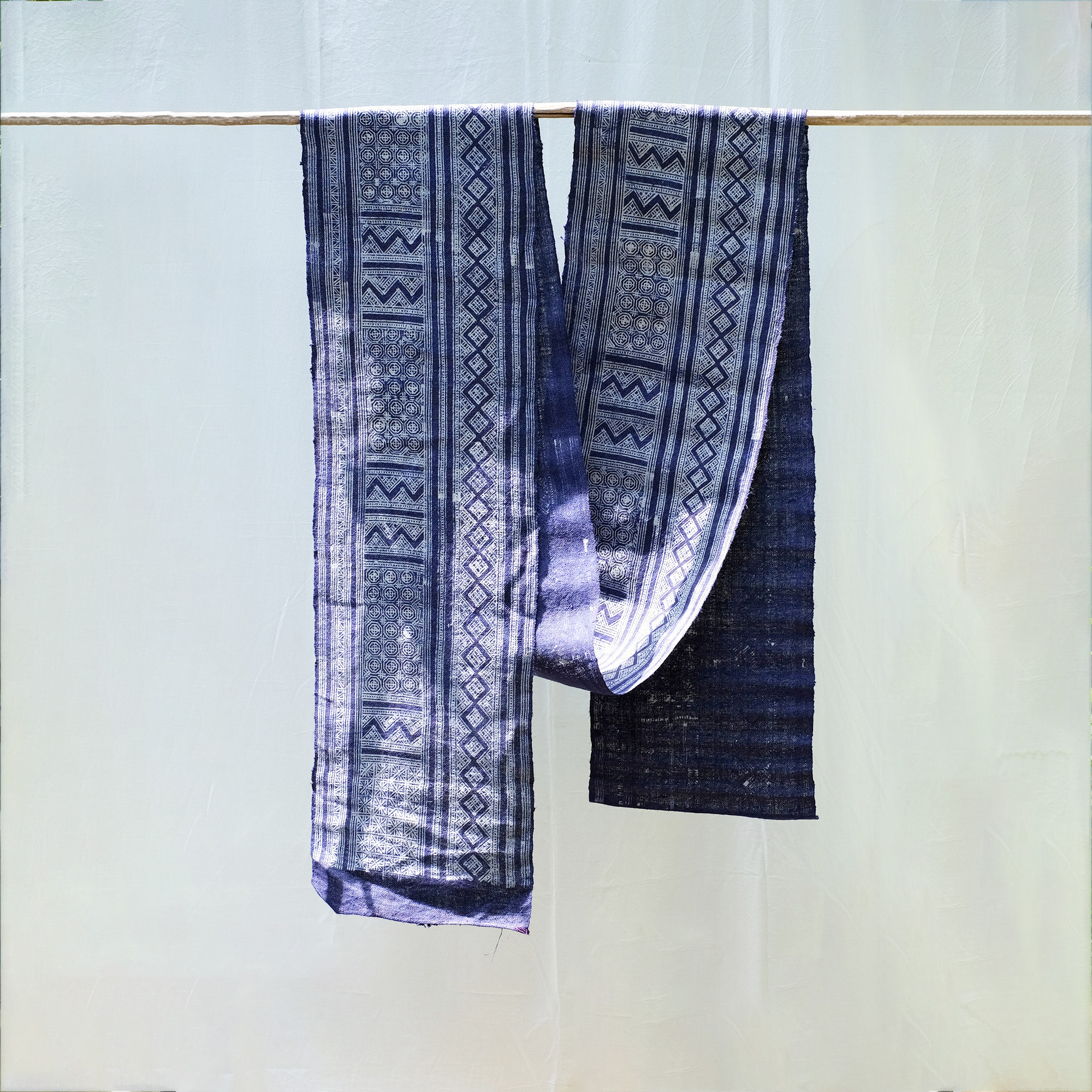
Blue Hmong fabric is created using traditional batik techniques, which involve hemp and natural indigo dye. They collect beeswax from the forest, melt it over a fire, and mix it with indigo (the dyed beeswax appears clearer on the fabric). Using bamboo pens with metal tips, they hand-draw patterns onto the hemp cloth. The fabric is then dyed in indigo over 20 times, a process that takes about two weeks. Finally, the beeswax is boiled off, leaving behind the unique blue contrasts.


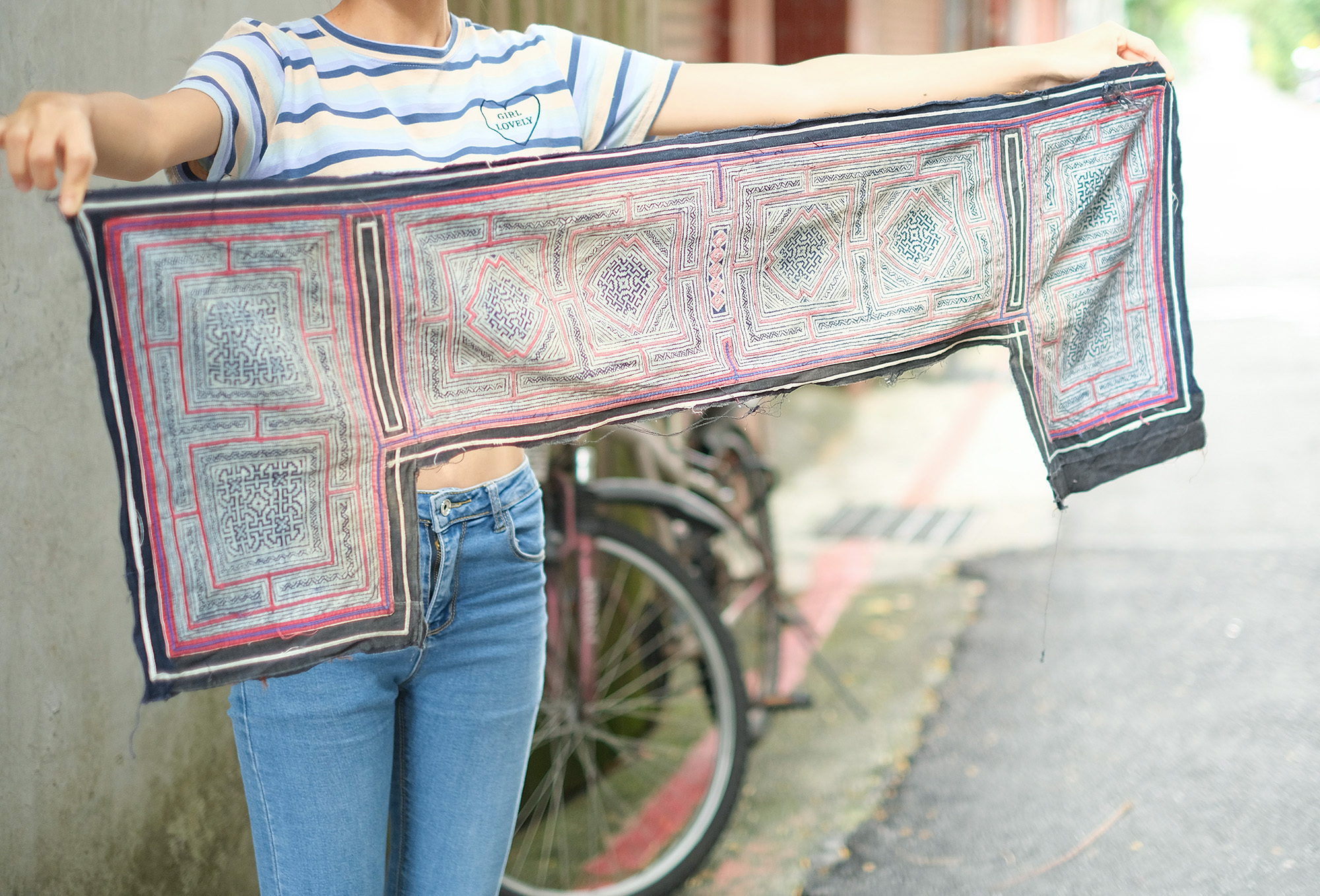
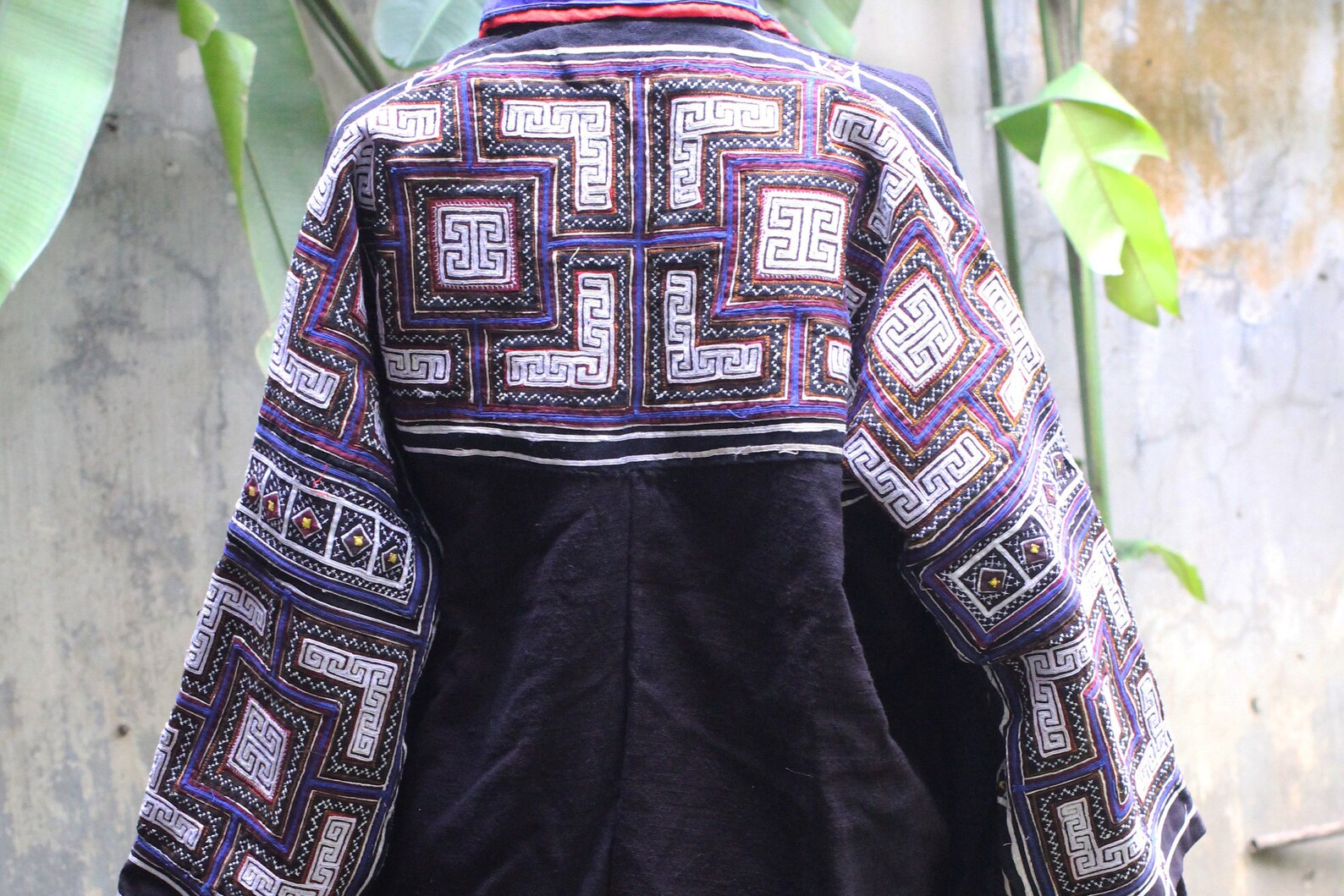
Hmong women often enhance the batik fabric with embroidery and appliqué. It can take five to six months to complete a single batik skirt. These fabrics are not only visually stunning but also deeply rooted in Hmong culture and history. They are commonly used for clothing and home decor, reflecting the rich heritage of the Hmong people.

Image/ Way of wearing Hmong Batik

Source/ Etsy

Yao Mun/Lanten


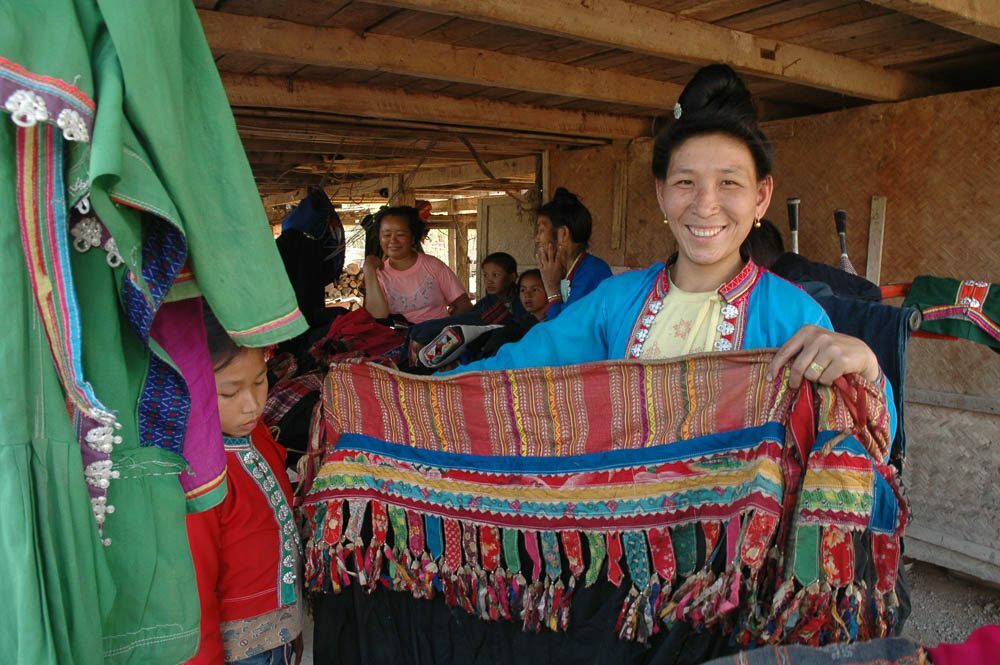
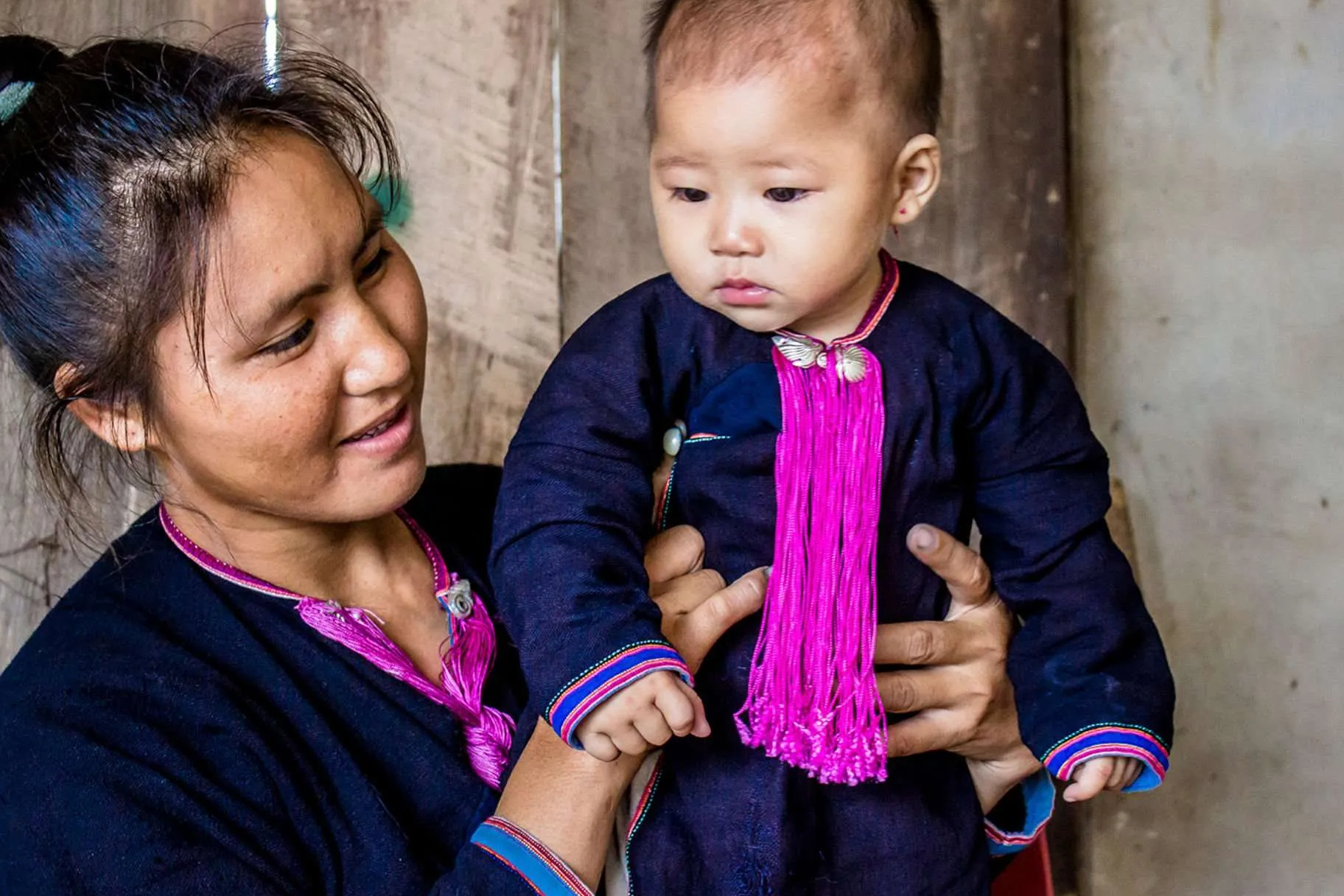
The Yao Mun, a subgroup of the Yao people, migrated from China to Southeast Asia, including Vietnam and Myanmar, about 200 years ago. Today, approximately 10,000 Yao Mun live in Laos. Their alternative name, Lanten, means "the people who dye fabric," highlighting their tradition of indigo dyeing. Each household cultivates cotton and indigo plants, spinning, dyeing, and weaving by hand to create clothing. Men wear indigo jackets and pants, while women dress in dark blue outer garments adorned with pink tassels hanging from the collar. The distinctive attire earned them the name "Indigo Yao" in China.

Image/ Indigo-dyed clothing is the hallmark of the Yao Mun people's attire.

Source/ Ock Pop Tok

Akha


The Akha people, originally from China and ethnically related to the Hani people of Yunnan, migrated to Laos in the early 19th century. Some Akha refer to themselves as Yani. They live in the remote mountainous regions of northern Laos and are known for their traditional crafts, including indigo dyeing, embroidery, and appliqué.


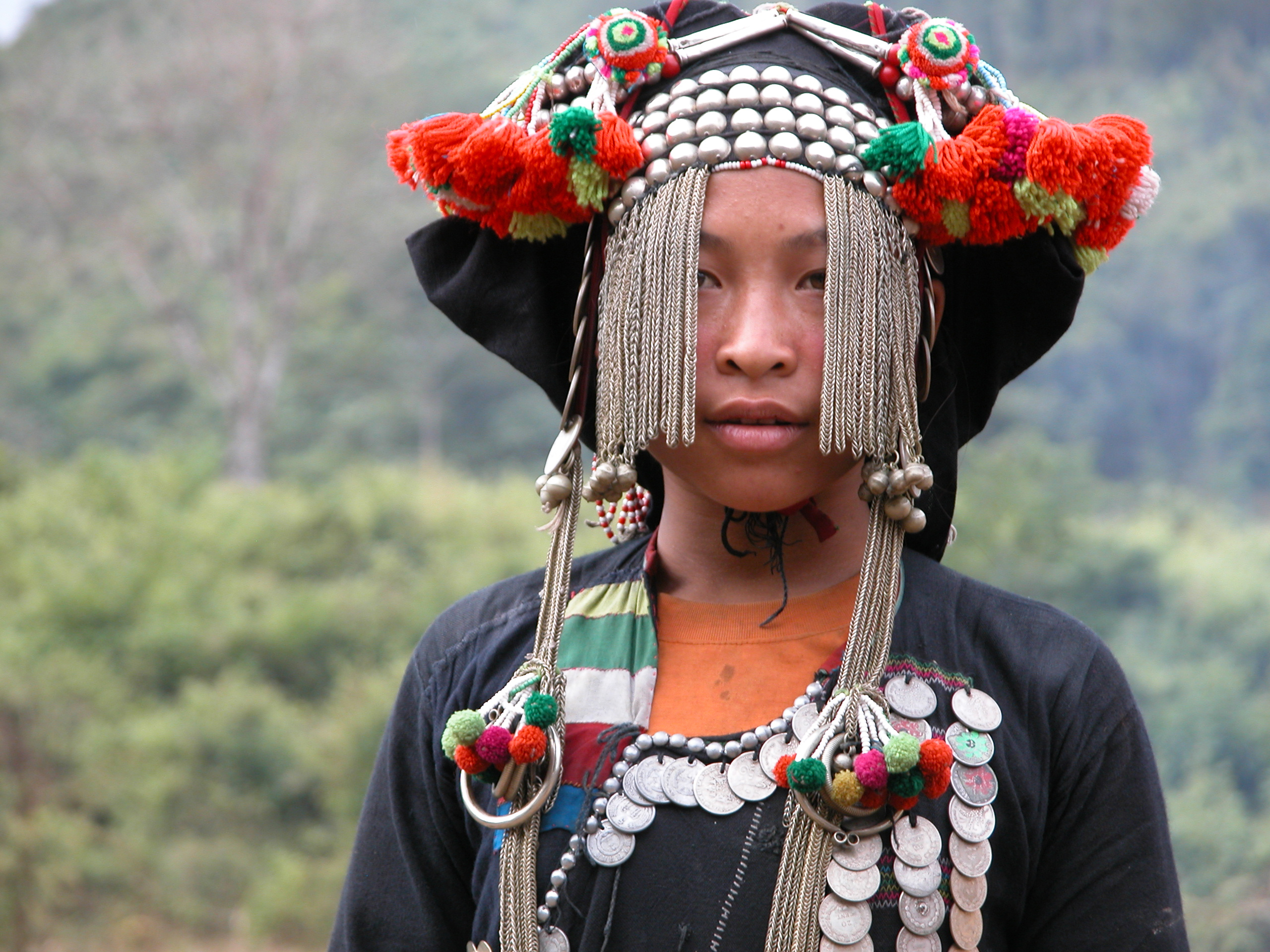
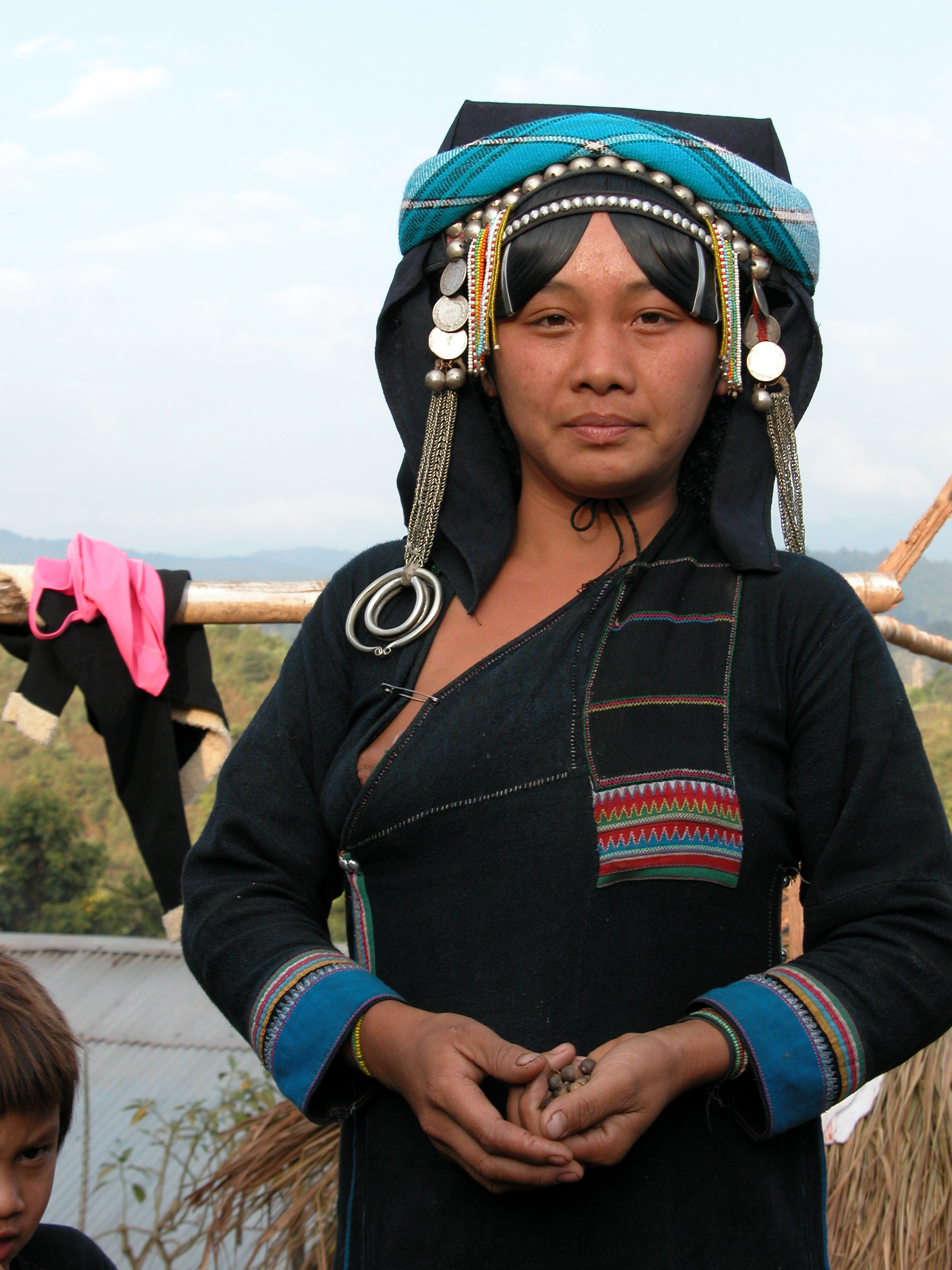
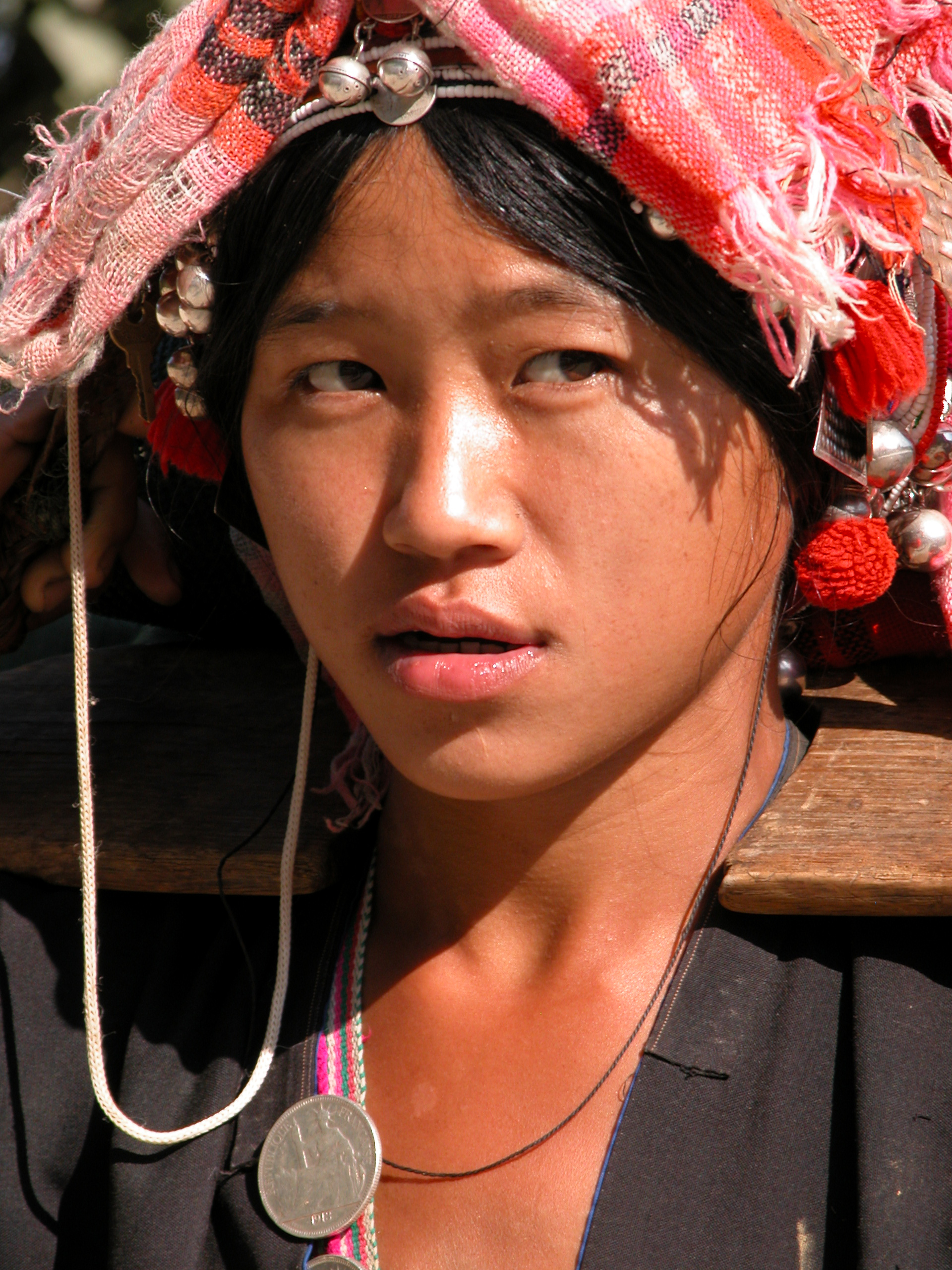
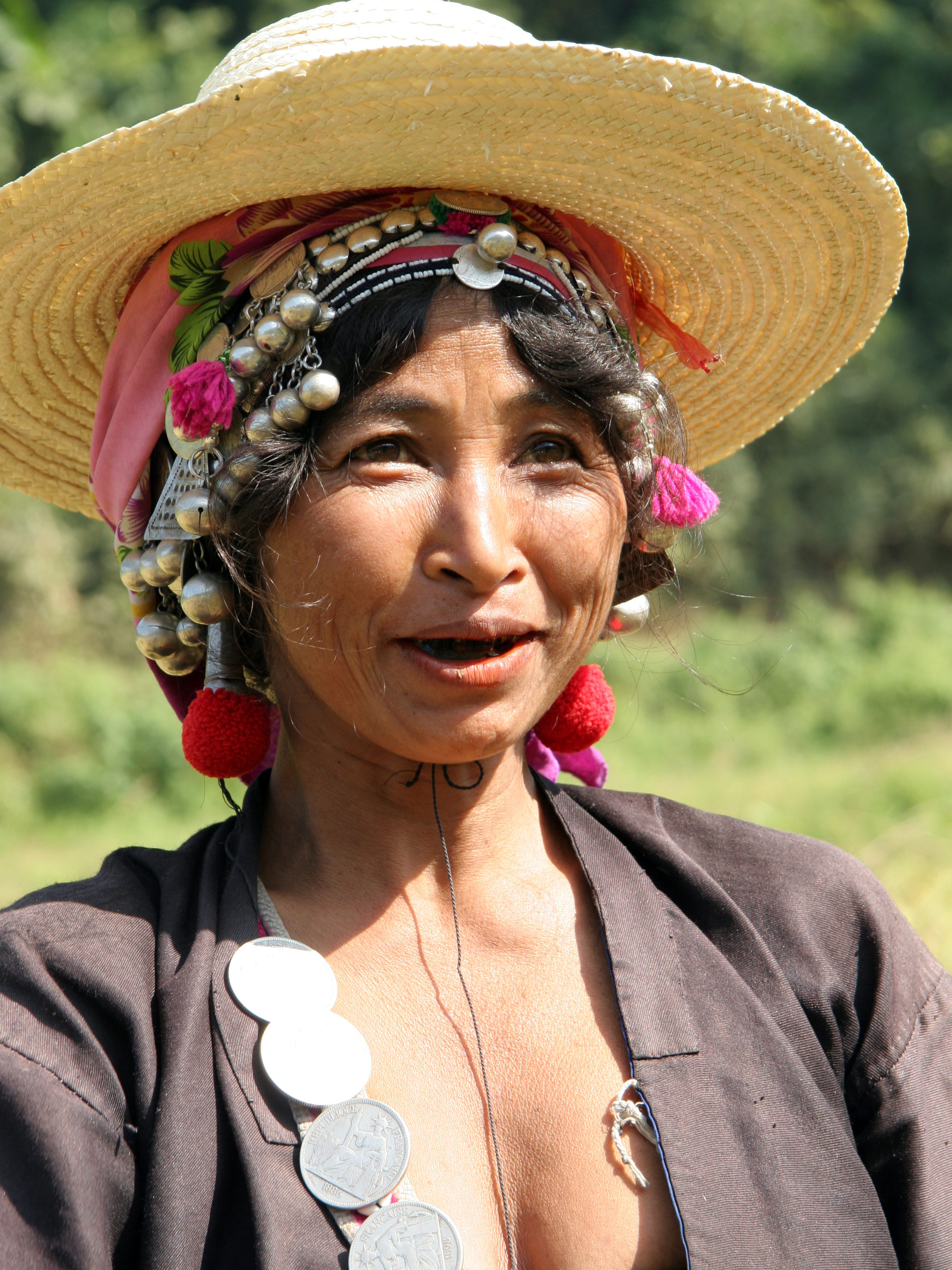
In Akha tradition, women’s headwear changes with age. Around age 12, they transition from wearing children’s hats to girls’ hats. A few years later, they add a beaded belt called jejaw to the front of their skirts to prevent them from flying up in the wind. In mid-adolescence, they adopt adult women’s headdresses decorated with silver coins, monkey fur, and chicken feathers. Each subgroup’s headdresses vary and can reflect a woman’s marital and economic status. Akha women excel at crafting silver into shapes like flowers, small balls, or bells to In Akha tradition, women’s headwear changes with age. Around age 12, they transition from wearing children’s hats to girls’ hats. A few years later, they add a beaded belt called jejaw to the front of their skirts to prevent them from flying up in the wind. In mid-adolescence, they adopt adult women’s headdresses decorated with silver coins, monkey fur, and chicken feathers. Each subgroup’s headdresses vary and can reflect a woman’s marital and economic status. Akha women excel at crafting silver into shapes like flowers, small balls, or bells to decorate their skirts or headpieces.

Image/ Beaded silver ornaments, a distinctive traditional decoration for Akha women.

Source/ Wiki

Image/ Akha women in Laos, showcasing different headdresses.

Source/ Wiki

Other Crafts

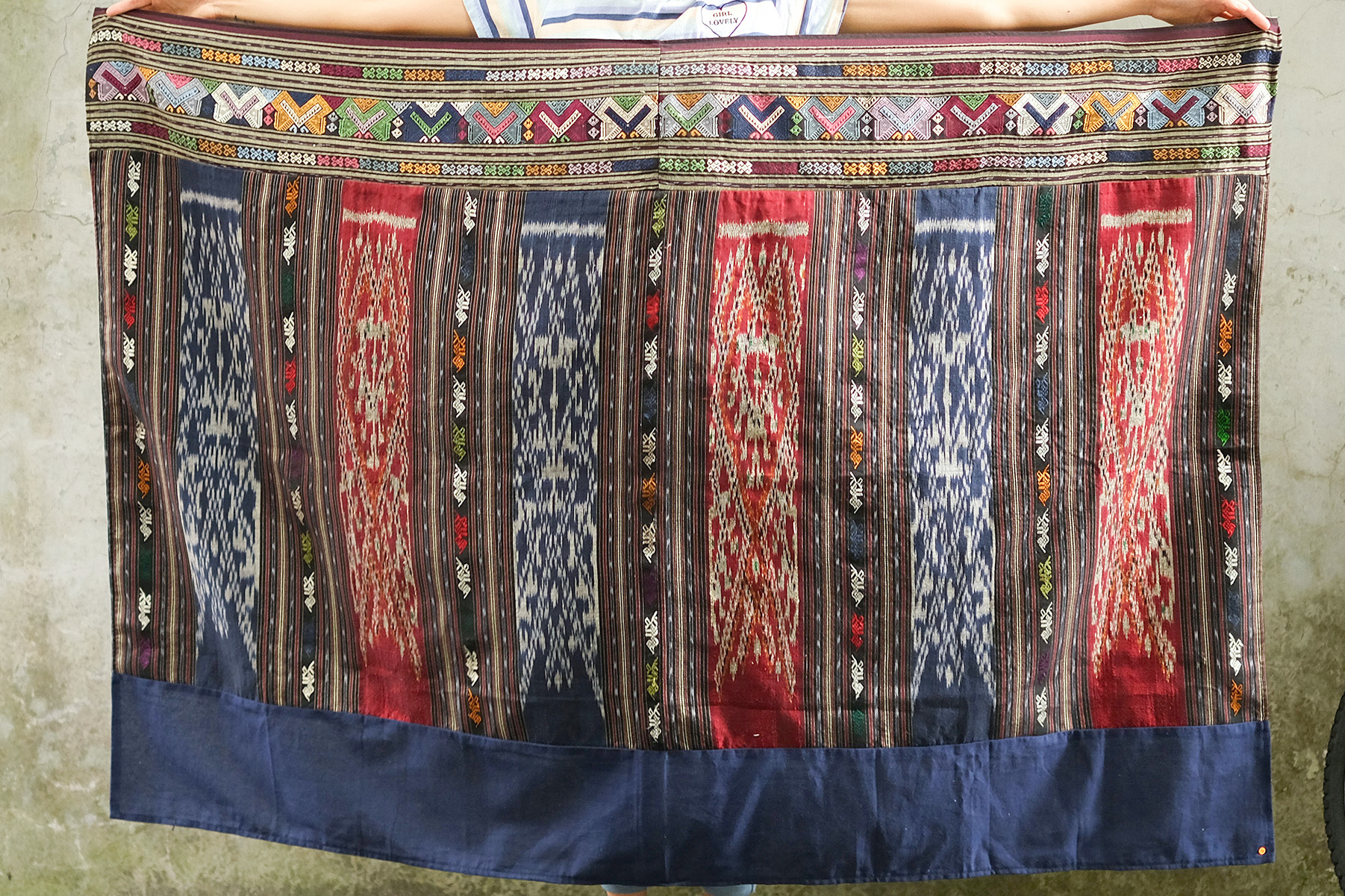
Luang Namtha Skirt Fabrics


The long skirt fabrics of Luang Namtha are a staple of daily wear for local women, drawing inspiration from nature, traditional symbols, and everyday life. These handmade textiles are vividly colored and often feature geometric patterns, incorporating ikat dyeing, embroidery, and hand weaving. Beyond their creativity, they embody ancestral wisdom, with each piece serving as a unique expression of local culture and history.

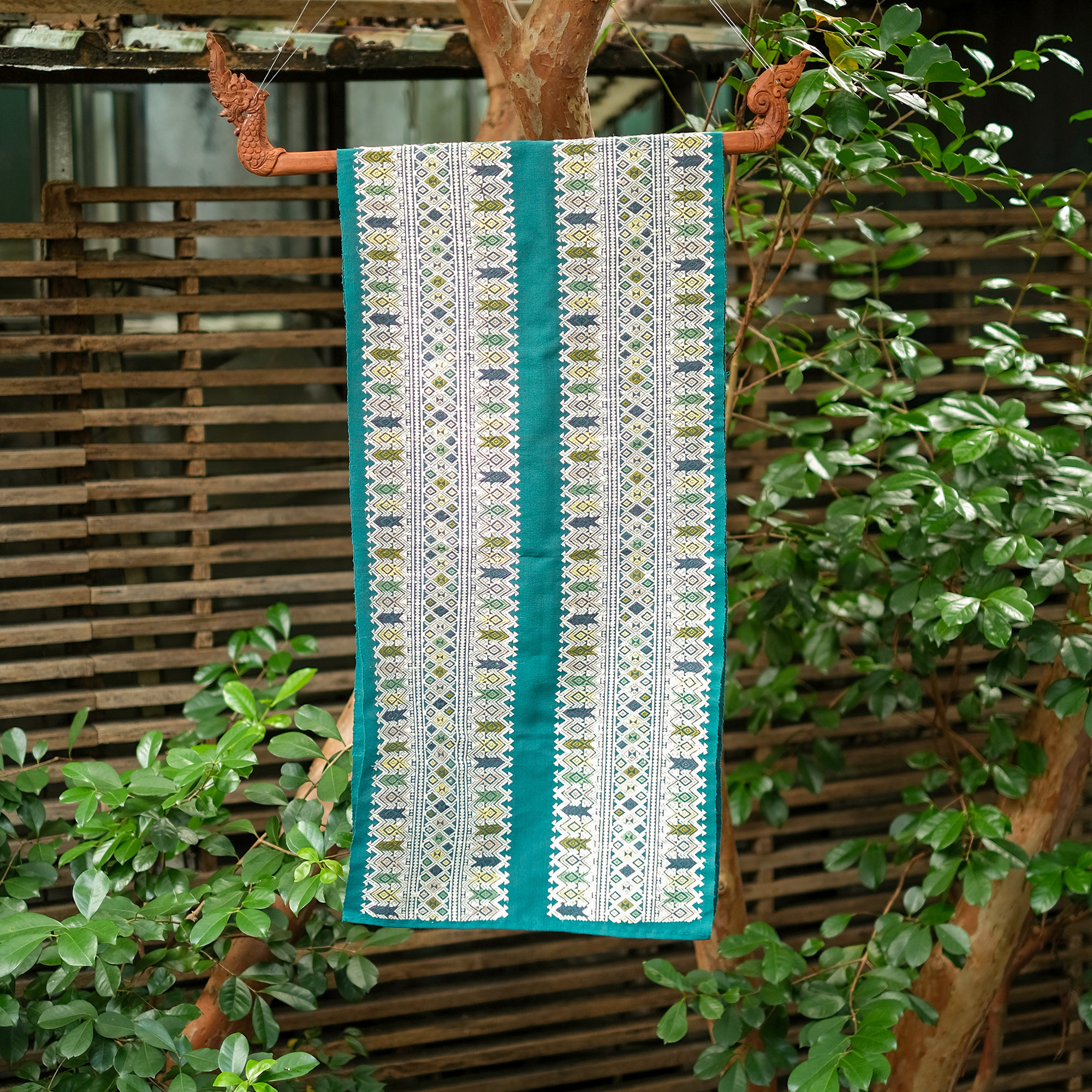
Huaphan Embroidery Fabrics


Huaphan embroidery, a traditional Lao craft, is commonly used to adorn women’s skirts. These works showcase vibrant colors and intricate patterns that reflect the region’s cultural and natural beauty.

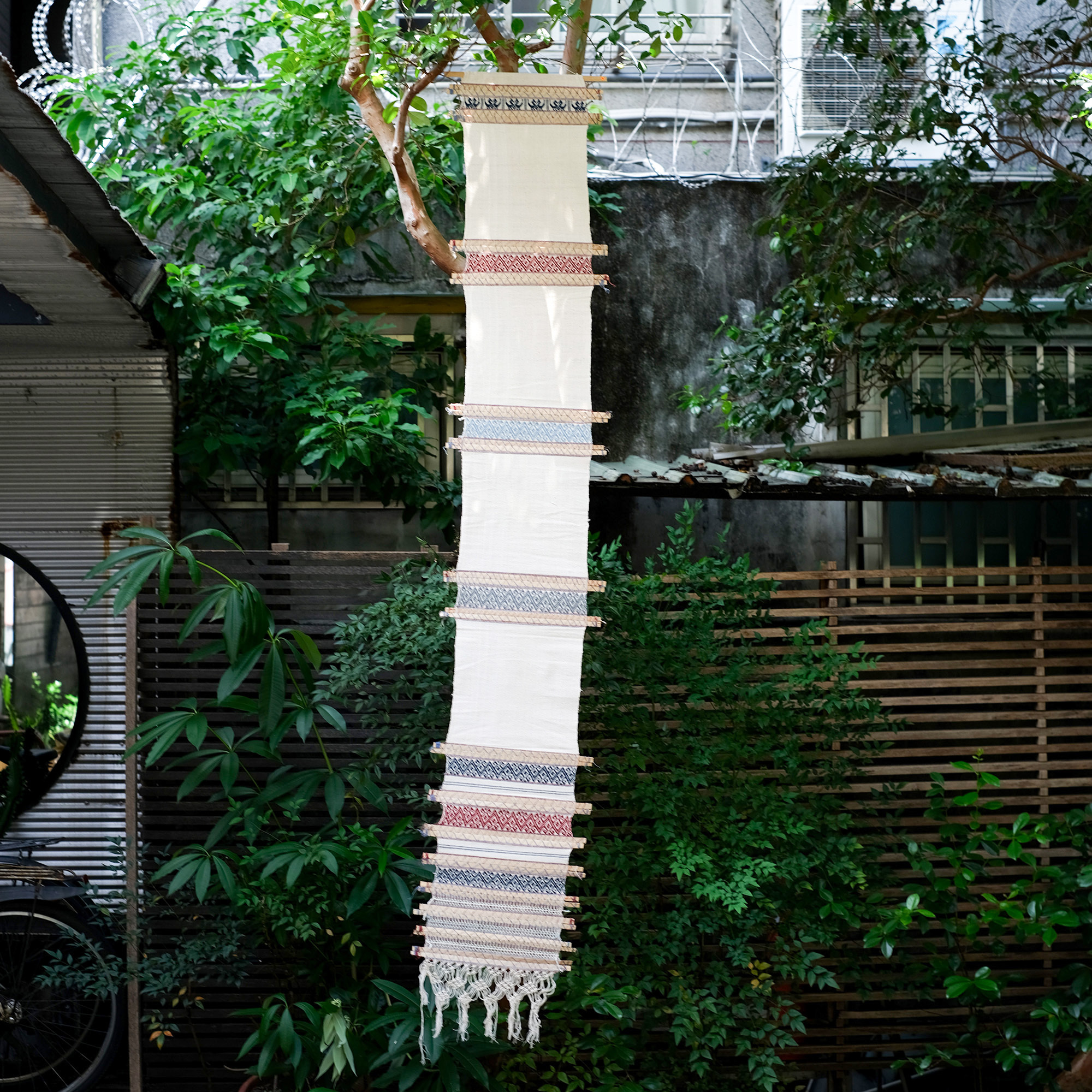
Temple Prayer Flags


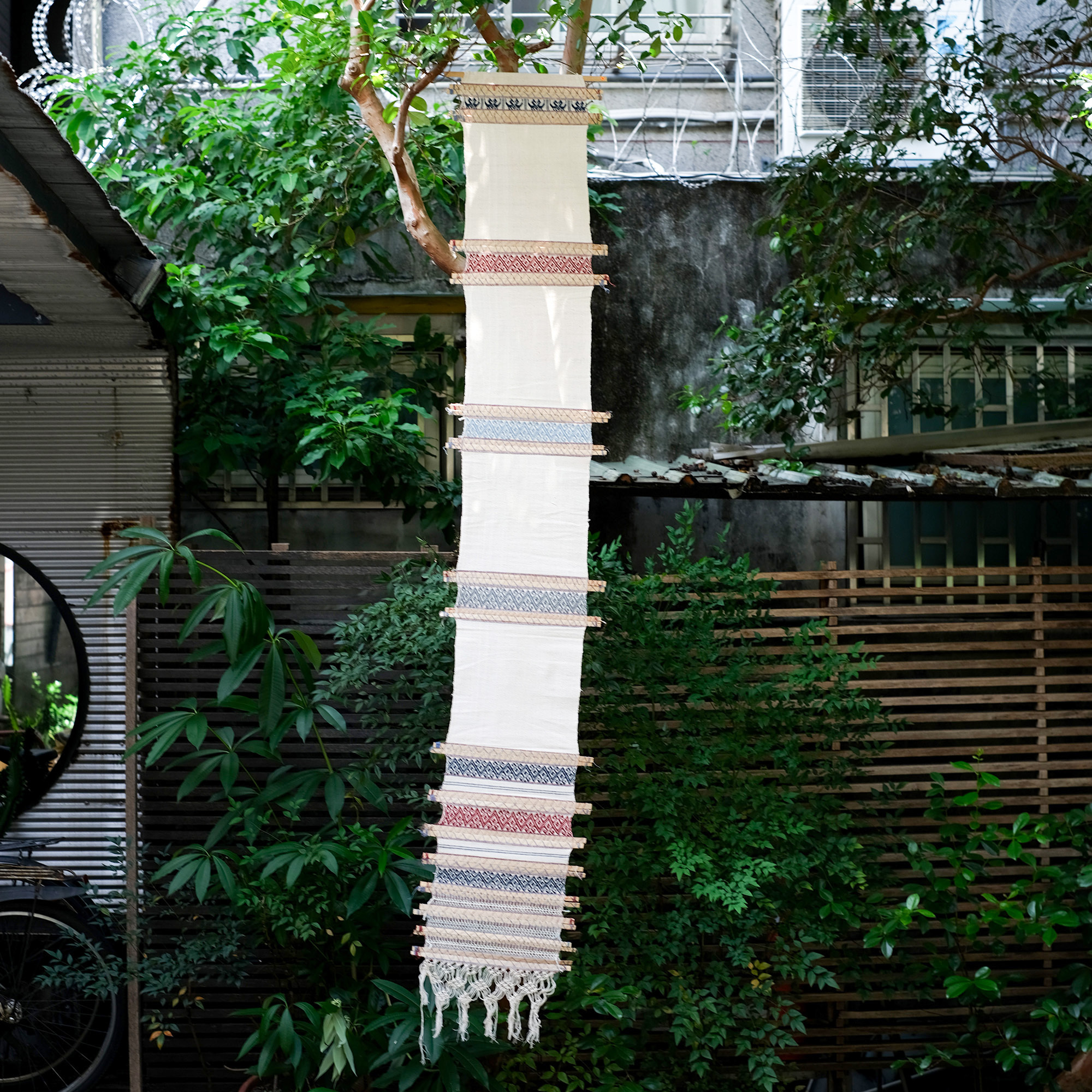
Prayer flags are a common sight in Lao temples and homes, serving as a form of supplication. Bamboo rods woven into the fabric symbolize a ladder to heaven, guiding souls or elevating prayers to a higher realm where they can be heard and fulfilled. Some flags depict mythological creatures like the "lion-elephant" or the "golden bird," embodying ancestral spirits.

Mulberry Fiber Placemats


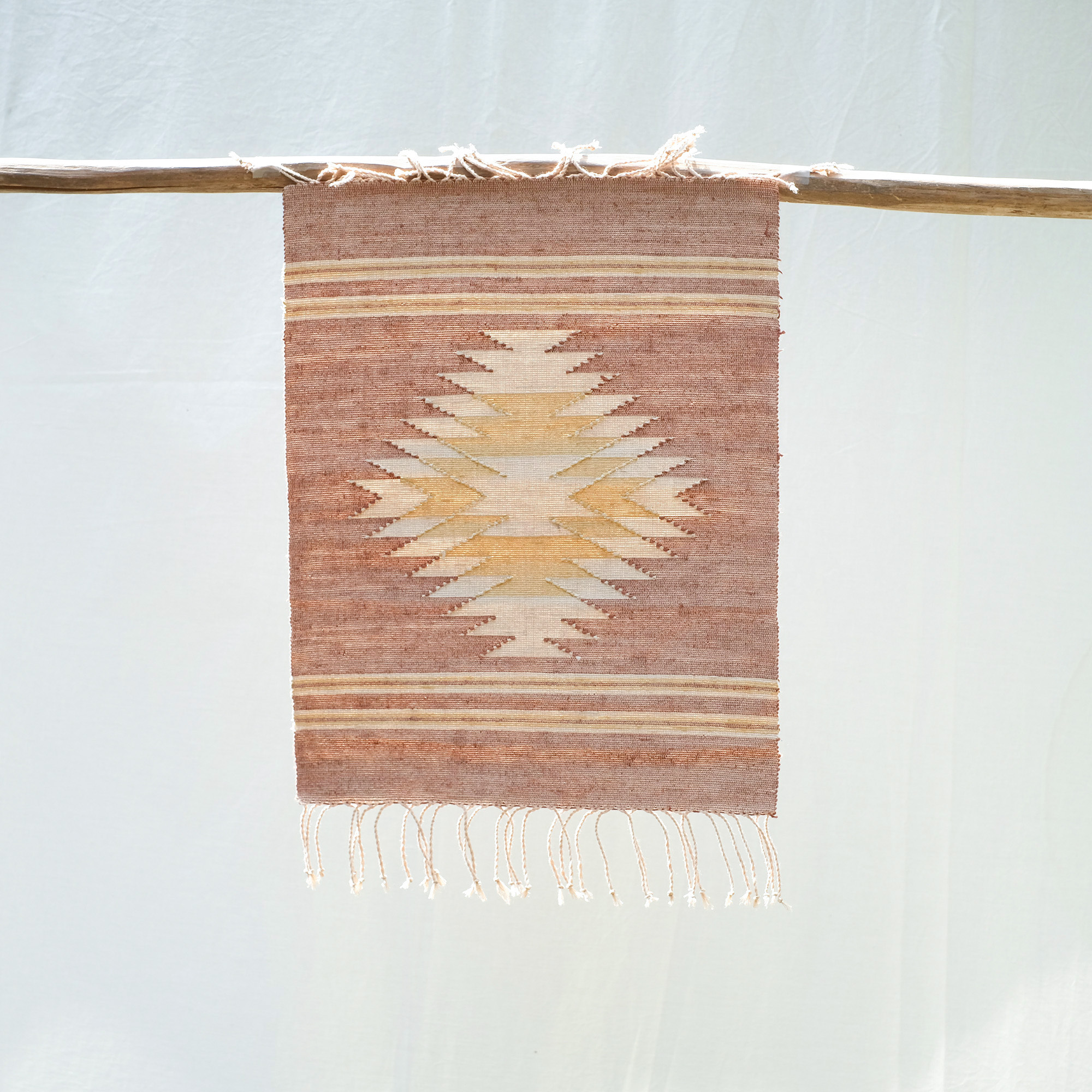
These placemats, handwoven by the Lao Tai people using natural dyes, feature diverse colors and classic diamond patterns. Mulberry trees are abundant in Laos; their leaves feed silkworms, and their fibers are used to create high-quality textiles. Durable and functional, these placemats blend tradition and modernity, adding beauty to any table setting.

Promoting Lao Crafts: Social Enterprises Ock Pop Tok

Ock Pop Tok


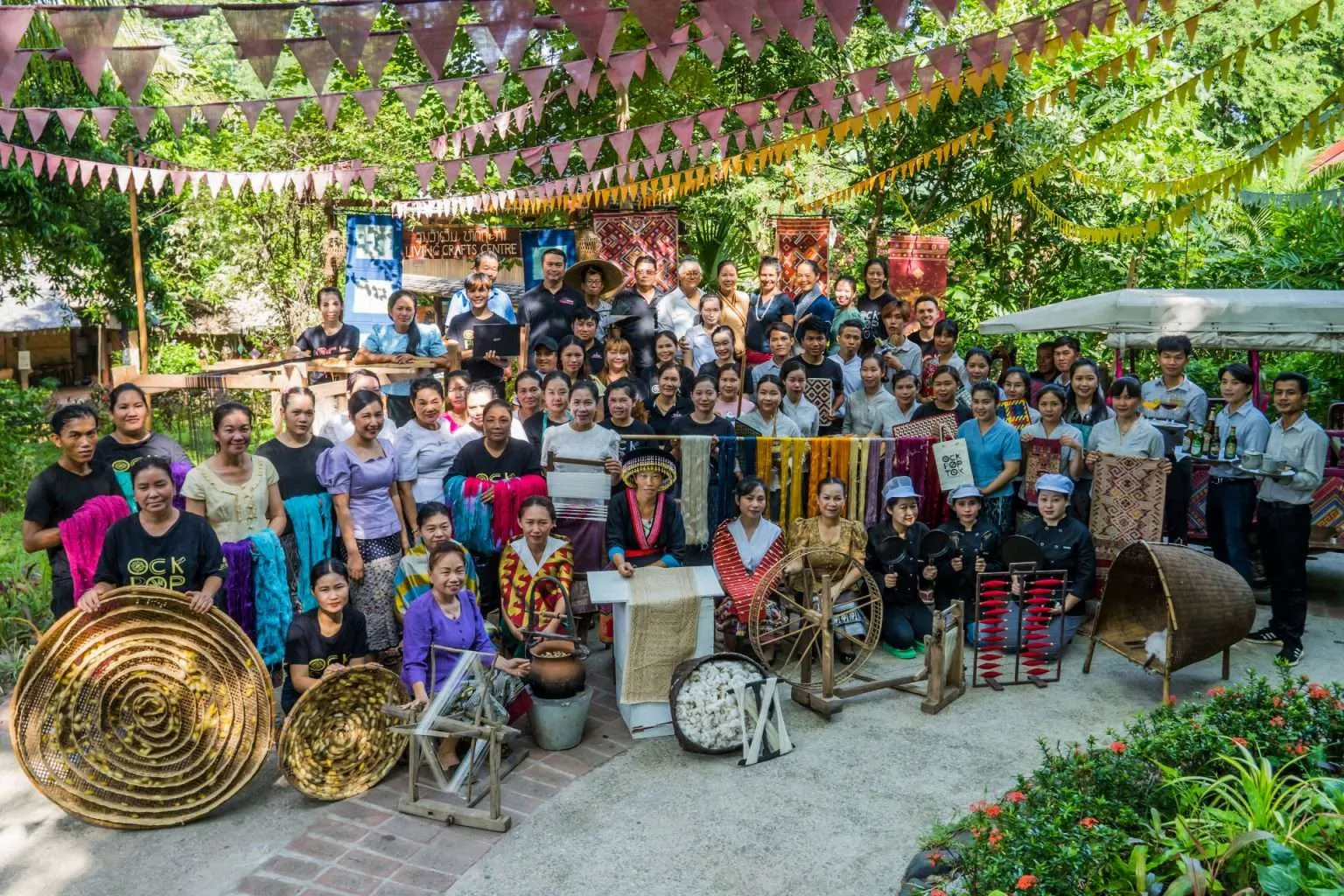
Located in Luang Prabang, Ock Pop Tok traces its origins back to 1999. British woman Joanna (Jo) Smith, inspired by Lao crafts during a filming project, met Veomanee (Veo) Douangdala, a Lao woman dedicated to innovating her family’s traditional crafts. Their shared passion led to the creation of this craft-focused social enterprise.


The name "Ock Pop Tok" means "East Meets West" in Lao. Since its founding in 2000, the organization has combined traditional Lao craftsmanship with Western innovative elements. Committed to fair trade principles, they empower weavers by providing competitive wages, continuous learning, and professional development opportunities, enabling sustainable livelihoods for their families and communities. Visitors can observe and even practice these crafts at Ock Pop Tok’s facilities, fostering appreciation for the cultural and artistic value of Lao textiles while enhancing their economic worth.

Source/ Ock Pop Tok

TAEC


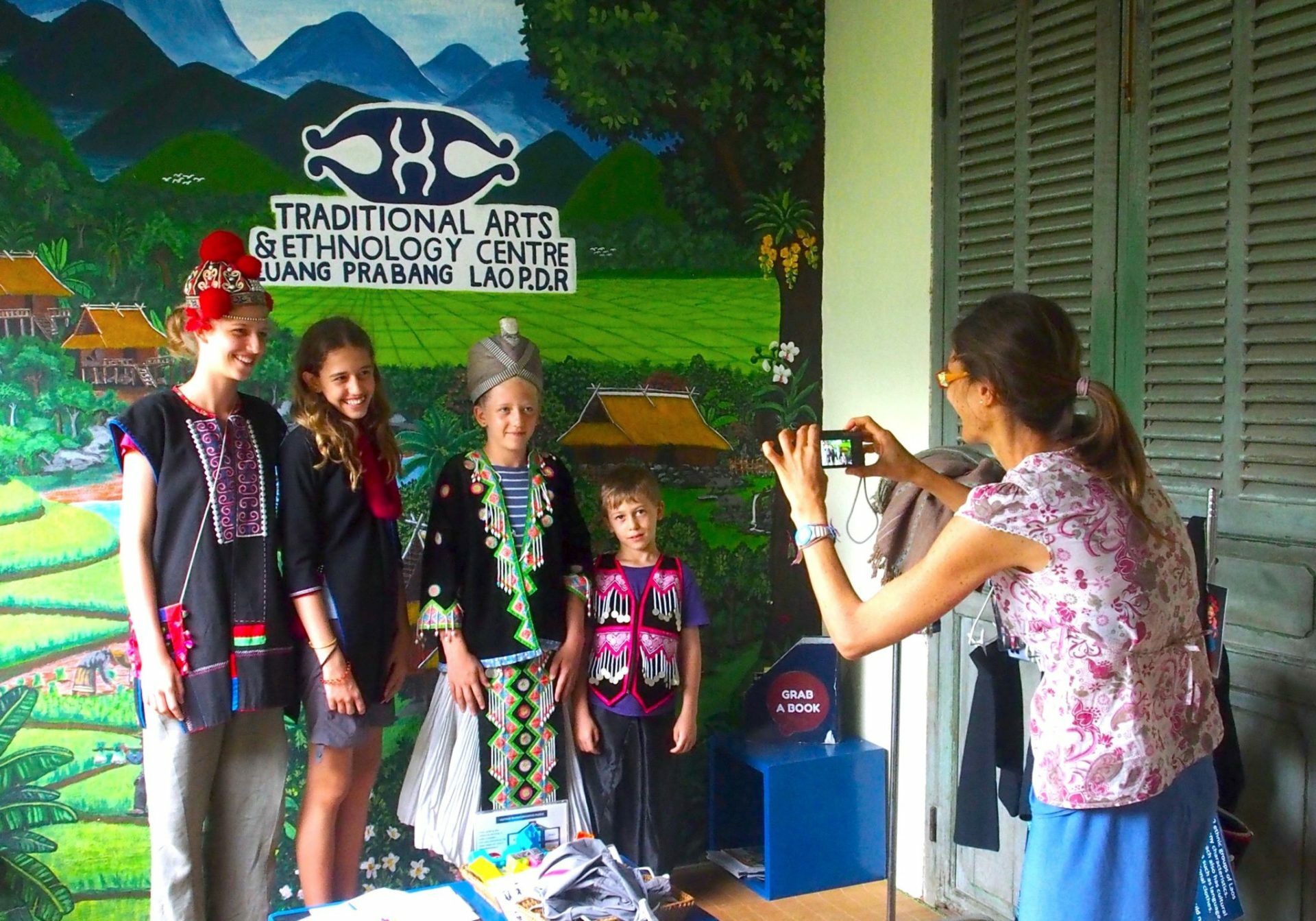
The Traditional Arts and Ethnology Centre (TAEC), located in Luang Prabang, is a social enterprise established in 2006 to promote and preserve Laos’ ethnic cultural heritage and traditional crafts.


Key activities include a fair-trade craft shop that collaborates directly with museum networks and artisan communities across Laos. TAEC’s initiatives encompass school outreach programs, craft workshops, lectures, and research. Its collection features ethnic artifacts, a small library, a family activity center, and an outdoor terrace for special events, making it an independent resource and learning hub for both foreign visitors and local citizens interested in the country's diverse ethnic groups.

Source/ TAEC

Highlights of Lao Ethnic Crafts