{{ 'fb_in_app_browser_popup.desc' | translate }} {{ 'fb_in_app_browser_popup.copy_link' | translate }}
{{ 'in_app_browser_popup.desc' | translate }}
{{ childProduct.title_translations | translateModel }}
{{ getChildVariationShorthand(childProduct.child_variation) }}
{{ getSelectedItemDetail(selectedChildProduct, item).childProductName }} x {{ selectedChildProduct.quantity || 1 }}
{{ getSelectedItemDetail(selectedChildProduct, item).childVariationName }}
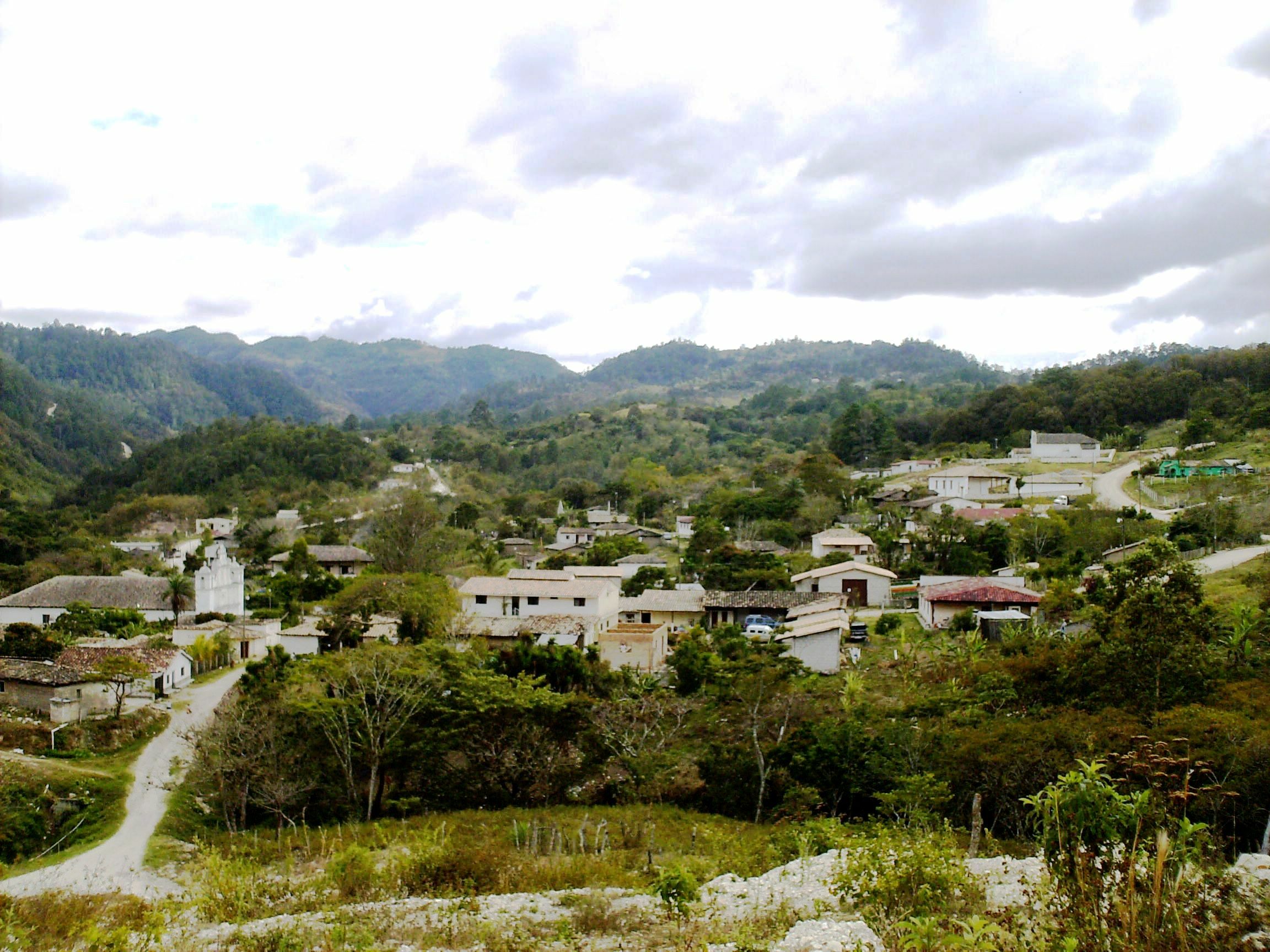
In the Lempira Province of western Honduras, a small town called La Campa is not only a settlement for the Lenca, an Indigenous group of Honduras, but also renowned for its unique pottery, which stands out distinctly in Central American ceramics.
Descendants of the Jaguar
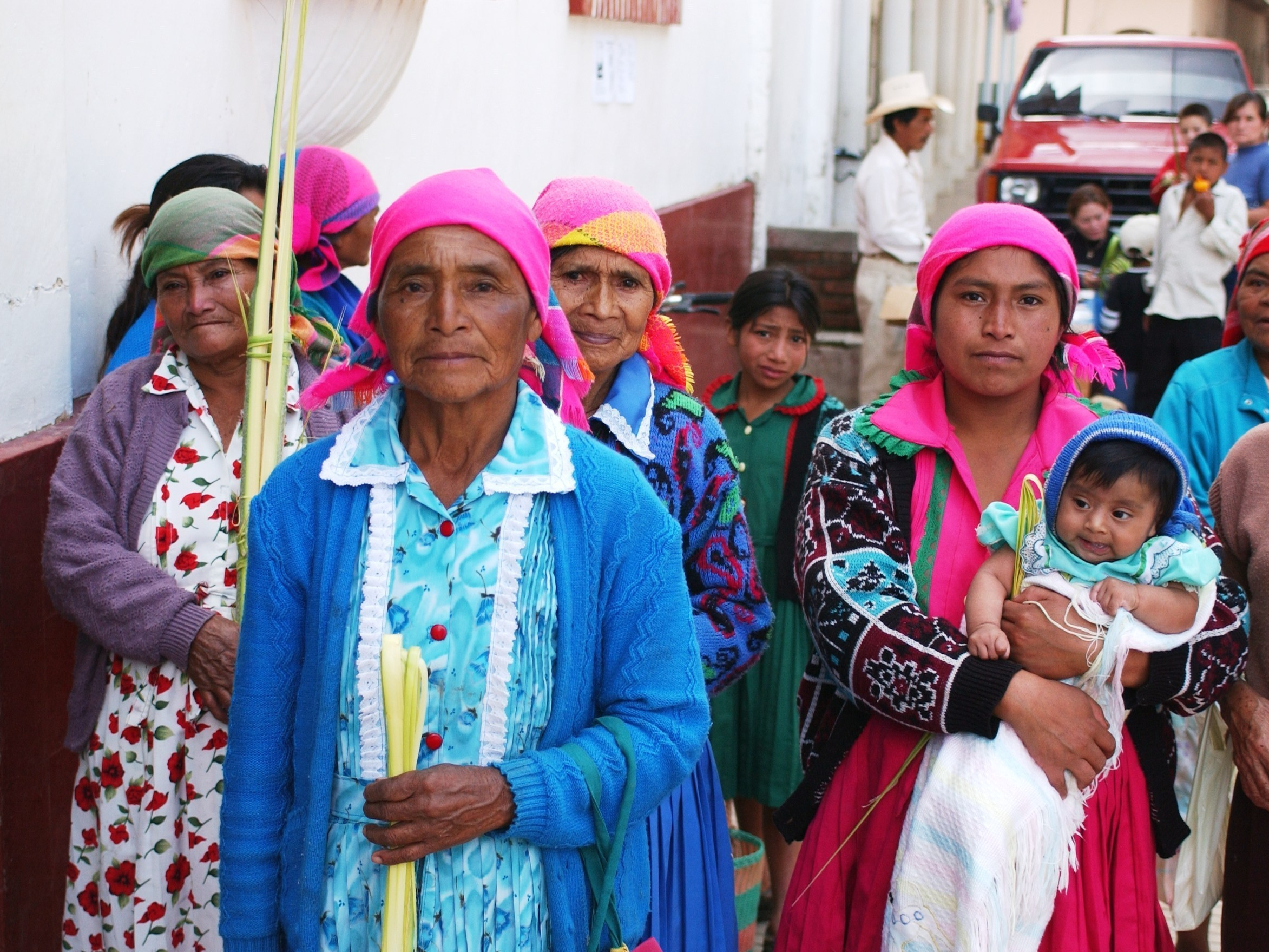
The Lenca, also known as Lepa Wiran, meaning "Descendants of the Jaguar," are one of Honduras’ oldest Indigenous groups. They have lived in southwestern Honduras and eastern El Salvador for over 1,500 years, long before European colonization. Today, the Lenca are the largest Indigenous group in Honduras, with an estimated population exceeding 450,000.
In the past, the Lenca people spoke various dialects, but due to the Spanish colonization during the Age of Exploration, most of these languages have been lost. Spanish is now their primary language. The dispersed nature of their settlements makes it challenging to study their pre-Columbian history and sites. Some scholars suggest that the Lenca are not a specific ethnic group but rather a community that preserves "Lenca traditional culture," which includes black corn porridge (Atol Shuko), freshwater shrimp and crabs, mango syrup, and their highly distinctive pottery.
Image/ A panoramic view of La Campa
Source/ Wiki
Image/ Lenca women dressed in colorful clothing
Source/ PR Newswire
La Campa: The Center of Lenca Pottery town
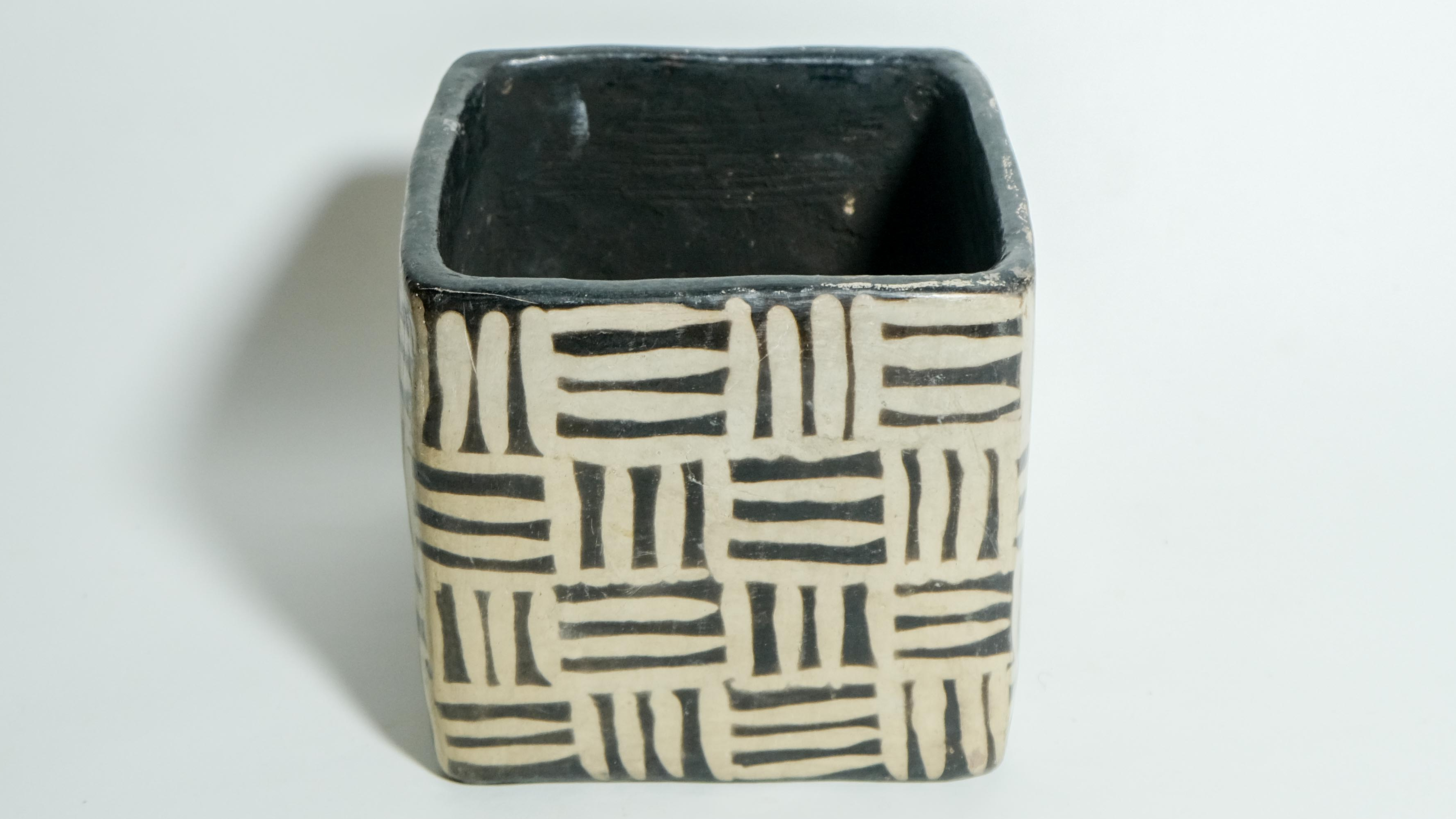
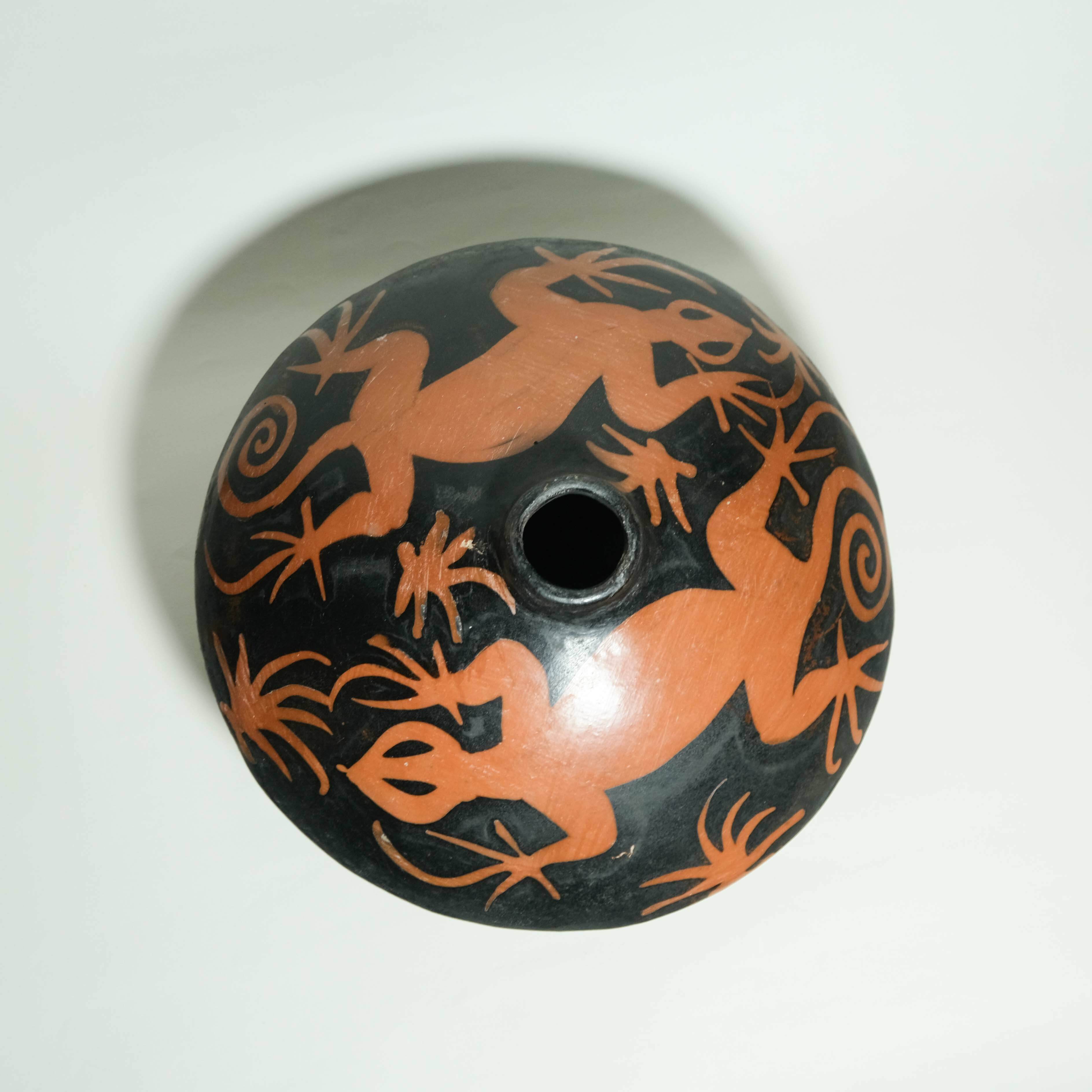
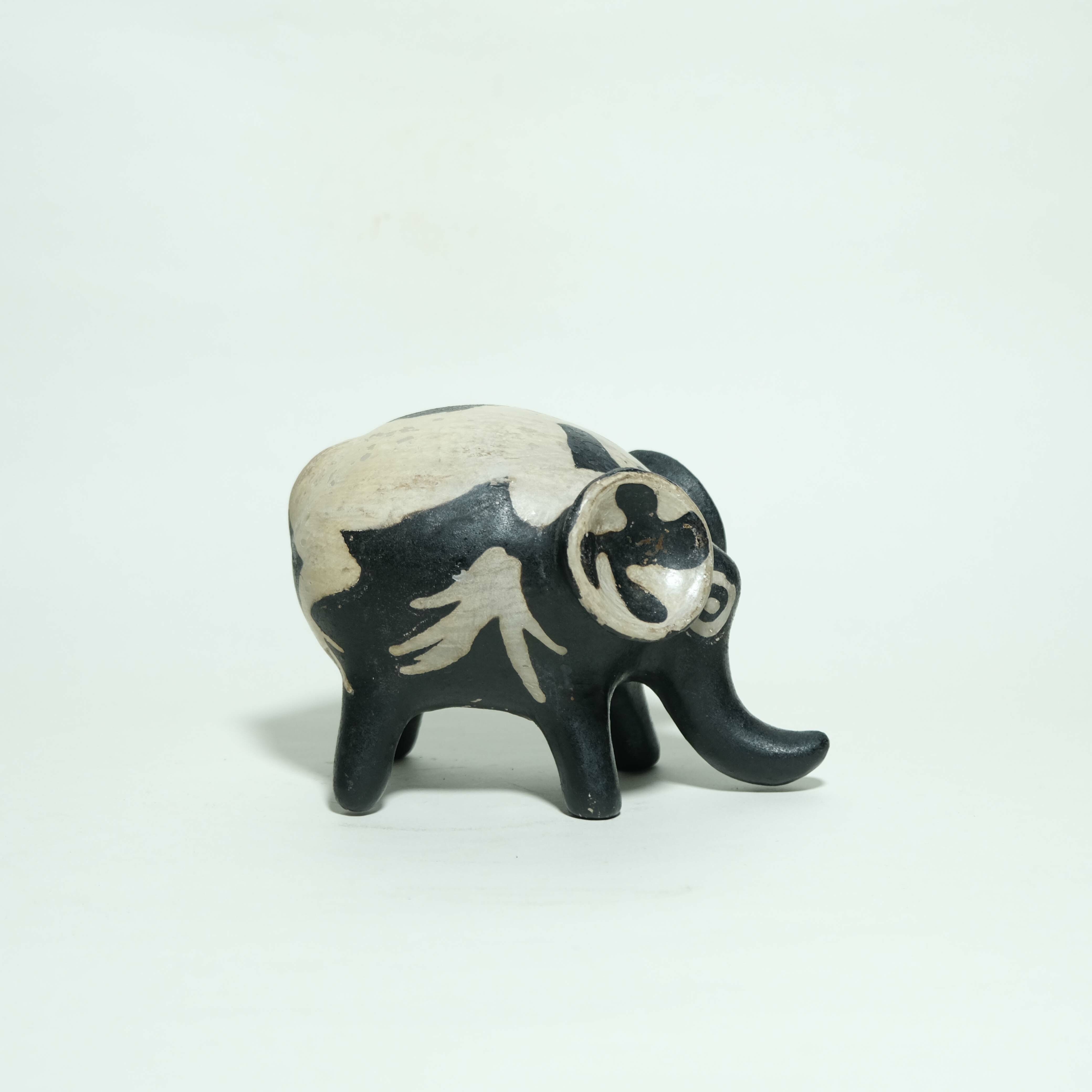
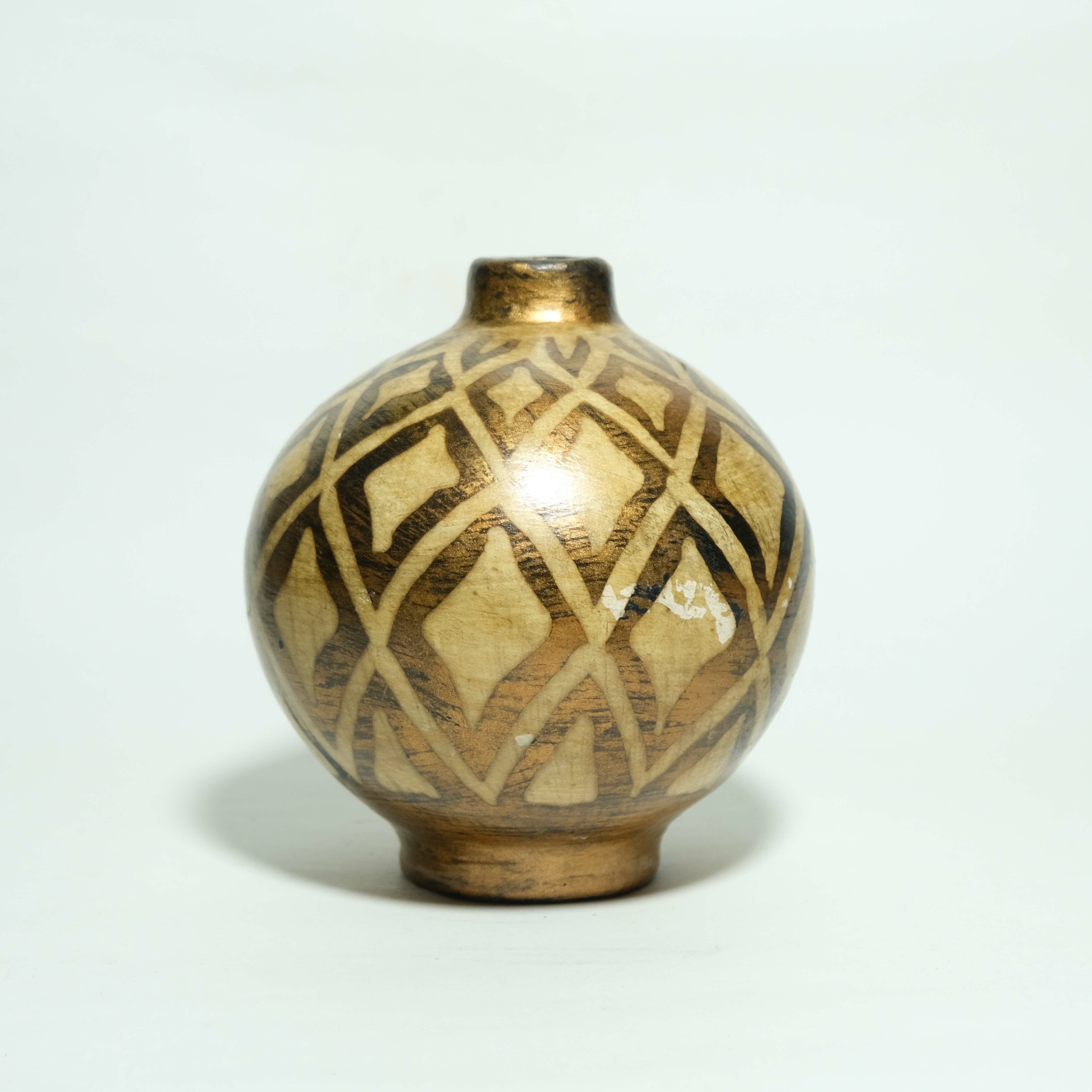
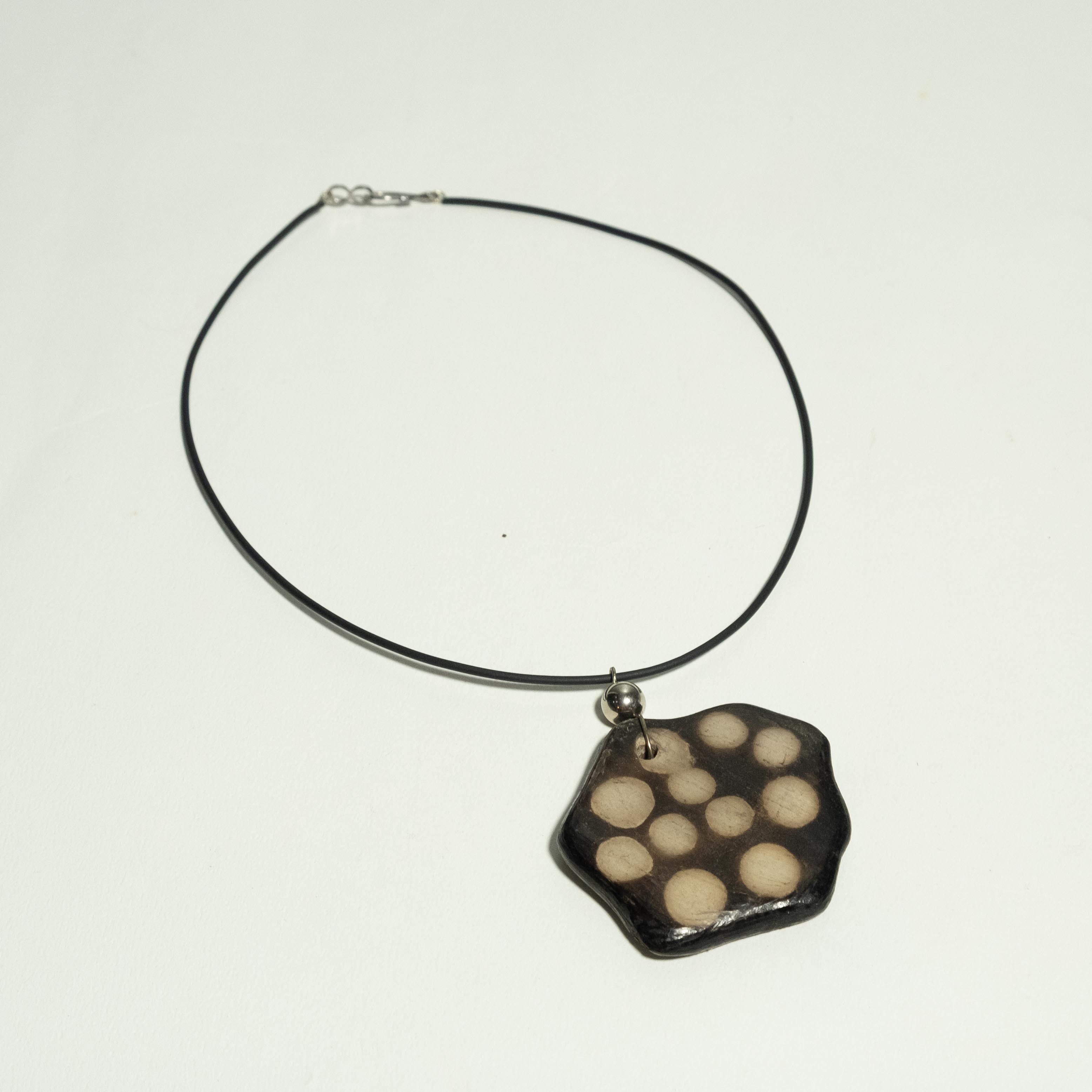
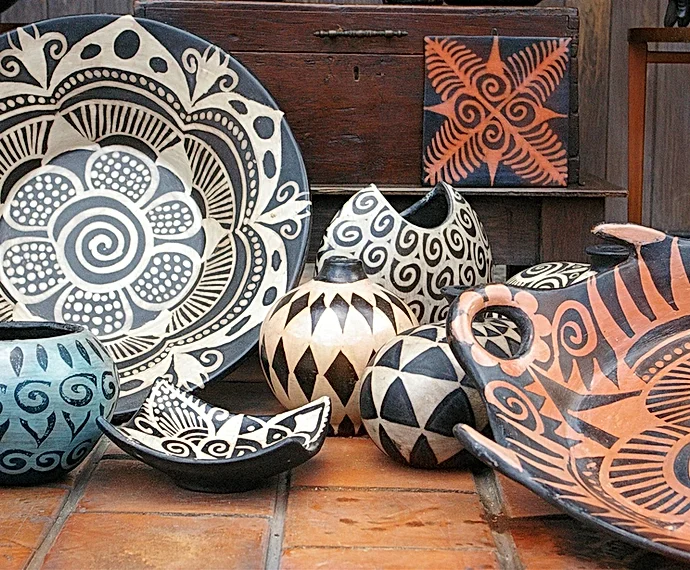
Located in western Honduras, the small town of La Campa serves as the hub for Lenca pottery production. Lenca pottery primarily features two styles: black-and-white vessels and red-glazed pots. These pieces are crafted by Lenca women living in hillside villages, who transport them to La Campa for sale.
In Lenca culture, pottery-making is considered women’s work. Artisans collect local clay and use traditional techniques to shape the pieces without tools or high-temperature kilns. Instead, the pottery is fired in low-temperature wood kilns for 22 days.
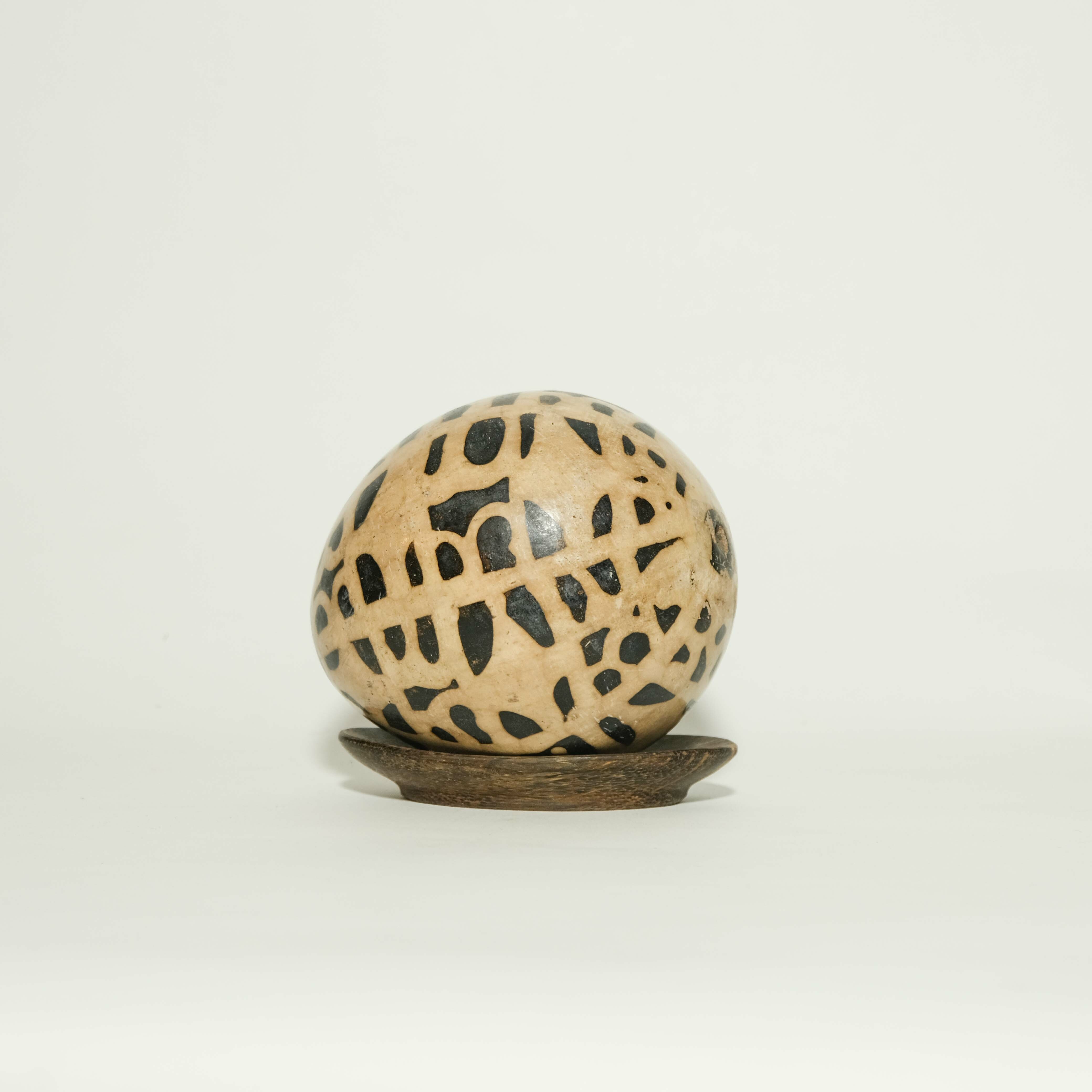
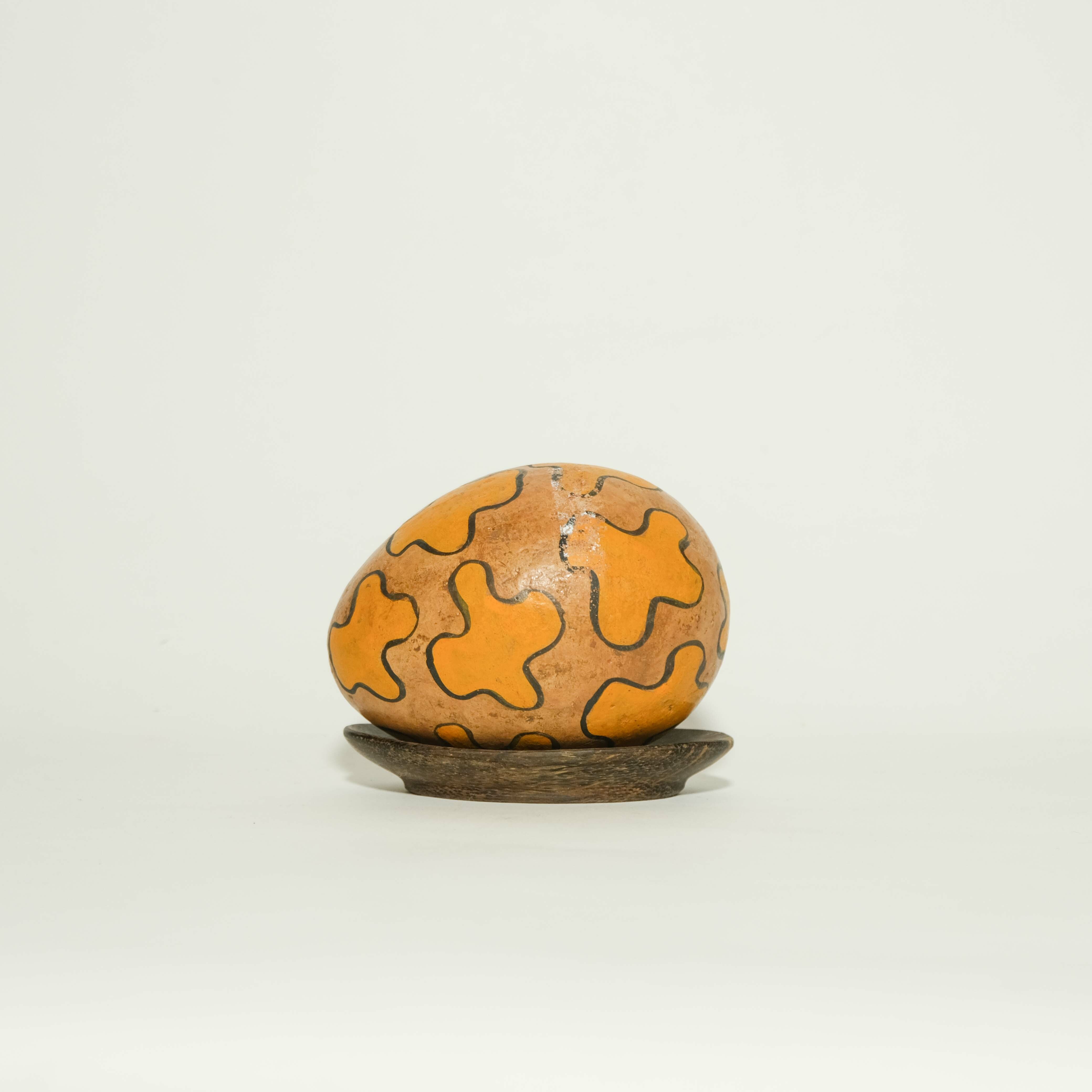
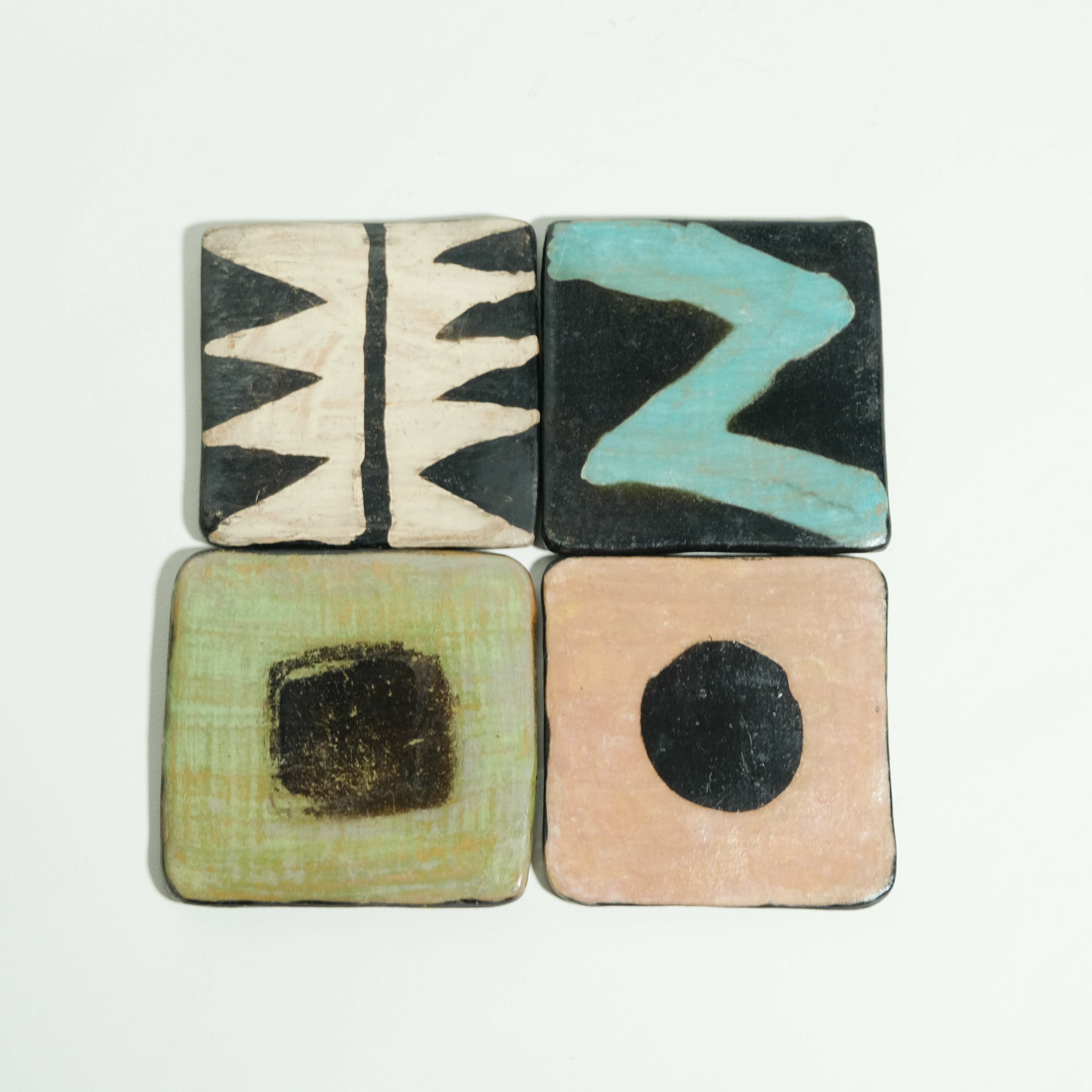
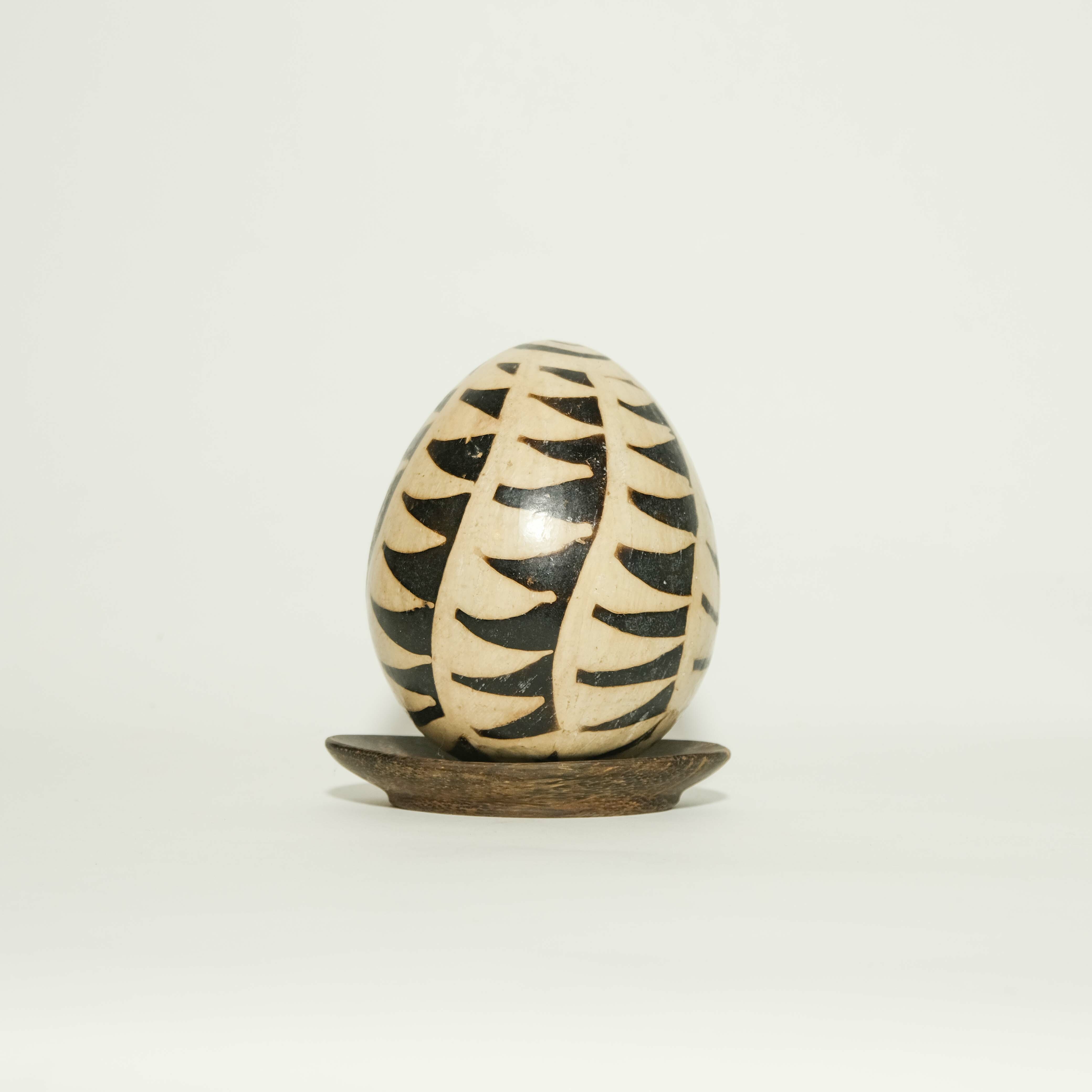
Lenca pottery is characterized by its geometric designs and striking "spots," which traditionally evoke the image of moon craters. The designs are inspired by everyday life, including local flora and fauna such as iguanas and leaves. Artisans use clay to paint patterns onto the pottery before firing. Once fired, the clay patterns are scraped off, and the surface is polished with stones to create a shiny finish.
During the firing process, Lenca artisans use a resist-dye technique similar to batik, preserving the natural color of the clay. While the primary colors are black and white, combinations of orange and black or brown and black are also used.
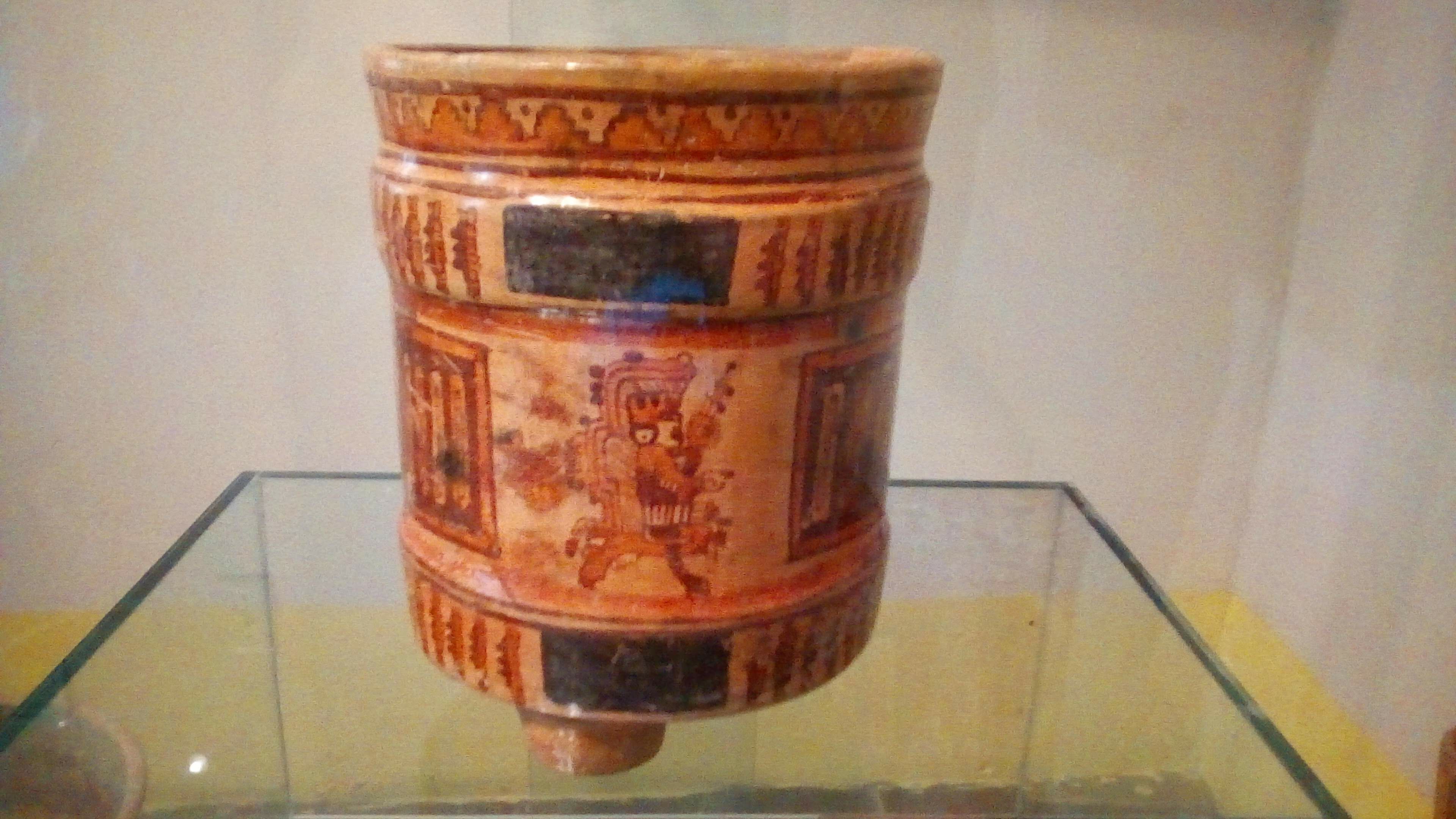
With its black-and-white base and distinctive geometric patterns, Lenca pottery is a unique hallmark of Central American ceramics and an important symbol of Indigenous Honduran culture. Historically, Lenca pottery styles were similar to those of the Maya and central Mexico before Spanish colonization.
However, in the 1980s, Lenca artisans formed a non-profit cooperative to promote their pottery, leading to stylistic evolution. Even as they adapt to market demands, the Lenca continue to use pre-Columbian techniques and motifs in their pottery, allowing future generations to learn about Lenca traditional culture through these artifacts.
Image/ Mid-Classical Period Lenca pottery
Source/ Wiki
Source/ Mayakey