{{ 'fb_in_app_browser_popup.desc' | translate }} {{ 'fb_in_app_browser_popup.copy_link' | translate }}
{{ 'in_app_browser_popup.desc' | translate }}
{{ childProduct.title_translations | translateModel }}
{{ getChildVariationShorthand(childProduct.child_variation) }}
{{ getSelectedItemDetail(selectedChildProduct, item).childProductName }} x {{ selectedChildProduct.quantity || 1 }}
{{ getSelectedItemDetail(selectedChildProduct, item).childVariationName }}
Every year during the Dragon Boat Festival you will see Zongzi rice dumpling(粽子)from all over Taiwan, competing between each other to be the best. You have the Southern zongzi, the Northern zongzi, the Hakka zongzi, the Millet zongzi, the sweet, salty and soda zongzi, etc. A large variety of them with their own special characteristics, in the small island of Taiwan.
But the Zongzi culture is not unique to Taiwan. If we zoom out to Central and South America, on the other side of the Pacific Ocean, we will find that the local “Zongzi” competition is even more dazzling. However, their Zongzi is not made of glutinous rice, but the most important local staple food: corn. This time we will introduce the “Zongzi” from Latin America, the Tamales!
Dumplings| Wolrdwide
No product in this category
Since Tamales are easy to carry, Latin American people, besides ceremonies, sacrifices and other occasions, would also take tamales with them to eat when out on a daily expedition or hunt. It can be said that Tamales represent a very important part in the lives of local people, and they also have proven to be the hometown flavor that locals miss the most. For example, in the movie "Coco", the grandmother's concern and care for the protagonist, Miguel, was directly expressed through tamales.
For the wrapping of the tamales, they use leaves from a variety of plants such as corn, banana, bamboo, and reed. There are no restrictions for the fillings and different preferences have been developed according to the countries and regions.
Whether it is sweet or salty, the fillings can be filled with meat, cheese, fruits, vegetables, peppers, etc.; and according to the different eating habits and dialects of different places, there are different nicknames for the tamales. For example, in Peru and Bolivia, they are divided into "Tamal" and "Humita" according to the variety of corn, in Venezuela they call them “Yaka Hallaca", in Honduras the tamales without meat are called "Montuca", in Nicaragua they have the "Nacatamal", and so on.
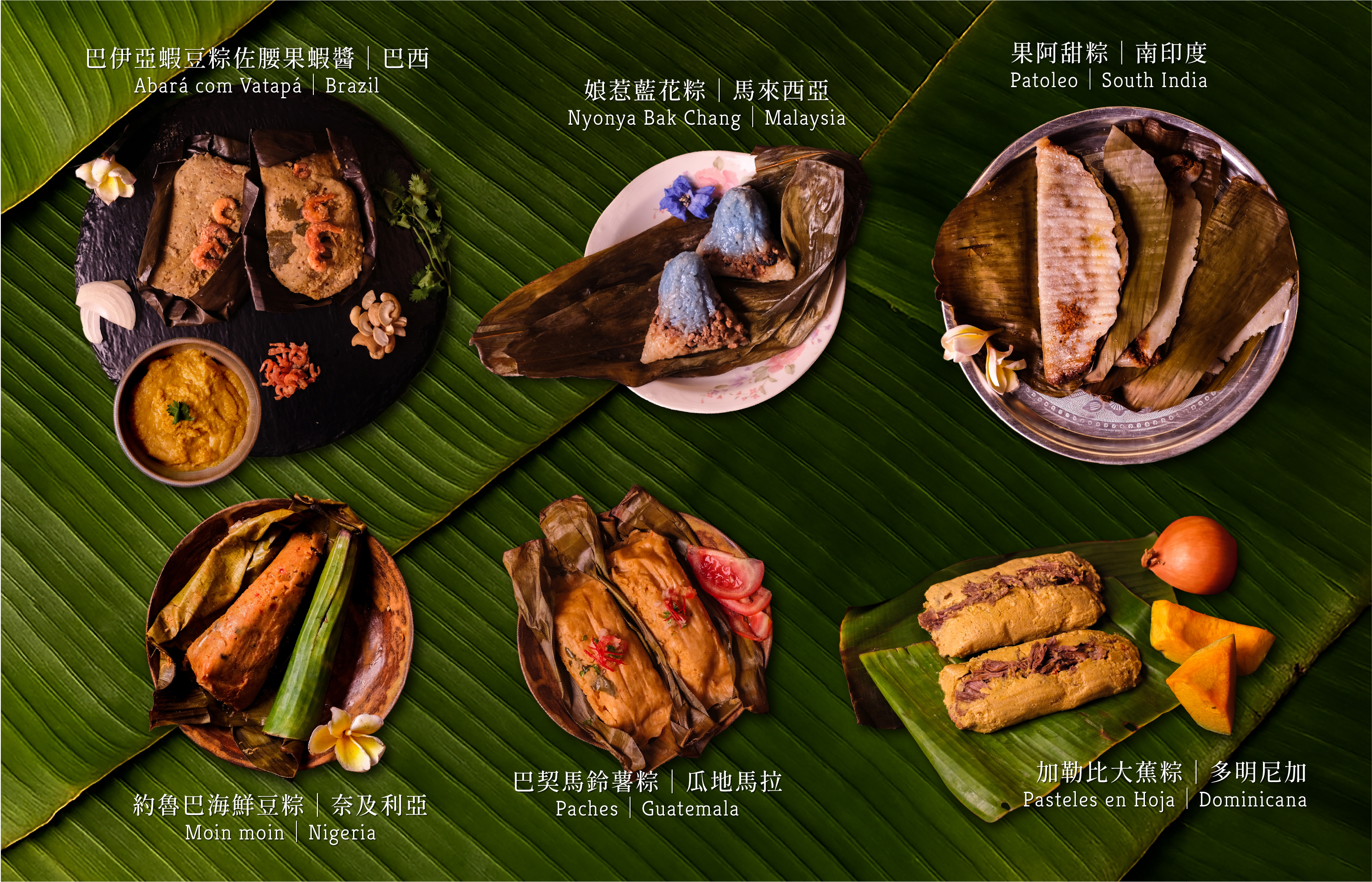
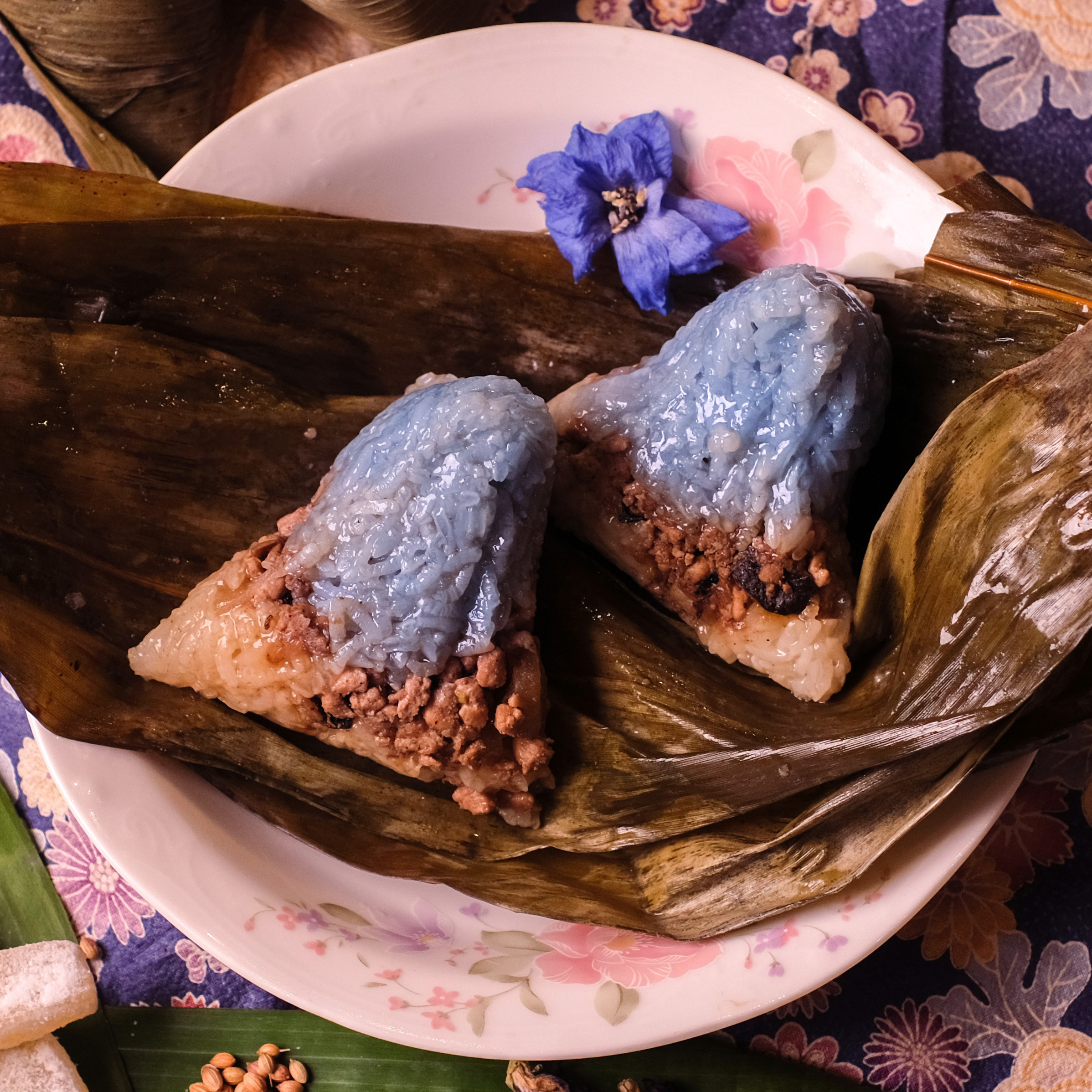
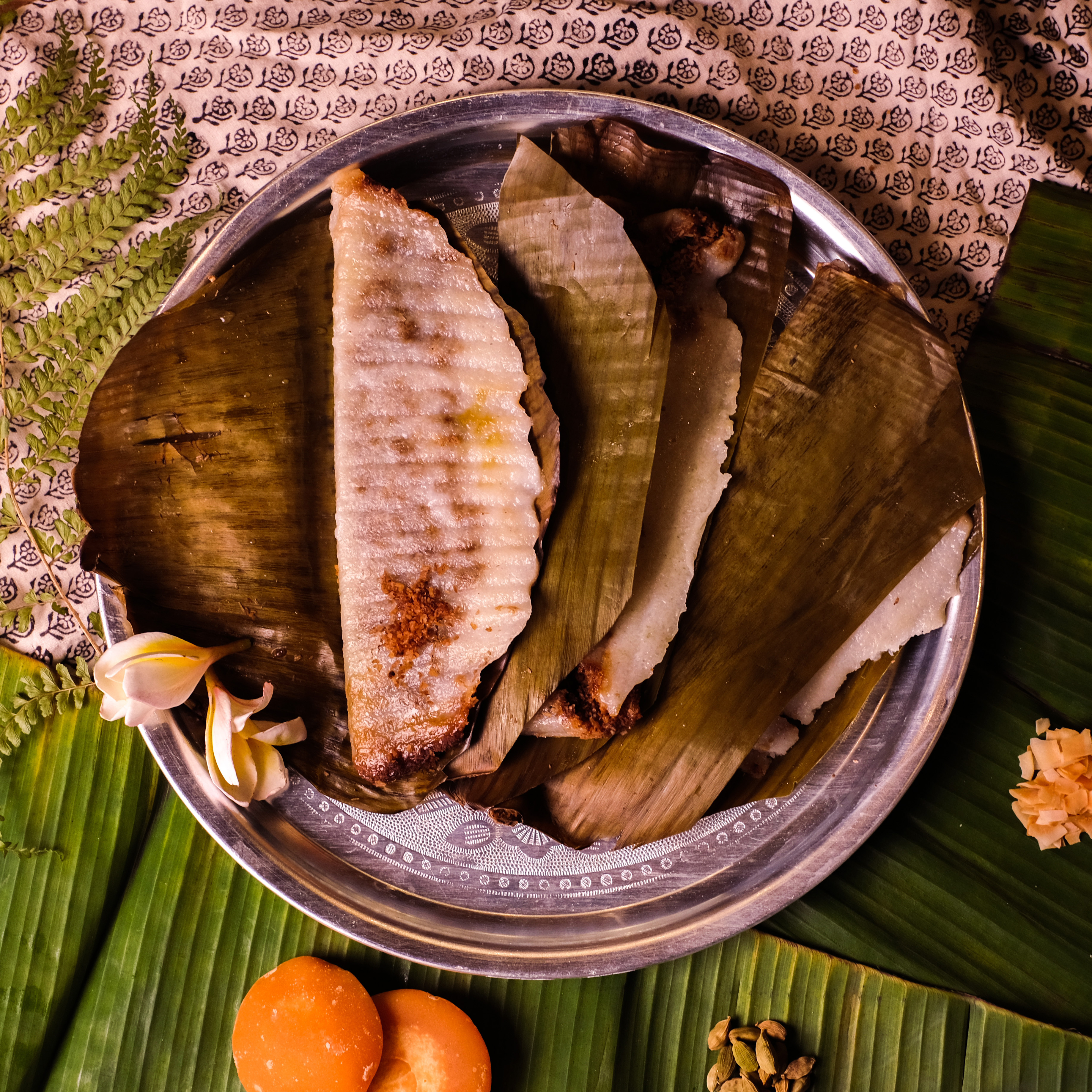
The following is an introduction to the representative tamales in several Central and South American countries.
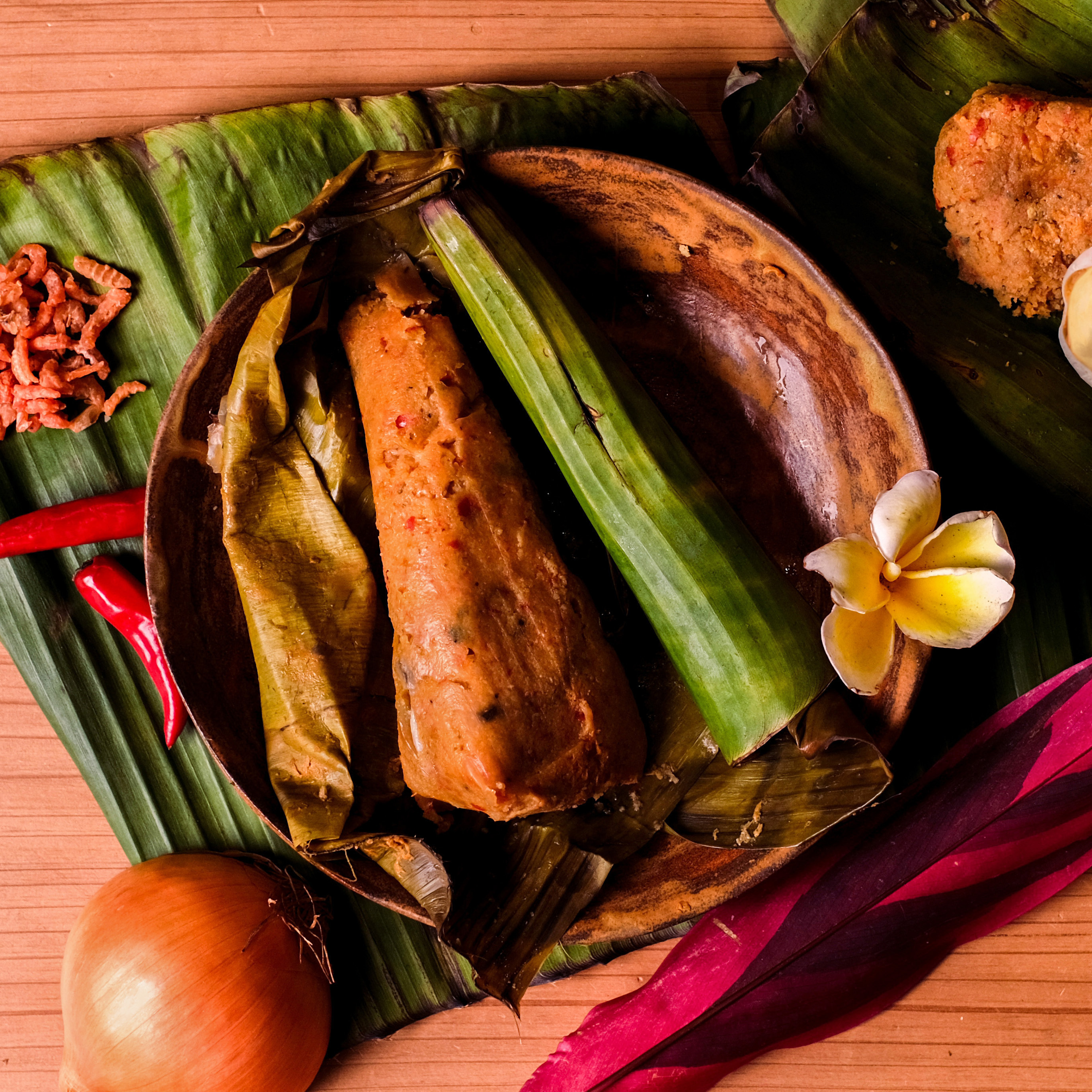
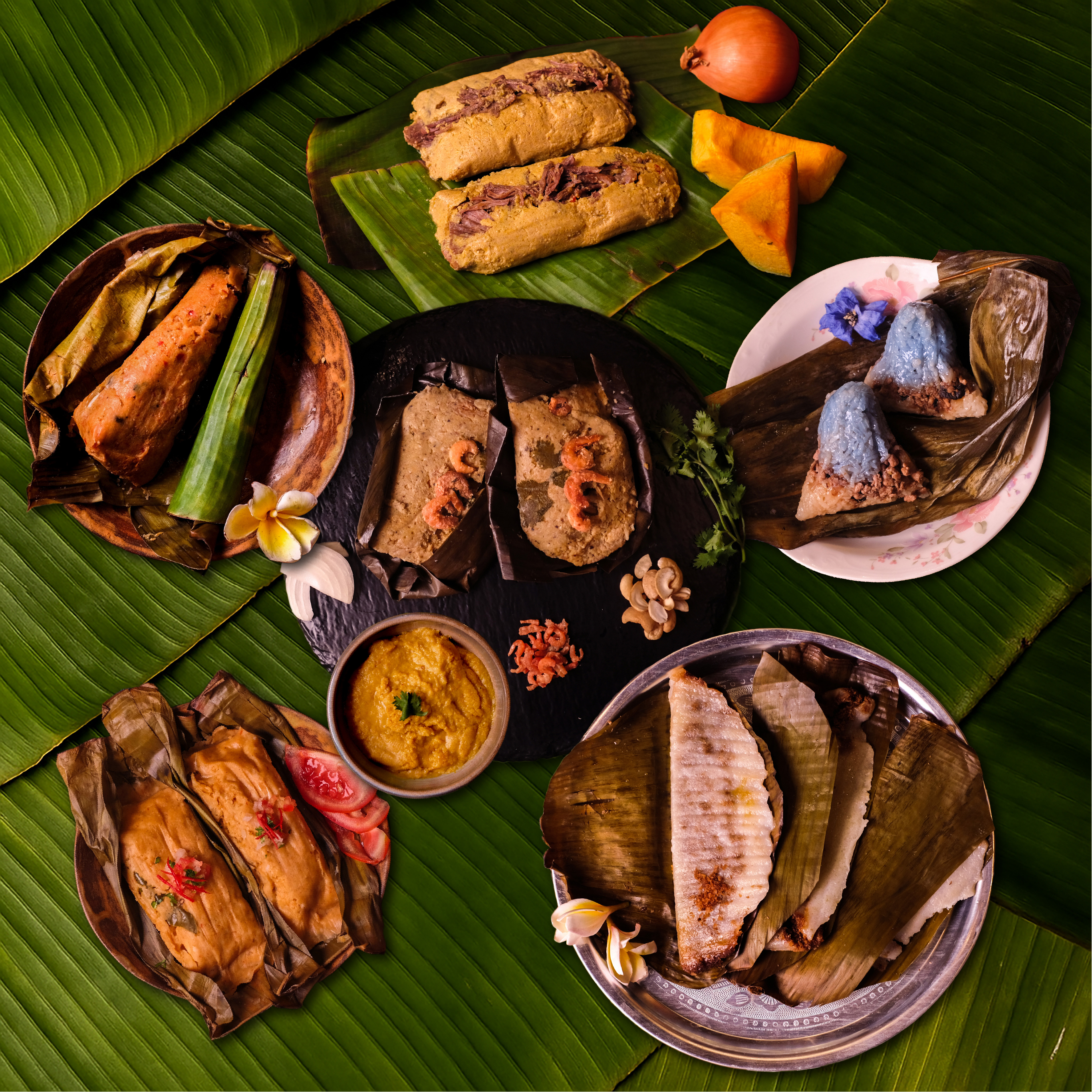
奈及利亞約魯巴人將黑眼豆去皮、浸泡並磨成糊狀作為粽體,包入洋蔥、辣椒、水煮蛋,以及乾小龍蝦、沙丁魚等海鮮,用寬葉埃蘭草(Thaumatococcus daniellii)或香蕉葉包成三角狀。「Moin Moin」這個名字的由來有一說是模仿煮熟時的聲音,也有人說是 Yoruba 語中「軟綿綿」或「入口即化」的意思。
南南特製包入鯖魚與蝦米的台灣版本,吃得到海鮮濃厚的鮮味。可以像約魯巴人當作早餐,搭配甜牛奶糊、布丁、燕麥片或米飯一起食用。
成分:黑眼豆(米豆)、洋蔥、甜椒、辣椒、棕櫚油、鹽、胡椒粉、蛋、蝦米、鯖魚、蝦皮、香蕉葉
重量:200克
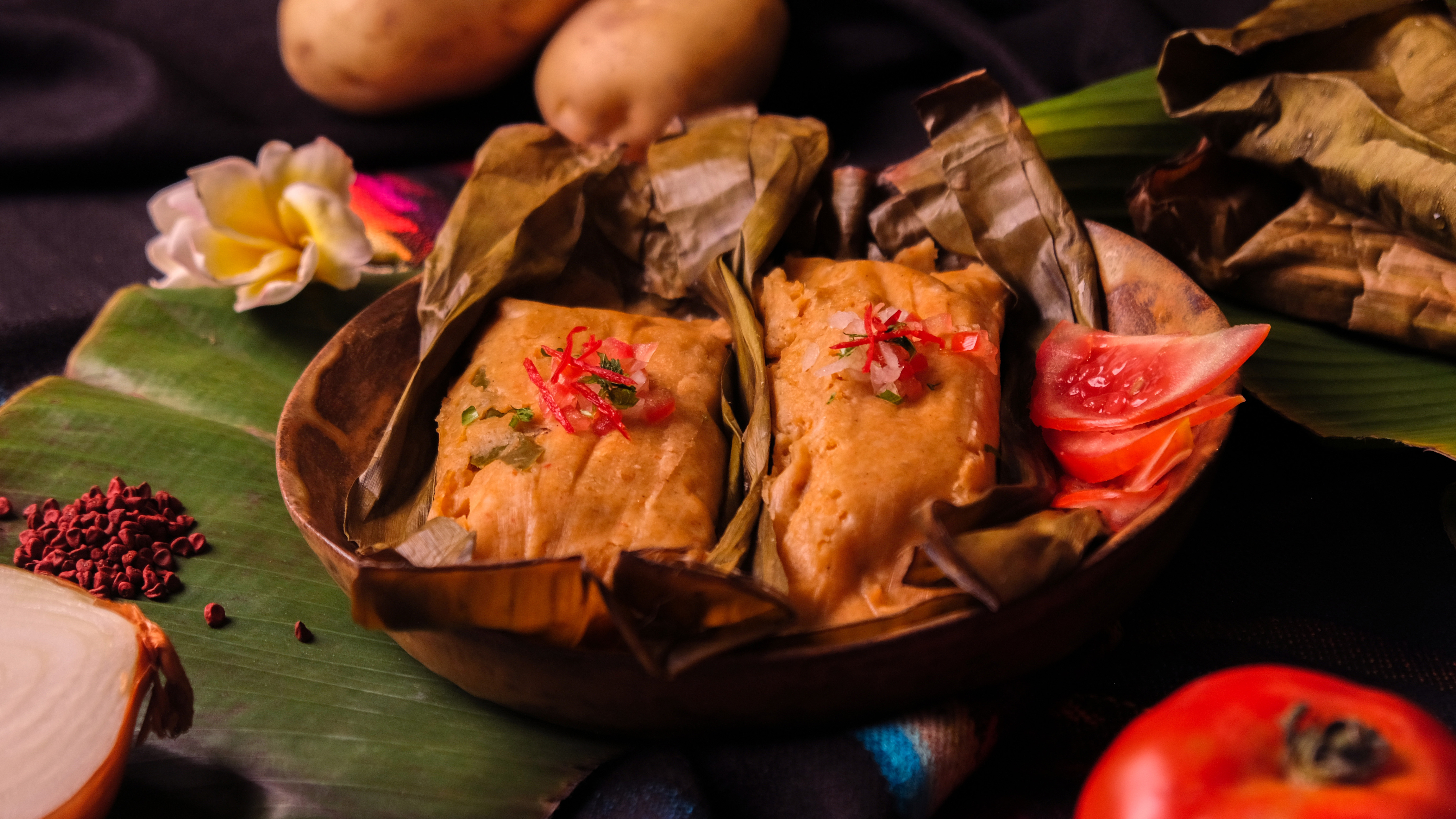
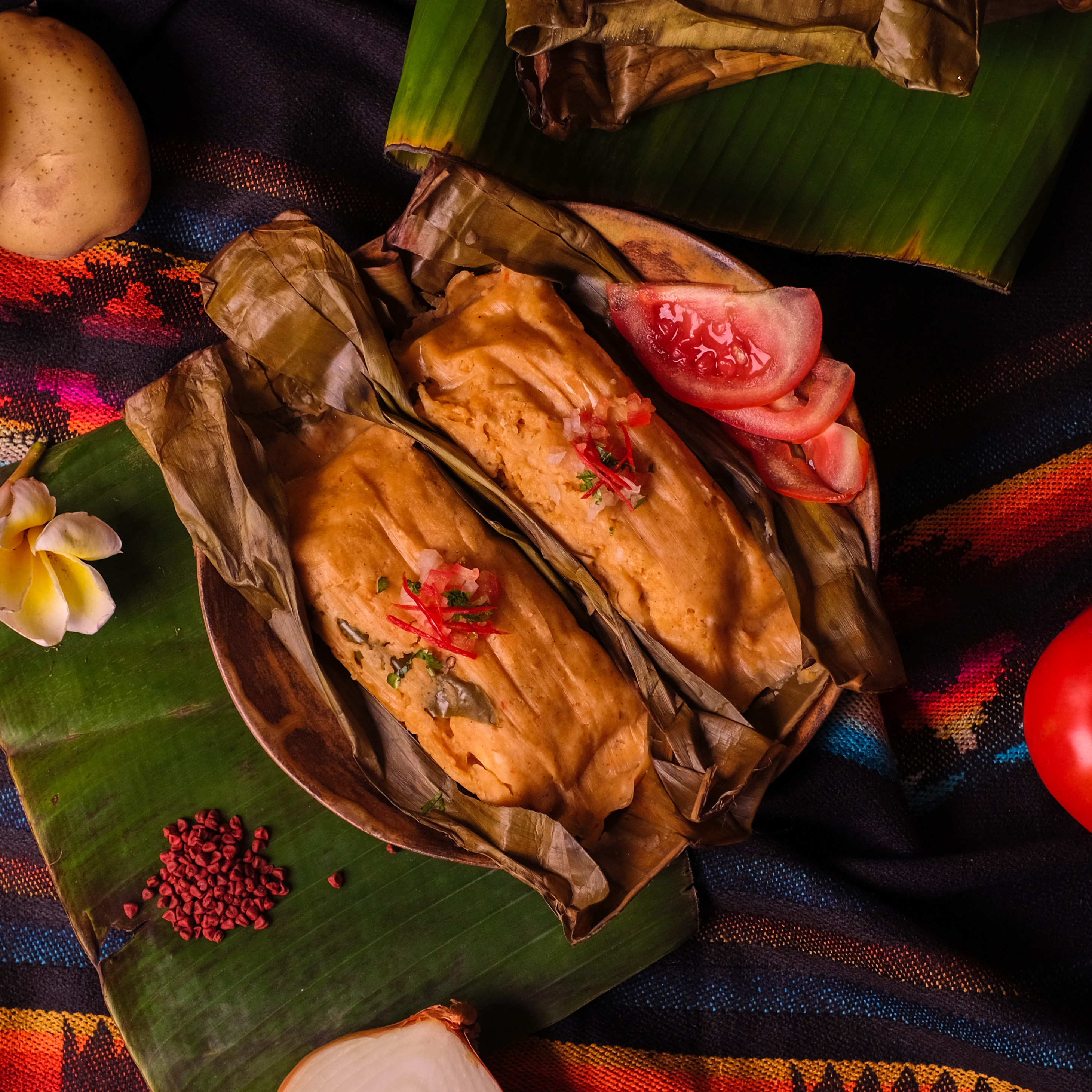
中南美洲是玉米粽的大本營,但瓜地馬拉卻有一款不是玉米做的玉米粽,稱為巴契(paches)。巴契以馬鈴薯泥為粽體,包裹番茄、洋蔥及中南美洲特有的Jalapeño綠色辣椒,另外還會加入可當作天然紅色色素的胭脂樹籽,使整體顏色偏紅,因為以粽葉包裹成扁平狀而得名。
巴契發源於瓜地馬拉西部的克薩爾特南戈(又稱賽拉Xela),因為該地盛產馬鈴薯,當地人便以馬鈴薯製作玉米粽。瓜地馬拉的小販盛行「巴契星期二」,只會在星期二的時候賣巴契馬鈴薯粽,其他天則賣玉米粽,搭配檸檬吃起來,清爽中帶有Jalapeño辣椒的微辛。
成分:馬鈴薯、番茄、洋蔥、蒜頭、胡椒、多香果、丁香、雞肉、麵粉、鹽、油、胭脂樹籽、綠辣椒、香蕉葉
重量:200克
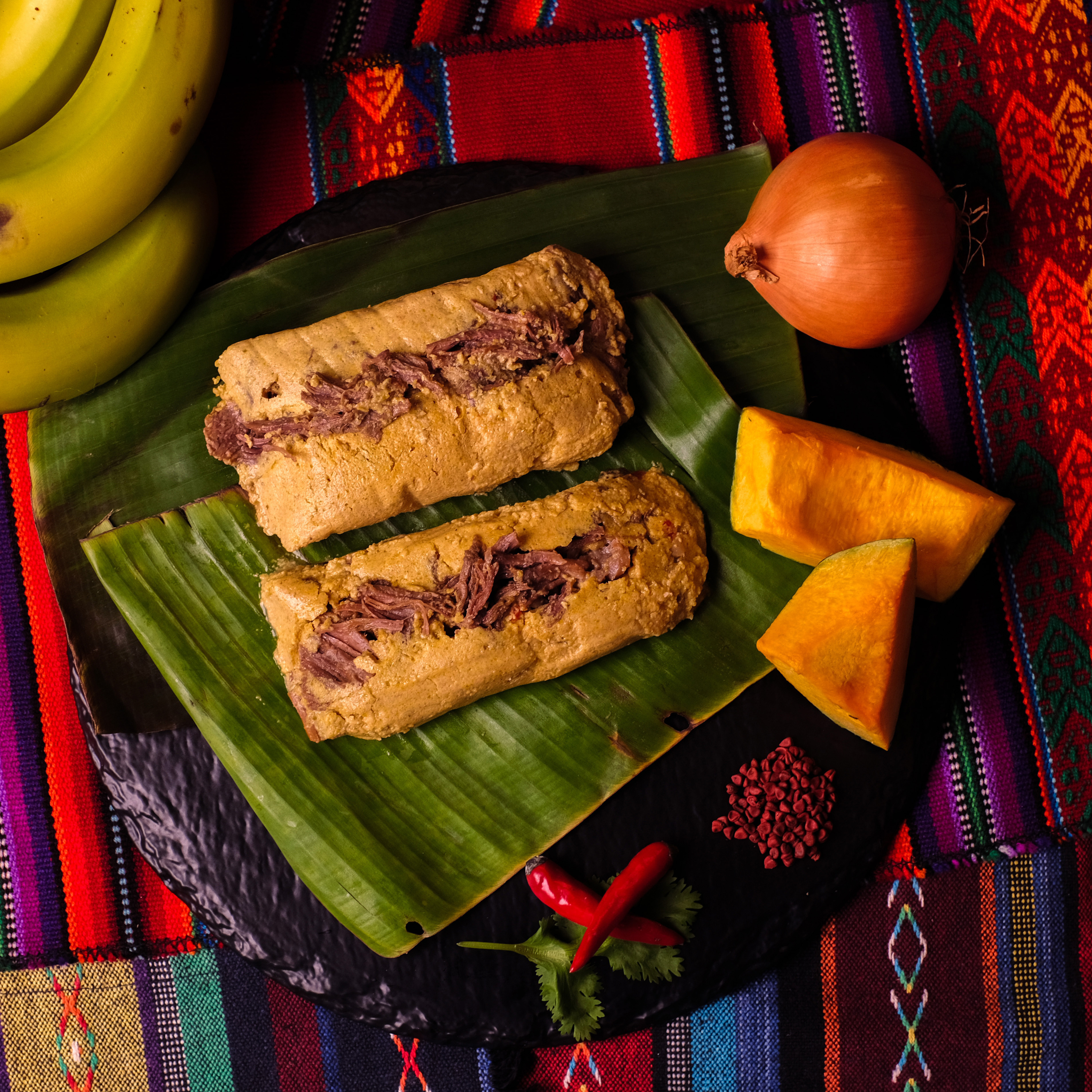
Pasteles 發源於波多黎各,而後傳入加勒比海及拉丁美洲。這次製作的大蕉粽是多明尼加在聖誕節跟新年最喜歡吃的料理,外觀跟拉美玉米粽很像,但是以大蕉、白薯跟南瓜作為基底,加入牛肉、雞肉、洋蔥等餡料,用香蕉葉包起蒸熟。入口後大蕉及南瓜的甜味,讓你彷彿身在加勒比海,是粽子裡特別清爽的選擇。
成分:大蕉、南瓜、白薯、牛肉、牛奶、大豆油、胭脂樹籽、紅椒、鹽、洋蔥、蒜頭、香菜、胡椒、香蕉葉
重量:200克
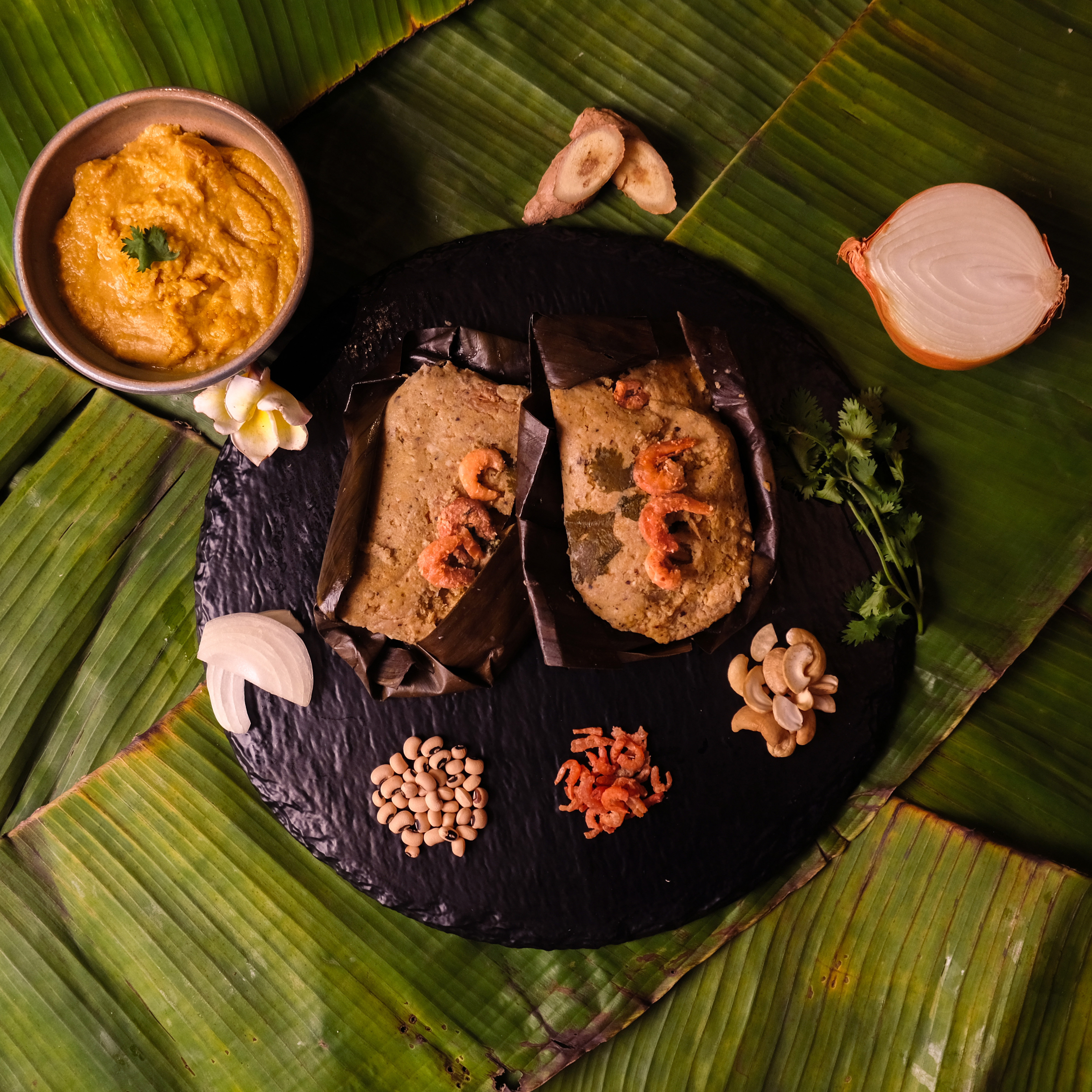
巴伊亞蝦豆粽也是用黑眼豆泥做成的粽子,因巴伊亞於殖民時期深受非洲文化影響,蝦豆粽成為巴伊亞州的國民美食,也發展出不同的變體。巴伊亞人認為蝦豆粽是聖人的食物,是坎東布爾教(Candomblé)於宗教儀式中供奉給Orixas神祇們的祭品。
巴伊亞人吃蝦豆粽時通常會搭配 Vatapá 腰果蝦醬,主要由法國麵包、腰果跟棕櫚油做成的蝦醬,也是由約魯巴人傳入巴西。其實與其說是醬,更像是腰果豆泥,除了搭配蝦豆粽外,很多人也會單獨吃,或抹麵包或配白飯,相當滑順開胃。
巴伊亞蝦豆粽 Abará
成分:黑眼豆、花生、腰果、蝦米、洋蔥、紅棕櫚油、鹽、薑、椰漿、香蕉葉
重量:170克
腰果蝦醬 Vatapá
成分:法國麵包、腰果、椰漿、蝦米、花生、鹽、紅棕櫚油、洋蔥、薑、水
重量:150克
The tamales made by Chef Jose come from the local taste of Cusco - Peru, where he inherited his mother’s craftsmanship and memories of his hometown. He uses corn flour, mild Peruvian hot sauce, pork, onions, eggs and other fillings, to then put the mix inside fresh banana leaves that will overflow with aroma after steaming. It is a local version full of family flavor. In addition to the orthodox salty rice tamale, he also developed a sweet corn rice dumpling that combines cocoa, cloves and milk.
Let's try the wonderful taste of the collision of cocoa and corn!
Peruvian Tamales - Pork
Ingredients|Pork, Egg, Onion, Red Pepper, Cornmeal, Salt, Unsalted Butter, Cumin, Pepper, Oregon Leaves, Peruvian Hot Sauce
Weight|About 200g/piece
Peruvian Tamales - Cocoa
Ingredients|Corn flour, unsalted butter, cinnamon, cloves, milk, sugar, condensed milk, chocolate sauce, dried mangoes, raisins
Weight|About 200g/piece
South America|Tamales
|Recommended ways to eat
|Order Shipping Instructions
No product in this category