{{ 'fb_in_app_browser_popup.desc' | translate }} {{ 'fb_in_app_browser_popup.copy_link' | translate }}
{{ 'in_app_browser_popup.desc' | translate }}
{{ childProduct.title_translations | translateModel }}
{{ getChildVariationShorthand(childProduct.child_variation) }}
{{ getSelectedItemDetail(selectedChildProduct, item).childProductName }} x {{ selectedChildProduct.quantity || 1 }}
{{ getSelectedItemDetail(selectedChildProduct, item).childVariationName }}
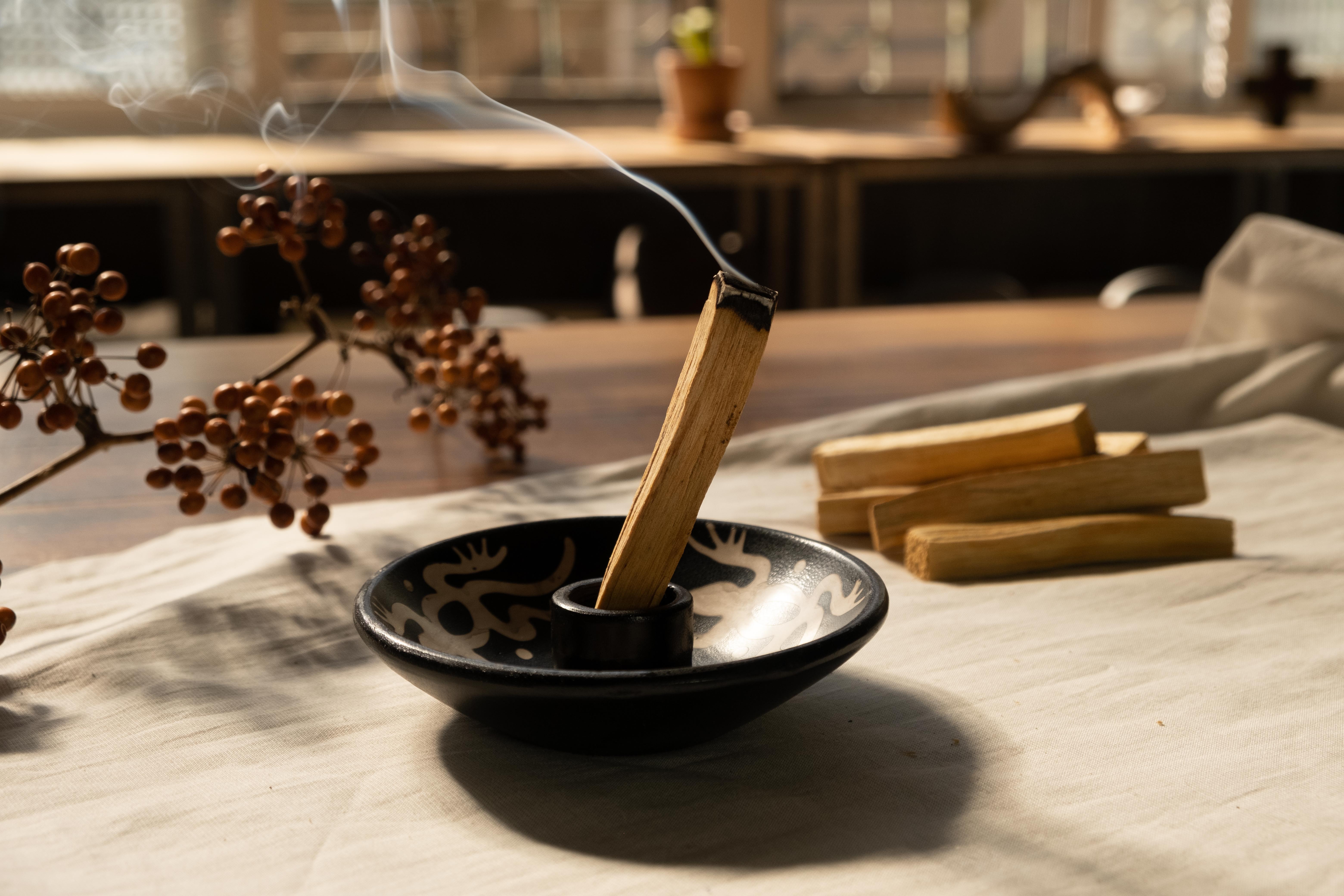
Far away in South America, Peru has preserved an incense-burning tradition passed down from the Inca Empire. They burn dried tree branches, producing a serene and calming fragrance. This wood, later called "Palo Santo" or "Holy Wood" by the Spanish, has since spread worldwide, becoming a foundation for self-exploration. Burning Palo Santo generates an aroma that purifies spaces, soothes and heals, or simply provides a moment of rest.
In recent years, global practices like yoga, meditation, and mindfulness have gained popularity, with many using unique scents to set the mood. Peruvian Palo Santo has captured significant attention as it creates a unique personal space and time. Its aroma and smoke allow individuals to dive deep into themselves while promoting tranquility within groups. Widely used today, its history can be traced back to the Inca Empire and even earlier.
Space Purification
In the 16th century, Spanish missionaries accompanying military expeditions to Peru documented local indigenous cultures. One missionary, Bernabé Cobo, described in Historia del Nuevo Mundo how the Incas burned a certain type of wood in ceremonies to ward off evil spirits and negative energy. He named this wood Palo Santo, meaning "Holy Wood."
Shamanic Traditions
Oral traditions among Peru's, Ecuador's, and the Amazon's indigenous peoples tell of shamans burning Palo Santo during rituals and healing practices to communicate with spirits or guide dying souls to the afterlife. Shamanic beliefs hold that naturally fallen Palo Santo carries unique spirituality, offering healing and purification. Its smoke embodies spirit, wisdom, and emotion, delivering positive energy when used properly.
Calming and Soothing
The aged heartwood of Palo Santo releases oils rich in terpenes like limonene and alpha-terpineol. Limonene, known for its citrus scent, has antibacterial, anti-inflammatory, and analgesic properties and repels insects. Additionally, it has a profound calming effect, relieving tension and evoking joy.
Spiritual Connection and Self-Healing
Beyond religious rituals, Palo Santo is commonly found in daily life. Its smoke and scent effectively repel insects, and it is often burned as firewood to prevent malaria. In Bolivia, indigenous couples plant a Palo Santo tree during their wedding as a symbol of their bond. Today, it is widely used to purify spaces and enhance spiritual activities like yoga, meditation, and mindfulness. In the hustle and bustle of modern life, lighting Palo Santo creates a unique atmosphere, offering calmness and stability while encouraging inner exploration.
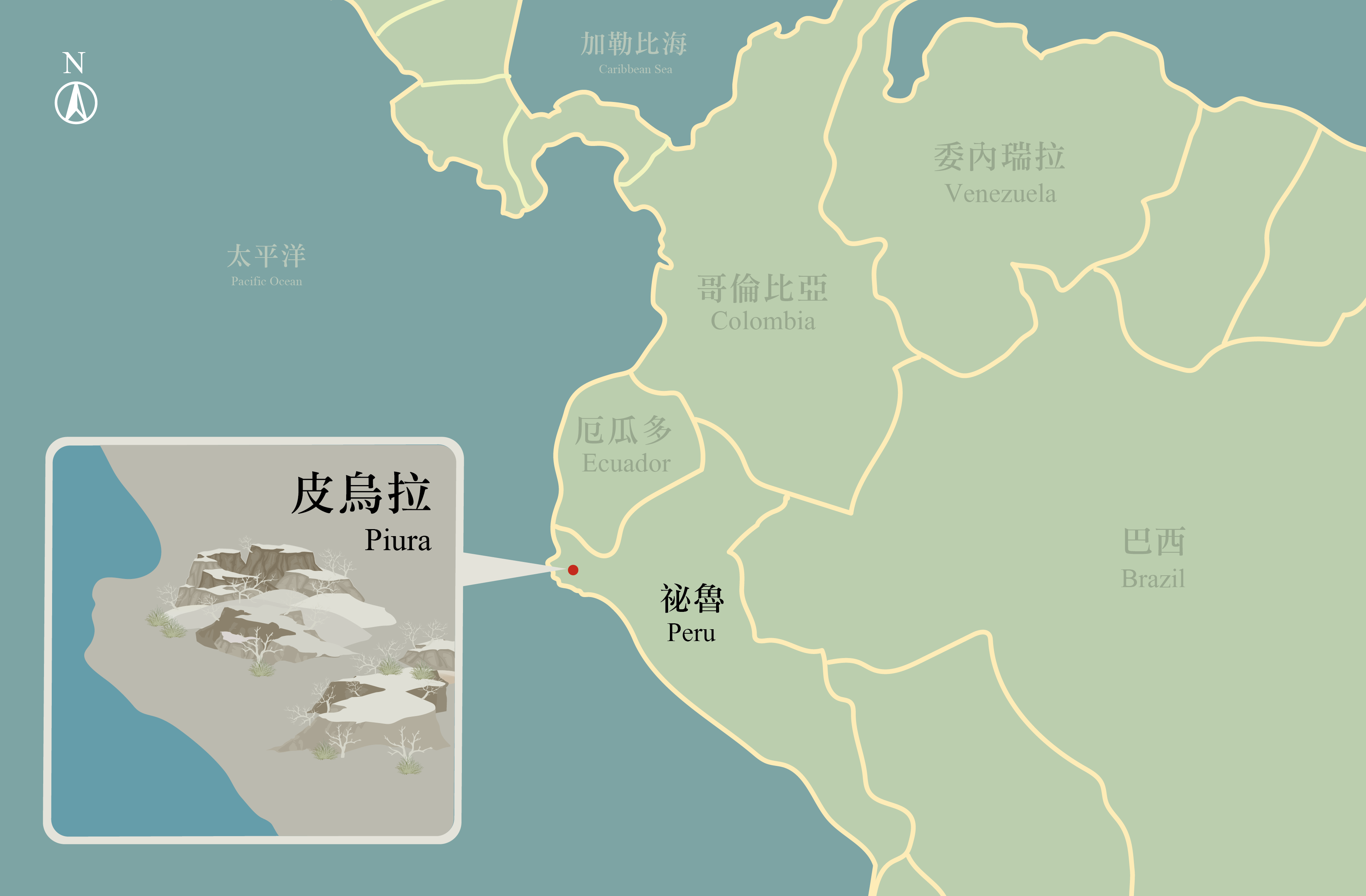
Piura
Peruvian Palo Santo primarily grows in Piura, a coastal region in the country's northwest. The area is influenced by the meeting of cold and warm ocean currents, creating a unique dry tropical forest climate where desert and forest coexist. It is one of the driest places on Earth.
Unique Terroir
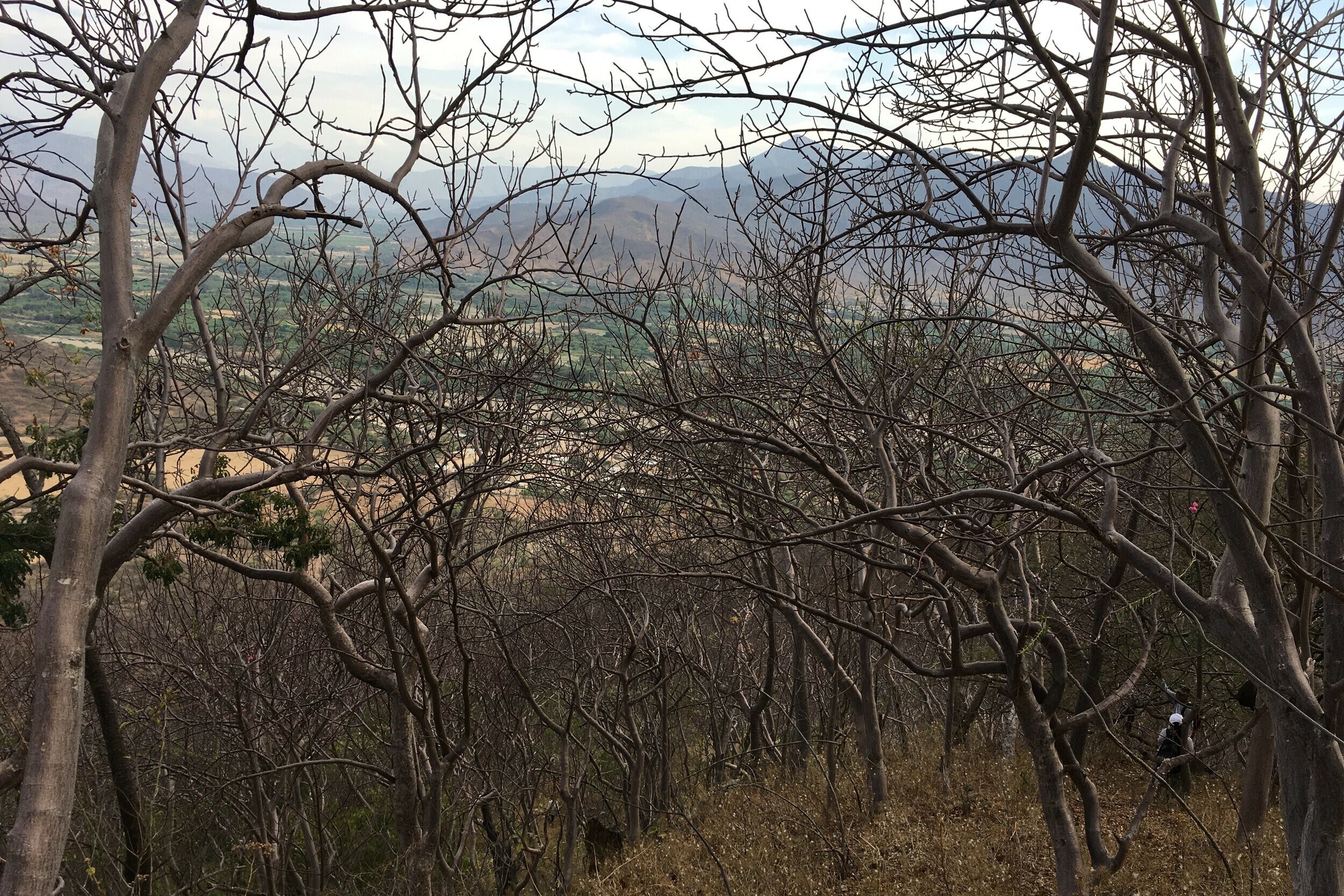
Piura hosts the densest dry tropical forest in the Pacific. These forests stretch from the Yucatán Peninsula to Peru and Venezuela, often situated between coastal deserts and foothills. They appear as barren woodlands but represent a rare ecosystem teeming with diverse flora and fauna.
Image/ Piura is located in northwest Peru.
Source/ SouSou Corner
Source / SouSou Corner
Resin-Rich Branches
Palo Santo, scientifically known as Bursera Graveolens, takes 40 to 90 years to mature. It belongs to the same family as olive trees and other renowned incense plants like frankincense and myrrh. Like olives, Palo Santo is rich in resin, producing a forest-like fragrance when burned. The trees from Piura are especially valued for their high resin content, earning the global name "Peruvian Palo Santo."
Image/ A forest of naturally dried Palo Santo. Source/ Caminoverde
Natural Aging
Ancient Incas believed true Palo Santo must rest on the ground for 4 to 10 years, enduring rain, sun, and wind to absorb natural energies and enrich its spiritual and resin content.
Naturally Fallen Wood
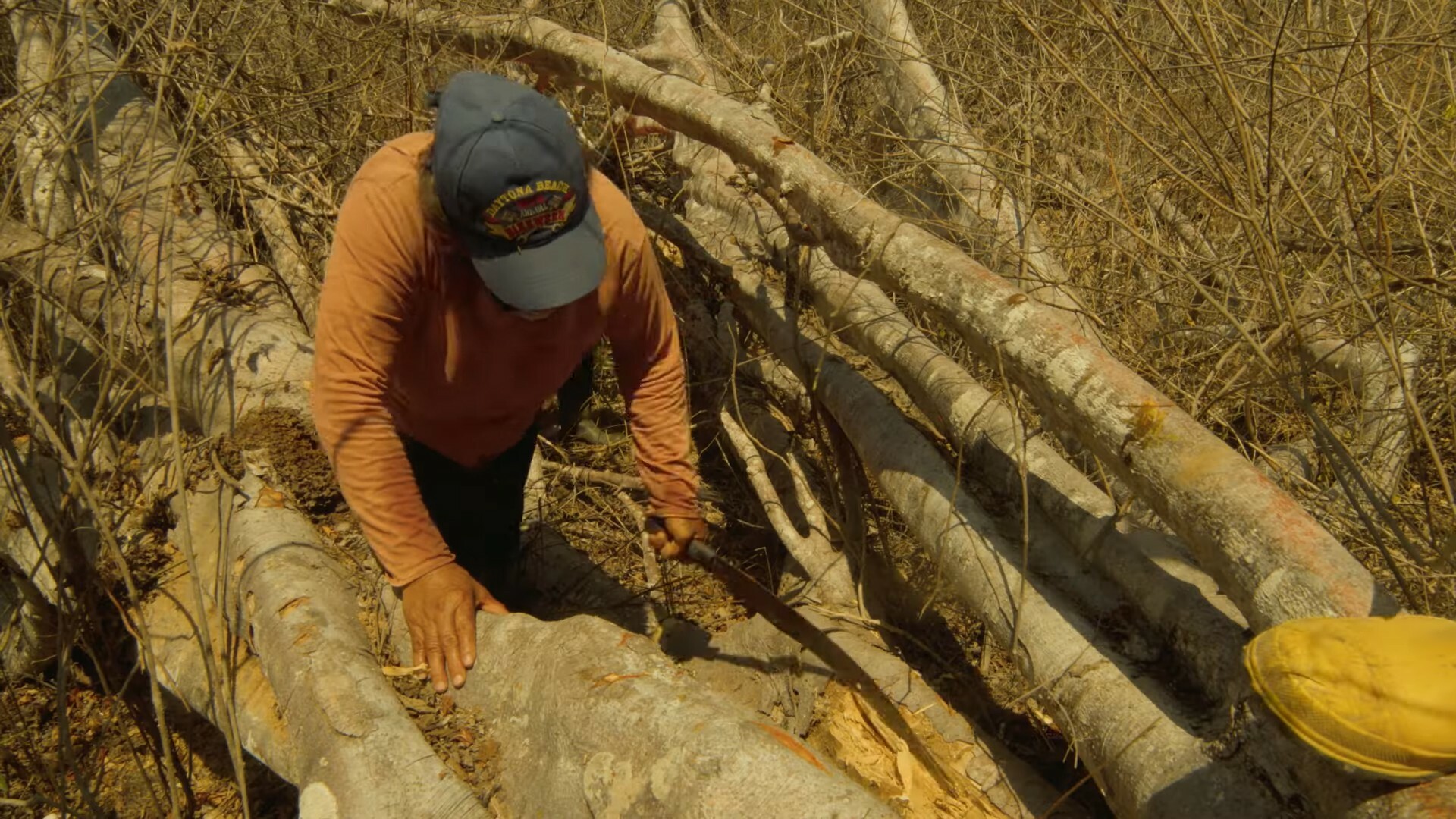
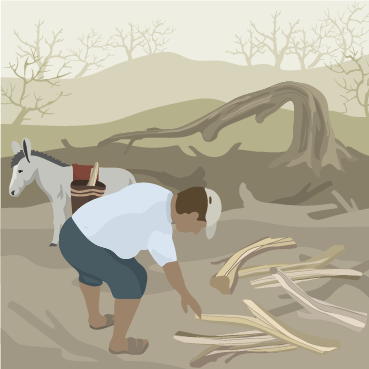
In the past decades, excessive harvesting of Palo Santo for incense, medicine, and fuel led Peru to establish the National Endangered Wildlife Species Committee in 2006. The government banned the cutting of live trees, allowing only naturally fallen wood aged three years or more to be collected. In 2019, the IUCN removed Peruvian Palo Santo from the endangered list due to conservation efforts, but Peru continues to regulate its use and export.
Image/ Locals collect only naturally fallen Palo Santo.
Source/ Sacred Wood Essence
Following Tradition
Our collaboration this time is with a workshop that works alongside experienced Palo Santo gatherers in Piura. They adhere to traditional methods, waiting for the trees to naturally fall and lie undisturbed for several years before collecting them. This approach respects the historical and spiritual significance of Palo Santo while allowing the oils within the wood to become richer and more concentrated.
First Selection
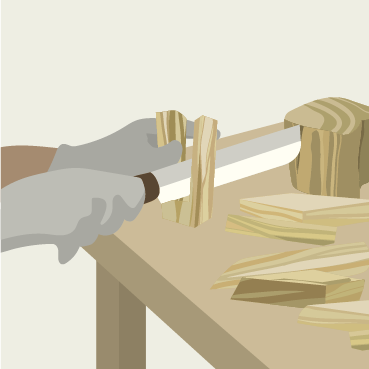
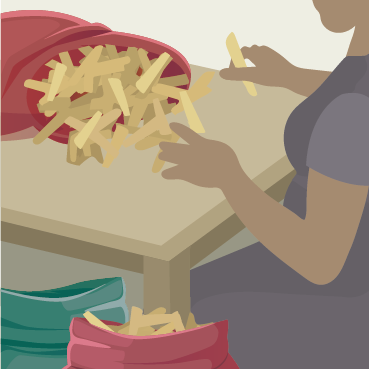
Collected wood is sorted into "Premier" and "Average" grades at the Piura workshop. "Premier" pieces are intact, free of pest damage, and richer in resin. Because resin levels cannot be determined visually, experienced workers often split the wood to evaluate its quality. Only a select few can distinguish resin-rich wood by sight.
Second Selection
In Lima, workers hand-cut the wood into sticks, preserving its natural texture. A second sorting process removes irregular pieces.
Offcuts are repurposed into incense cones and powders, while selected sticks are packaged for export.
PromPeru Certification
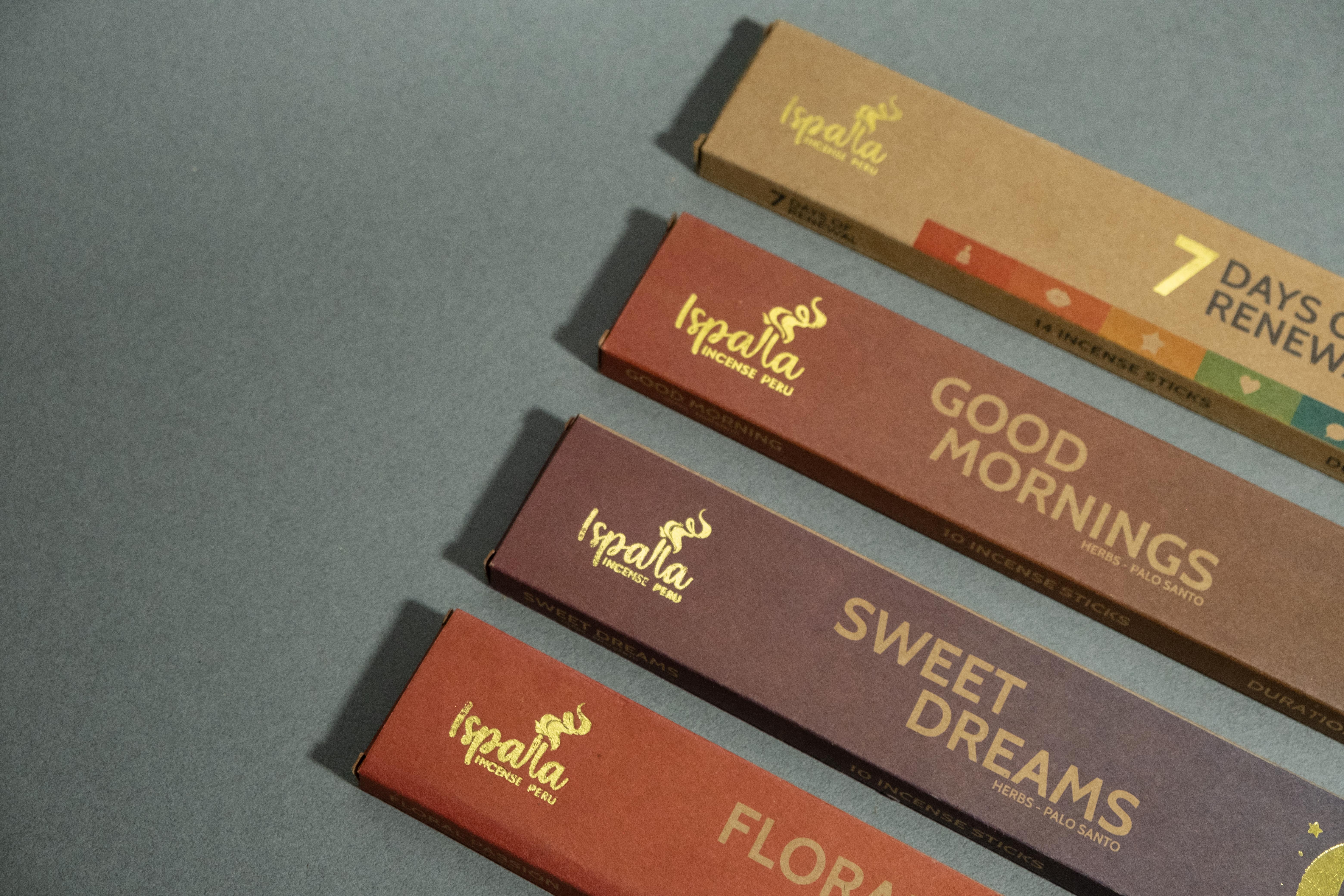
Our partner for this collaboration is Ispalla, the only Palo Santo brand officially certified by the Peruvian government and authorized by Prom Peru. Each export of Palo Santo undergoes rigorous government inspections and requires official certification. As the sole brand with this official emblem, it reflects the workshop’s commitment to social responsibility and brand values.
Image/ PromPeru certification
Source/ Peruvian Ministry of Commerce
Community Programs
Piura is an impoverished rural area. The workshop has implemented long-term community programs, training locals in wood selection and creating employment opportunities. These efforts support families while upholding Palo Santo traditions.
Ispalla: Goddess of Plants
"Ispalla," from the Aymara language, means "Goddess of Plants." The workshop follows traditional methods, producing entirely handmade, additive-free Palo Santo products using only Peruvian plants.
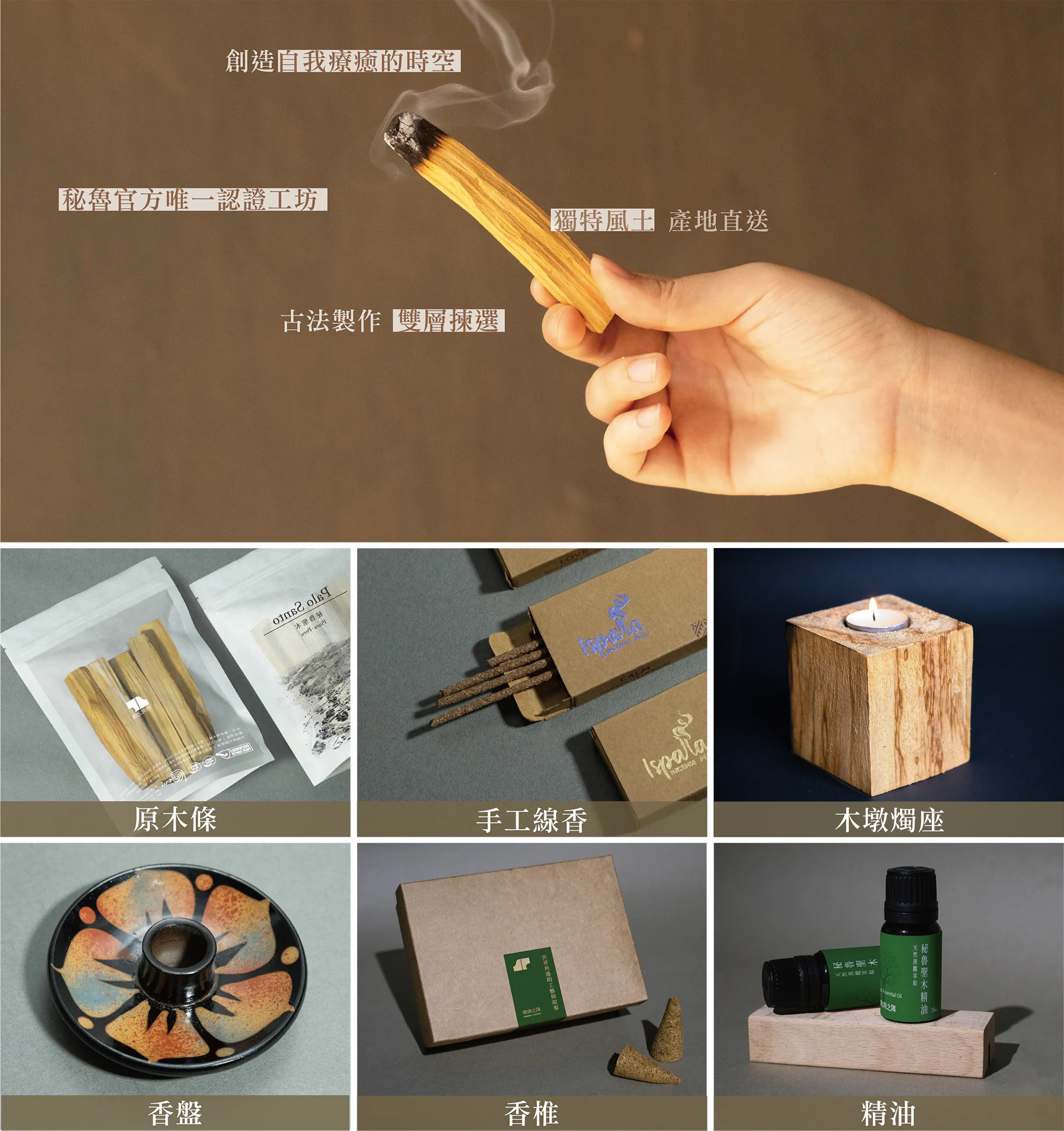
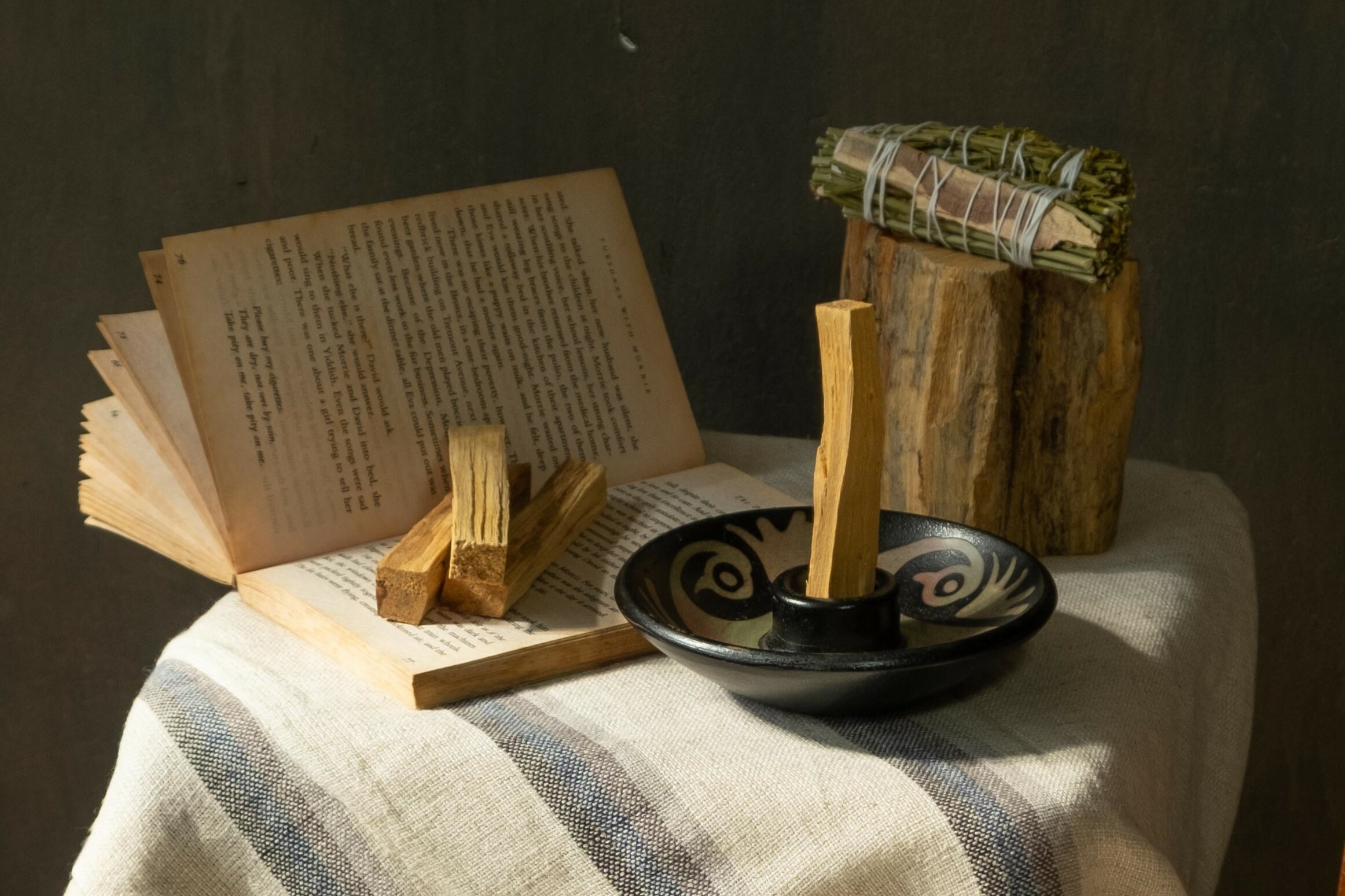
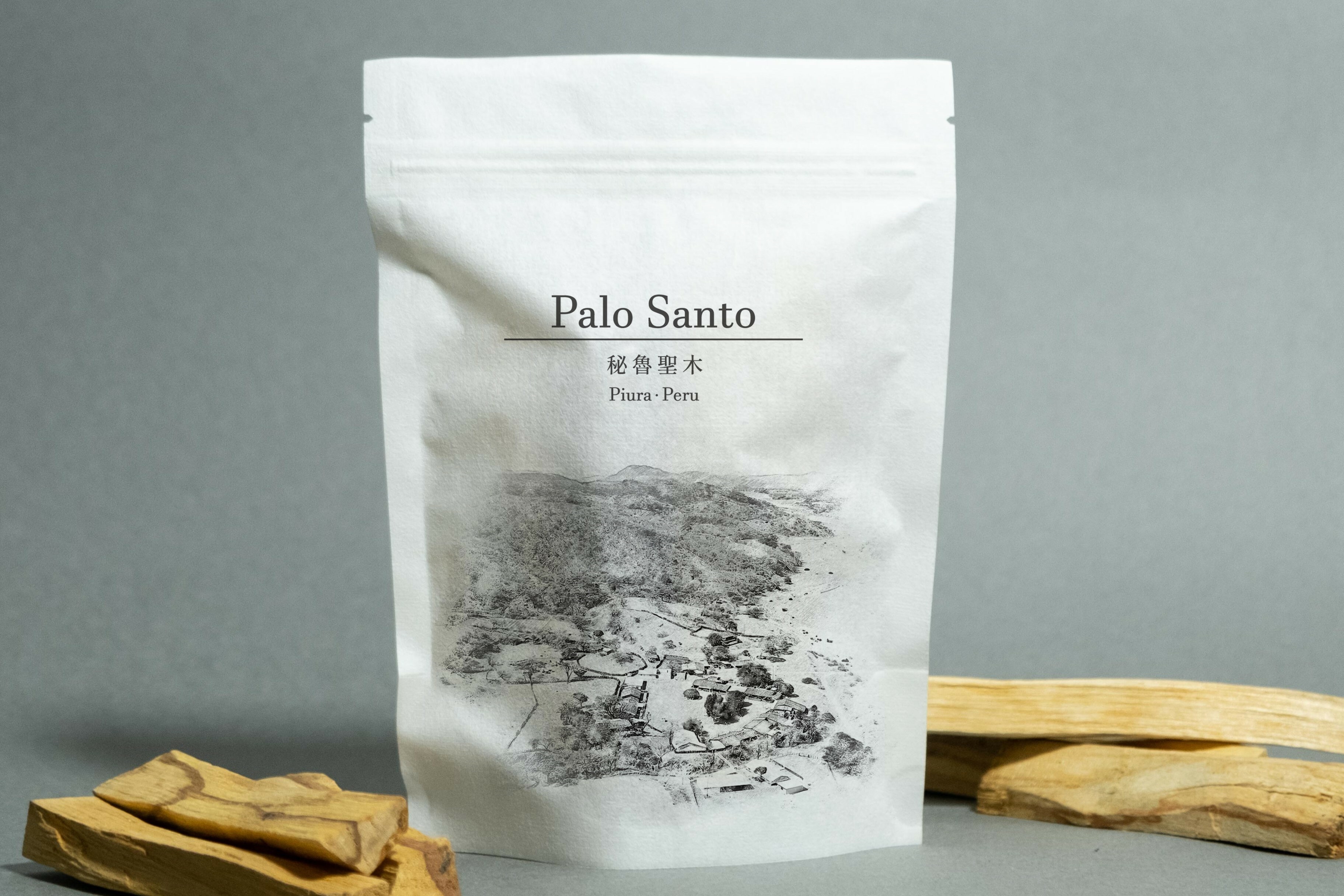
Wood Sticks
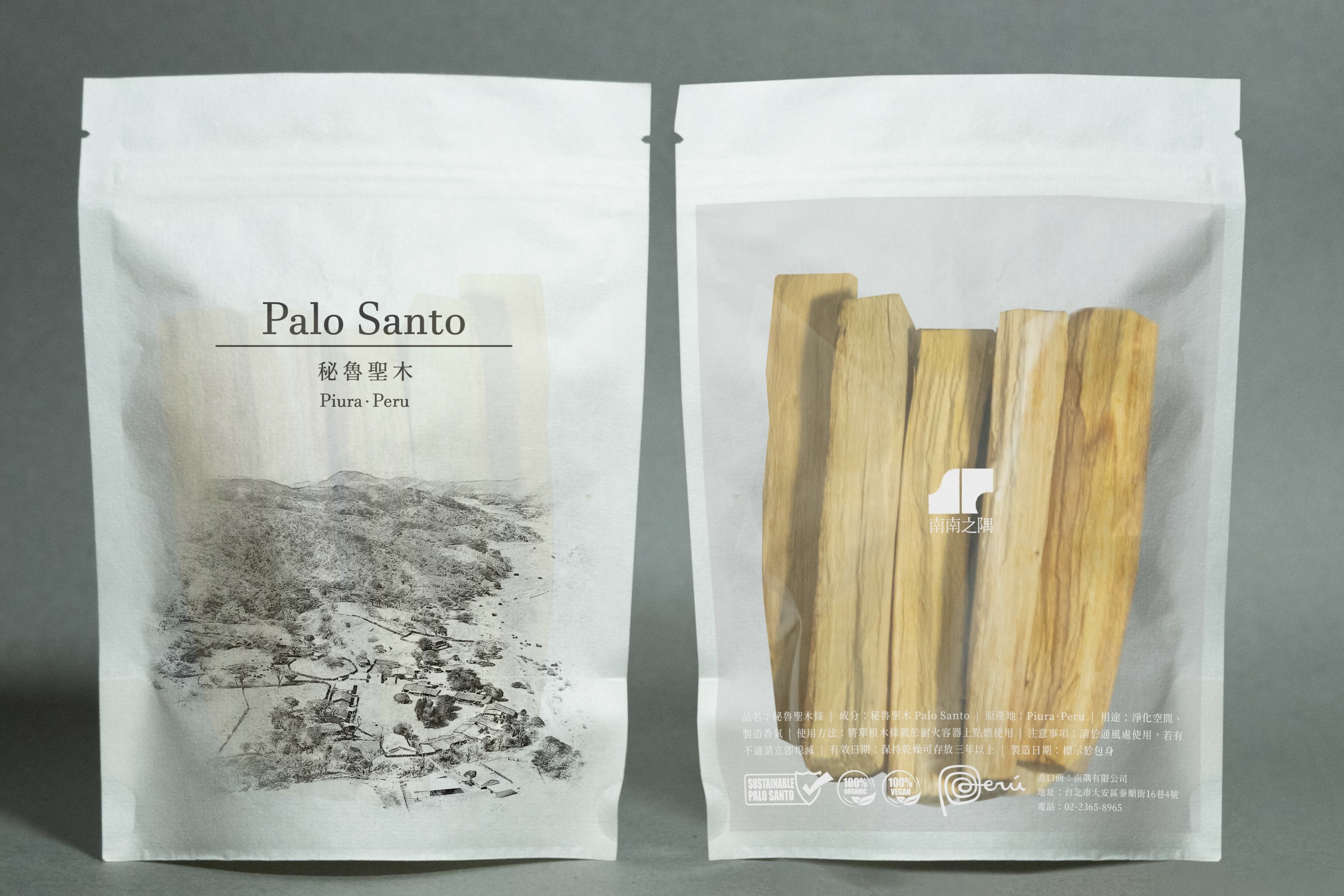
Sealed packaging ensures preservation in humid climates in Taiwan, with a cover image showcasing Piura’s landscape.
-木墩燭座-
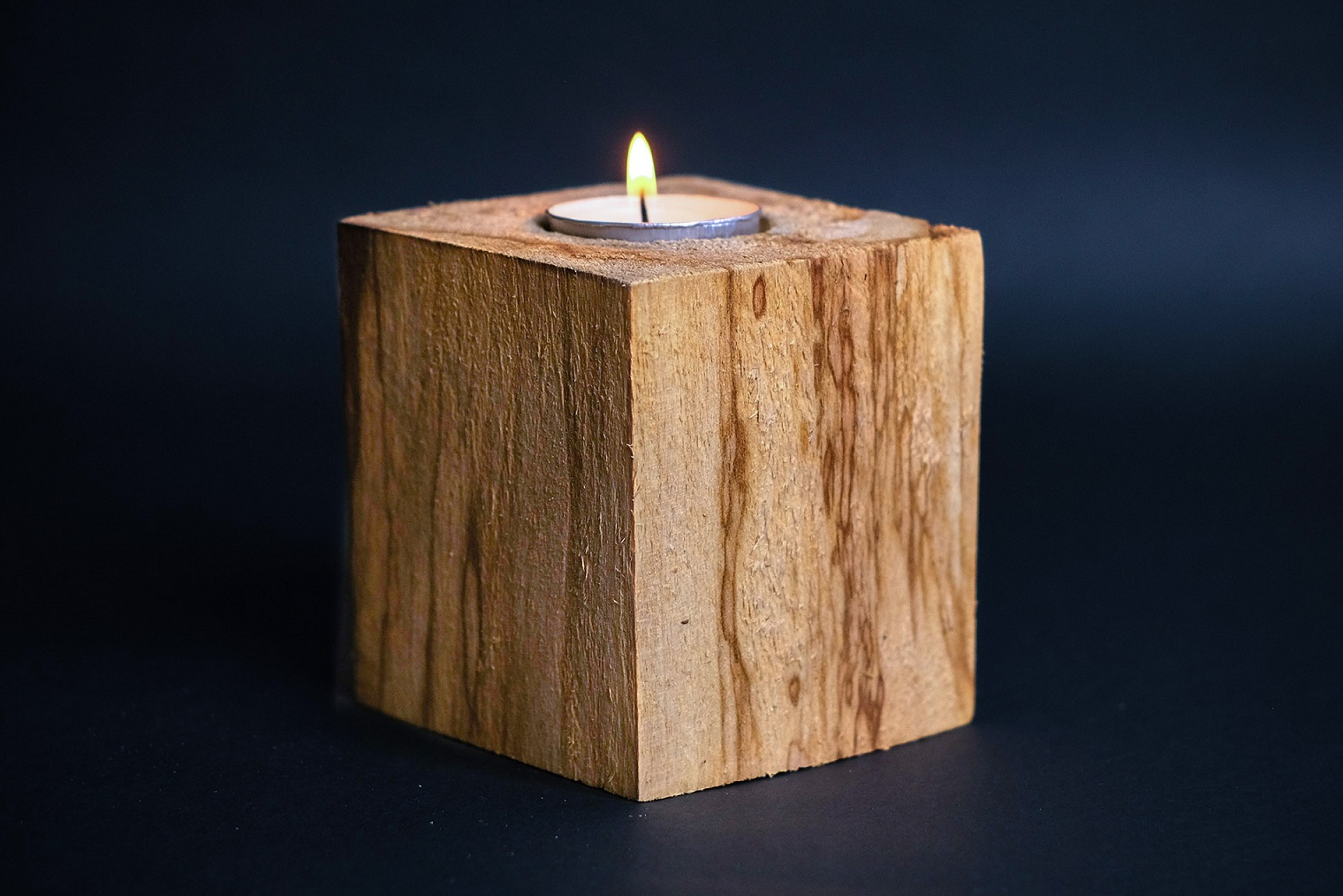
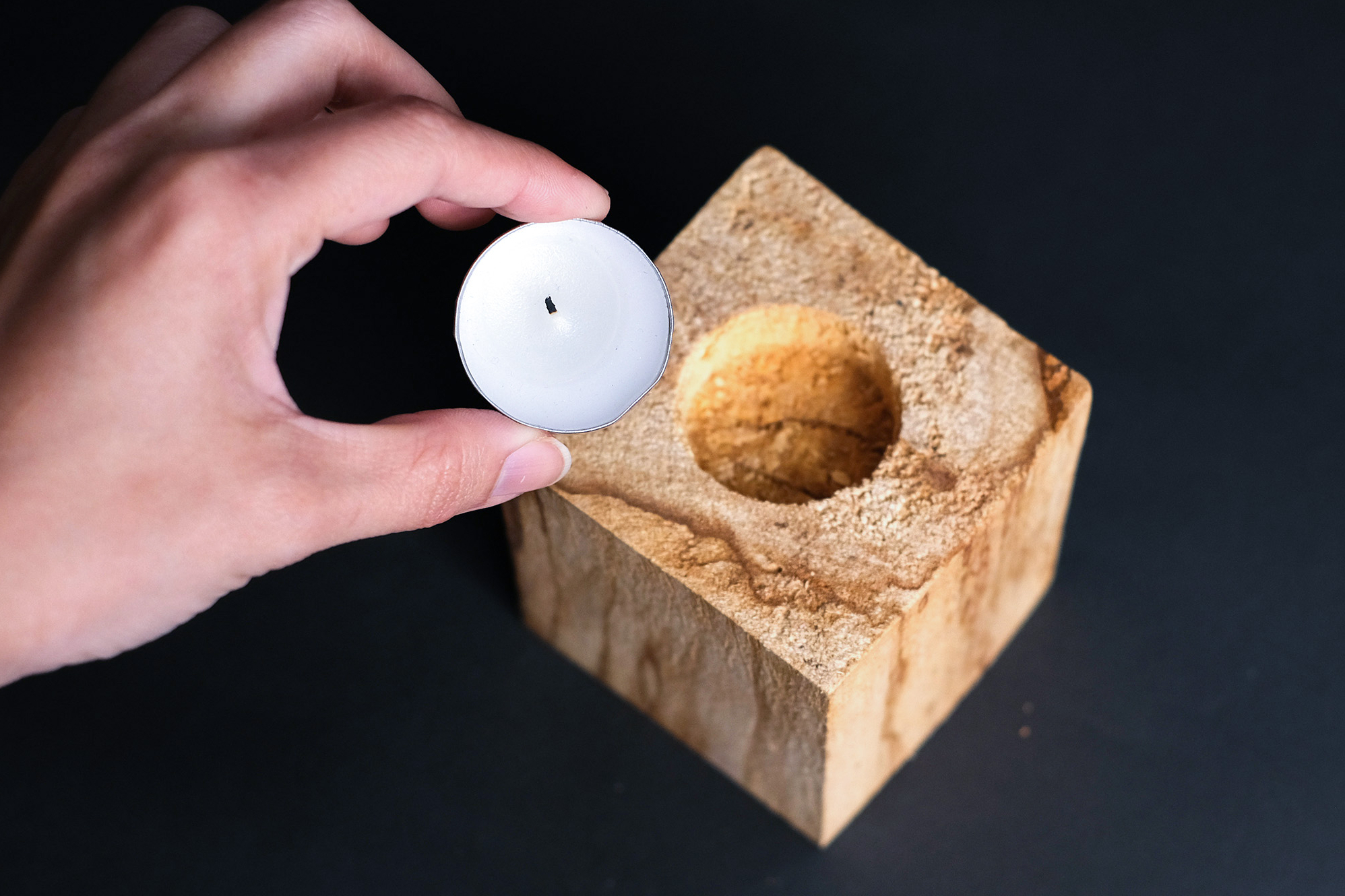
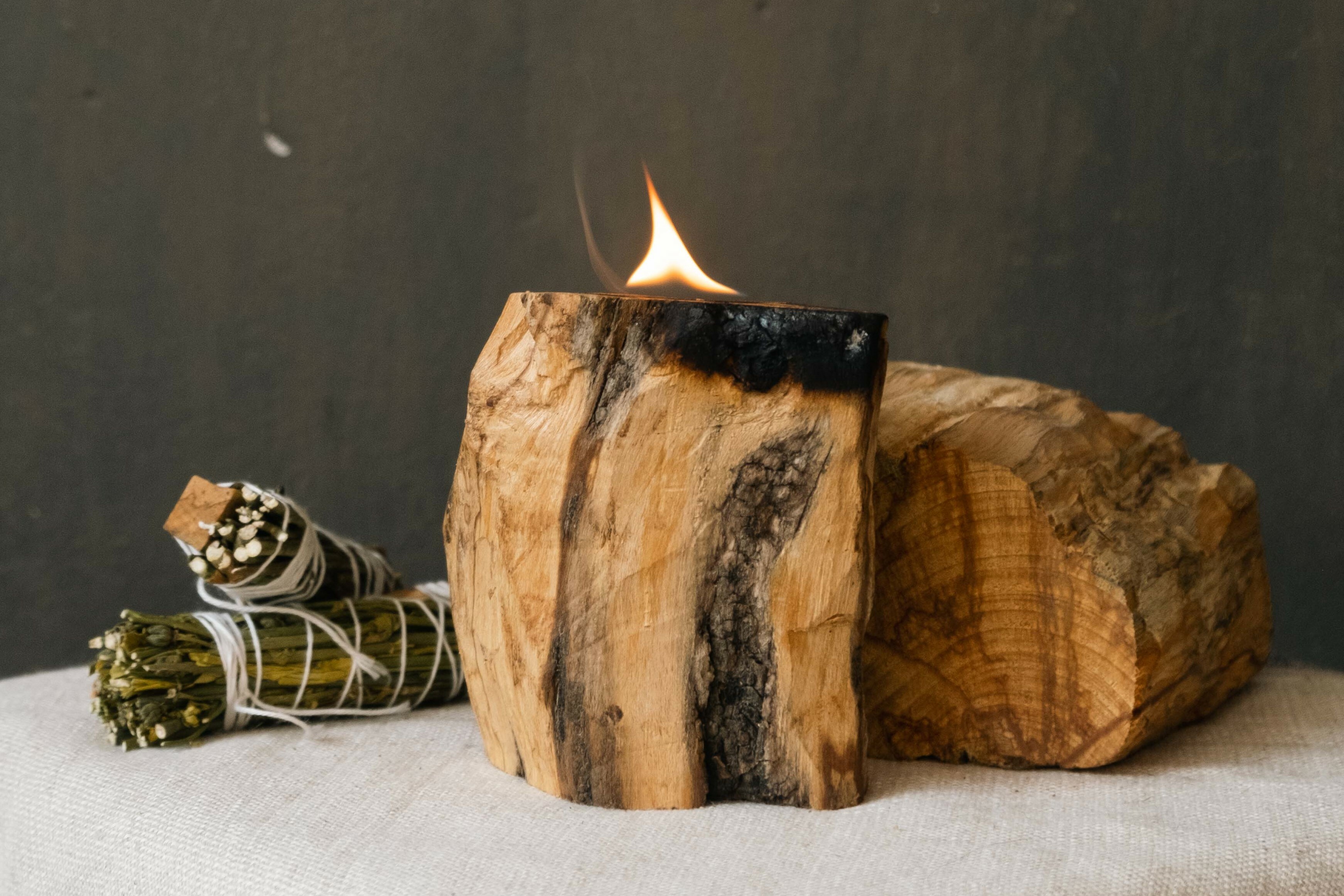
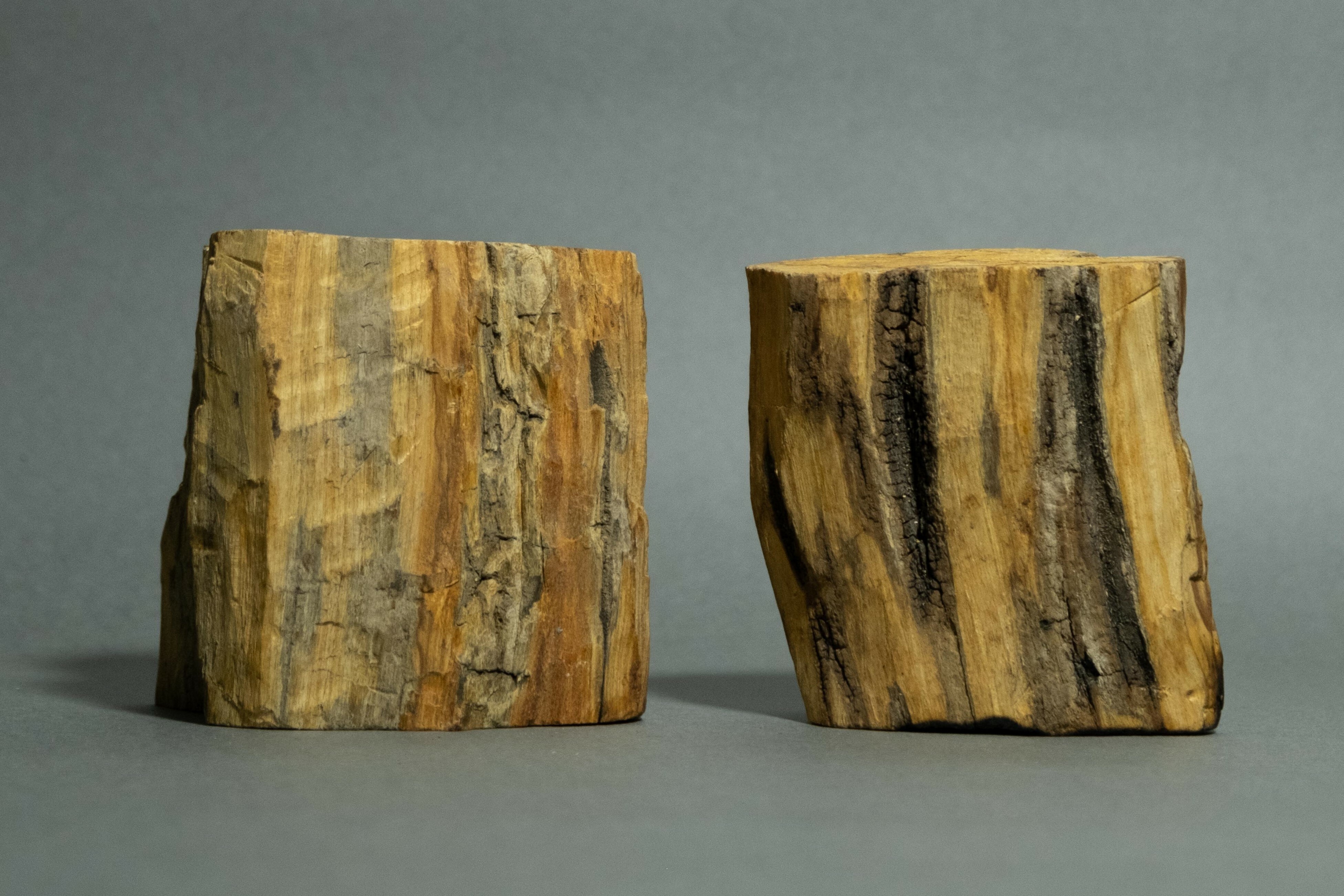
木墩燭座為工坊的特殊產品,將整塊木墩製作成燭座,展現出聖木原始的自然特性,相較於木條,木墩因整塊的特性不易點燃(可使用噴槍式打火機),作為家中擺飾,即可感受它持續平靜的能量。
Wood Blocks
Larger pieces showcase the wood’s natural character. Though harder to ignite, they offer lasting tranquility as décor.
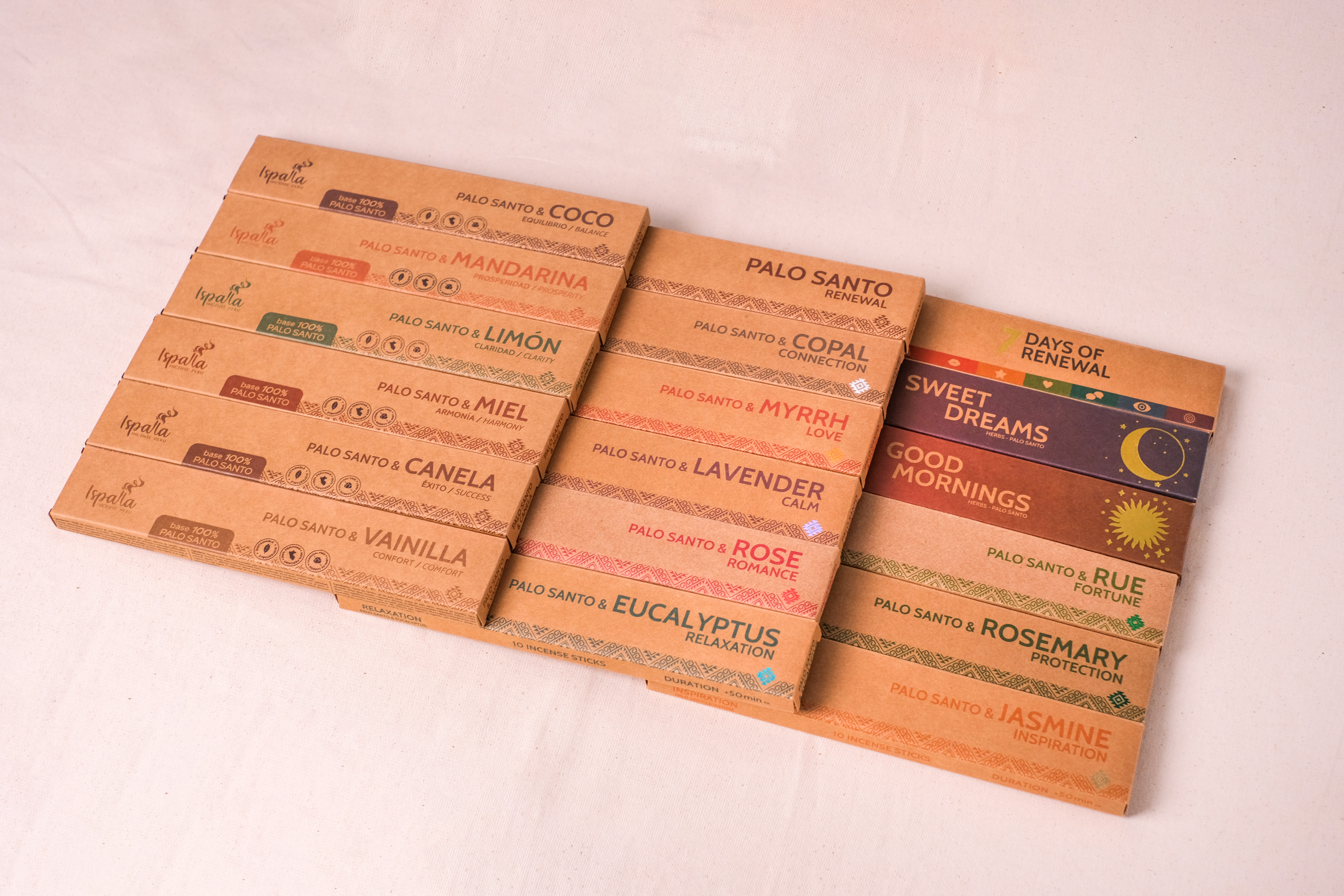
Handmade Incense
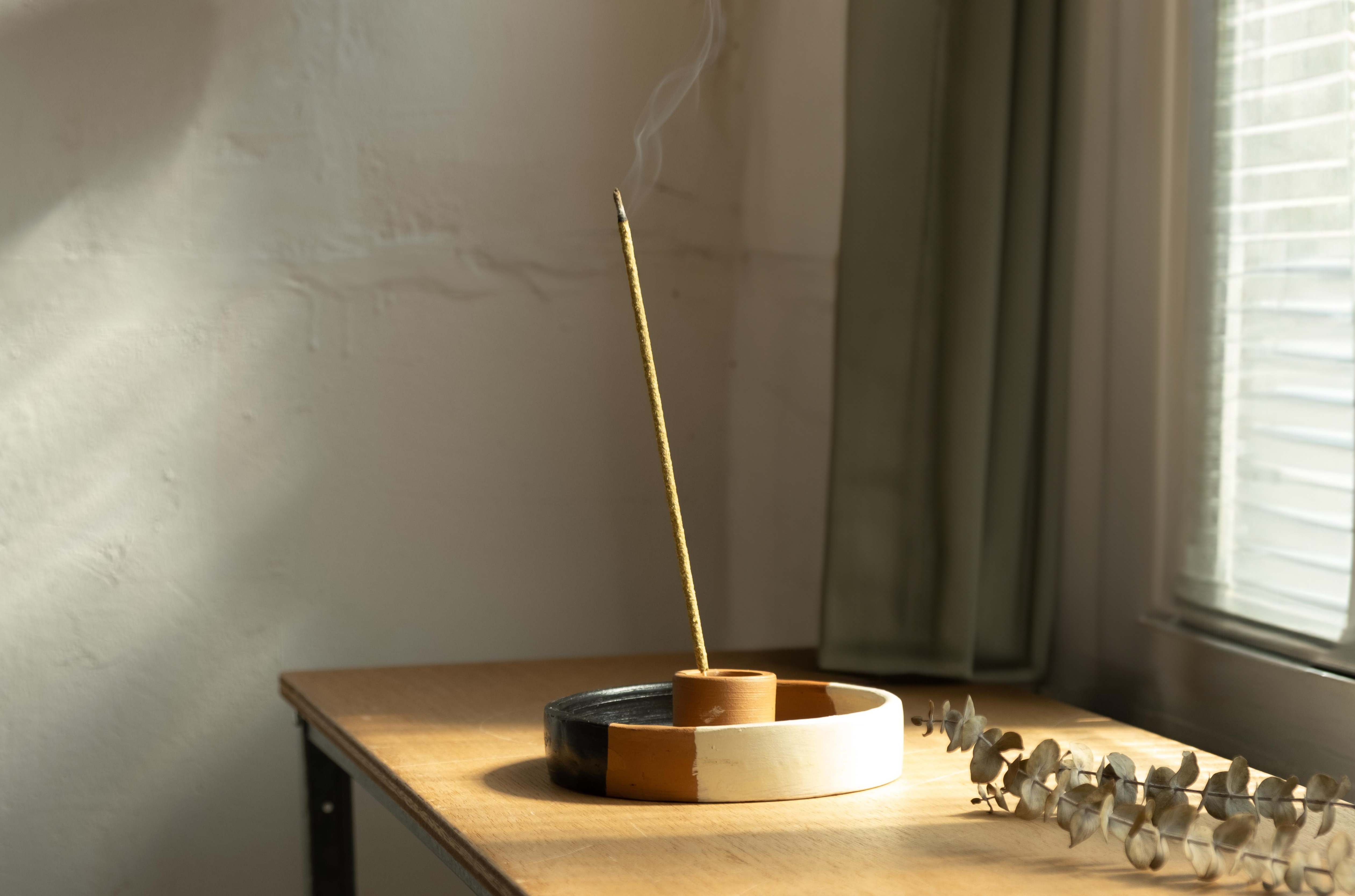
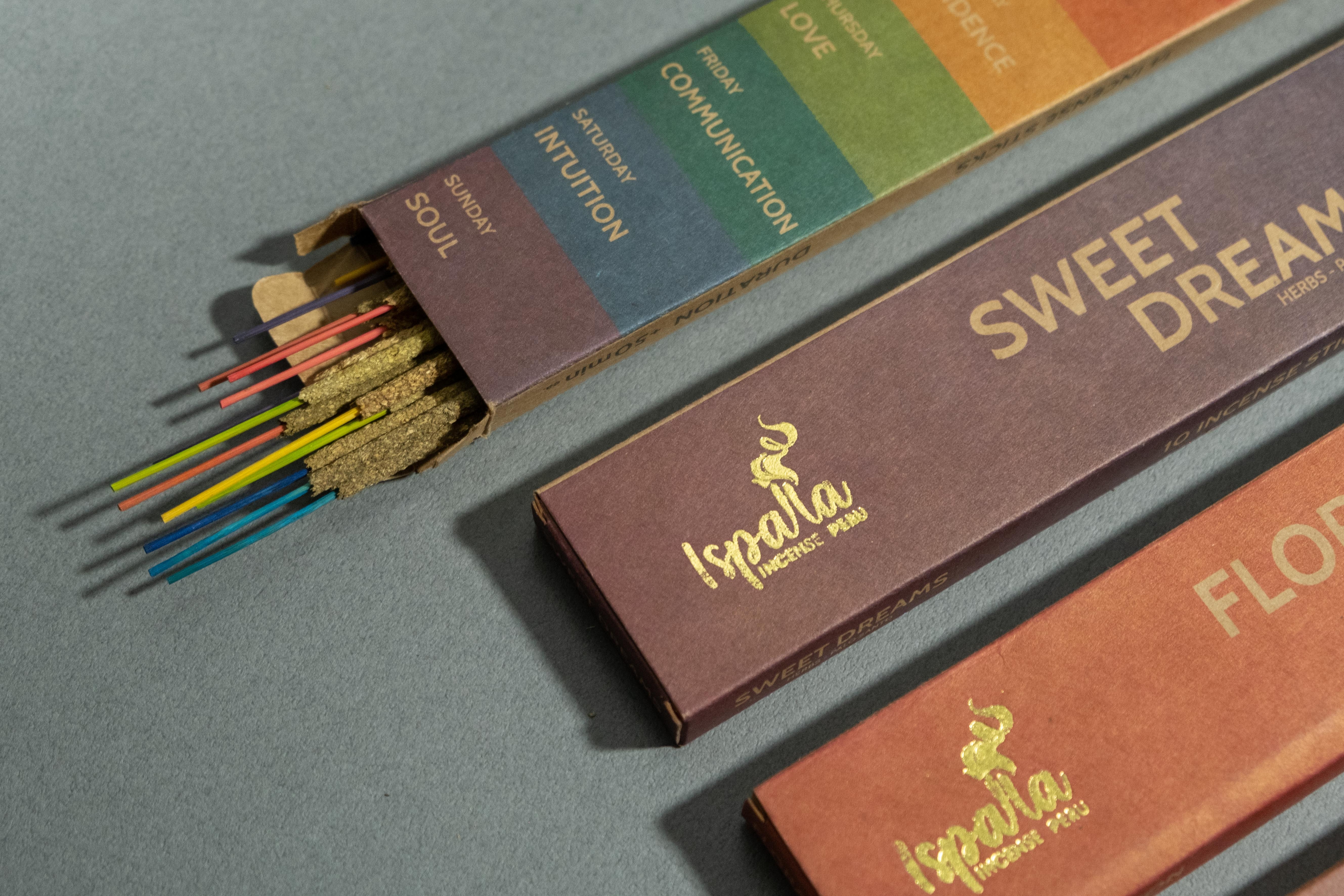
Twelve varieties, some blended with local plants, are themed around the days of the week.
Incense Holder
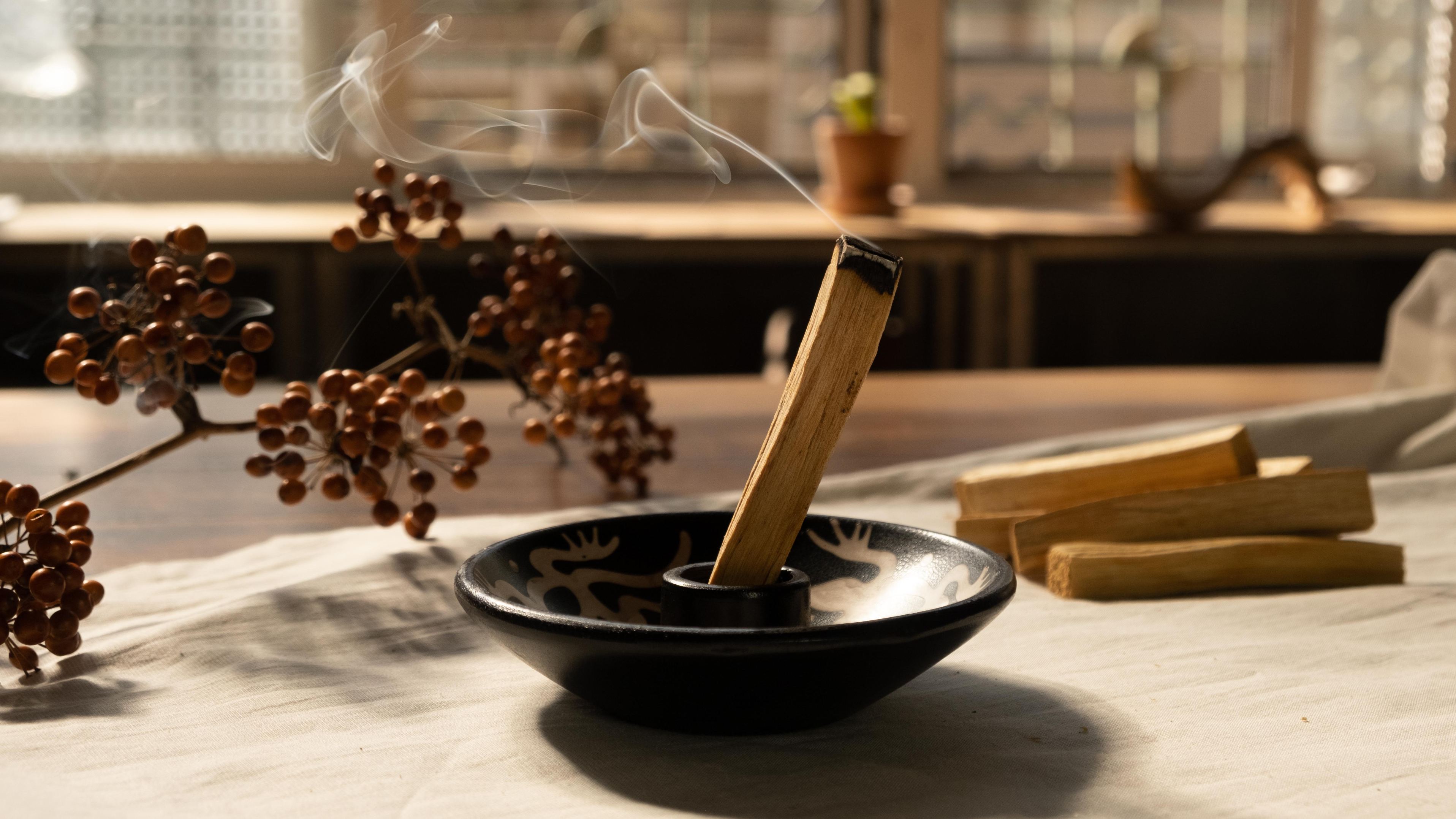
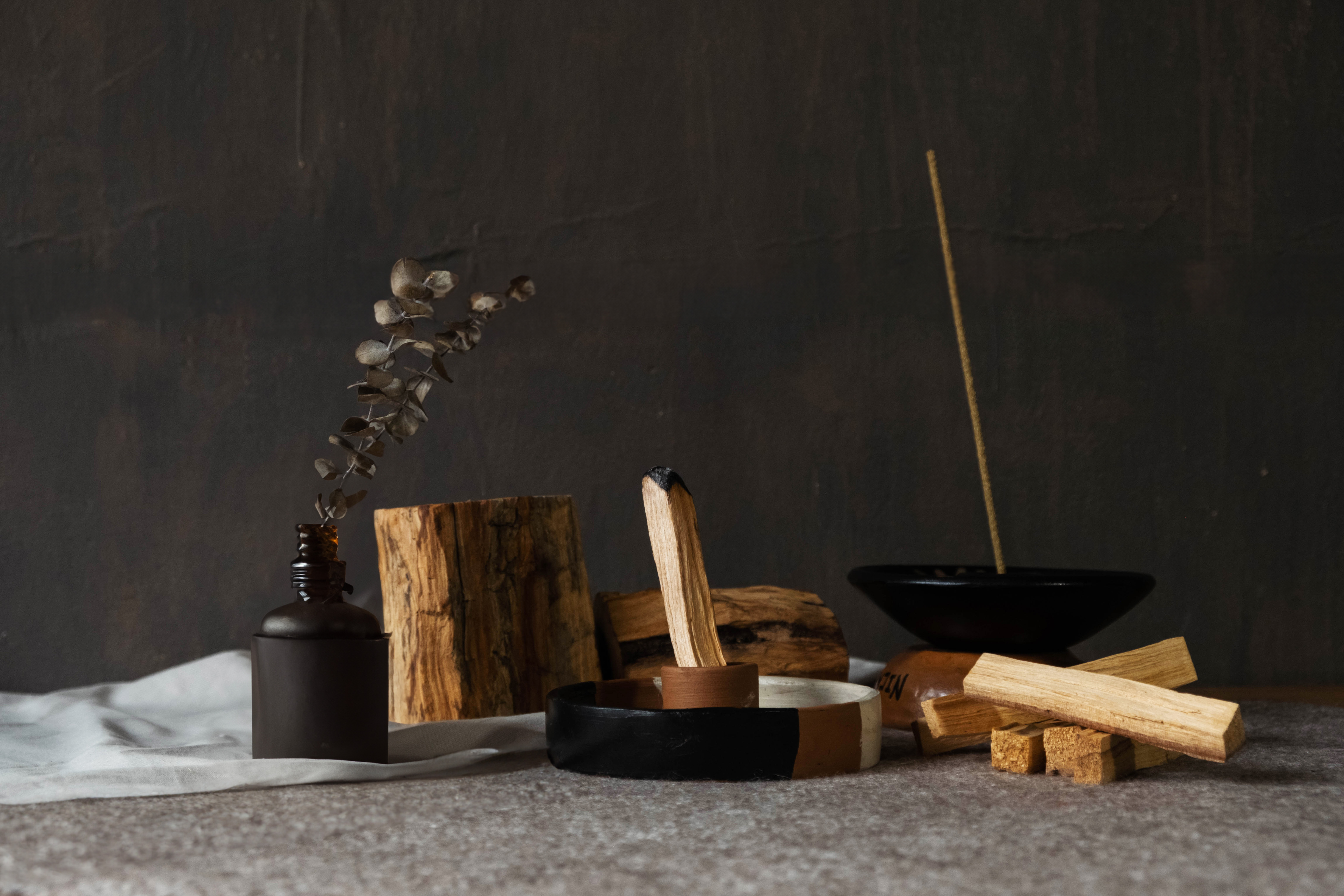
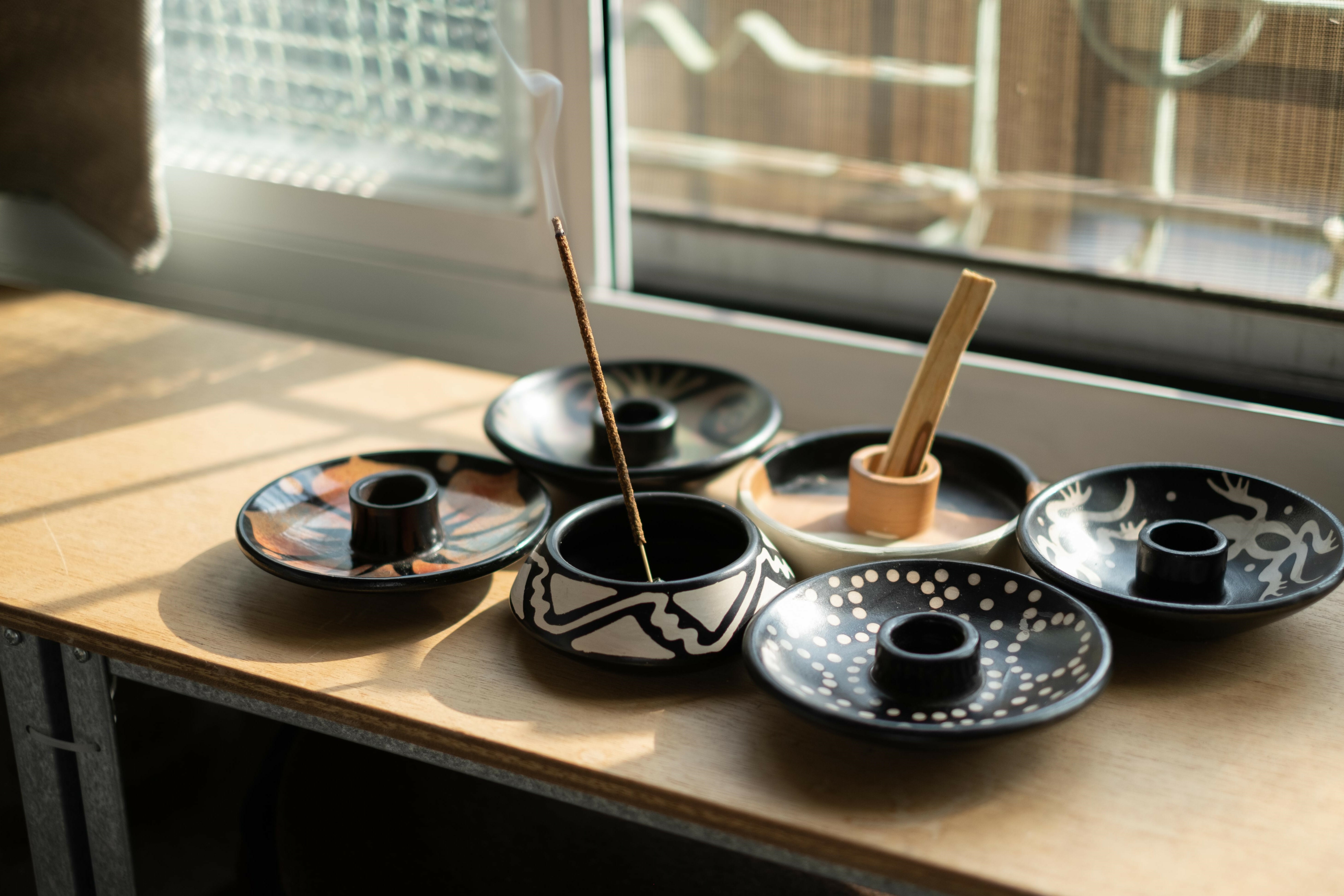
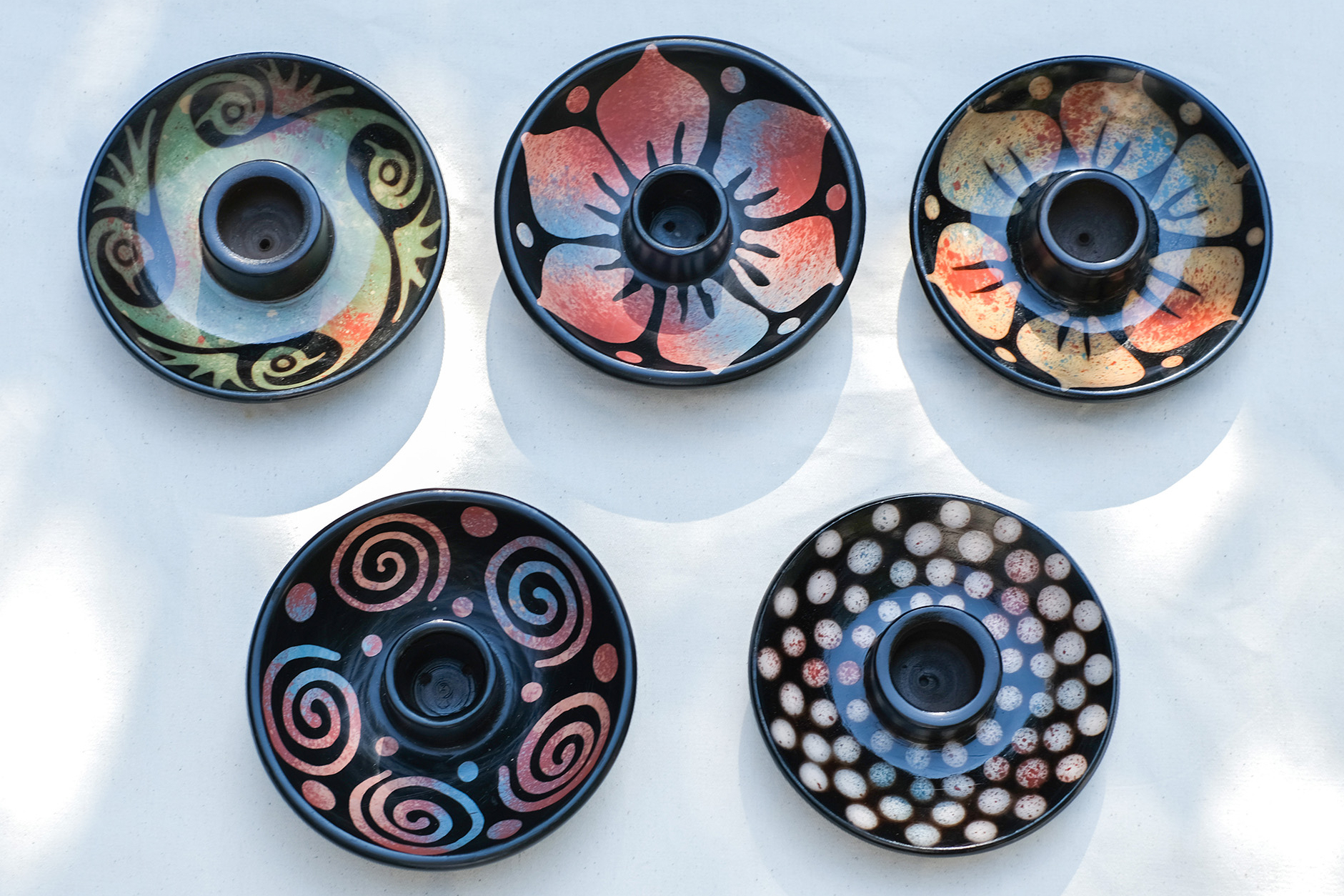
The black clay incense holder, designed for both wooden sticks and incense, is handcrafted in the small northern Peruvian town of Chulucanas. The pottery-making techniques in this region date back to the Moche Civilization (circa 100–800 CE). These pieces are kiln-fired at temperatures between 700–900°C and feature a unique process. Patterns are covered with a clay-and-plant mixture, then smoked repeatedly with mango leaves. This results in a distinctive black gloss on the uncovered areas.
Incense Cones
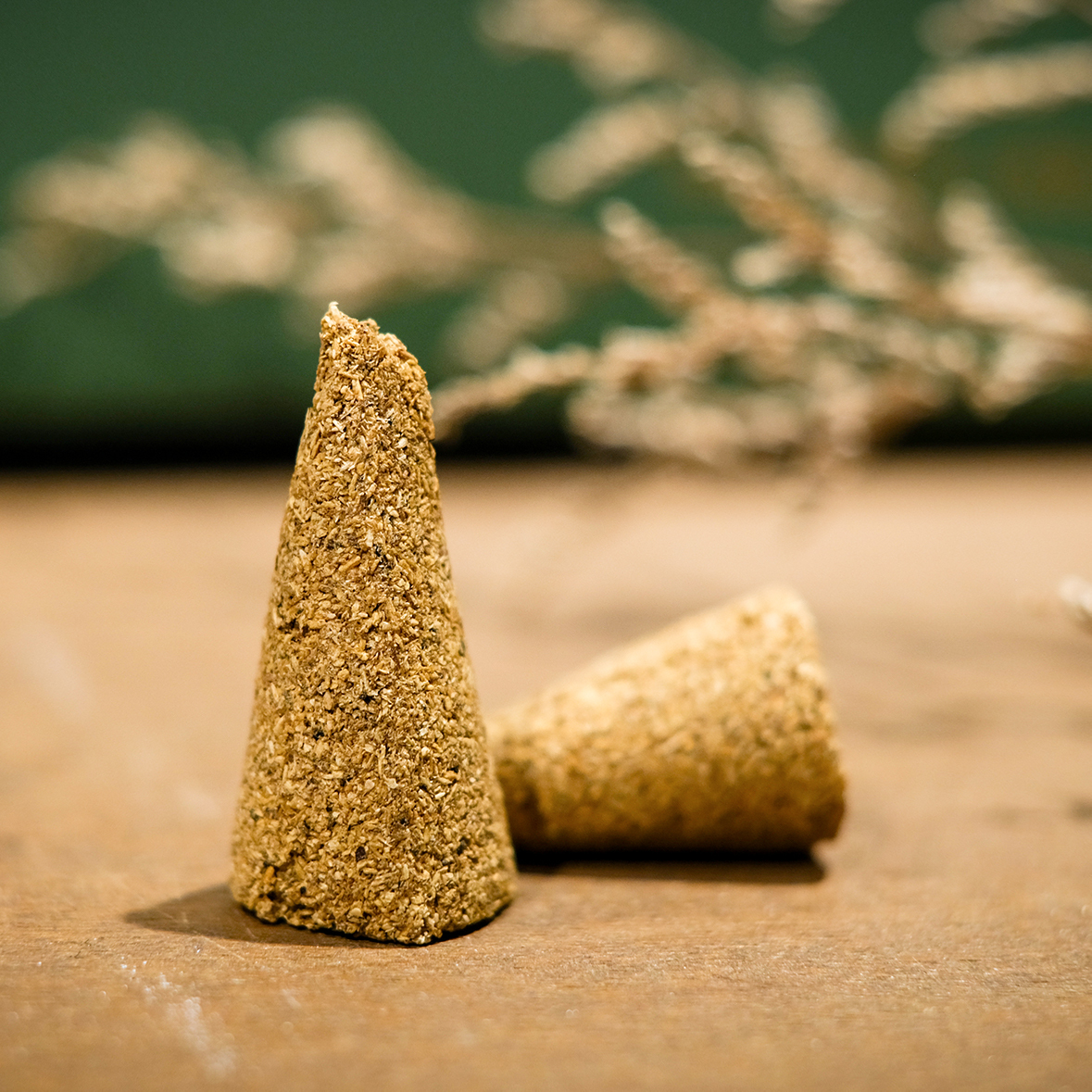
Cone-shaped incense, using Cordia lutea fruits for binding, fills rooms with Palo Santo fragrance in just 50 minutes.
100% Pure Palo Santo Essential Oil
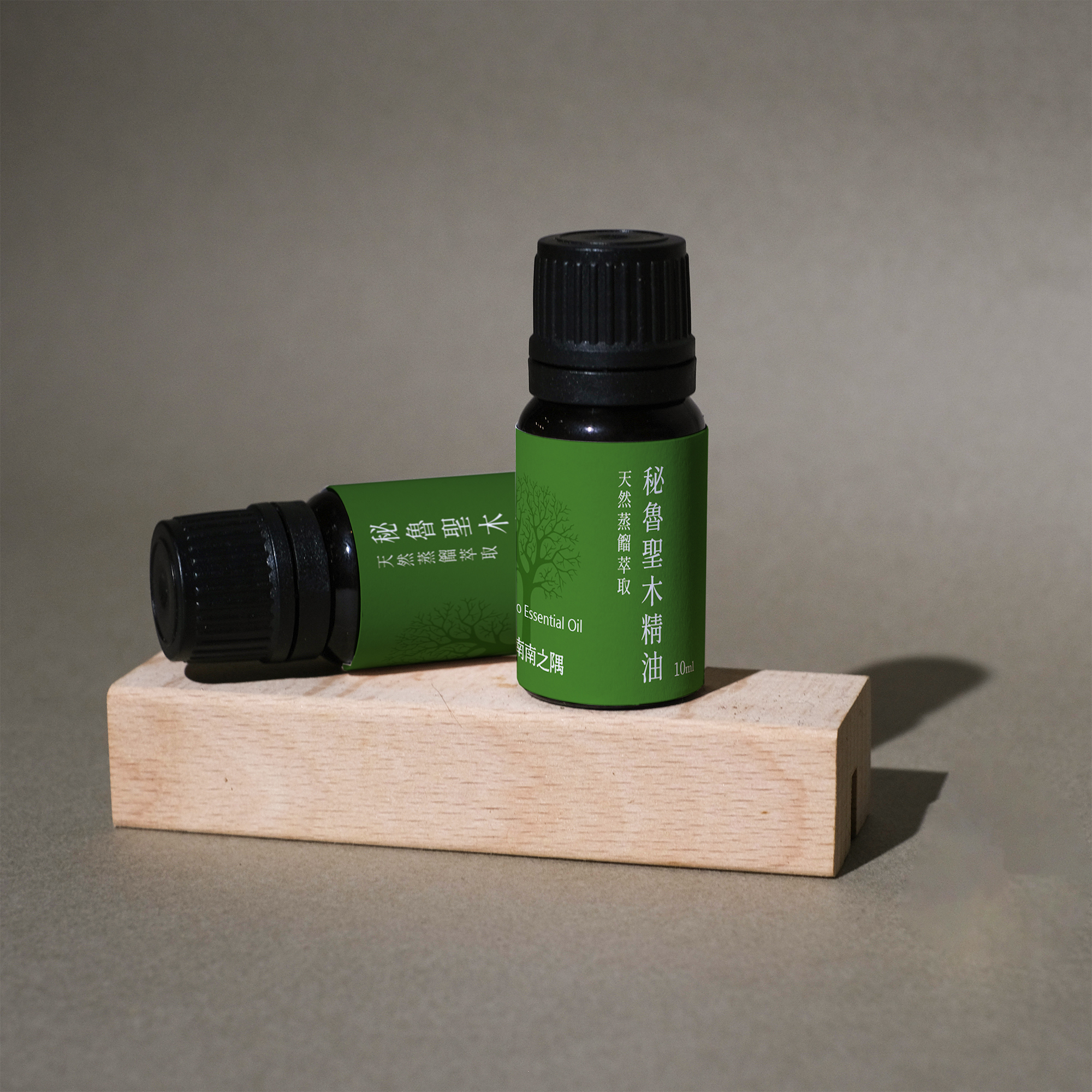
Extracted through natural distillation from Peruvian Palo Santo wood aged in the earth for 4 to 10 years, this pure essential oil offers a rich and pristine aroma. It can be used in various ways: diluted and sprayed to refresh spaces, added to diffusers, or blended with other essential oils for custom fragrances.
For Long-Term Purchases or Brand Collaborations
We welcome inquiries at sales@sousoucorner.org
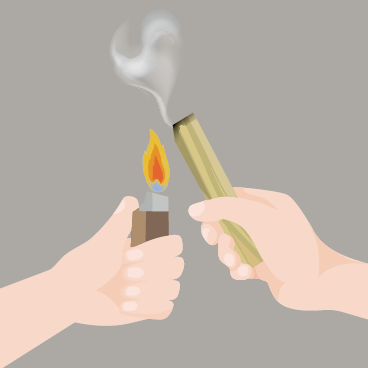
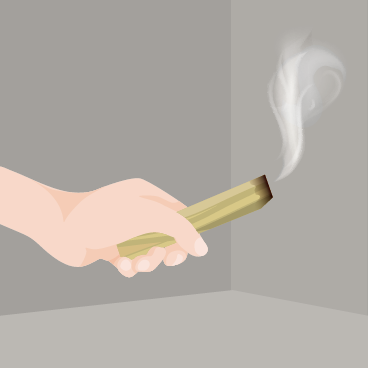
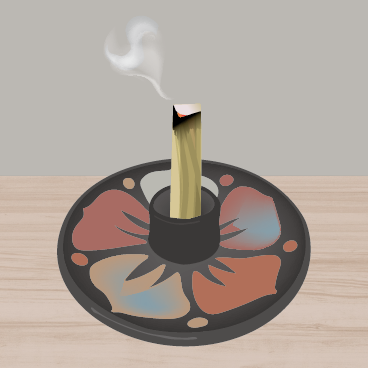
Instructions for Space Purification
1. Light the Palo Santo stick.
2. Carry it to different corners of the room, allowing the smoke to flow through the entire space.
3. Place it on the incense holder, letting the smoke naturally disperse. If the flame extinguishes, simply relight it as needed.
Peru|Palo Santo