{{ 'fb_in_app_browser_popup.desc' | translate }} {{ 'fb_in_app_browser_popup.copy_link' | translate }}
{{ 'in_app_browser_popup.desc' | translate }}
{{ childProduct.title_translations | translateModel }}
{{ getChildVariationShorthand(childProduct.child_variation) }}
{{ getSelectedItemDetail(selectedChildProduct, item).childProductName }} x {{ selectedChildProduct.quantity || 1 }}
{{ getSelectedItemDetail(selectedChildProduct, item).childVariationName }}
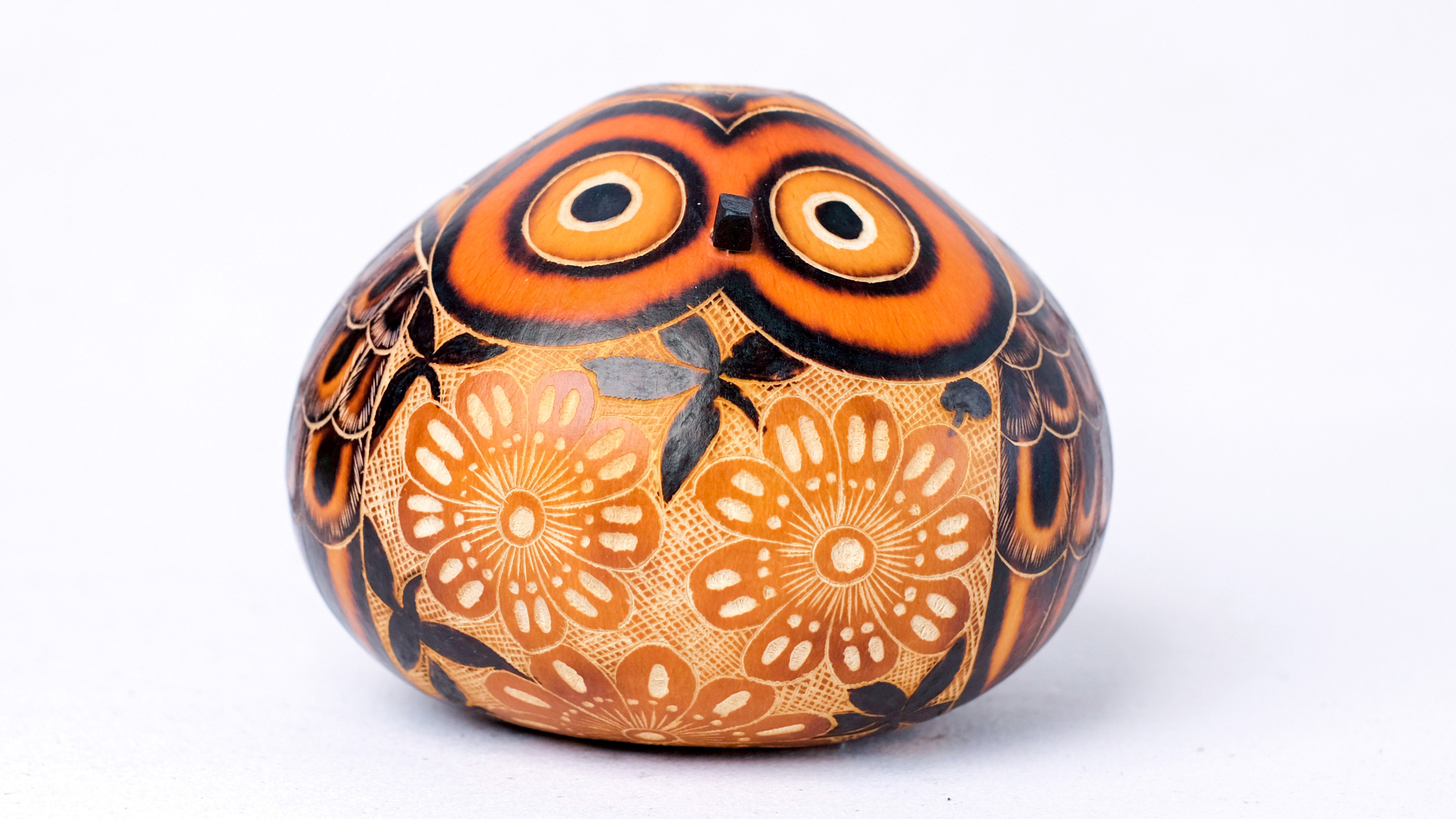
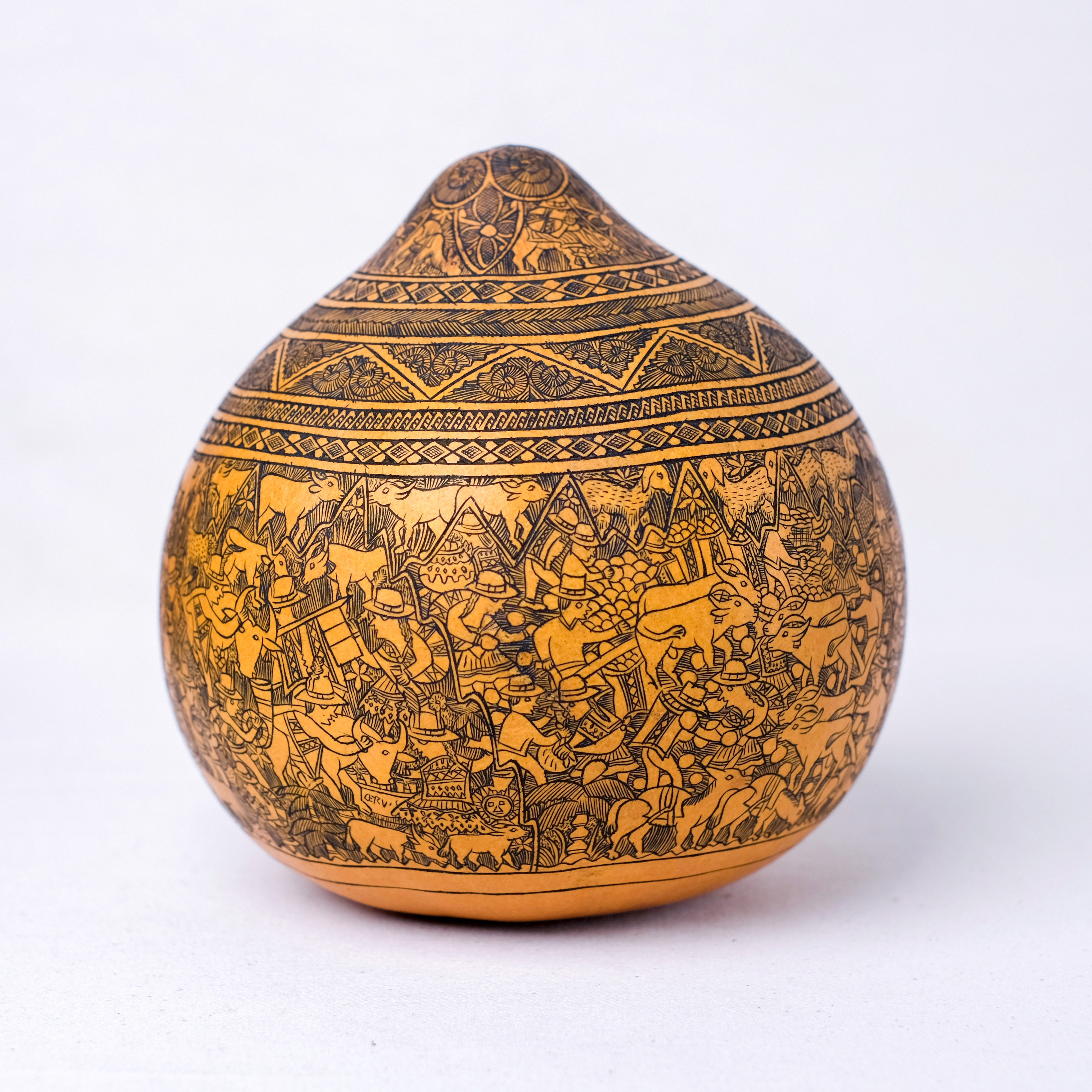
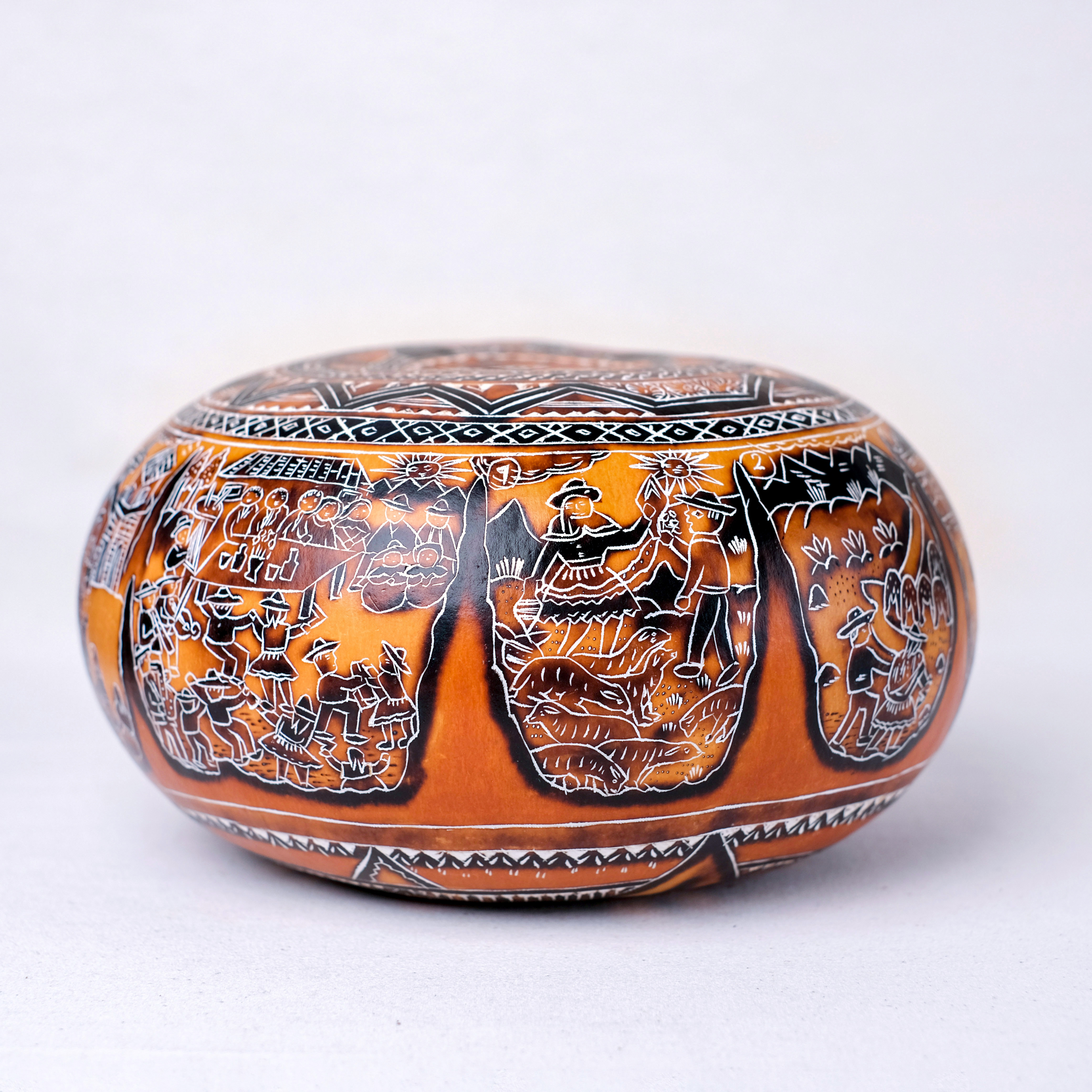
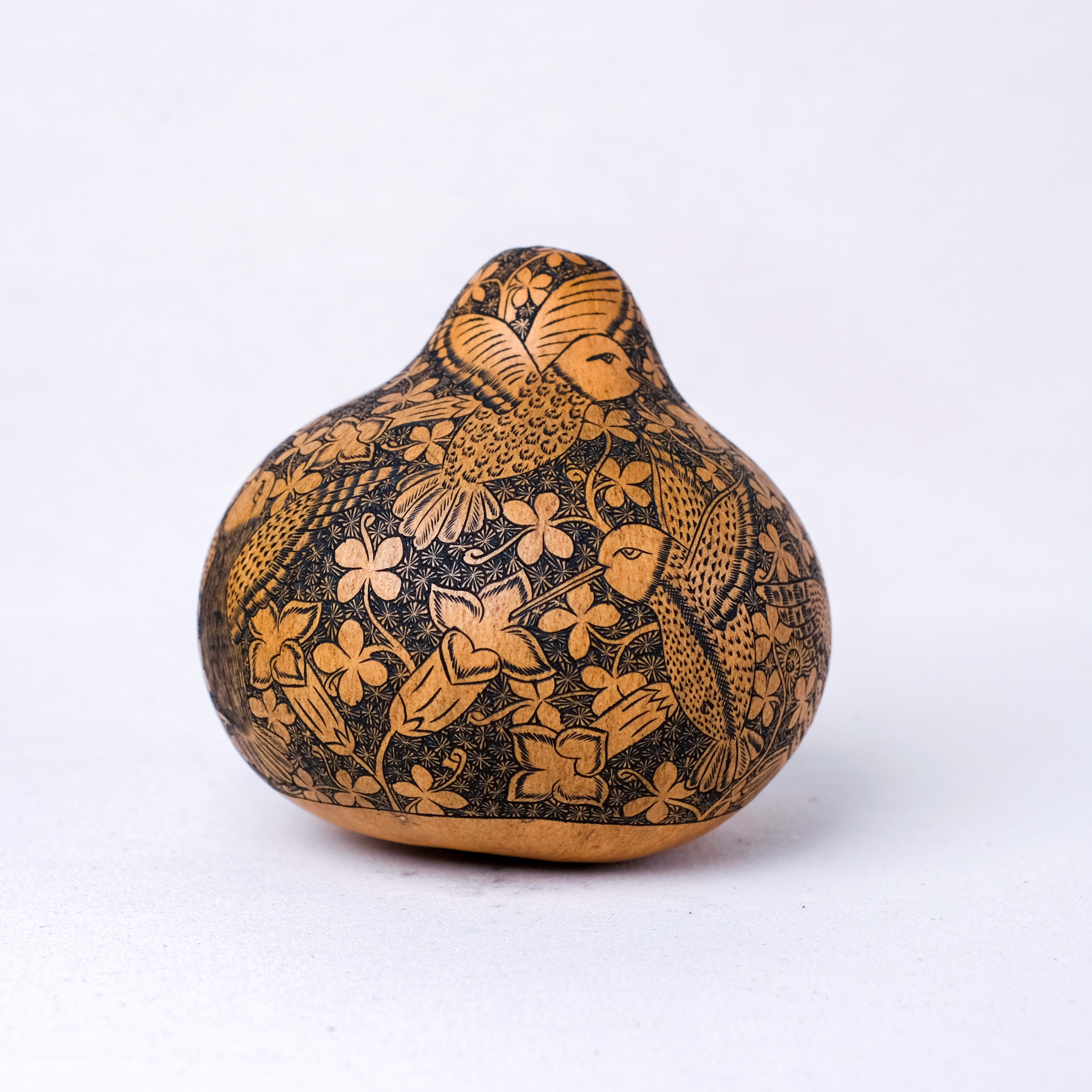
Using gourds as ladles, containers, or musical instruments is a cultural tradition commonly seen worldwide. However, shifting the focus to Peru, gourds are astonishingly engraved with intricate lines and elaborate patterns—an art form with a heritage spanning over 4,000 years, originating in Huancayo, a city in central Peru.
The Origin of Gourds
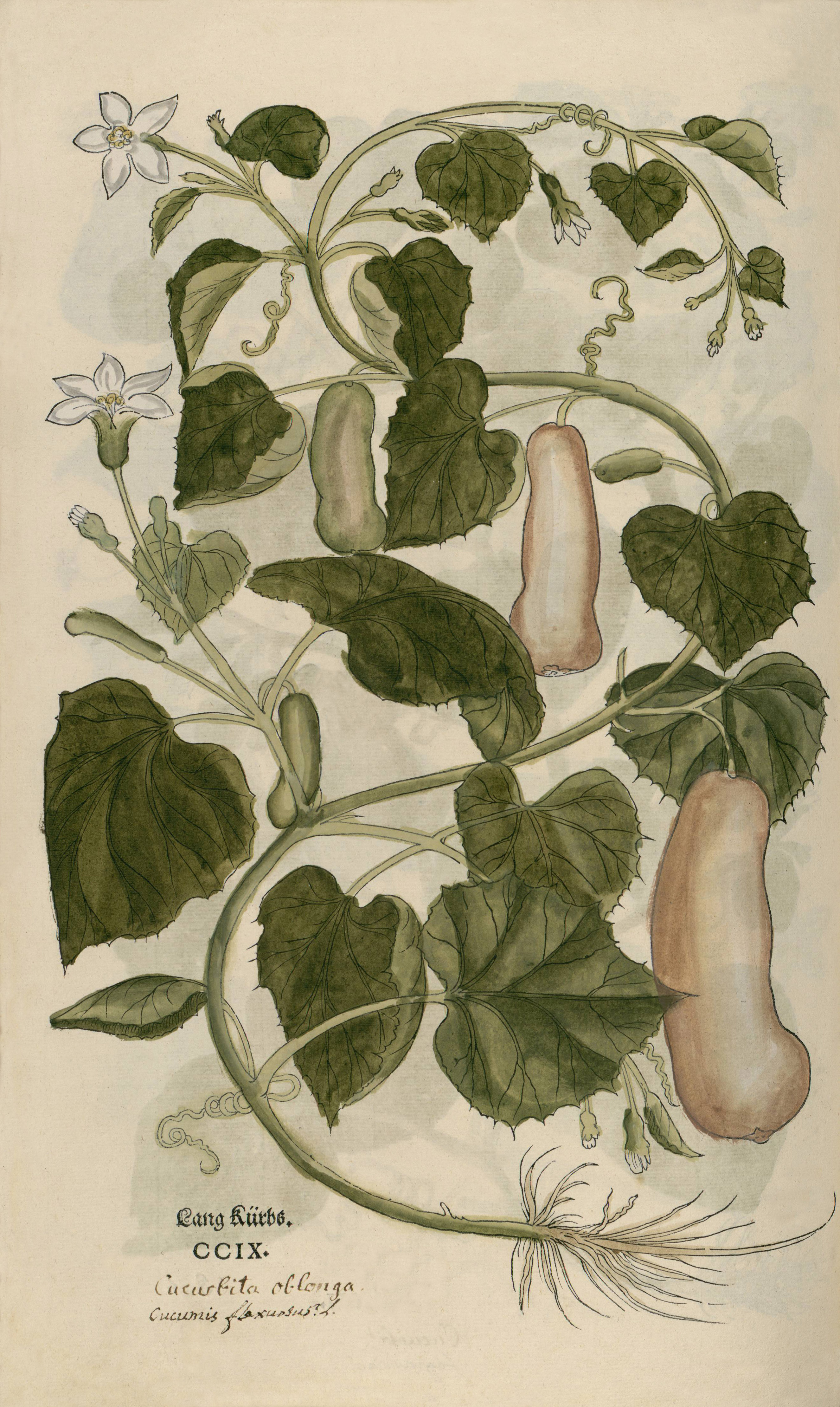
The Latin name for gourds is Lagenaria siceraria, meaning "the pilgrim's gourd." Tracing their origin, British botanist Vernon Hilton Heywood regarded gourds as "one of the earliest cultivated plants by humans." Evidence of gourds has been found in Africa and the Americas dating back to the 12th century BCE. It is believed that gourds originated in Africa and spread to the Americas through human migration or drifting. By 10,000 years ago, gourds were already being cultivated and widely used in the Americas. Consequently, they are known by various local names across South American countries, such as mate or calabaza in Peru, and guada or jícaro in Chile.
For Taiwanese people, gourds (including bottle gourds and calabashes) are primarily a cooking ingredient. However, the "wooden" texture of mature gourds made them useful as containers before the invention of plastic. In Taiwan's early farming communities, water scoops were often made by cutting open gourds. In Oaxaca, southern Mexico, similar gourd fruit cups are made from the fruits of the Crescentia cujete tree (commonly known as the calabash tree) and are used to serve mezcal. However, the calabash tree, belonging to the genus Crescentia, is a completely different plant from gourds.
Source/ wiki
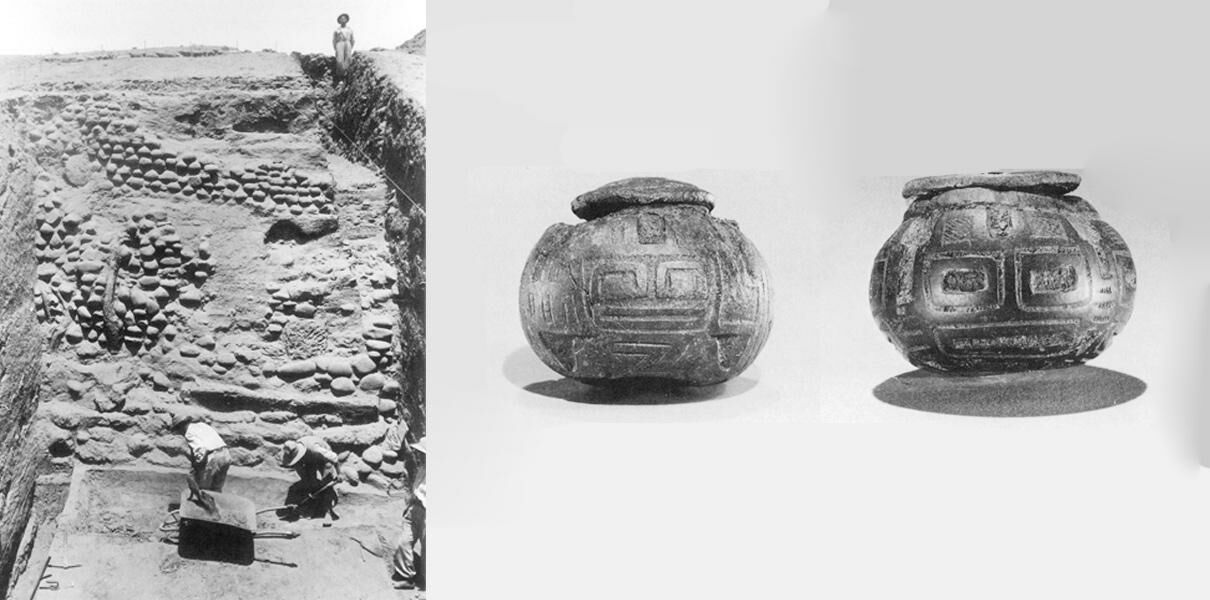
The oldest gourd engravings discovered to date were unearthed by American archaeologist Junius Bird at Huaca Prieta, a coastal site in northwestern Peru. These carvings date back more than 3,500 years. Archaeologists speculate that these gourds were used as containers for chicha de jora (a fermented corn beverage) or other ceremonial drinks. This discovery confirms that gourd engraving predates the Inca era and was later elevated by the Incas, who used gourds as containers, musical instruments,and ceremonial items.
Image/ Huaca Prieta gourd carvings, over 3,500 years old
Source/ El Brujo
Huancayo Province, located in Junín Region in central Peru, was initially inhabited by the Huanca people, later annexed into the Wari Kingdom, and eventually conquered by the Inca Empire. Today, it is a cultural and commercial hub of the Andes Mountains. This area boasts diverse crafts, such as masks, pottery, and embroidery, and is recognized as one of the world's most important centers for gourd engraving.
We invited Jimera, a native of Huancayo, to serve as our correspondent. She traveled seven hours by car from Lima, the capital of Peru, back to her hometown, where she conducted direct interviews with master artisans. Through her efforts, she vividly presented the origins and craftsmanship of gourd carving to us, situated 30,000 kilometers away.
The Cradle of Gourd Art
Huancayo is not a natural gourd-producing region, and Huaca Prieta, where the oldest gourd carvings were found, is located thousands of kilometers away. So why did it become the world's leading gourd engraving hub? Jimera interviewed local artisans and uncovered the origins and craftsmanship of gourd engraving for readers located 30,000 kilometers away.
Historical records suggest that while gourd carving exists in many places, the craft took root in Ayacucho and Huancayo in the 19th century. Artisans (materos) began traveling around to design pieces. Cochas Grande, a village in Huancayo Province, became known as the "cradle of gourd art," home to many artisan families specializing in the craft.
A Huancayo artisan shared with Jimera that gourd engraving was brought to the area in the 19th century by a craftsman from Ayacucho. The craft was not valued in Ayacucho, so he sought opportunities in Huancayo. Locals recognized its profitability and quickly entered the trade, but domestic market limitations led to price wars. Only those truly passionate about the craft persevered.
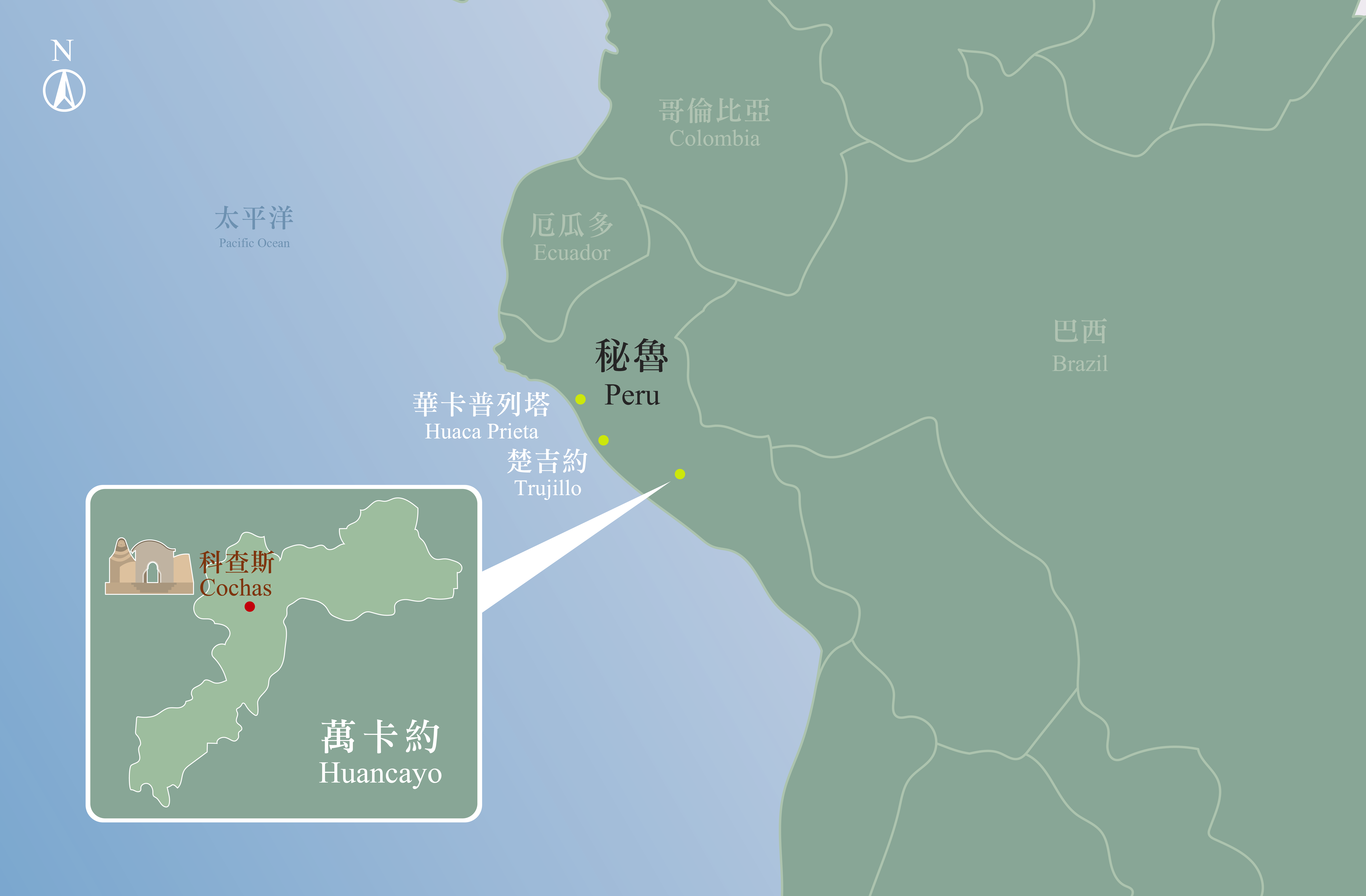
Today, Huancayo artisans source gourds in bulk from Trujillo, a coastal city with a warm climate and abundant water. They carve their creations mainly in the villages of Cochas Chico and Cochas Grande, selling them locally and in commercial hubs like Cusco, Ayacucho, and Lima.
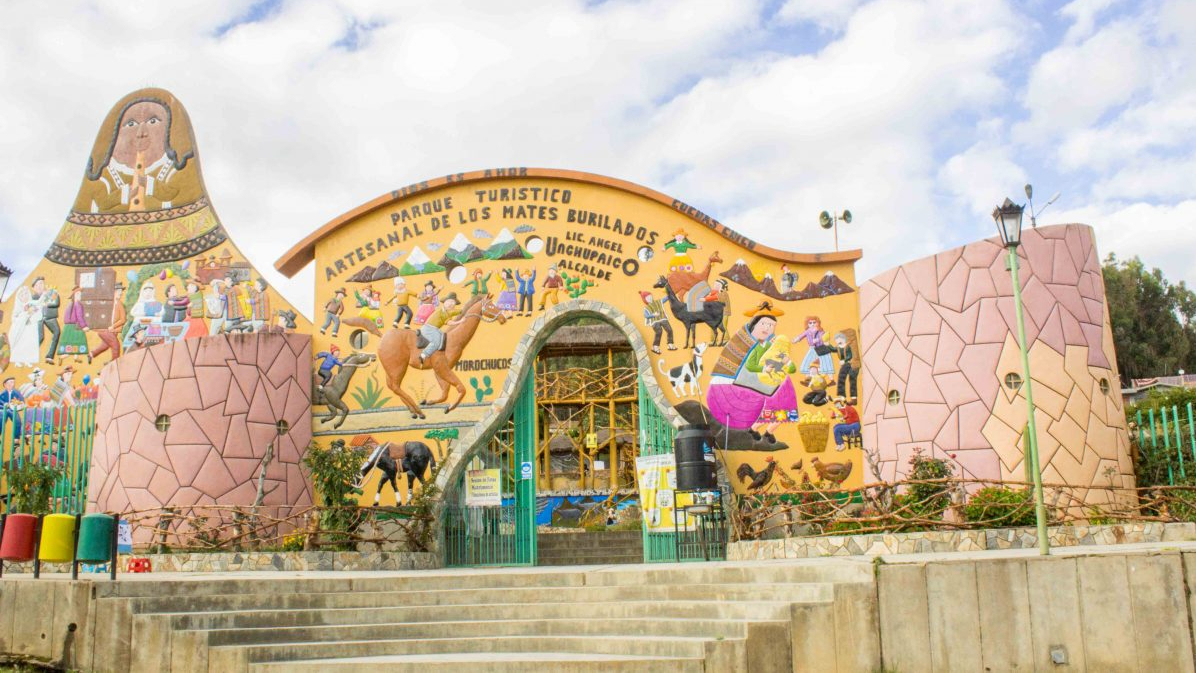
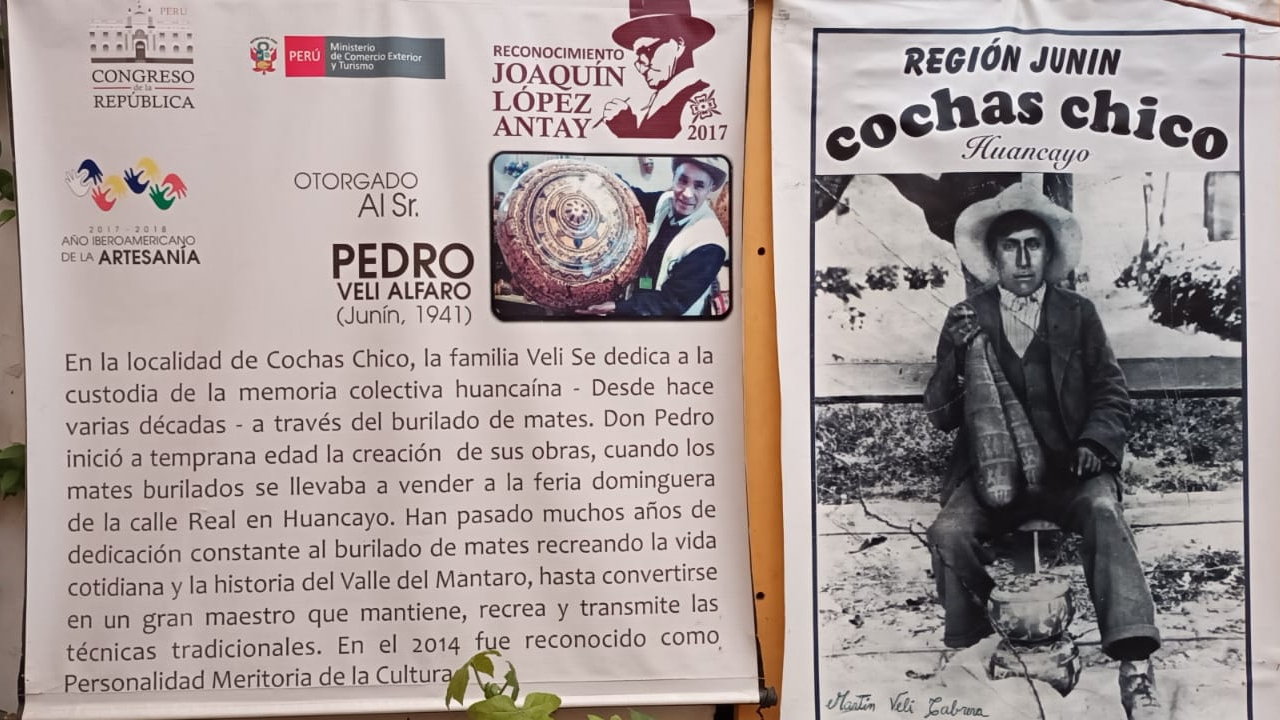
Jimera highlighted that Cochas' most famous attraction is the Gourd Engraving Park (Parque Turístico Artesenal de Los Mates Burilado), where artisans showcase their work. Walls in artisan homes are often adorned with newspaper clippings announcing competition wins or recognition as national treasure-level masters.
Image/Peruvian gourd carving industry chain
Source/SouSou Corner
Image/Gourd Engraving Park
Source/TripAdvisor
Image/Newspaper clippings of national treasure-level master workshops
Source/SouSou Corner
The Process of Gourd Carving
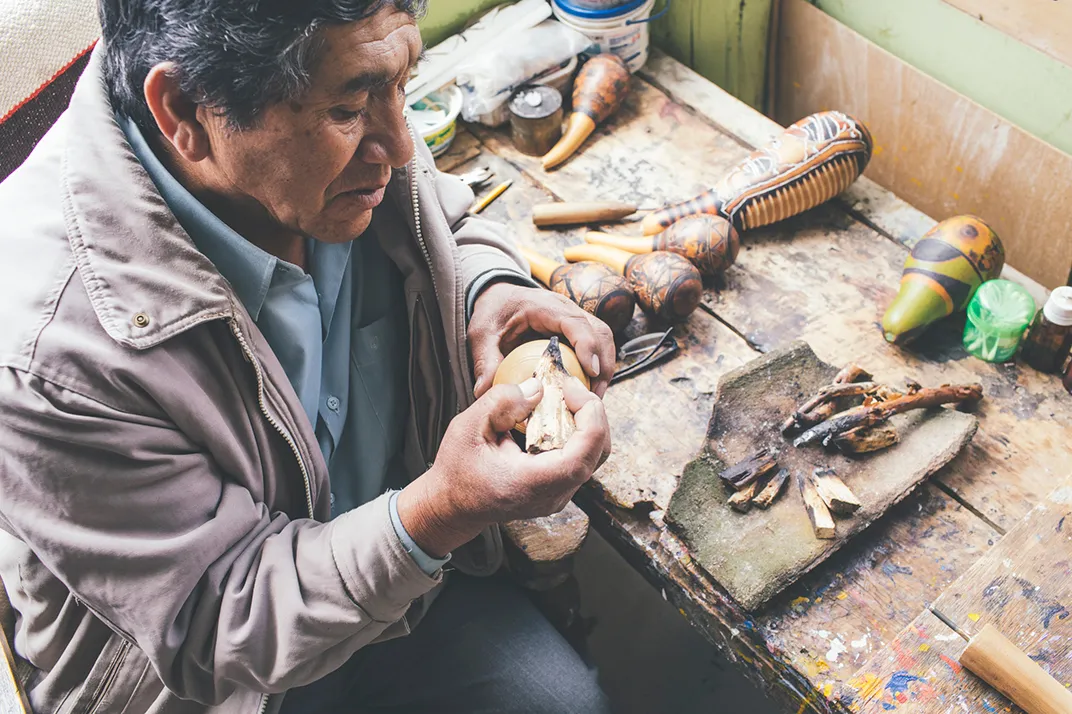
Image/Burning designs on gourds using hot wood
Source/Smithsonian Magazine
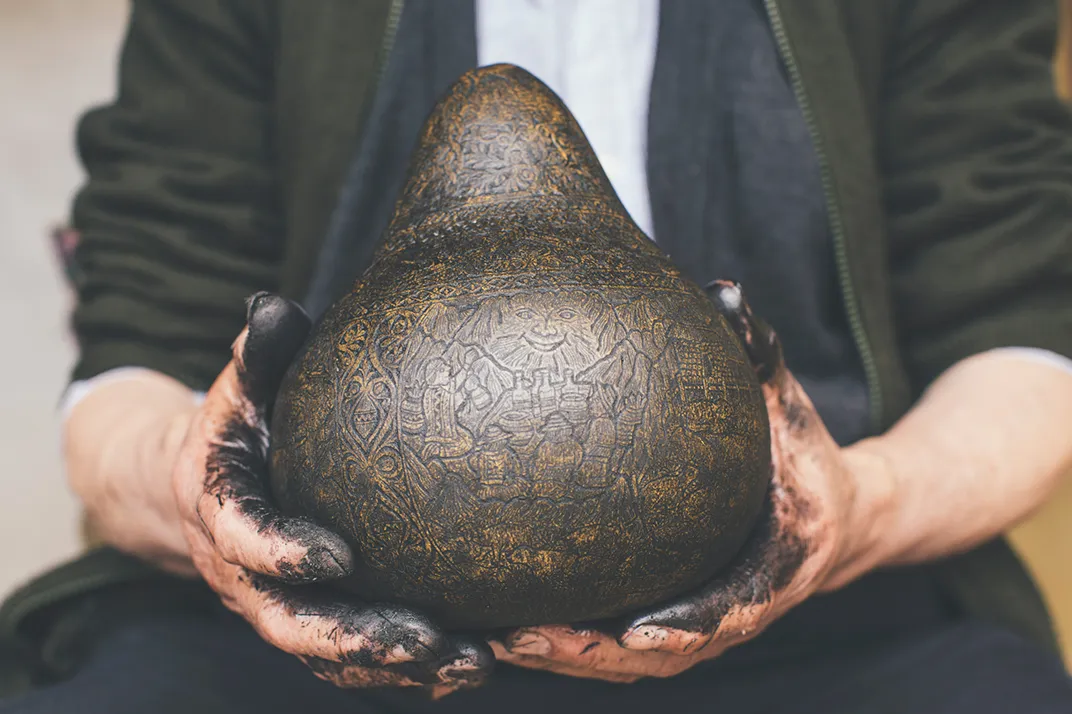
Image/Applying plant ash to gourds
Source/Smithsonian Magazine
Coastal gourds undergo peeling, washing, and drying before artisans start carving with engraving knives. Peruvian gourds are colored in two main ways:
Ash Coating (fondo negro)
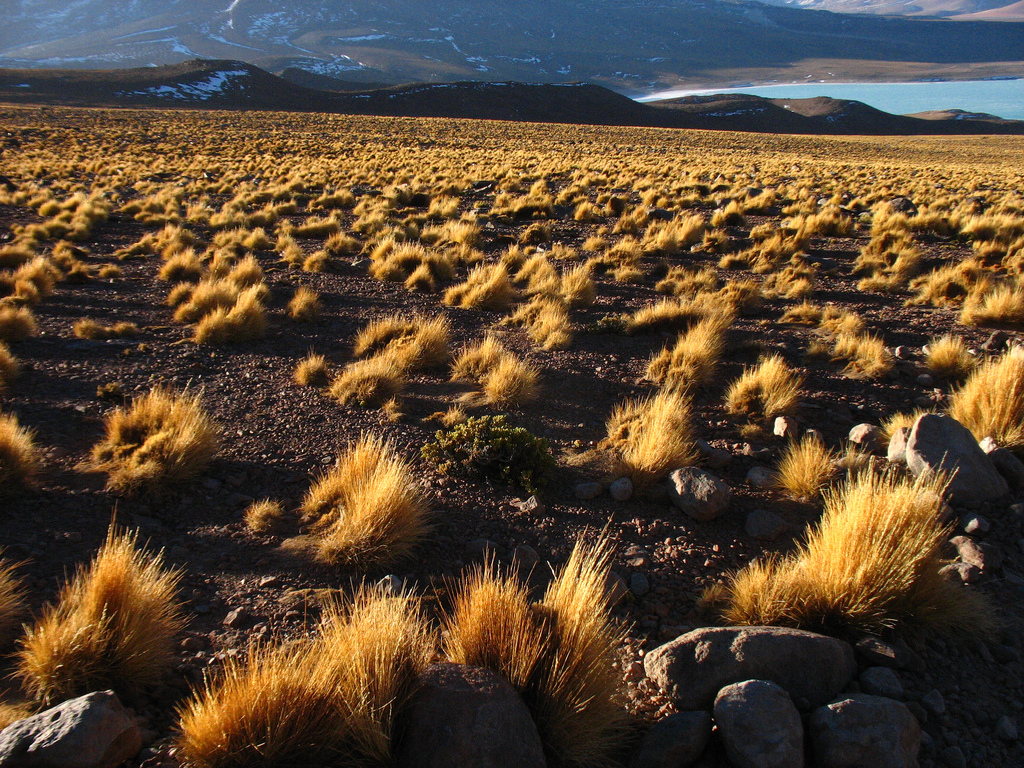
Andes feather grass (Stipa ichu) is burned to ashes, mixed with lard, and applied to the entire gourd. After washing, the carved lines turn black and become more distinct. Besides black, colors like brown, green, and red can also be achieved.
Fire Drawing (quemado)
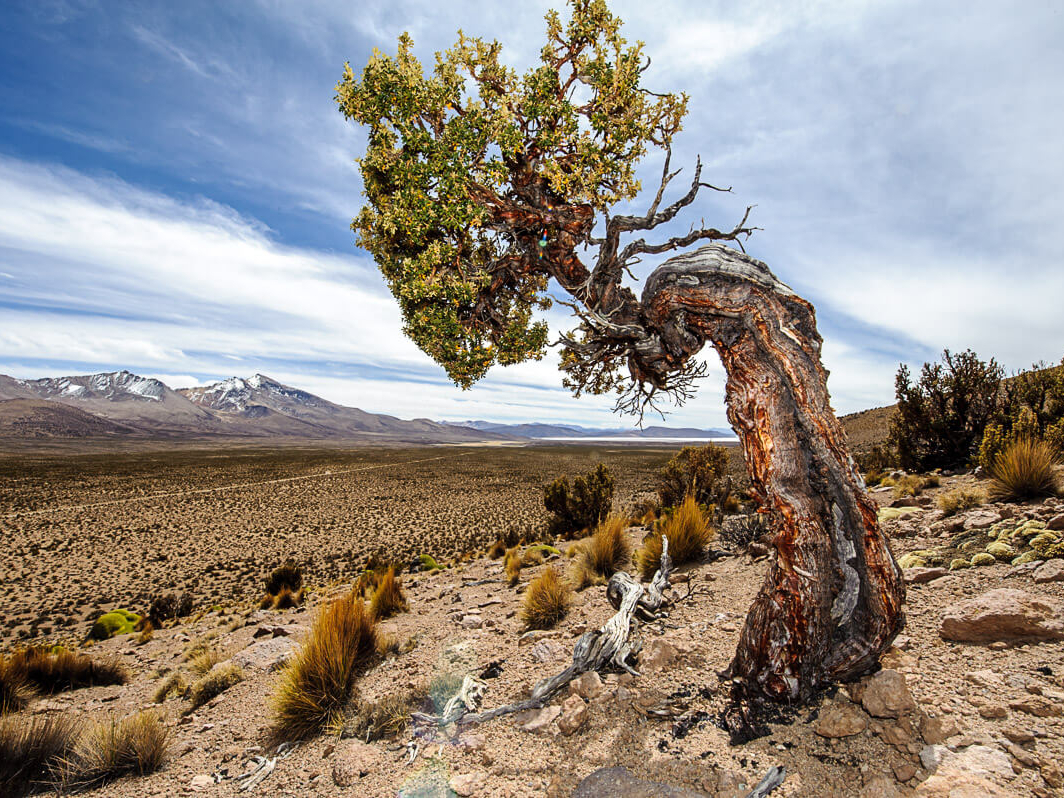
Using the heated tip of branches from eucalyptus or the more common Quinual tree (a species of Polylepis unique to South America), artisans burn varying shades of brown onto the gourd.
Image/Quinual tree unique to South America
Source/LaderaSur
Image/Andes feather grass (Stipa ichu)
Source/Wiki
Gourd carving is highly localized. In Huancayo, artisans often burn designs before carving, while in Ayacucho, artisans prefer to carve lines first and then apply ash to highlight patterns. In addition to the common round or gourd shapes, many artisans later began using the natural forms of long-necked gourds to create images of birds, animals, and fish.
Drawing Inspiration from Daily Life
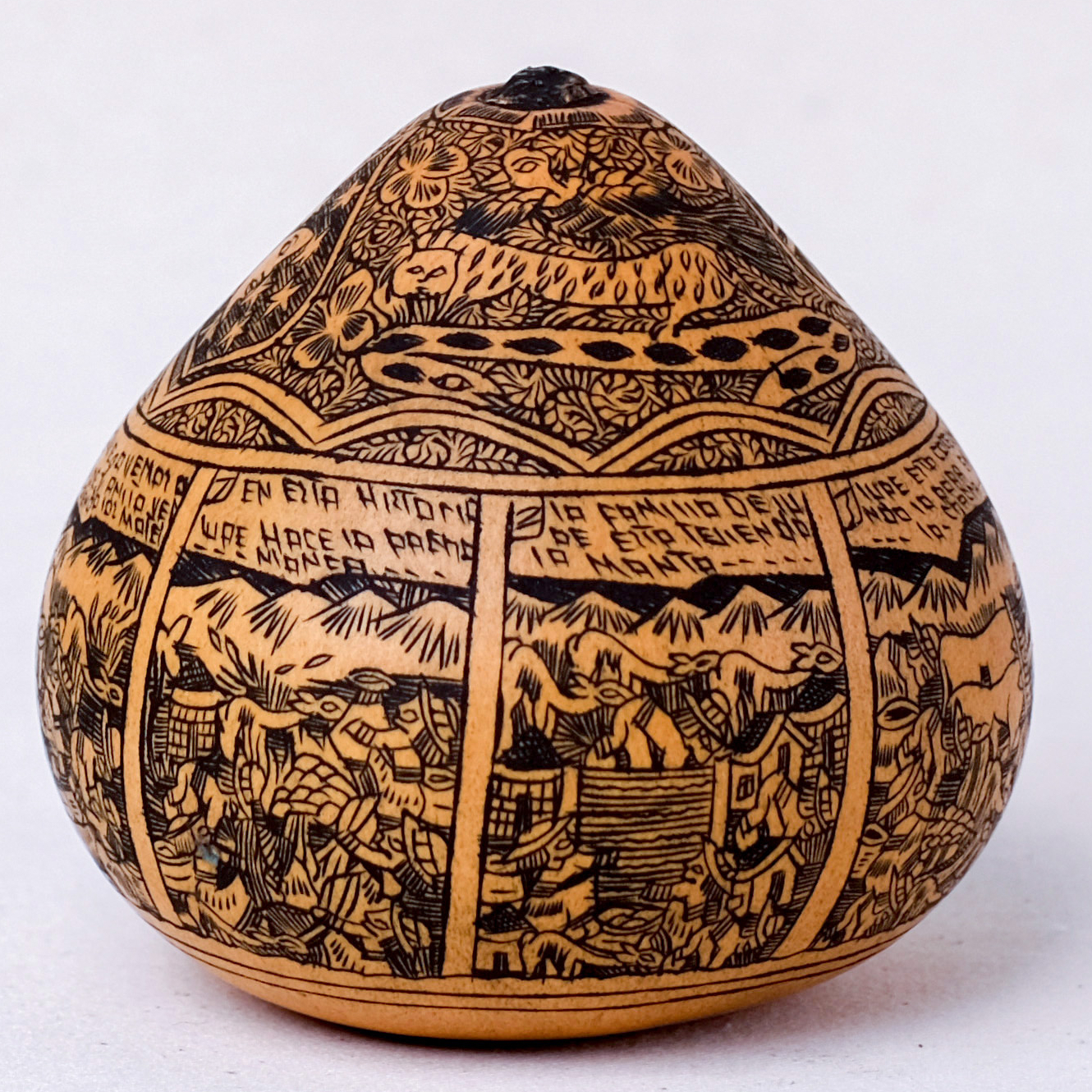
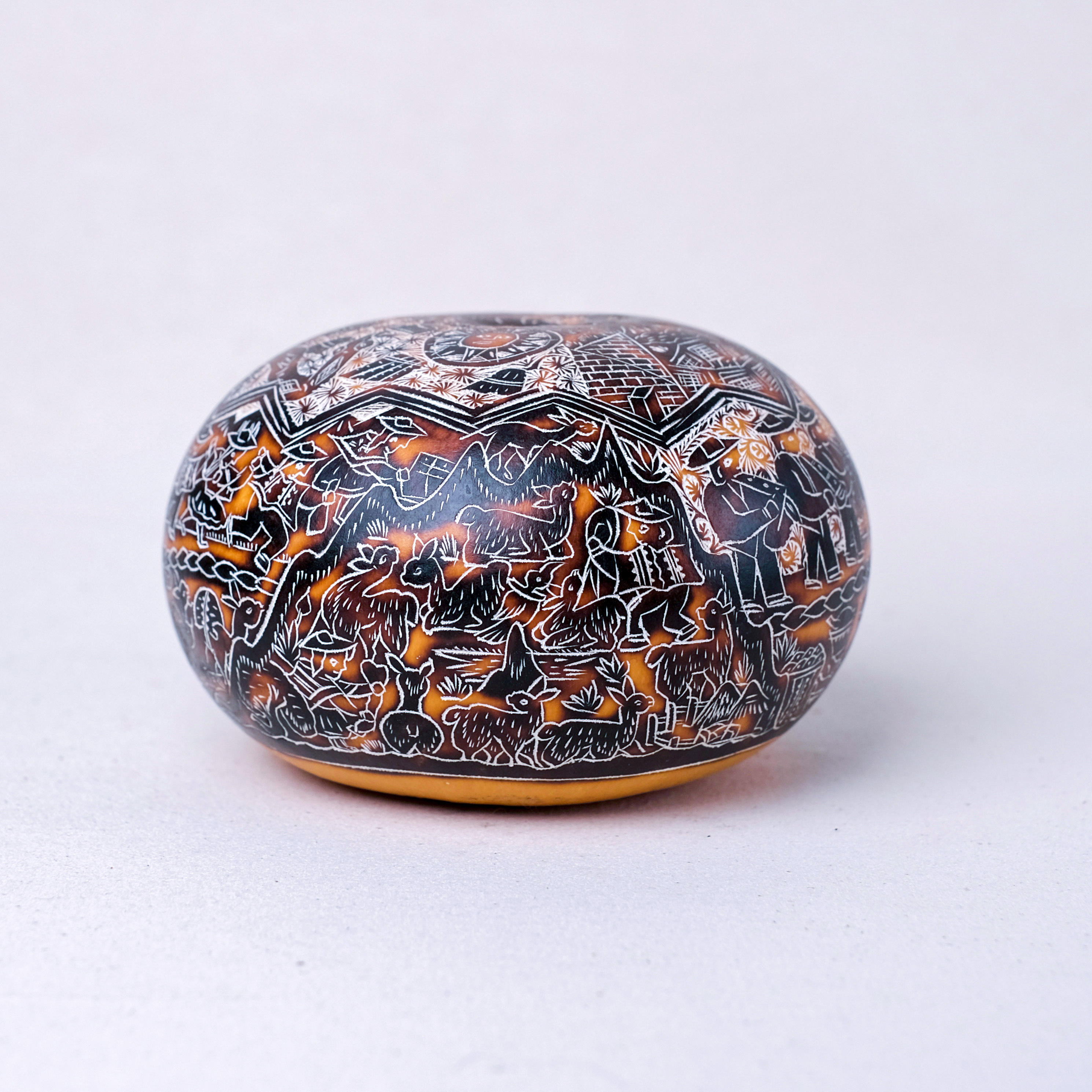
For artisans, gourd engraving is a medium to showcase Peru's cultural lifestyle. Everyday life, religion, Andean rituals and myths, crops, traditional dances, and animals are common themes. Some designs are so intricate they require magnification to appreciate fully. In essence, gourd carvings serve as a canvas for artisans to record anything they observe, live through, or encounter in their surroundings.
傳統神話
以印加帝國的神話象徵展現秘魯的世界觀,這顆葫蘆可以明顯看見一條蛇的上面有一隻美洲豹,最上面則是一隻禿鷹,在印加神話中,美洲豹代表人間,禿鷹則代表天界,蛇則象徵地下世界,三者構成印加世界的三重象徵。也會畫上太陽神印地與月神科尼拉雅,以及印加曆法等等。
山村時光
從事葫蘆雕刻的工藝師多住在農村或山上,鬥牛慶典、婚禮、織布、務農、耕耘機收穫馬鈴薯等生活周遭的大小事都能是唾手可得的創作題材。
自然百獸
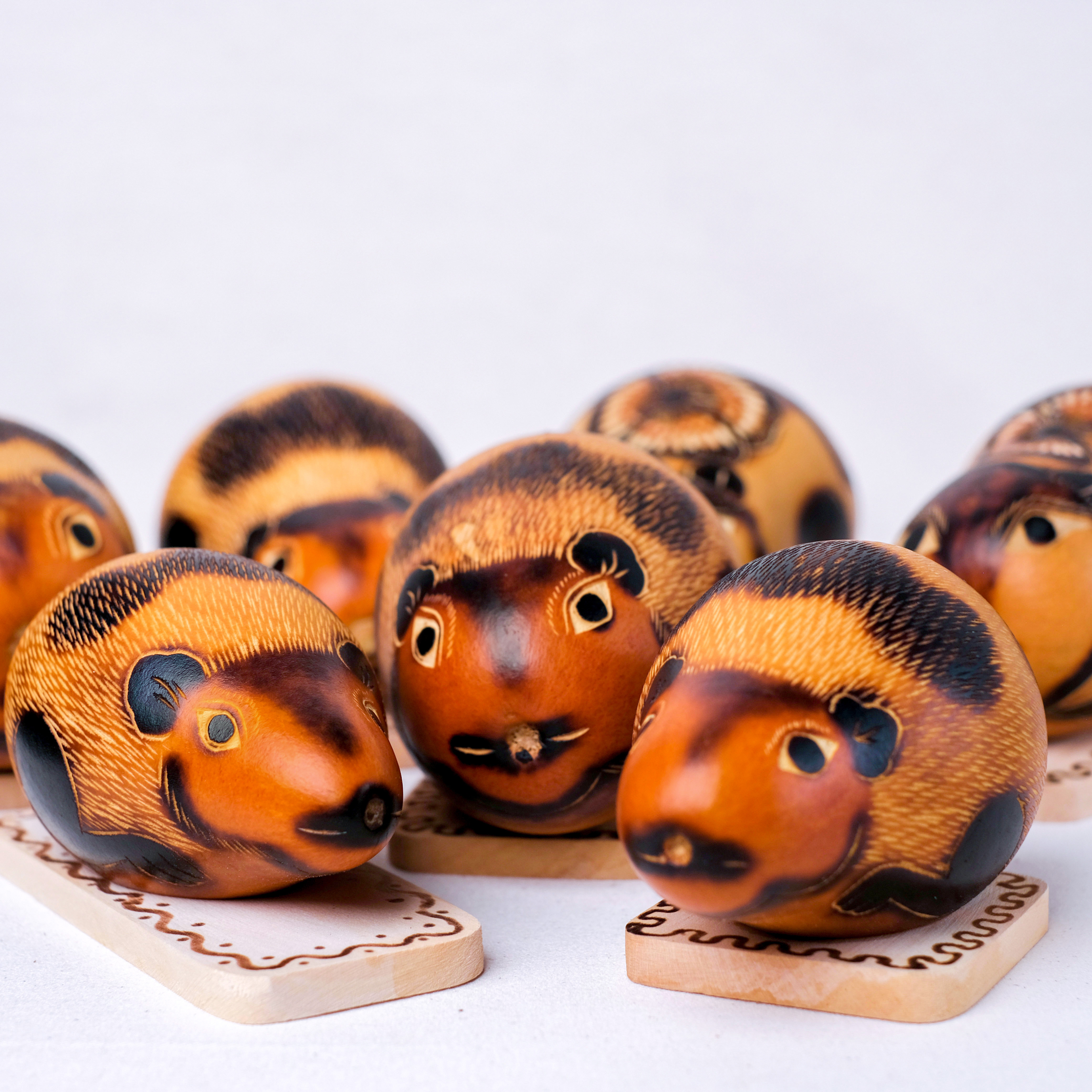
農村往往與大自然更加接近。因此工藝師也會從鳥類、花卉以及典型地區動物找到靈感,例如羊、蜂鳥、貓頭鷹、天竺鼠和羊駝等等。
Preserving Family and Local Histories Through Gourds
Today, gourd engraving is an essential medium for Huancayo artisans to pass down family or local histories. Eulogio Medina Sanabria, a master engraver from Cochas Grande, considers gourd carving an invaluable family tradition. He believes that with willing and skillful parents as teachers, the next generation can excel in the craft. However, population outflows have led to a decline in skilled artisans, many of whom opt for mass-producing simpler carvings to make ends meet. Nevertheless, he views gourd engraving as an art form and dedicates time to creating intricate masterpieces.
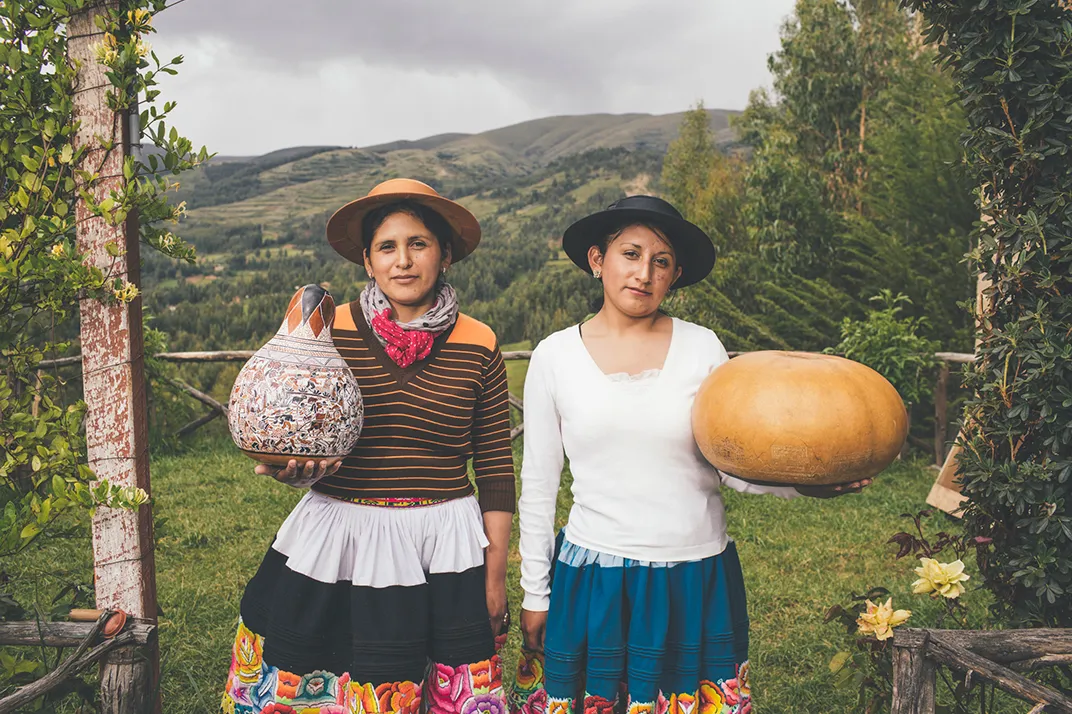
Sisters Katya and Blanca Canto chose to return to Huancayo instead of pursuing opportunities in big cities, continuing their family’s gourd carving legacy. For them, preserving their father's craft is a way to maintain local customs and family stories. Katya is working on a piece narrating her grandfather's travel stories, which will take years to complete. Blanca hopes to incorporate gourd engraving into home design. Their efforts, combining tradition and innovation, aim to bring new possibilities to this age-old craft.
Image/Katya and Blanca Canto chose to return home to preserve the art of gourd engraving
Source/Smithsonian Magazine
Exhibition - Gourds from Peru
Dates: June 18, 2024 (Tue) - July 10, 2024 (Wed) (Closed on Mondays)
Time: 12:00 PM - 8:00 PM
Location: SouSou Corner Concept Store (Free Admission)