{{ 'fb_in_app_browser_popup.desc' | translate }} {{ 'fb_in_app_browser_popup.copy_link' | translate }}

{{ 'in_app_browser_popup.desc' | translate }}

Your Shopping Cart is empty.
{{ (item.variation.media ? item.variation.media.alt_translations : item.product.cover_media.alt_translations) | translateModel }} {{ (item.variation.media
                    ? item.variation.media.alt_translations
                    : item.product.cover_media.alt_translations) | translateModel
                }}
{{ 'product.bundled_products.label' | translate }}
{{ 'product.bundle_group_products.label' | translate }}
{{ 'product.buyandget.label' | translate }}
{{ 'product.gift.label' | translate }}
{{ 'product.addon_products.label' | translate }}
{{item.product.title_translations|translateModel}}
{{ field.name_translations | translateModel }}
  • {{ childProduct.title_translations | translateModel }}

    {{ getChildVariationShorthand(childProduct.child_variation) }}

{{ 'product.set.open_variation' | translate }}
  • {{ getSelectedItemDetail(selectedChildProduct, item).childProductName }} x {{ selectedChildProduct.quantity || 1 }}

    {{ getSelectedItemDetail(selectedChildProduct, item).childVariationName }}

{{item.variation.name}}
{{item.quantity}}x NT$0 {{ item.unit_point }} Point
{{addonItem.product.cover_media.alt_translations | translateModel}}
{{ 'product.addon_products.label' | translate }}
{{addonItem.product.title_translations|translateModel}}
{{addonItem.quantity}}x {{ mainConfig.merchantData.base_currency.alternate_symbol + "0" }}

Located in southern Africa, Eswatini is not only Taiwan’s sole African diplomatic ally but has also seen a booming craft industry in recent years. Embracing the concept of upcycling, the country contributes to global sustainability while creating job opportunities.

From Swaziland to Eswatini

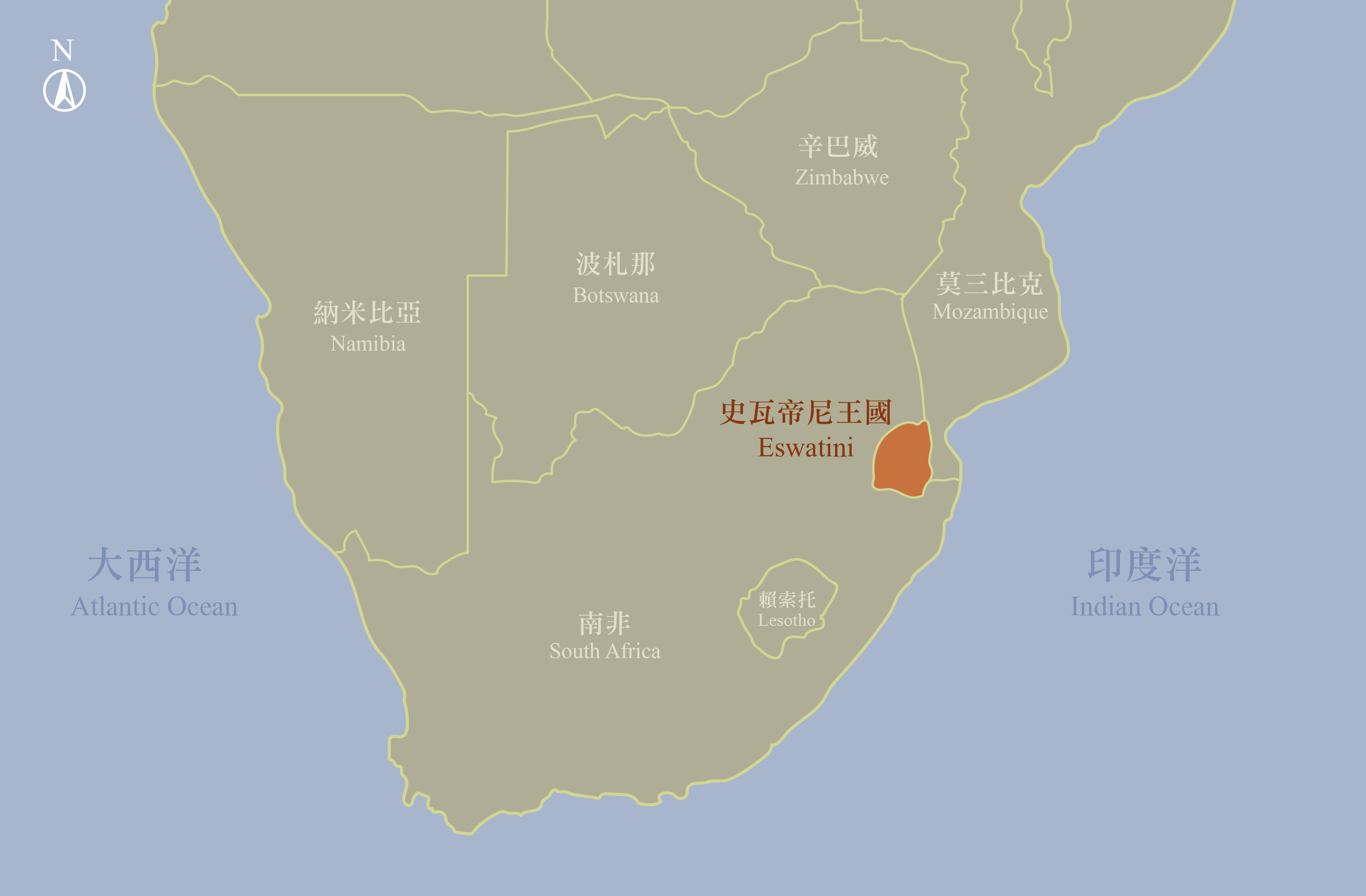
Situated in southern Africa, Eswatini was formerly known as Swaziland, a name more familiar to many. However, due to the similarity between its English name, Swaziland, and Switzerland, King Mswati III announced in 2018 that the country would be renamed the Kingdom of Eswatini, meaning "land of the Swazi people."


Eswatini is not only Africa's only remaining monarchy but also Taiwan's sole diplomatic ally on the continent. The country declared independence from British colonial rule on September 6, 1968, the same day it established formal diplomatic relations with Taiwan. To this day, the two nations maintain a very close relationship. King Mswati III, who ascended the throne in 1986, has visited Taiwan 18 times, demonstrating strong support for the island nation.

Image/ Map of Eswatini

Source/ SouSou Corner

A Growing Craft Industry

While 70% of Eswatini’s population works in agriculture—exporting products like sugarcane, corn, timber, and beef—small and medium-sized enterprises (SMEs) account for 60% of the country’s GDP, with micro-enterprises making up 80% of that figure. In recent years, the craft industry has flourished, and family-run workshops have become increasingly important to Eswatini’s economy. While many countries focus on selling craft items as souvenirs to tourists, Eswatini has gone beyond the tourism market, successfully exporting its crafts to Europe, Asia, and Africa. The Swaziland Fair Trade (SWIFT) organization has been pivotal in this success.


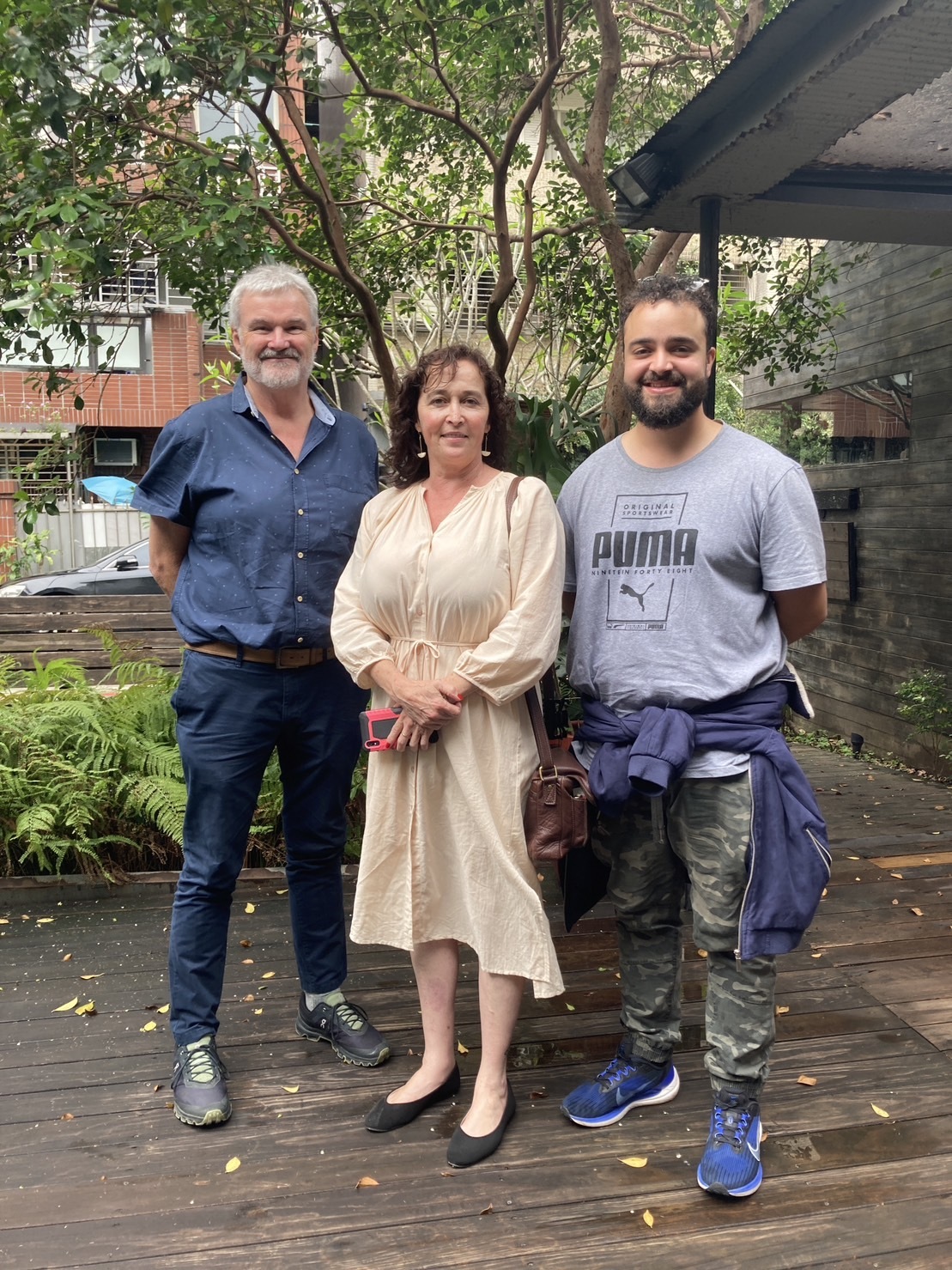
SWIFT promotes gender equality, freedom of association, opportunities for economically disadvantaged producers, technical education, and environmental respect. It collaborates with local craft entrepreneurs to introduce Eswatini's crafts to the global market. Handcrafted candles, one of Eswatini's most renowned crafts, are popular among tourists and are also exported to European countries. Known for their animal shapes and designs inspired by cave paintings, these candles exude a distinct Eswatini charm and even offer customization services.


Eswatini remains a patriarchal society, where polygamy is permitted, and men often negotiate marriages directly with the bride’s family without considering the woman's consent. Traditionally, candle-making was a craft reserved for men. However, organizations like SWIFT have encouraged more women to join the craft-making industry, giving them opportunities to launch micro-enterprises.

Image/ 2023: SWIFT founder Julie, handcrafted candle artisan Isaac, and glass artisan Chase visiting SouSou Corner

Source/ SouSou Corner

The Sustainability Trend of Upcycling

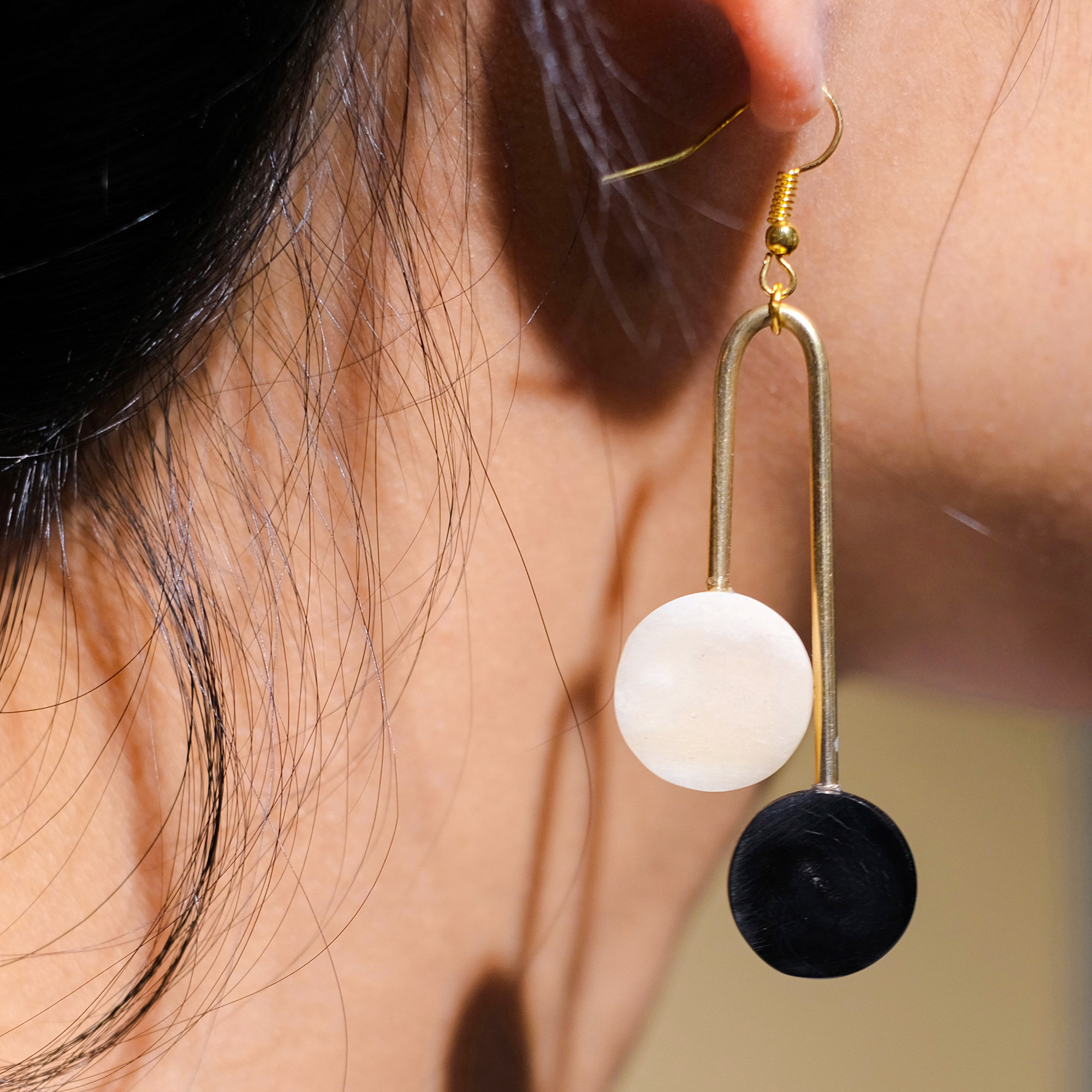
Among Eswatini’s crafts, the concept of upcycling has become a central concern for artisans. Unlike recycling or reuse, upcycling transforms raw materials into items of higher value, often conserving energy since the original materials are not destroyed in the process. Materials such as cattle horns, sisal, zippers, and paper pulp from agricultural or manufacturing byproducts are creatively repurposed into unique craft items.

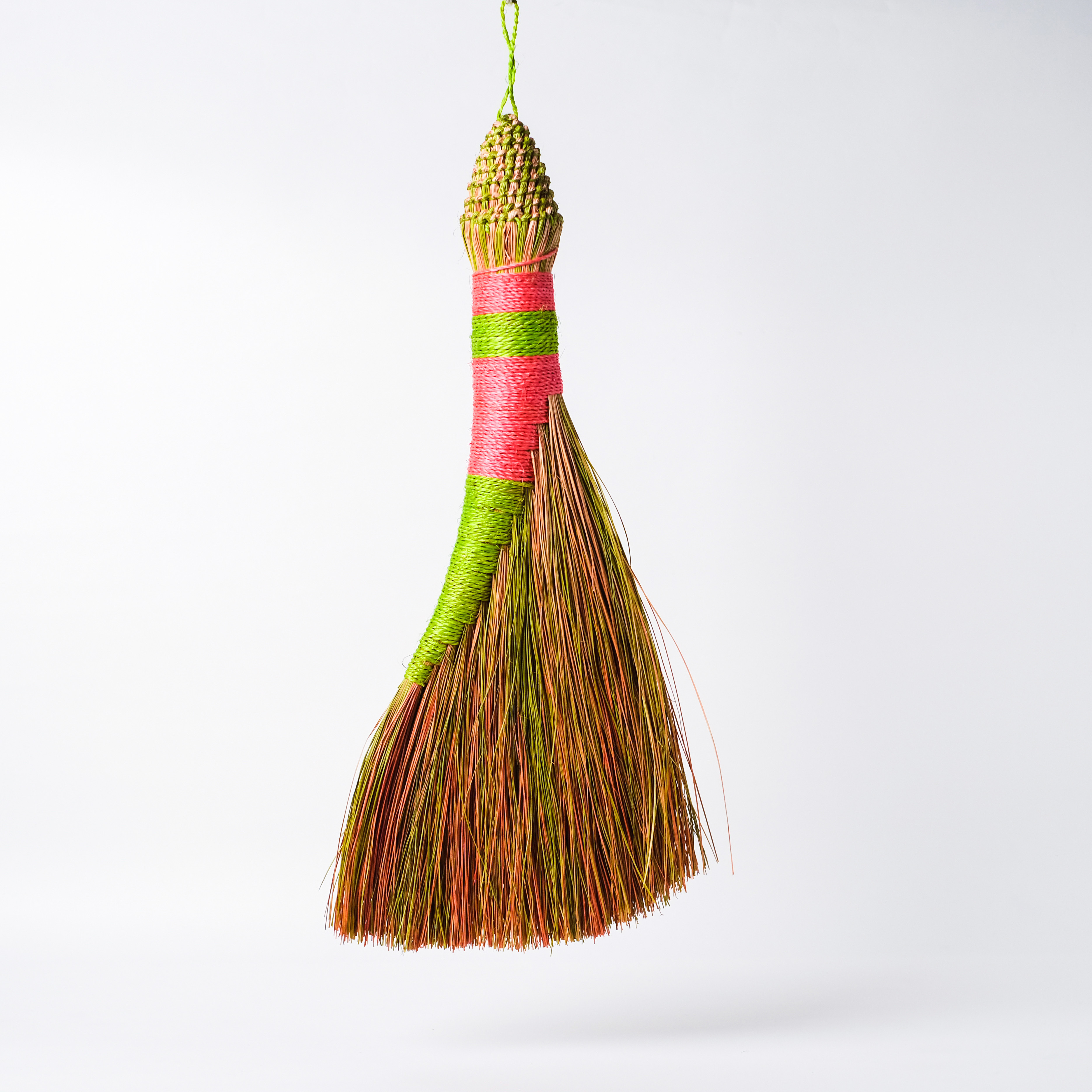
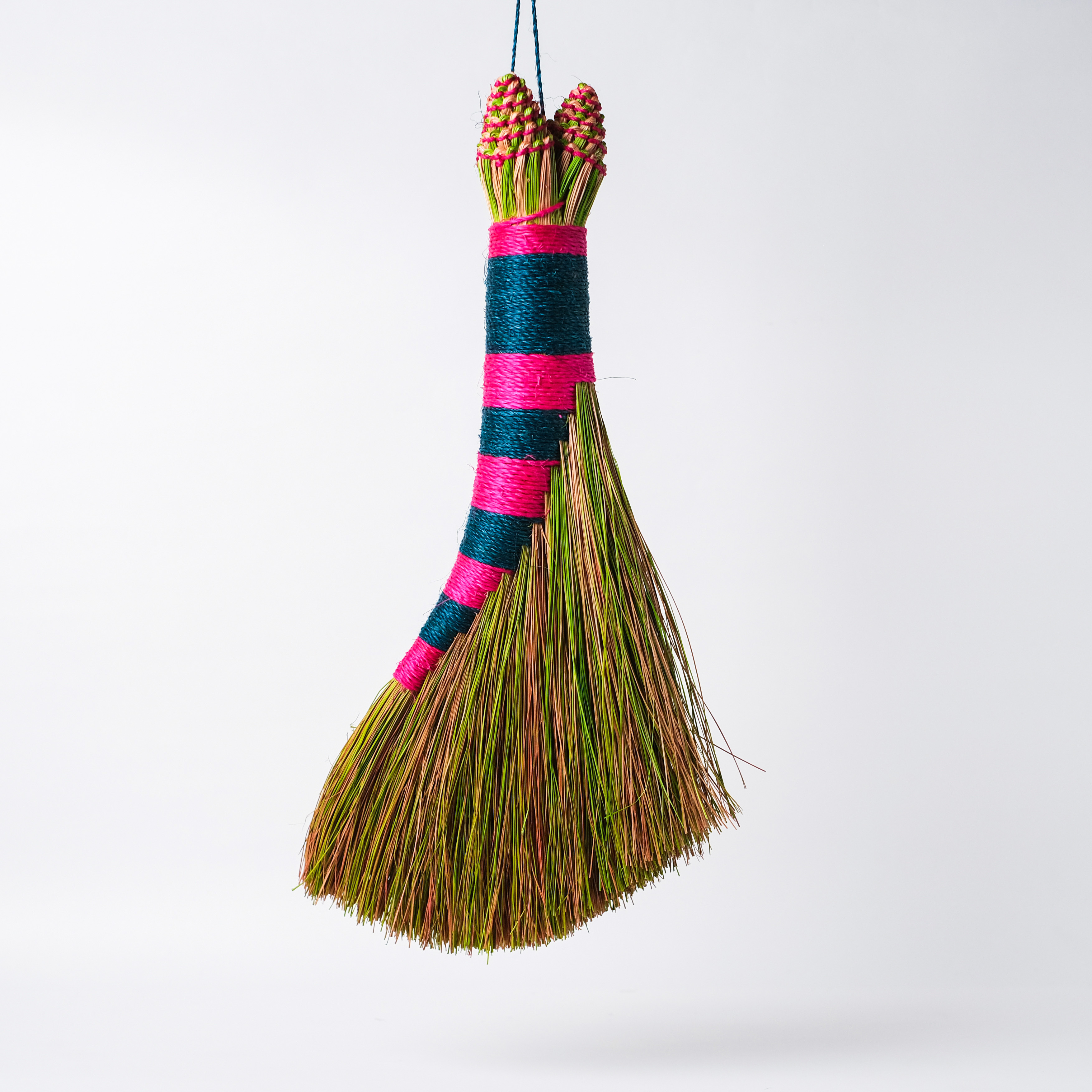
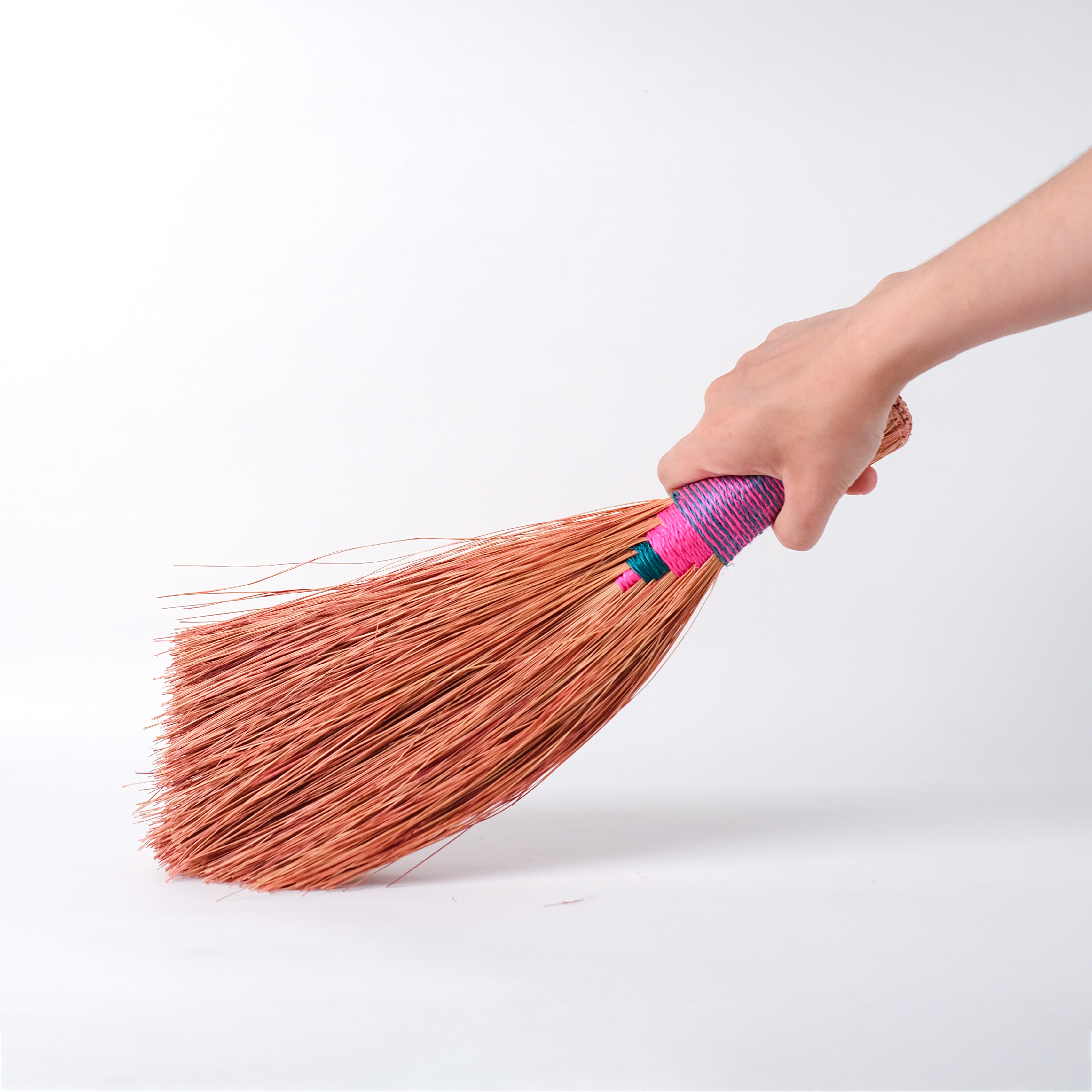
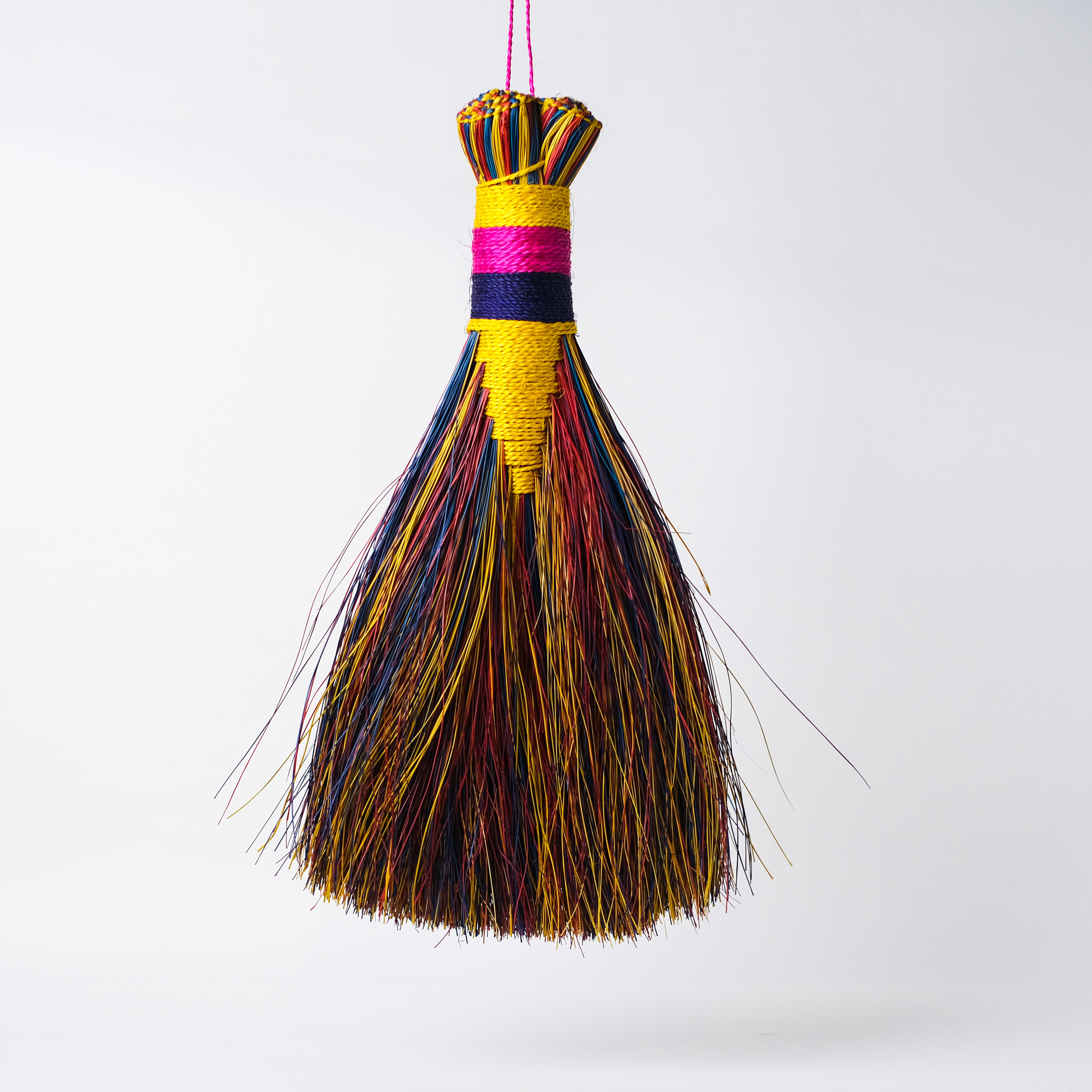
Lutindzi 草編掃帚


在塑膠掃帚出現之前,用來清掃環境的掃帚皆是就地取材、採集在地植物綁紮而成。雖然現在已經不用如此費工,天然掃帚卻成了難得一見的手工藝,光是在台灣就能蒐集到稻草、竹、槺榔各式各樣的掃把,其中的植物與綁紮技藝都值得深入探究。


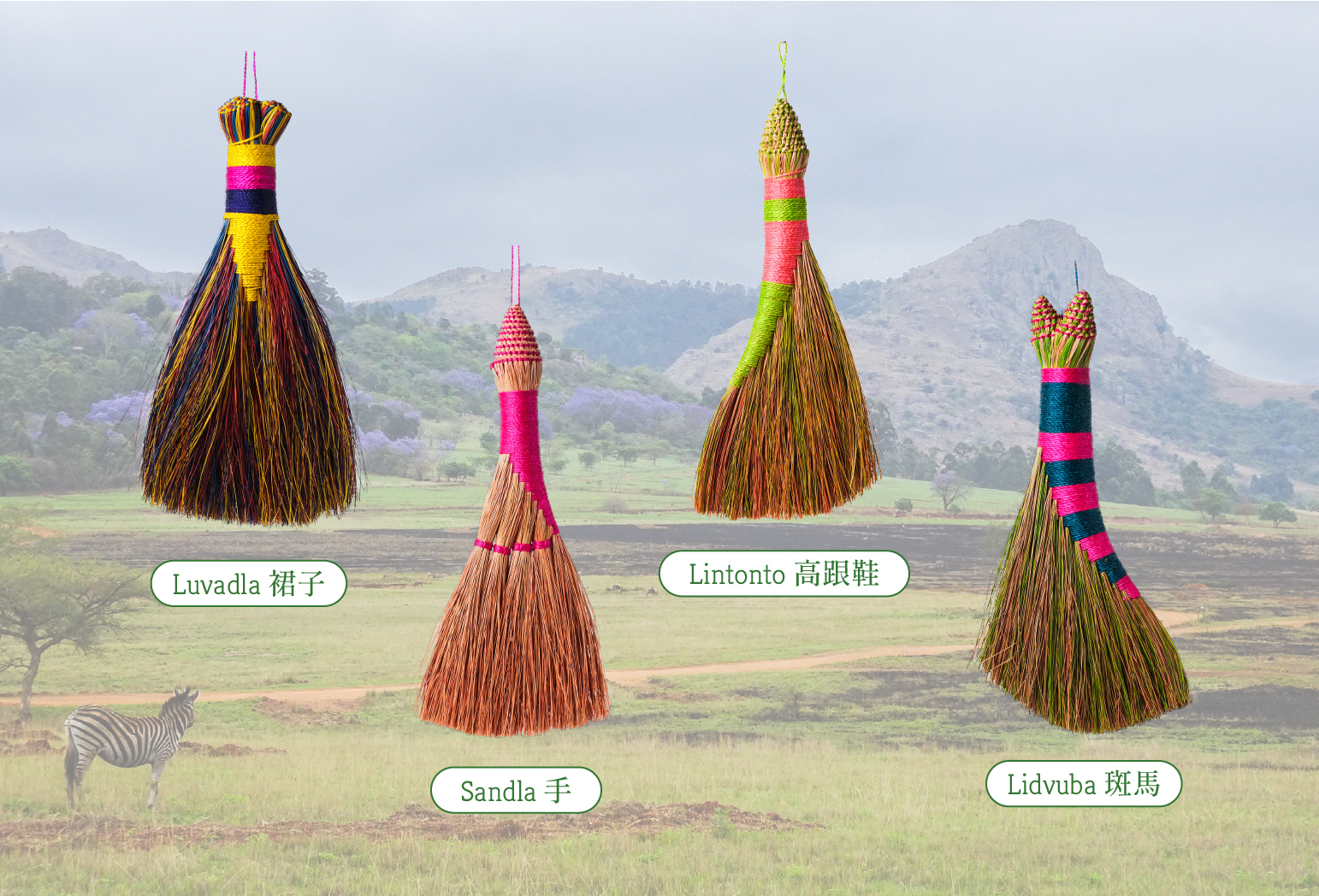
來自史瓦帝尼的草編工坊Siyaphambili,由女性工藝師Nomphilo Vilakati創立,名稱帶有moving forward(一路前行)的意義。她們的草編掃帚以一種名為Lutindzi的野草製成,是史瓦帝尼當地經常用來編織的植物,這種植物生長在曼滕加自然保護區(Mantenga)的山上或有水的野地,尤其在多雨的夏季更旺盛,因為質地柔韌、可以使用十年以上,除了製作掃帚,也會用來編織草蓆或隔熱墊等生活工藝。

史瓦帝尼婦女會在12月的Ncwala儀式後開始採集Lutindzi,採到的Lutindzi曬乾及染色後,即可進行編織。Siyaphambili的工藝師從斑馬、高跟鞋、手、短裙等意象發想,發展出不同樣式的編織設計。


從工藝師分享當地使用掃帚的習慣中,發現一些與臺灣不同的有趣之處:大部分的掃帚皆為短柄,用來清掃浴廁及屋內環境,僅掃室外環境會使用長柄掃帚,因此人們大多時候是彎腰掃地。在戶外會順著風的方向清掃,掃出來的垃圾才不會又被風吹亂;如果灰塵較多可以先灑一點點水,這樣掃地時就不會揚起大量灰塵,掃完後再將落葉等垃圾集中燃燒。平時掃帚會放在大門後面。


另外還有幾個關於非洲掃帚的冷知識:室內清掃工作最好在晚上六點前完成,否則會把財富掃地出門;有時掃帚也會用來當作懲罰小孩的道具。

Sisal Weaving Bowls


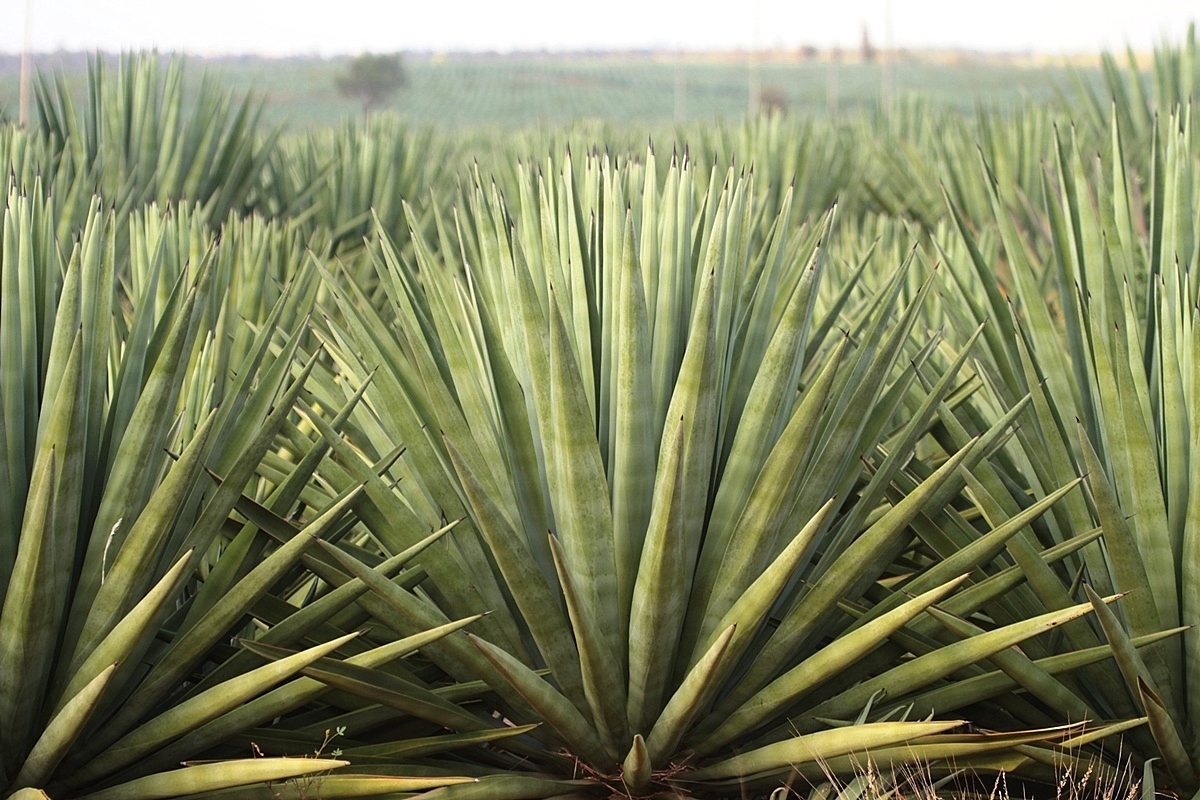
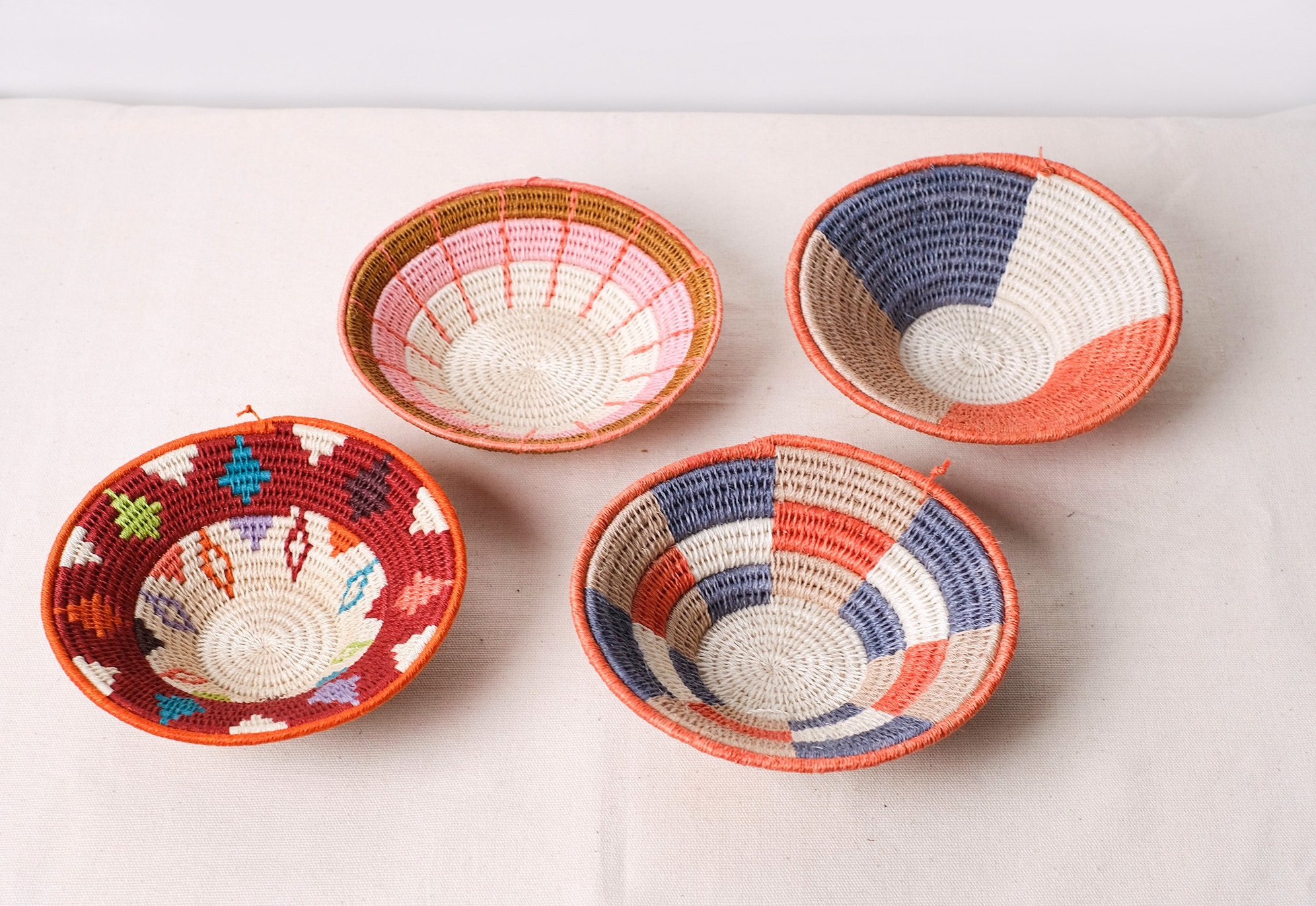
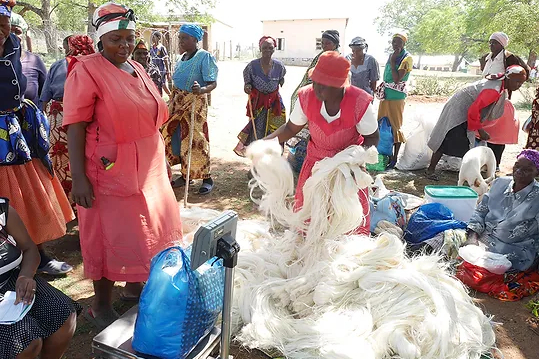
Sisal (Agave Sisalana), also known as agave, is an invasive plant in Eswatini. To mitigate its ecological impact, locals harvest sisal to produce ropes and fences. Women gather tender leaves, scrape out the juicy pulp with water and tools, extract the fibers, and dry them to weave bowls, turning an abundant plant into a source of income.

Image/ Eswatini considers it an invasive species that harms the natural ecosystem

Source/ inaturalist

Source/ SouSou Corner

Image/ Fibers extracted from the tender leaves of sisal

Source/ tintsaba

Cattle Horn Accessories


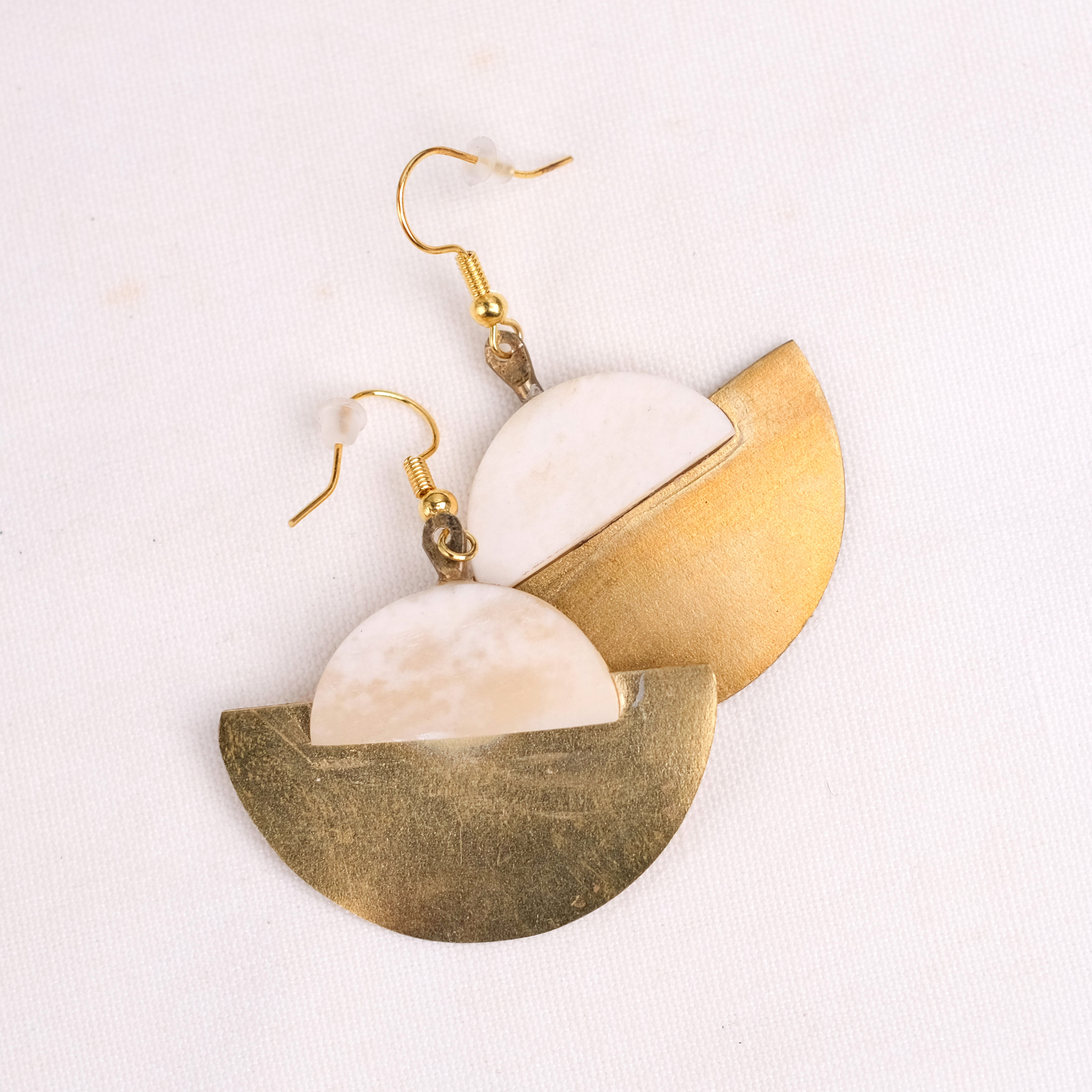
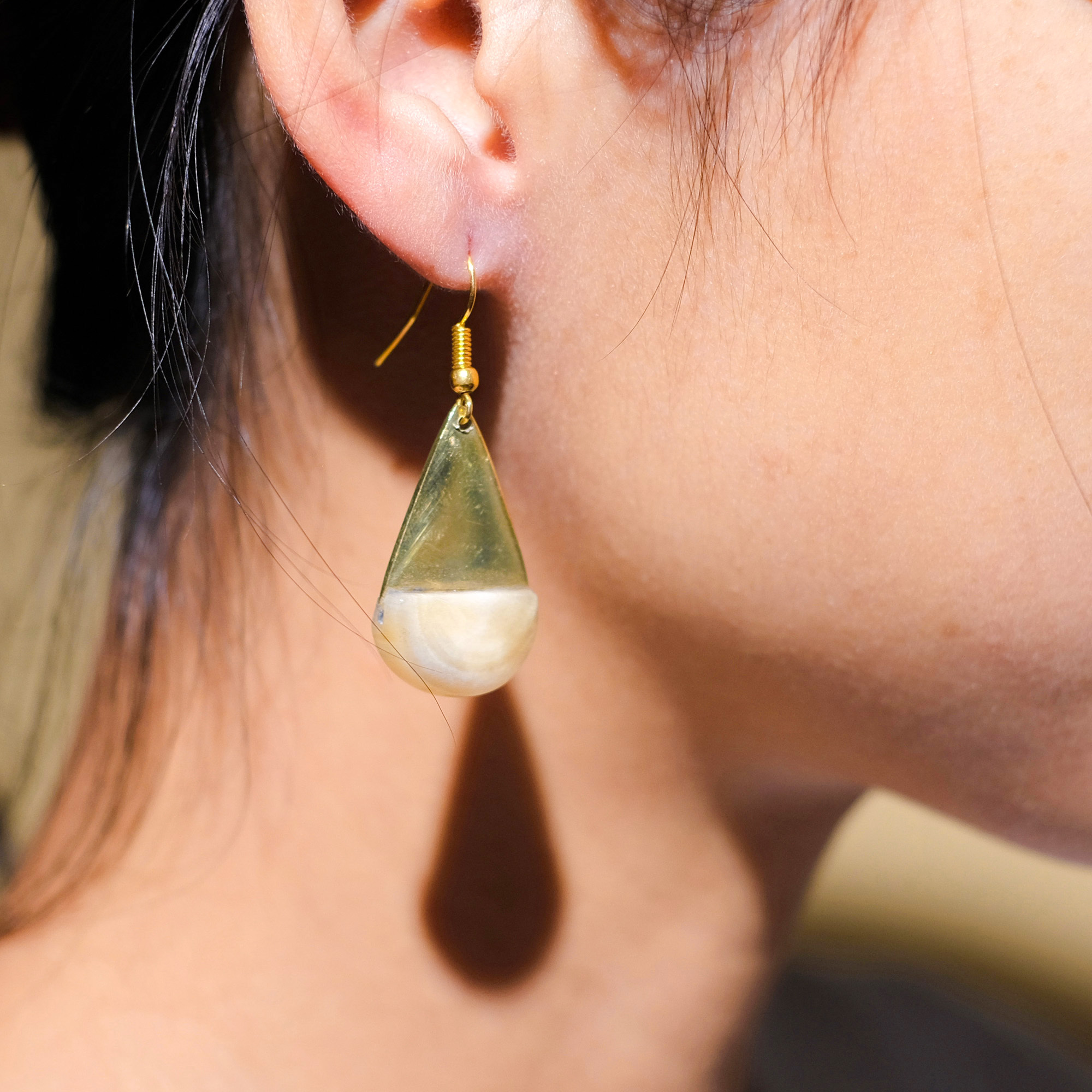
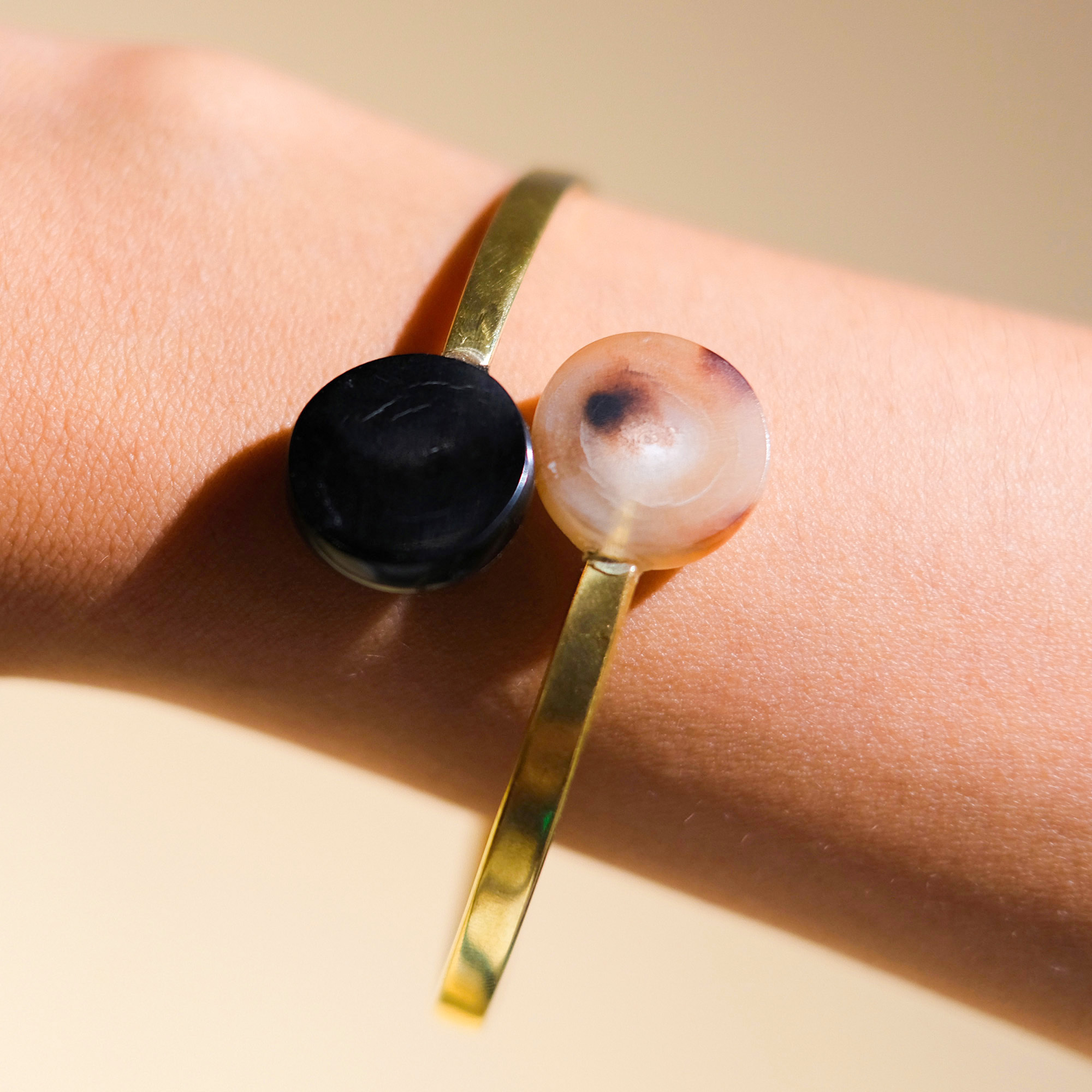
Eswatini artisan Mdu Dlamini collaborates with local women to design and produce minimalist yet elegant accessories from cattle horns and bones, creating an upcycled fashion brand rooted in Eswatini’s traditions.

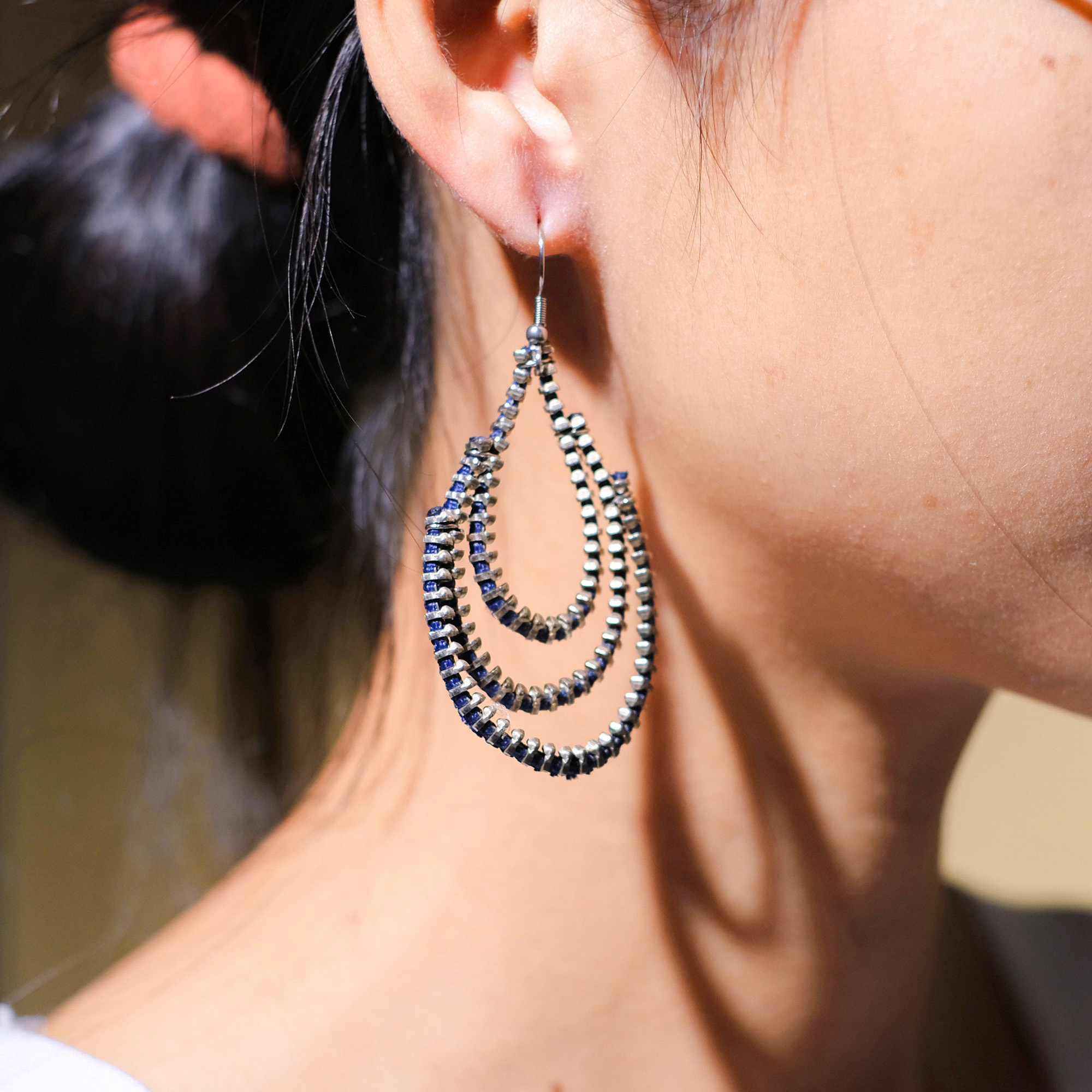
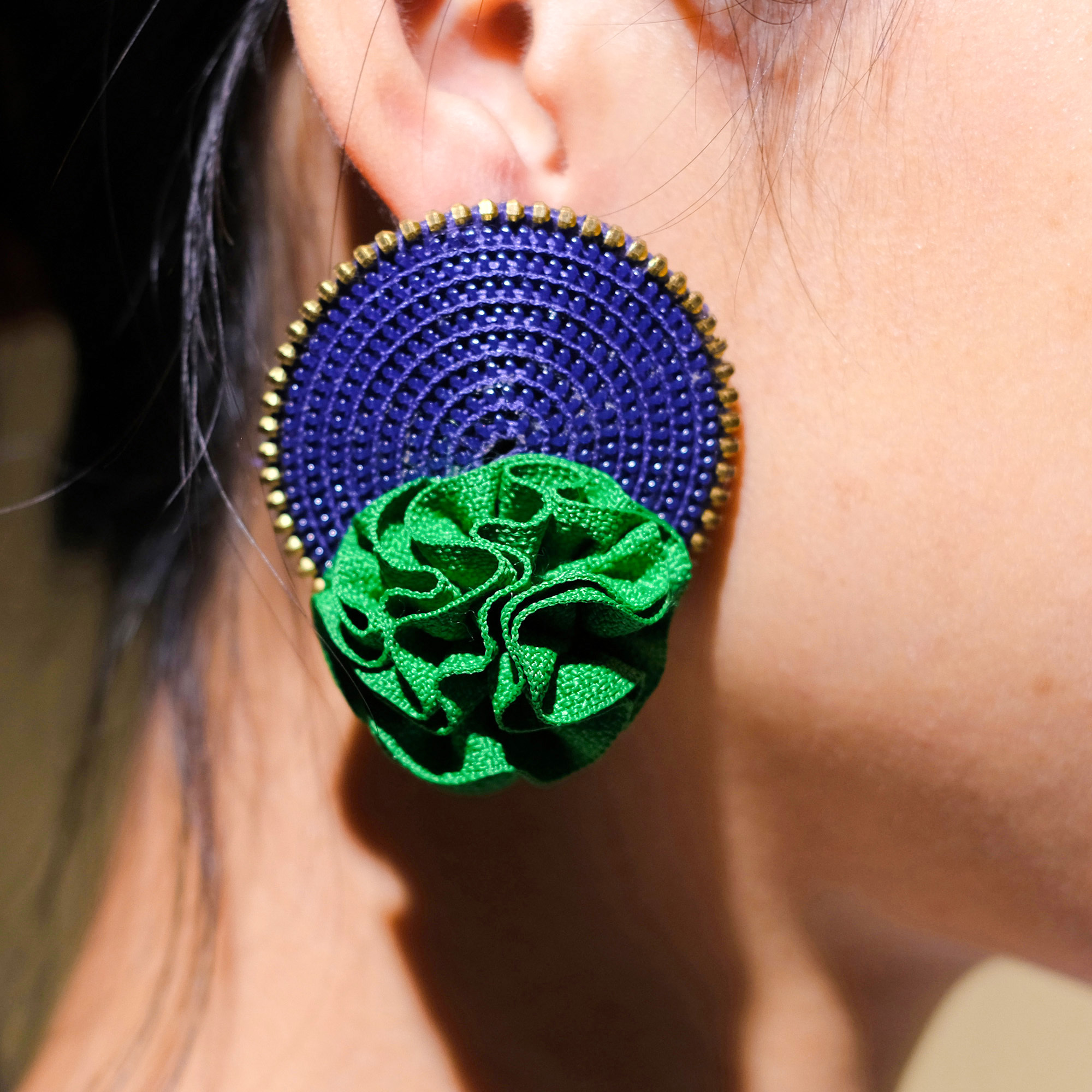
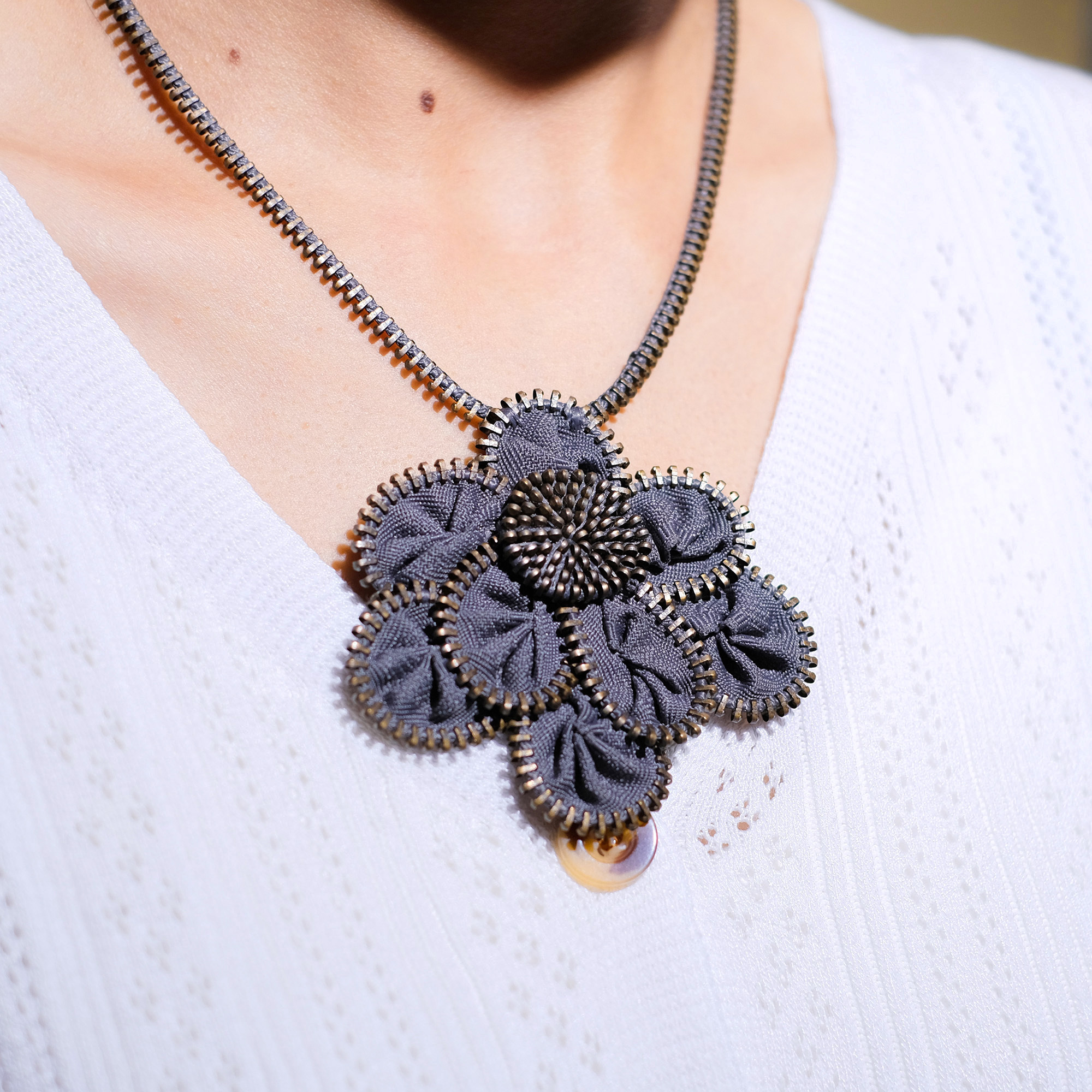
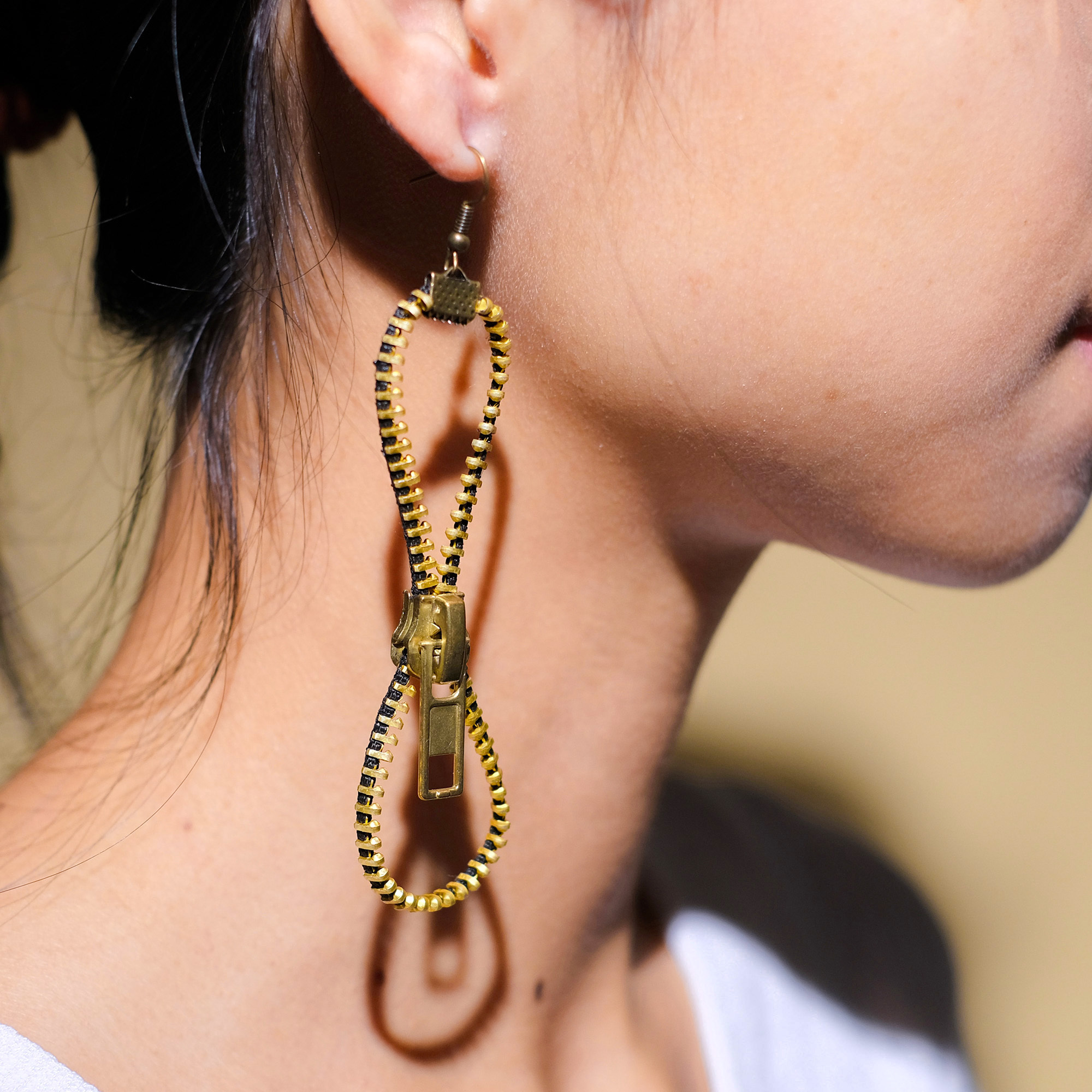
Eternal Chain Earrings

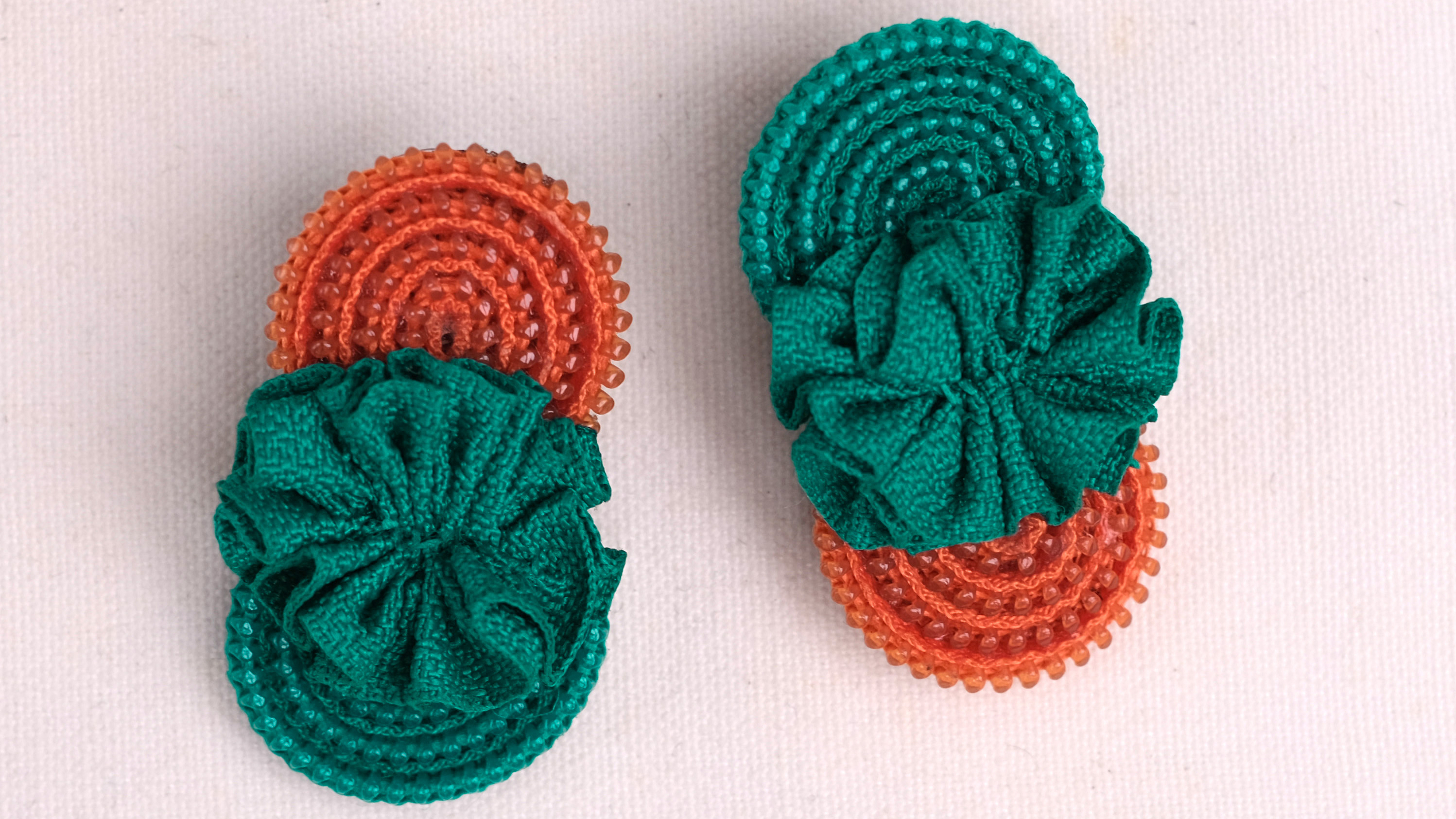
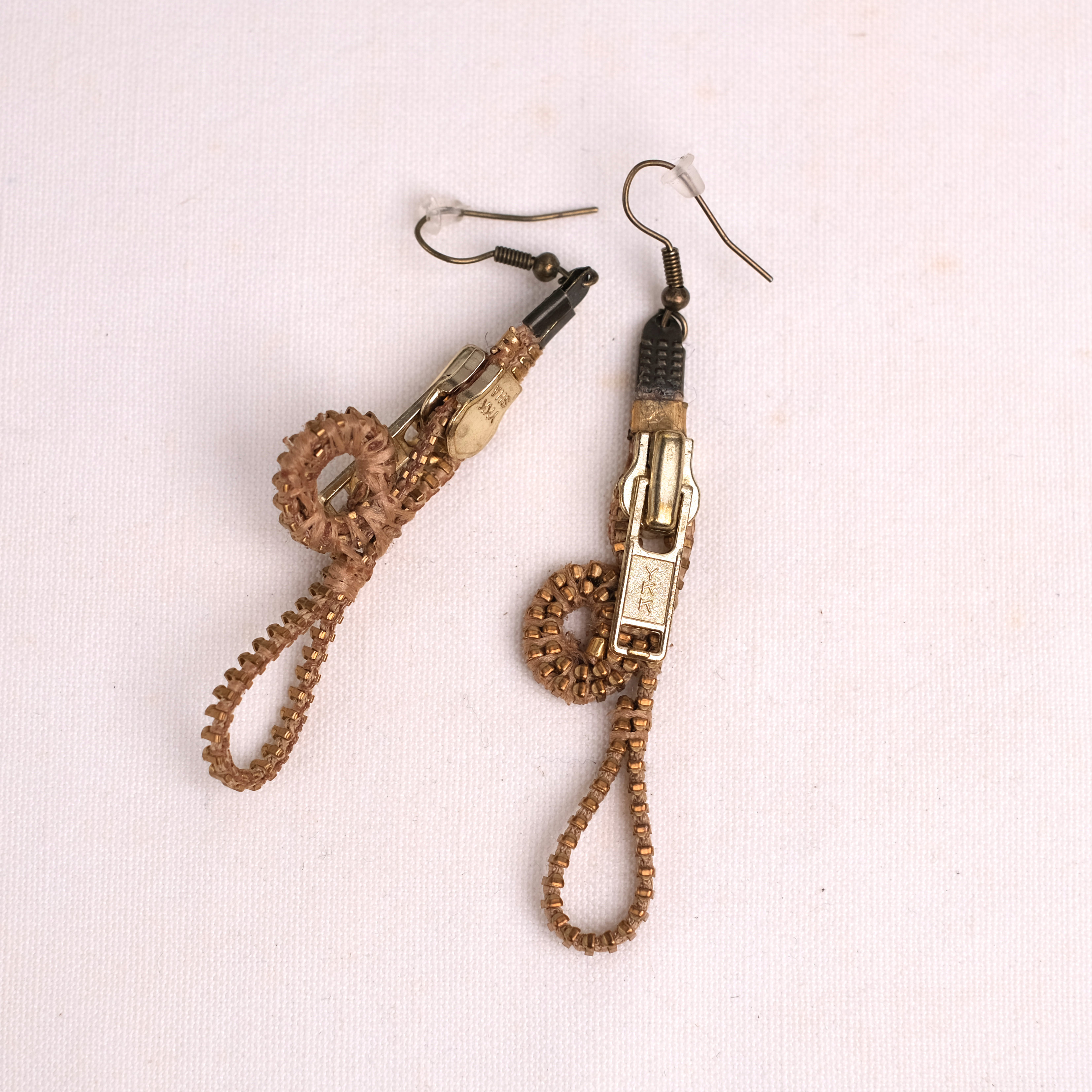
The Adorable Accessories brand uses surplus zippers, fabric, and buttons to create bold and vibrant jewelry. These pieces combine intricate designs and vivid colors, expanding the imagination of what accessories can be while contributing to a more sustainable planet.

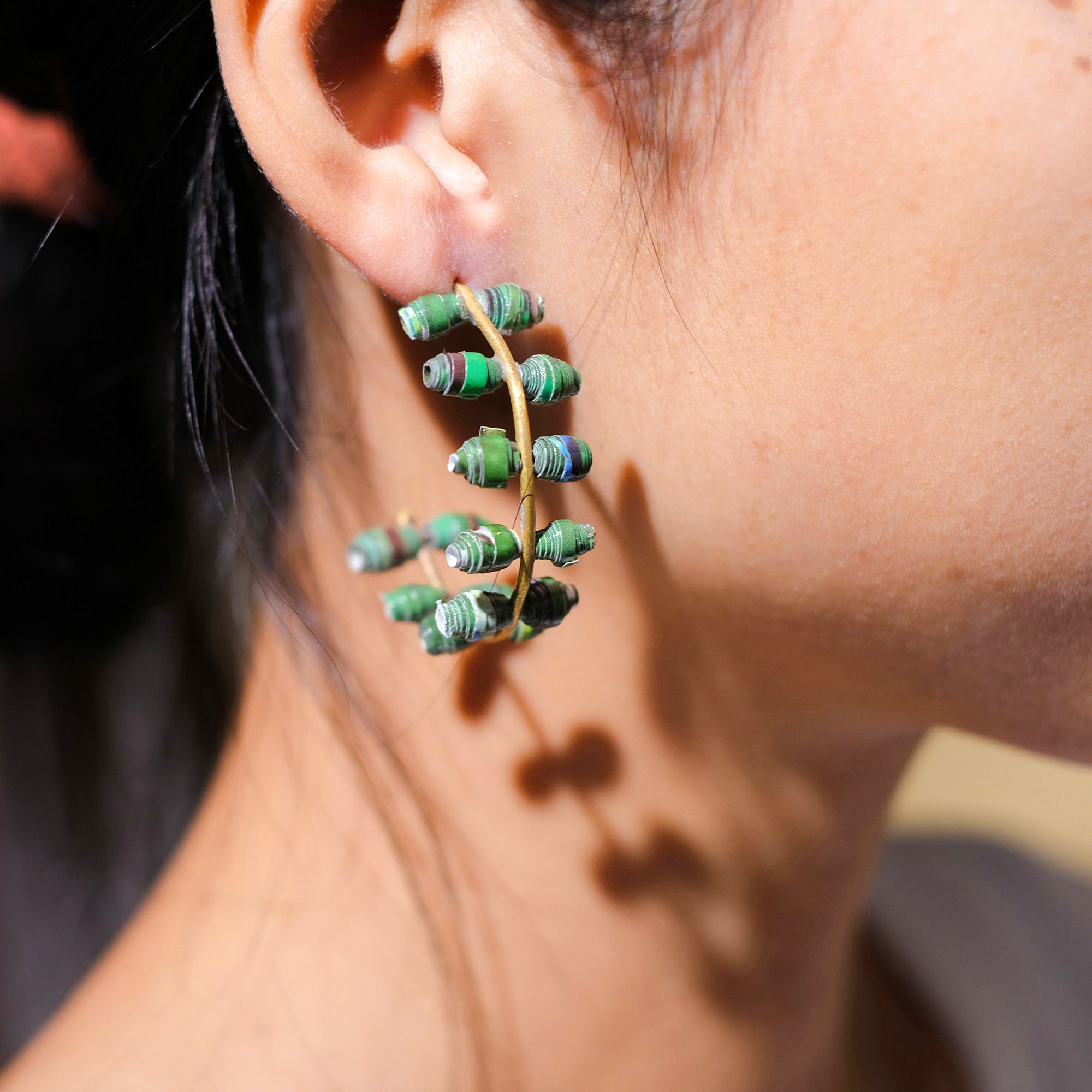
Paper Craft Jewelry

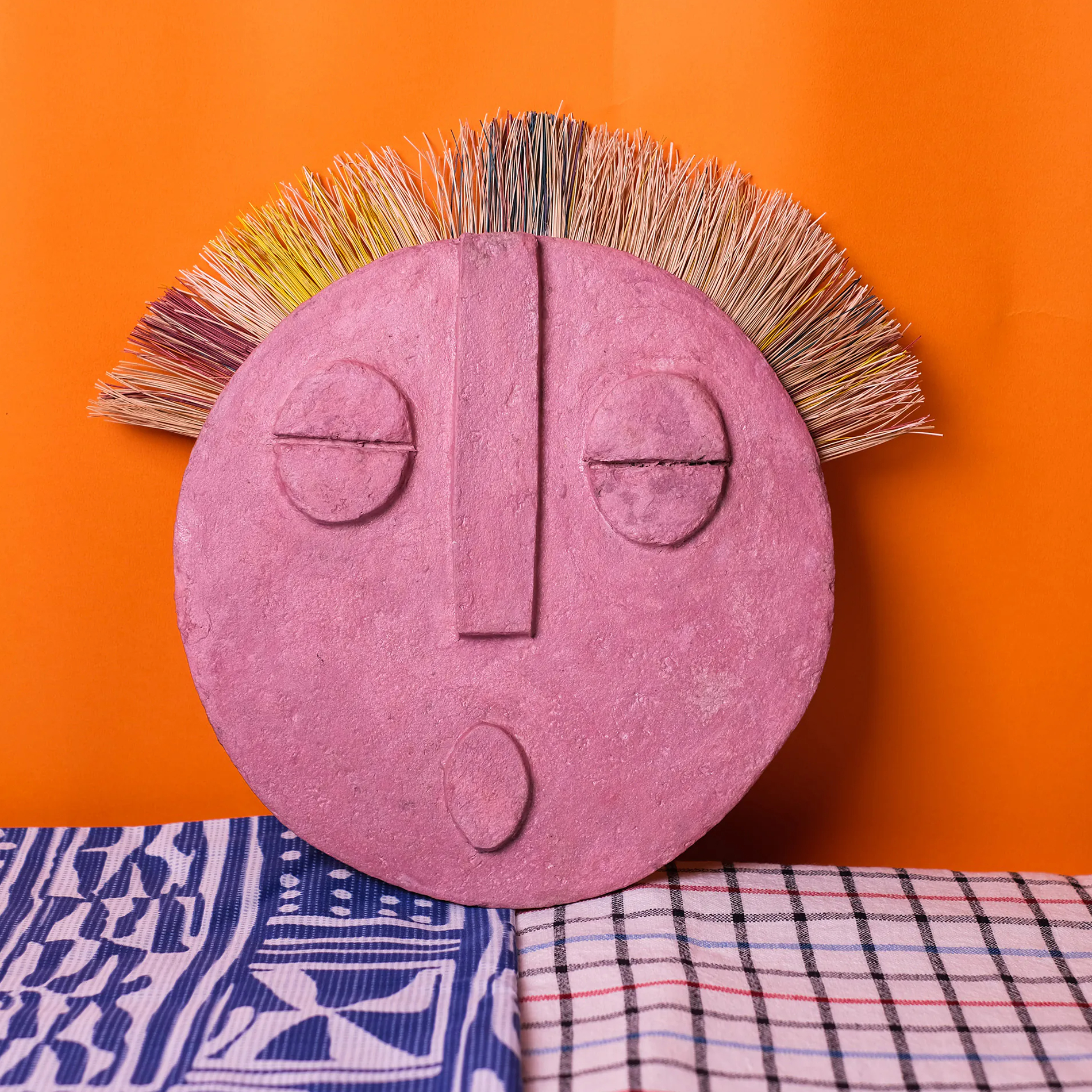
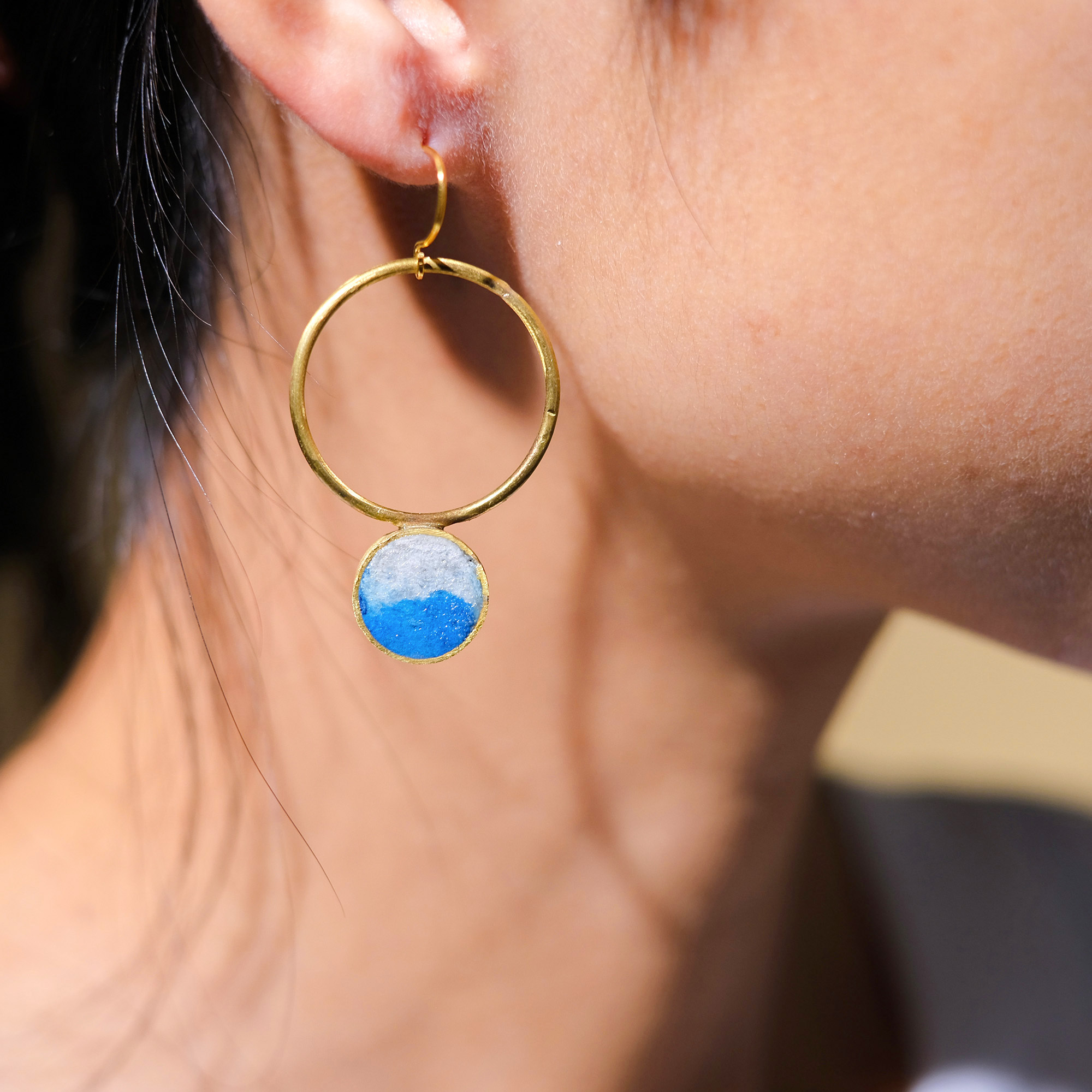
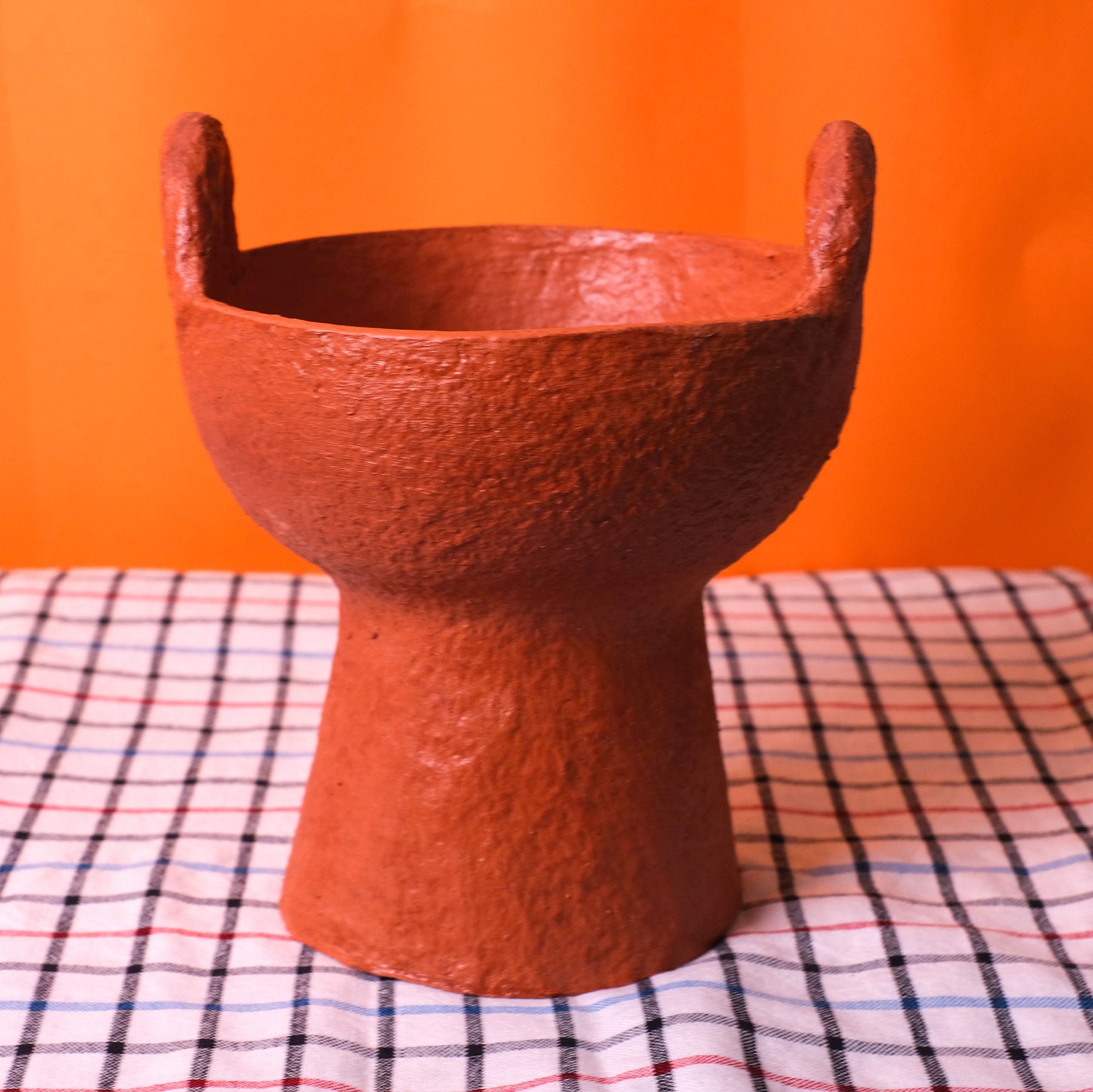
Eswatini’s Quazi Design brand works with local women and communities to use recycled paper pulp as a medium for creating jewelry. Their handmade pieces simulate textures like wood, clay, stone, ceramics, and metal, blending African elements with playful designs to craft unique upcycled fashion items.

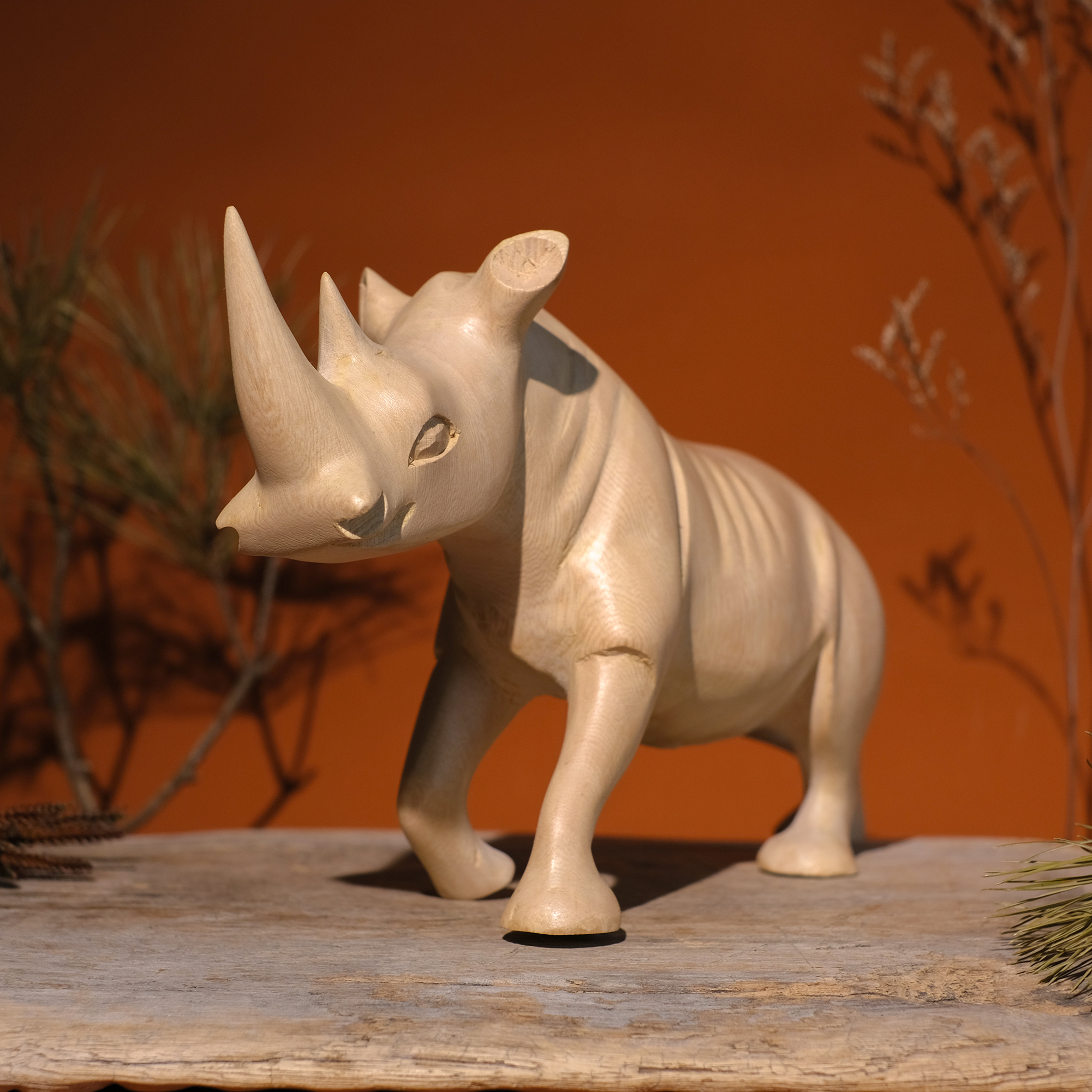
Animal Woodcarving


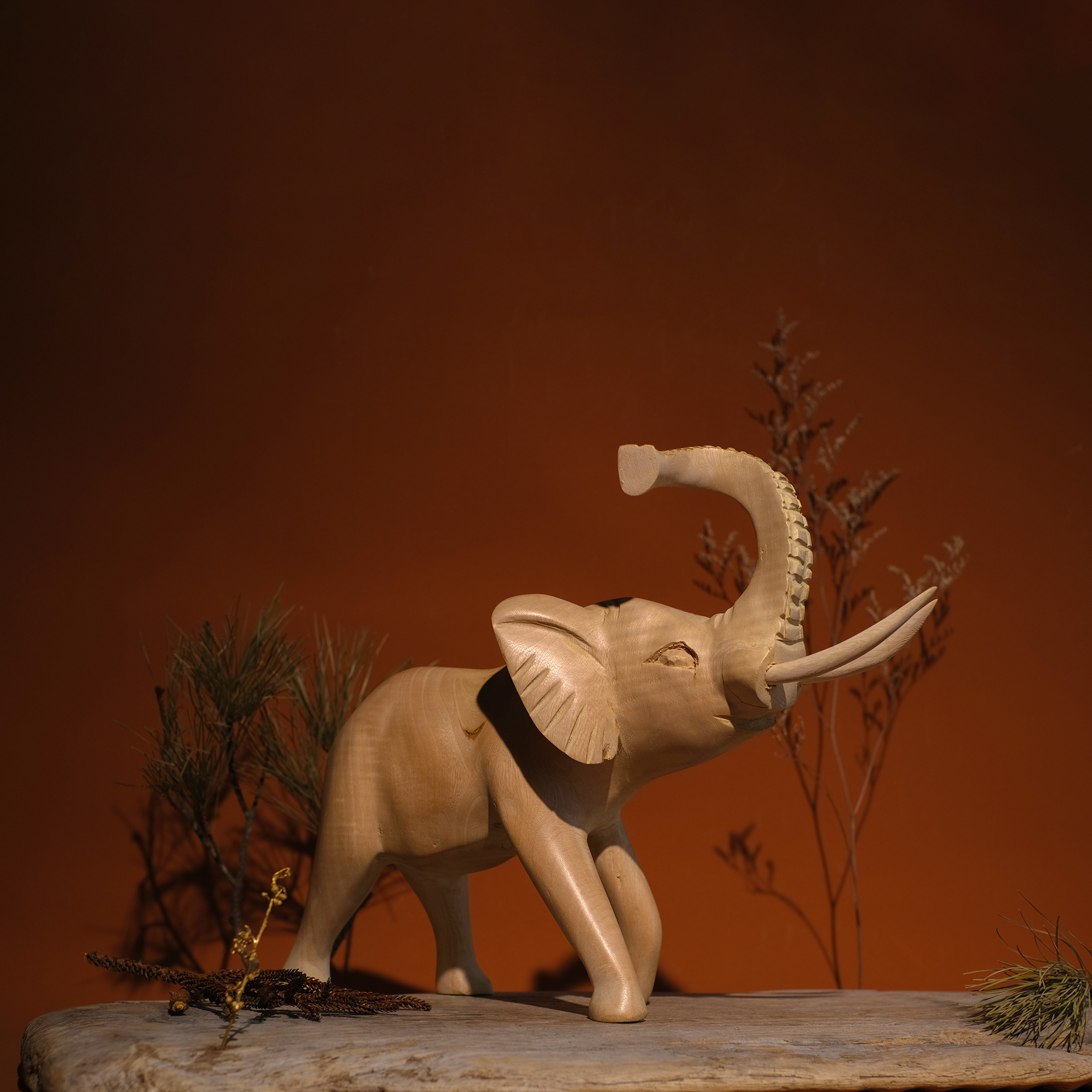
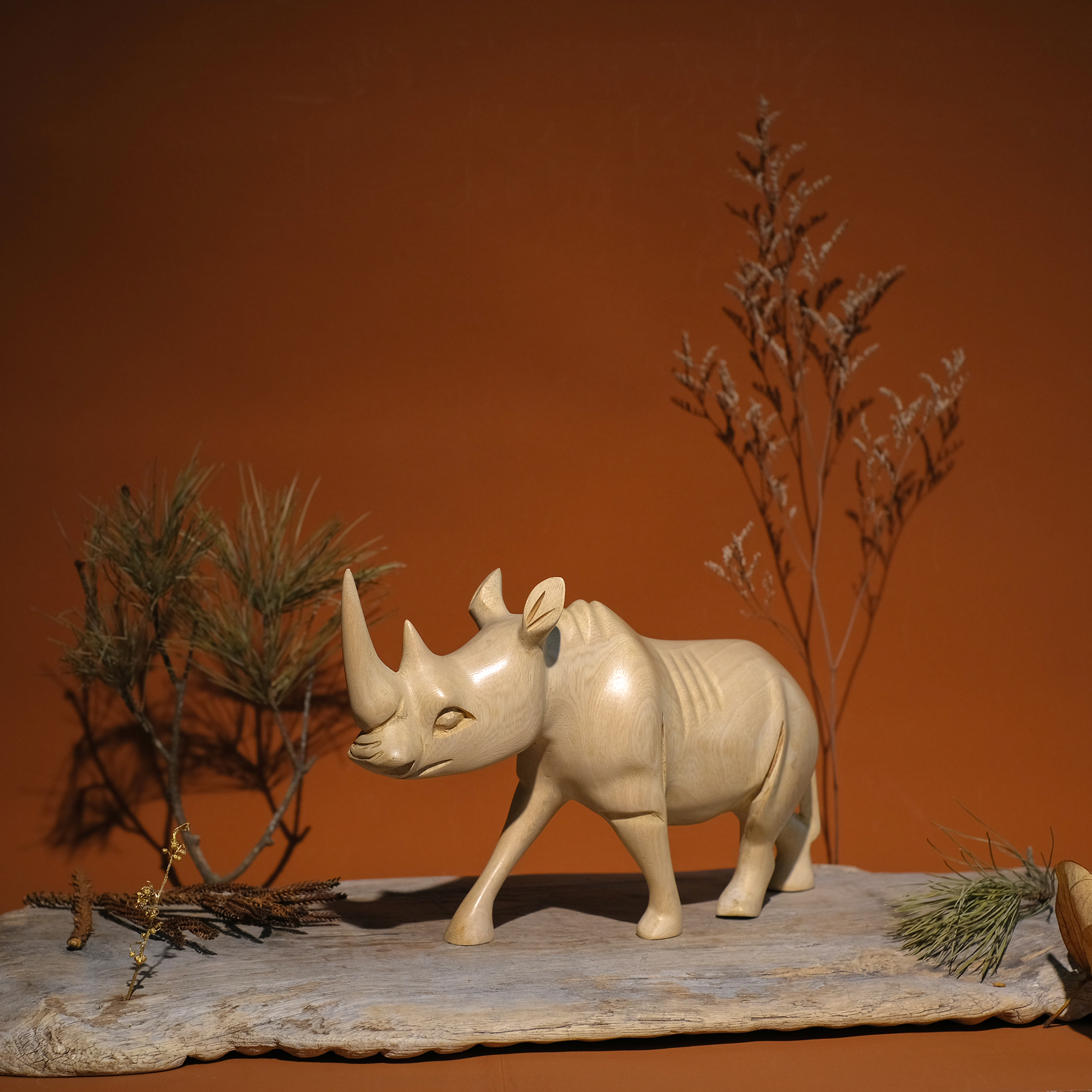
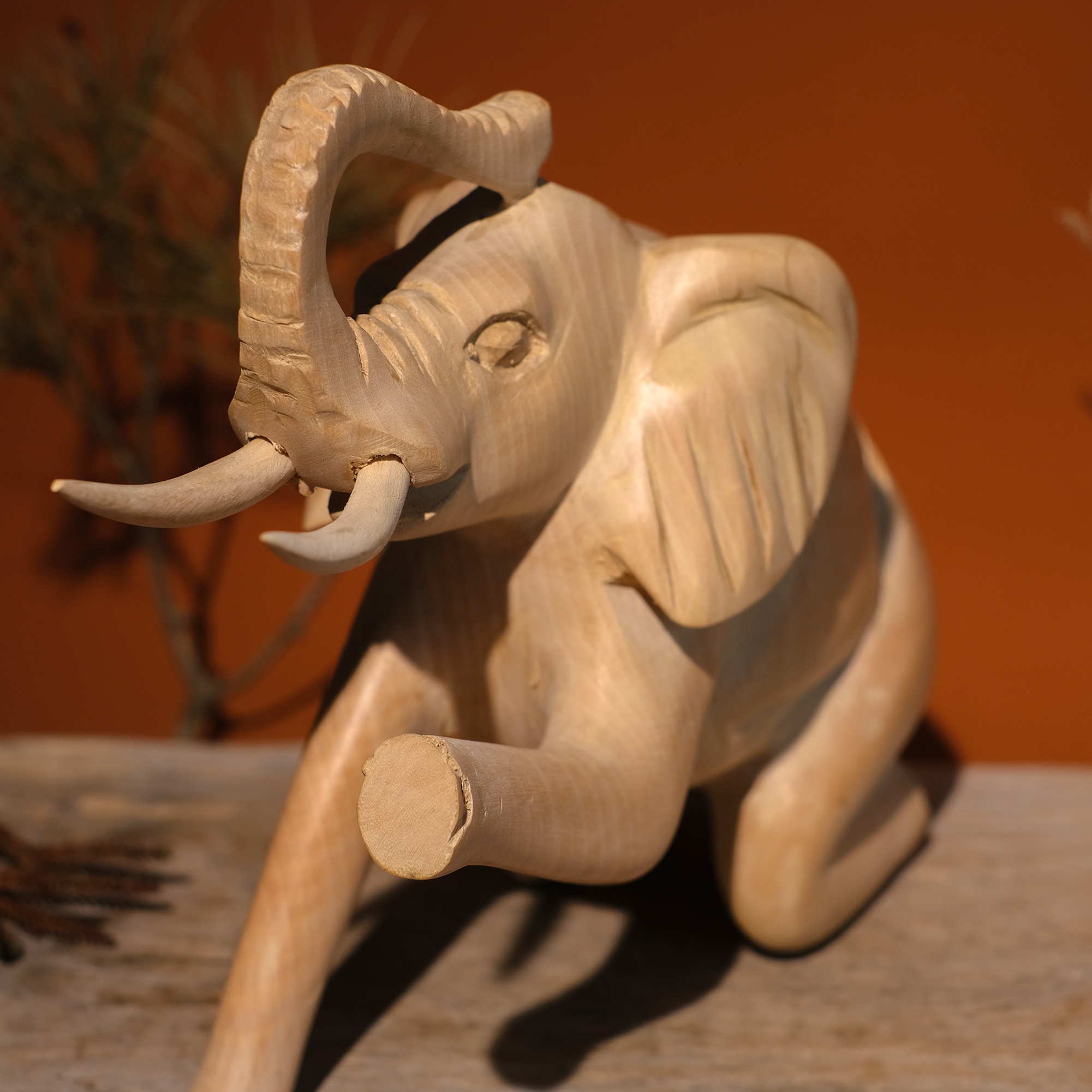
Eswatini woodcarver Michael crafts lifelike sculptures of African savanna animals like rhinos, elephants, lions, and giraffes using blue jacaranda wood. Each animal showcases distinct postures and expressions, reflecting the artist’s keen observations and creative interpretations.

Eswatini|Upcycling Earrings