{{ 'fb_in_app_browser_popup.desc' | translate }} {{ 'fb_in_app_browser_popup.copy_link' | translate }}

{{ 'in_app_browser_popup.desc' | translate }}

Your Shopping Cart is empty.
{{ (item.variation.media ? item.variation.media.alt_translations : item.product.cover_media.alt_translations) | translateModel }} {{ (item.variation.media
                    ? item.variation.media.alt_translations
                    : item.product.cover_media.alt_translations) | translateModel
                }}
{{ 'product.bundled_products.label' | translate }}
{{ 'product.bundle_group_products.label' | translate }}
{{ 'product.buyandget.label' | translate }}
{{ 'product.gift.label' | translate }}
{{ 'product.addon_products.label' | translate }}
{{item.product.title_translations|translateModel}}
{{ field.name_translations | translateModel }}
  • {{ childProduct.title_translations | translateModel }}

    {{ getChildVariationShorthand(childProduct.child_variation) }}

{{ 'product.set.open_variation' | translate }}
  • {{ getSelectedItemDetail(selectedChildProduct, item).childProductName }} x {{ selectedChildProduct.quantity || 1 }}

    {{ getSelectedItemDetail(selectedChildProduct, item).childVariationName }}

{{item.variation.name}}
{{item.quantity}}x NT$0 {{ item.unit_point }} Point
{{addonItem.product.cover_media.alt_translations | translateModel}}
{{ 'product.addon_products.label' | translate }}
{{addonItem.product.title_translations|translateModel}}
{{addonItem.quantity}}x {{ mainConfig.merchantData.base_currency.alternate_symbol + "0" }}
The Shipibo people originally inhabited the Ucayali River region along the Amazon rainforest and have lived there for thousands of years. Their rich traditions, including rituals, herbal medicine, and spiritual beliefs, have deeply influenced their way of life and artistic expressions. In recent years, some Shipibo people have migrated to urban areas, using embroidery to preserve and share memories of their riverside lives in the rainforest.

The Shipibo people, along with the Conibo, represent two distinct cultural groups that, over time, merged through intermarriage and shared ceremonies. Together, they now form the Shipibo-Conibo ethnic group.


Historically, the Shipibo lived along the Ucayali River, a major tributary of the Amazon, near the modern Peruvian port city of Pucallpa. Despite being geographically close to the Inca Empire, they were never conquered by the Incas. However, the Spanish conquest in the 17th century introduced missionaries who sought to transform their beliefs. In the early 20th century, the global demand for rubber brought European settlers to the region, forcing the Shipibo people into a prolonged cultural struggle between their traditions and external influences.


Today, the Shipibo population is spread across Brazil, Ecuador, Colombia, and Peru, with approximately 30,000 individuals, 20,000 of whom live in the Peruvian Amazon. Due to their migratory lifestyle, population estimates vary, and the actual number is likely higher.

Building New Settlements by the Highway

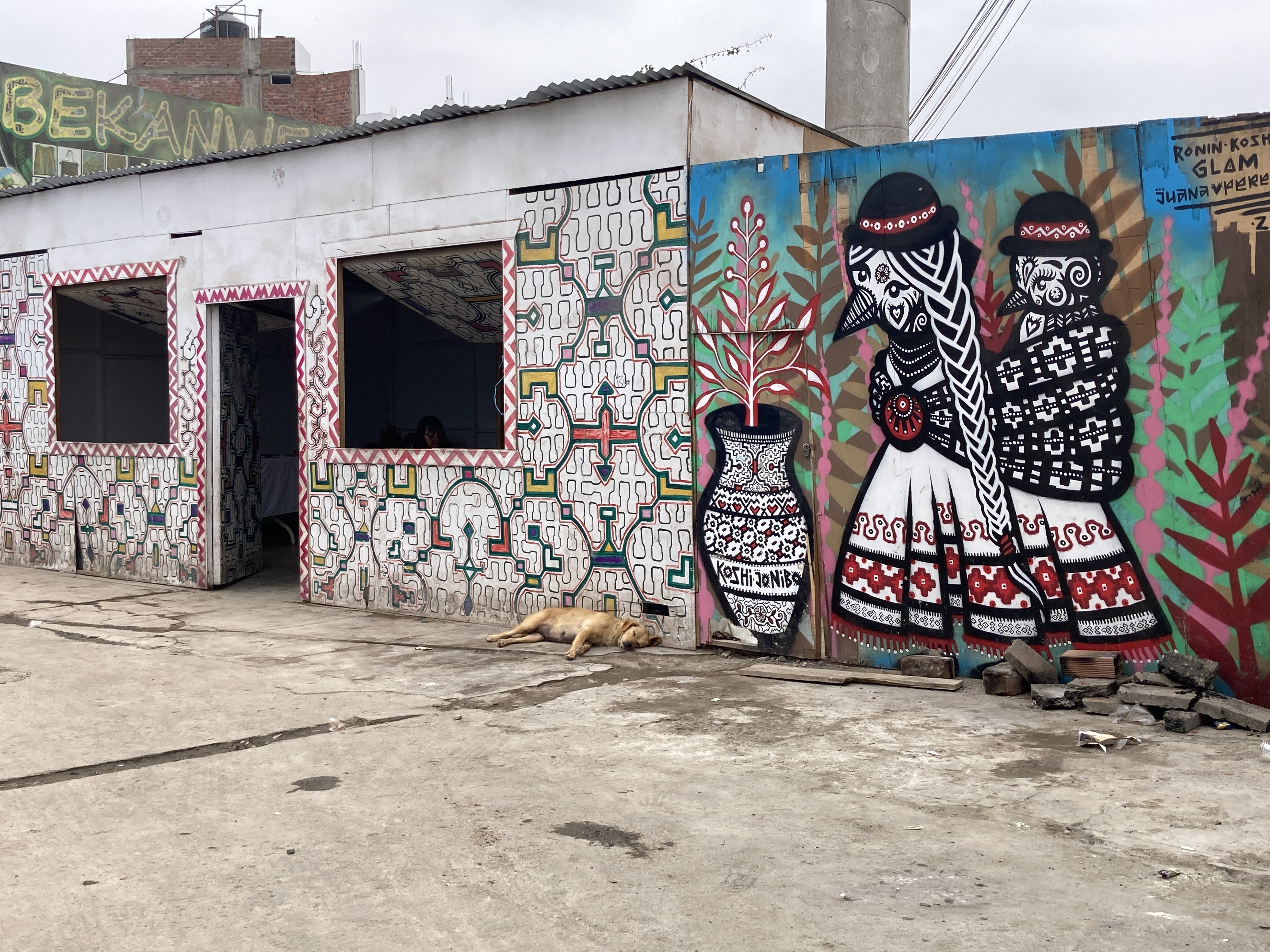
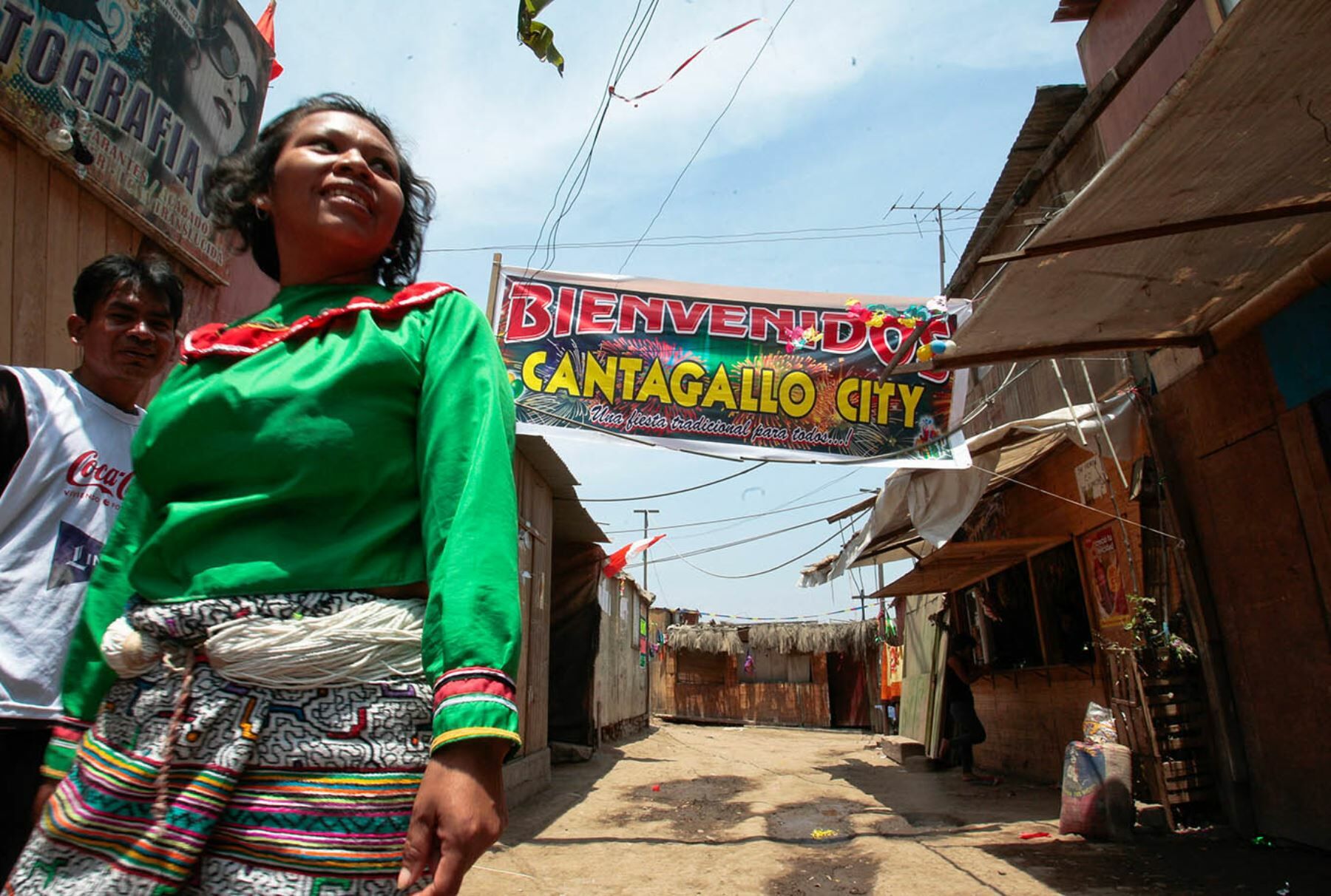
In the outskirts of Lima, Peru's capital, lies the shantytown of Cantagallo, situated by the polluted Rimac River and beneath the slopes of San Cristóbal Hill. This densely packed area is home to families from different regions who have built makeshift houses as they search for a better life.


Cantagallo began developing in the 1960s during highway construction. In 2000, several Shipibo families, dissatisfied with government corruption, left their homes along the Ucayali River in search of better work and educational opportunities. Upon reaching Cantagallo, they settled because the presence of the river reminded them of home.


Image/ A view of the Shipibo settlement in Cantagallo

 Photo/ SouSou Corner

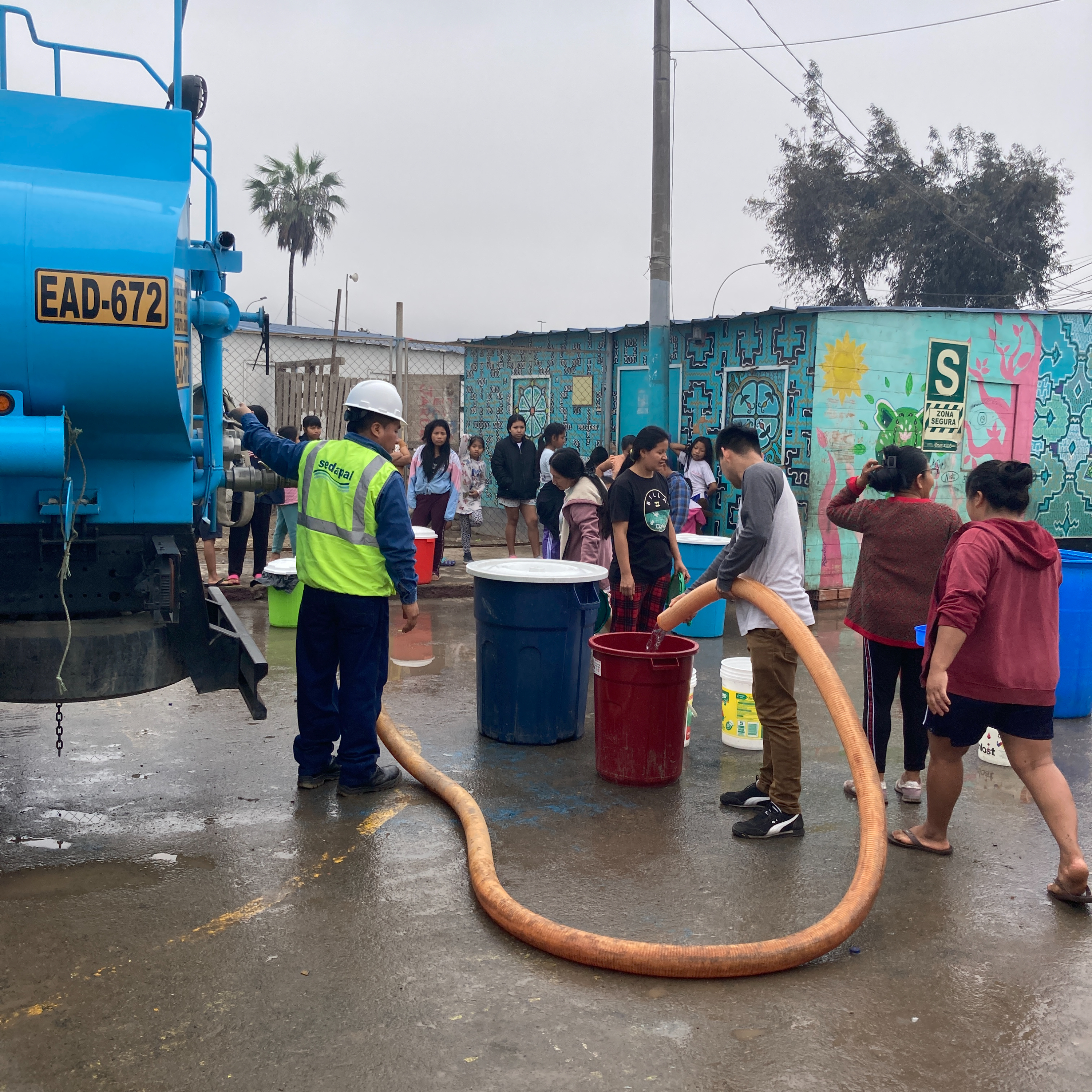
Approximately 200 Shipibo families now live in Cantagallo. Despite lacking adequate infrastructure—such as reliable water and drainage systems—these families maintain their traditions. The community has a bilingual public school teaching in Spanish and Shipibo, and they celebrate the Shipibo Cultural Festival annually. Cantagallo is unique in preserving the Shipibo way of life within an urban setting.

Image/Residents lining up to collect water for daily use

Photo/ SouSou Corner

The Maze-Like Embroidery Patterns

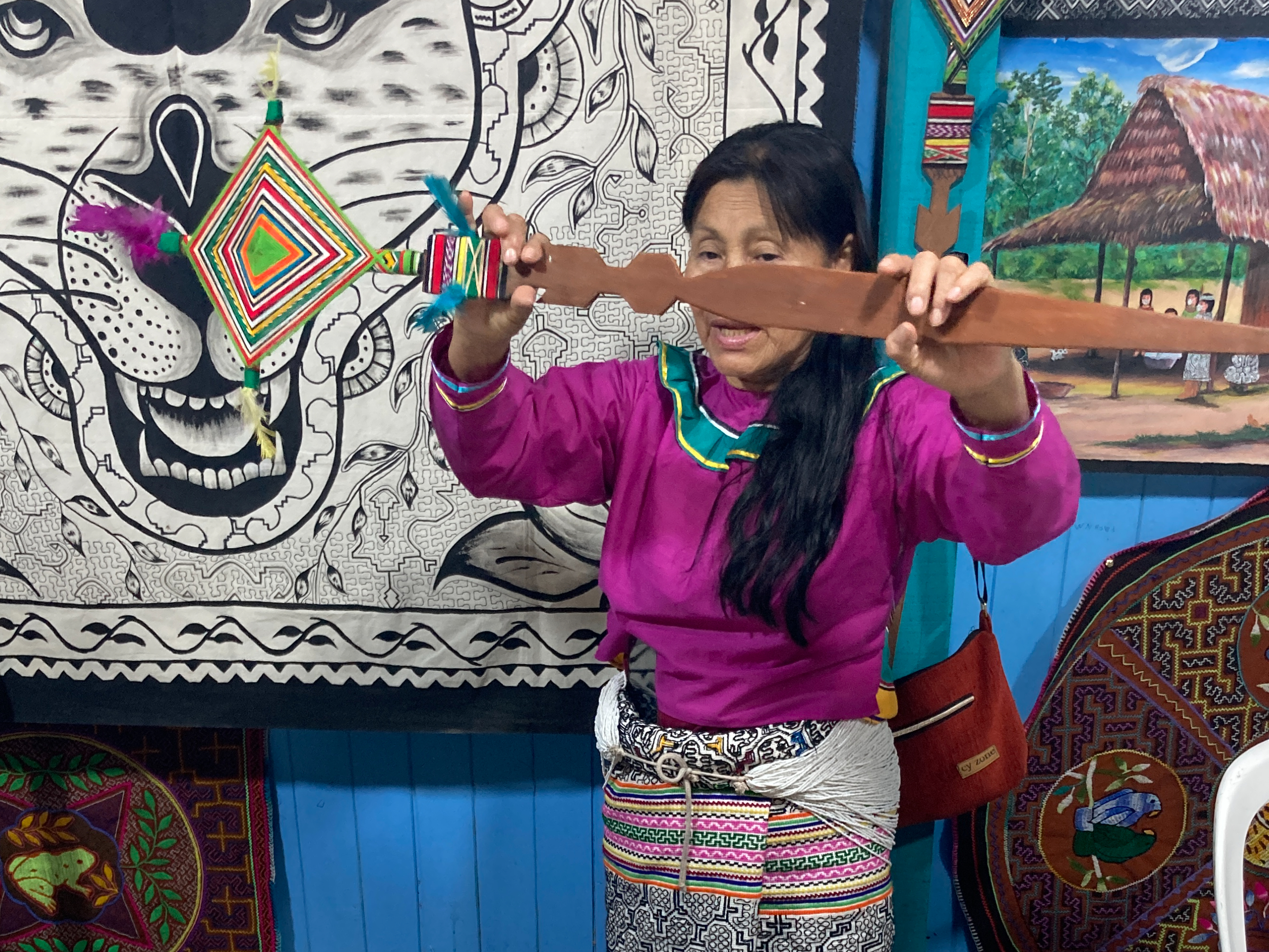
Wilma, a resident of Cantagallo originally from the Panaijo village along the Ucayali River, greeted us. Her husband disappeared two decades ago, possibly joining or being taken by guerrilla forces. Despite her efforts, including consulting a shaman through ayahuasca ceremonies, she found no answers. Left with her six-month-old child, she migrated to Lima and eventually settled in Cantagallo, where she now creates handicrafts and promotes Shipibo traditions.


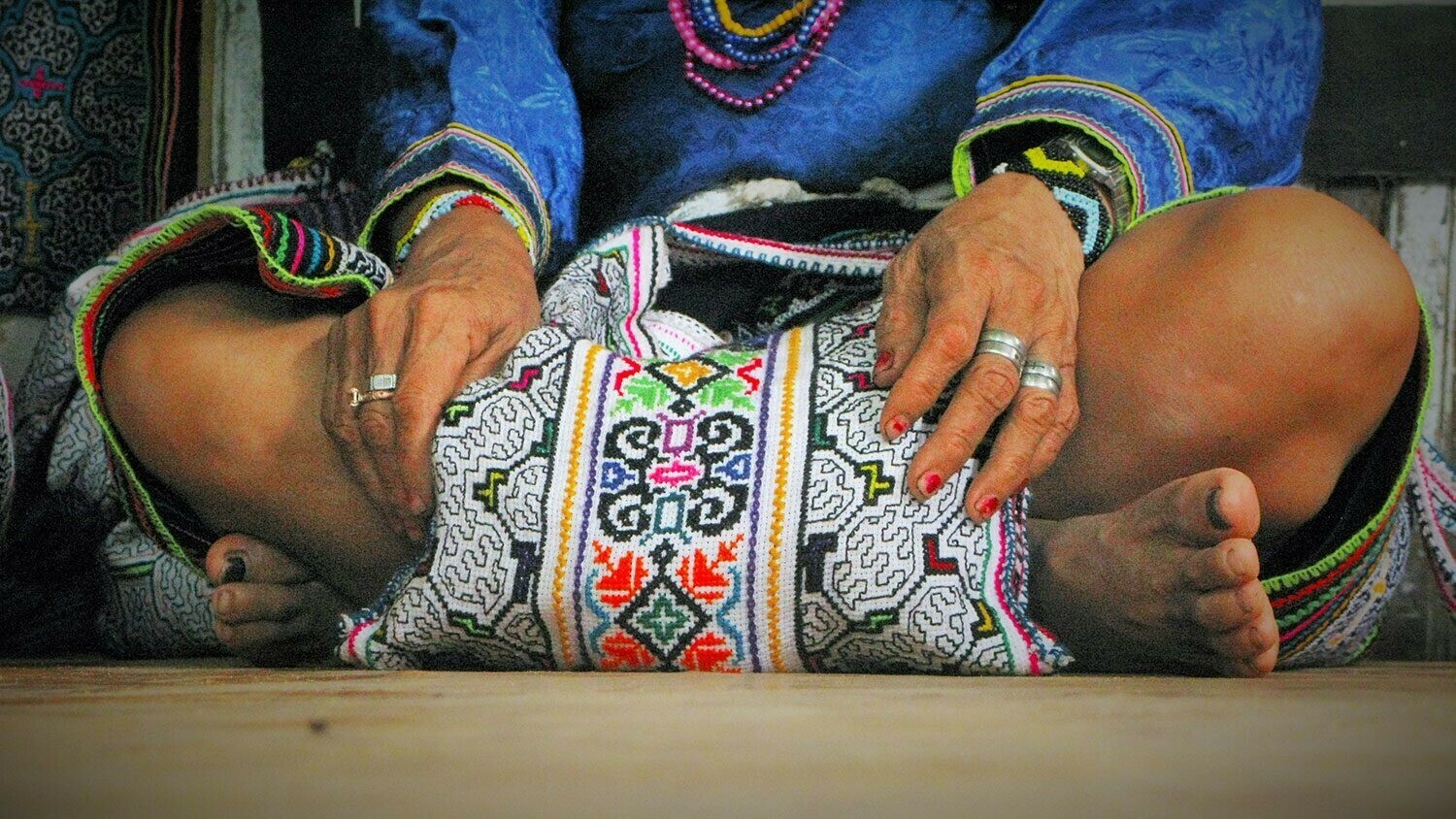
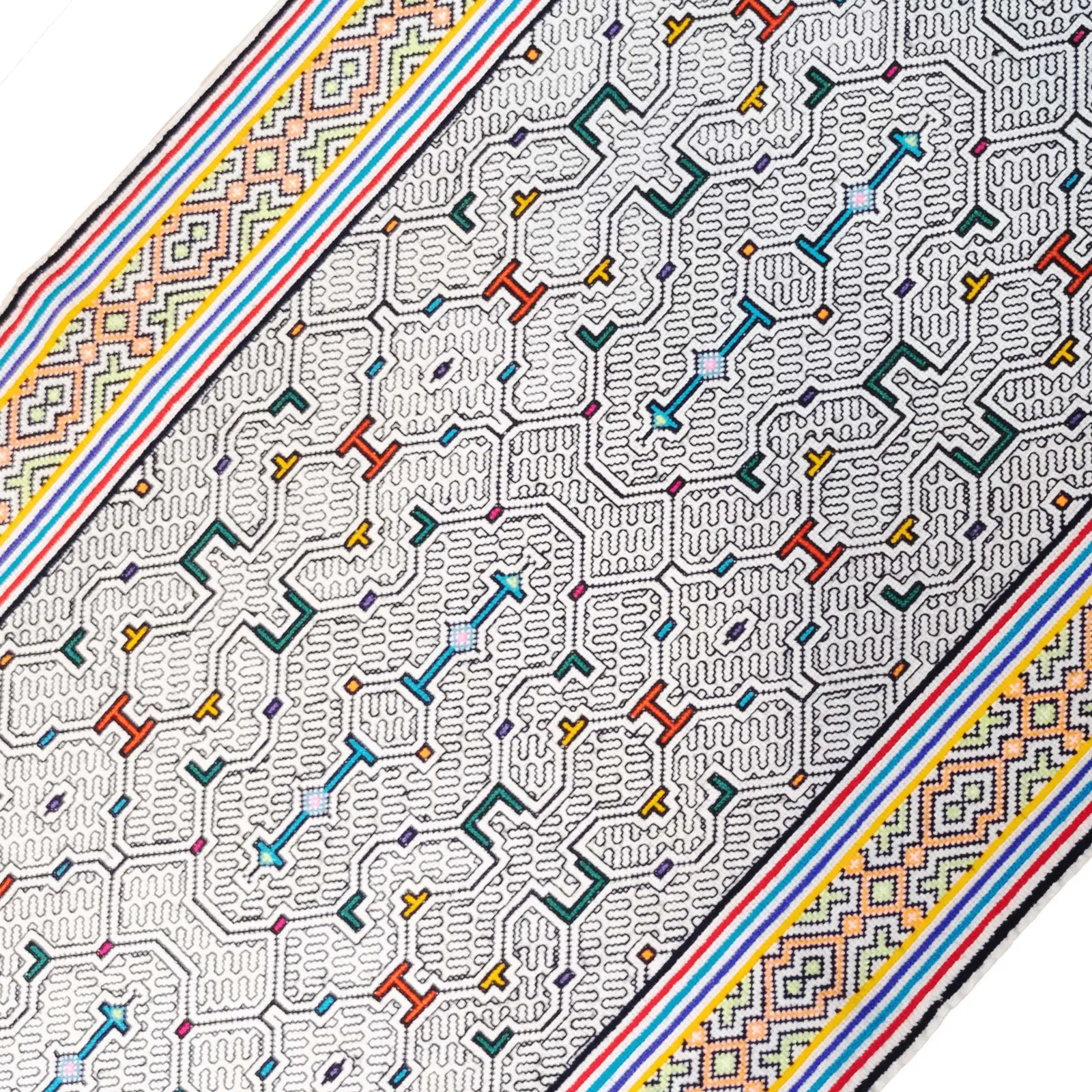
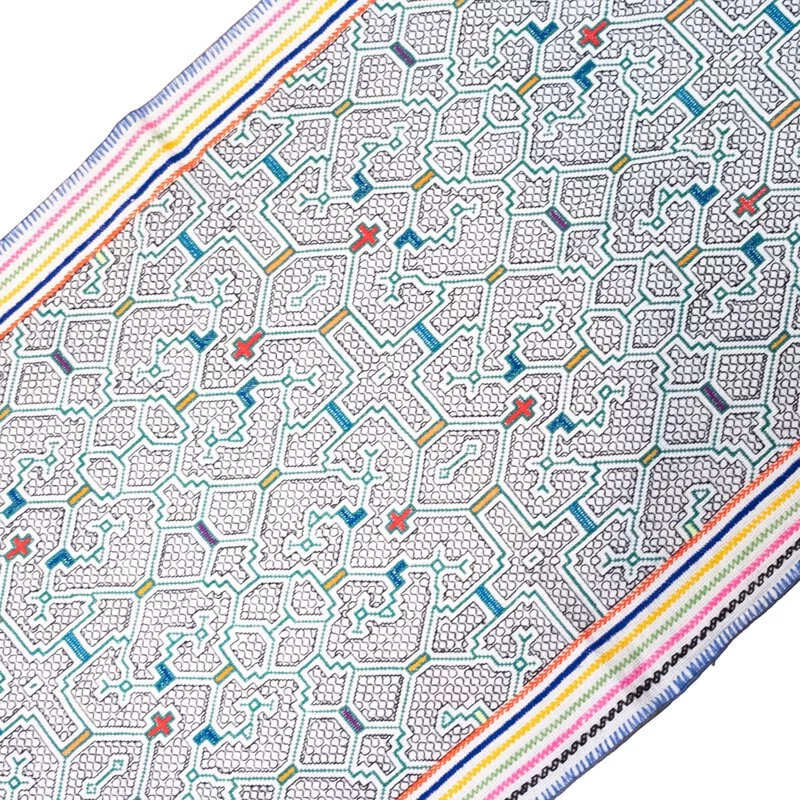
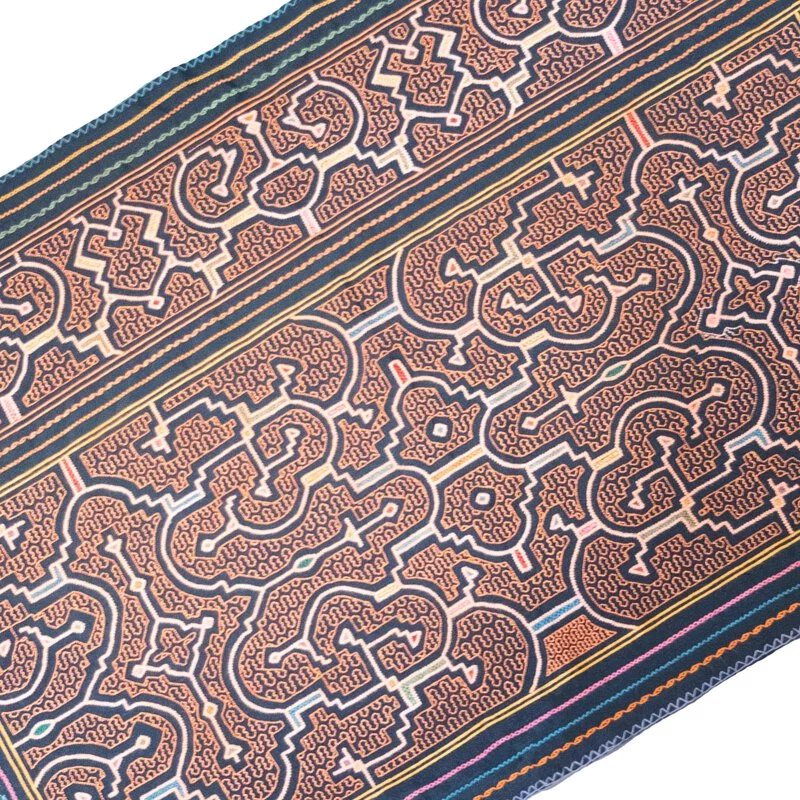
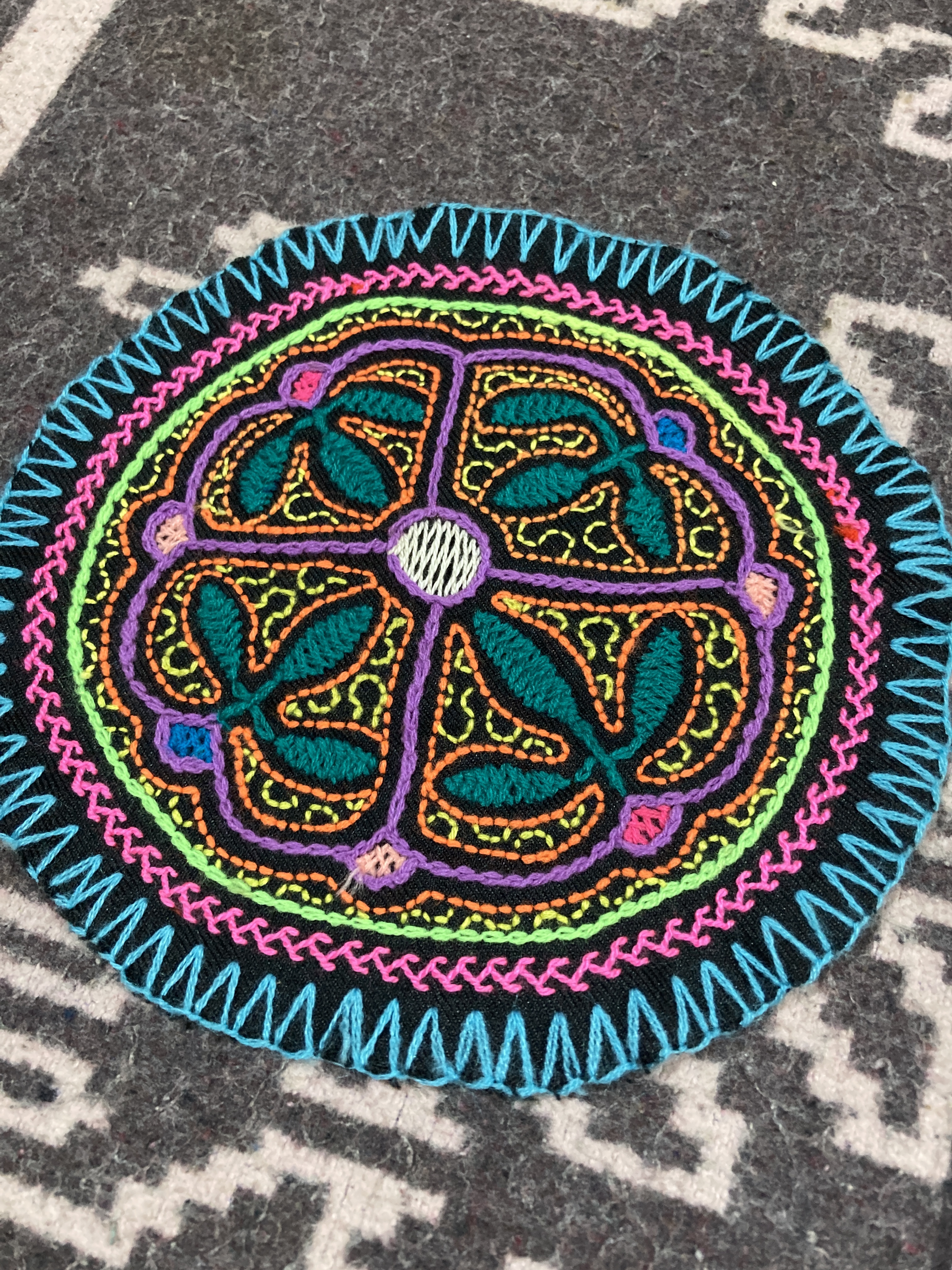
The Shipibo are a matriarchal society where women make major decisions. Men hunt and fish, while women generate income through crafts like pottery, embroidery, and beadwork. Their crafts feature intricate designs known as Kene, which reflect their worldview and daily life through a maze of varying line thicknesses.

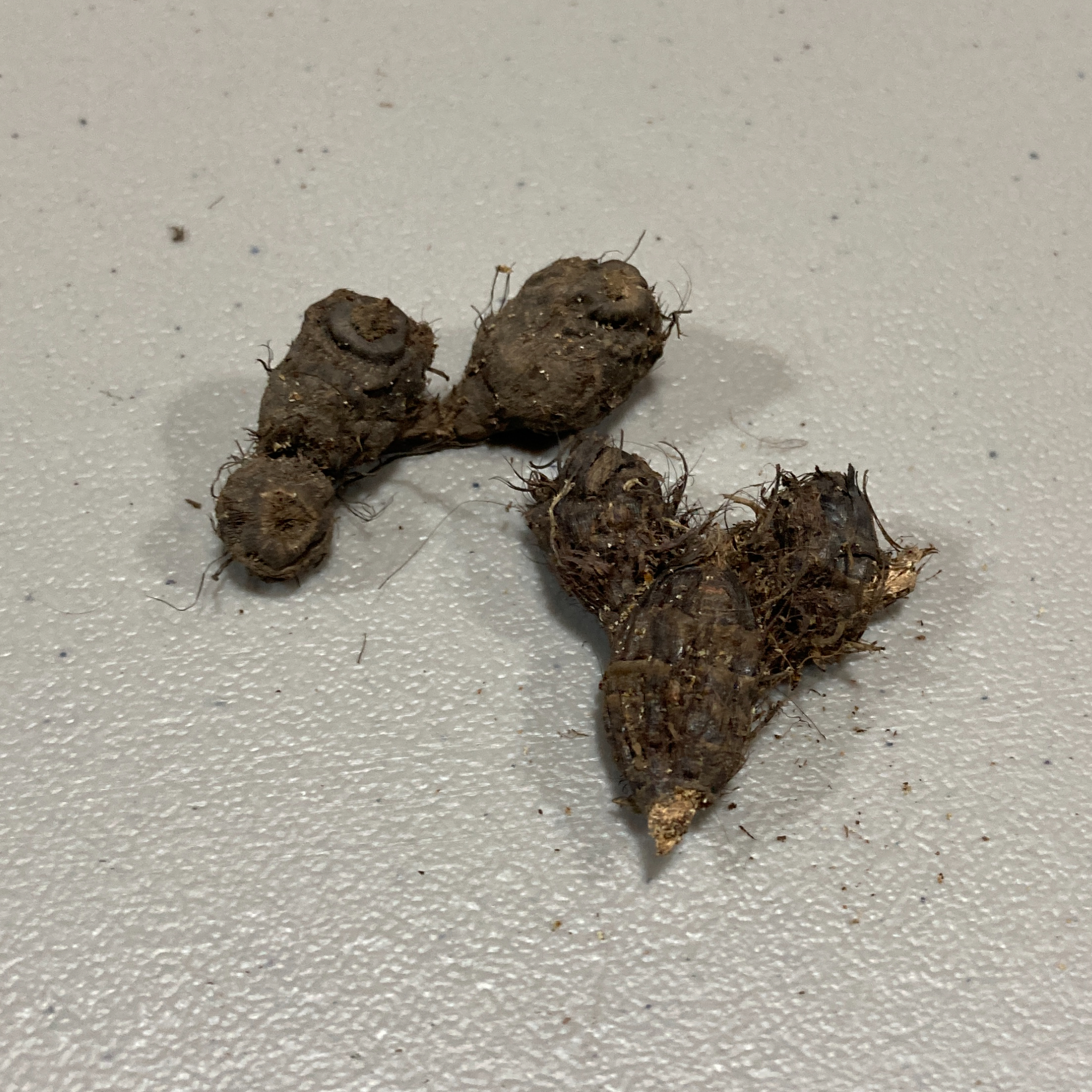
Image/ The magical herb Viriviri that opens vision

Photo/ SouSou Corner

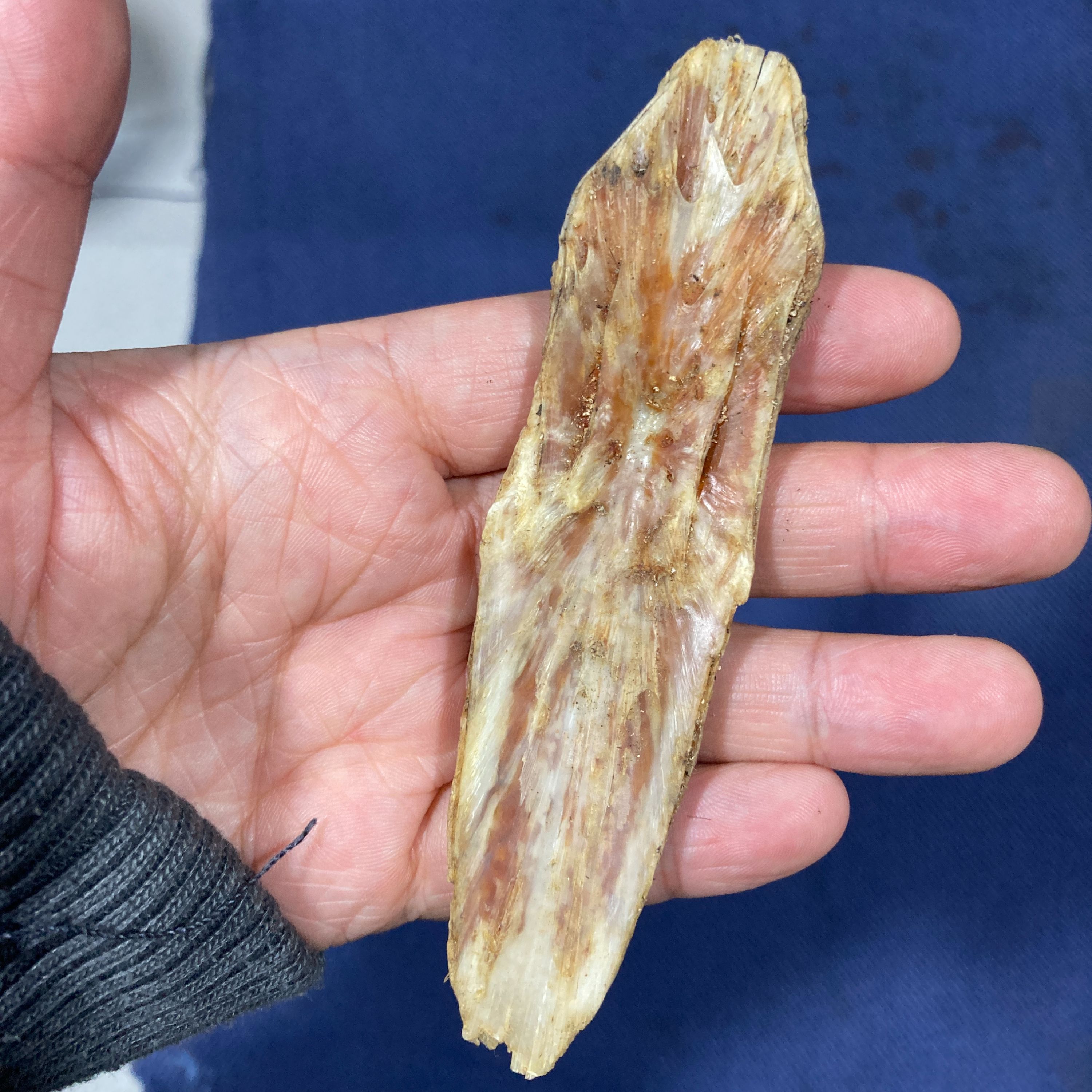
Wilma explained how one plant, Viriviri, used in ayahuasca rituals, helps expand vision. Ground using the tongue of the arapaima fish, its juice is applied to the eyes, allowing hunters to see distant prey with incredible clarity. Inspired by such experiences, the Shipibo record this “other world” in the patterns on their crafts.

Image/ The tongue of an arapaima fish used as a grinding tool

Photo/ SouSou Corner

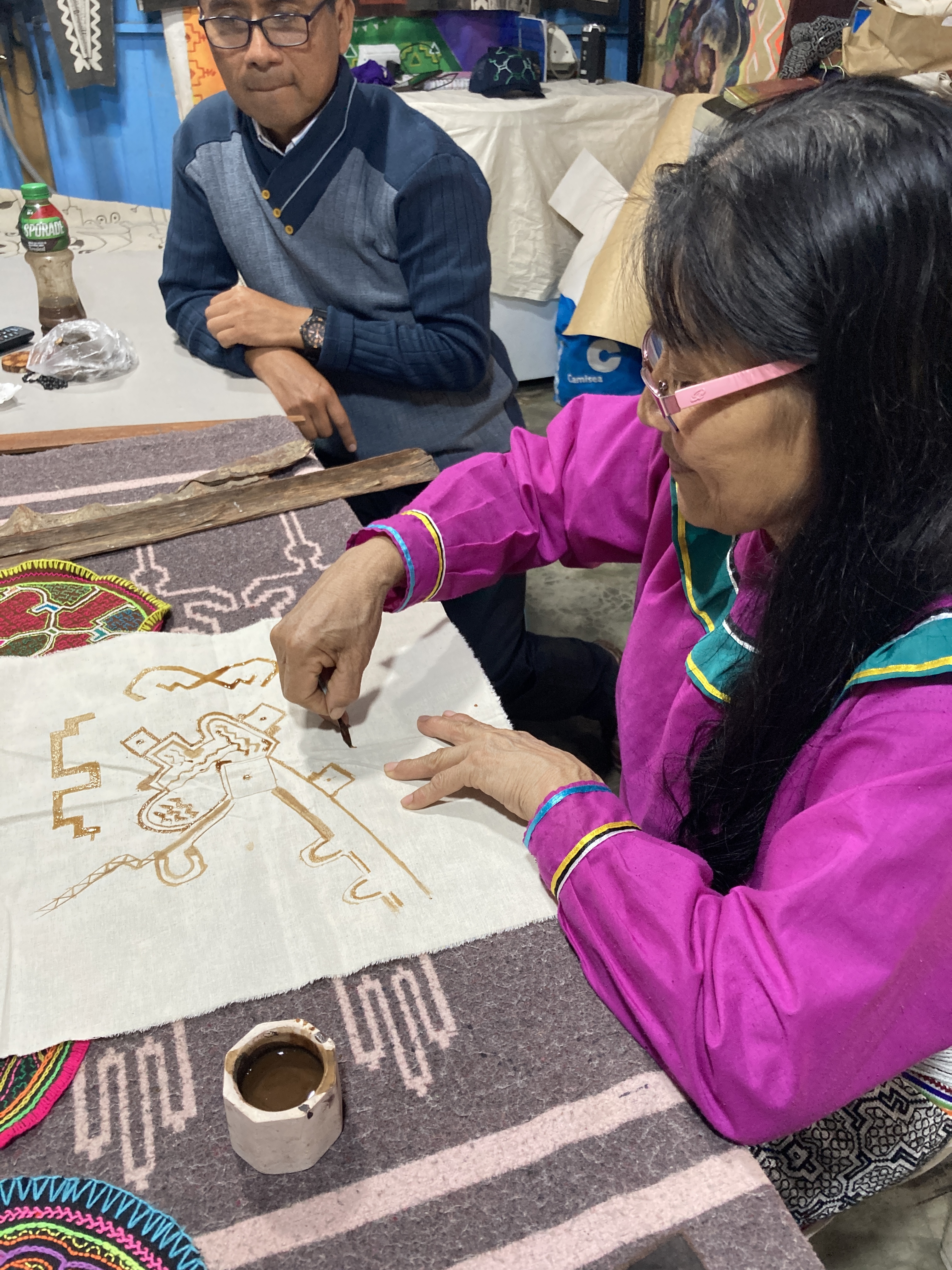
Image/ Patterns painted by Wilma using dyes made from tree bark and mud

Photo/ SouSou Corner

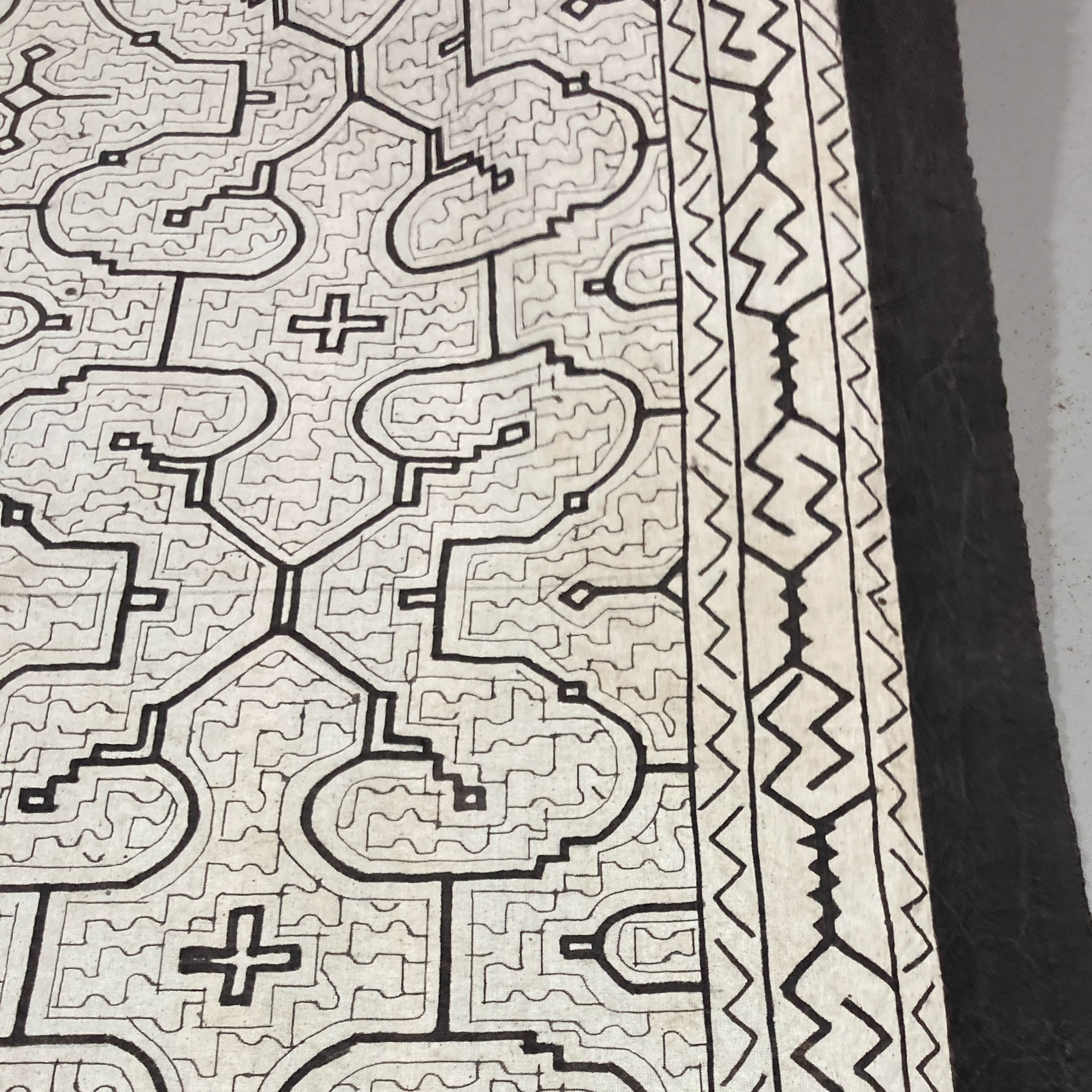
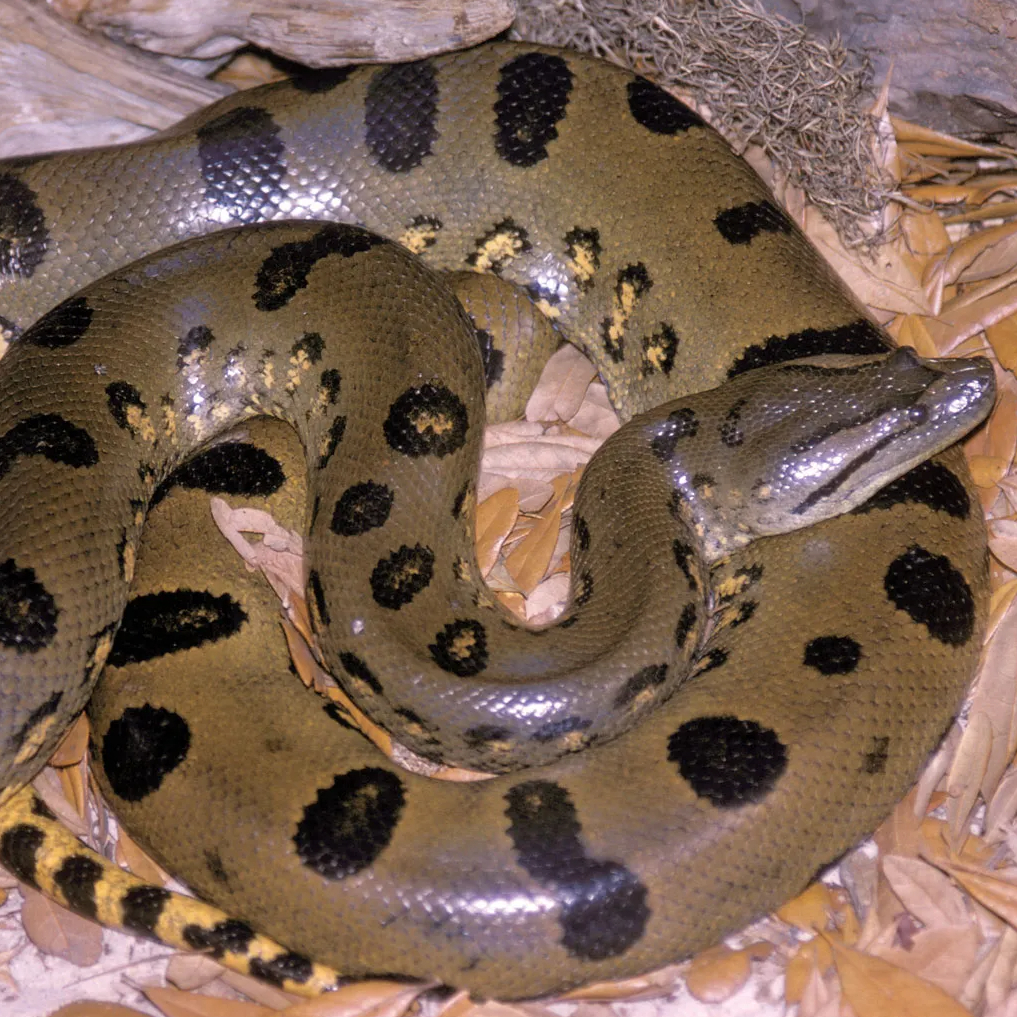
Using tree bark and mud, Wilma prepares natural dyes while singing traditional songs. On fabric, she paints Kene motifs: straight lines (Shoukere) representing territorial boundaries, curved lines (Mayakere) depicting rivers and shores, diagonal lines (Tayankere) symbolizing ancestral paths, and small squares denoting families. Larger designs include Amazonian animals like peccaries and tapirs, while zigzag or triangular borders (Anaconda) signify protective symbols, such as the teeth of piranhas or anacondas. These patterns function as ceremonial maps, preserving shamanic songs and aiding communication with nature.

Image/ A labyrinth-like pattern composed of families, rivers, and roads

Photo/ SouSou Corner

Image/ The jagged edges or triangles around the pattern symbolize the snakes or piranhas that protect the Shipibo people.

Source/ iStock, SouSou Corner, Britannica

The Cleansing Ritual of Ayahuasca

Ayahuasca, a key part of Shipibo healing traditions, has recently gained global recognition. For the Shipibo, healing involves addressing both physical wounds and spiritual pain.


During cleansing rituals, a curandero (shaman) serves participants ayahuasca and sings icaros (healing songs) to facilitate spiritual communication. Complementary tools like breathwork, tobacco, and Florida water enhance energy flow and emotional well-being.

Photo/ SouSou Corner

Challenges in Urban Life

The Shipibo’s traditional way of life faces threats from deforestation, climate change, and industrial development. In Cantagallo, the community struggles with poor living conditions.


Although Lima’s municipal government proposed relocating Cantagallo residents to create a park in 2012, the plan was canceled in 2015. Shipibo residents remain without legal land ownership, and a 2016 fire destroyed 480 homes.


Despite these hardships, the Shipibo in Cantagallo continue to persevere, producing crafts and offering cultural tours to sustain their livelihoods. Through these efforts, they ensure the survival of their rich traditions for future generations.

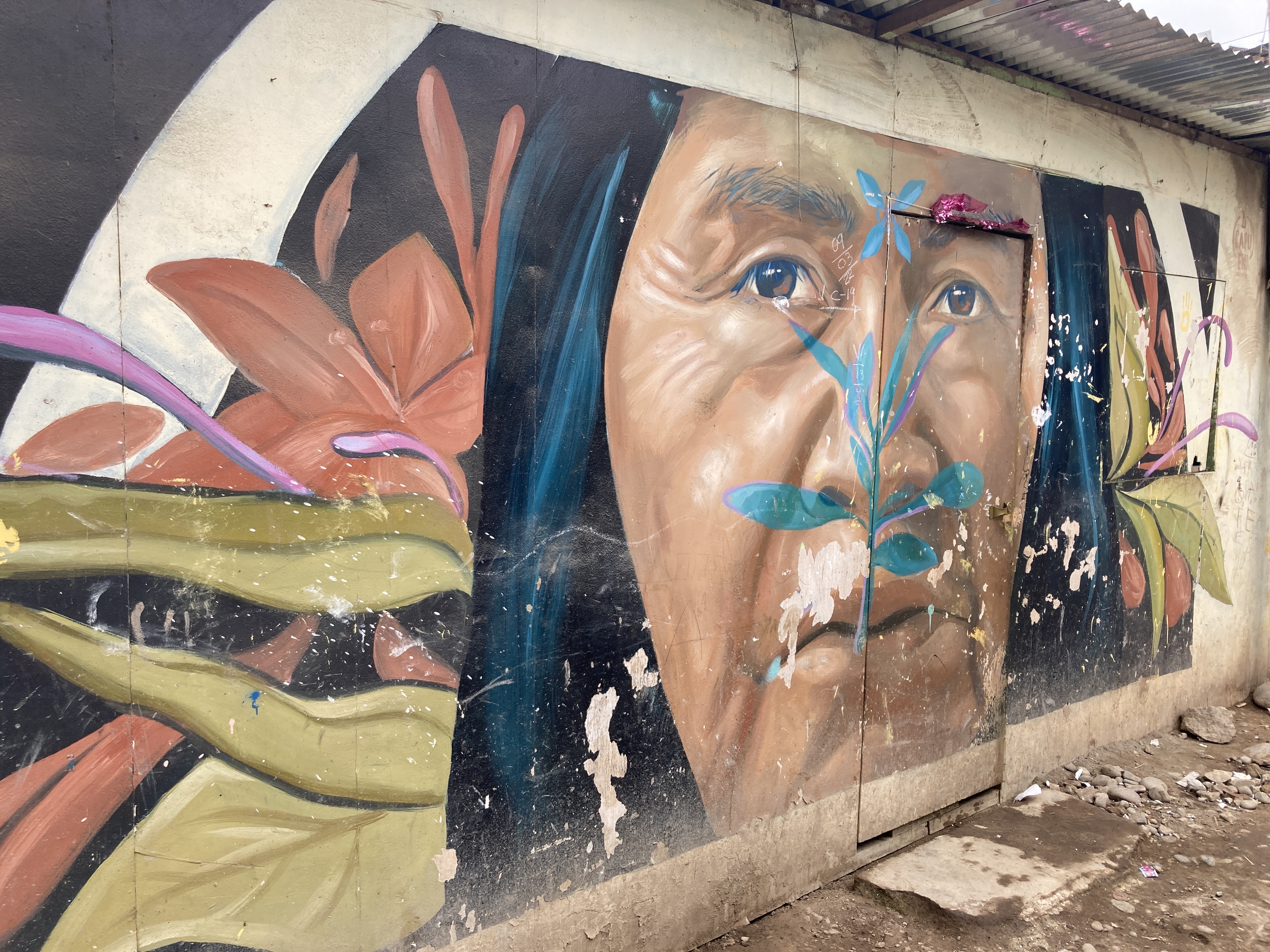
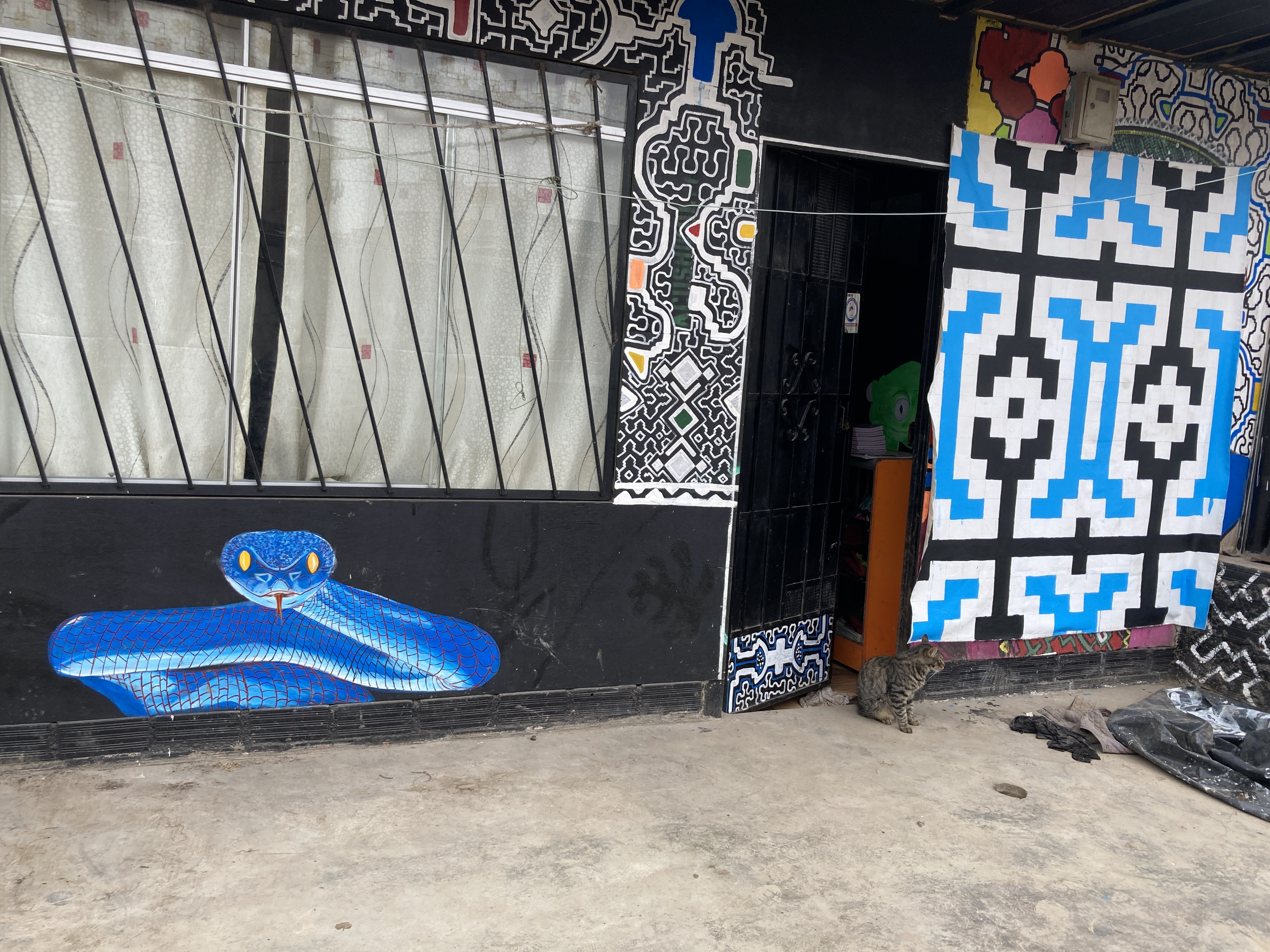
Image/ A glimpse of the Shipibo community in Cantagallo

Source/ Instituto de Defensa Legal