{{ 'fb_in_app_browser_popup.desc' | translate }} {{ 'fb_in_app_browser_popup.copy_link' | translate }}

{{ 'in_app_browser_popup.desc' | translate }}

Your Shopping Cart is empty.
{{ (item.variation.media ? item.variation.media.alt_translations : item.product.cover_media.alt_translations) | translateModel }} {{ (item.variation.media
                    ? item.variation.media.alt_translations
                    : item.product.cover_media.alt_translations) | translateModel
                }}
{{ 'product.bundled_products.label' | translate }}
{{ 'product.bundle_group_products.label' | translate }}
{{ 'product.buyandget.label' | translate }}
{{ 'product.gift.label' | translate }}
{{ 'product.addon_products.label' | translate }}
{{item.product.title_translations|translateModel}}
{{ field.name_translations | translateModel }}
  • {{ childProduct.title_translations | translateModel }}

    {{ getChildVariationShorthand(childProduct.child_variation) }}

{{ 'product.set.open_variation' | translate }}
  • {{ getSelectedItemDetail(selectedChildProduct, item).childProductName }} x {{ selectedChildProduct.quantity || 1 }}

    {{ getSelectedItemDetail(selectedChildProduct, item).childVariationName }}

{{item.variation.name}}
{{item.quantity}}x NT$0 {{ item.unit_point }} Point
{{addonItem.product.cover_media.alt_translations | translateModel}}
{{ 'product.addon_products.label' | translate }}
{{addonItem.product.title_translations|translateModel}}
{{addonItem.quantity}}x {{ mainConfig.merchantData.base_currency.alternate_symbol + "0" }}
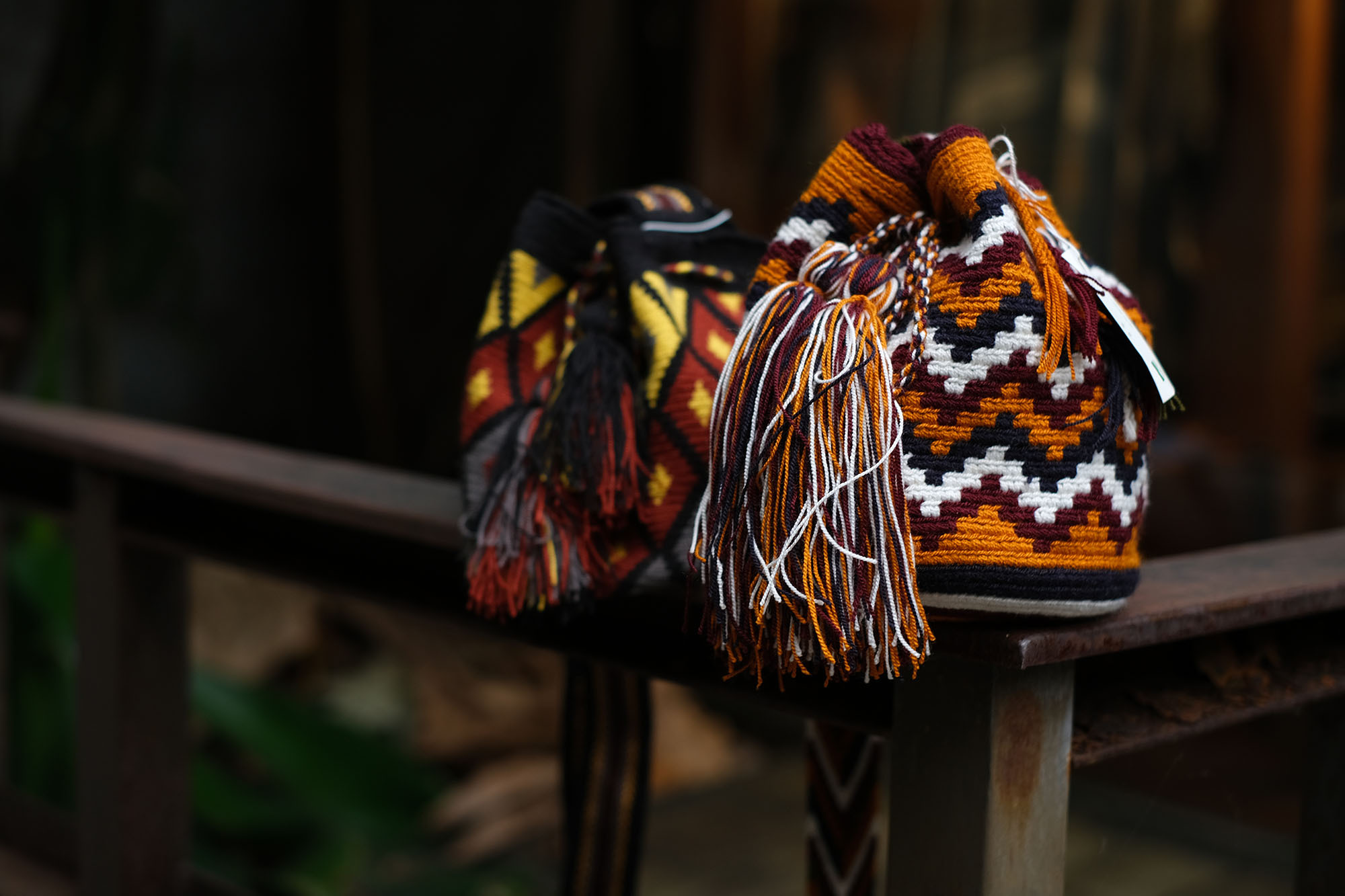
Popular hand-woven bag

In the past few years, hand-woven bags from Colombia have quietly become popular in European and American fashion circles, and then spread to Asia. This craze can be traced back to the "Mochila Project" in 2009. The project was initiated by Lauren Domingo, editor of the American Vogue fashion magazine. She brought designers to  the tribes in the northeast of Colombia to learn weaving from the women of the tribes, hoping to reinterpret traditions with contemporary design techniques. Later, said works were exhibited in Miami and unexpectedly fetched high bids at auction, changing the tribe's fortunes.

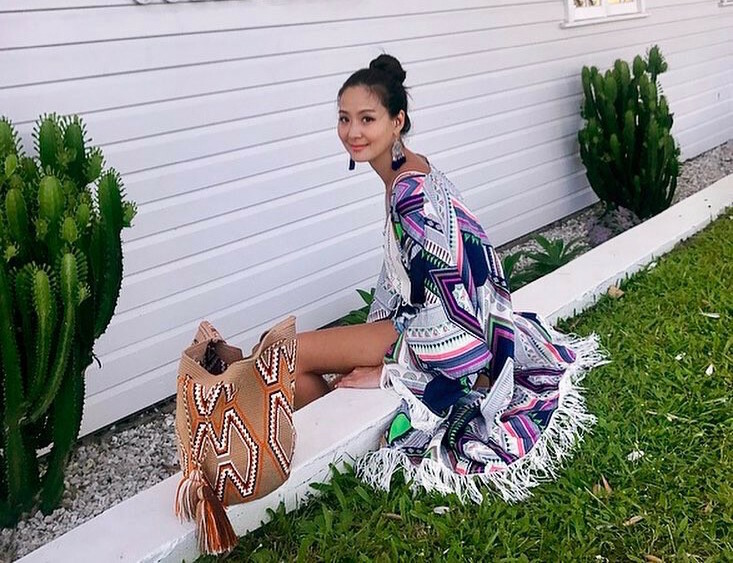
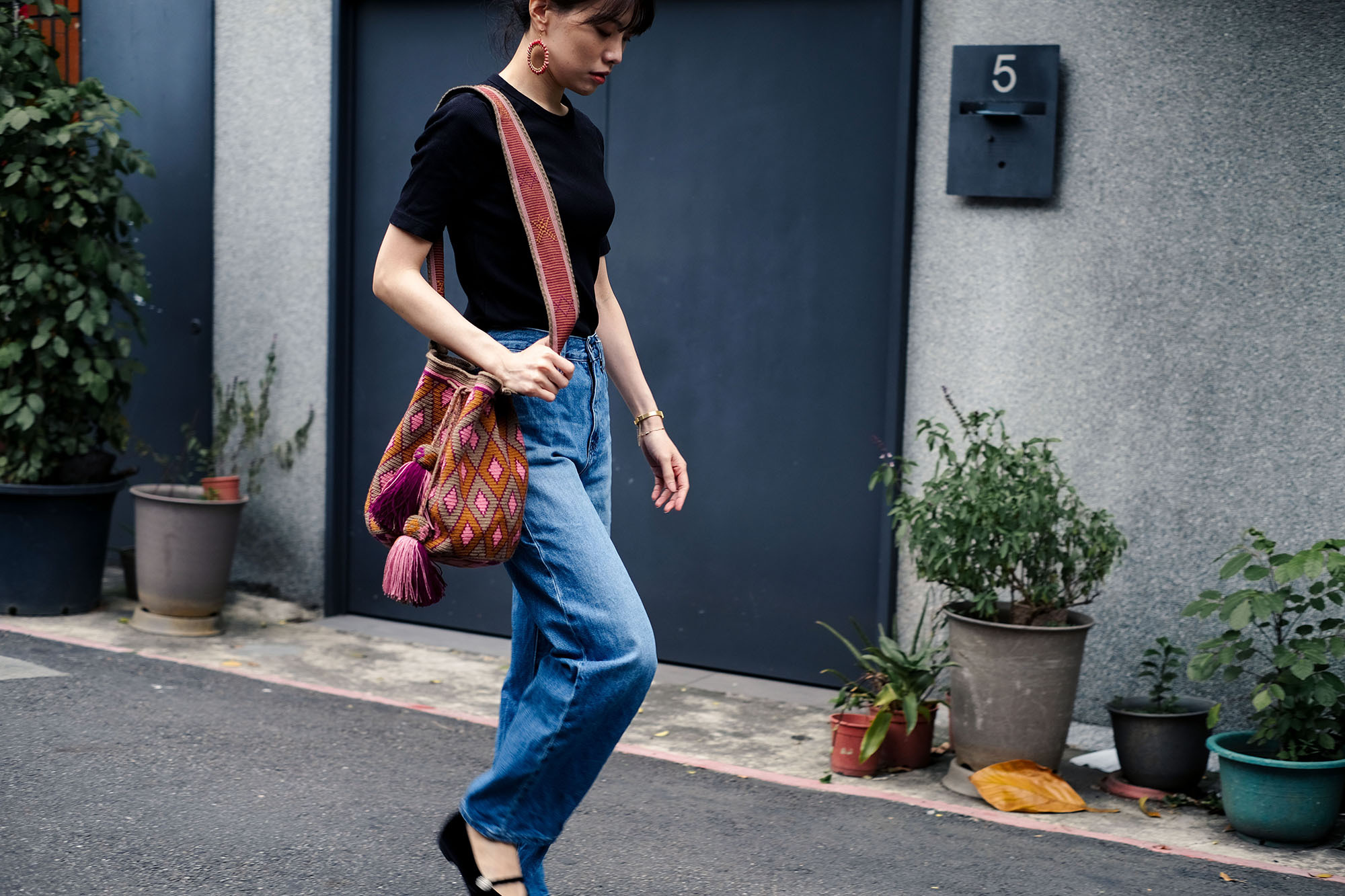
Yun-Yun Sun's outfit (from ETtoday)


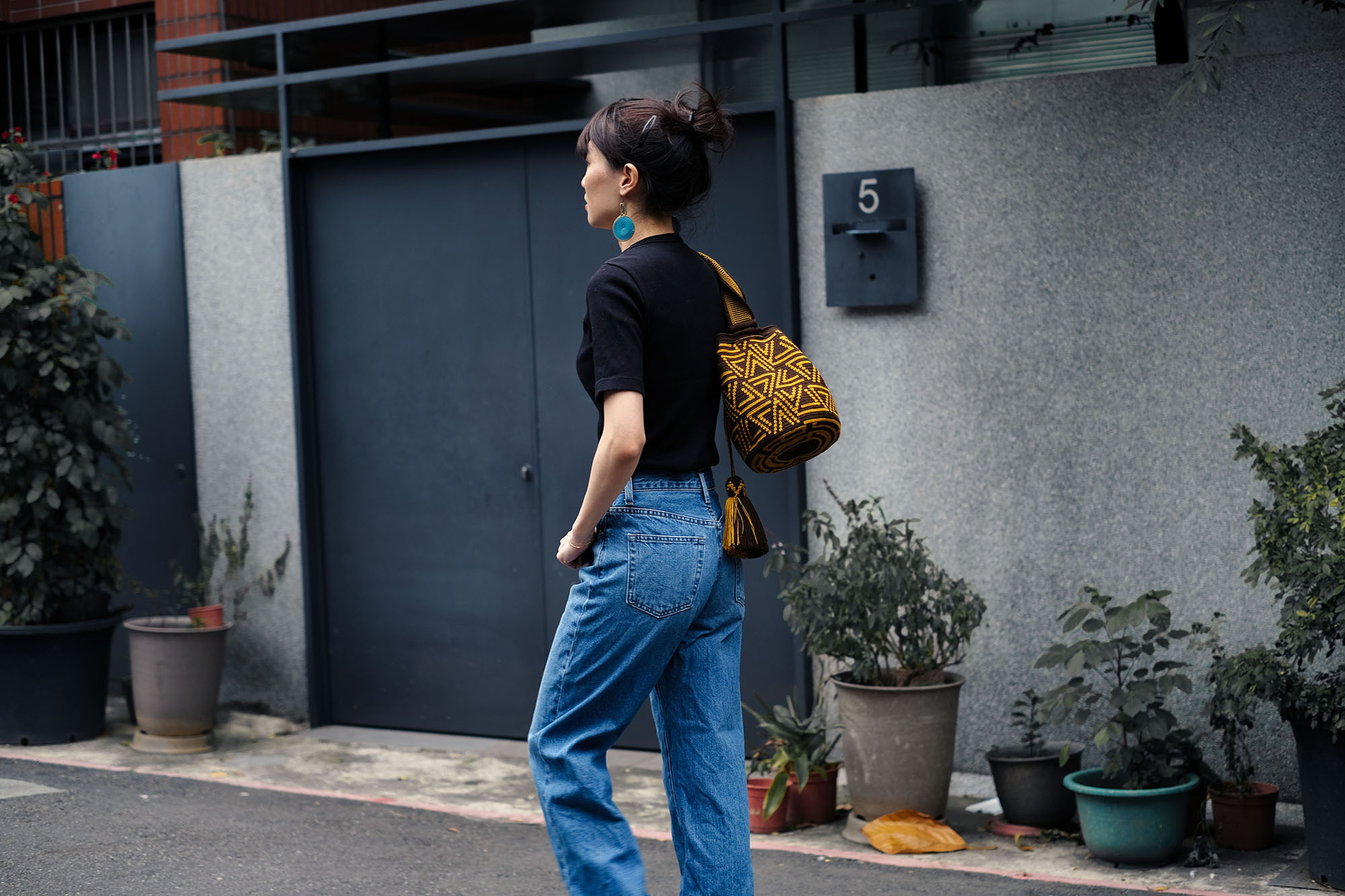
Since the Wayuu bag was unveiled at the auction, it has become a trend in European and American fashion circles. Many European and American stars such as singer Katy Perry and Victoria's Secret supermodel Alessandra Ambrosio have been photographed by paparazzi with their backs on their backs. In recent years, this trend has gradually spread in the popular culture of various countries. Korean stars Shin Hye and Song Ji Hyo are paired with Wayuu bags in Korean dramas, and Taiwanese Sun Yunyun also carried one when she went to Australia for a beach vacation.

The artifact tradition of the indigenous Wayúu

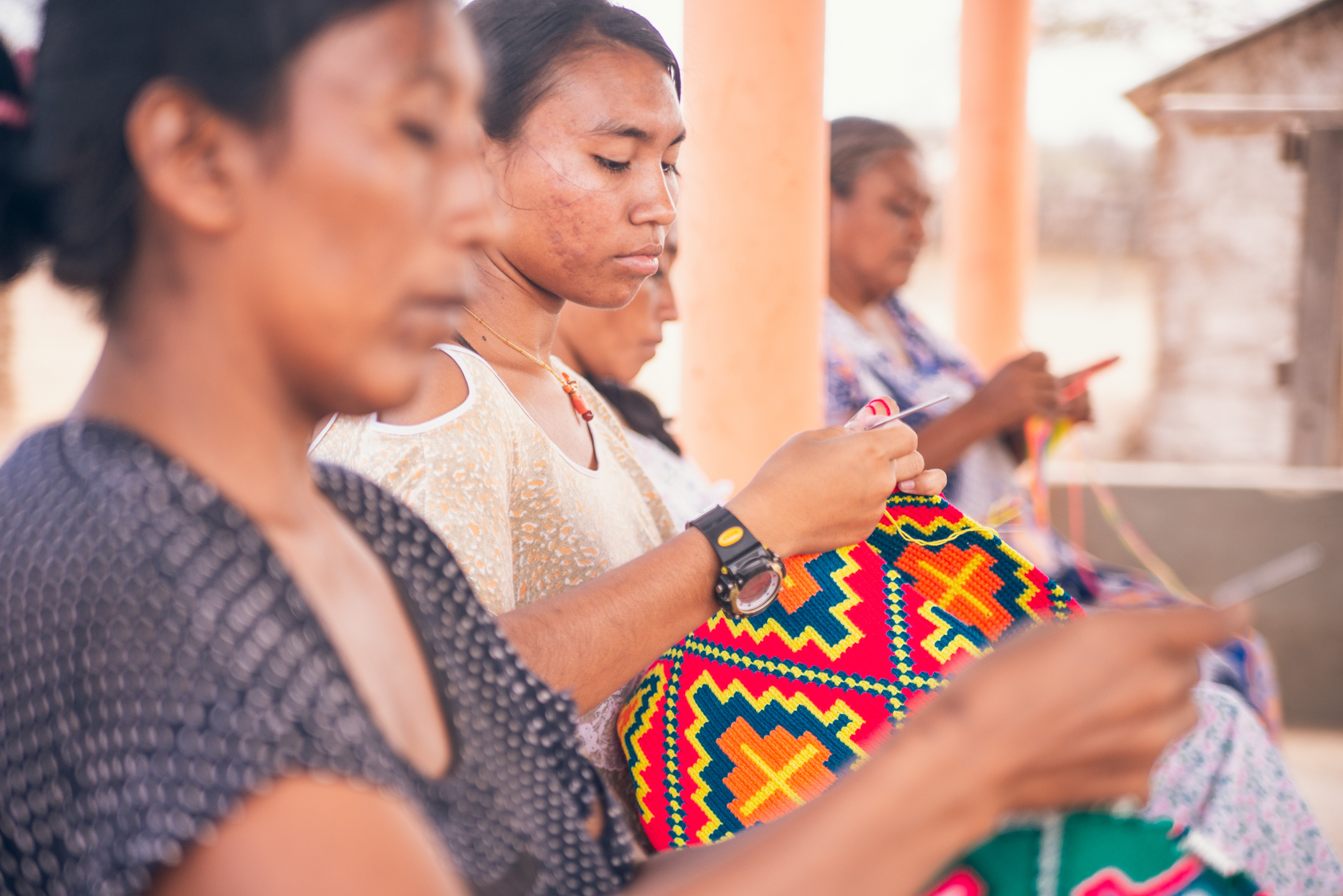
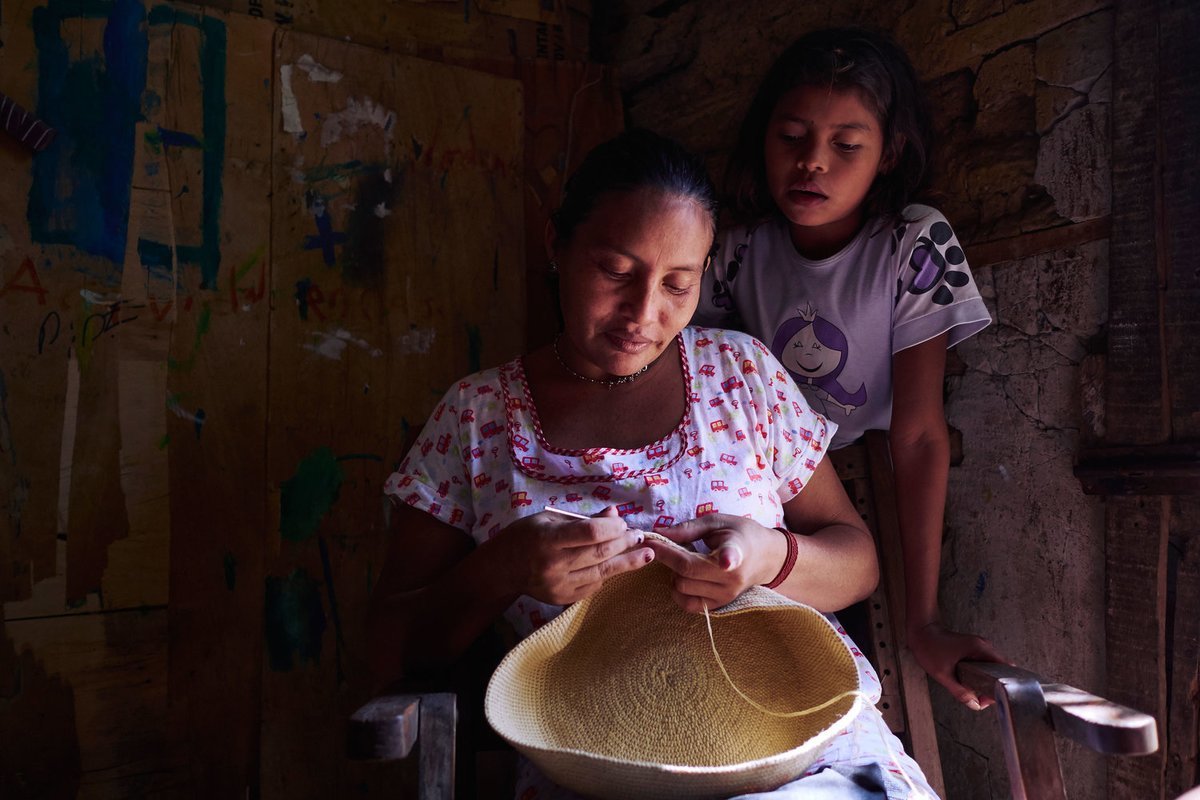
The Wayúu bags that have taken the lead in the fashion industry are in fact daily essentials for the Wayúu communities and are all handmade by females in the tribes. The Wayúu females learn how to weave from the young age, and the weaving techniques are handed down by mothers to daughters, grandmas to granddaughters. Apart from learning the techniques, the female members also need to create new patterns, which are unique to each family; therefore, the weaving craft also symbolizes the heritage from generation to generation. The craft of making fabric also means the initiation into adulthood for local female; one is truly a full-grown woman when she has learned how to weave.
 

There is a folktale about the origin of the weaving craft in the Wayúu tribes. Legend has it that there was a man who was in love with a spider. One day, the man’s mother collected some cotton and gave it to the spider as a gift. The spider swallowed the cotton then spun and wove beautiful patterns with her silk threads. The native folks were enchanted and would like to own the patterns, but there was only one industrious woman who didn’t give up when everyone else did learned the art of weaving from the spider. The spider taught the woman how to weave and the woman passed on the knowledge to the others in the communities; hence the art of the weaving became the artifact tradition of Wayúu communities. The spider was called Waleker which means ‘the weaver spider’ and it therefore became the brand names of many apparel companies nowadays.

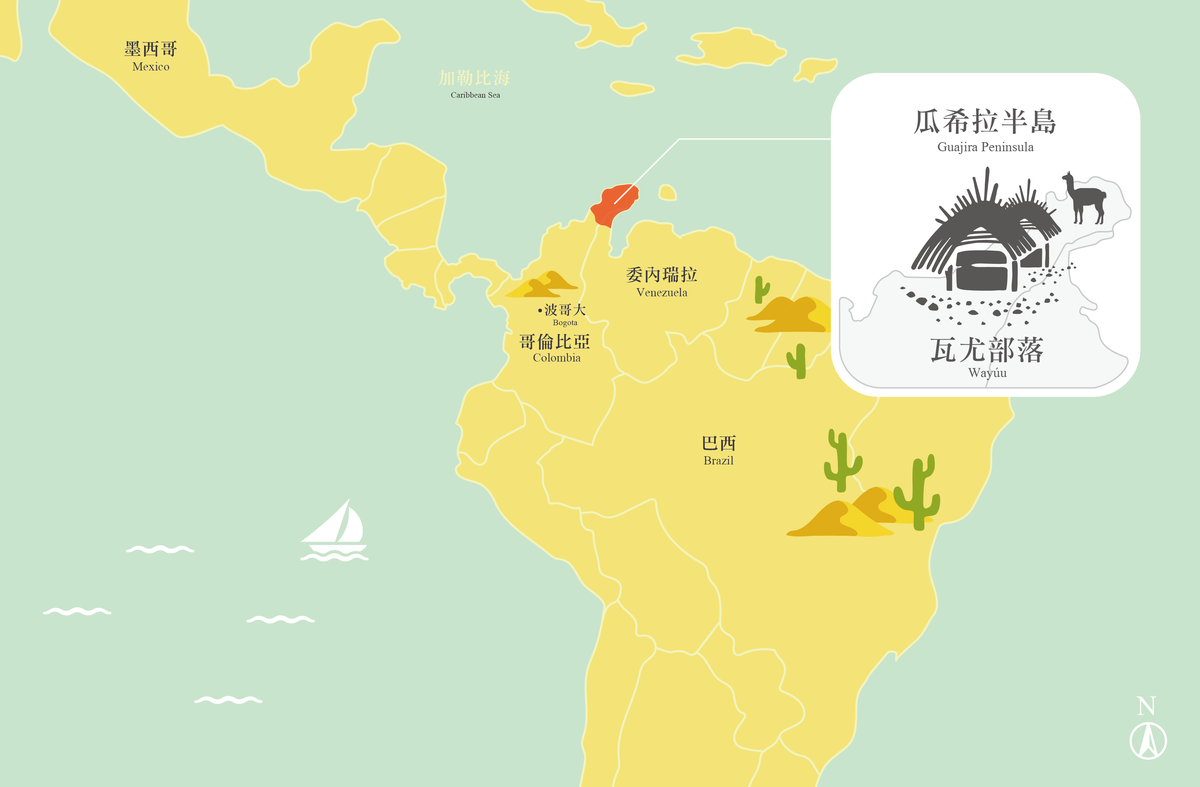
The Wayúu indigenous tribe that straddles the Venezuela-Colombia border

The Wayúu are an Amerindian ethnic group who are offspring to the Arawak of South America and the Caribbean. About 3,000 years ago the Wayúu nomadized around the Amazon, the Antilles, and the La Guajira area before they later on settled in the Guajira Peninsula in northernmost part of Colombia and northwest Venezuela on the Caribbean Sea coast. The Wayúu population resides in the area numbered approximately 400,000 the present day.
 

During the Spanish colonization of the Americas in the 18th century, the Wayúu managed in protecting their homeland from being conquered by the Spanish troops owing to their competence in warfare, leaving the area one of the few indigenous clans that were not colonized by Spain; and that allows Wayuunaiki, the Wayúu indigenous language and local traditional culture being kept intactly. Nowadays the Wayúu region holds its autonomy and has its own laws.

圖/隨處可見編織的婦女們,臉上塗黑色藥草當作防曬
來源/南南之隅

The Wayúu indigenous tribe is located in the desertic Guajira Peninsula which is arid and forbidding due to lack of rainfall. Not so long ago there were three solid years of complete drought due to El Niño and the extreme climate. To make matters worse, local mining industry and dam construction obstructed the access to the Rancheria River which natives reply on for livings. Without clean and sustainable water access from the river, local inhabitants have to walk for 3 hours before they can obtain water from nearest wells.
 

Water shortage means hardship on animal husbandry and farming. In 5 years up to 4,700 children have died of malnutrition. The Wayúu tribe is located around the Venezuela-Colombia border where falls under neither of the governments’ jurisdiction and assistance. Apart from replying on international aid charities for support, some of the clans also tried to develop local tourism resources, aiming to improve poverty and food insecurity. In the time of difficulties, the Wayúu bags which has taken the lead in global fashion trend unexpectedly became vital in local income support, and the Wayúu women act as leading roles in taking the financial responsibilities.

瓦尤部落位於哥委兩國交界的三不管地帶,長期仰賴國際救援組織協助改善當地狀況,近幾年一些小部落也試圖發展觀光,希望能改善當地的貧窮與飢餓情況。


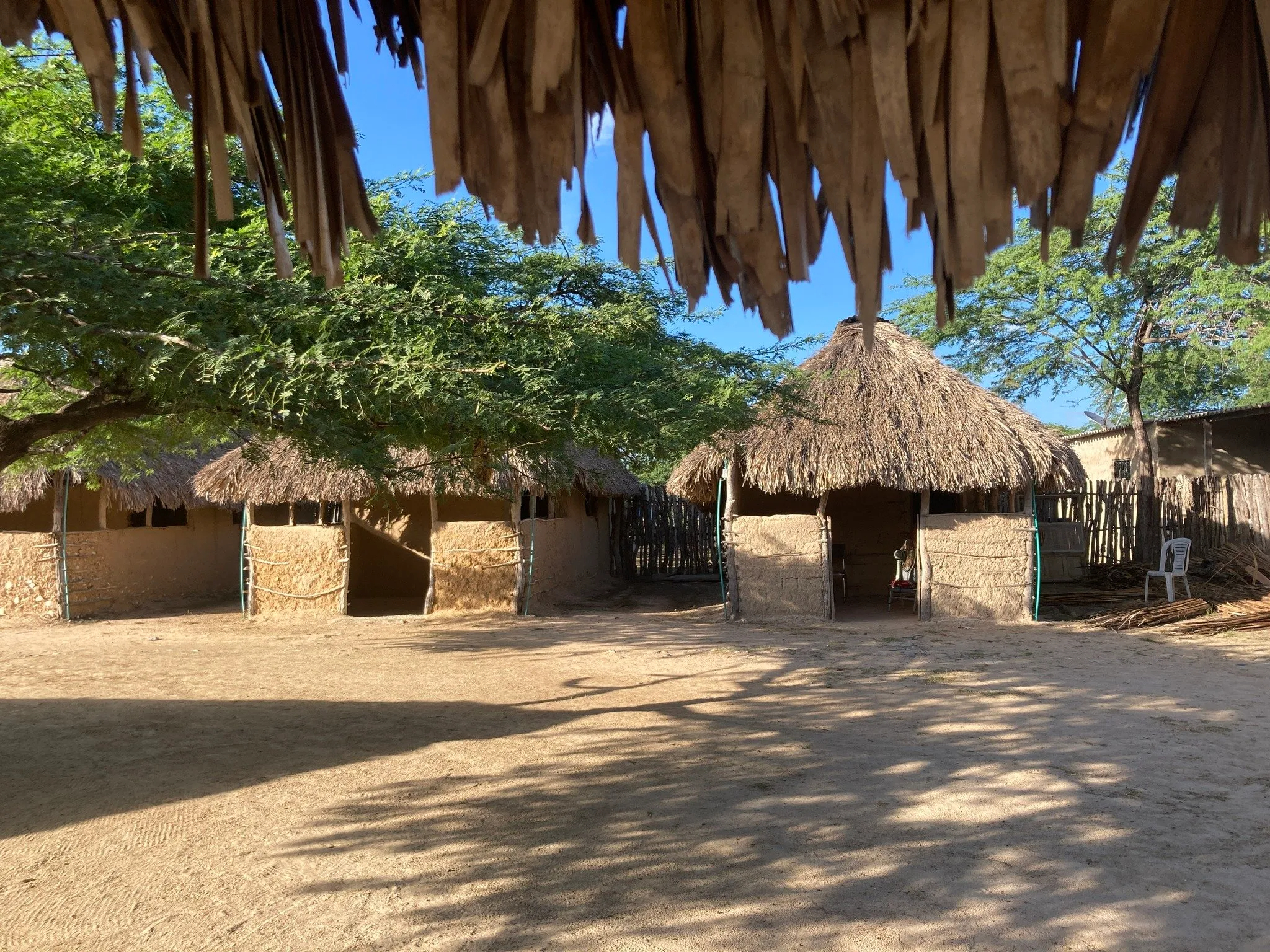
南南透過當地的NGO朋友安排,拜訪了瓦尤部落的傳統社區型家屋(Rancheria)。為避免自家圈養的山羊跟別人家的山羊搞混,不同家屋間隔著很長一段距離,他們會用泥土與仙人掌的木質化部分來興建屋子,並用帶刺的仙人掌搭圍籬形成天然屏障。

圖/女孩學習編織的編織小屋
來源/南南之隅

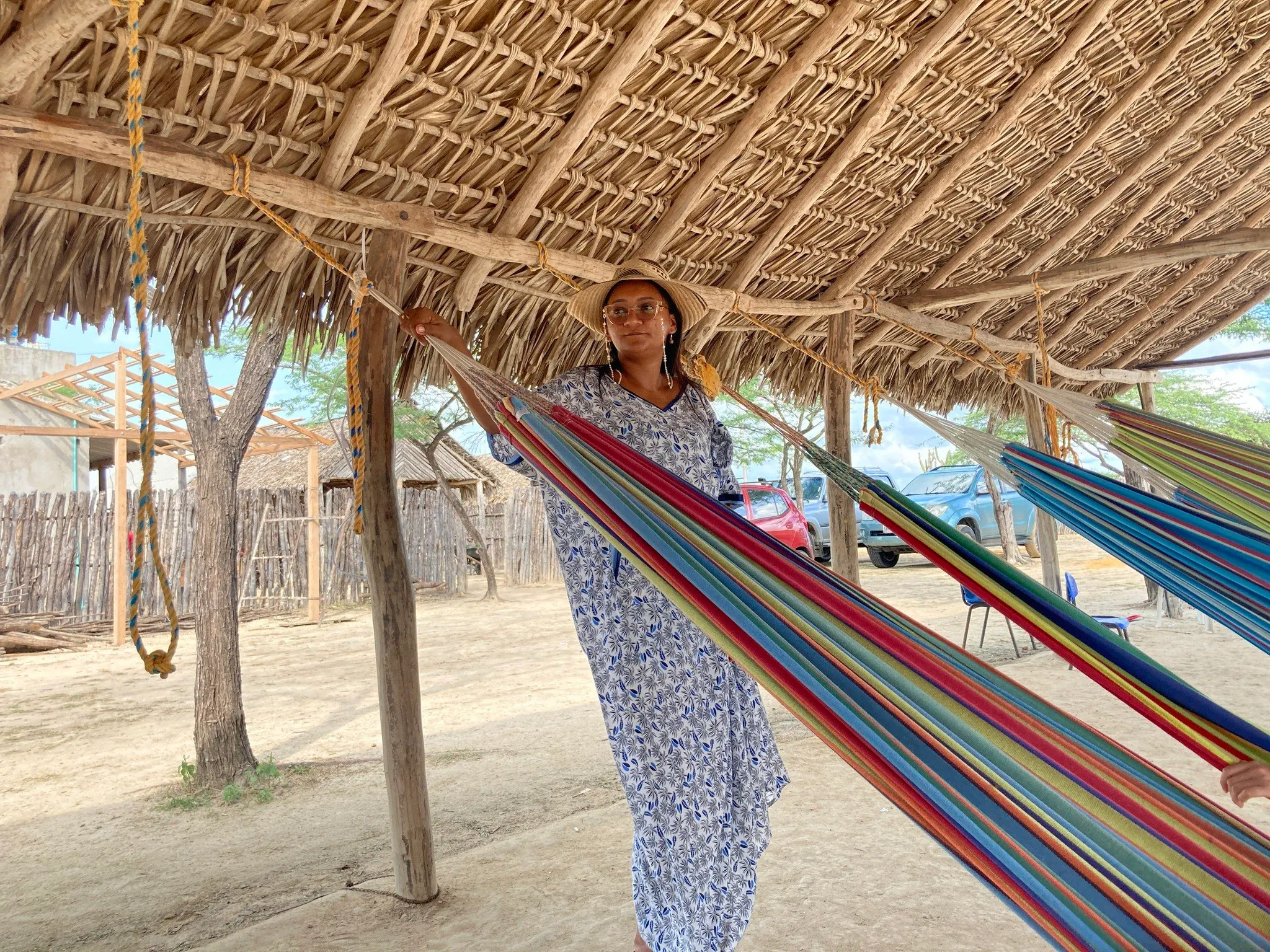
圖/參訪社區家屋的主要決策者
來源/南南之隅

午餐後我們躺在半戶外客廳的瓦尤式吊床上(Chinchorros),聽著瓦尤人解說他們的傳統。母系社會為主的瓦尤人,以母親姓氏為社區型家屋命名,至少5個同姓家庭住在同一個家屋,女性扮演家族中的要角,是主要決策者和繼承者,而母姓家長的兄弟舅舅也是家族中的領導之一。

 
瓦尤女孩從青春期開始就要獨自在小屋中閉關幾個月甚至1、2年的時間,向媽媽、外婆或阿姨學習編織不同圖騰的瓦尤包,也學習如何照顧家庭,不能與其他男性接觸。大部分瓦尤女性3歲就開始會拿勾針當玩具,模仿媽媽姊姊編織,幾乎每位女性都是天生出色的編織者。(延伸閱讀:最後一站哥倫比亞!來到瓦尤部落的傳統家屋

Material and weaving techniques of Wayúu bags

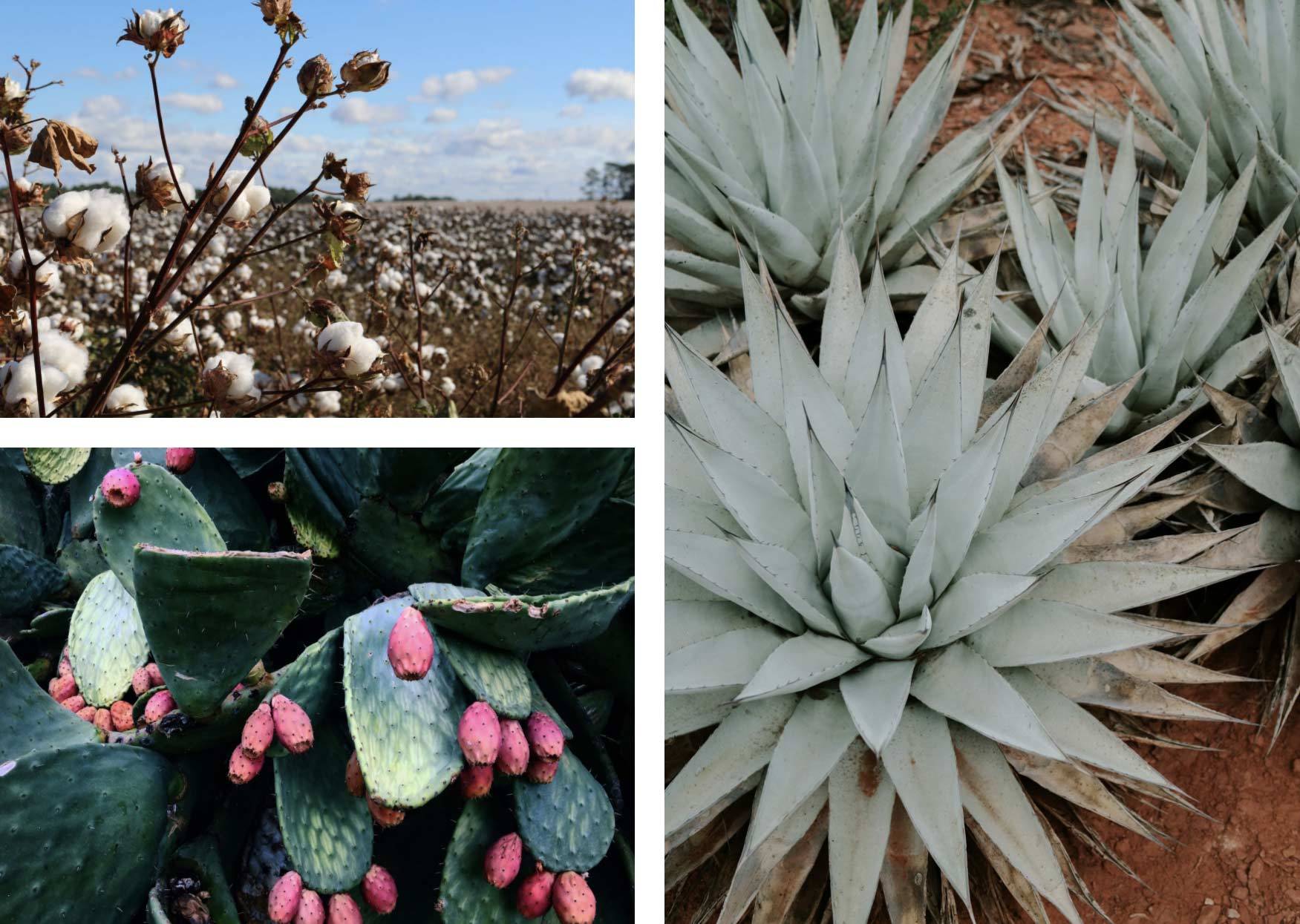
Traditionally, the raw material of Wayúu bags were mainly Algodón salvaje, a sort of wild cotton, maguey, or wool, and the dyes contain the fruits of cactus and Iguaraya. Nowadays the Wayúu bags are mostly made of cotton yarns. Tradition material are still used by some of the clans. 
 

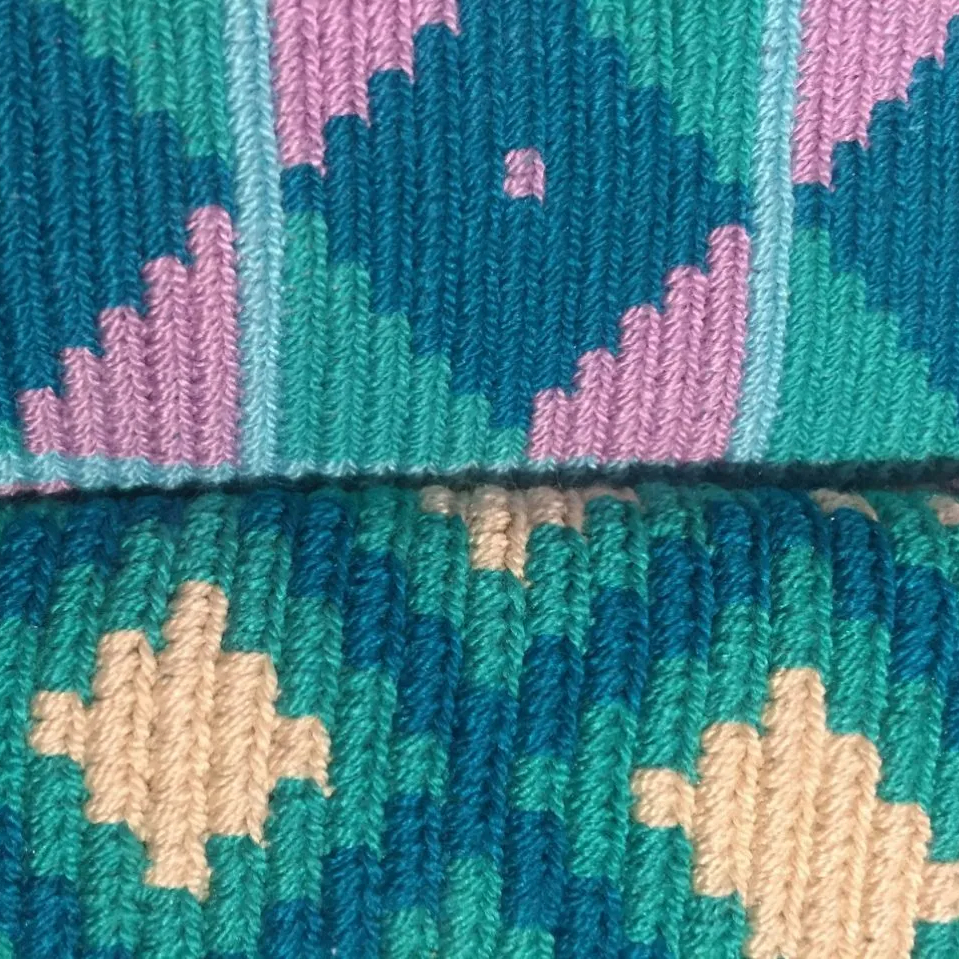
The Wayúu mochila bags are weaved in crochet. A small bag requires about 10 days to crochet, and a larger bag takes about up to 20 days. There are two types of crochet techniques—single thread and double thread. Single thread bags are more difficult and time-consuming to make, therefore are much more expensive than the double thread bags.

編織線粗細

單股是由一條線所編織,包身的紗線比較細,摸起來也較薄(上)。雙股包則是由兩條線製作,紗線較粗,質感上較為厚實,重量也是單股的兩倍(下)。不過單雙股的編織不一定決定包身的軟硬度,主要是依據編織者的力道,每個瓦尤包都有些許差異。

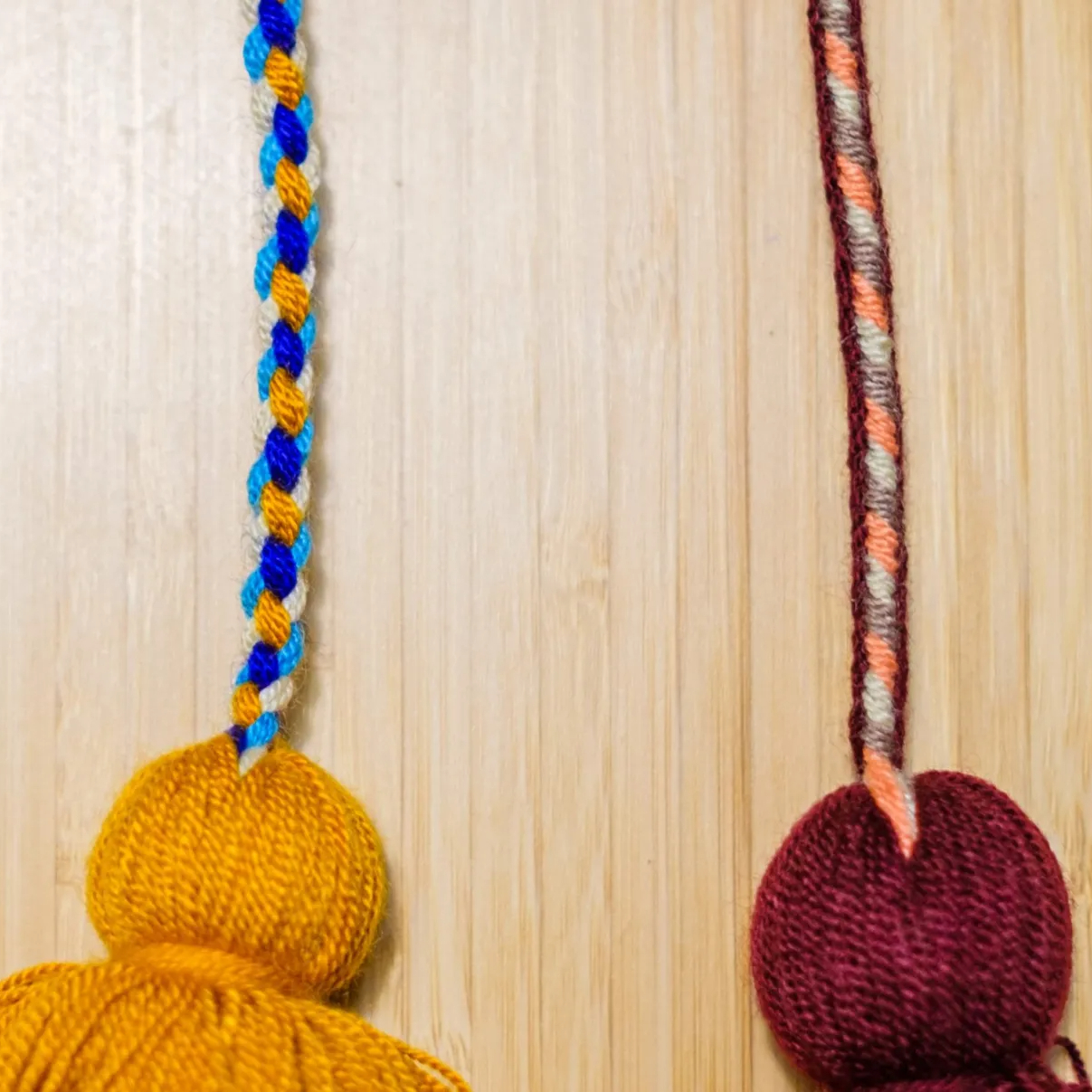
流蘇線

雙股包的流蘇線(drawstrings)多是旋轉或交叉編織的形式;單股包則是同樣以勾針的方式,編織成線。

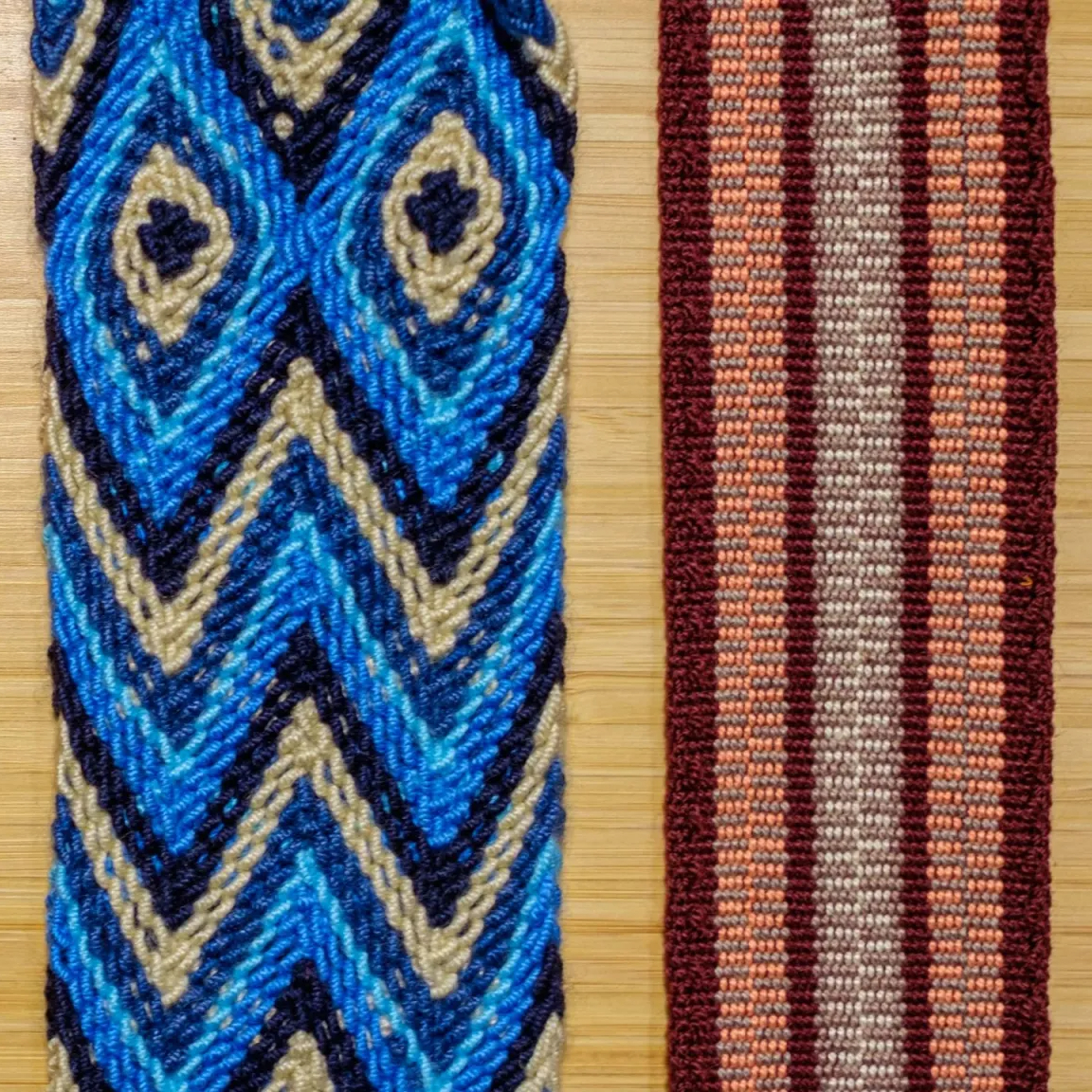
背帶

通常來說,雙股背帶多為菱形或三角花紋,帶有一些流蘇裝飾,背帶本身具有伸展性,在雙股瓦尤包上很正常,也不會影響使用;單股背帶則以線條花紋為主,沒有流蘇,背帶較為堅韌。也有些雙股瓦尤包的背帶使用單股編織,仍依照編織者的創作為主。

Kannas

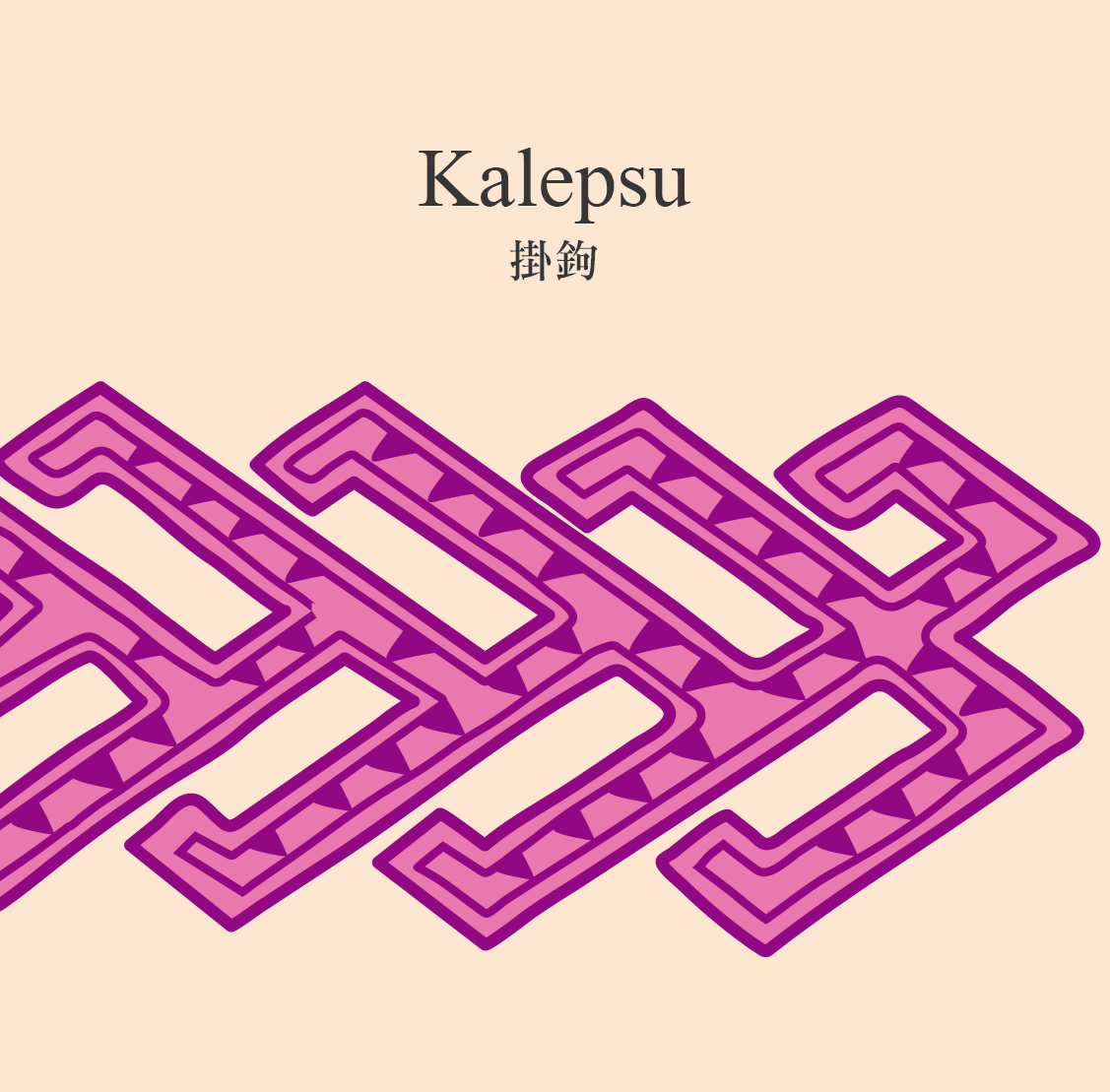
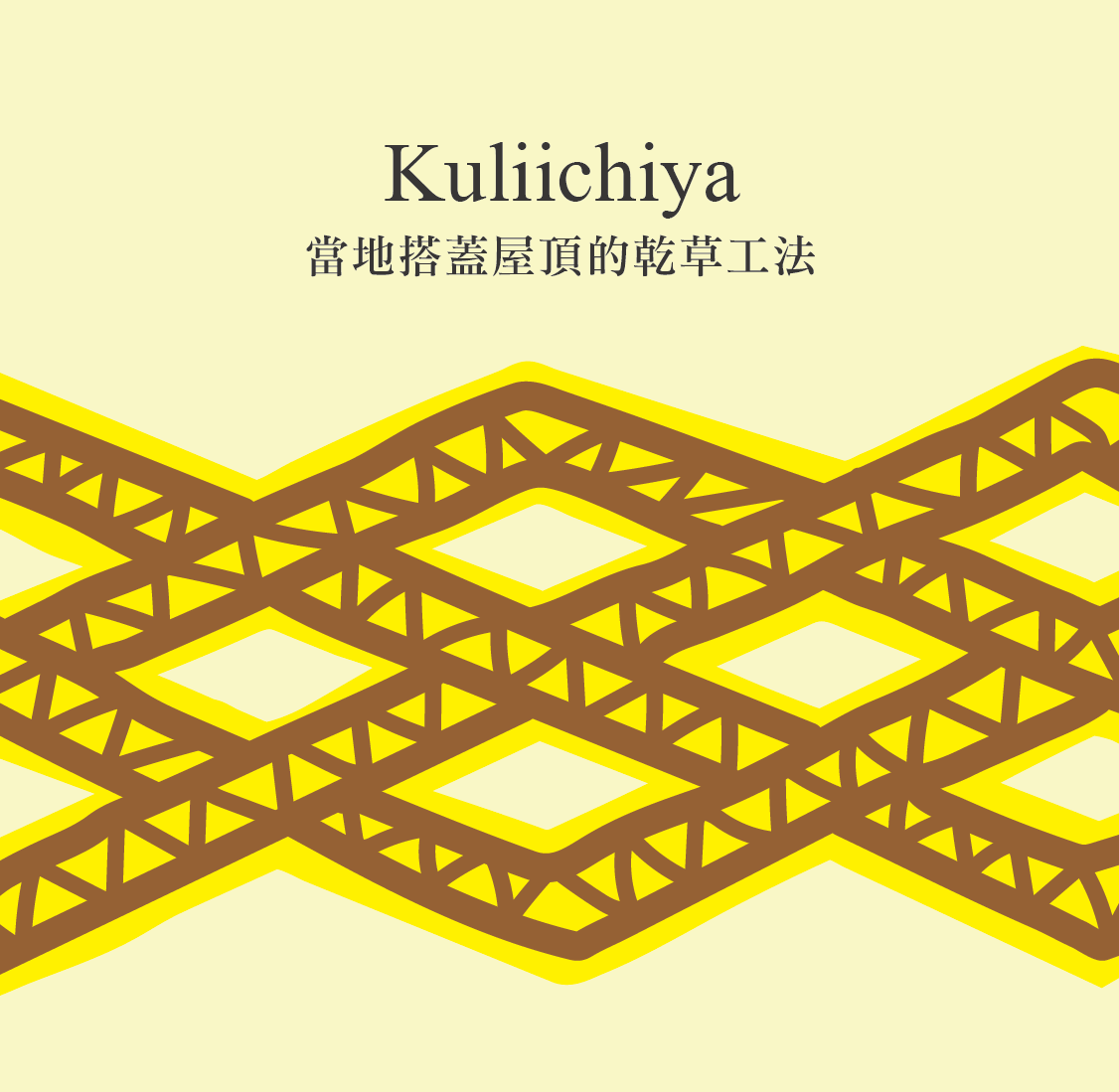
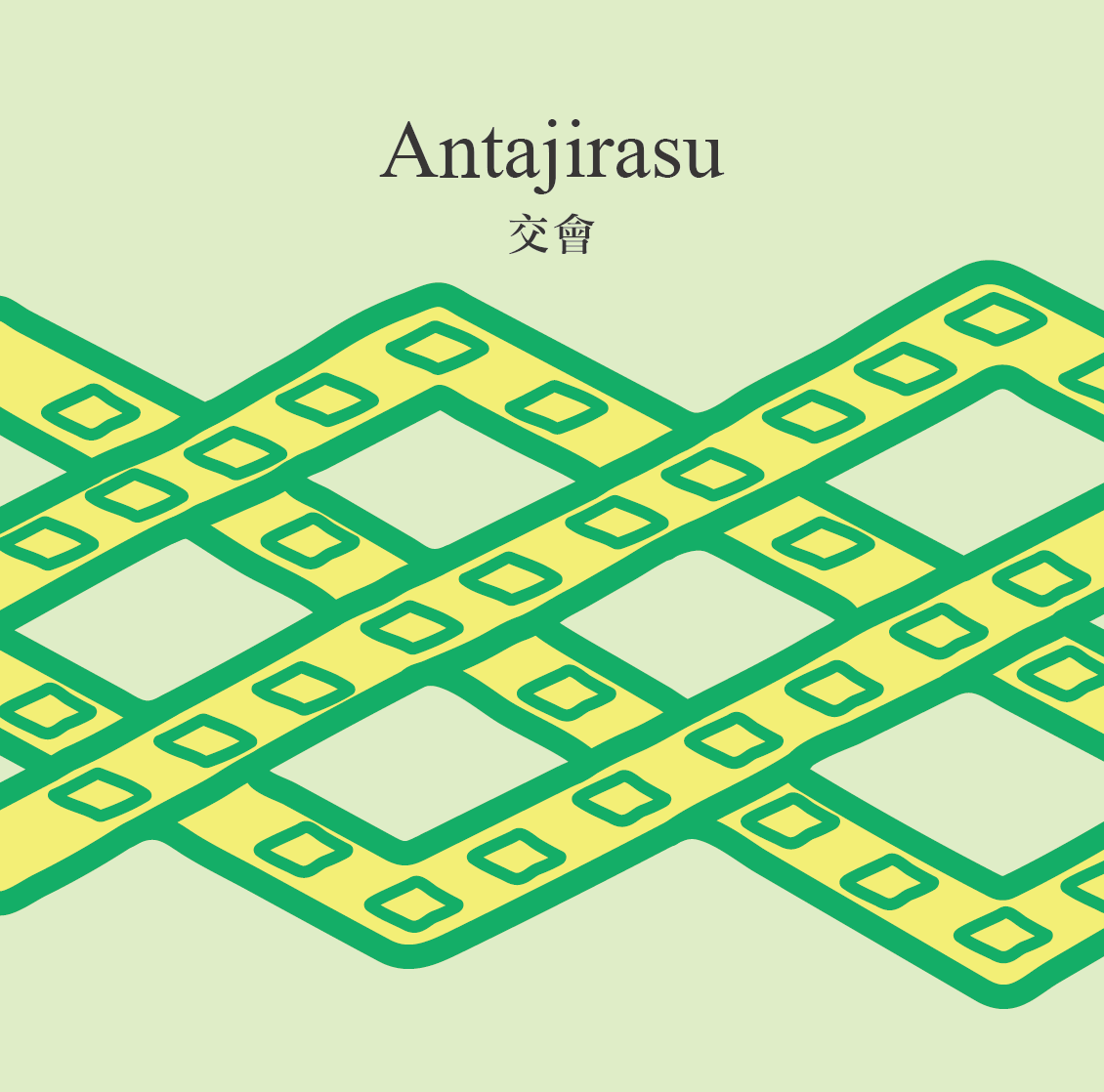
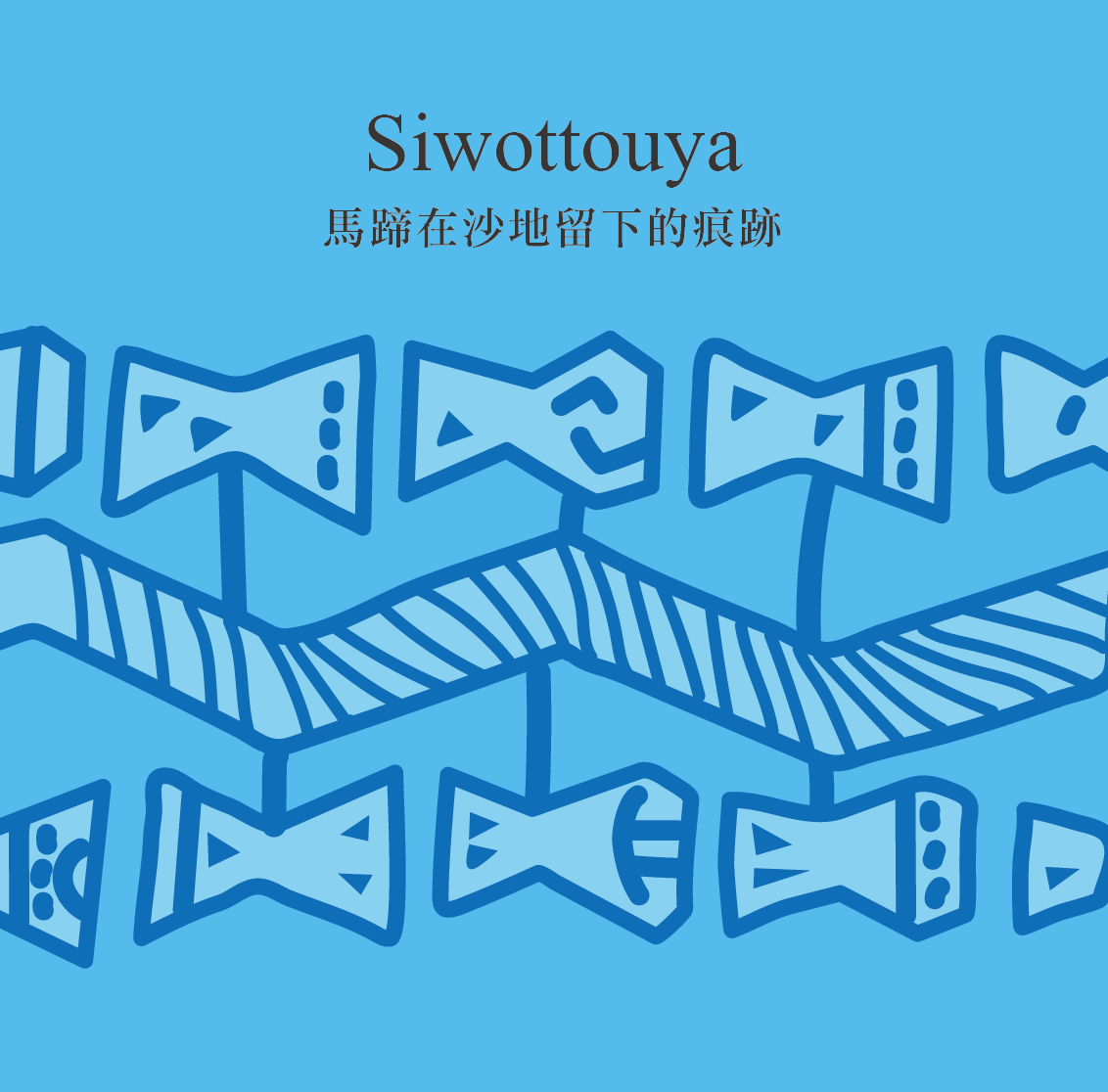
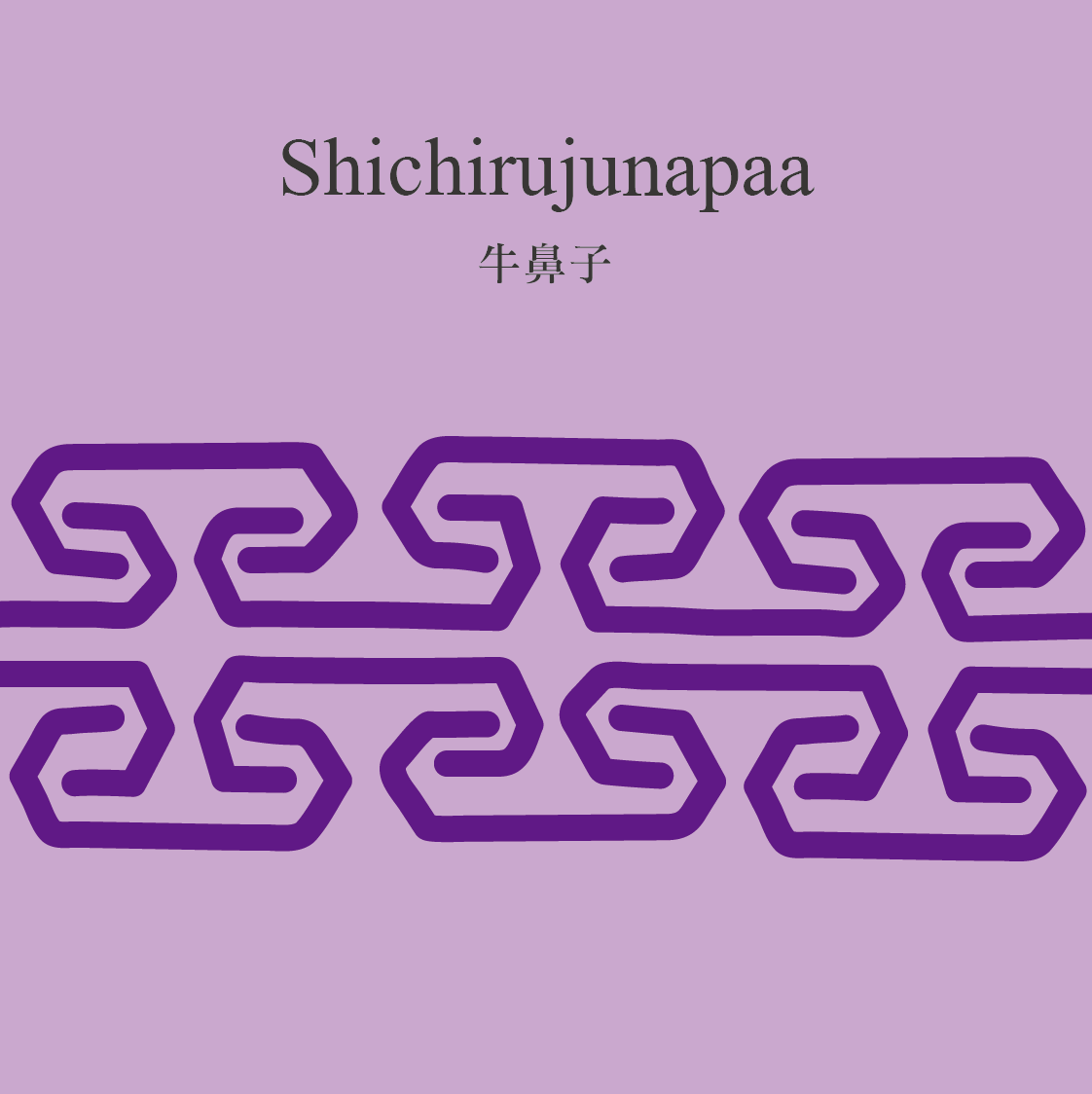
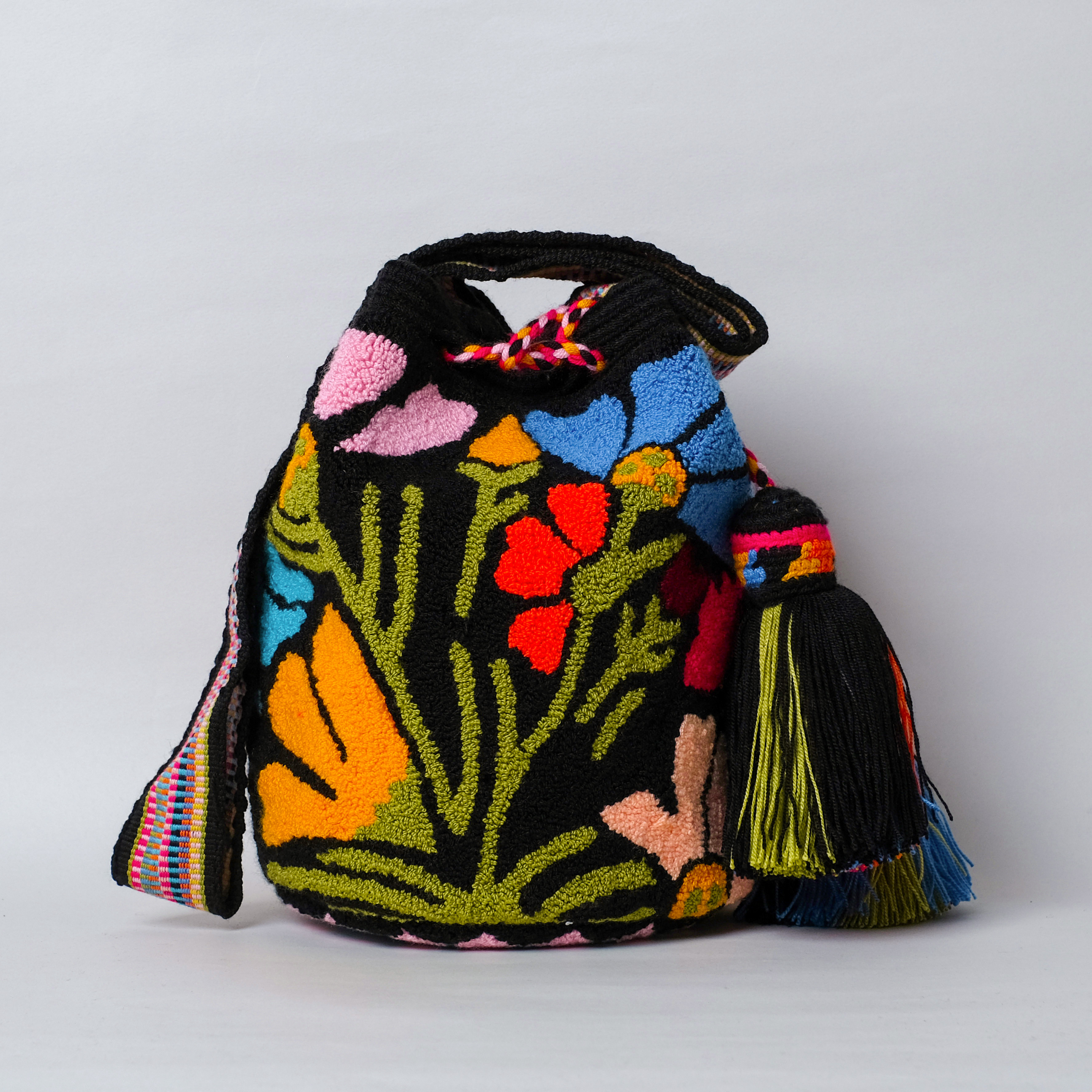
The patterns in Wayúu bags are exquisite and one of a kind; they are called Kannas in Wayuunaiki. Each woman has her own unique Kannas when creating, which are usually inspired by their daily life stories and portrait their admiration for nature, their understanding of the universe, or their stands toward life. Every Kannas has its significance, showcasing the female artisans’ unique artful thoughts. The Kannas compilation of different artisan rarely duplicate, which also makes the Wayúu mochilas so exceptional.

戳針刺繡款 Tapizada

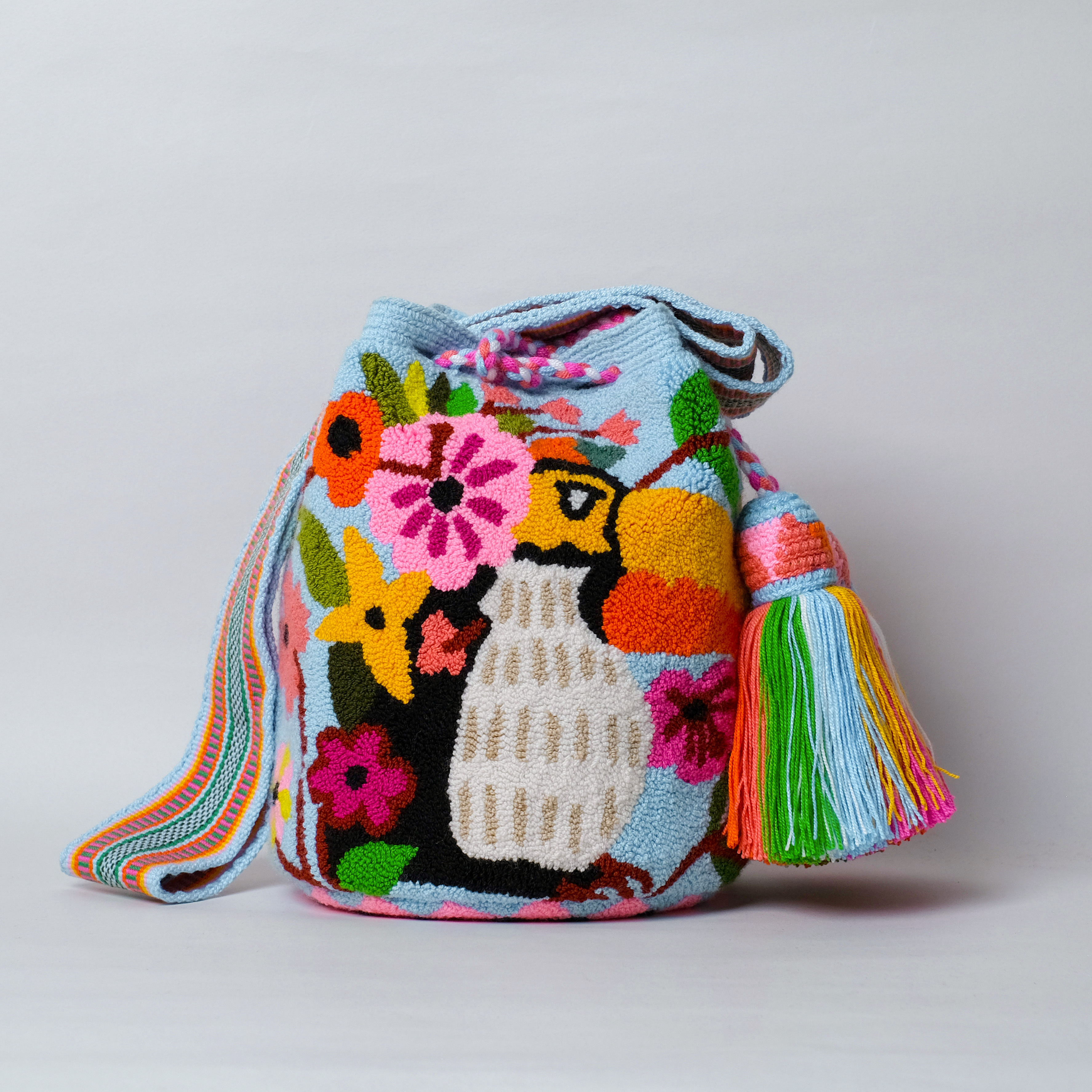
除了哥倫比亞的編織包外,委內瑞拉的瓦尤部落則有獨特的刺繡包,以戳針的方式在瓦尤包繡上大嘴鳥、花朵等圖騰,廣受大眾喜愛。

Sousou Project 01|Handmade Colombian Wayúu Bag

The Wayúu bags originated from the Wayúu indigenous community in Colombia, South America are daily essentials for the Wayúu. Each style of the mochilas is one of a kind and all hand-crocheted by native female artisans. Every mochilas bag unveils the charms of the Wayúu indigenous artifact tradition.