{{ 'fb_in_app_browser_popup.desc' | translate }} {{ 'fb_in_app_browser_popup.copy_link' | translate }}

{{ 'in_app_browser_popup.desc' | translate }}

Your Shopping Cart is empty.
{{ (item.variation.media ? item.variation.media.alt_translations : item.product.cover_media.alt_translations) | translateModel }} {{ (item.variation.media
                    ? item.variation.media.alt_translations
                    : item.product.cover_media.alt_translations) | translateModel
                }}
{{ 'product.bundled_products.label' | translate }}
{{ 'product.bundle_group_products.label' | translate }}
{{ 'product.buyandget.label' | translate }}
{{ 'product.gift.label' | translate }}
{{ 'product.addon_products.label' | translate }}
{{item.product.title_translations|translateModel}}
{{ field.name_translations | translateModel }}
  • {{ childProduct.title_translations | translateModel }}

    {{ getChildVariationShorthand(childProduct.child_variation) }}

{{ 'product.set.open_variation' | translate }}
  • {{ getSelectedItemDetail(selectedChildProduct, item).childProductName }} x {{ selectedChildProduct.quantity || 1 }}

    {{ getSelectedItemDetail(selectedChildProduct, item).childVariationName }}

{{item.variation.name}}
{{item.quantity}}x NT$0 {{ item.unit_point }} Point
{{addonItem.product.cover_media.alt_translations | translateModel}}
{{ 'product.addon_products.label' | translate }}
{{addonItem.product.title_translations|translateModel}}
{{addonItem.quantity}}x {{ mainConfig.merchantData.base_currency.alternate_symbol + "0" }}
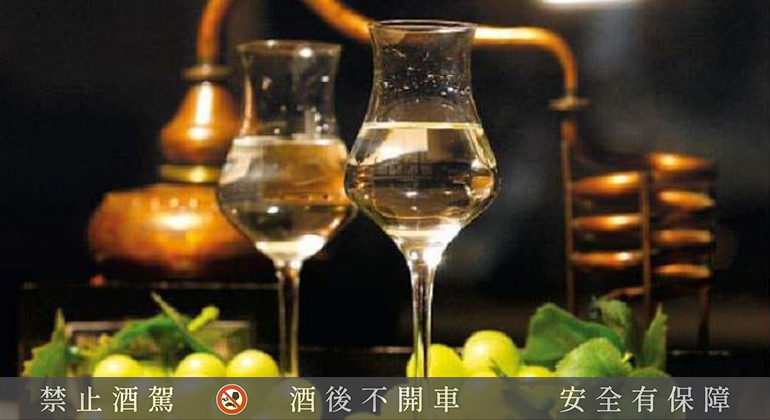
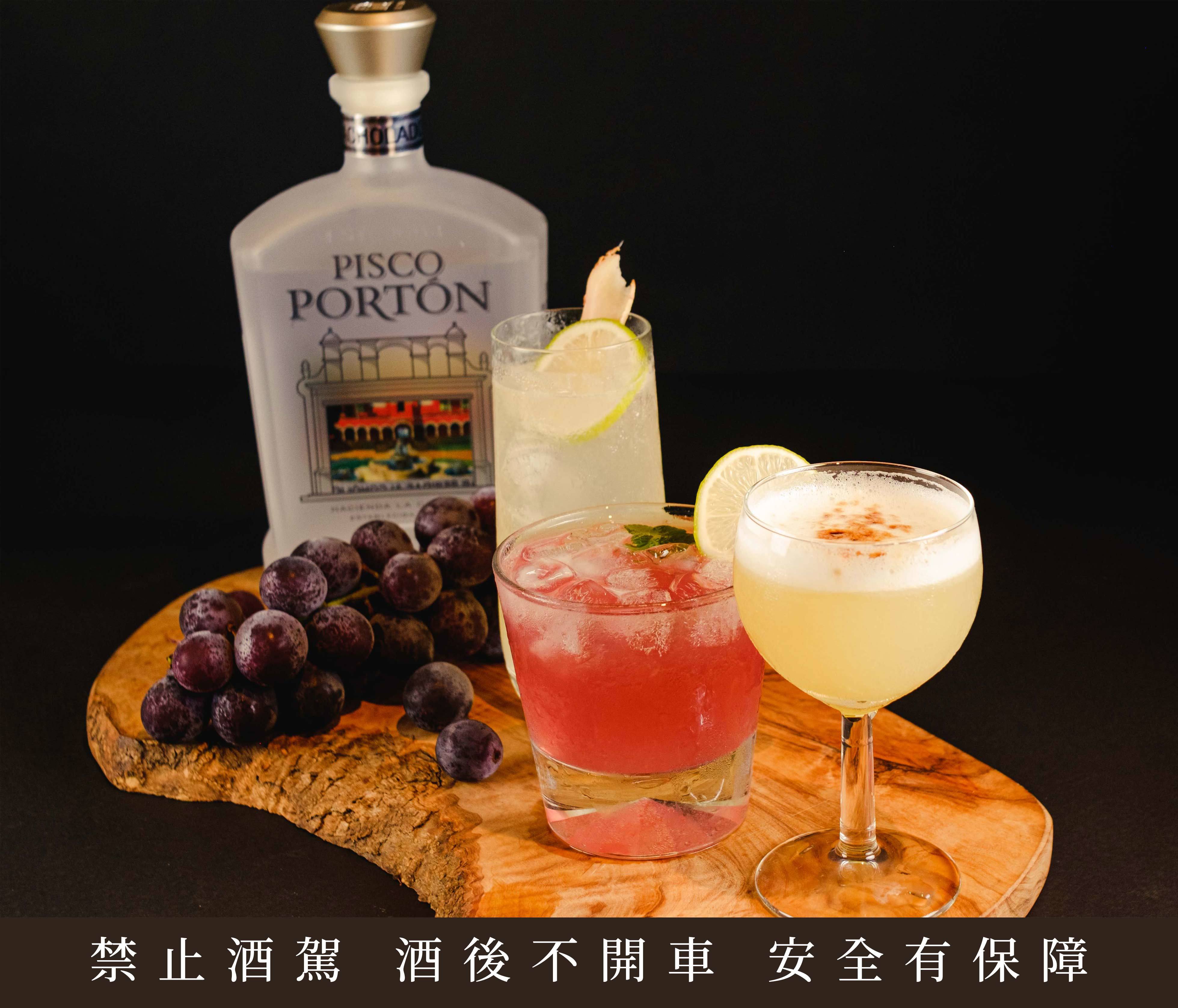
The Peruvian Pisco obtains its fruity aroma and chocolate aftertaste by only fermenting and distilling whole grapes, without adding even a drop of water, to give it a rich and mellow flavor. And so, this liqueur is called "The most elegant spirit".

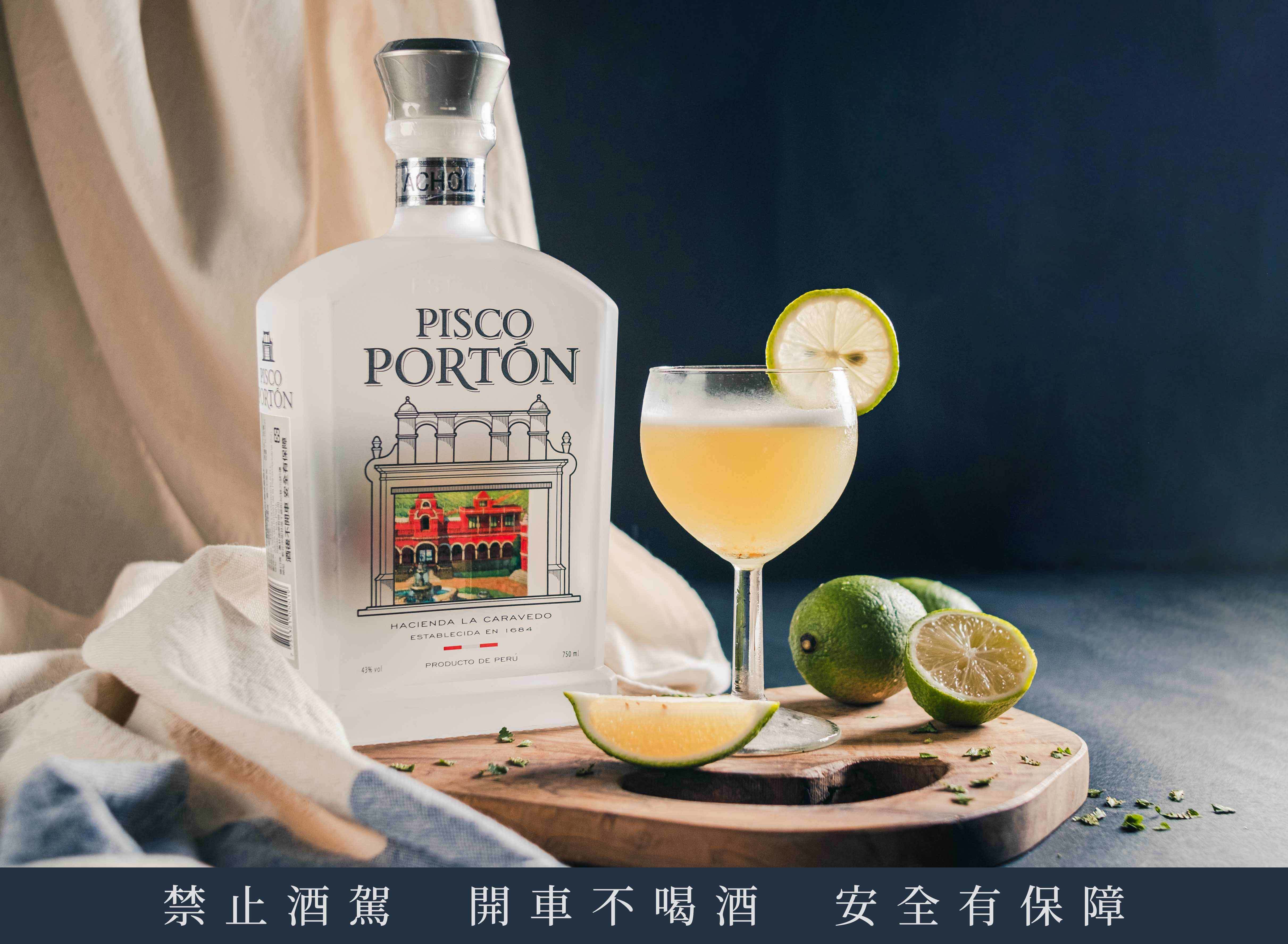
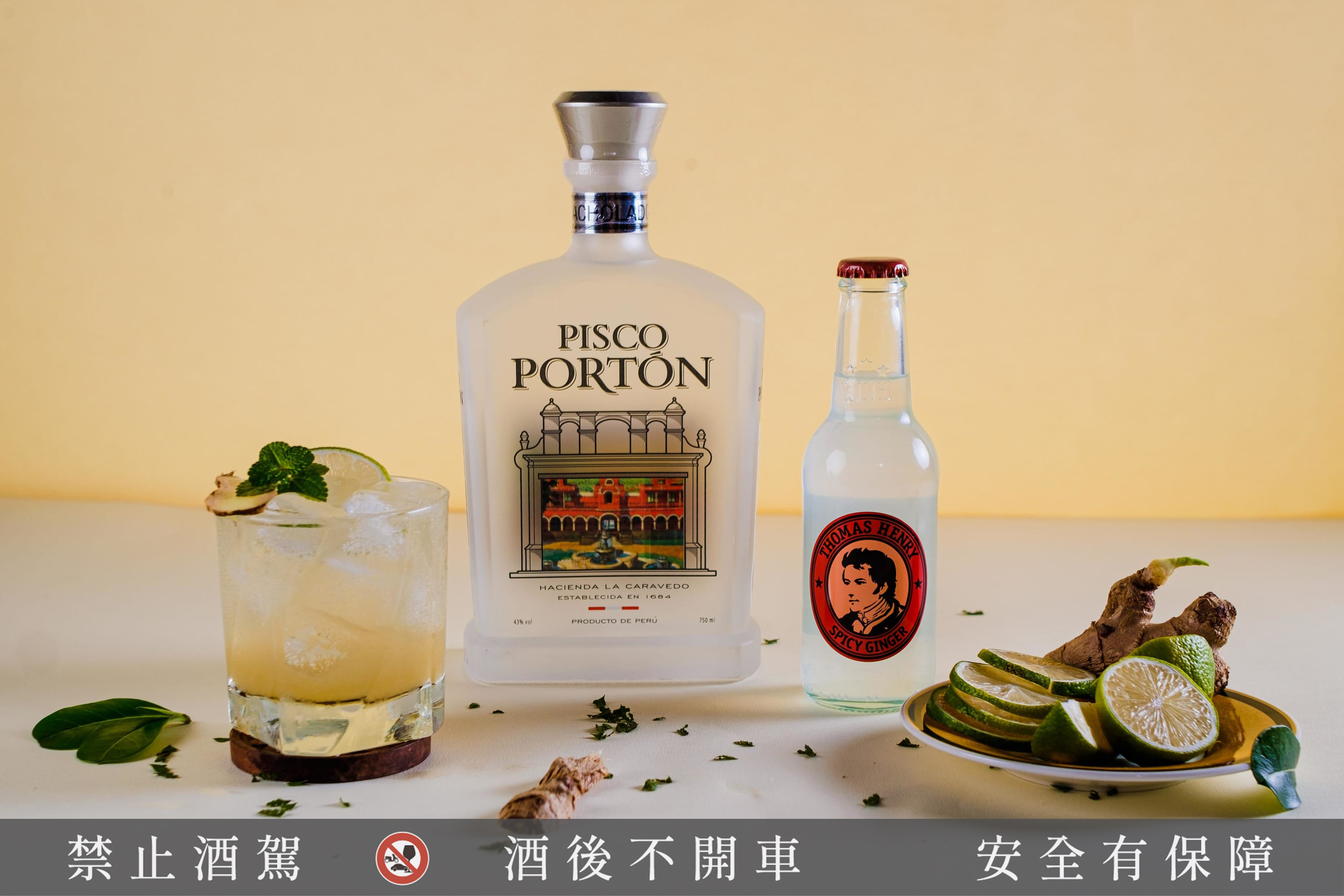
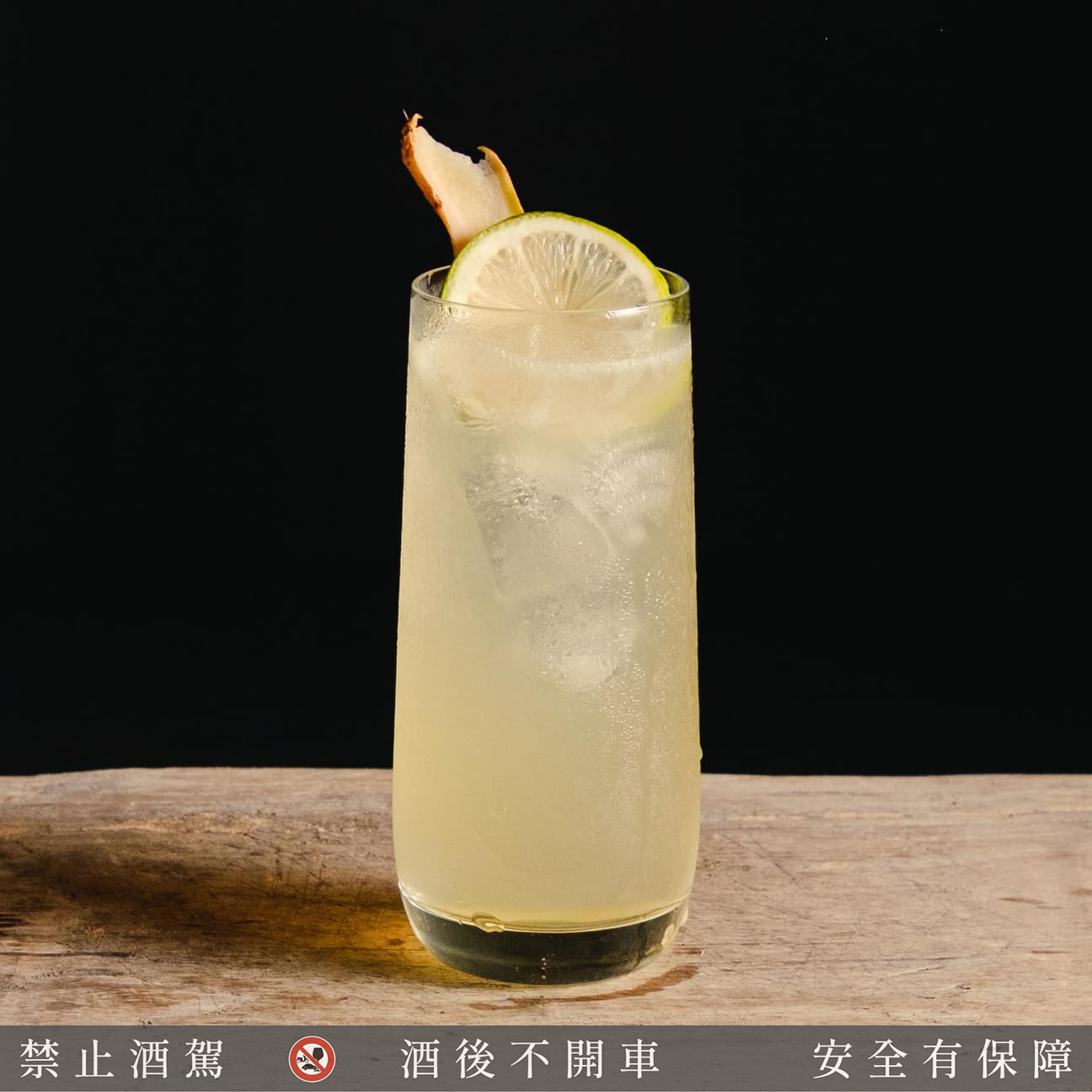
Topped with sweet and sour lemon, with a slightly spicy ginger juice, Pisco's summer cocktail "Chilcano" with soda bubbles

Picture / Sousou Corner 

The world's famous Pisco liqueur, the national liquor of Peru and Chile, is widely loved by people in Europe and the United States because of its rich and strong aroma. But in fact, long before the birth of Pisco, Central and South America had a rich liquor-making culture.

A Tribute to the Gods: Liquor Culture in Latin America

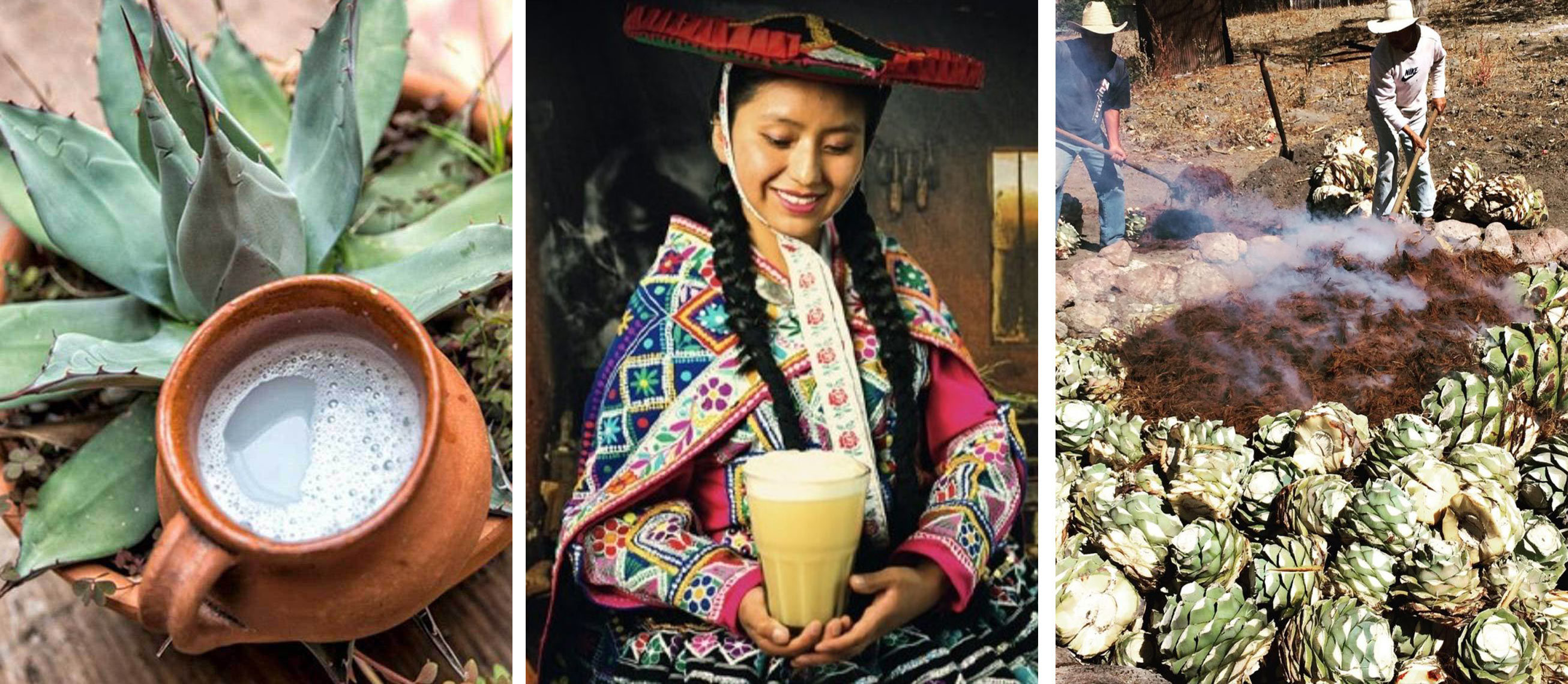
In various aboriginal cultures in Central and South America, liqueur is an important sacrificial product, this feature is enough to determine the rise and fall of a civilization. Like the Aztec culture more than 600 years ago, people used juicy and high-sugar agave to brew milky white Pulque, which only the elders and priests with high status in the nation could drink. During the 15th century, the sun virgins of the Inca Empire in the Andes who worshiped the gods would use corn that grew in the area to brew Chicha chewed liqueur for sacrifices and festivals. In addition, in the highlands of Mexico, people will dry and grind agave stems with charcoal fire to brew Mezcal liquor with a unique charcoal flavor, which plays a very important role in traditional tribes.

Left: Milky white Pulque made from agave; Middle: Corn Chicha from the Inca period; Right: Mezcal made from charred agave cores

Figure / Chilangadas、Waman Adventures、Mezcalistas

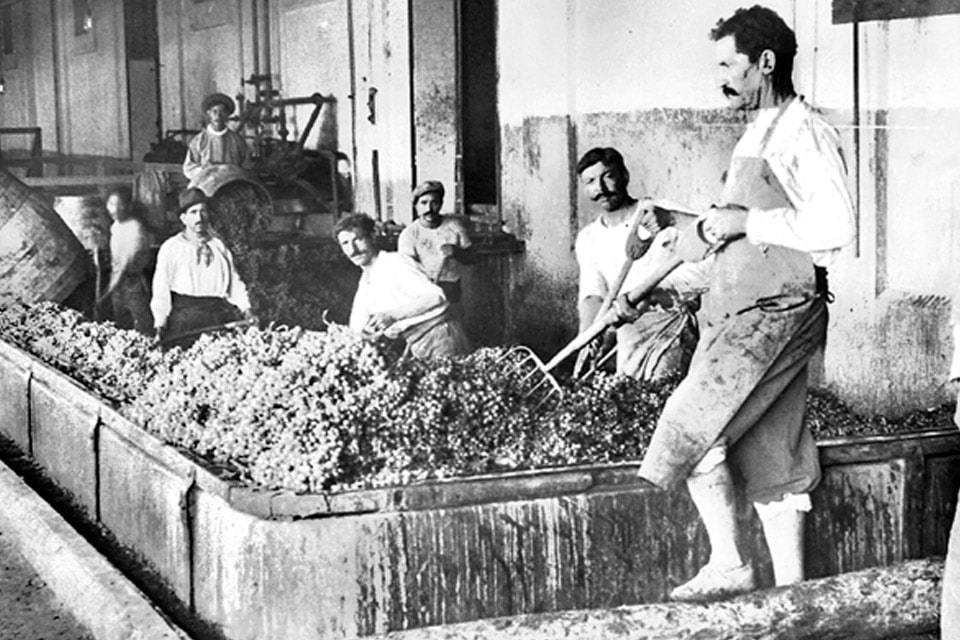
In the 16th century, when Spain occupied and colonized the Americas, the Europeans who arrived could not adapt to the taste of corn and agave liqueur, so they introduced grapes, wheat and other wine crops from Europe. Until now, farmers can be seen planting wine grapes throughout Latin America from northern Mexico to southern Argentina. After hundreds of years of brewing improvements, the wines produced in many Central and South American countries are comparable to those produced in France in Europe.

In addition, the Spanish colonists also introduced alcohol distillation technology from Europe, using cactus, wheat, potatoes and other vegetable grains as materials, and began to produce Tequila, Whiskey and other spirits. At that time, in order to replace the Spanish brandy Orujo which was distilled from grape pomace, they tried many brewing processes until they got the Pisco by chance.

After the Spaniards occupied the Americas, grape and winemaking technology was introduced in the continent

Source / South America wine guide

Grape distilled spirit without water: Pisco

Pisco is a distilled wine made from grapes also known as "Perfume Brandy". Because of the distilled flavor, it not only retains the characteristics of the original grape variety, but also brews an intoxicating fragrance like perfume. There are many different theories about the origin of the word Pisco.

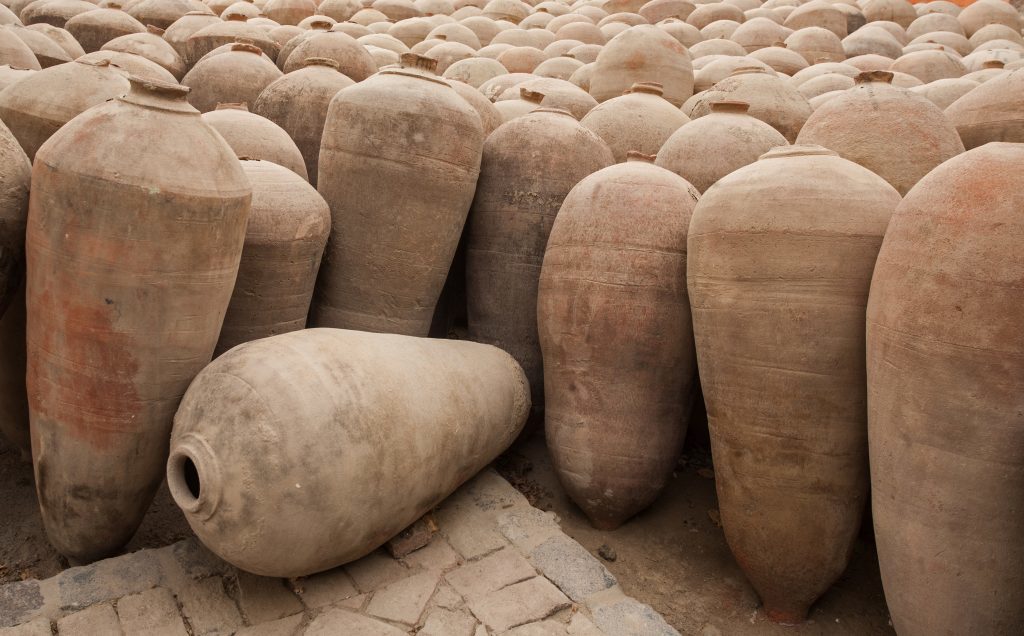
One theory says it comes from Quechua, an official language derived from the Inca Empire, and that it means "Little bird". Another one is that during the Inca Empire era there was a large pottery with a narrow top and a wide bottom called "Pisko"; during the Spanish colonial period, this large pottery urn was the only one which remained and was used to hold distilled spirits. Other says that in the 17th century, the town of Pisco, located in the south of Lima, the capital of Peru, was rich in grapes and home of this strong aroma liqueur, so it was named after the city. The fourth theory is that there is a port named Pisco on the coast of Peru, from which the distilled wine was exported to Europe and America, so it was named after the port.


A large pottery urn “Pisko” from the Inca period

Source / Pisco Logia

Regardless of the origin of the name, the term Pisco today already represents the characteristic grape distilled wine of South America. Unlike other spirits made from vegetable grains, Pisco only uses whole grapes for fermentation and distillation, and just like wine is extracted and distilled into its purest flavor, so Pisco is also known as "The most elegant liquor".

In addition, it has another special feature compared to other spirits. Most spirits are distilled to their highest concentration and then diluted with water, but Pisco is distilled to the ideal concentration and stopped to be stored and begin its aging process. The aging process won't change the color and taste. The rich and mellow flavor is given by this rigorous process and the lack of added water.

Pisco has a grape fruity aroma and a full-bodied finish, and is known as the most elegant spirit

Source / SouSou Corner

But when it comes to the birthplace of Pisco, there are actually two countries arguing about it until now. People agree with the origin of Pisco, basically divided into two factions, one faction thinks it is Chile, and the other faction insists that it is Peru.

Pisco is mine! The liqueur war between Chile and Peru

Because apart from Peru, Chile also produces Pisco liquor, the two countries have long competed with each other for the glory of its birthplace. Although both the United States and the European Union believe that Peru is the birthplace of pisco, Chile still refutes this with all its strength.

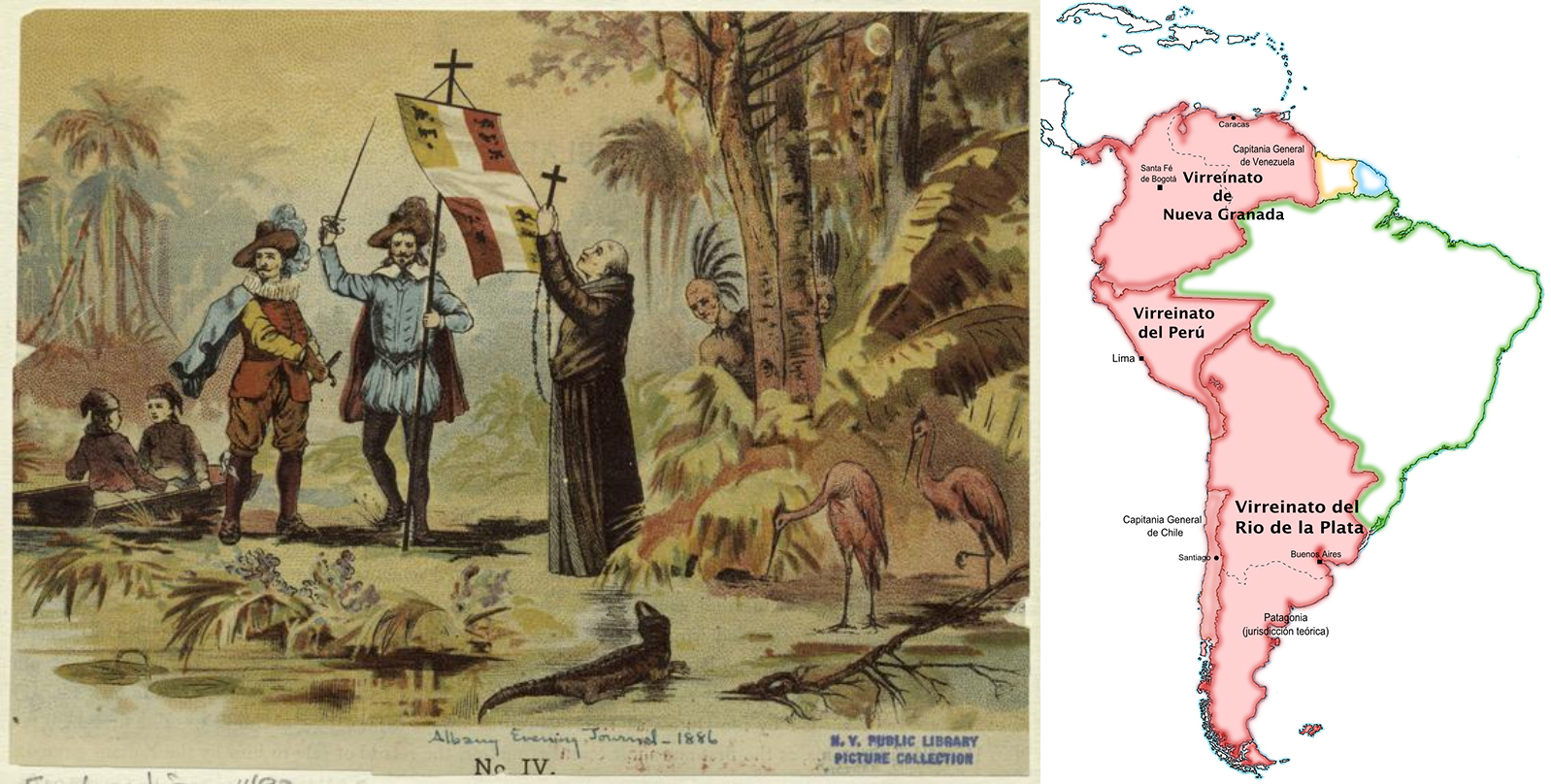
The conflict between these two countries can be traced back to the 15th and 16th centuries, when both countries belonged to the territory of the Inca Empire. In addition, after the Spanish conquered South America, Peru and Chile also belonged to the Spanish colonies at that time, the Viceroyalty of Peru, and both of them exported goods from the port of Pisco. Historical records show that when Latin American countries successively declared their independence in the 19th century, both Peru and Chile produced Pisco at the time. So one scholar argues that pisco comes from a geographical region of South America rather than a single country.

Geographical extent of the Americas influenced by Spanish colonial times

Source / Digital public library of America、military wiki

In order to obtain the title of the country of origin of the Pisco liquor, in 1936, Chile changed the name of a small town specialized in the production of Pisco to "Pisco Elqui" ; however, Peru responded by stipulating that in future government banquets only Pisco could be served, and no other alcoholic beverages would be allowed. The degree of rivalry between the two countries was so intense that each other prohibited the import of Pisco produced in the other country. Up to this day, the customs declaration form that travelers need to fill out when entering Peru still says: Any foreign-made liqueur named  "Pisco" is not allowed to enter Peru.

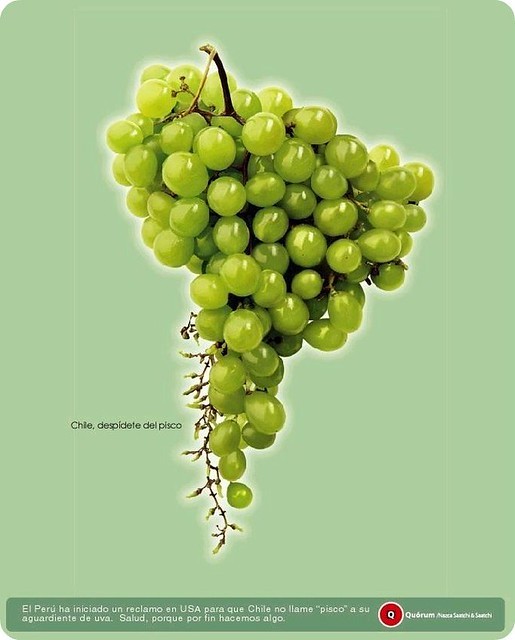
In Peru's domestic advertisements, South America would be presented with a bunch of green grapes, and Chile would be the only one with grape stalks, with a text on the side that read: "Chile, say goodbye to Pisco!"

Source / Marcos GP ; Flickr

But in fact, the Pisco liquor produced in the two countries have their own commonalities and characteristics. Places that are rich in grapes like Arequipa, Tacna, and Moquegua in Peru, as well as Coquimbo and Atacama in Chile, are all arid regions with large temperature differences between day and night, which make the grapes growing there to have an extreme high sugar content. The resulting Pisco is quite different from ordinary liquors, it is richer in sweet flavor and presents the charm of Pisco.

In terms of grape varieties, the Peruvian government stipulates that only 8 kinds of local certified grapes can be used to make Pisco. After fermentation, primary distillation and filtration, no other ingredients are added and the aging time needs to be 5 or more months. However the aging is not made inside oak barrels or containers because those would change the color and taste. As for the Pisco produced in Chile, there are no special restrictions on the grape species but the main raw material is Moscatel muscat grapes, which are fermented and then continuously distilled. It is optional to add other artificial ingredients or use oak barrels during aging for a short period of time. 

Different varieties of grapes produce different flavors of Pisco

Source / Economiahoy mx

In any case, in both Peru and Chile, Pisco is an indispensable spirit in the lives of their people. People drink Pisco on birthdays and funerals, and of course they also drink it while they sing and dance to music during festivals, weddings, gatherings, and parties. Pisco can be called as the national drink of Peru and Chile, and it can fully present the passionate culture and customs of Latin America.

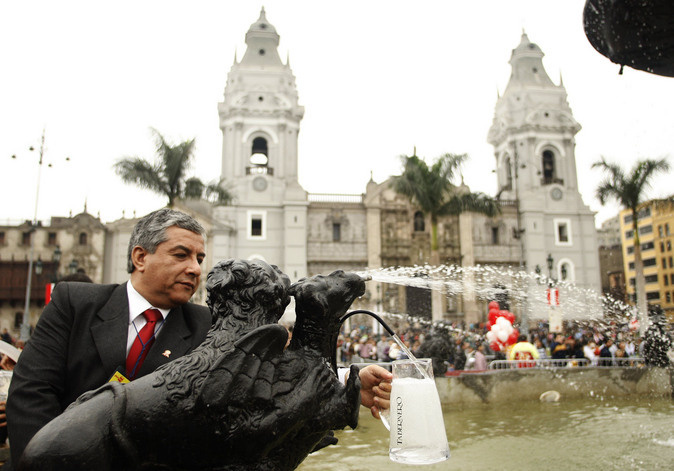
In Peru, every year on the 4th Sunday of July is the Pisco Festival. On that day, the fountain water in front of the Lima City Hall in the capital is replaced with Pisco for people to drink.

Source / Reuters

World Pisco Master: Johnny Schuler

When it comes to pisco, one must mention Johnny Schuler, a Peruvian brewer, distiller and sommelier with more than 30 years of experience, and a world-renowned authority on Pisco. His passion for Pisco can be traced back to 1977, when he was very surprised by the liqueur and loved the taste of its various flavors and variety of distilled grapes.

Jonny Schuller is a well-known Pisco brewer in Peru

Source / Caravedopisco

Because there are very strict procedures and standards for the local brewing of Pisco in Peru, it must be distilled from fresh wine that was pressed and fermented from grapes. Even the government has legally restricted to only eight certified wine grape varieties that can be used to make Pisco, including: Italian, Muscat, Torontel, Albillo, unscented Quebranta, Mollar, Negra Criolla, and Uvina grapes. By combining these different varieties of wine grapes, different flavors of Pisco can be created.

Since the beginning, Schuler has devoted himself to the study of Pisco, promoting the government and the people, and working hard to formulate regulations for the Peruvian Pisco industry; also, the Peruvian Congress awarded him a medal of honor in recognition for his dedication. In addition, Schuler has traveled the world promoting the culture of Pisco, and has even visited Taiwan several times to participate in seminars and bartending sessions, telling about the culture, craftsmanship and technology behind this liqueur.

In previouses "SouSou Food Shop" projects, we introduced the Peruvian tamales remembered by Latin American people, Iranian spice desserts suitable for afternoon tea, and Tunisian dishes that combine the flavors of the Middle East, Europe and North Africa. After introducing so many delicacies from the south, how can there be no good wine to match?

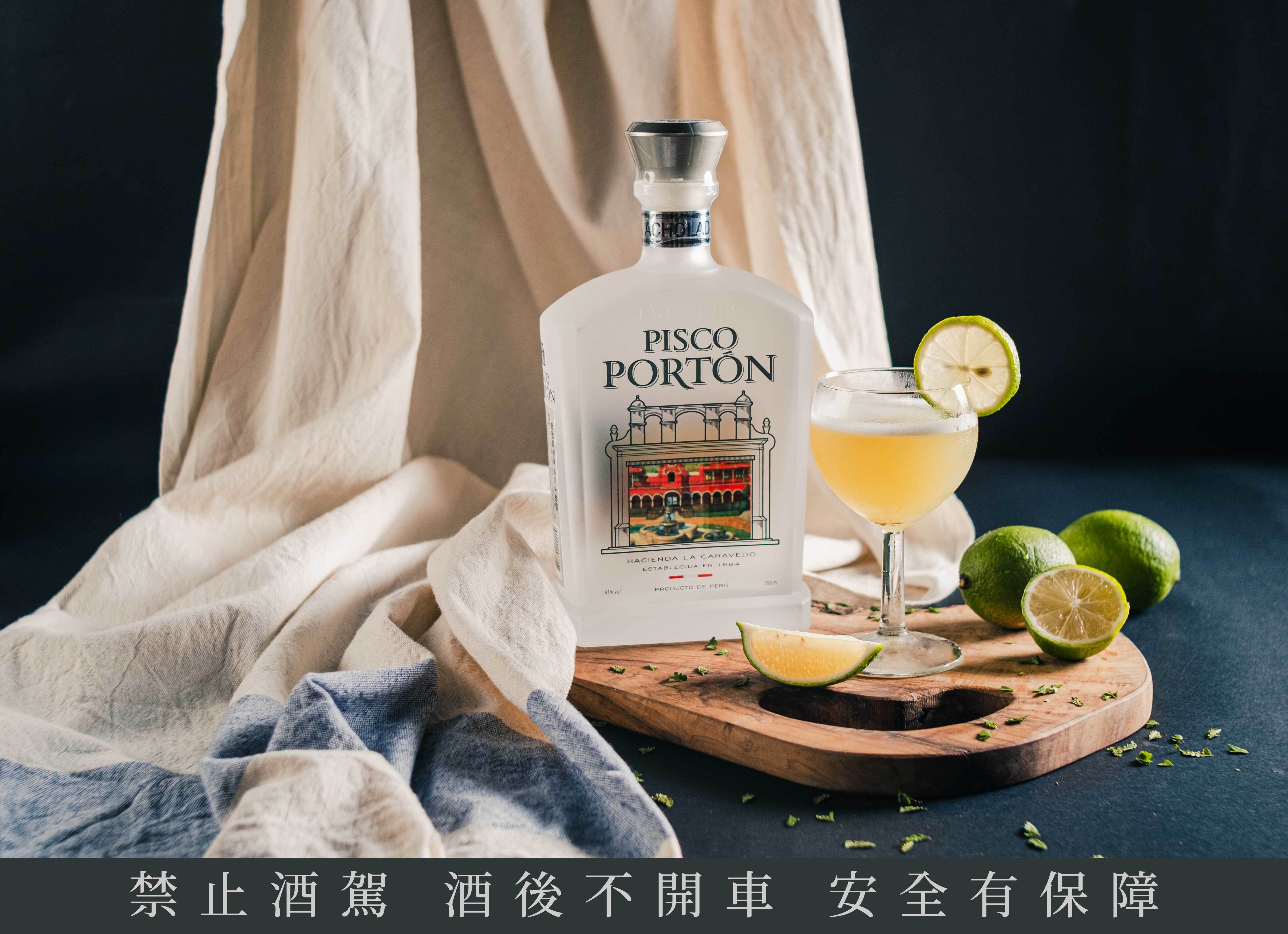
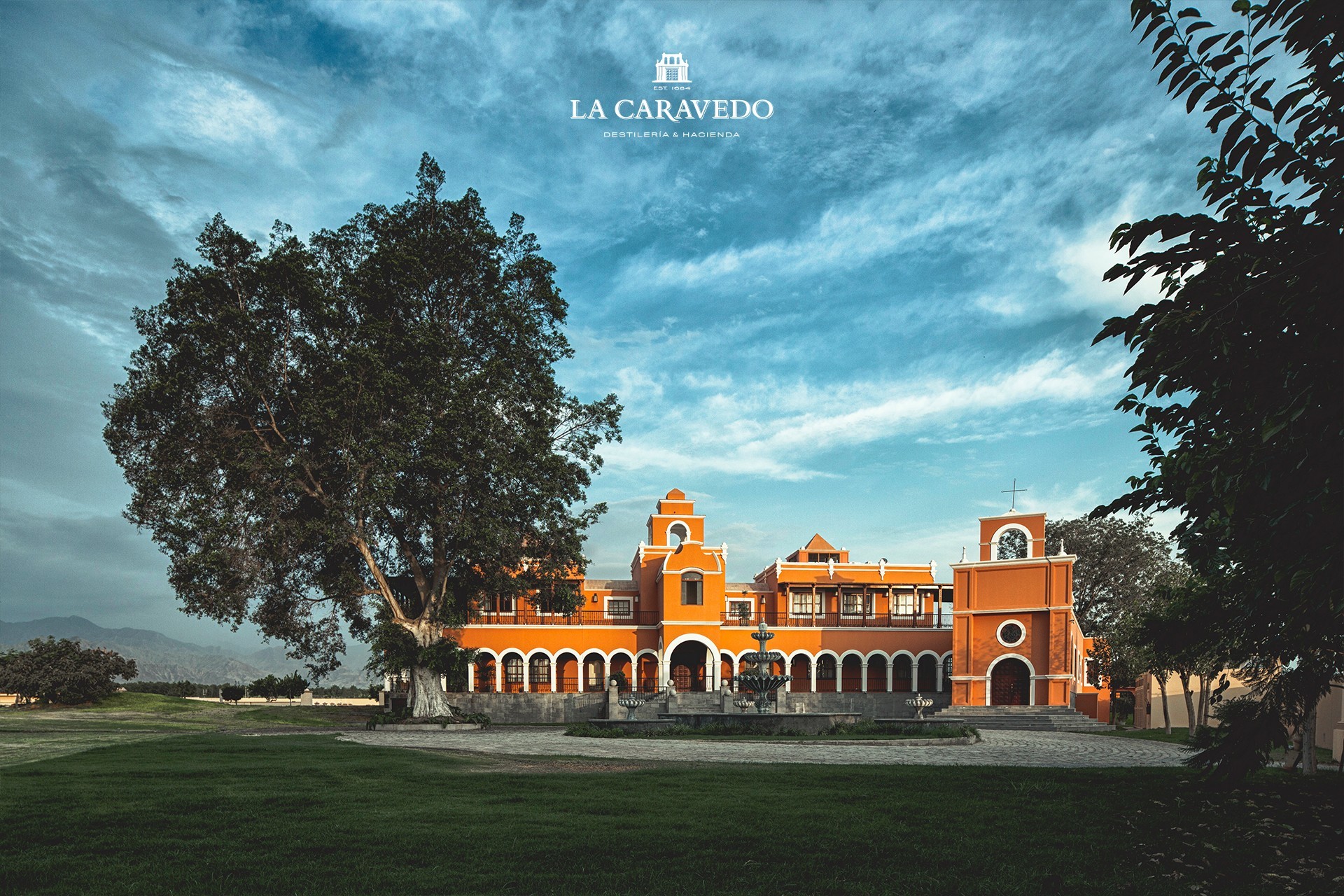
This time, what SouSou wants to introduce to you comes under the personal supervision of Master Johnny Schuler. Combined with grapes produced by the oldest vineyard in the United States - the Peruvian “Hacienda La Caravedo”, which was built in 1684, and home of the popular Pisco brand "Pisco Portón".

Hacienda La Caravedo, the oldest specialized vineyard in the United States

Source / La Caravedo

Peruvian origin limited classic: Pisco Portón

During the grape harvest period in February and March every year, Schuler will let the grapes dry under the sun for a long time, so that the water in the fruit will evaporate slightly to retain the sugar and increase its flavor. This is followed by a semi-fermentative distillation method - meaning that the grapes retain 20% of their sugar during fermentation, and then the distillation begins. The distilled sugar will be converted into a mellow taste with rich layers, which is more suitable for drinking it pure than the fully fermented Pisco.

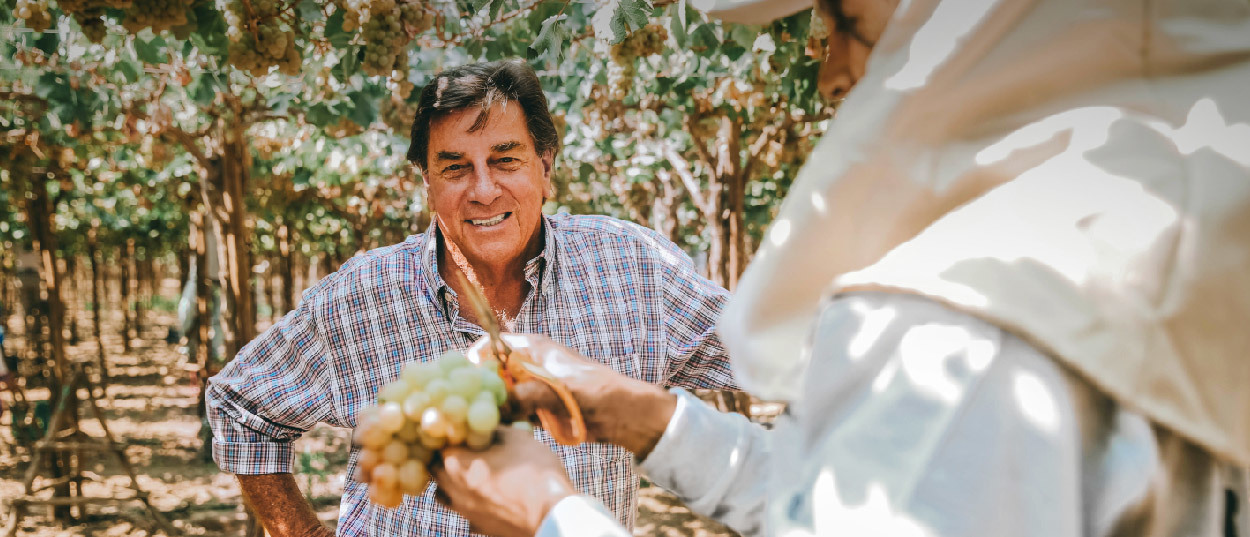
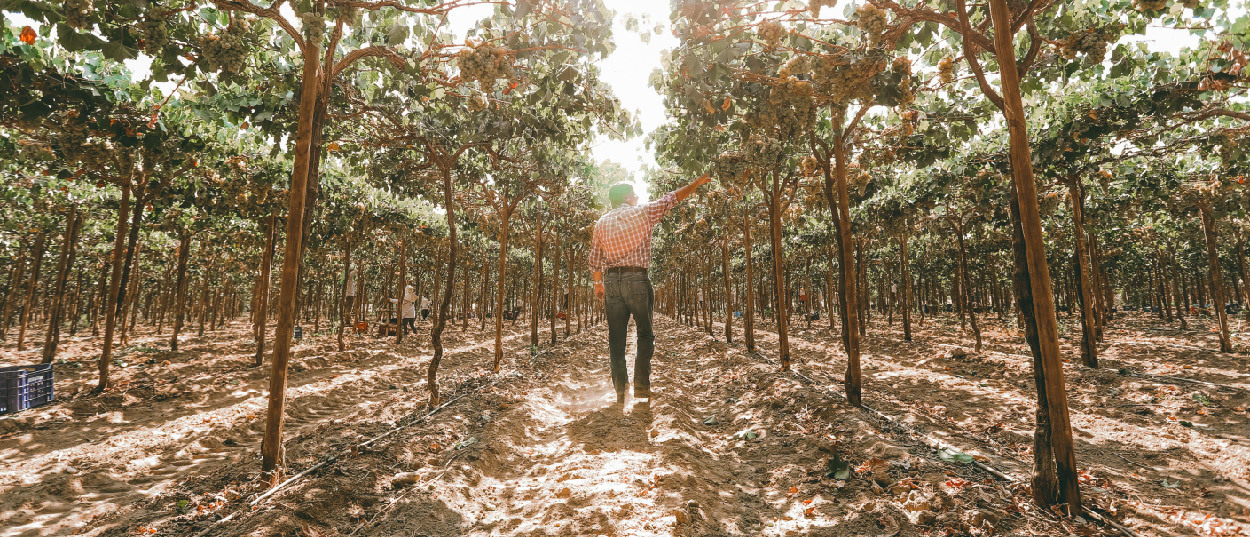
A stroll through the manor, carefully observe and care for the growth of grapes

Source / Caravedopisco

But also because of the semi-fermented distillation method, more grapes are consumed in the process. A bottle of Pisco Portón contains as many as 8 kg of wine grapes. Throughout the process, starting from the selection, grape varieties, blending, fermentation, and distillation, Schuler adheres to the most traditional methods combined with the precision of modern technology to distill the most perfect Porton Pisco.

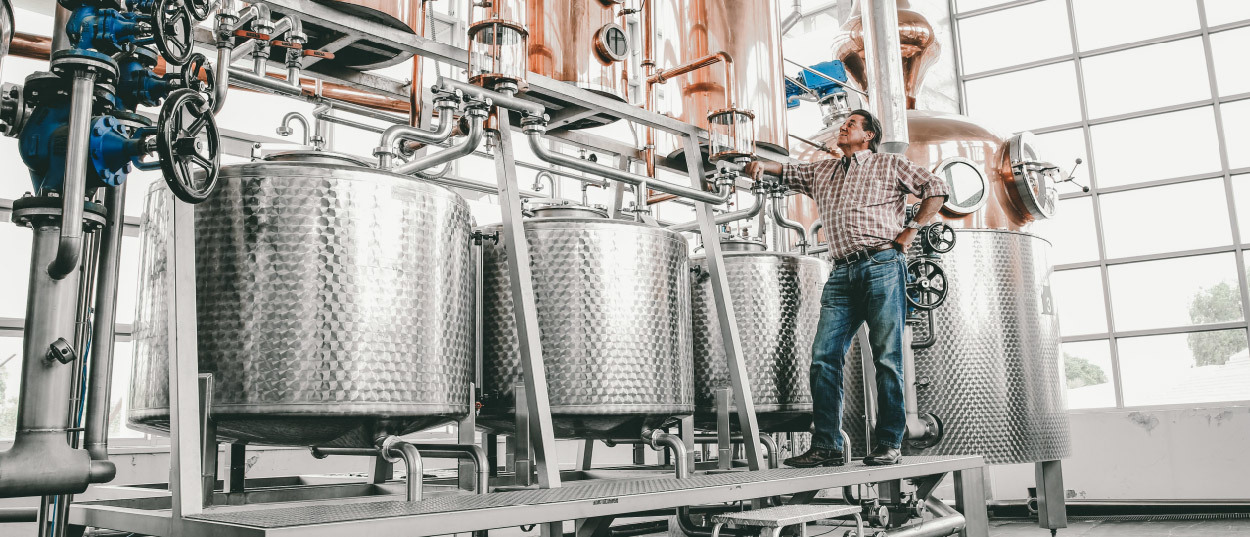
Johnny Schuler adheres to the traditional production method combined with the precision of technology to distill the most perfect Pisco.

Source / Caravedopisco

After a proper period of aging, Pisco Portón has obvious aromas of grapes, citrus, mango, and some small white flowers.  Bittersweet with a touch of chocolate. In addition to drinking it pure, Pisco has a wide range of applications in food, and it can be used in bartending and even cooking.

Here are some classic recipes for Pisco.

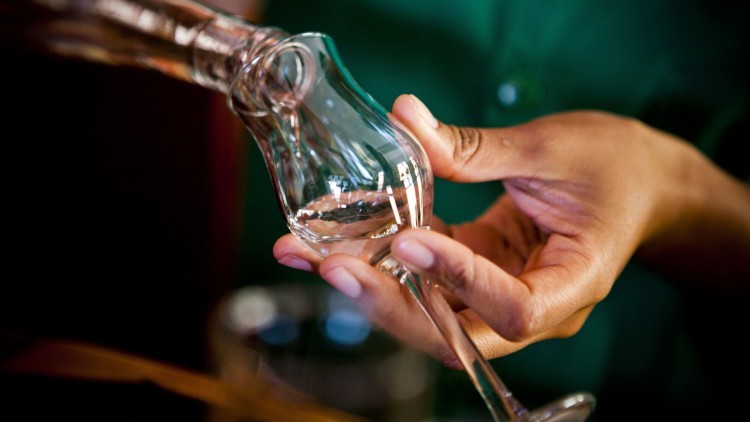
Let the Pisco rest for three minutes, the taste will be smoother. The picture shows a special cup for Pisco, which can concentrate the aroma on the tip of the nose

Source / Kuoda Travel


|Pure drink Pisco

Sober up: After pouring into a glass, let it rest for two to three minutes, so that the Pisco Portón can be in contact with the air and acquire a smoother taste.

Pair with dark chocolate: Put the chocolate in your mouth first, wait for it to melt gradually, and then take a sip of Pisco to feel the combination of the aroma of chocolate and Pisco.

| Pisco Chilcano

The inspiration for this drink comes from the town of Chilca in the south of Lima, the capital of Peru. There is a local fish head soup that is very suitable for hangovers and night owls, to which a lot of ginger slices and lemon are added to enhance the soup’s taste. One bartender combined these local characteristics to mix Pisco with lemon and ginger ale, and named this cocktail Chilcano, after the town.


Pisco Chilcano Recipe:

Pisco Portón  45ml

Lemon juice 15ml

Ginger ale 150ml

Bitter essence 1drop


|Pisco Sour

At the beginning of the 20th century, in the old town of Lima, the capital of Peru, there was a pedestrian street called Jirón de la Unión, which was the most important boulevard in the city, and where many restaurants, bars and cafes stood. Also, it was a gathering place for local nobles, rich people, and intellectuals.

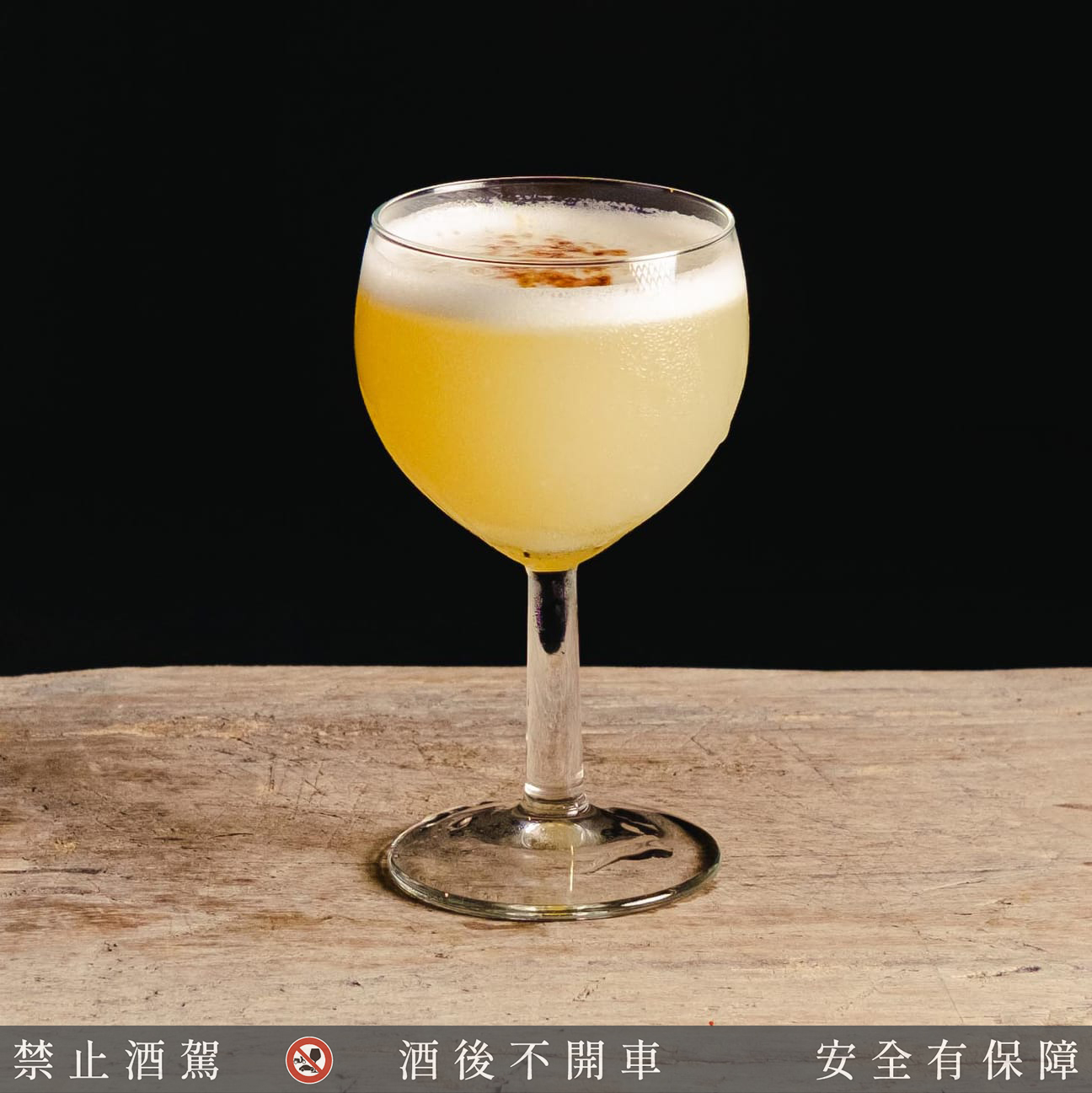
Pisco Sour was invented in the 1920s by a tavern owner, Victor Morris, who, inspired by Whiskey Sour, made a concoction of Pisco, lemon and egg white cocktail, creating a classic for later generations.


Pisco Sour Recipe:

Pisco Portón 60ml

Lemon juice 30ml

Syrup / Honey 30ml

Egg white 1u

Bitter essence 1-3drops (or it can be cinnamon powder)


For the next dish, we seldom hear that grape distilled wine is used in daily dishes, but in fact, Pisco plays an important and indispensable role in Peru, just like Taiwanese rice wine. So we will introduce you to a Peruvian classic: Raw fish marinated in lemon.

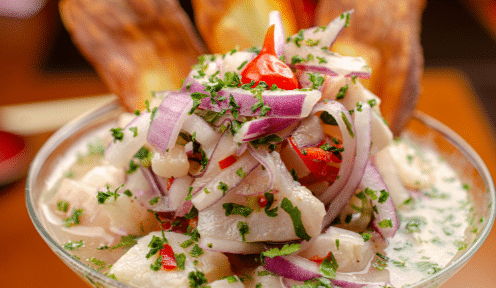
A refreshing summer appetizer: sashimi squeezed with lemon, peppers, onions, and drizzled with pisco

Source / Treehouse lodge

|Ceviche

Lemon-marinated raw fish, which can be seen basically throughout the whole Latin America, was discovered in the area of ​​present-day Peru about 2,000 years ago according to archaeological records, and it is now regarded as the national dish of Peru.

There is no certain recipe for lemon-marinated raw fish, you can make your favorite version. The main method is to drench the pink raw fish with lemon juice and other seasonings to produce a catalytic process that will result in a sweet and sour demi-cooked white fish. Then, pour some pisco to enhance the flavor, so that the grape aroma of pisco combined with lemon raw fish will give a classic, refreshing, and slightly intoxicating cold raw fish appetizer. And with that it is completed!


Lemon Cured Raw Fish Recipe:

Pisco Portón Appropriate amount 

Diced raw white fish (you can choose white meat fish such as sea bream, and can also add shrimp and octopus) 250g

Chili pepper 1

Onion 1/2u

 Lemon juice 2-3u (can be replaced by orange juice or kumquat)

 Cilantro 1 small bundle

 Appropriate amount of salt


Cooking steps:

Chop the fish, chili, onion, lemon and other ingredients, squeeze the lemon juice and mix everything together evenly; then, put the mix in the refrigerator for one hour (the larger the cut, the longer the marinating time will be).

After the fish is catalyzed, cooked and has turned white, add salt to taste, and finally sprinkle with cilantro and drizzle some Pisco over it.

In addition to the above, you can also add olive oil, cucumber, celery, avocado or tomato, pepper, etc. according to your preference.

|Introduction to Pisco


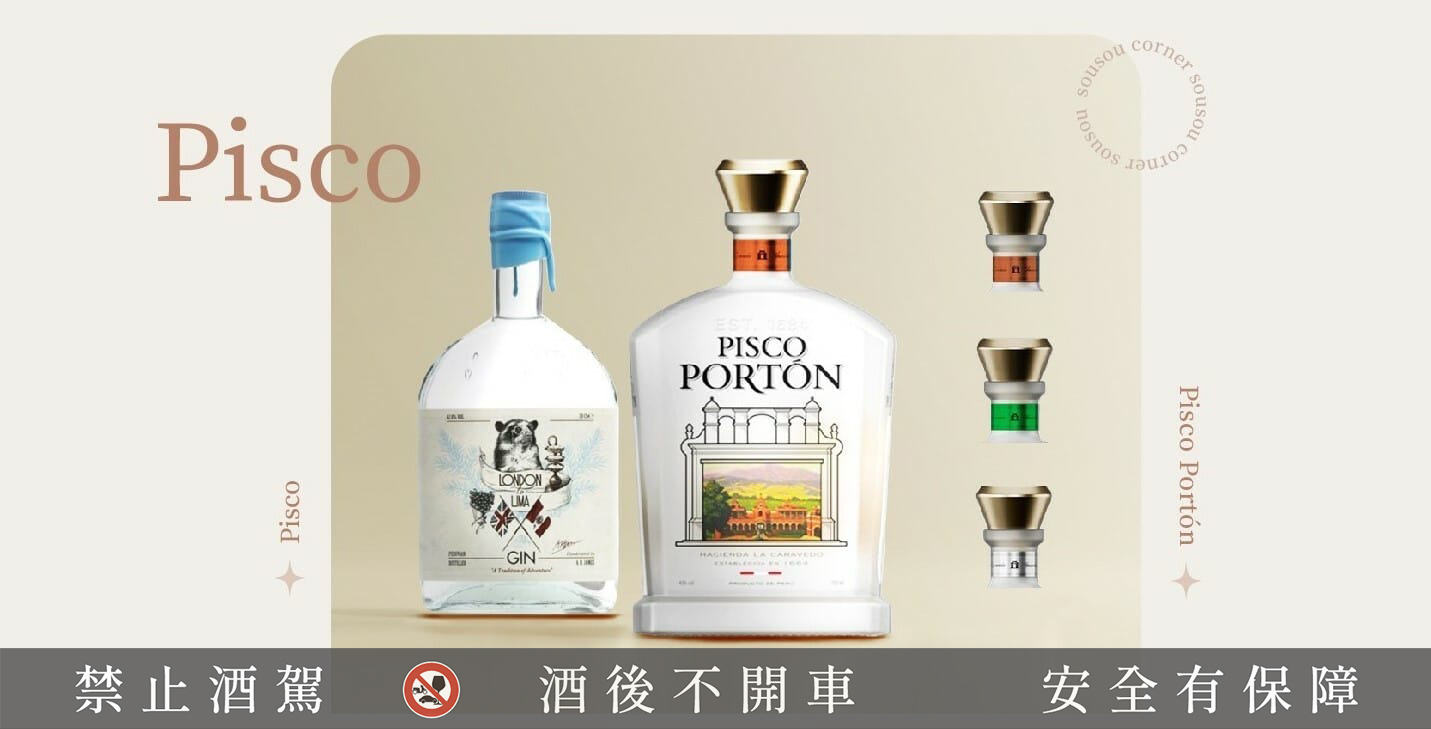
Silver Label Pisco|Made from a mixed variety of Peruvian grapes, it has a richer taste and is the most classic Pisco.

Tangerine Pisco | Brewed with Torontel grapes, it has a strong floral aroma, full of sweetness and long lasting taste.

Green Label Pisco | Brewed with Italian grapes, it has elegant aromas such as citrus and lemon verbena.

London Lima Pisco Gin|Using Pisco as the base, it is a unique gin with spices accompanied by a slight fruit acid.


|Precautions

This website does not provide online transactions for this product, and the listed products and related information are for reference only. After you complete the order inquiry form, the company staff will call you within 3 working days to confirm the age and order details.

For all transaction details, please refer to our service staff who will confirm the content and instructions of the order with you at the time. We apologize for any inconvenience and trouble.

 If you complete the order inquiry form, you agree to the transaction terms.


Peruvian Pisco | Bartending Teaching Video

After reading so many introductions, do you want to make your own and try the two classic Pisco cocktails introduced above?  SouSou Corner will introduce the local culture of drinking pisco, and teach you how to make all kinds of classic pisco concoctions!


>>> Pisco bartending teaching

Pisco Portón|Peru