{{ 'fb_in_app_browser_popup.desc' | translate }} {{ 'fb_in_app_browser_popup.copy_link' | translate }}

{{ 'in_app_browser_popup.desc' | translate }}

Your Shopping Cart is empty.
{{ (item.variation.media ? item.variation.media.alt_translations : item.product.cover_media.alt_translations) | translateModel }} {{ (item.variation.media
                    ? item.variation.media.alt_translations
                    : item.product.cover_media.alt_translations) | translateModel
                }}
{{ 'product.bundled_products.label' | translate }}
{{ 'product.bundle_group_products.label' | translate }}
{{ 'product.buyandget.label' | translate }}
{{ 'product.gift.label' | translate }}
{{ 'product.addon_products.label' | translate }}
{{item.product.title_translations|translateModel}}
{{ field.name_translations | translateModel }}
  • {{ childProduct.title_translations | translateModel }}

    {{ getChildVariationShorthand(childProduct.child_variation) }}

{{ 'product.set.open_variation' | translate }}
  • {{ getSelectedItemDetail(selectedChildProduct, item).childProductName }} x {{ selectedChildProduct.quantity || 1 }}

    {{ getSelectedItemDetail(selectedChildProduct, item).childVariationName }}

{{item.variation.name}}
{{item.quantity}}x NT$0 {{ item.unit_point }} Point
{{addonItem.product.cover_media.alt_translations | translateModel}}
{{ 'product.addon_products.label' | translate }}
{{addonItem.product.title_translations|translateModel}}
{{addonItem.quantity}}x {{ mainConfig.merchantData.base_currency.alternate_symbol + "0" }}
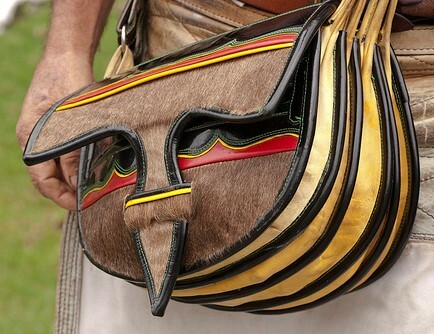
The origin of the saddlebags starts in Colombia, between the 19th and 20th centuries. Its birth is inseparable from the history of Colombian coffee...

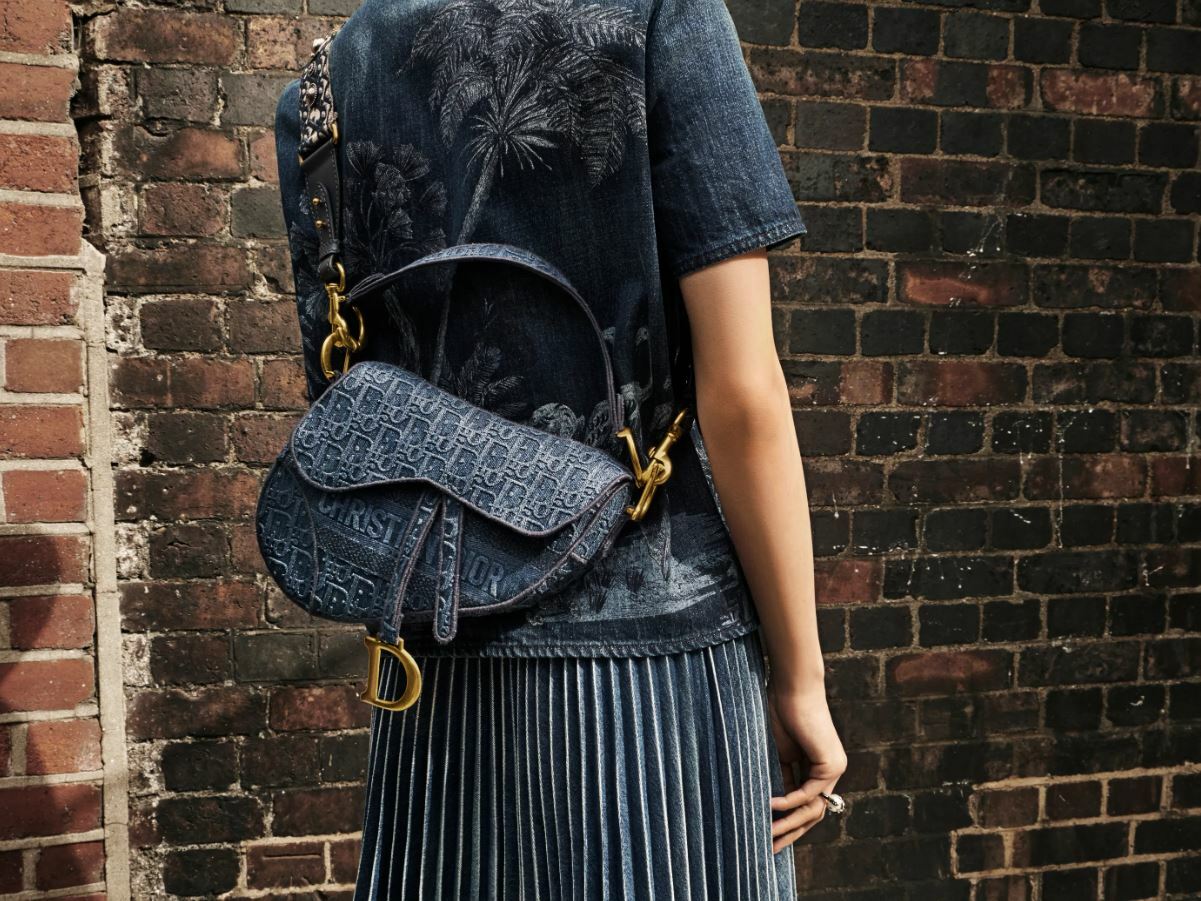
International boutique Dior released the Dior saddle bag in 1999. Since then, the saddle bag has become a fashion classic. But the earliest source of the saddle bag actually came from a cow leather bag called Carriel in the coffee-producing areas of Colombia in the 19th and 20th centuries.

Figure / Dior started the fashion trend of saddle bag
Source / Vogue


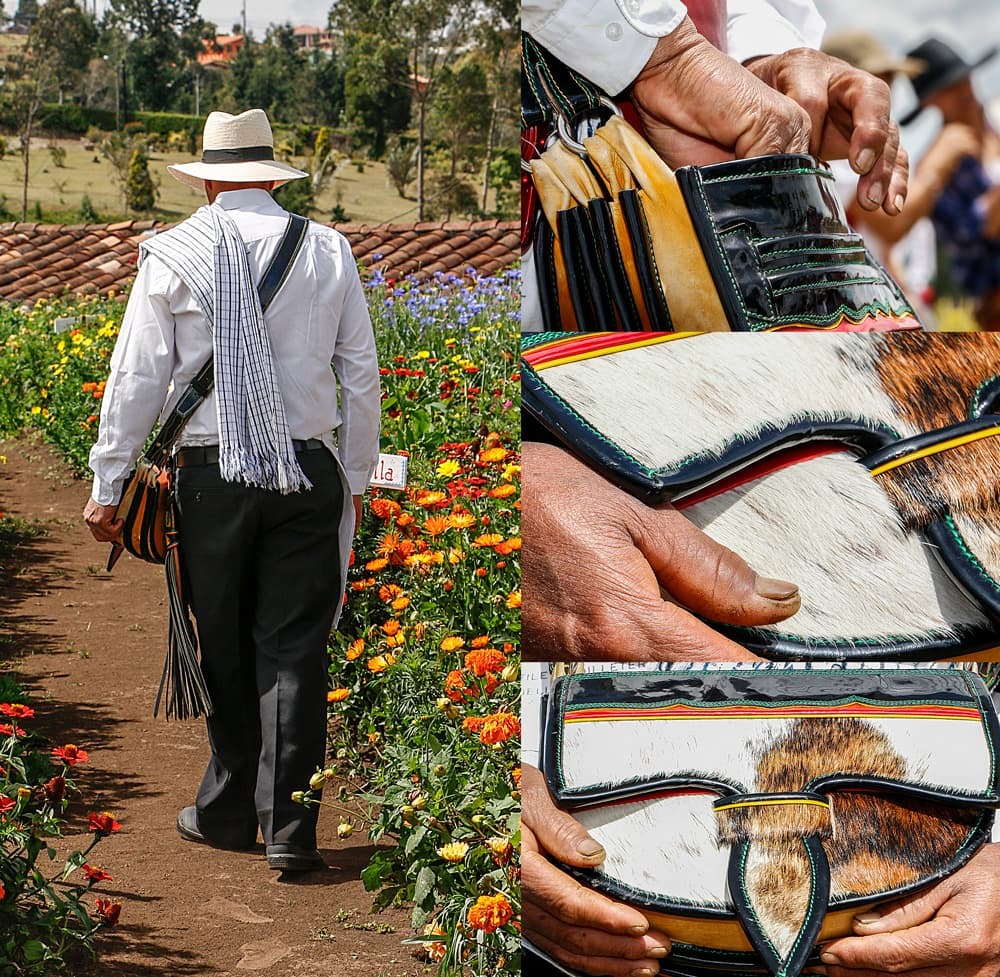
Figure / The origin of the saddle bag - Carriel leather bag
Source / samana caldas


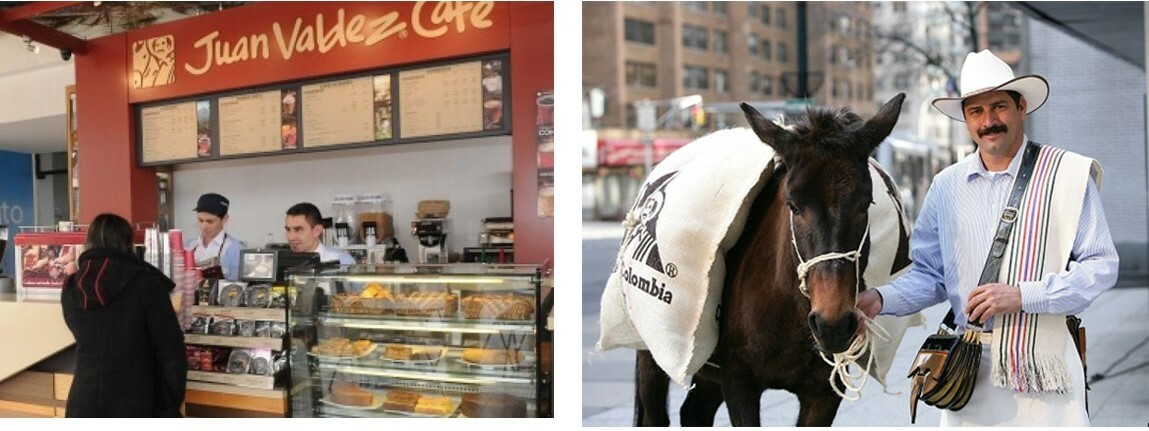
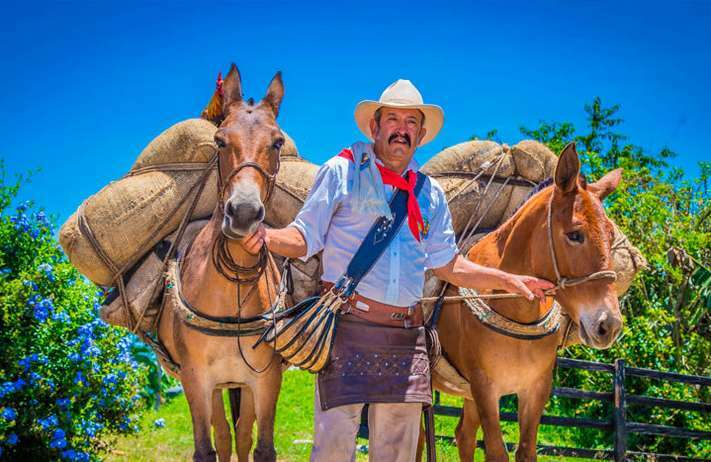
Figure / Colombia’s largest coffee brand Juan Valdez
Source / mundo das marcas, portafolio


The name Carriel comes from the English "Carry All". It has rich interlayers, secret inner pockets and the bottom resembles an accordion, so it is able to hold all the necessary supplies for the journey. It has become a standard accessory for traditional men and businessmen when going out, and is inseparable from the development history of Colombian coffee!


For example, Juan Valdez, the largest coffee chain brand in South America, known as the "Starbucks of South America", comes from Colombia and has branches all over the world. Their most iconic image is a man with a wide-brimmed hat on his head and a Carriel leather bag on his back, holding a horse carrying coffee next to him, which fully restores the image of a small Colombian coffee merchant at that time.


The hometown of saddlebags and the origin of coffee in the world - The Paisa region in Colombia

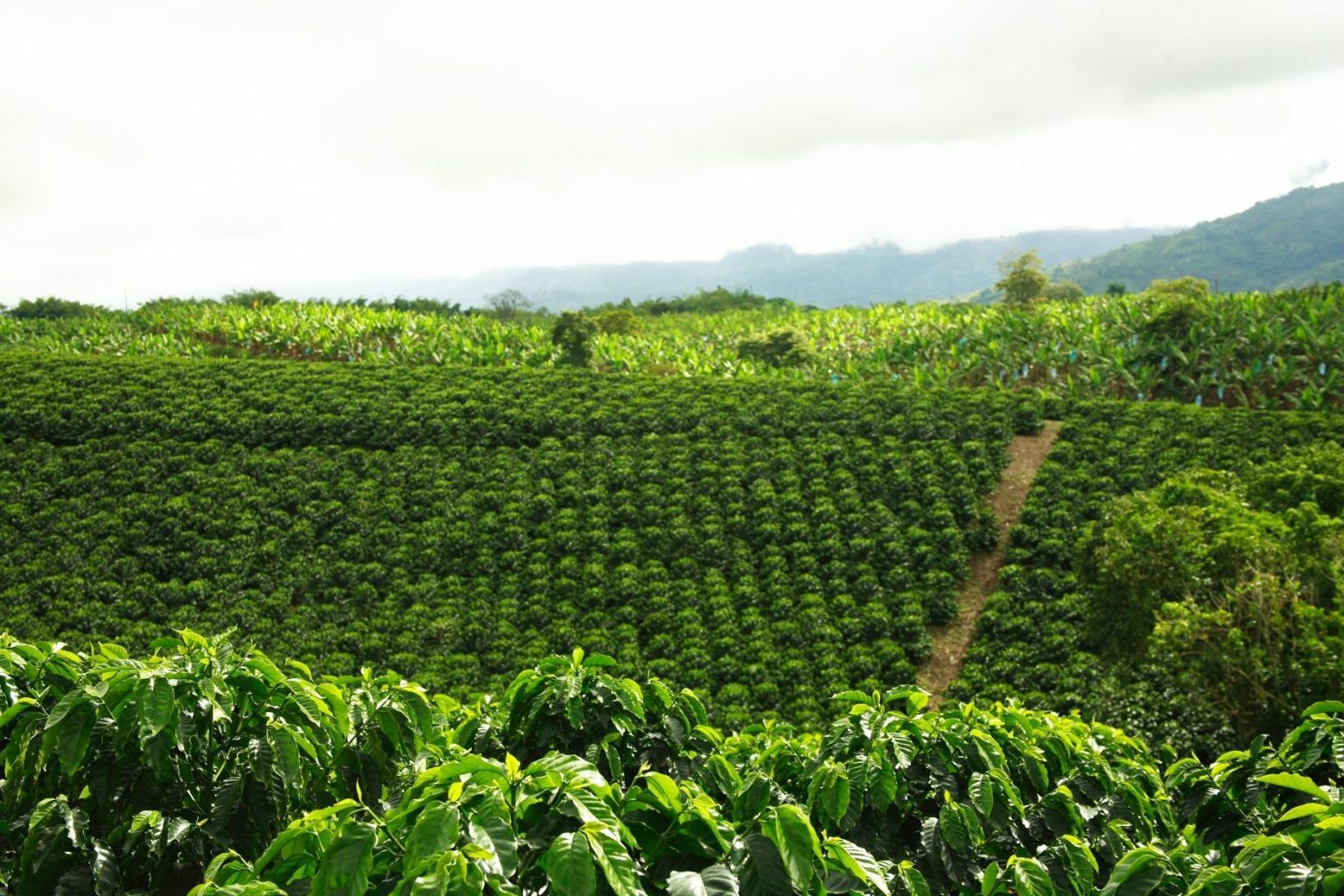
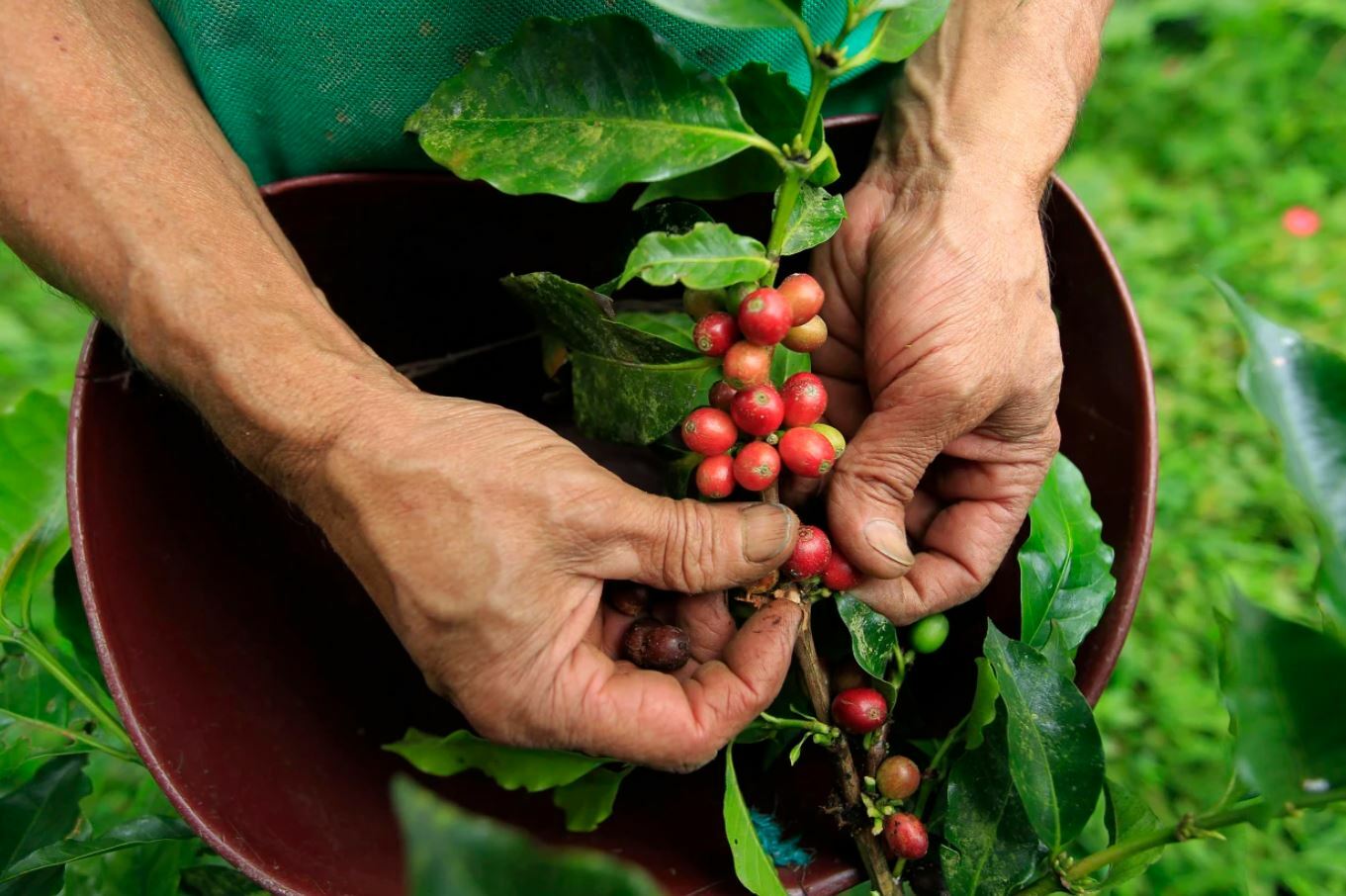
Colombia, close to the equator, is a stretch of the northern section of the Andes Mountains. It has many high-altitude valleys, ample sunshine and fertile soil; it produces the world's top Arabica beans and is the birthplace of specialty coffee, becoming the third biggest coffee producing country.


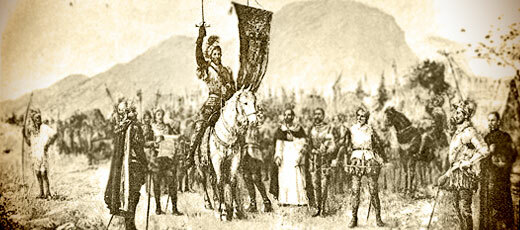
The earliest record of coffee in Colombia is in 1730, when a group of Catholic priests introduced coffee and other crops to northeastern Colombia in the name of religion. Since then, coffee has become a crop grown throughout Colombia and a major consumer product for Spanish families.

In the 18th and 19th centuries, Colombian coffee began to be planted on a large scale and exported to Europe and the United States. It even surpassed tobacco and leather and became the main economic pillar. However, the good times did not last long. At the end of the 19th century, international coffee prices were low and turbulent, and an economic crisis occurred in Colombia, triggering a conflict between liberals and conservatives called "The Thousand Day War." Lasting more than three years, this civil war caused serious casualties, and caused the large coffee estates to go through bankruptcy. Farmland and land were distributed to tenant farmers and small estates sprung up.


In order to make the coffee exports of fragmented small farmers more efficient, they not only improved the old planting methods but also developed new logistics methods, so groups of merchants and muleteers collected the coffee from each farmer along the road. The private sector and the government cooperated with each other and the "Federación Nacional de Cafeteros" was established in 1927 to integrate various producers and create the Colombian coffee brand Juan Valdez to promote Colombian coffee to the world.

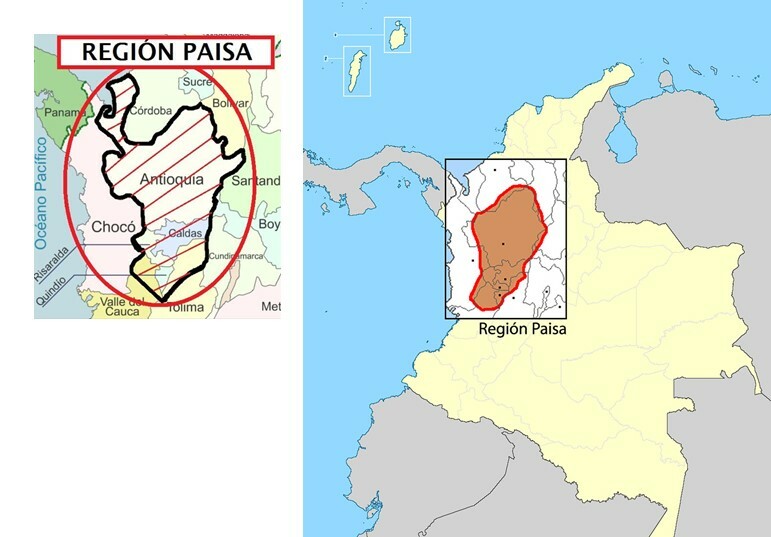
Figure / Paisa region is located in eastern Colombia
Source / Quora


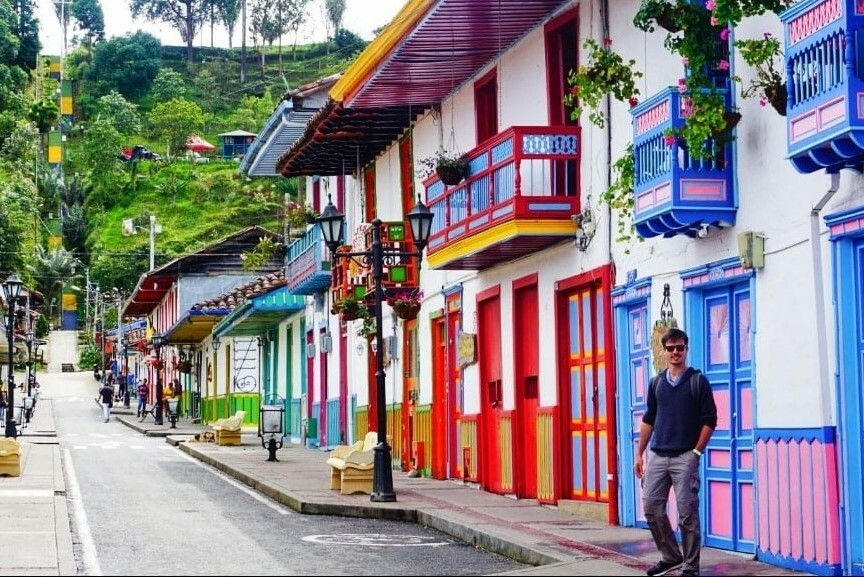
The central provinces of Risaralda, Quindio and Caldas are known as the Colombian Coffee Golden Triangle, and the western province of Antioquia is the most well-known. The coffee origin is collectively known as the Paisa cultural region.


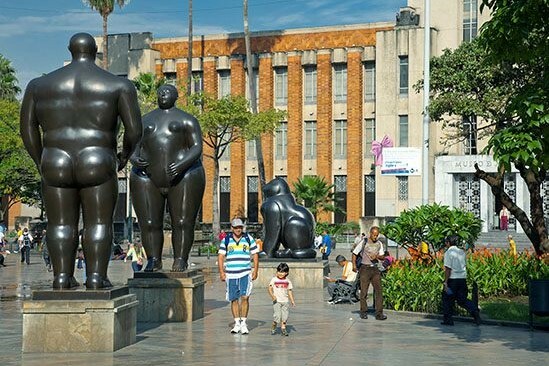
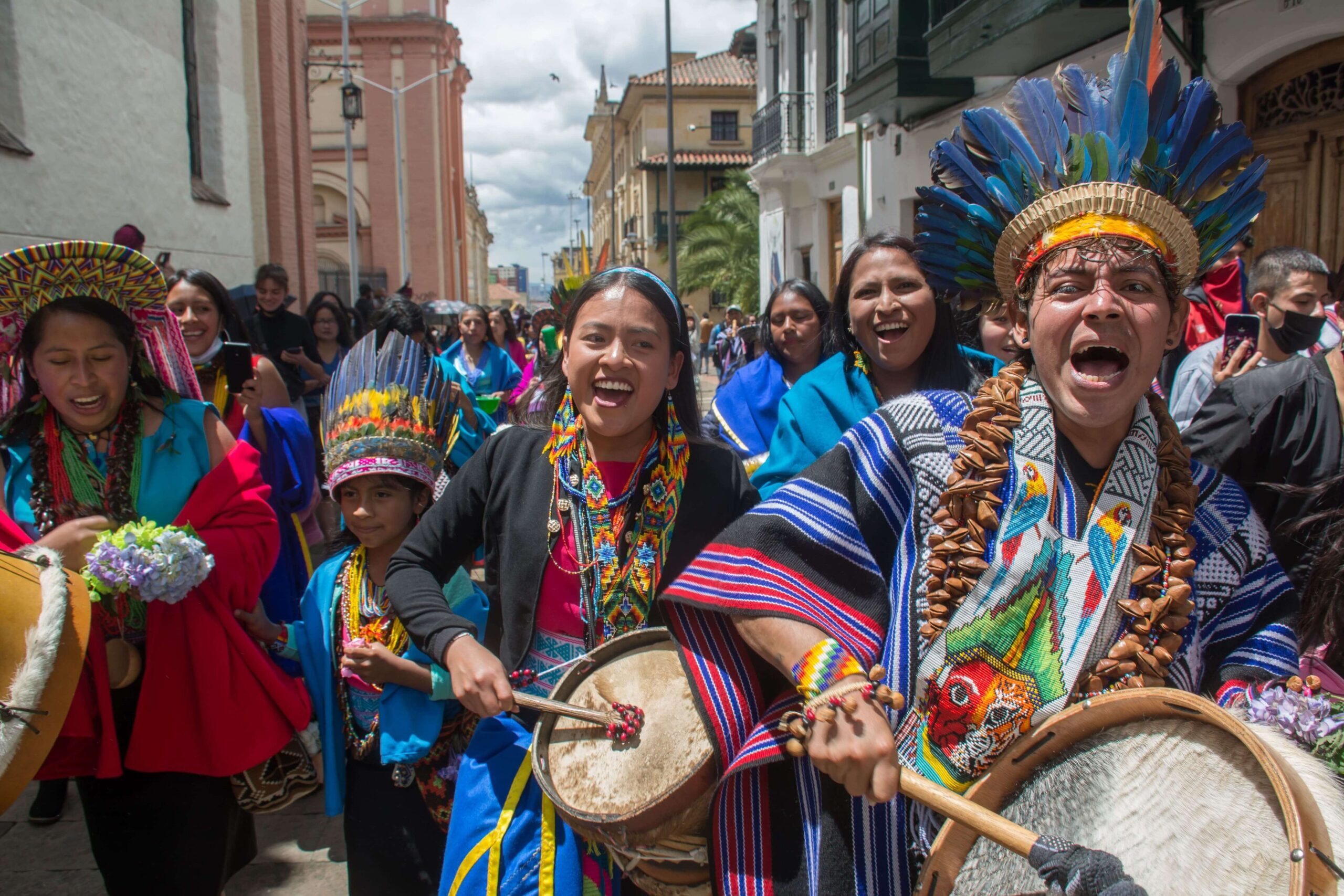
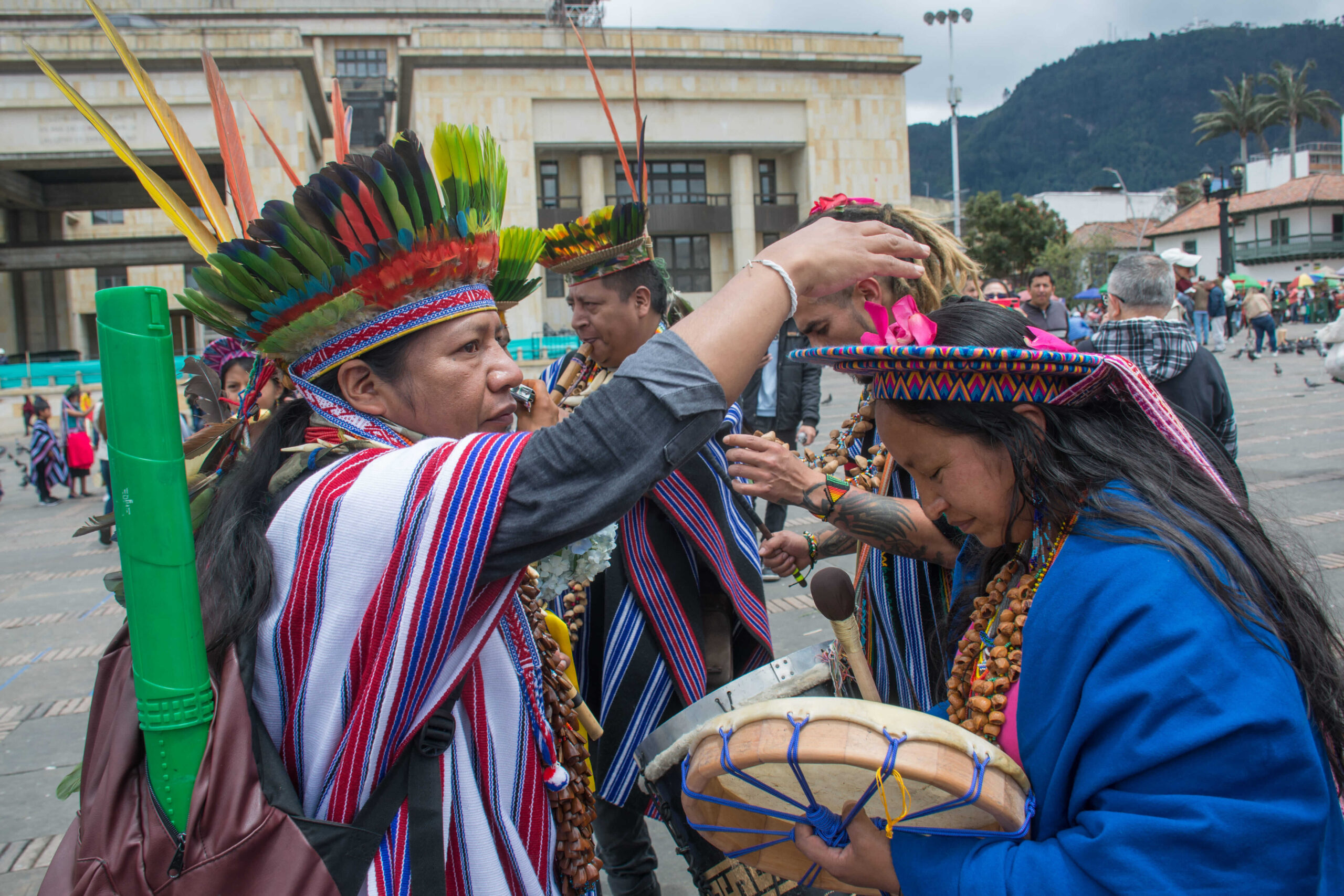
Being a blend of Spanish immigrants and indigenous people, the Paisa region has its own dialect and tone, making it unique in Colombia, headed by Medellín, Colombia's second largest city. It has a rich artistic and cultural tradition and is the birthplace of modern artist Fernando Botero.

Figure / Medellin, a place full of art and culture

Coffee carrier's leather bag - Carriel bag

“Carriel is more than just a leather bag, it protects one's most cherished belongings.”

During the period before roads were built in the Andes, coffee, important supplies and messages were carried by merchant muleteers on horses or donkeys. They often traveled over mountains and ridges for days or weeks.


There were always unexpected things happening when traveling, so they needed to have everything ready for the trip. They would carry working tools like receipts, account books, important letters; entertaining things like cigars, pipes and harmonicas; religious items such as holy statues and Bibles; a needle, a candle, a knife and even a pistol in case of unexpected events; and important items like money, jewelry, love letters and family photos.

Hence, the Carriel leather bag that could hold all their belongings. The traditional bag had 12 compartments and 5 secret inner pockets which could hold all the items during the trip and keep important collections well preserved. In the early days, it was exclusive to men, and there was a rule not to show or reveal secret inner pockets to women.

Let’s see how much a traditional Carrier can hold.
Source / Youtube


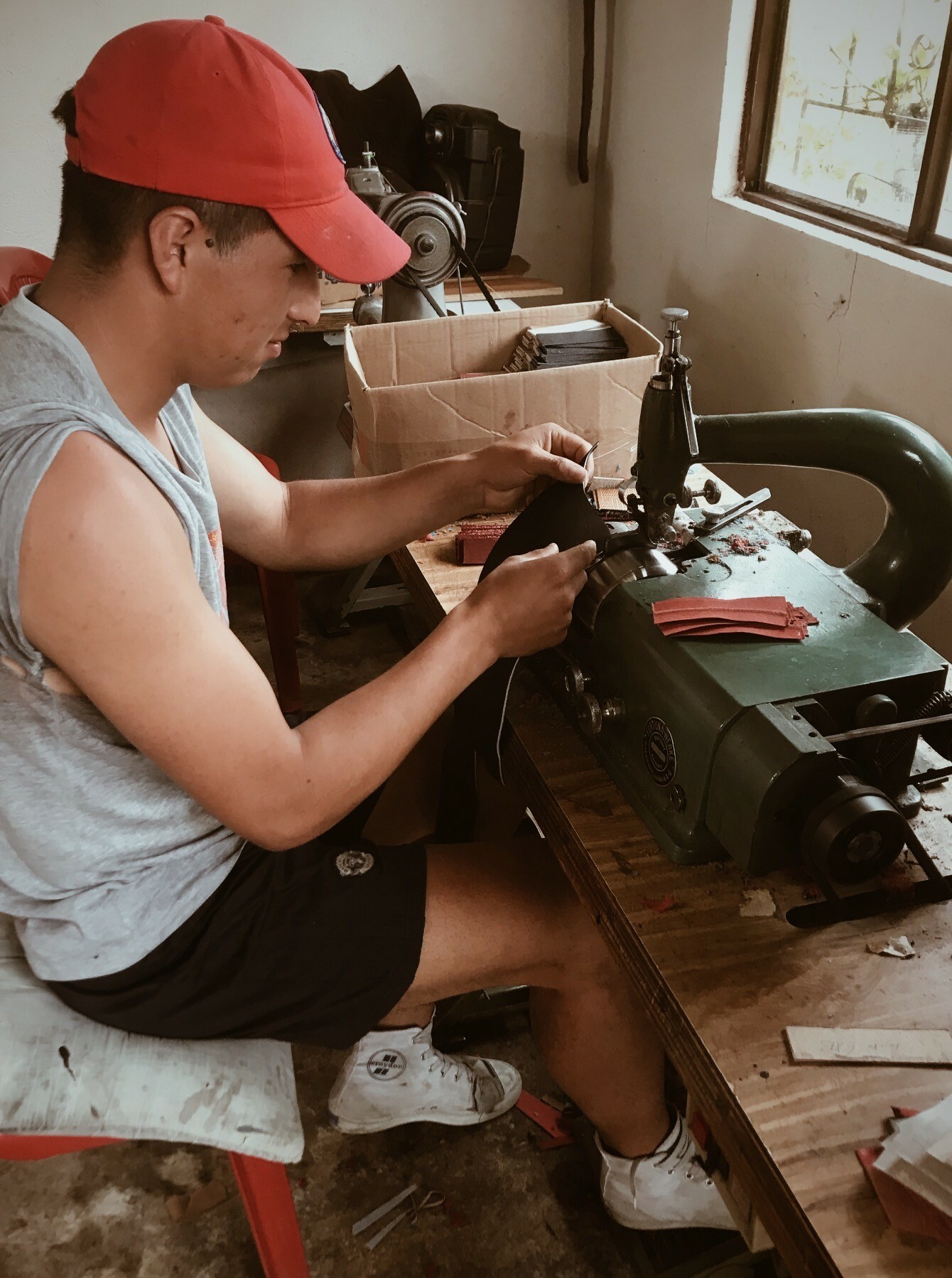
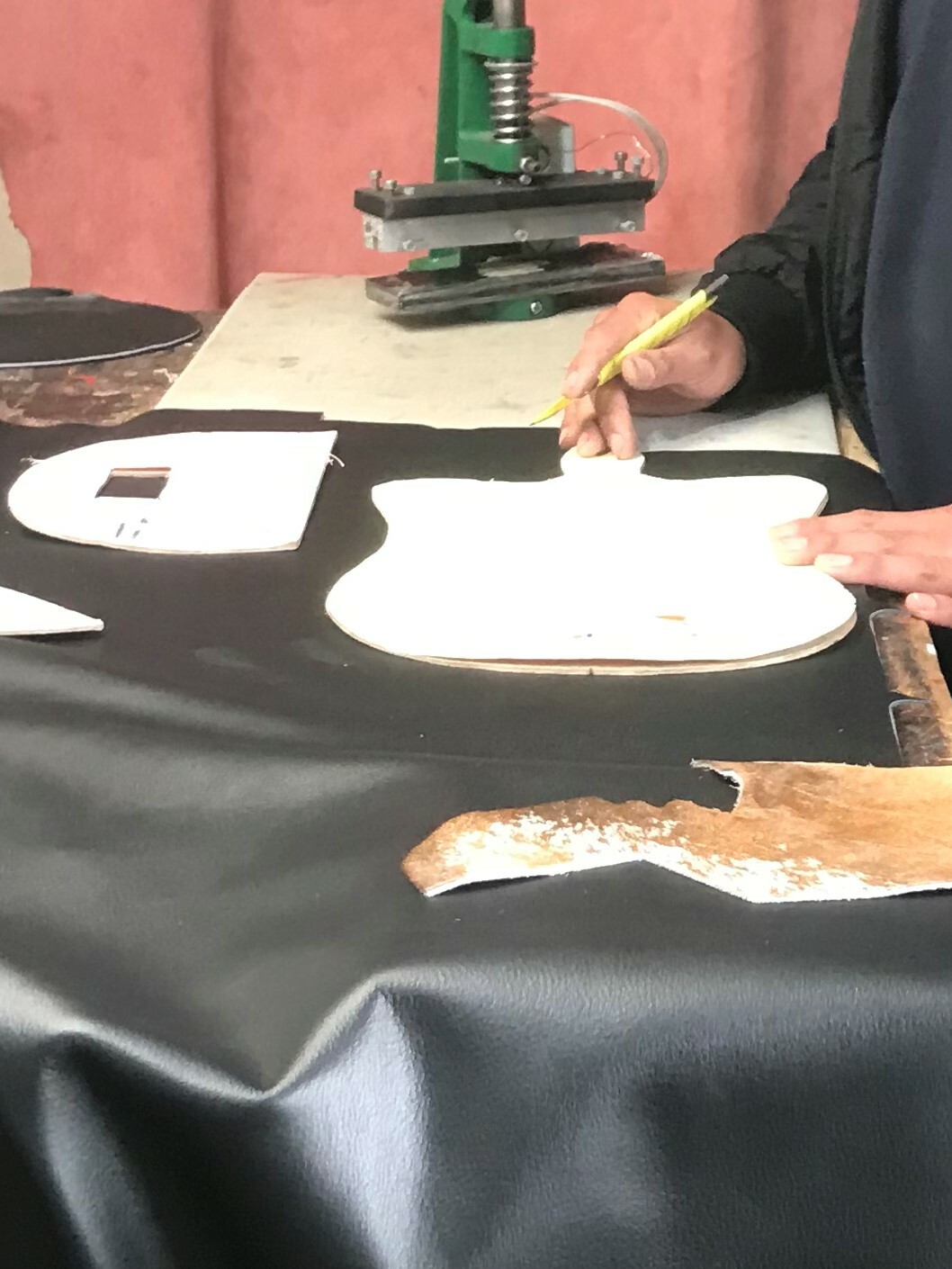
A traditional Carriel leather bag requires about 115-124 pieces of leather parts, which are sewn and assembled. In the early days, sewing machines were used to sew leather and, due to the huge demand, it is said that the whole town was always filled with the sound of sewing leather back and forth. Because of that, this kind of leather bag was also called "Guarneil", which came from the Spanish word Guarnecedora for sewing machine, and was specially made by craftsmen. The crafter was called Guarneilero and the store that specialized in selling it was called Guarneilería.


The bags would also be decorated with red, green and yellow trimmings. Red represents vitality while green symbolizes the towering forests of the Andes Mountains, imprinting local elements on the bags.

Figure / Exclusive accessories for men
Source / vivir en el poblad


Where leather is produced: Province of Nariño

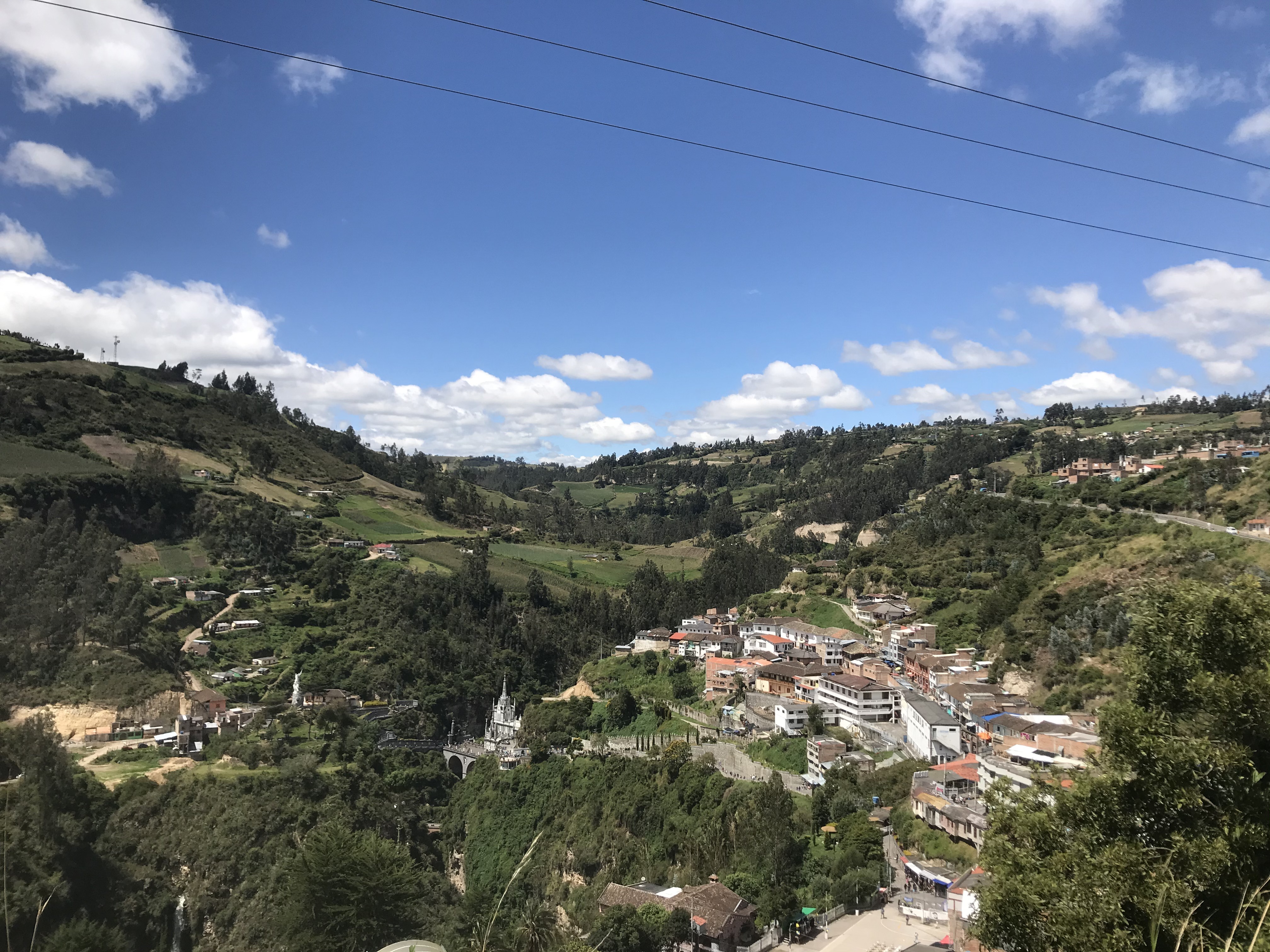
Nariño, a town in southern Colombia, is adjacent to Ecuador and is located along the Andes Mountains. The terrain is rugged and steep. In a valley with an altitude of more than 2,000 meters, it is a well-known specialty coffee production area. It is hundreds of meters higher than the average production area, and because it is close to the equator, the sunshine is stable all year round. Coffee front this area has a special flavor and aroma and has become a type of specialty coffee; it is also famous in the coffee industry with the Chinese name "Na Linglong".

Figure / Province of Nariño
Source / Cooperation Workshop


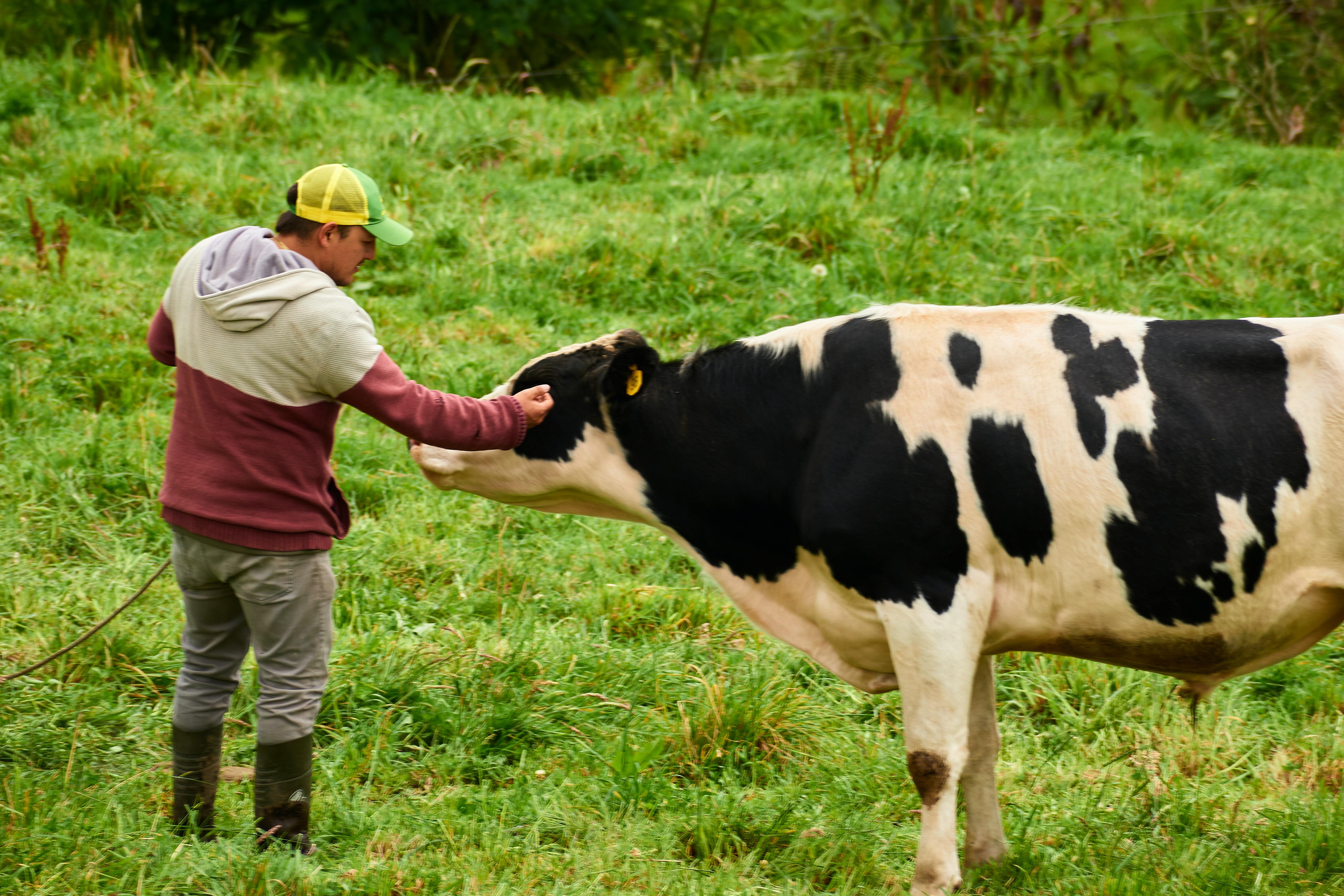
From high-altitude highlands to low-altitude grasslands, the province of Nariño has a rich landform which has also created a prosperous livestock industry. It breeds a large number of dairy cows to produce dairy products and beef for dietary use. As a result, it has developed a large leather industry, which produces high-quality leather materials. This place is known as "Little Italy".

Brand Workshop: Bomboná

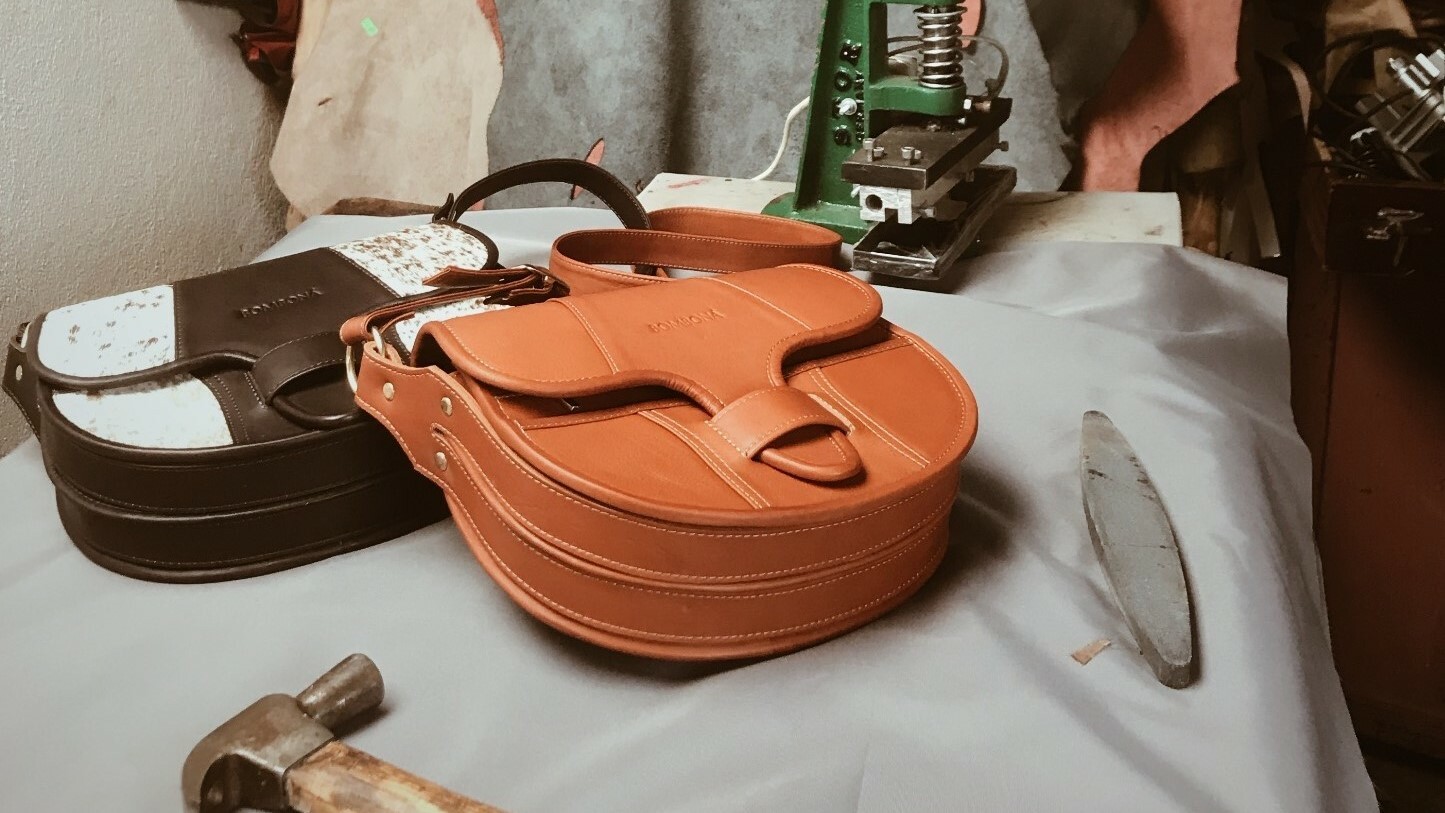
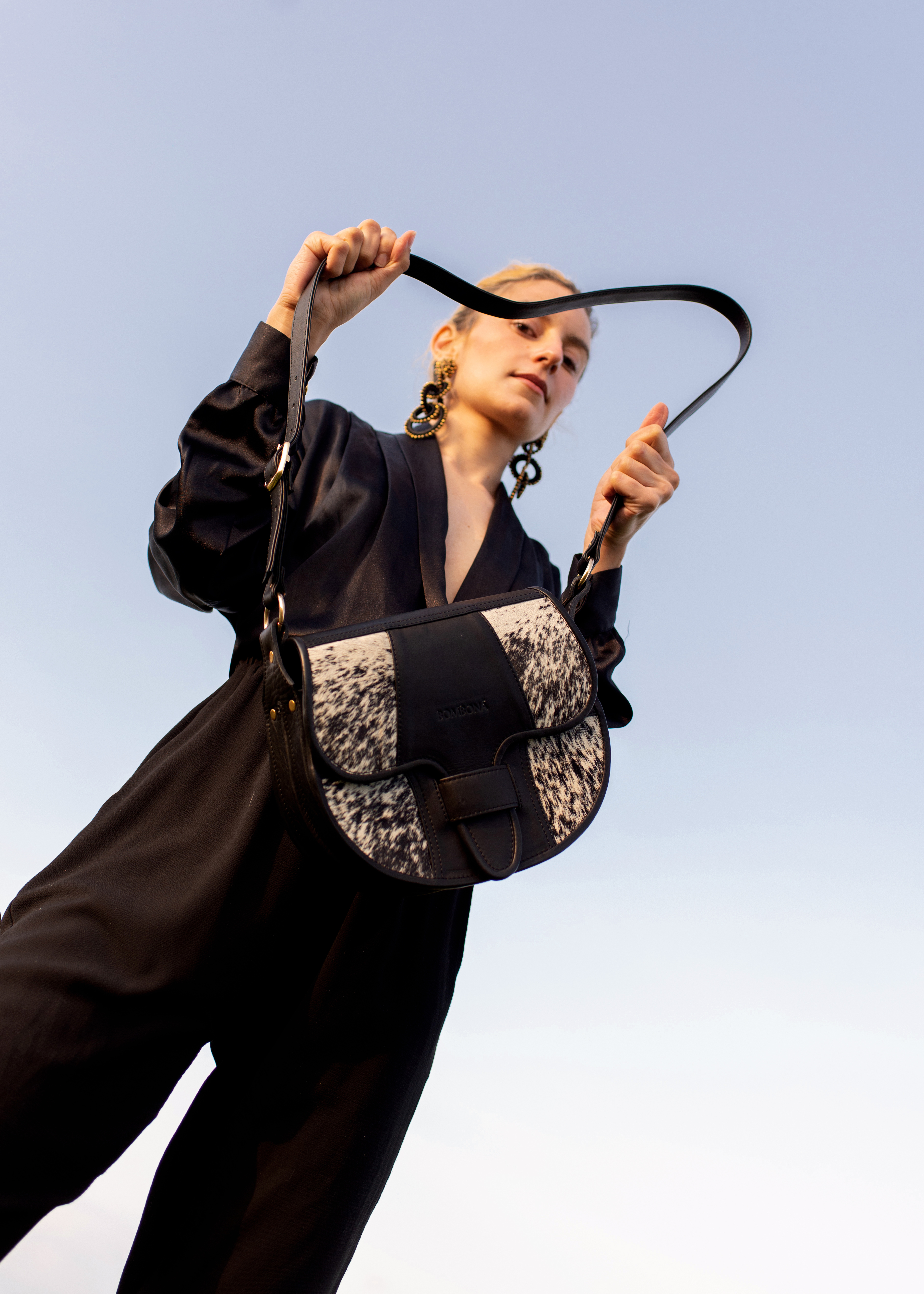
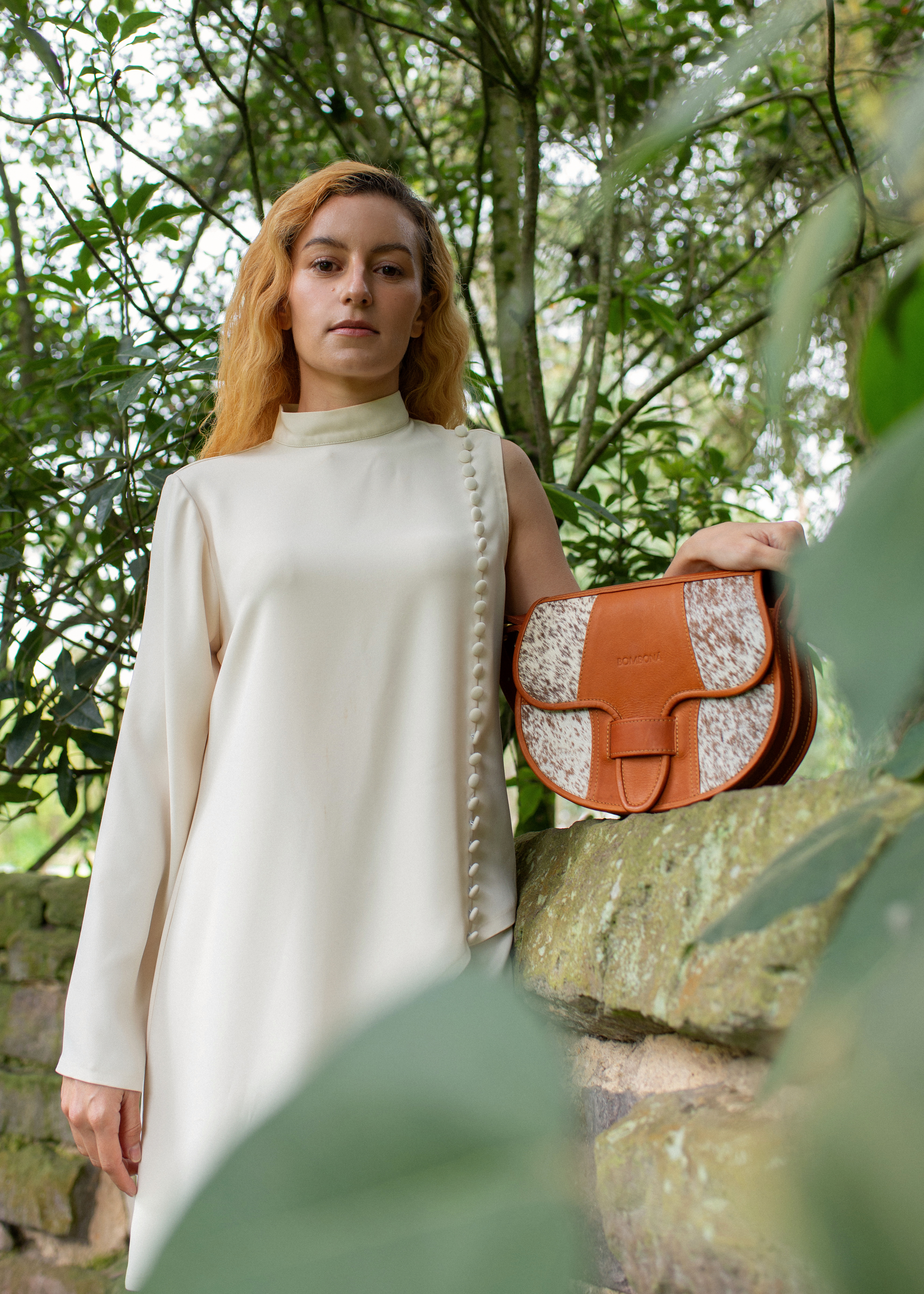
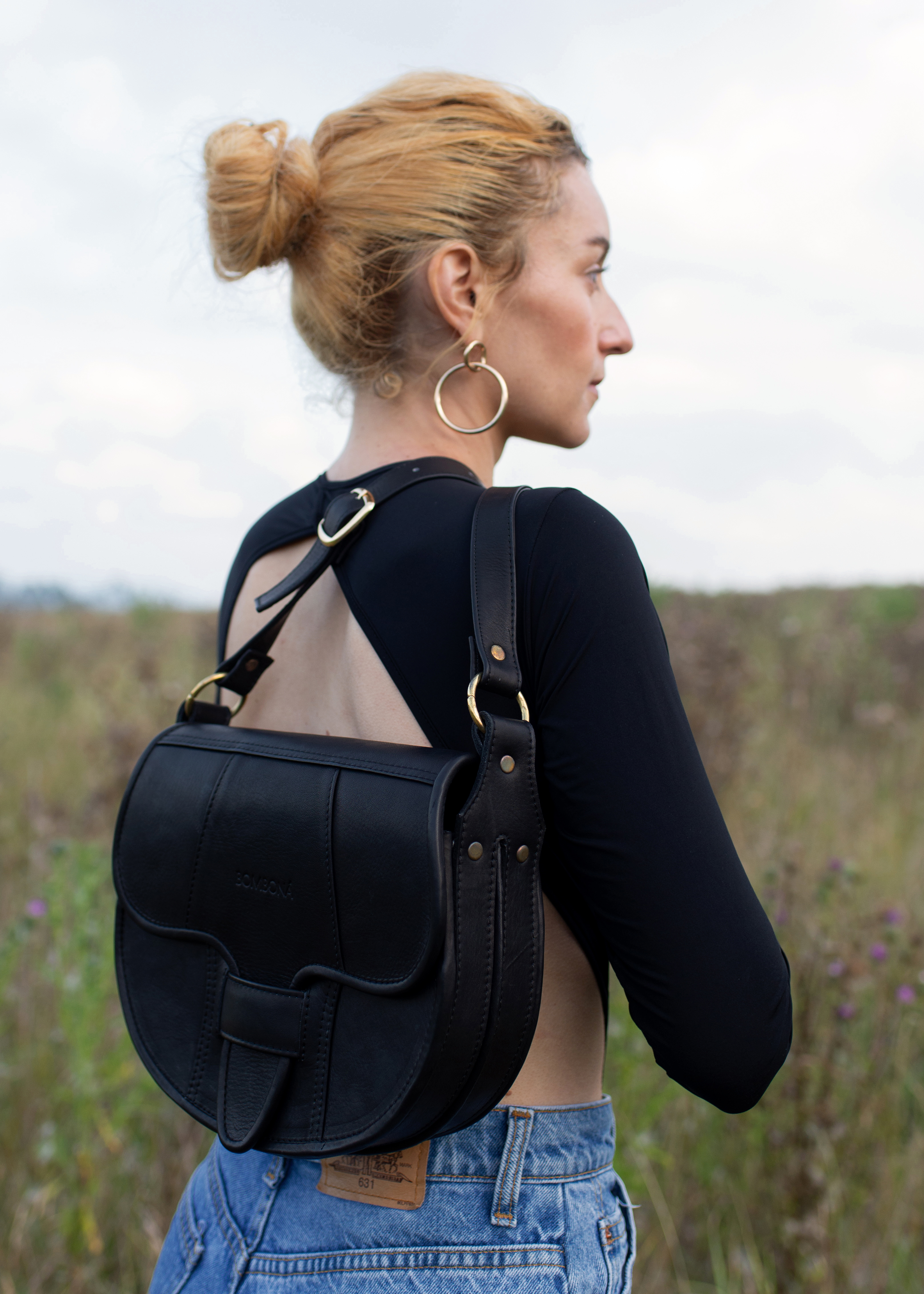
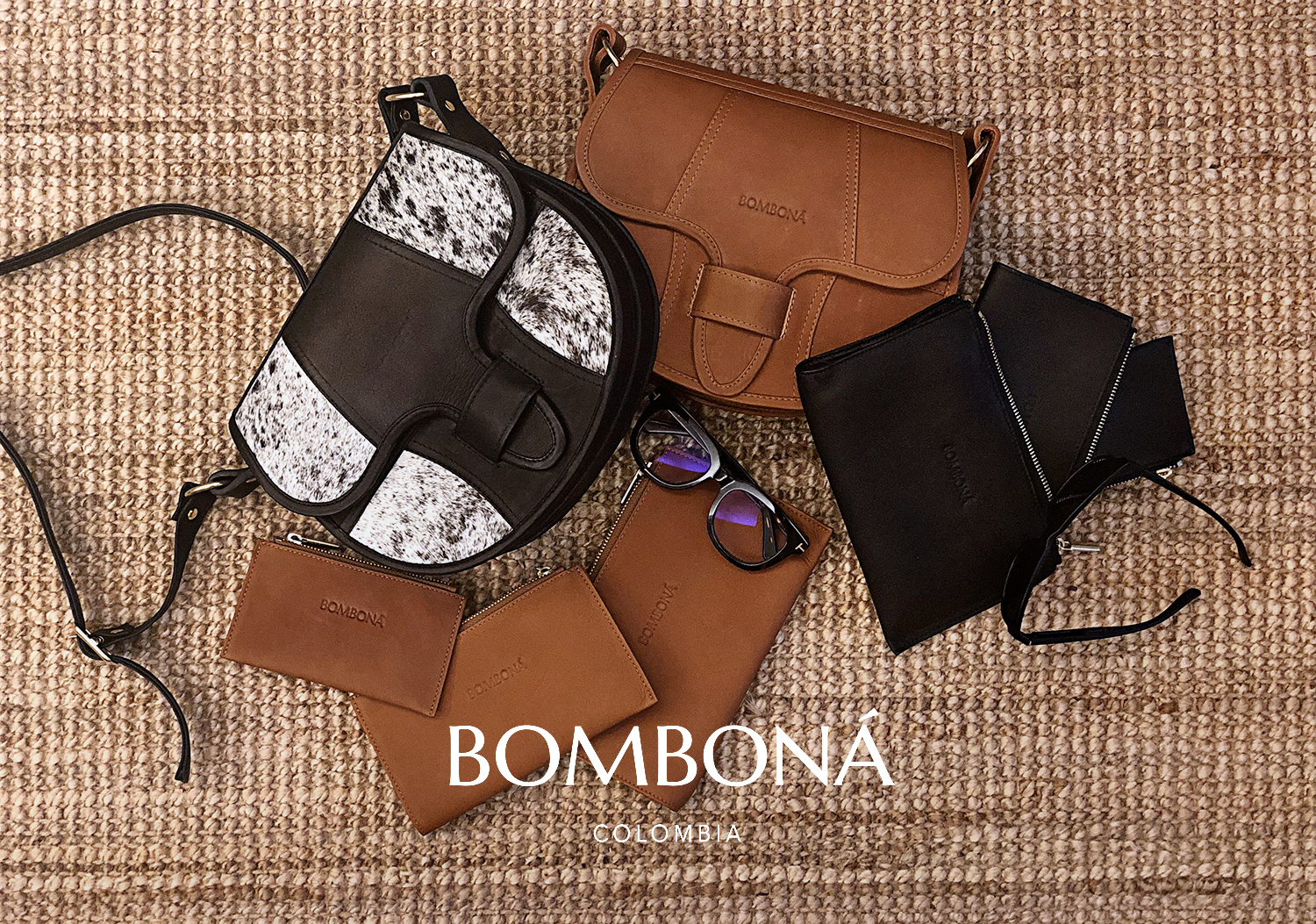
From the southern Colombian town of Nariño, the handmade leather brand Bomboná gives the century-old Carriel saddle bag a new modern look. Only the by-products of the beef cattle industry are used, and the top-grade raw leather Cowhide. Full-grain leather and Top-grain leather are selected to retain the natural original texture and become more and more beautiful after years of use.

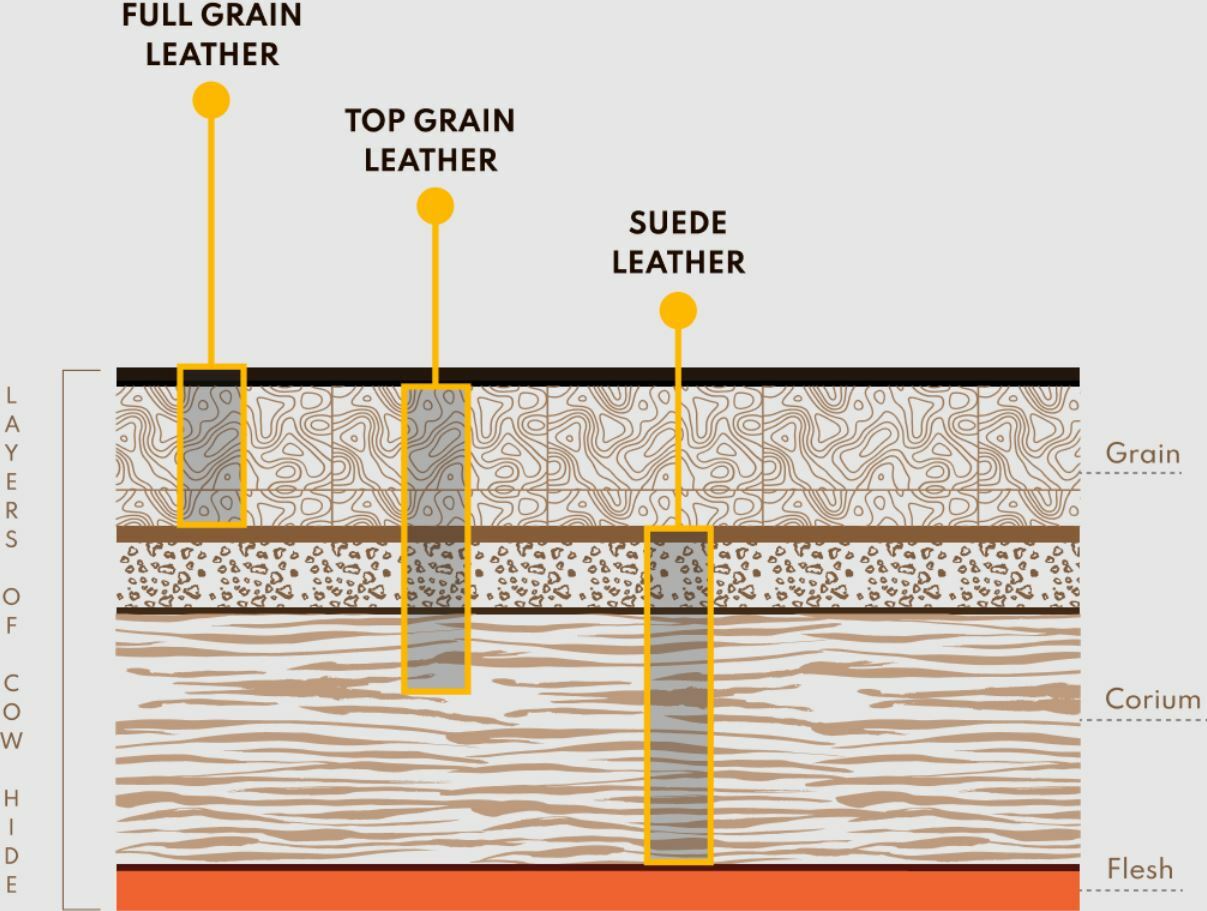
Figure / Complete layering of leather
Source / theater seat store


In fact, the so-called genuine leather also has grades. According to the parts, it can be roughly divided into "Full-grain leather", "Top grain leather" and "Split Leather". The natural sebum belt has a certain thickness. From top to bottom, it is the epidermis, silver surface layer, reticular tissue and subcutaneous tissue. The uppermost epidermis is the first layer of skin, which is the whole skin without removing the natural texture. The tissue under the epidermis is the second layer. The skin can be cut to 3-4 layers depending on the thickness.


The whole leather and the top layer of leather are solid and tough, with fine leather pores and unique growth patterns. Each piece of leather can only produce one piece of top layer of leather, which is the best part for making leather goods. The second-layer leather has rougher fibers and requires secondary processing. It is often made into bag linings, and the surface is ground and raised to make the suede we know well; some use paint and embossing to imitate the texture of the top layer of leather, so it needs to be carefully observed.


The founder, Laura, grew up in Colombia and settled in Taiwan 10 years ago. Feeling the decline of traditional leather craftsmanship, she improved the traditional saddle bag with a streamlined and elegant shape and a convenient inner bag, allowing more people to see Colombia's craftsmanship, history and culture. She also cooperated with local women to handcraft each leather bag. Carriel, which accompanies Colombian coffee farmers and businessmen, will also accompany you on every journey.

Carriel saddlebag|Colombia