{{ 'fb_in_app_browser_popup.desc' | translate }} {{ 'fb_in_app_browser_popup.copy_link' | translate }}

{{ 'in_app_browser_popup.desc' | translate }}

Your Shopping Cart is empty.
{{ (item.variation.media ? item.variation.media.alt_translations : item.product.cover_media.alt_translations) | translateModel }} {{ (item.variation.media
                    ? item.variation.media.alt_translations
                    : item.product.cover_media.alt_translations) | translateModel
                }}
{{ 'product.bundled_products.label' | translate }}
{{ 'product.bundle_group_products.label' | translate }}
{{ 'product.buyandget.label' | translate }}
{{ 'product.gift.label' | translate }}
{{ 'product.addon_products.label' | translate }}
{{item.product.title_translations|translateModel}}
{{ field.name_translations | translateModel }}
  • {{ childProduct.title_translations | translateModel }}

    {{ getChildVariationShorthand(childProduct.child_variation) }}

{{ 'product.set.open_variation' | translate }}
  • {{ getSelectedItemDetail(selectedChildProduct, item).childProductName }} x {{ selectedChildProduct.quantity || 1 }}

    {{ getSelectedItemDetail(selectedChildProduct, item).childVariationName }}

{{item.variation.name}}
{{item.quantity}}x NT$0 {{ item.unit_point }} Point
{{addonItem.product.cover_media.alt_translations | translateModel}}
{{ 'product.addon_products.label' | translate }}
{{addonItem.product.title_translations|translateModel}}
{{addonItem.quantity}}x {{ mainConfig.merchantData.base_currency.alternate_symbol + "0" }}
拉丁美洲何其大,玉米粽更是千變萬化!帶有綿密口感的墨西哥玉米粽,是以玉米粉製作而成;玻利維亞的玉米粽則走新鮮玉米直接磨碎製作的流派,更帶有玉米濃湯的香甜風味。
 
今年端午,南南與 FONDA MÉXICO 豐富墨西哥餐廳合作,推出6款玉米粽,甜鹹口味都有,還能嘗到墨西哥跟玻利維亞不同風格的玉米粽,邀您一起品嚐拉美最歷久不衰的美食傳統。

Every year during the Dragon Boat Festival you will see Zongzi rice dumpling(粽子)from all over Taiwan, competing between each other to be the best. You have the Southern zongzi, the Northern zongzi, the Hakka zongzi, the Millet zongzi, the sweet, salty and soda zongzi, etc. A large variety of them with their own special characteristics, in the small island of Taiwan.


But the Zongzi culture is not unique to Taiwan. If we zoom out to Central and South America, on the other side of the Pacific Ocean, we will find that the local “Zongzi” competition is even more dazzling. However, their Zongzi is not made of glutinous rice, but the most important local staple food: corn. This time we will introduce the “Zongzi” from Latin America, the Tamales!


Representative of Millennial Latin American Civilizations: Tamale

“Latin American Dumplings'', or Tamales (“Tamal” in Spanish, “Tamale” in English, and “Tamales” in plural) have a very long history. The word Tamal comes from the Aztec dialect in central Mexico, Nahuatl slang, meaning "steamed meat corn dumpling".


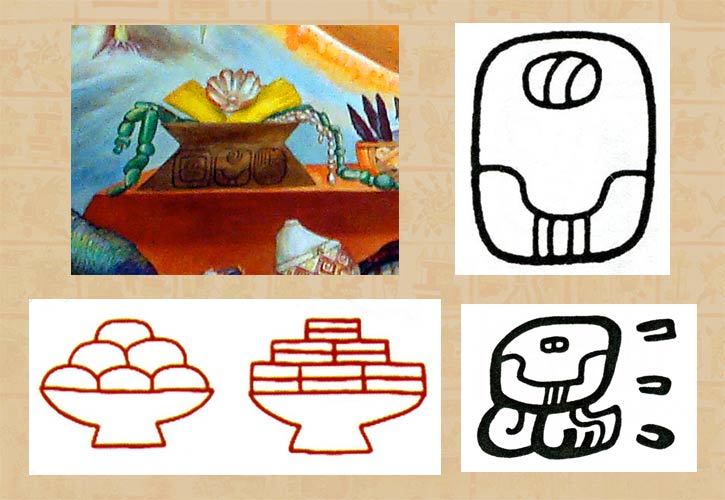
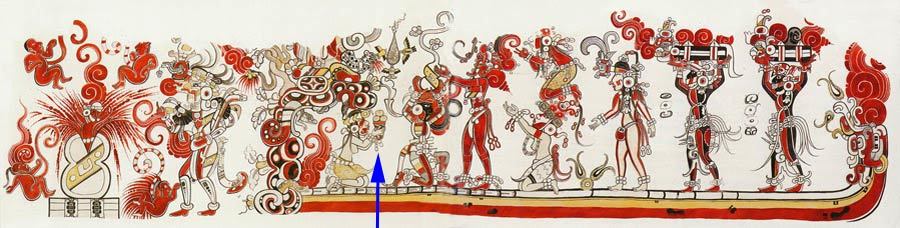
It is said to have existed in the Mayan and Aztec civilizations from 8000 to 5000 BC.In the ruins of the Mayan civilization in San Bartolo, Guatemala, along the murals, it is easy to find paintings of Tamales being presented as offerings for the gods. According to the book Encyclopedia of American Indian Contributions to the World, the Tamale is one of the oldest and most traditional American dishes in the world.


Maya depictions of tamales: Early Teotihuacan-style painted bowls (bottom left) and frescoes by Rino Lazo (top left)

Source / Mexicolore

Women offering tamales to the gods in a mural at the San Bartolo ruins in Guatemala

Source / Mexicolore; Heather Hurst Remake

Since Tamales are easy to carry, Latin American people, besides ceremonies, sacrifices and other occasions, would also take tamales with them to eat when out on a daily expedition or hunt. It can be said that Tamales represent a very important part in the lives of local people, and they also have proven to be the hometown flavor that locals miss the most. For example, in the movie "Coco", the grandmother's concern and care for the protagonist, Miguel, was directly expressed through tamales.

Latin America: The Kaleidoscopic Flavors of Tamales

Corn dumplings, a classic Central and South American dish, are made in a similar way to the well-known Zongzi in Taiwan. It is nothing more than a dough made of corn flour, water, and stuffing, wrapped with leaves and then steamed. But Latin America is really big so, if we make a comparison, Taiwan alone has developed more than five or six kinds of Zongzi flavors, so imagine the large variety of wonderful flavors that Tamales have throughout all Central and South America!

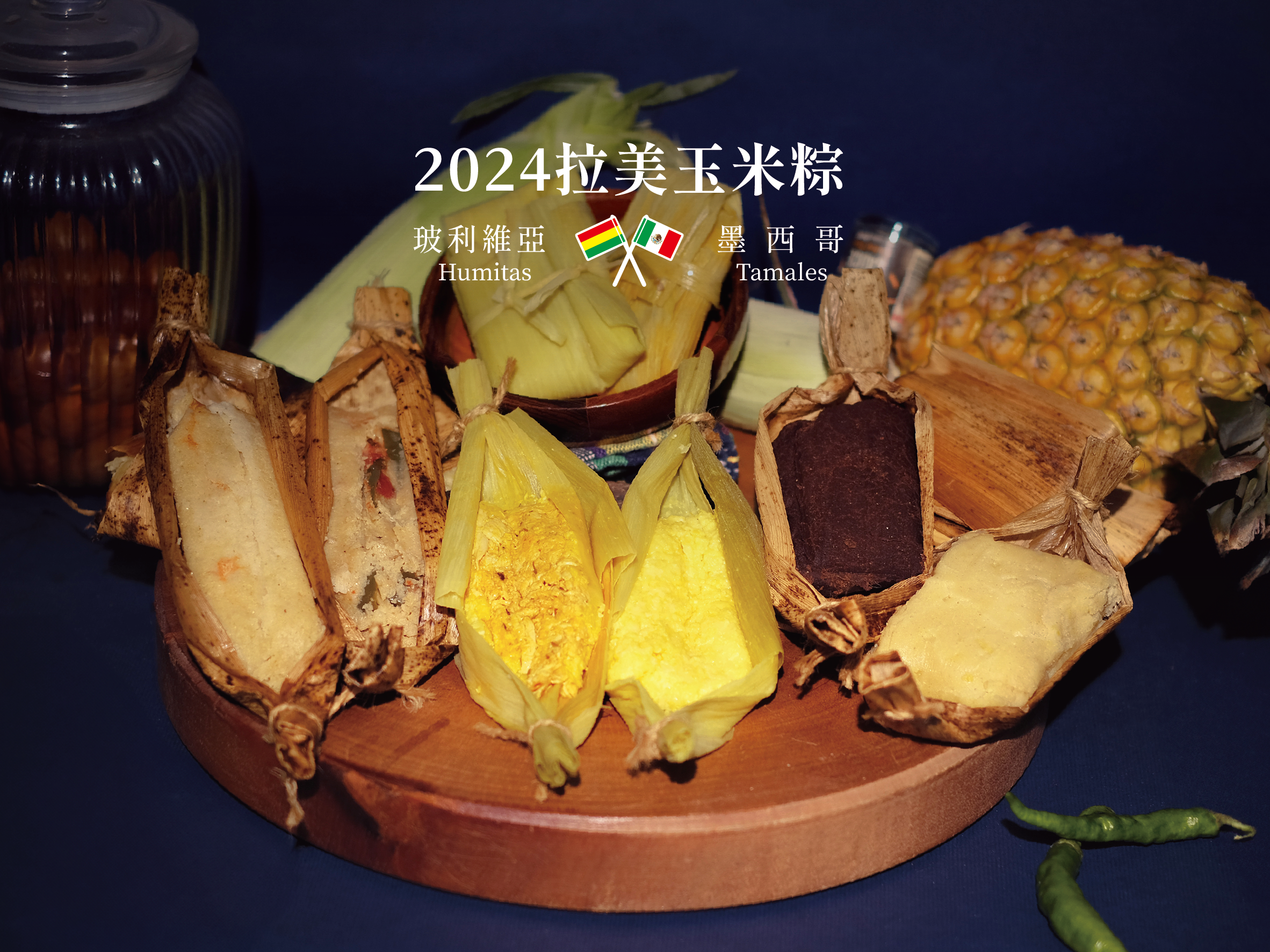
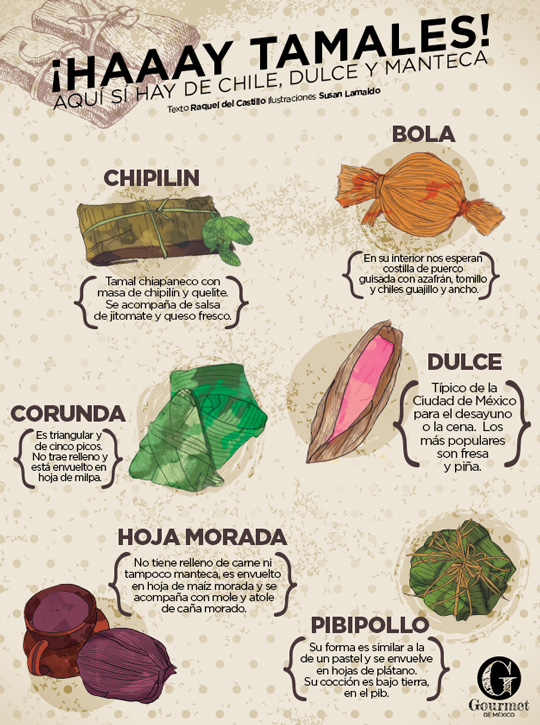
Assortment of Latin American tamales

Source / Gourmet de Mexico

Mexico - Mexico city

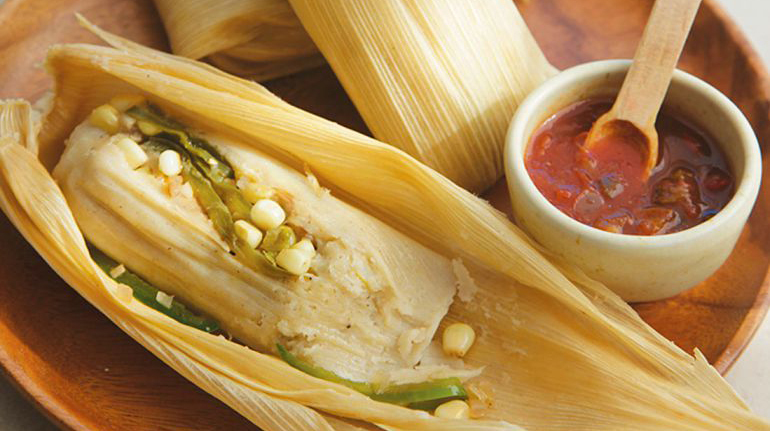
Mexican tamales are made of white corn. To make them, spread the stirred mashed corn paste in the corn tongs, put in your favorite meat, such as chicken, beef or pork, and then spread the traditional Mexican marinade (Mole) over it.  Roll it up and wrap it into a long strip, put it straight into the pot and steam it. Its corn taste and aroma is rich, and the texture is soft and powdery.  In addition to steaming and boiling, local people also roast, fry, or deep-fry them.


Every year on February the 2nd, during the Catholic Candlemas Day, the day when the Virgin Mary took Jesus to Jerusalem to pray, Mexican families make tamales and enjoy them with polenta or hot chocolate.


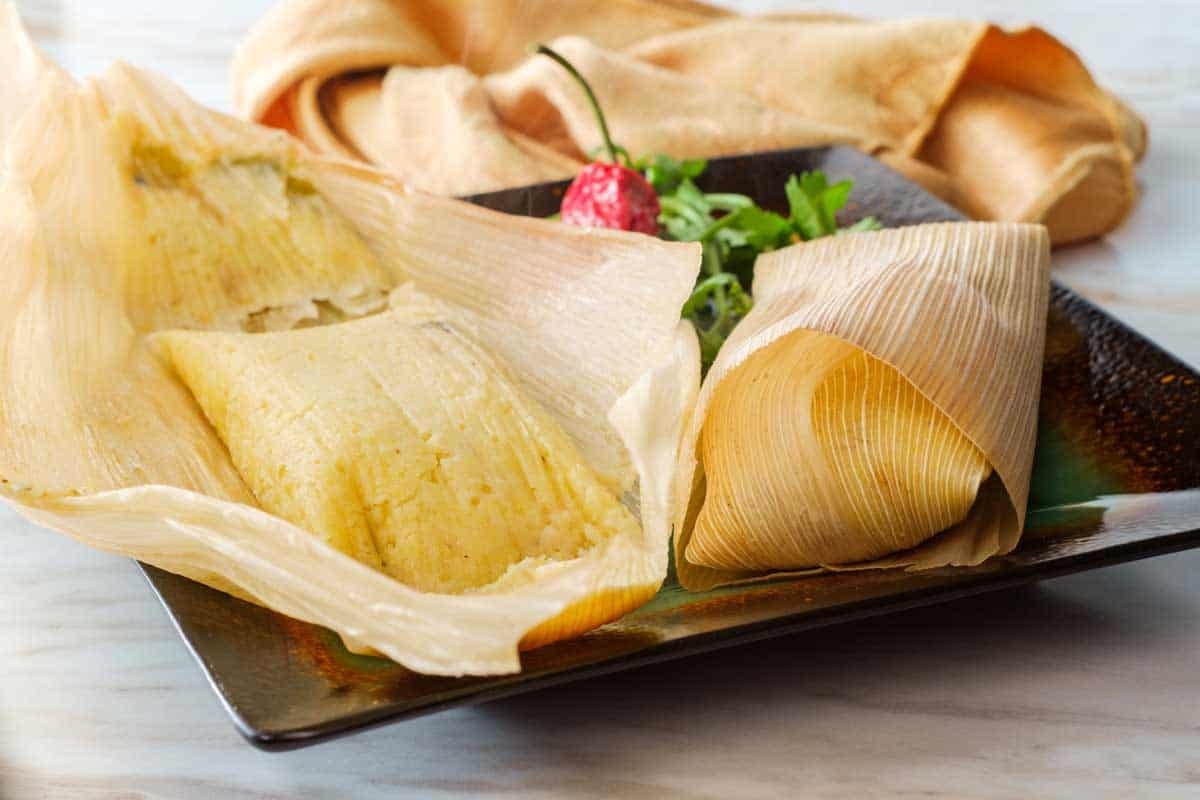
The Latin American dumplings that are common in the capital of Mexico are white and often wrapped in corn leaves
Source / W Radio

玻利維亞

玻利維亞的玉米粽稱為「巫米塔 Humita」,不像大多數的玉米粽是以玉米粉製作,玻利維亞的Humita是直接用新鮮玉米下去磨碎製作,最後包上玉米葉,因此特別帶有玉米的甜味。玻利維亞會將磨碎的玉米以茴香籽調味,並填滿名為「queso blanco」的白色乳酪;也可以加入肉桂跟葡萄乾做成甜的口味,用蒸煮或烘烤的方式加熱食用。

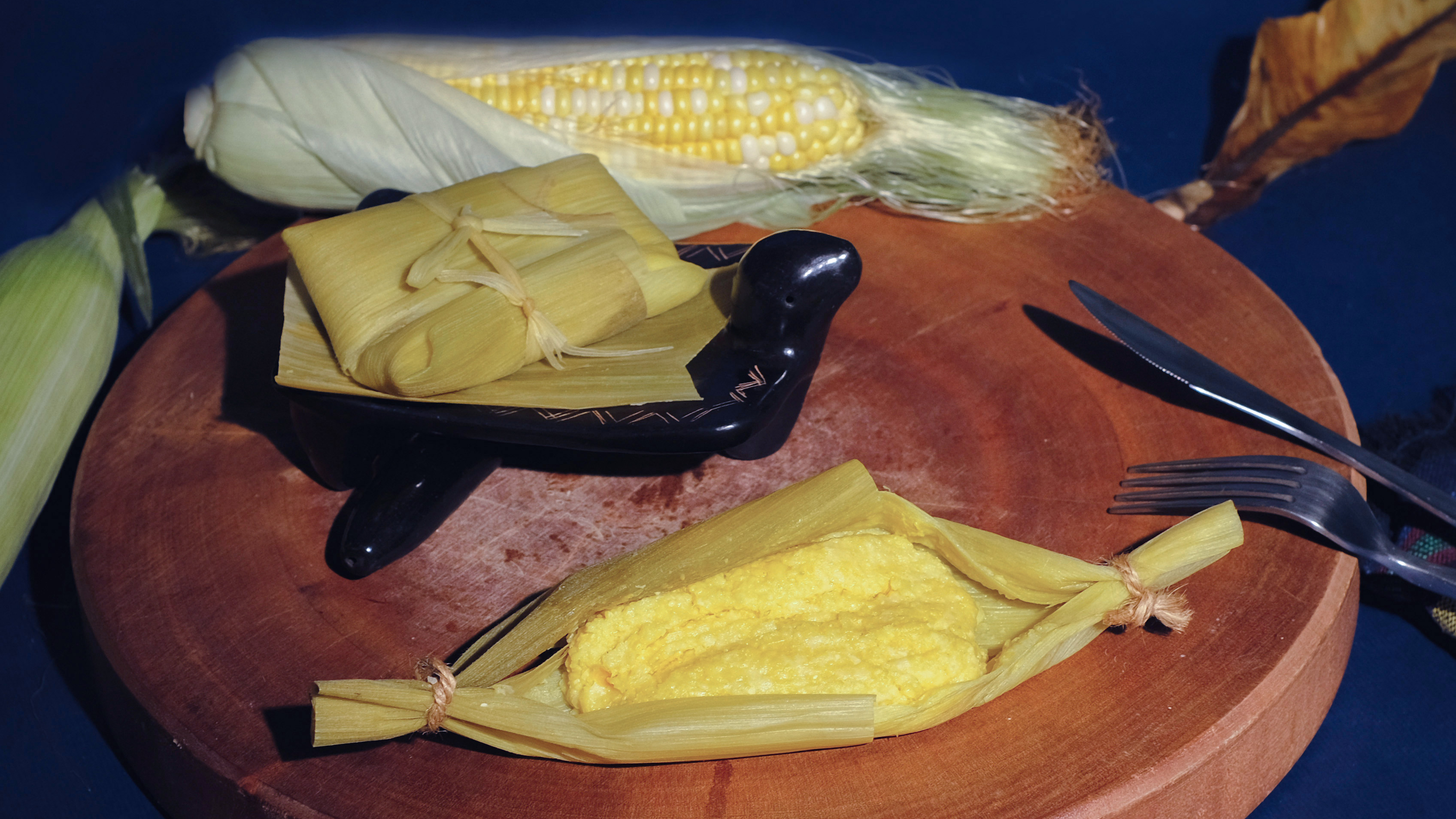
直接用新鮮玉米製作的玻利維亞Humita
來源/amigofoods

For the wrapping of the tamales, they use leaves from a variety of plants such as corn, banana, bamboo, and reed. There are no restrictions for the fillings and different preferences have been developed according to the countries and regions.


Whether it is sweet or salty, the fillings can be filled with meat, cheese, fruits, vegetables, peppers, etc.; and according to the different eating habits and dialects of different places, there are different nicknames for the tamales. For example, in Peru and Bolivia, they are divided into "Tamal" and "Humita" according to the variety of corn, in Venezuela they call them “Yaka Hallaca", in Honduras the tamales without meat are called "Montuca", in Nicaragua they have the "Nacatamal", and so on. 


The following is an introduction to the representative tamales in several Central and South American countries.

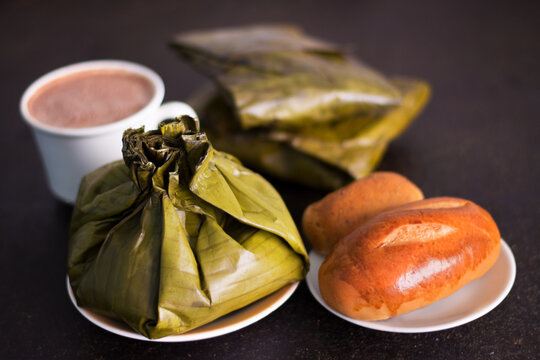
Colombian tamales are the closest in shape to Taiwanese tamales. The local way of eating them is to serve them with a cup of hot cocoa.

Source / Adobe Stock

All these various tamales have gone through thousands of years of history. In fact, there is no specific recipe and packaging method for them, just like the Latin American laid-back enthusiastic culture. And even people are in the same country and the same city, the way they eat the corn dumplings also has infinite possibilities.

SouSou’s Food Store|Latin American Corn Dumpling

In order to search and promote the world's southern cuisine in Taiwan, SouSou Corner has cooperated with two well-known Latin American restaurants, Mama Inca Peruvian Restaurant and Teotihuacan Mexican Cuisine Restaurant, and launched a total of 4 kinds of tamales from Peru and Mexico during the Dragon Boat Festival.

Mama Inca, a Peruvian restaurant located in the alleys of Da’an District, the storefront has a warm Latin American style

Source / SouSou Corner

Mama Inca is one of the few restaurants in Taiwan that specializes in Peruvian cuisine.


The word "Inca" originated from an ancient civilization in Peru and expresses the origin of everything. "Mama" represents Mother Earth, providing nutrients to all things. Together, the "Mama Inca" tries to convey the  connection between local culture and food of Peru.


The owner and chef Jose is from Cuzco, a thousand-year-old city in Peru and the birthplace of the ancient Inca civilization. When the Taiwanese proprietress was traveling in Peru, more than ten years ago, she met Jose by chance and formed a relationship. The two came back to Taiwan to join hands and co-found this restaurant in 2016.

The tamales made by Chef Jose come from the local taste of Cusco - Peru, where he inherited his mother’s craftsmanship and memories of his hometown. He uses corn flour, mild Peruvian hot sauce, pork, onions, eggs and other fillings, to then put the mix inside fresh banana leaves that will overflow with aroma after steaming. It is a local version full of family flavor. In addition to the orthodox salty rice tamale, he also developed a sweet corn rice dumpling that combines cocoa, cloves and milk. 

Let's try the wonderful taste of the collision of cocoa and corn!

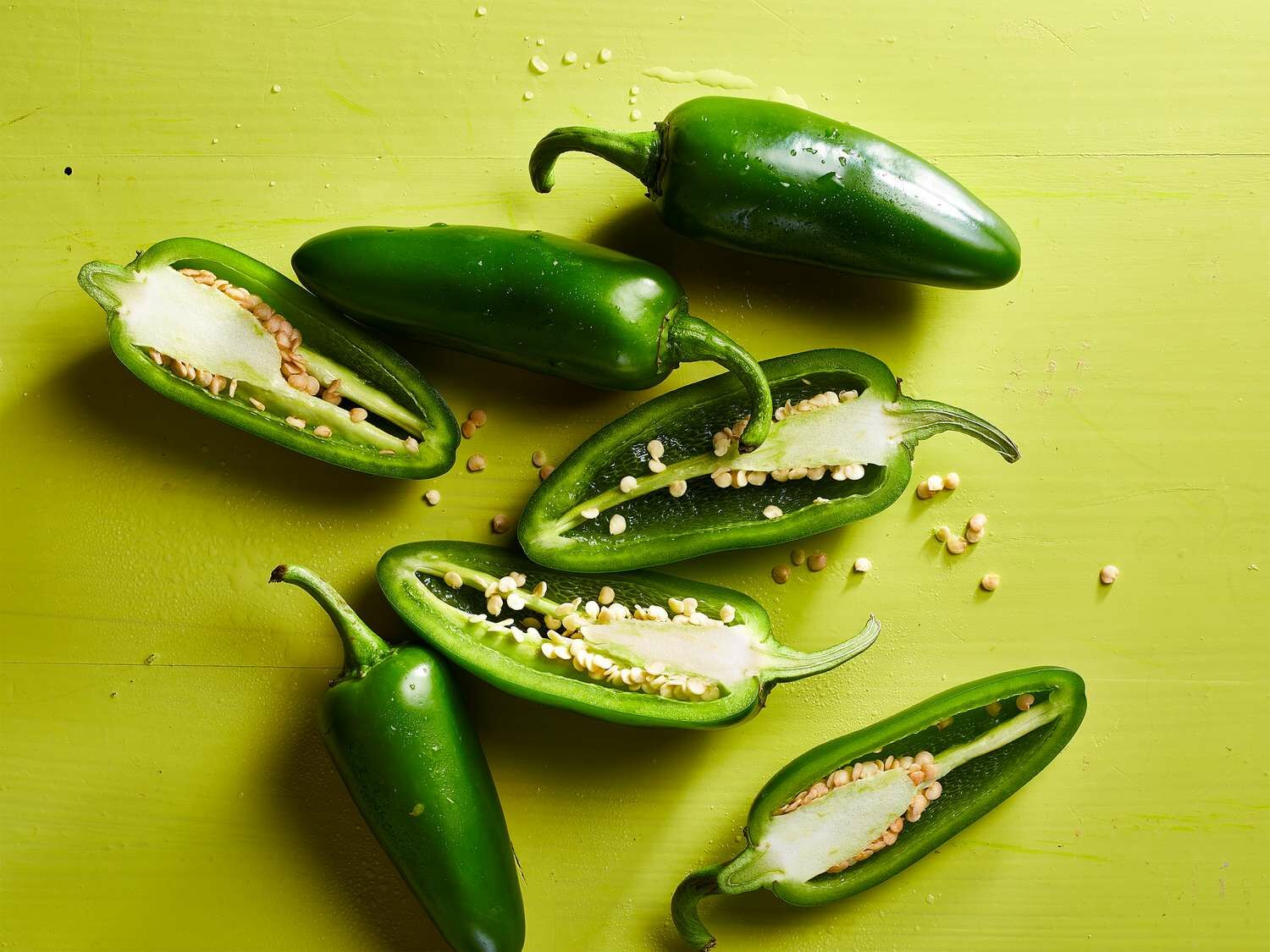
Jalapeño辣椒辣度界於微辣跟中辣間,生吃、火烤或醃漬皆宜
來源/allrecipes

Peruvian Tamales - Pork

Ingredients|Pork, Egg, Onion, Red Pepper, Cornmeal, Salt, Unsalted Butter, Cumin, Pepper, Oregon Leaves, Peruvian Hot Sauce

Weight|About 200g/piece

Peruvian Tamales - Cocoa

Ingredients|Corn flour, unsalted butter, cinnamon, cloves, milk, sugar, condensed milk, chocolate sauce, dried mangoes, raisins

Weight|About 200g/piece

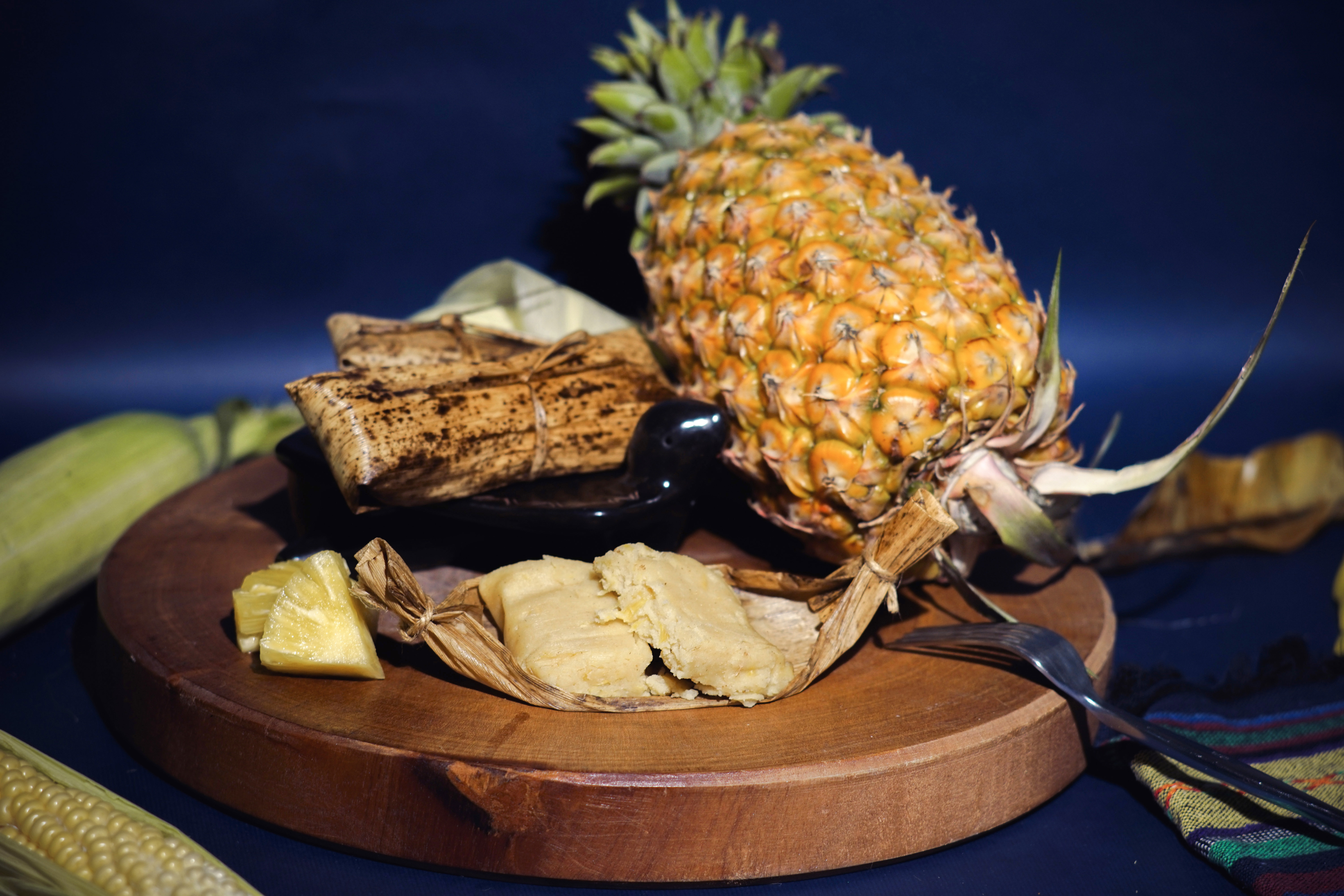
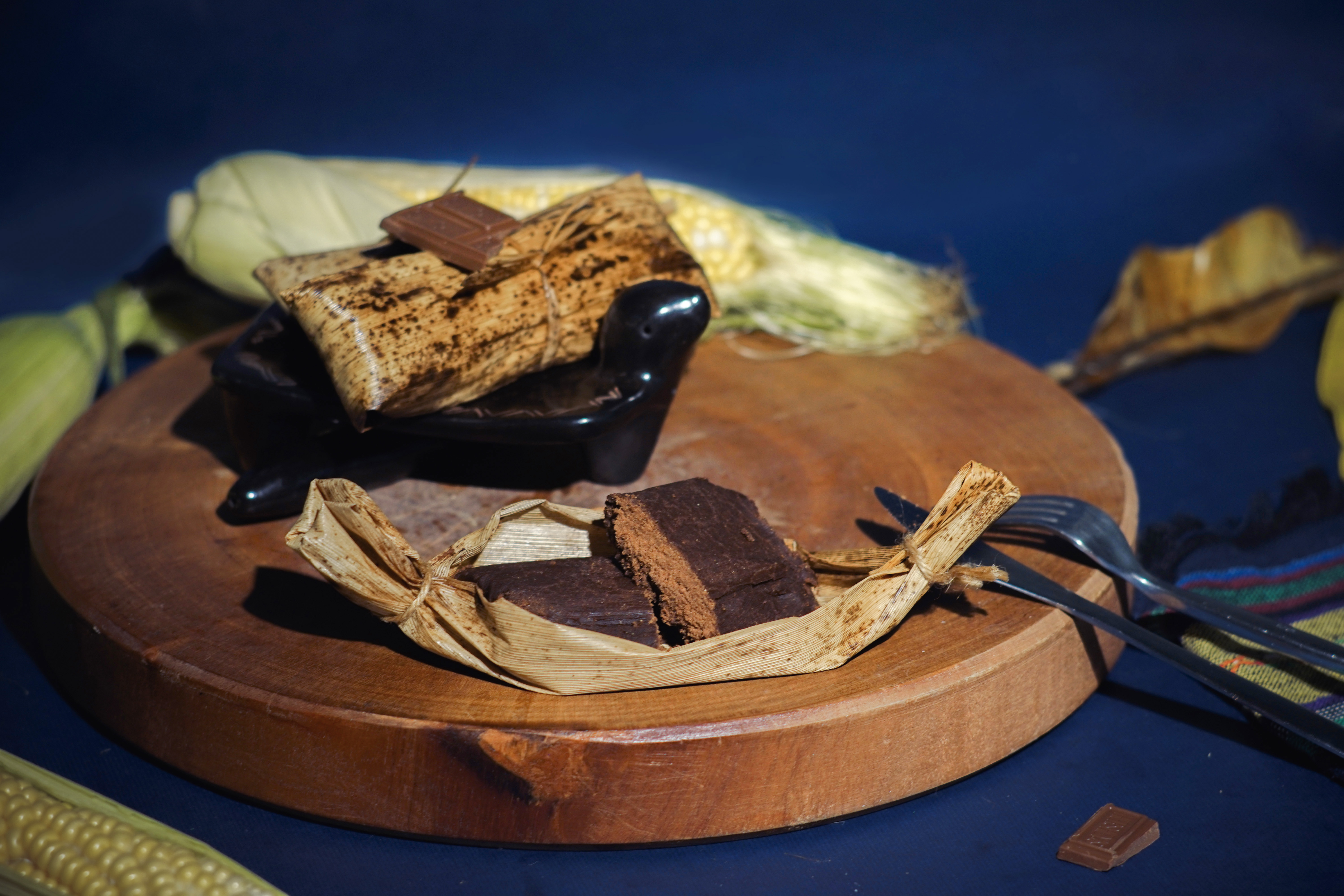
鳳梨玉米粽以新鮮的鳳梨入內,使玉米粽軟嫩的口感中,時而夾雜鳳梨的果肉纖維,每一口皆能嚐到玉米及鳳梨的香氣,清爽不甜膩。可可玉米粽採完美比例調和可可粉及玉米粉,使粽體本身呈可可色,口感軟糯,可可甜度適中、香醇濃郁。

墨西哥玉米粽 - 鳳梨

  • 成分|奶油、玉米粉、在來米粉、泡打粉、糖、雞蛋、鳳梨、竹葉
  • 重量|約 150g /顆

墨西哥玉米粽 - 可可

  • 成分|奶油、玉米粉、在來米粉、泡打粉、糖、雞蛋、可可粉、竹葉
  • 重量|約 150g /顆

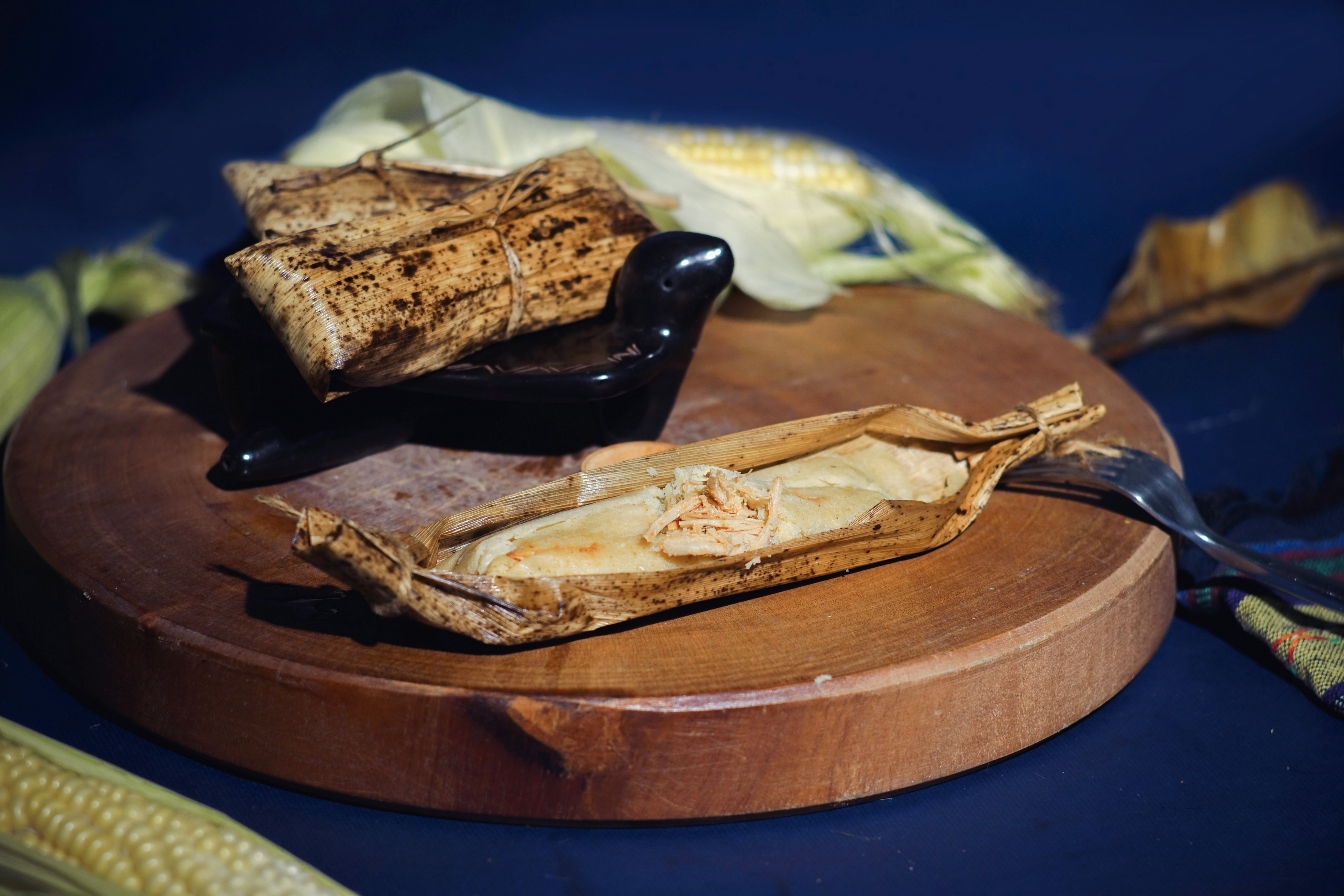
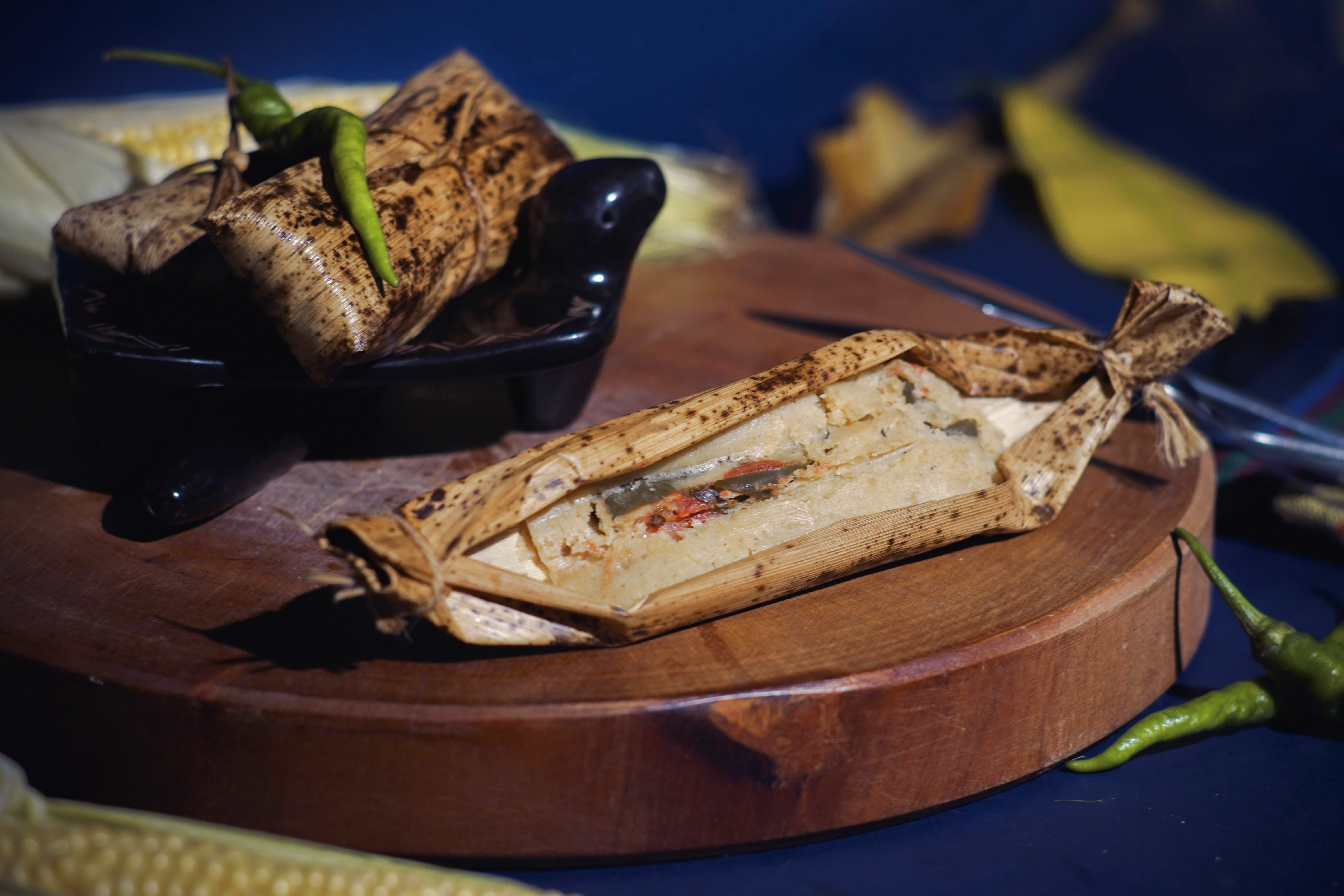
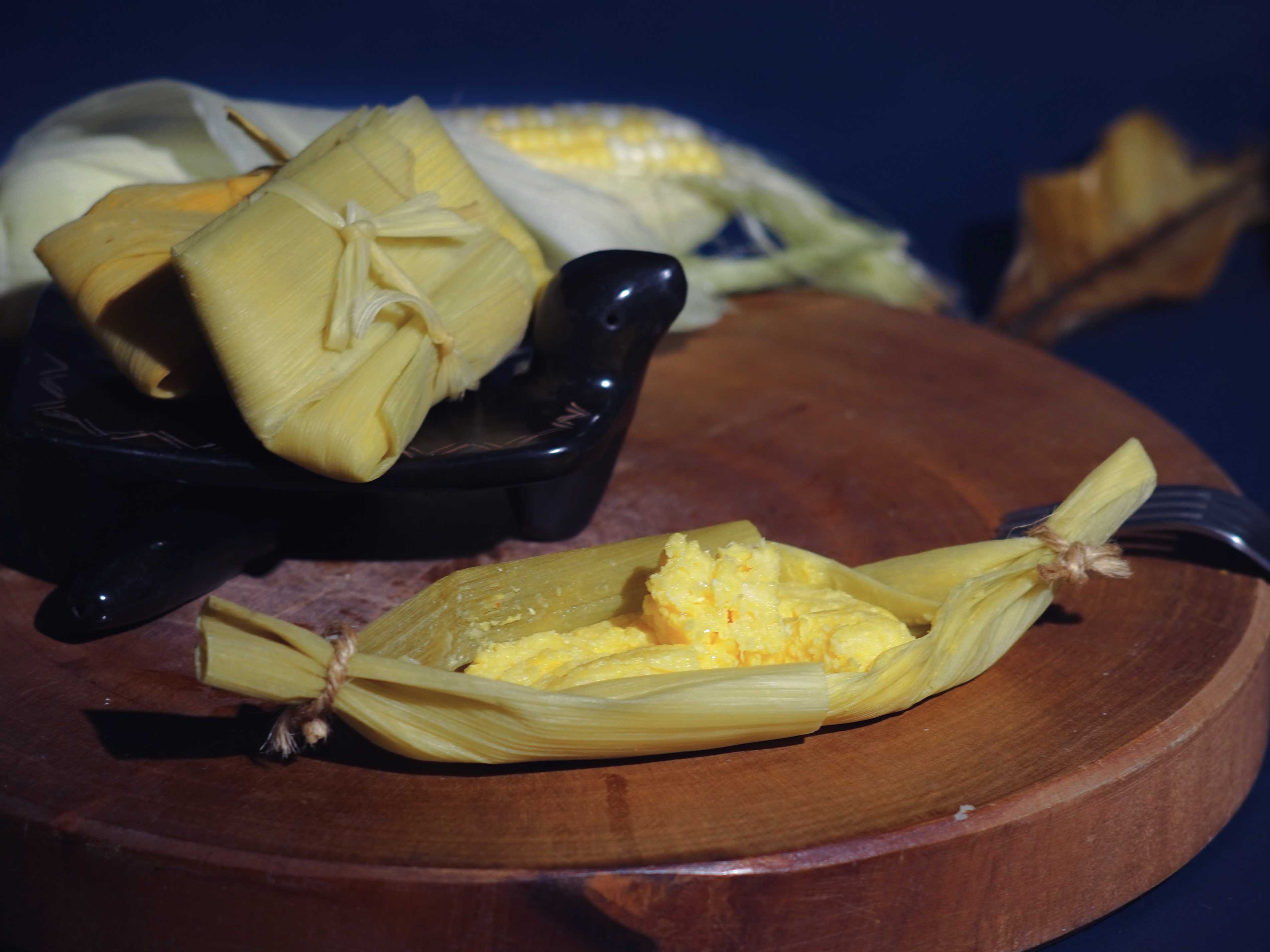
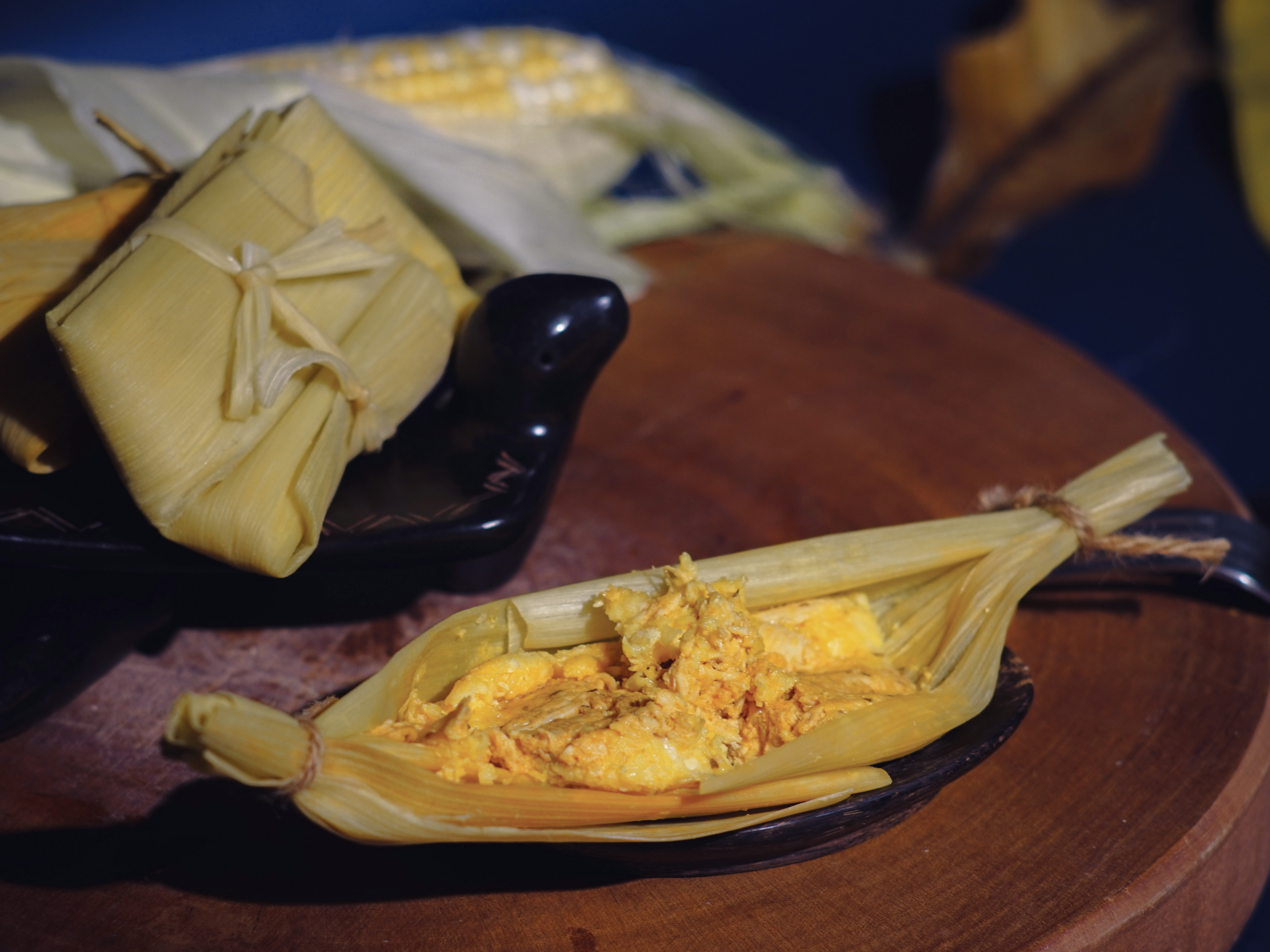
吃過墨西哥玉米粽的朋友們,這次來試試玻利維亞的Humita玉米粽吧!直接用新鮮玉米下去磨碎製成的Humita,更吃得到玉米本身的甜味,主廚製作了起司雞肉兩種口味,後者加入蒔蘿、小茴香、黑胡椒等香料,淡淡的紅色來自天然的胭脂樹(achiote),最後包上玉米葉,可用蒸煮或烘烤的方式加熱食用。

玻利維亞玉米粽 - 起司

  • 成分|新鮮玉米泥、起司絲、鹽、沙拉油、玉米葉
  • 重量|約 150g /顆

玻利維亞玉米粽 - 雞肉

  • 成分|新鮮玉米泥、雞肉、洋蔥、蒔蘿、小茴香、黑胡椒、天然胭脂紅(achiote)、鹽、沙拉油、玉米葉
  • 重量|約 150g /顆

South America|Tamales

|Recommended ways to eat

  • Add ½cup of water to the outer pot of the electric cooker and heat it up for 10 minutes. Then, enjoy!
  • Best eating period: within a week of receipt

|Order Shipping Instructions

  • Family Mart frozen store arrival ($160), must be picked up within five days after arriving at the store
  • SouSou Concept Store Self-pickup: Every Wednesday to Sunday 12:00-20:00 (please inform the self-pickup time in advance)
  • Use ATM to pay, please complete the transfer on the day of order to facilitate production and shipment
  • Food delivery is non-refundable
 

No product in this category

Other South Cuisine