{{ 'fb_in_app_browser_popup.desc' | translate }} {{ 'fb_in_app_browser_popup.copy_link' | translate }}

{{ 'in_app_browser_popup.desc' | translate }}

Your Shopping Cart is empty.
{{ (item.variation.media ? item.variation.media.alt_translations : item.product.cover_media.alt_translations) | translateModel }} {{ (item.variation.media
                    ? item.variation.media.alt_translations
                    : item.product.cover_media.alt_translations) | translateModel
                }}
{{ 'product.bundled_products.label' | translate }}
{{ 'product.bundle_group_products.label' | translate }}
{{ 'product.buyandget.label' | translate }}
{{ 'product.gift.label' | translate }}
{{ 'product.addon_products.label' | translate }}
{{item.product.title_translations|translateModel}}
{{ field.name_translations | translateModel }}
  • {{ childProduct.title_translations | translateModel }}

    {{ getChildVariationShorthand(childProduct.child_variation) }}

{{ 'product.set.open_variation' | translate }}
  • {{ getSelectedItemDetail(selectedChildProduct, item).childProductName }} x {{ selectedChildProduct.quantity || 1 }}

    {{ getSelectedItemDetail(selectedChildProduct, item).childVariationName }}

{{item.variation.name}}
{{item.quantity}}x NT$0 {{ item.unit_point }} Point
{{addonItem.product.cover_media.alt_translations | translateModel}}
{{ 'product.addon_products.label' | translate }}
{{addonItem.product.title_translations|translateModel}}
{{addonItem.quantity}}x {{ mainConfig.merchantData.base_currency.alternate_symbol + "0" }}
Weaving: A legacy passed down through generations


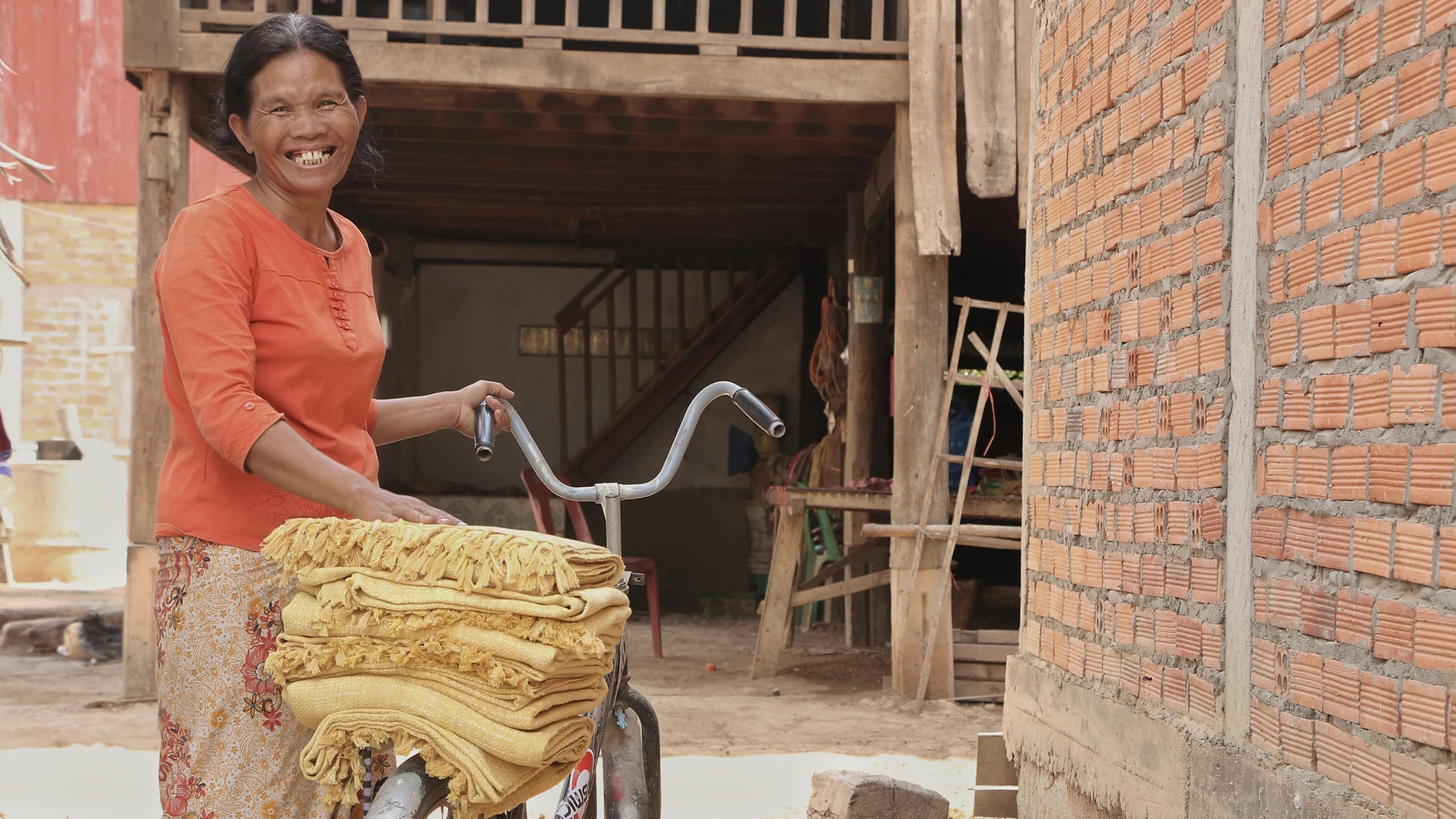
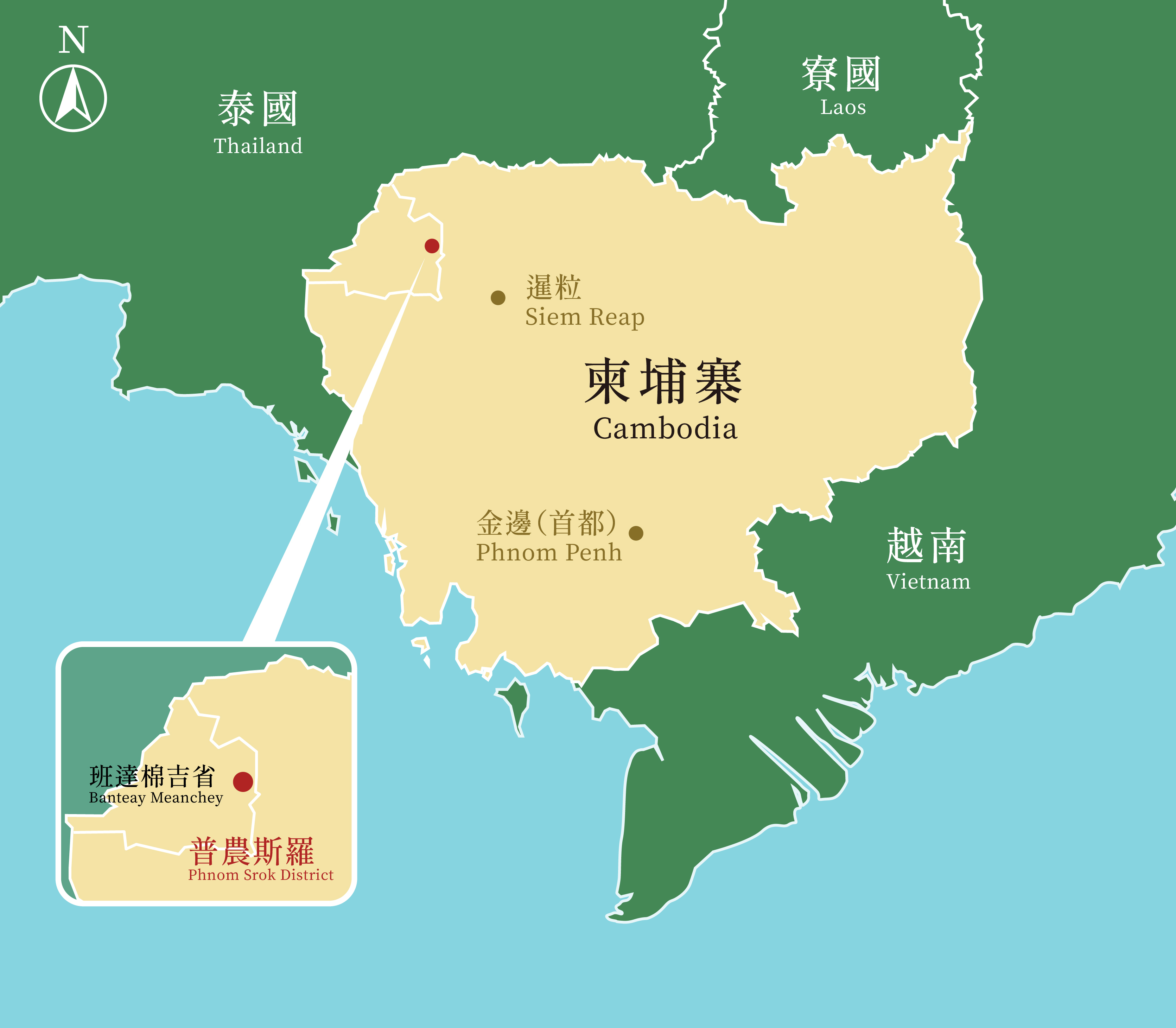
In the quiet, rural village of Phnom Srok, nestled just two hours northwest of Siem Reap and the iconic Angkor Wat, weaving is more than a craft – it’s a cherished tradition and a way of life. In this Cambodian weaving hub, almost every household in the village has a handloom, and weaving is a tradition passed down from mother to daughter in every family.

FAIR WEAVE, a weaving workshop based in Phnom Srok, is dedicated to preserving this heritage. It has taken on the mission left behind by a French foundation, collaborating with over 70 local weaving families to produce 100% natural handwoven fabrics.

Image/ Location of Phnom Srok

Source/ SouSou Corner

The History of Cambodian Weaving


Cambodian weaving has a history dating back to the Angkorian era (802-1431 AD), when silk was the primary material. However, growing mulberry trees for silkworms and turning raw silk into thread needed many workers, which made it hard to grow the business when times were unstable. The Angkor Empire built a big system of water channels for farming, but some researchers think these channels actually made things worse by blocking water from reaching the farms. This led to poor soil, which hurt silk production.


During the French colonial period, Cambodia shifted its focus to cotton cultivation. Cotton farming reached its peak between 1965 and 1975, with thousands of hectares under cultivation. However, during the Khmer Rouge regime of the 1970s, cotton production dramatically decreased as all agricultural resources were diverted to rice production. While cotton cultivation in Cambodia has been increasing in recent years, it has yet to return to its former glory.


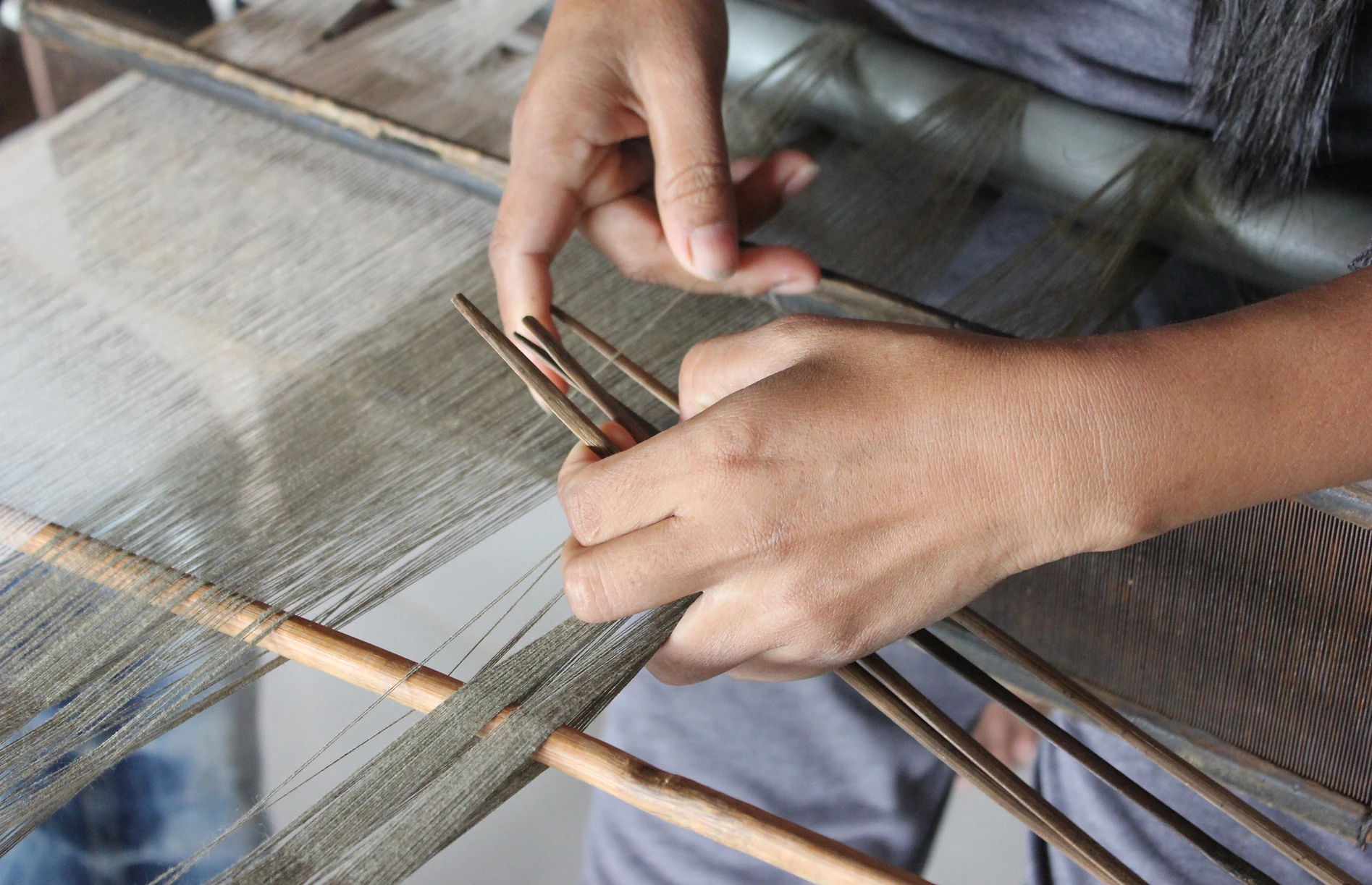
Cambodian weavers faced persecution during the Khmer Rouge era, only finding relative peace in the following periods. In recent years, with support from Western NGOs, there have been efforts to preserve these traditional skills. In certain regions, grandmothers and mothers who still possess these ancient techniques are encouraged to pass their knowledge on to their daughters and granddaughters. These organizations help create sustainable income opportunities for weavers while reviving ancient silk and cotton weaving traditions. Phnong Sro is one of the rural communities actively working to restore traditional weaving practices.

Image/ Handweaving is a skill passed down through generations in Cambodia

Source/ FAIR WEAVE

The Weaving Workshop | FAIR WEAVE


The story of FAIR WEAVE begins in 2002 when founder Chomnab, fresh with his agricultural science degree, moved to Phnong Sro. He joined a silk weaving industry empowerment program in Cambodia supported by the French Development Agency (AFD). Through his deep engagement with local weavers, Chomnab realized that due to multiple wars and the Khmer Rouge regime, many local women had lost their chances at education, making it difficult for them to find good employment.


Chomnab became fascinated by the fabrics these women created using traditional handlooms. He began learning weaving and dyeing techniques from the female weavers. When the AFD empowerment program ended, Chomnab chose to stay in the community, working his regular job while collaborating with the weavers, hoping to continue this meaningful work. He took charge of design and marketing while the local women handled the dyeing and weaving. Gradually, a brand began to take shape, and in 2022, he established FAIR WEAVE as a social enterprise, aiming to properly preserve this traditional weaving craft.


FAIR WEAVE's mission extends beyond preserving local weaving culture – they focus on community development and artisan empowerment. Their goal is to support 120 female weavers in achieving financial independence through sustainable income by 2026. Additionally, they provide health check subsidies for the weavers and partner with local schools to offer educational support for community children.

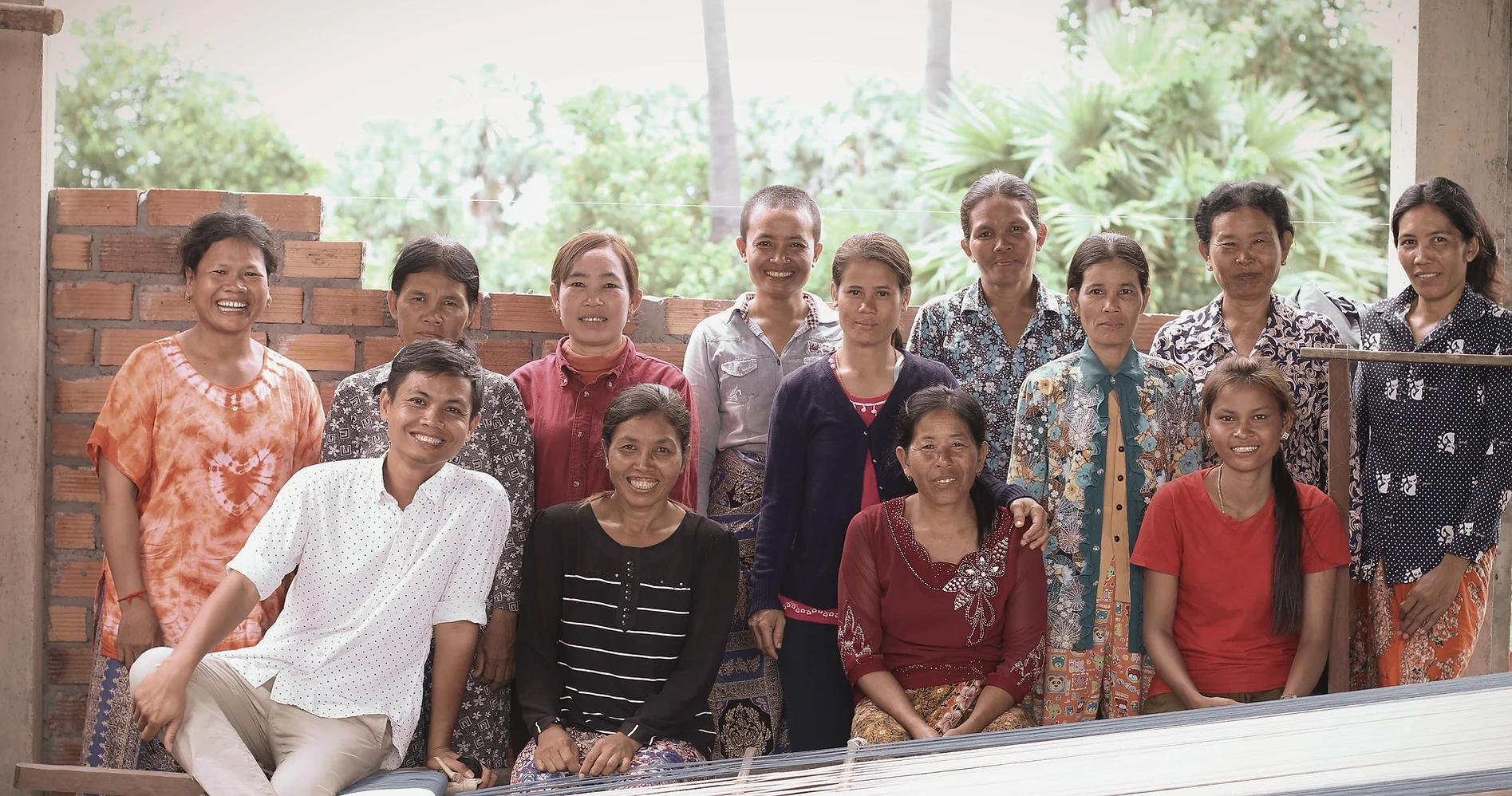
Image/ Chomnab with the Fair Weave Weavers

Source/ FAIR WEAVE

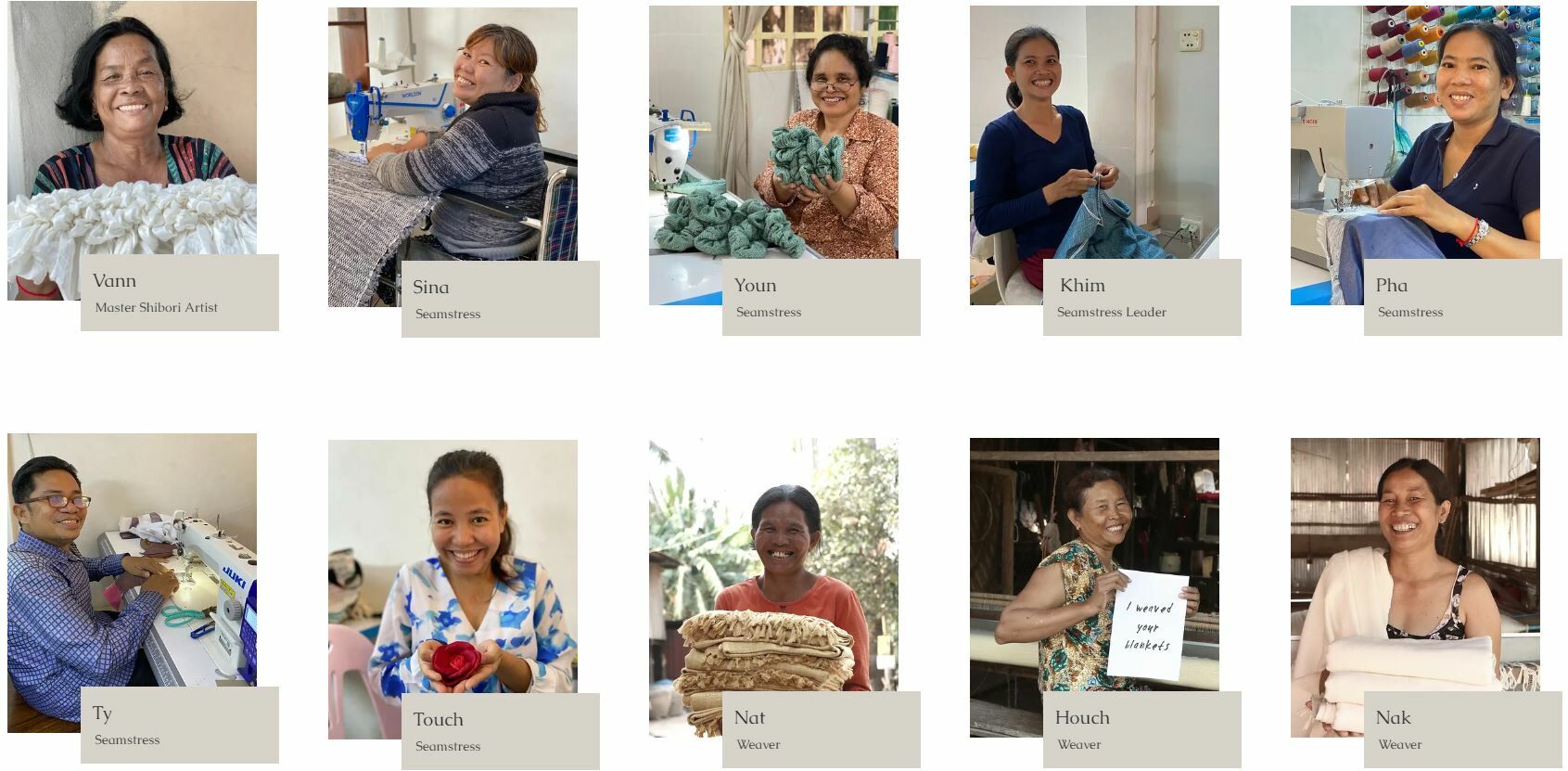
Fair Weave's Collaborating Weavers

Source/ FAIR WEAVE

Dyeing-Eco-Friendly Yarns and Natural Dyes


FAIR WEAVE primarily uses cotton yarn, with occasional additions of silk, linen, and bamboo yarn. All yarns come from companies certified by OEKO-TEX (International Association for Research and Testing in the Field of Textile and Leather Ecology), Better Cotton Initiative, or Global Recycled Standard, and are biodegradable materials.


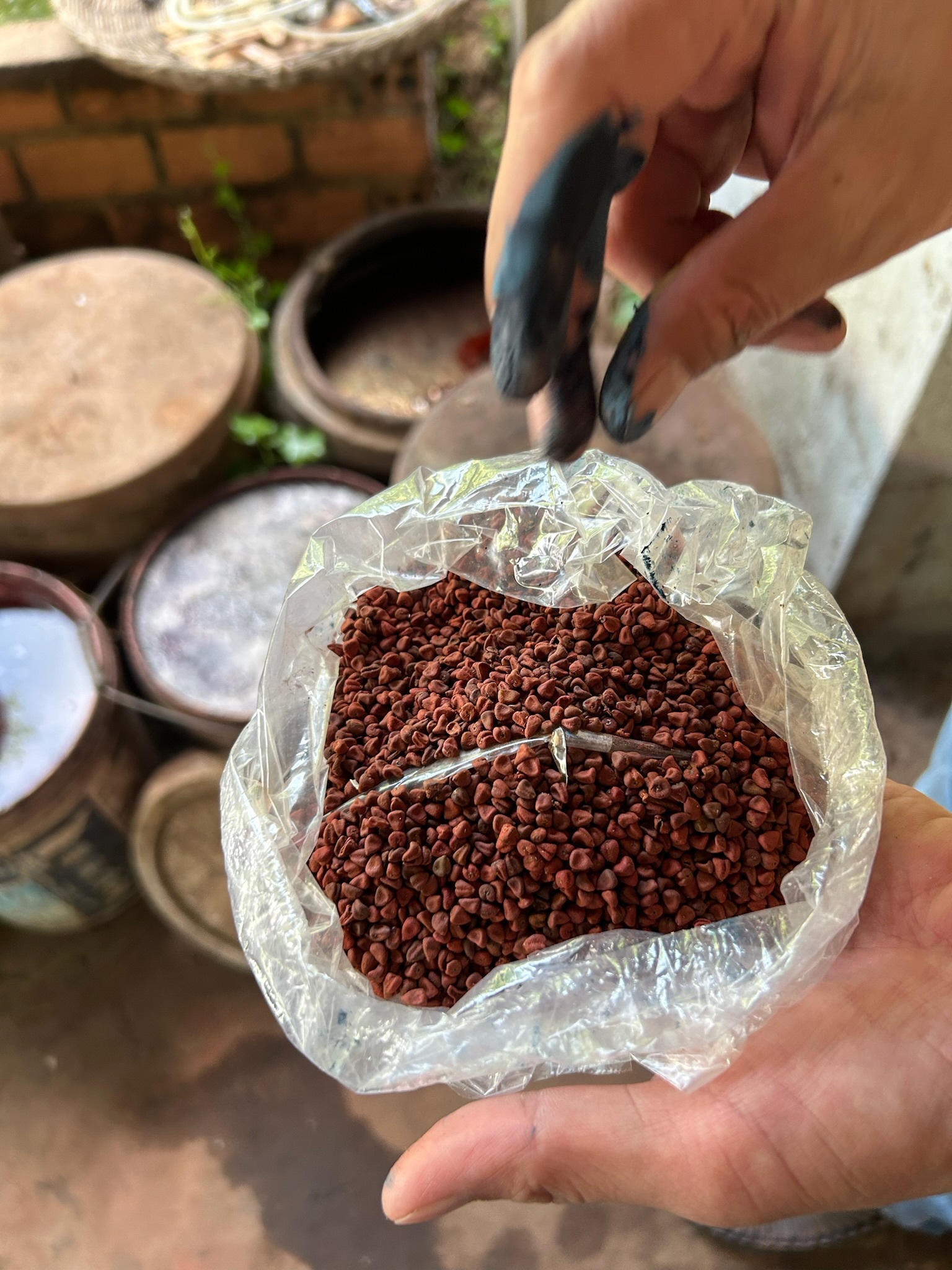
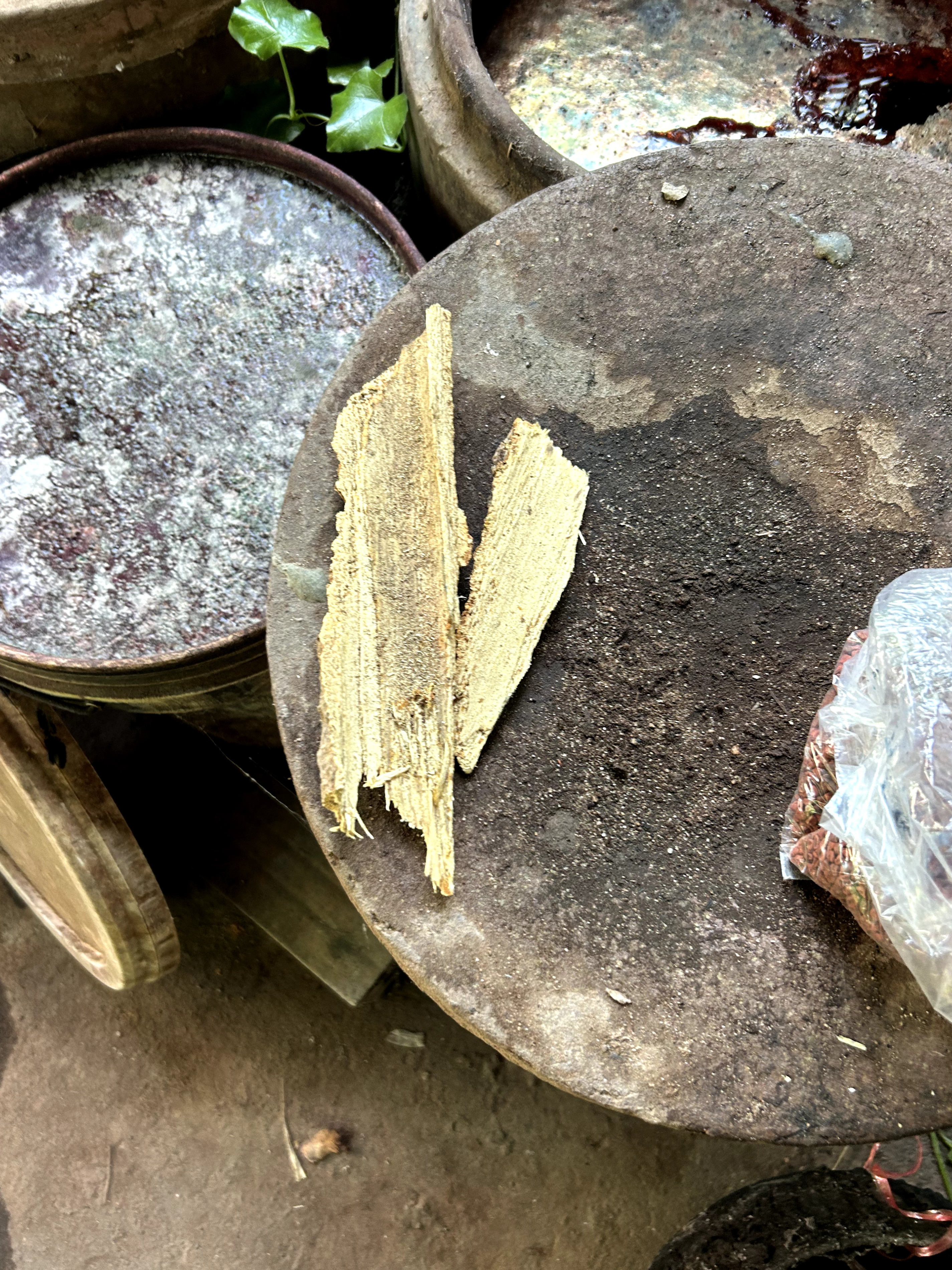
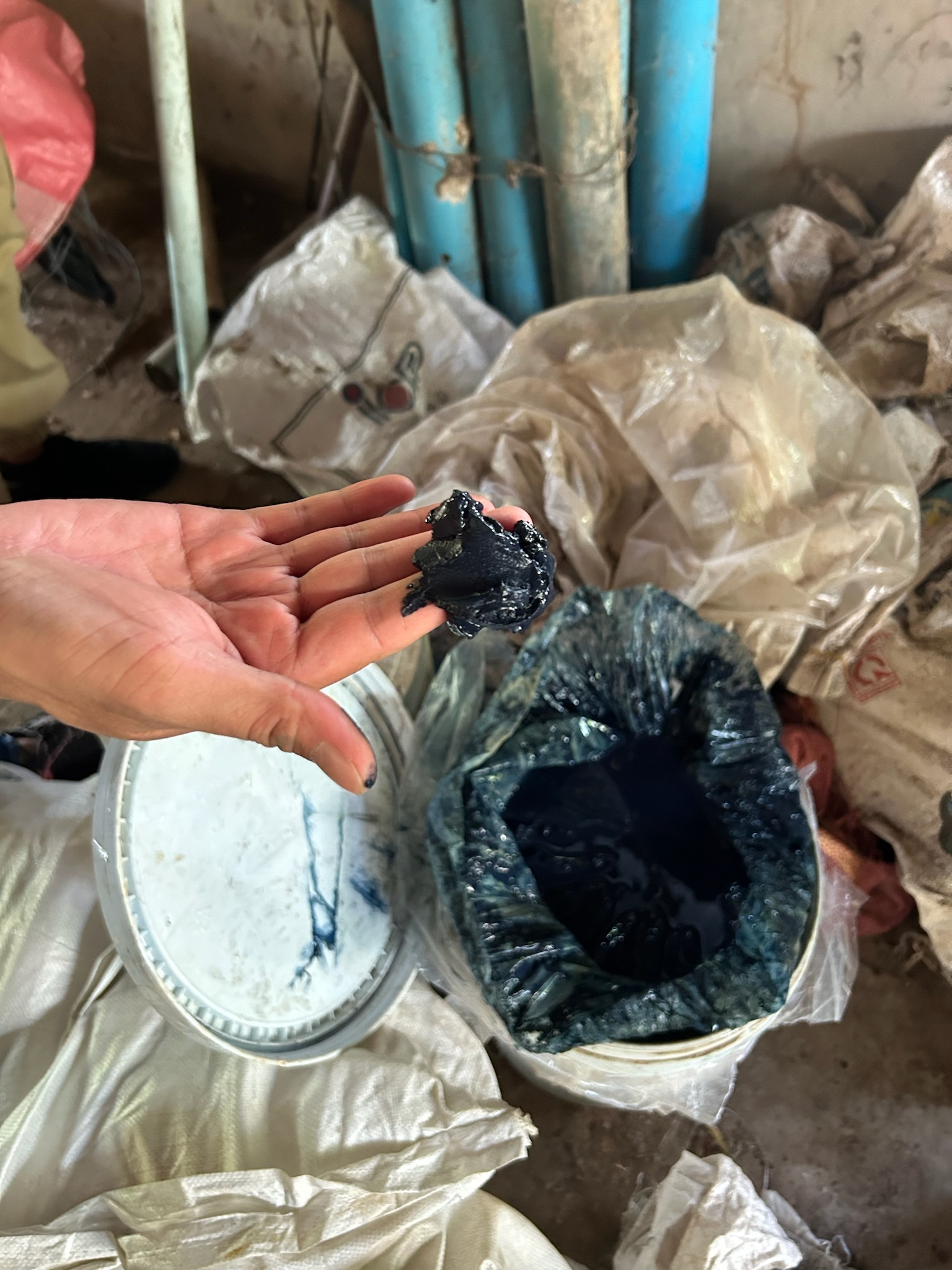
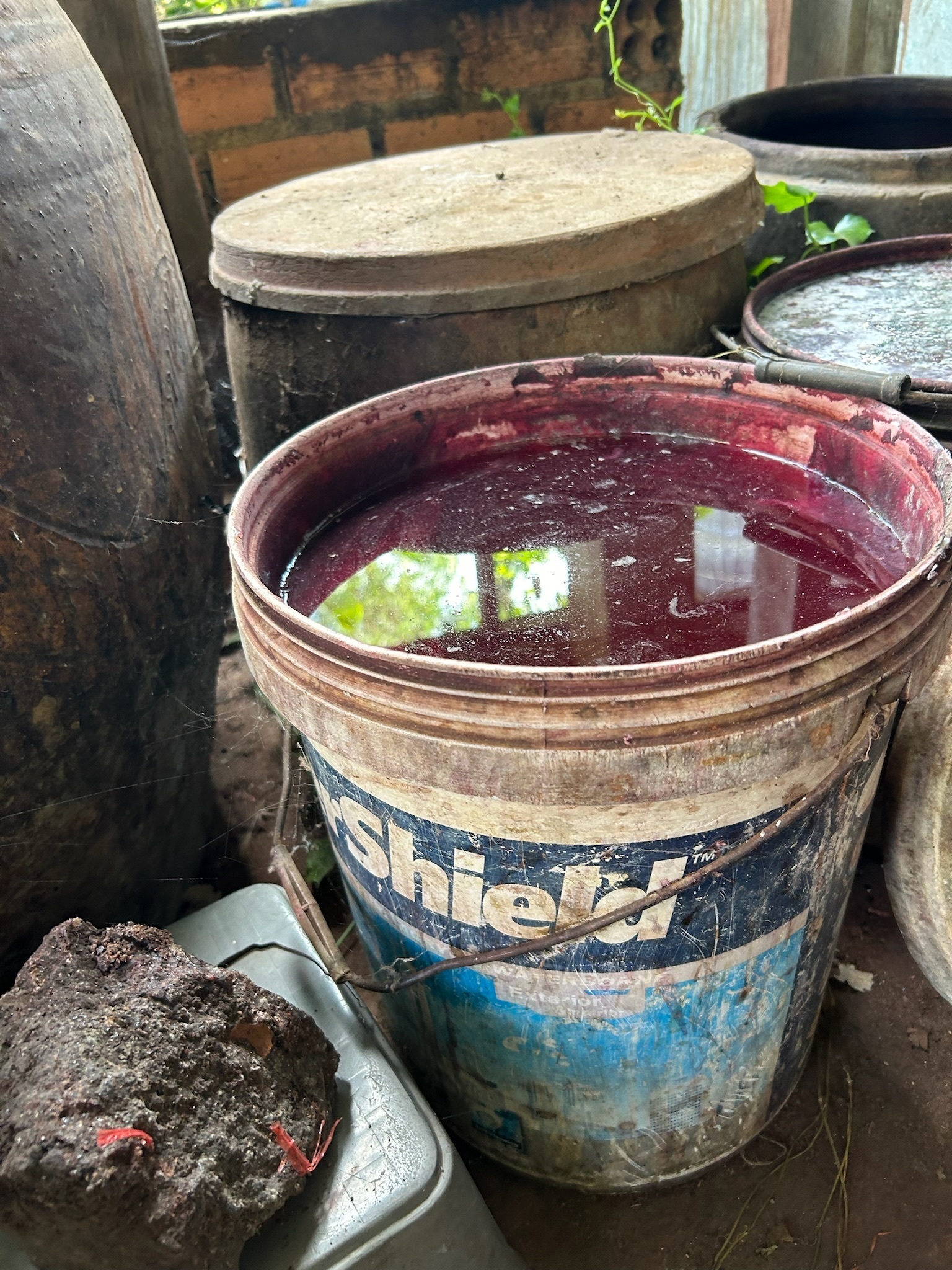
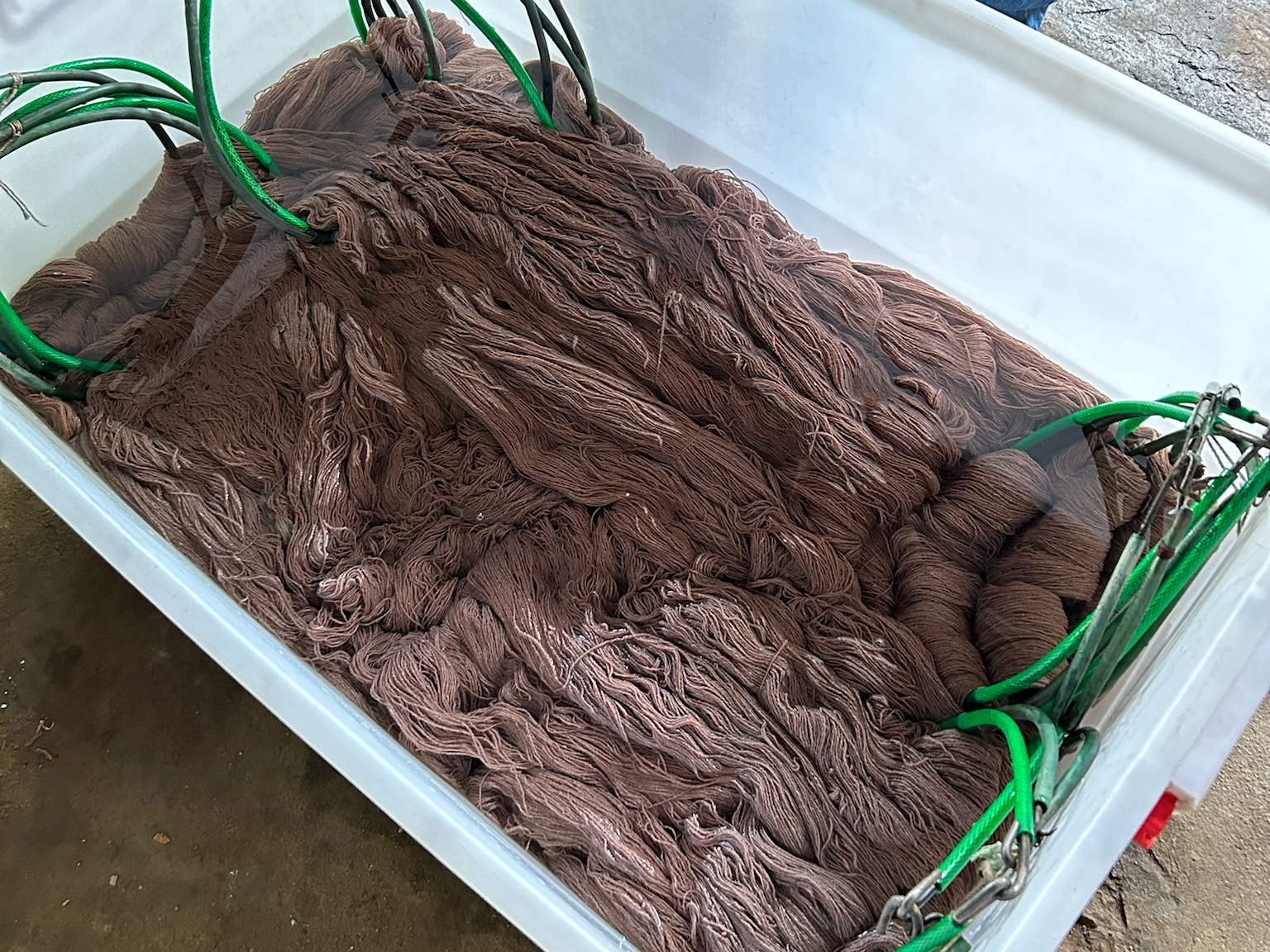
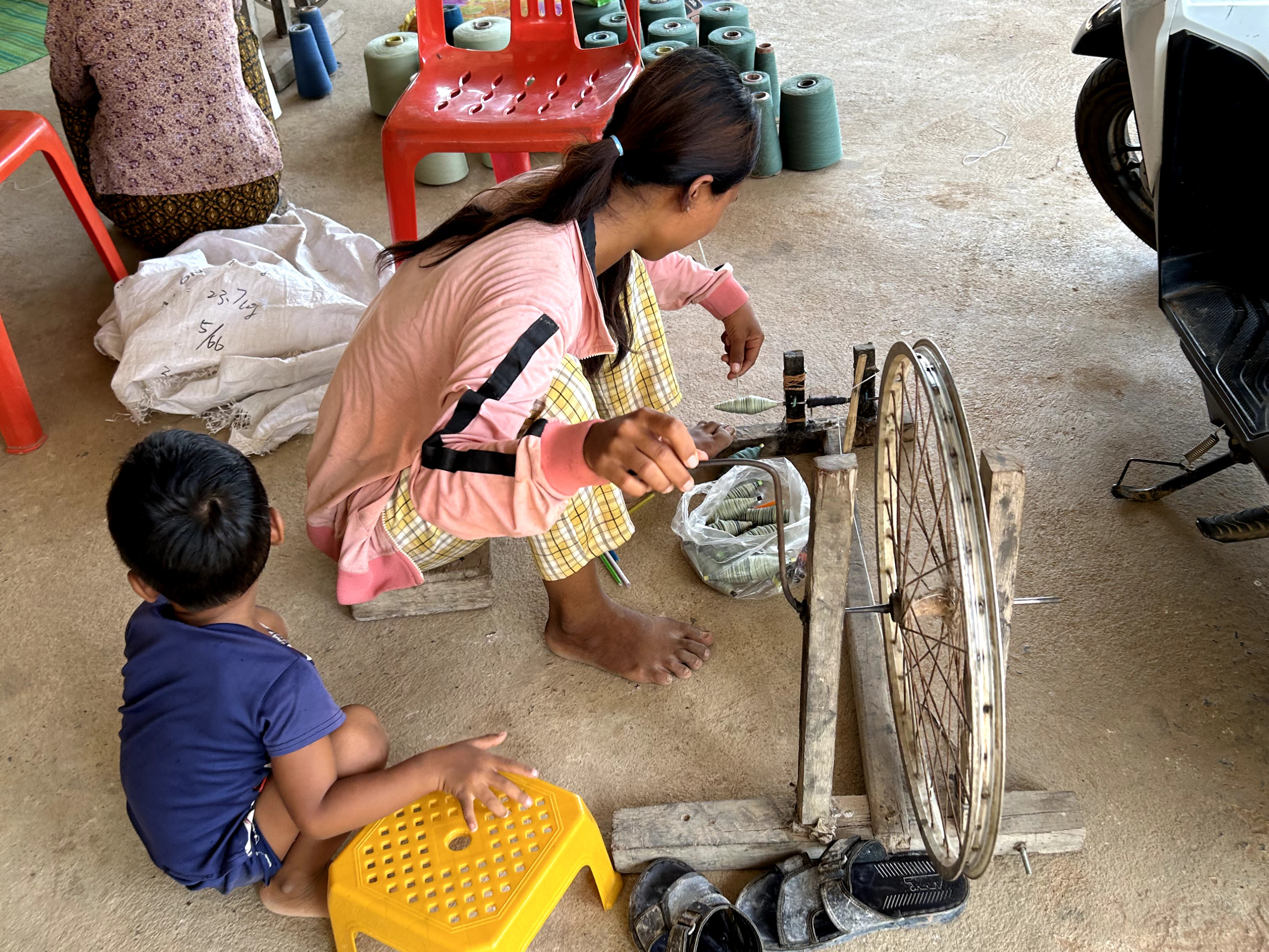
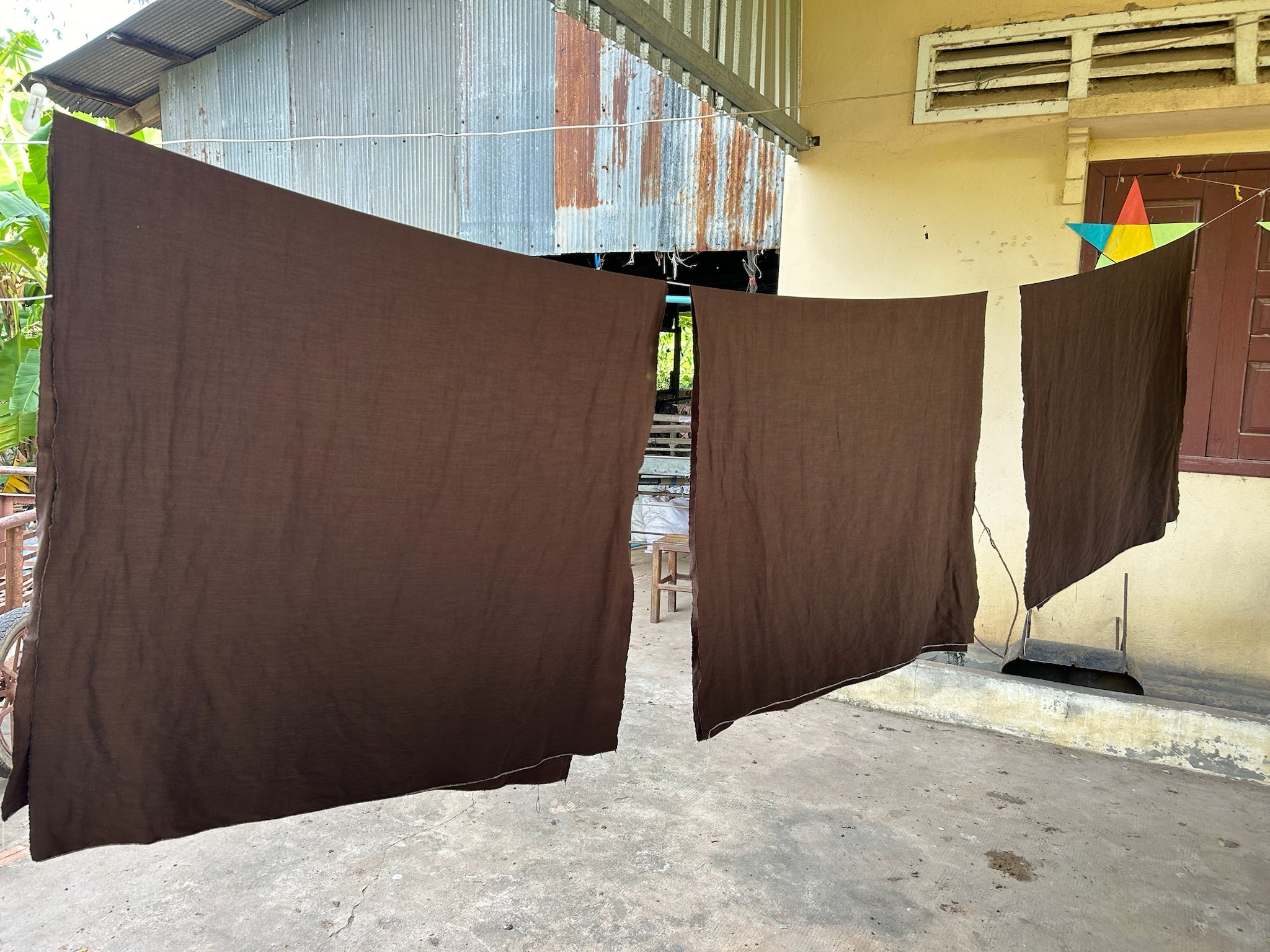
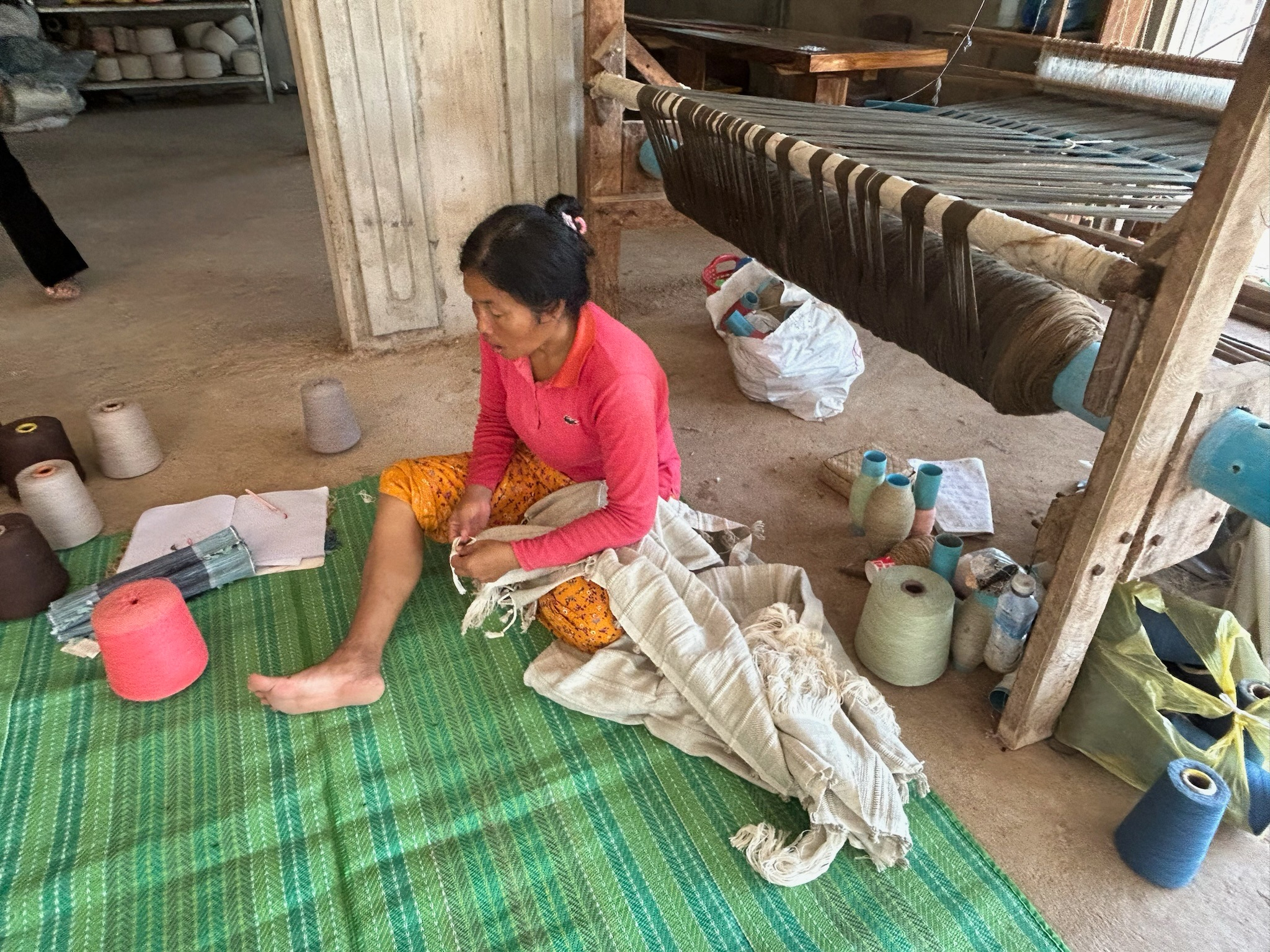
These yarns must go through several preparation steps - spinning, dyeing, and warping - before weaving can begin. The entire preparation process takes 4 to 6 weeks. FAIR WEAVE's dyeing workshop is located in a farmhouse courtyard, where they have built two large stoves for heating dyes and dyeing yarns. They strictly use natural dyes, creating soft color tones from materials such as: indigo, coconut shells, annatto tree seeds, mango leaves, indian almond leaves, marigold flowers and pod seeds.

Image/ Annatto seeds used to make red dye

Image/ Prohut (Garcinia tree bark) used to make yellow and green dyes

Image/ Indigo used to make blue dye

Image/ Red dye made from cochineal insects (shown in bottom left)

Image/ Dyed yarns

Image/ Yarn twisting

Image/ Fabric dyeing

Weaving - A Handloom in Every Home


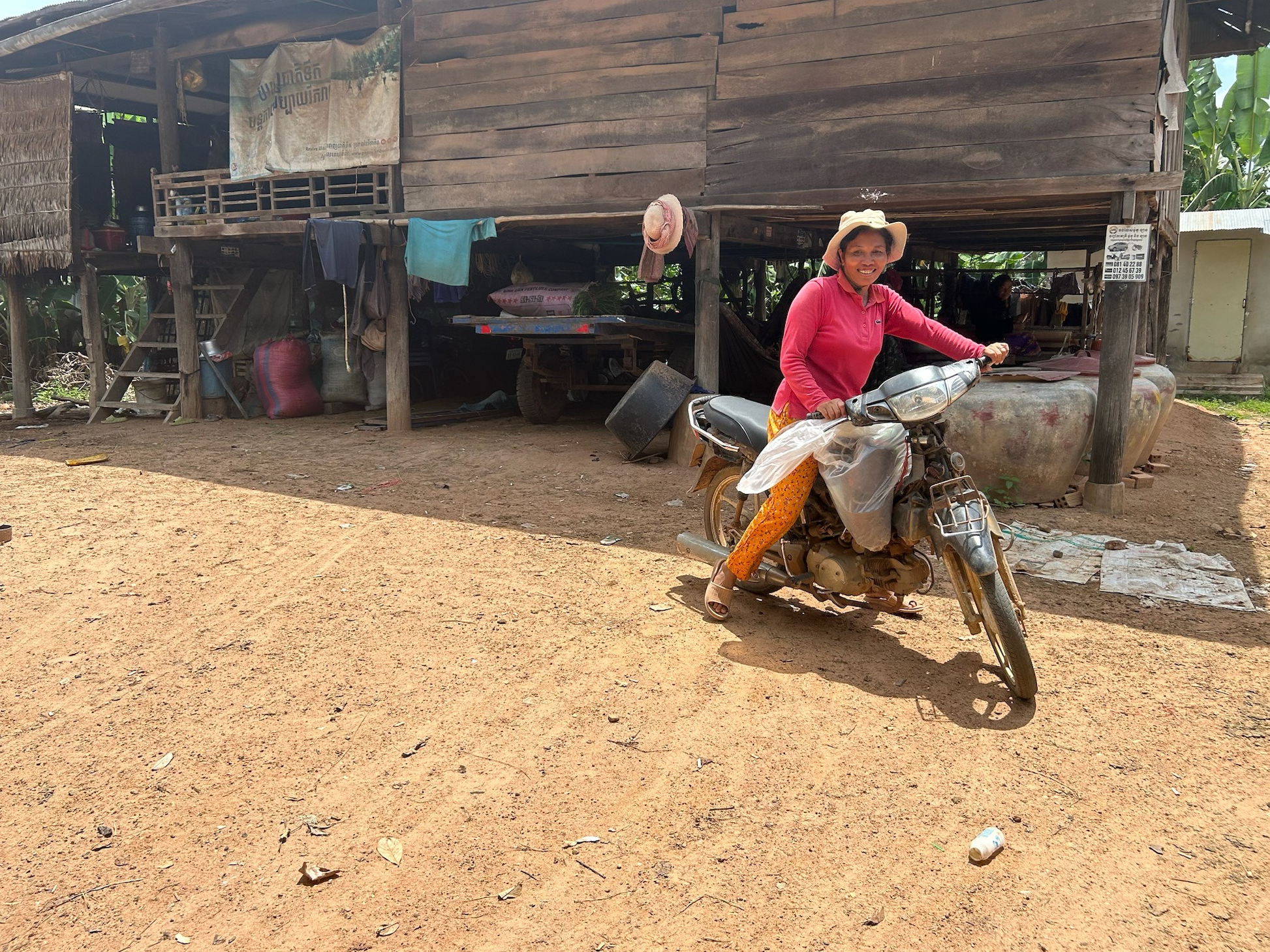
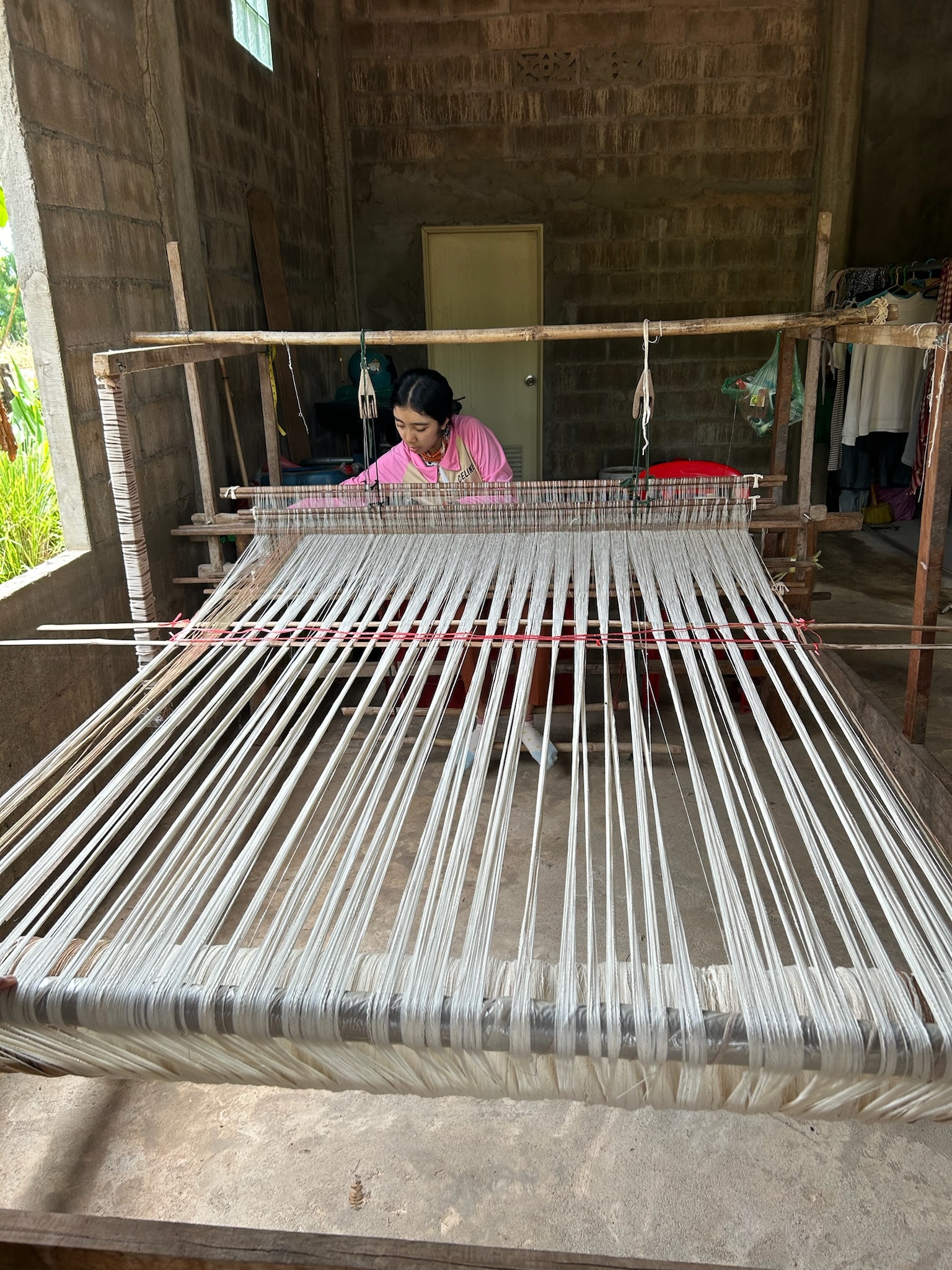
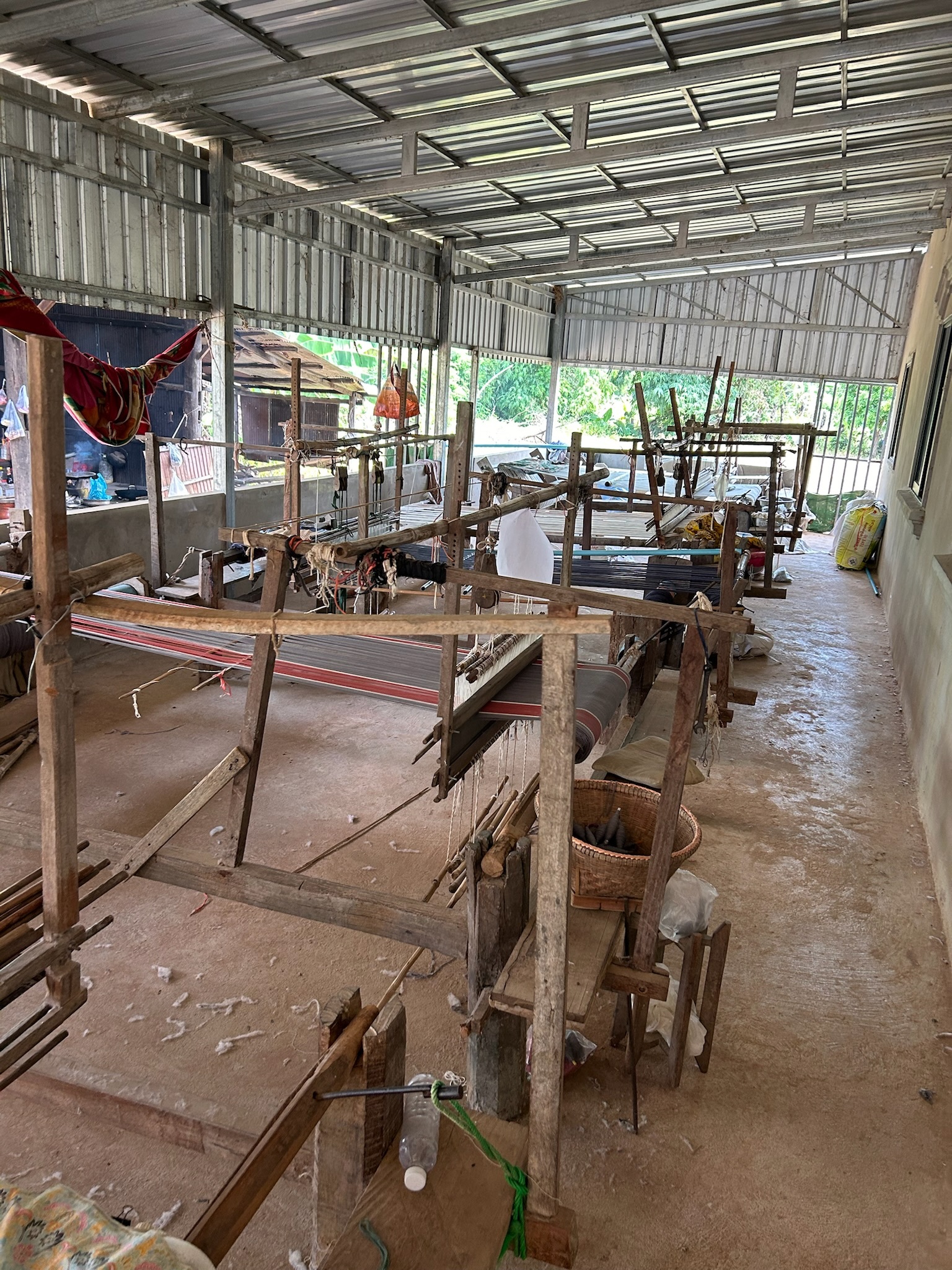
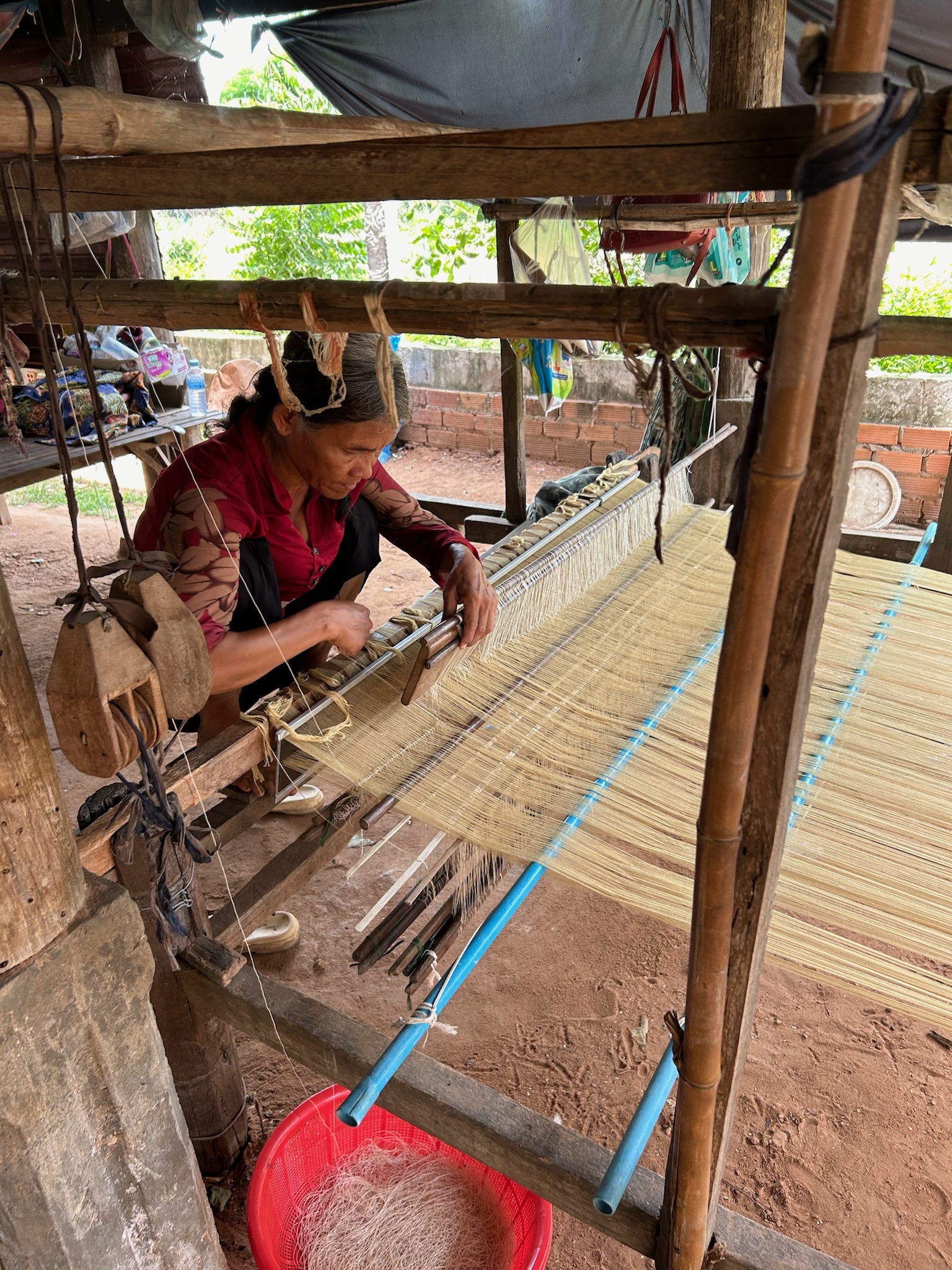
FAIR WEAVE's weaving workshop is a half-hour drive from the dyeing workshop, located in a more densely populated farming village. Traditional Cambodian houses are built on stilts, with living quarters on the second floor. The open-air ground floor, supported by sturdy pillars and without walls, serves multiple practical functions. It is used for storing motorcycles and household items, provides space for chickens, ducks, and children to move about, and houses the family’s handloom. This flexibility allows our weavers to balance their weaving with other household chores and childcare.

Image/ Traditional Cambodian houses

Image/ A weaver at work

Chomnab has established a communal weaving space in the village, equipped with seven to eight handlooms assembled by the weavers’ husbands. This space functions as a central hub where weavers gather to collect yarn, receive updates on upcoming orders, and share insights about their craft. It plays a crucial role in preserving traditional weaving skills while strengthening the sense of community among the weavers. between product and people. Every MANAVA piece is accompanied by the author’s signature. Through the object, the weaver and the buyer can build a form or interaction. Their connection is warm and meaningful.


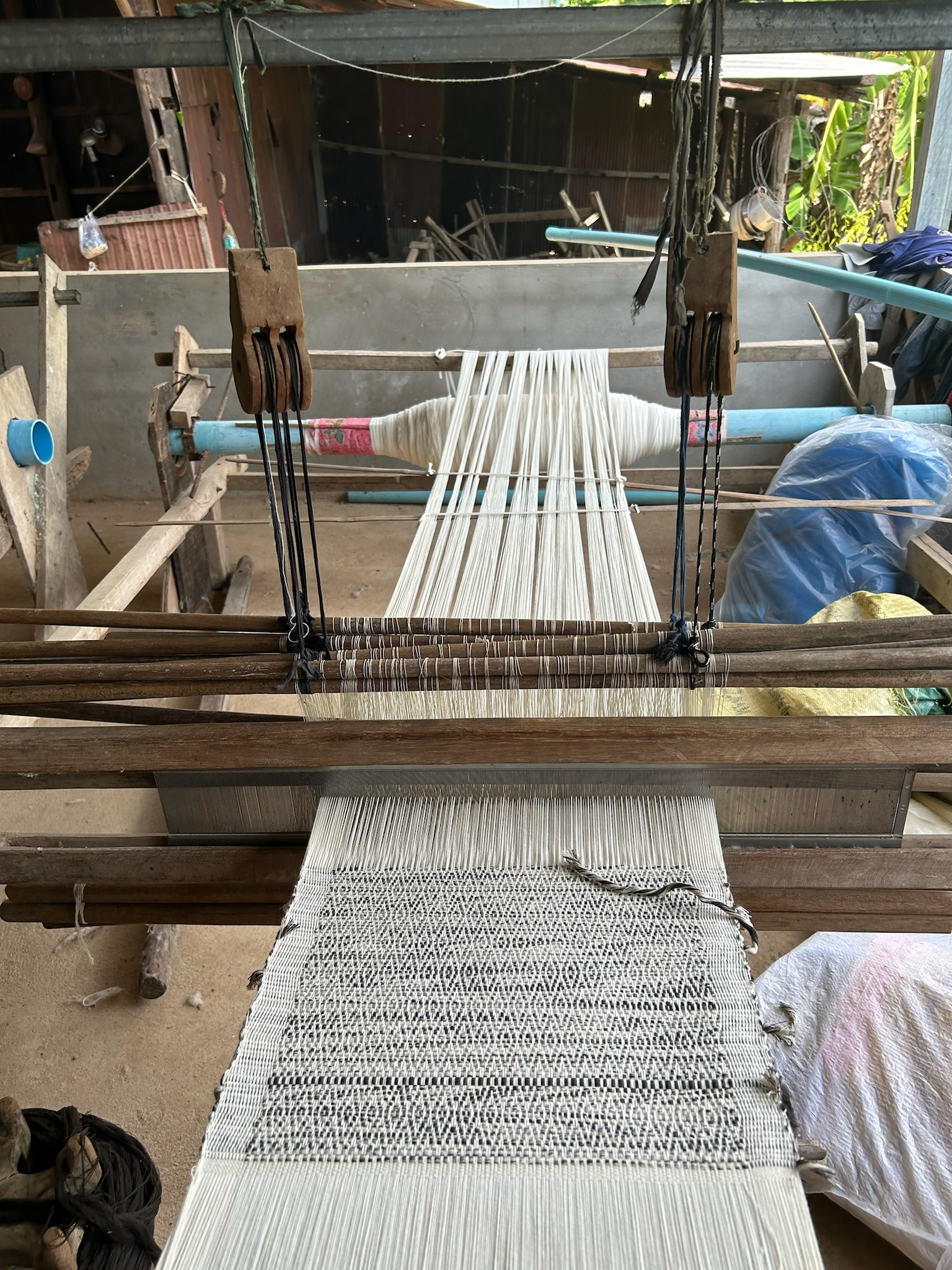
Before weaving can begin, the yarn must go through the warping process, which involves setting it up on the handloom—a task that typically takes one to two days. Because transferring warped threads to another loom would require repeating this time-intensive step, weavers generally complete their entire project on a single loom, rather than moving between looms or sharing work with others.


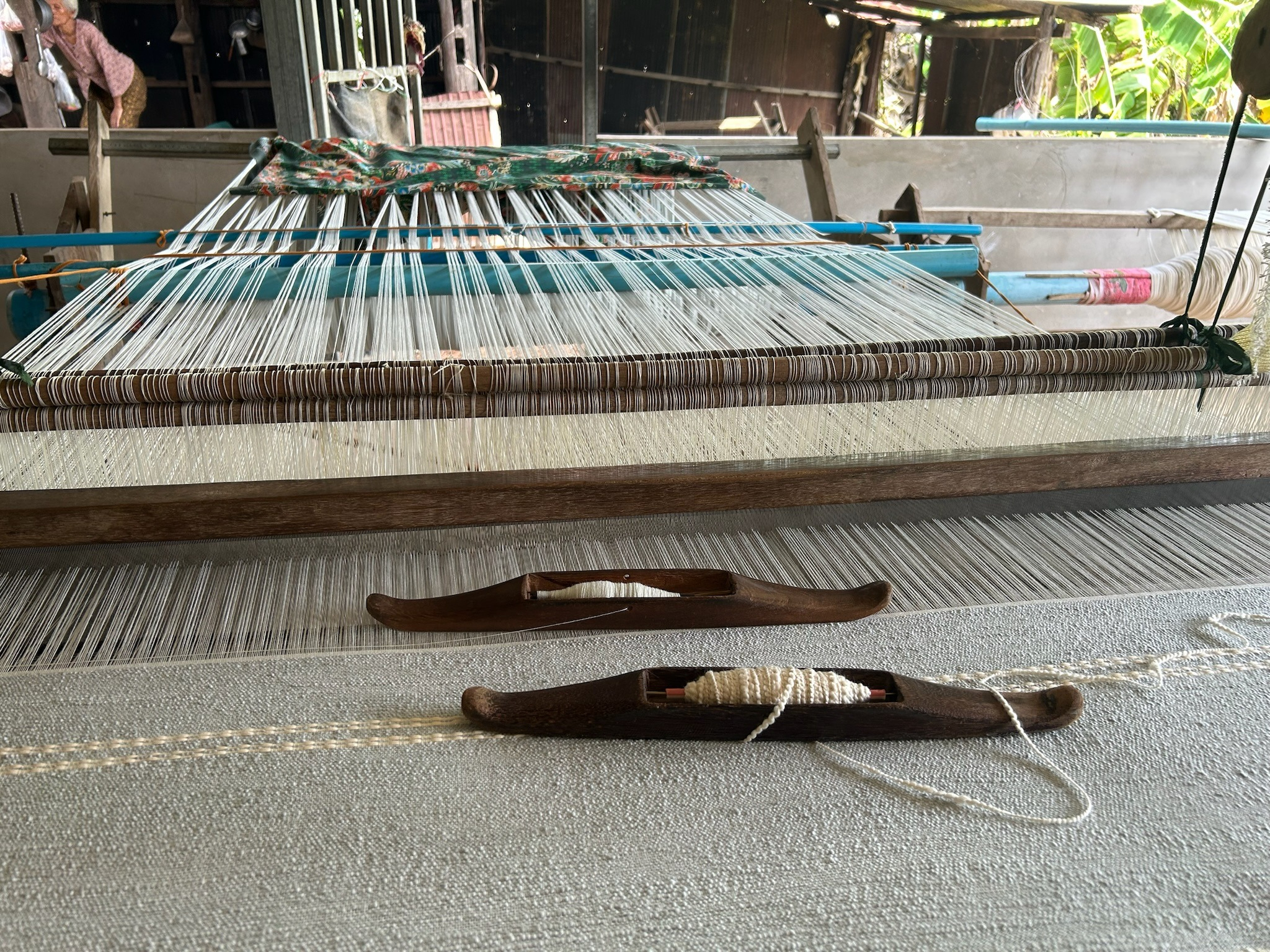
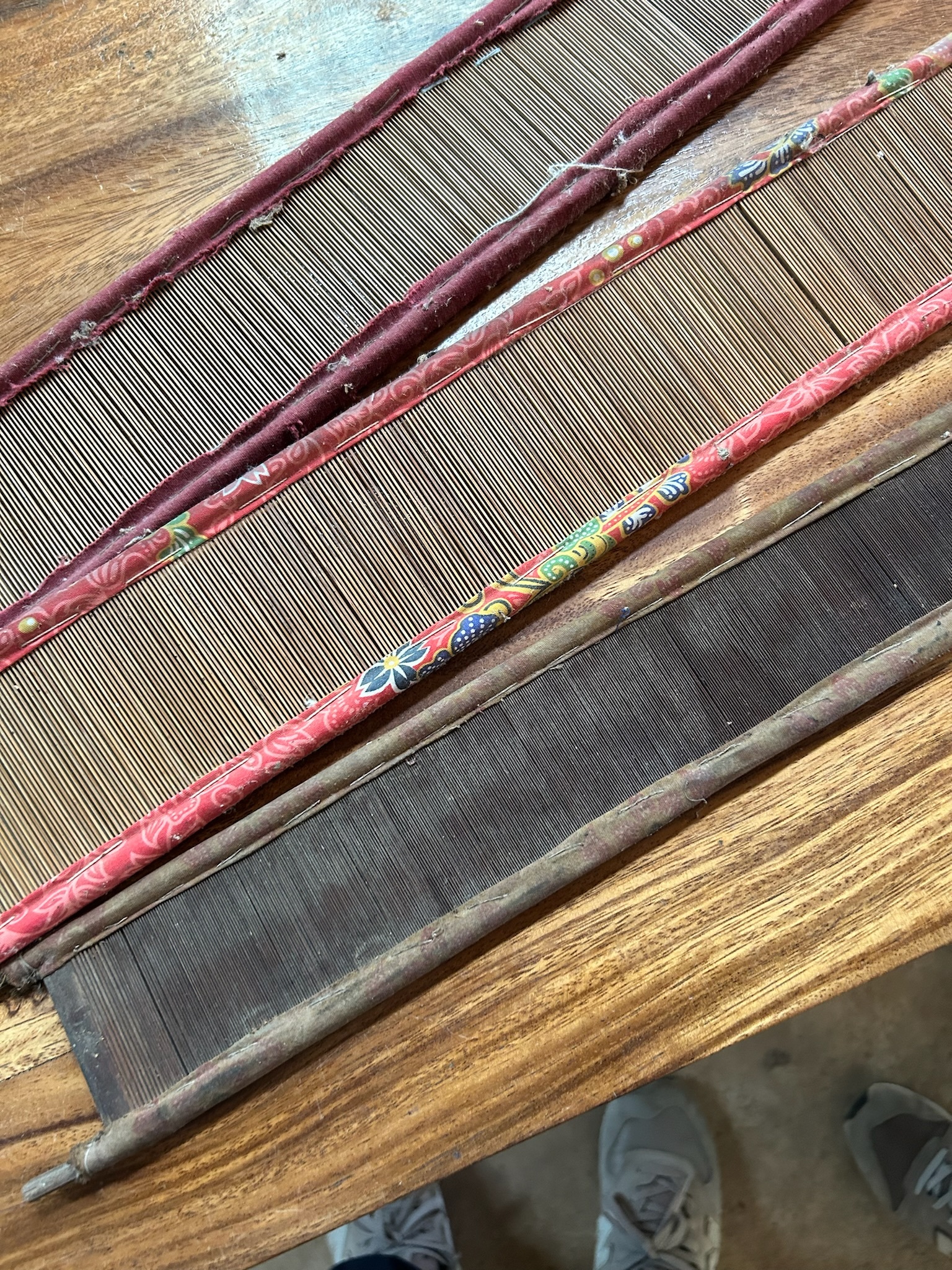
The handloom operates with a fixed width and relies on a beater to compact the weft threads into fabric. While traditional beaters were crafted from bamboo, they have largely been replaced by more durable stainless steel versions, as bamboo is prone to breaking. Weavers pass the shuttle back and forth to interlace the weft threads. On average, a weaver can produce only 50 to 80 centimeters of fabric per day. Completing an entire loom's worth of fabric typically takes about three months—enough material to make over 30 blankets.

Image/ FAIR WEAVE's weaving workshop

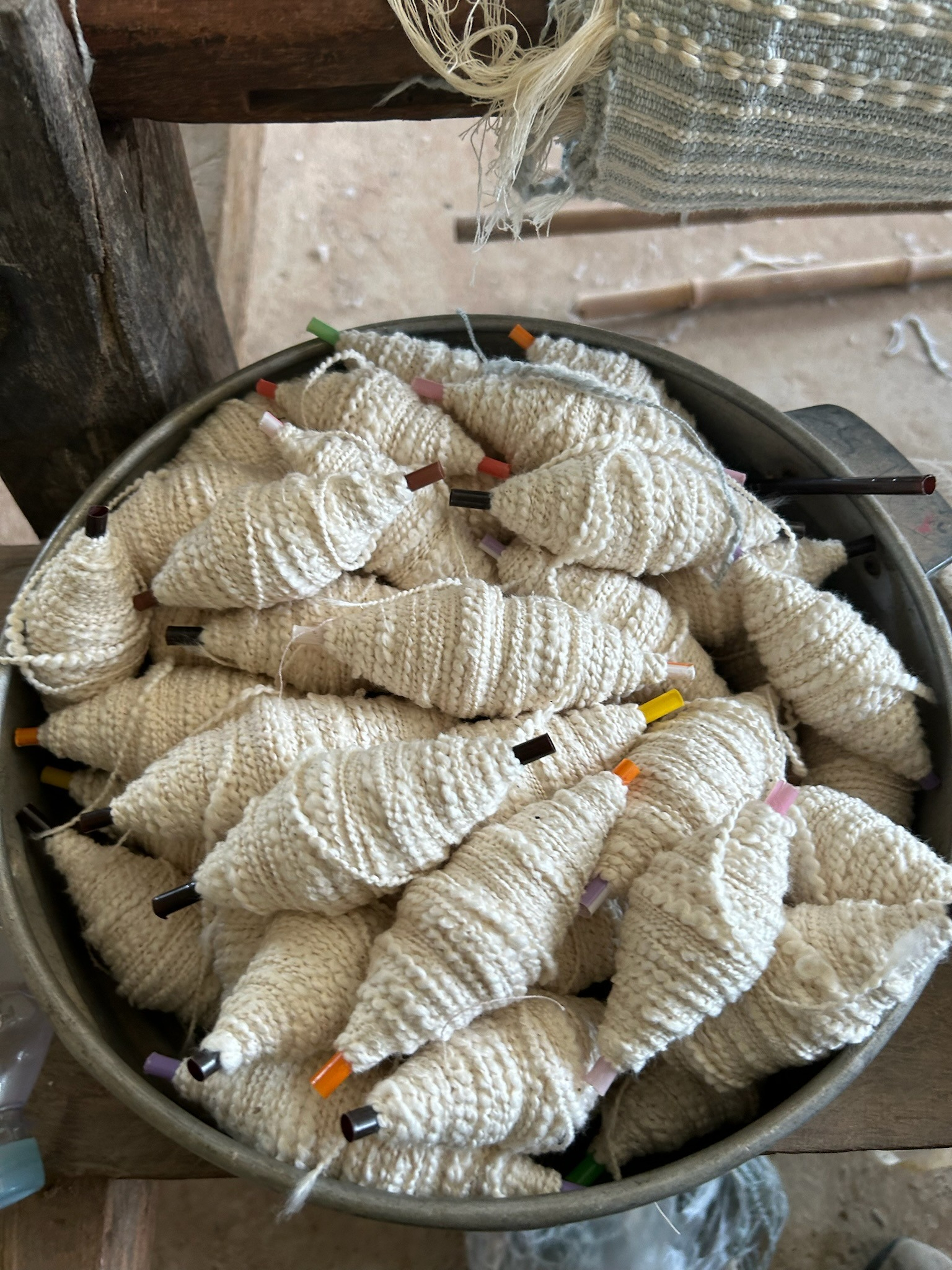
Image/ Shuttles used for weaving weft threads

Image/ Hand-tied tassels 

Image/ Traditional bamboo beater 

Image/ Hand-twisted yarn ready for the shuttle 

Image/ Each weaver works independently

Image/ Narrow-width fabric

Textiles - The Warmth of Natural Touch


In addition to handwoven fabrics, the workshop transforms traditional handwoven fabrics into contemporary pieces for modern living. Each item showcases the exceptional texture and natural warmth that only handwoven textiles can provide.

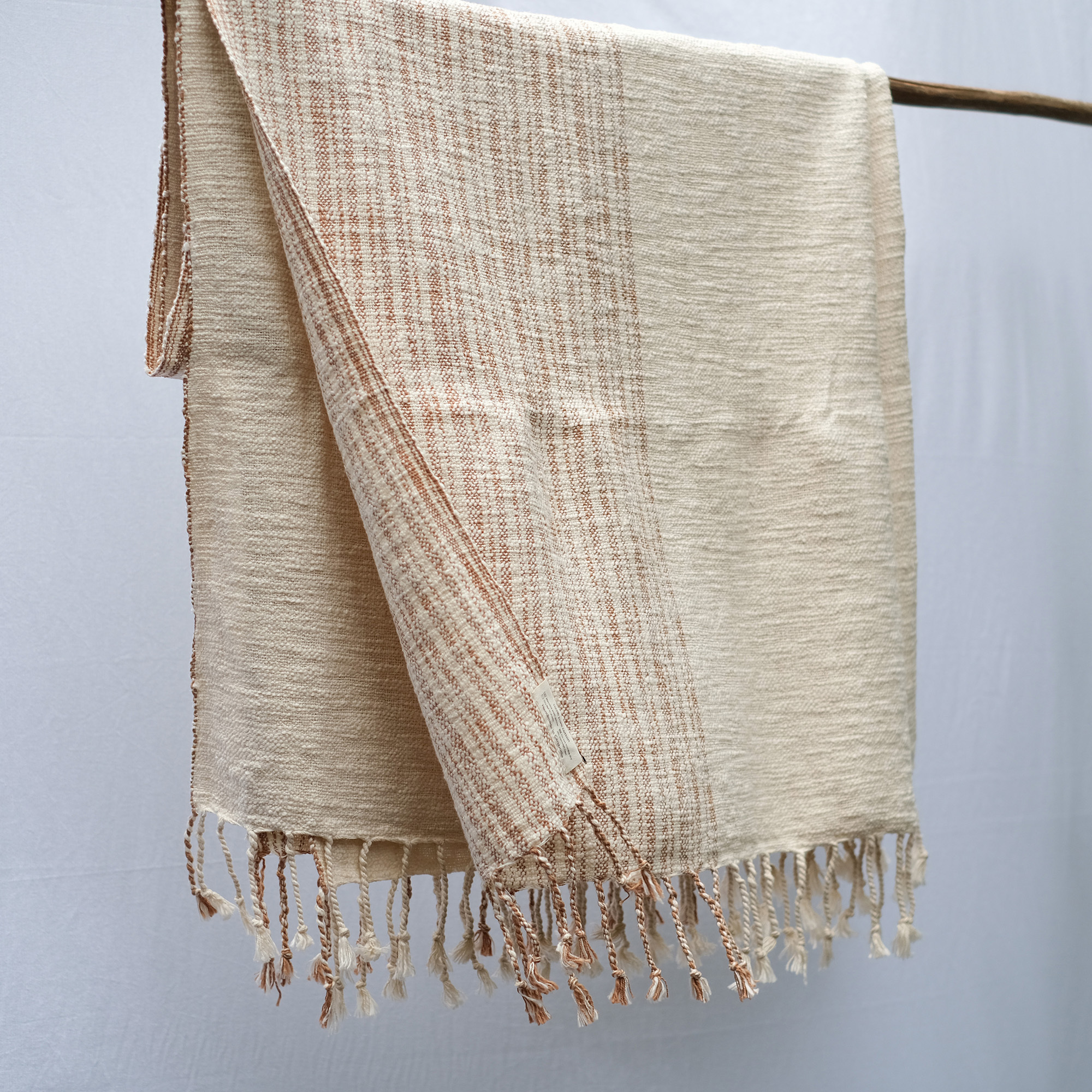
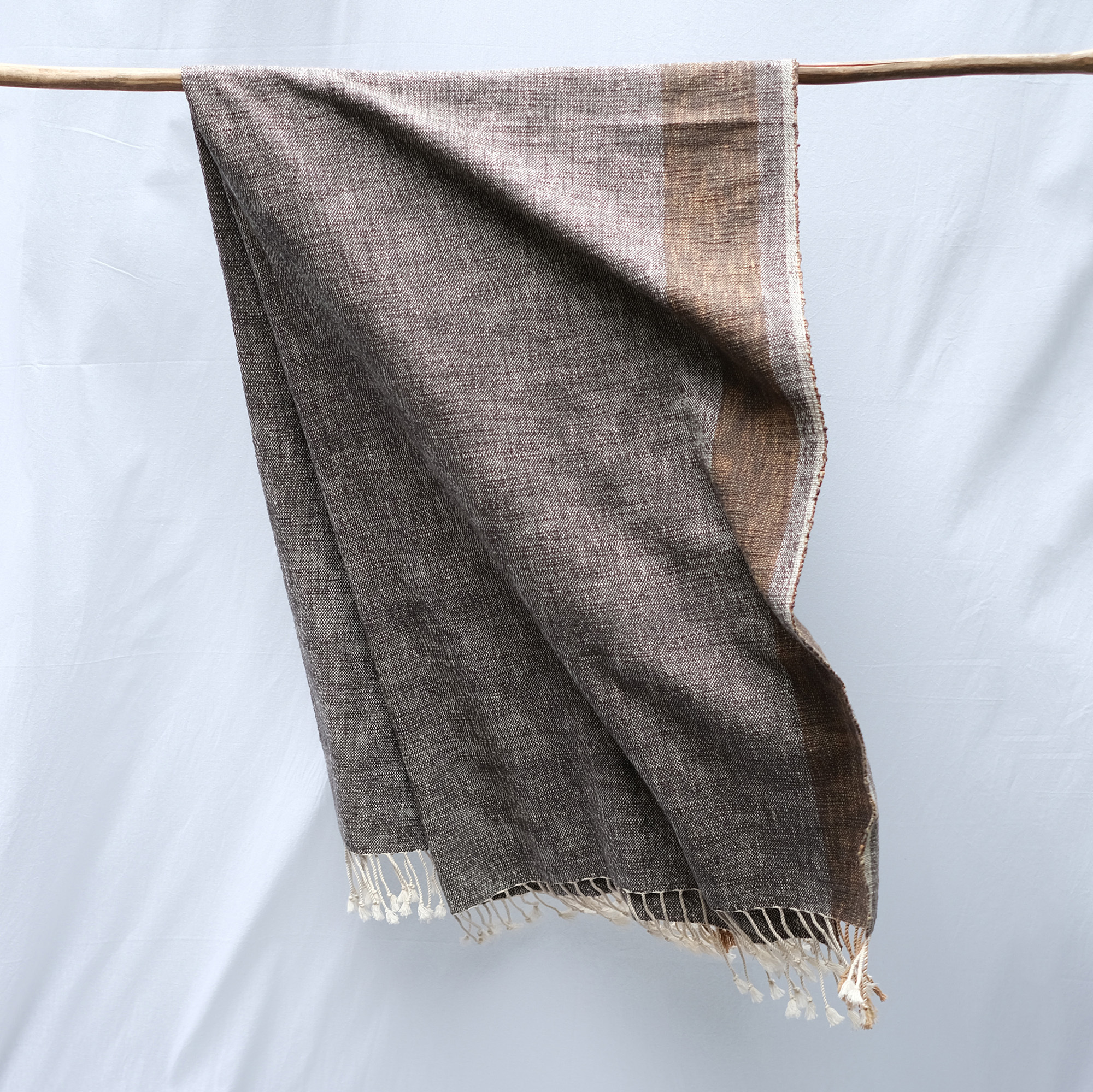
Handwoven Blankets


These blankets offer a unique comfort that only handweaving can achieve. Perfect as a cozy throw for your sofa, these blankets bring warmth and style to your living space, making them an essential home accessory.

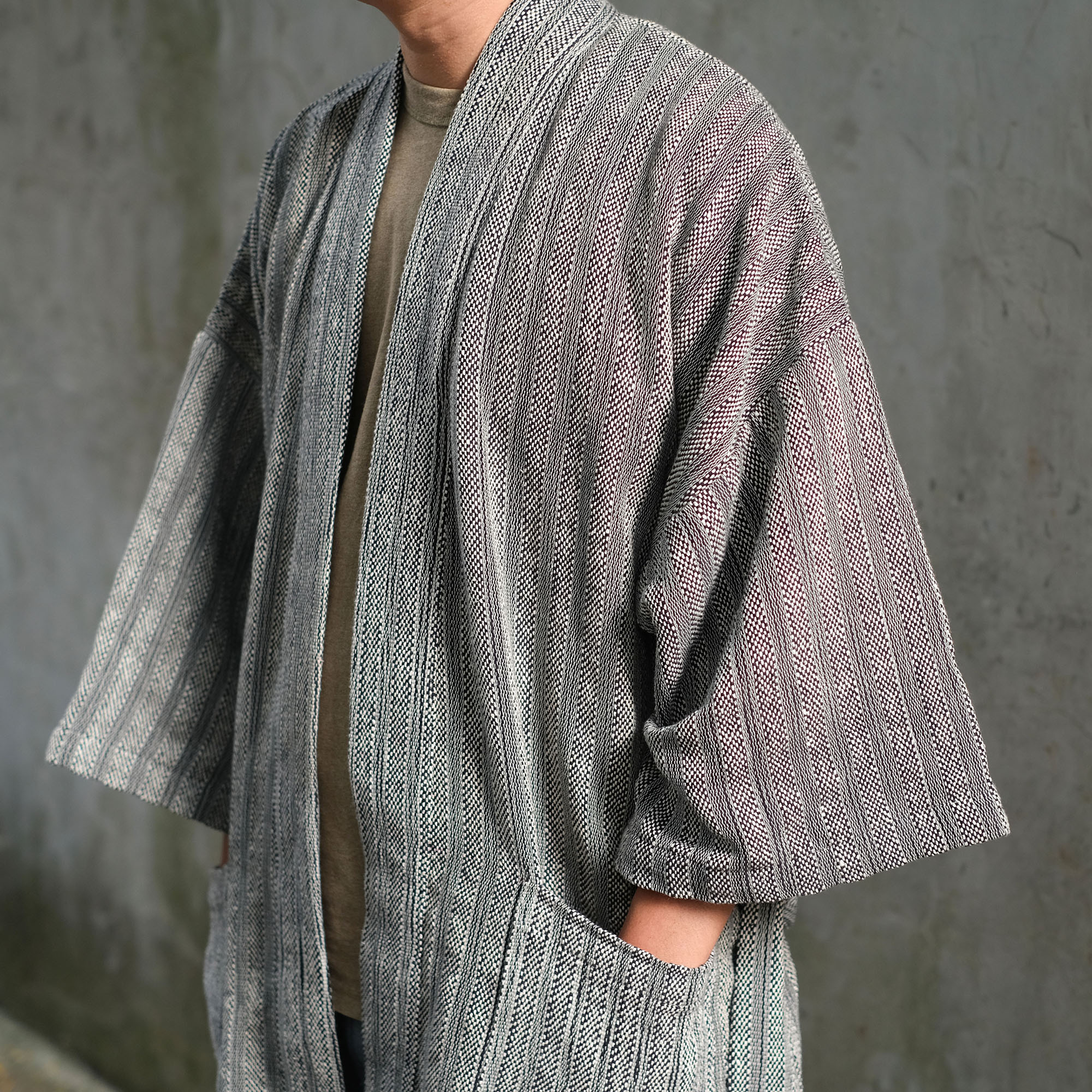
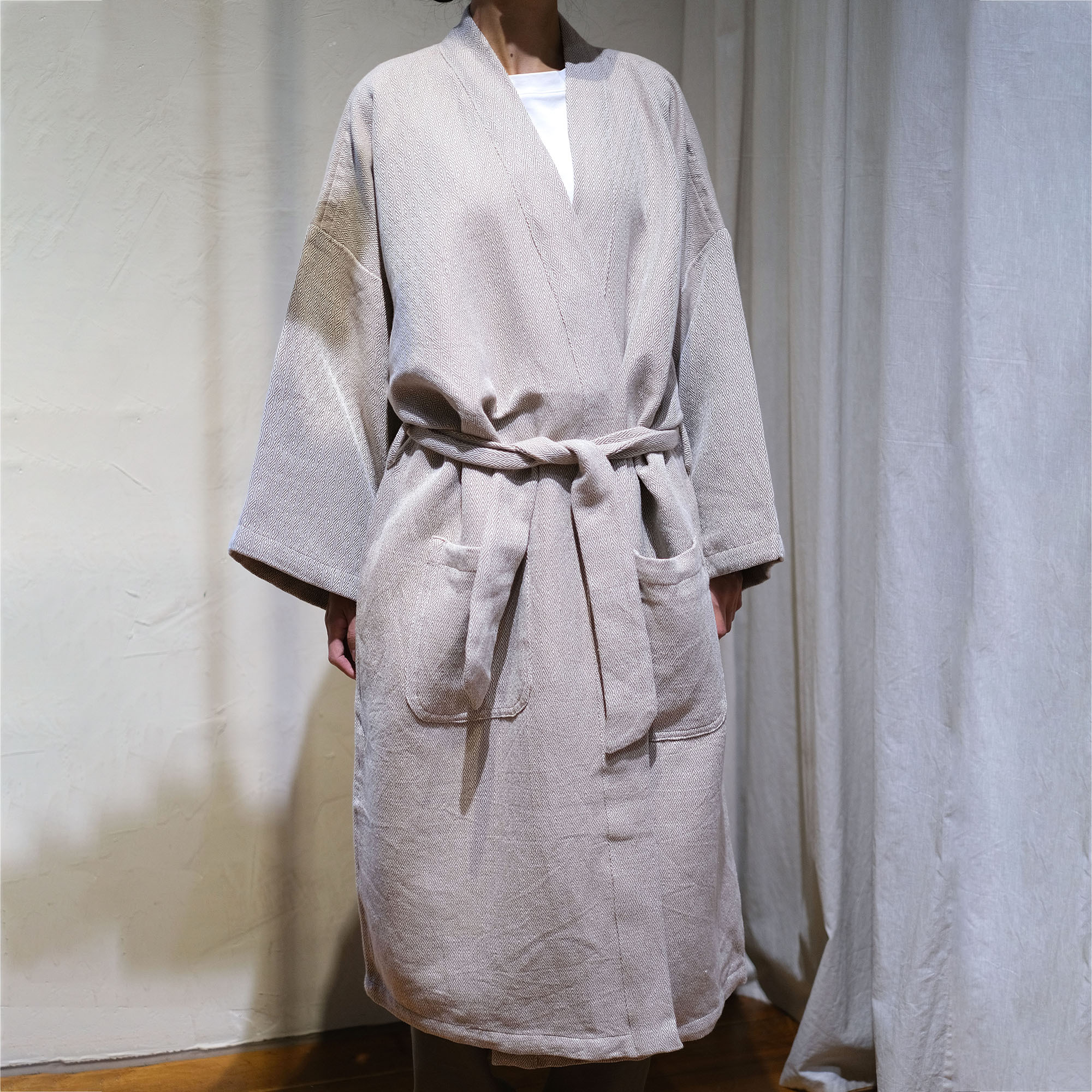
Bathrobes


Experience the unique comfort that only handwoven fabrics can provide. These robes are also perfect as casual house wear.

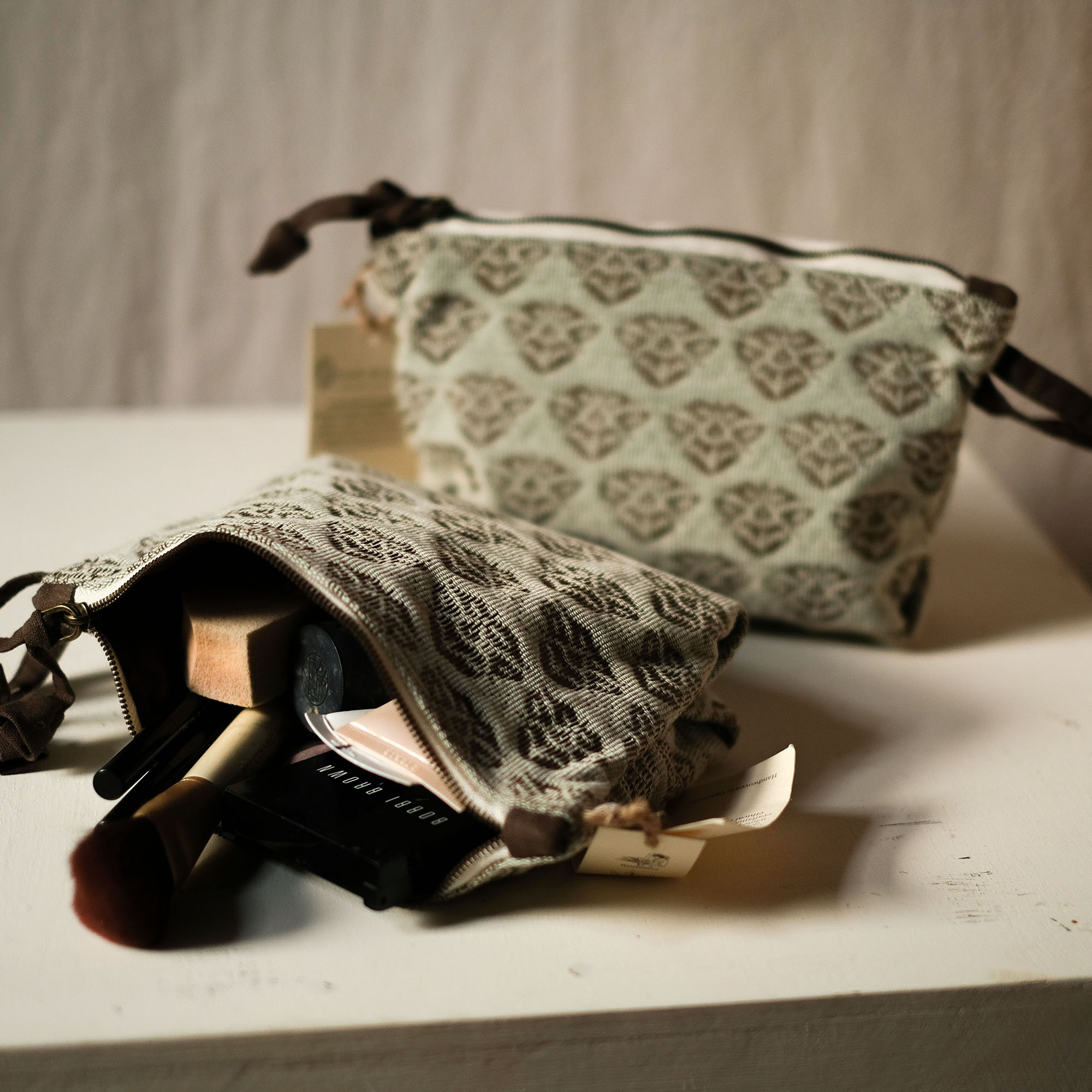
Makeup Bags


Crafted from delicate cotton, these handwoven makeup bags feature a practical drawstring inner pocket design to organize your cosmetics or small items. A perfect companion for travel or daily use.

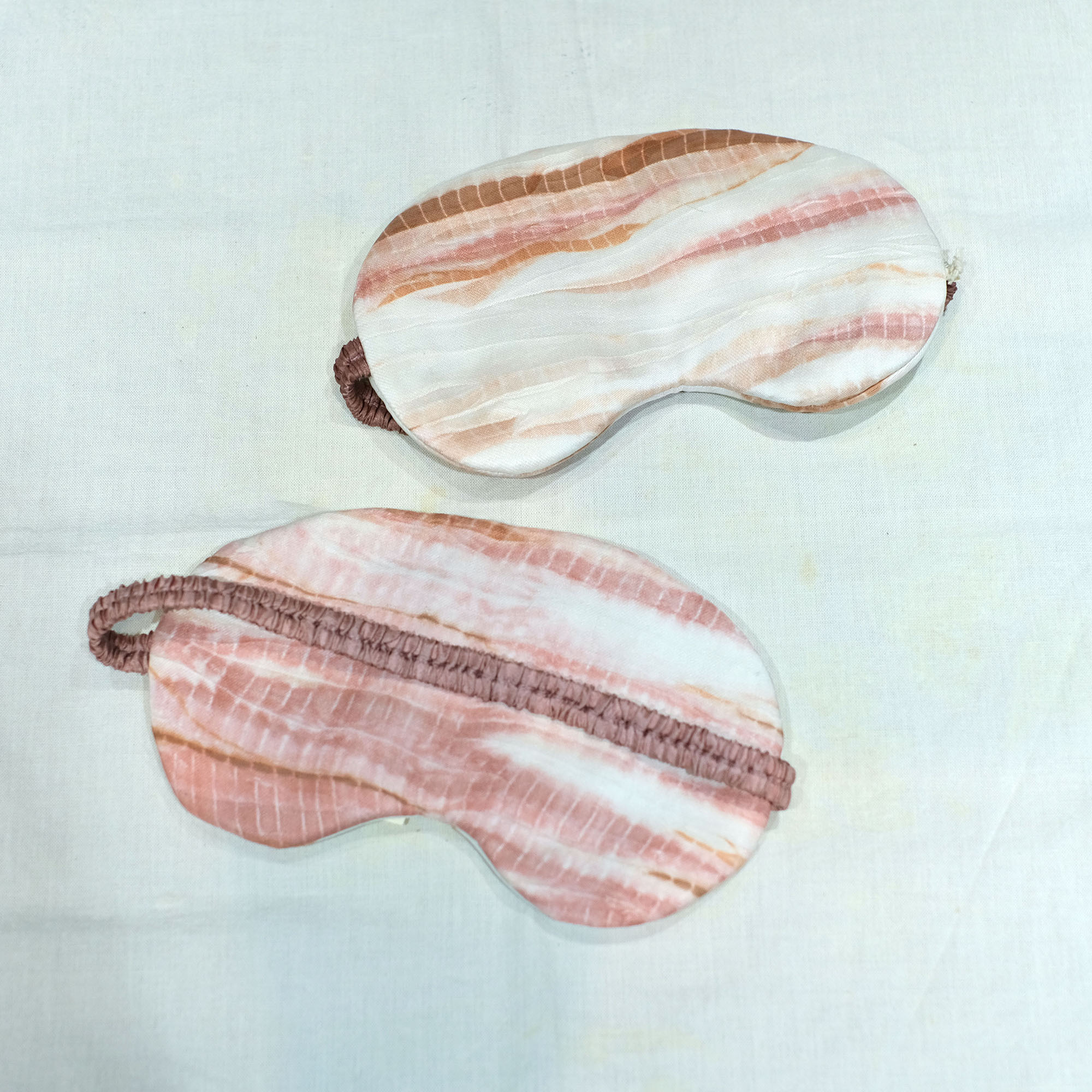
Eye Masks


Made from fine silk with natural tie-dye designs, these eye masks provide a soft, comfortable texture and excellent light-blocking properties, ensuring a restful night's sleep.

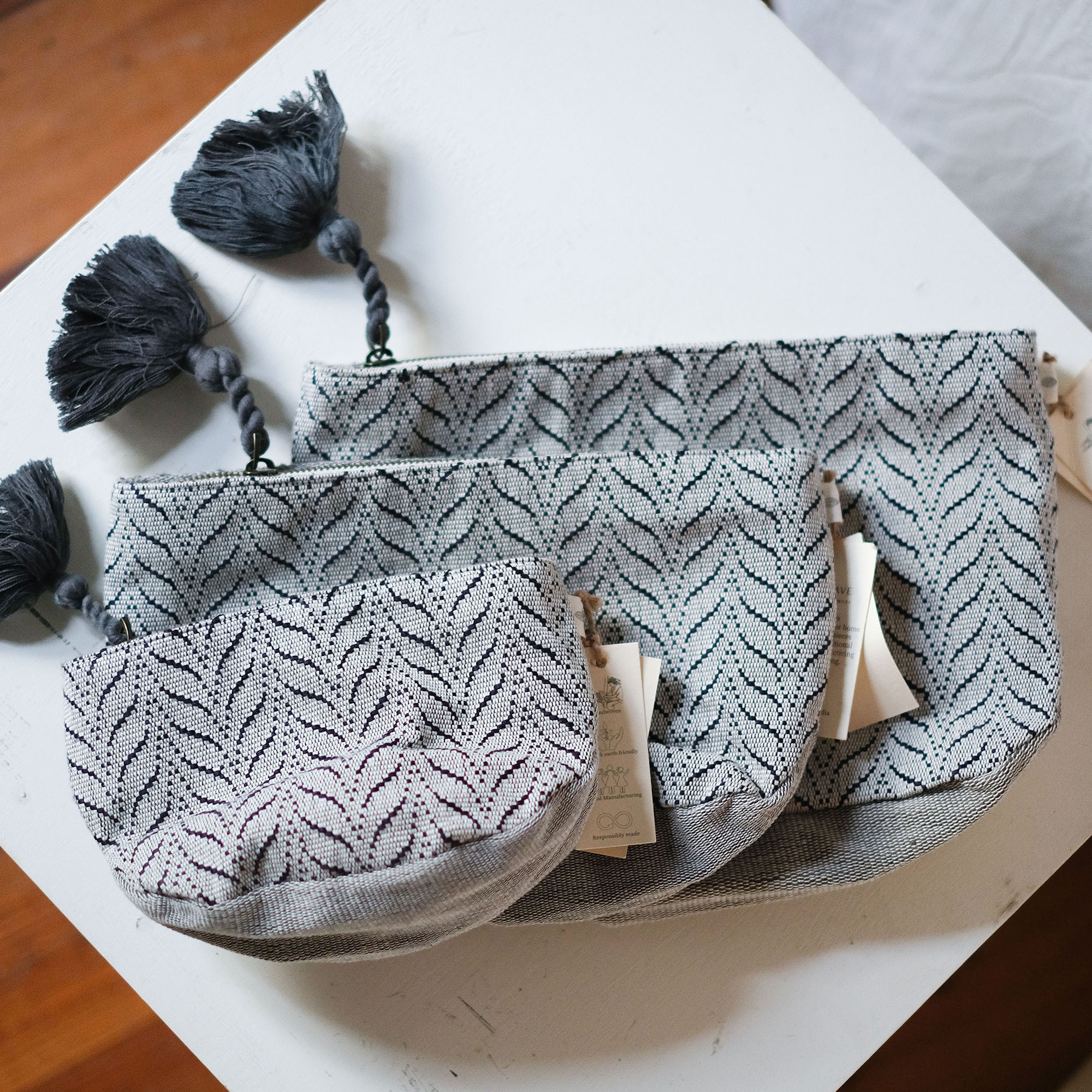
Storage Pouches


These cotton-woven storage pouches come in three sizes and feature tassel decorations. With zippered inner pockets, they're perfect for storing small items or using as a clutch bag when going out.

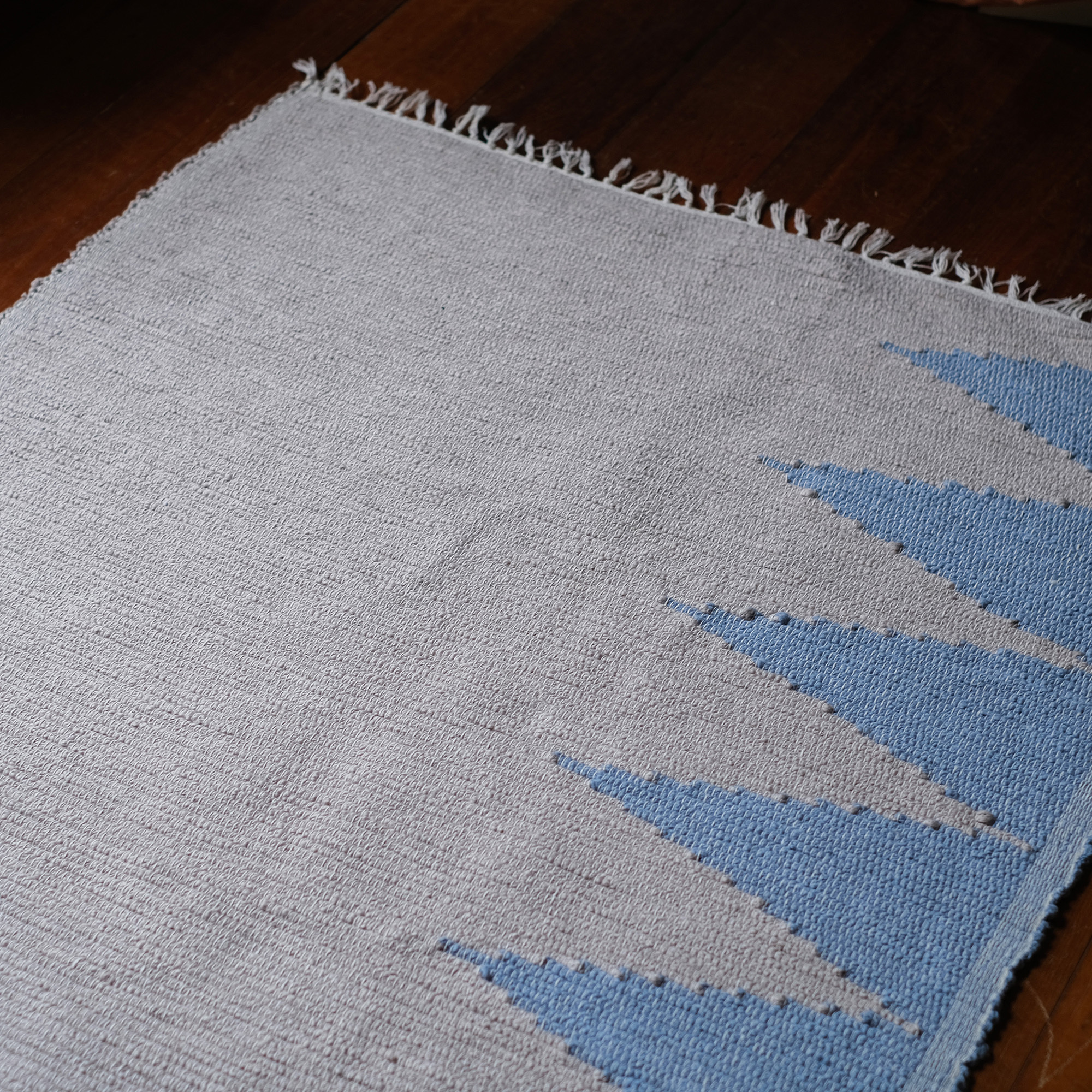
Floor Mats


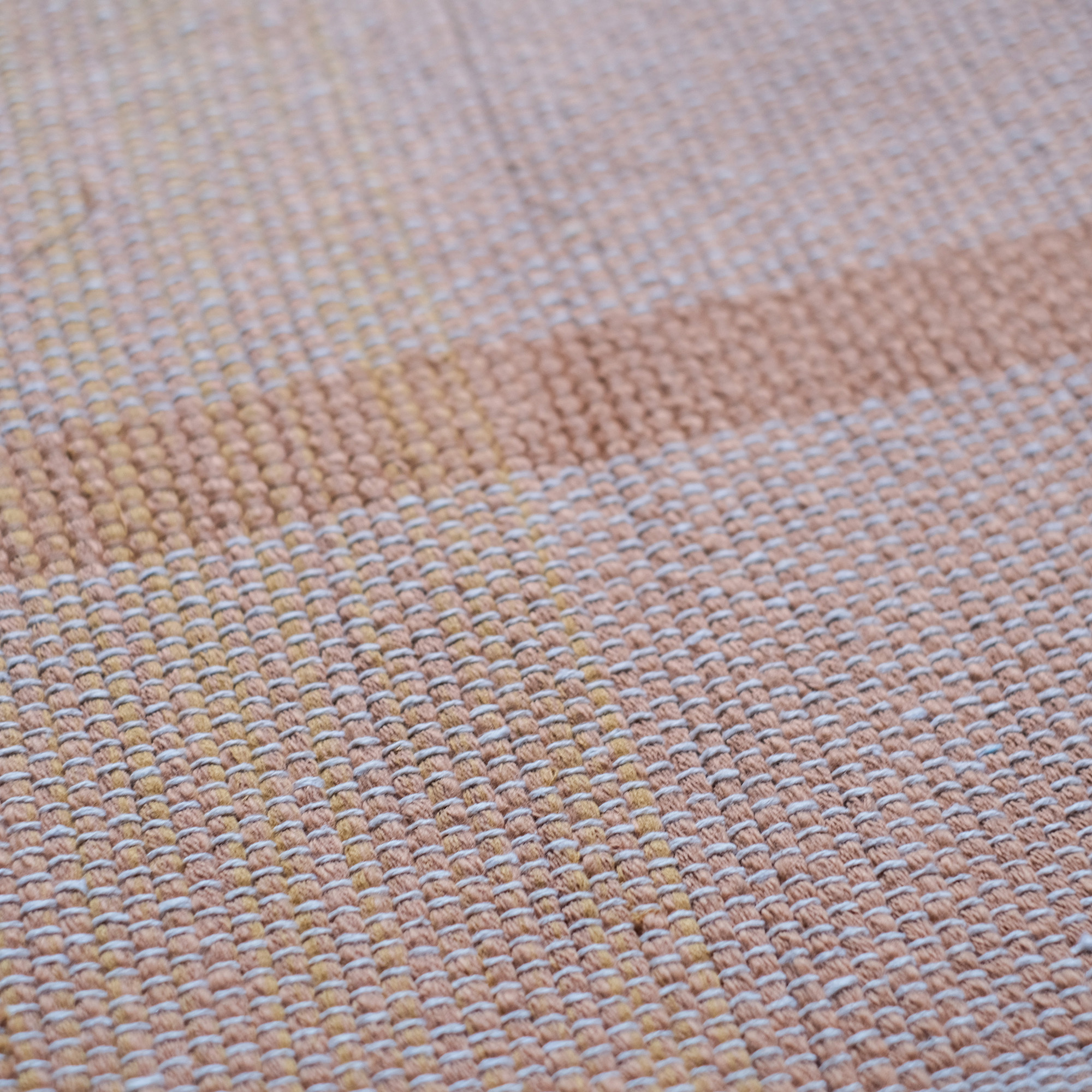
Available in two sizes, they offer a unique blend of comfort and style, adding a touch of warmth and character to the room.

Select Monthly 05 - FAIR WEAVE Cambodian handwoven fabric