{{ 'fb_in_app_browser_popup.desc' | translate }} {{ 'fb_in_app_browser_popup.copy_link' | translate }}

{{ 'in_app_browser_popup.desc' | translate }}

Your Shopping Cart is empty.
{{ (item.variation.media ? item.variation.media.alt_translations : item.product.cover_media.alt_translations) | translateModel }} {{ (item.variation.media
                    ? item.variation.media.alt_translations
                    : item.product.cover_media.alt_translations) | translateModel
                }}
{{ 'product.bundled_products.label' | translate }}
{{ 'product.bundle_group_products.label' | translate }}
{{ 'product.buyandget.label' | translate }}
{{ 'product.gift.label' | translate }}
{{ 'product.addon_products.label' | translate }}
{{item.product.title_translations|translateModel}}
{{ field.name_translations | translateModel }}
  • {{ childProduct.title_translations | translateModel }}

    {{ getChildVariationShorthand(childProduct.child_variation) }}

{{ 'product.set.open_variation' | translate }}
  • {{ getSelectedItemDetail(selectedChildProduct, item).childProductName }} x {{ selectedChildProduct.quantity || 1 }}

    {{ getSelectedItemDetail(selectedChildProduct, item).childVariationName }}

{{item.variation.name}}
{{item.quantity}}x NT$0 {{ item.unit_point }} Point
{{addonItem.product.cover_media.alt_translations | translateModel}}
{{ 'product.addon_products.label' | translate }}
{{addonItem.product.title_translations|translateModel}}
{{addonItem.quantity}}x {{ mainConfig.merchantData.base_currency.alternate_symbol + "0" }}
No product in this category

The flourishing of Mayan culture in Central America

When talking about Mesoamerican civilization and history, the ancient Mayan civilization has to definitely be mentioned. With its origins in 2000 BC, Mayans are a ramification of the ancient Indians. They are famous for their superb astronomy, calendars and artistic architecture, and are the only prehistoric community in the Americas that have left written records.

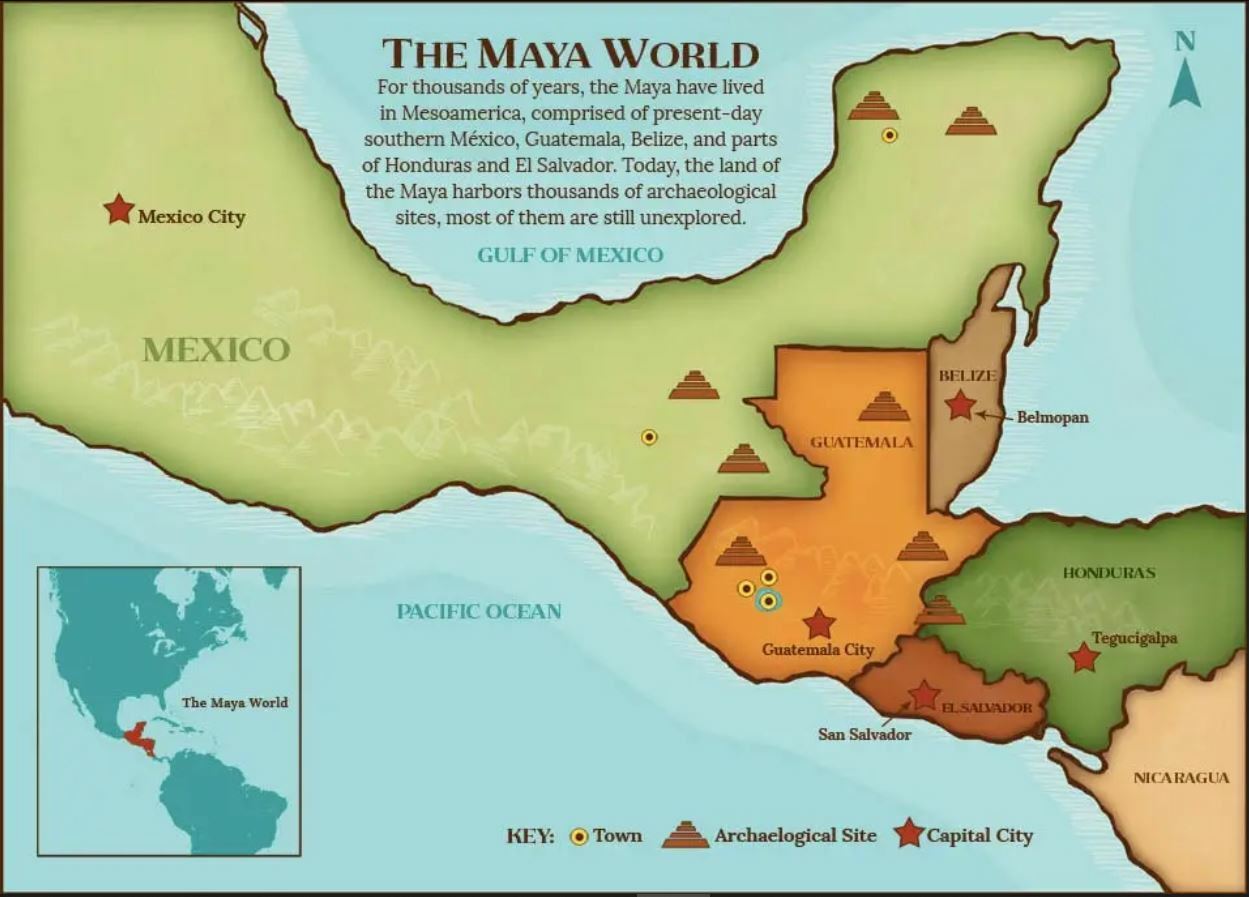
The Mayan civilization was widespread in Central America, from Mexico all the way south to Guatemala, Belize, Honduras and western El Salvador. This thriving civilization continued into the 9th century AD, and declined due to political divisions. Finally, in the 16th century, the Spanish colonial invasion led to its disintegration and demise.

Figure / Ancient Mayan city-states in Central America

Source / Forumias

However, the Mayan culture has not completely disappeared. Today, there are more than 7 million Mayans in Central America. With "Maya" as their main language and wearing a Huipil, a traditional hand-woven dress, communities continue to preserve their ancient traditional culture in their daily life.

The embodiment of Mayan culture: traditional costumes and handmade fabrics

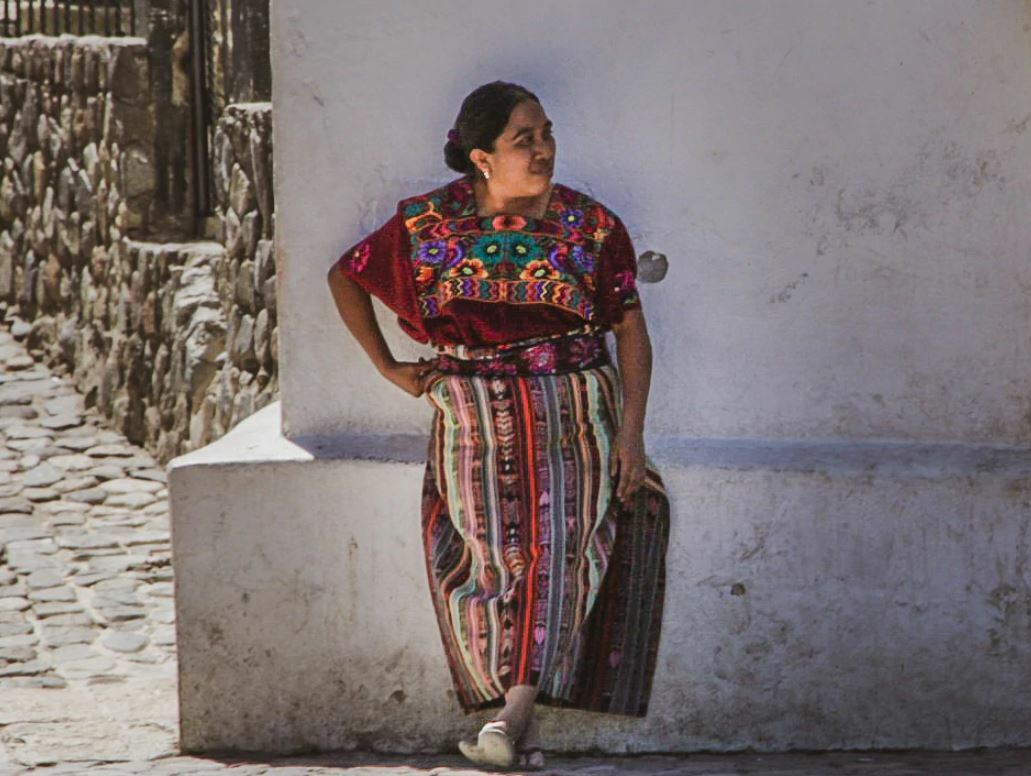
Wearing a loose coat - Huipil, and braided hair accessories, this is the most common dress of traditional Mayan women.

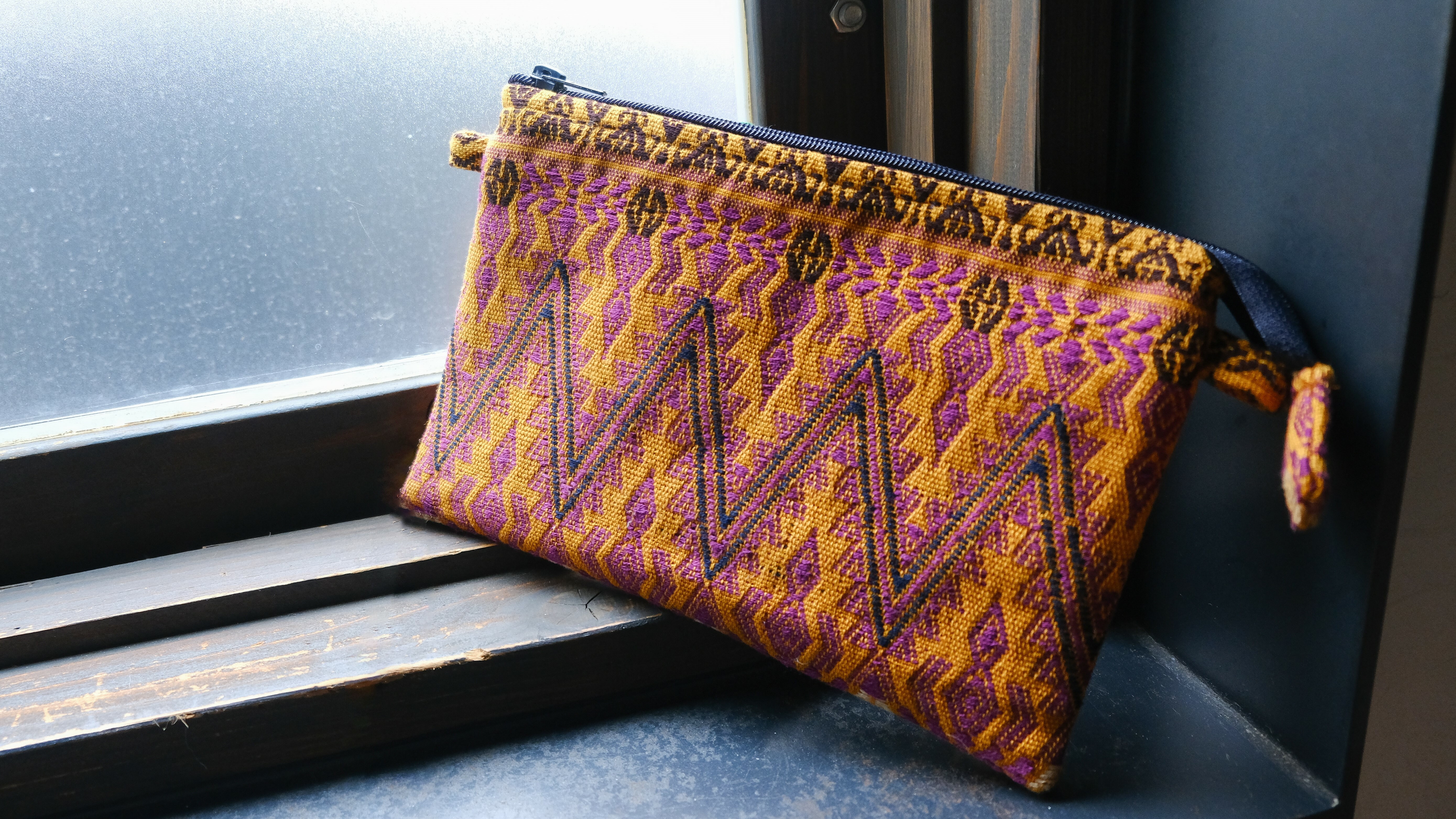
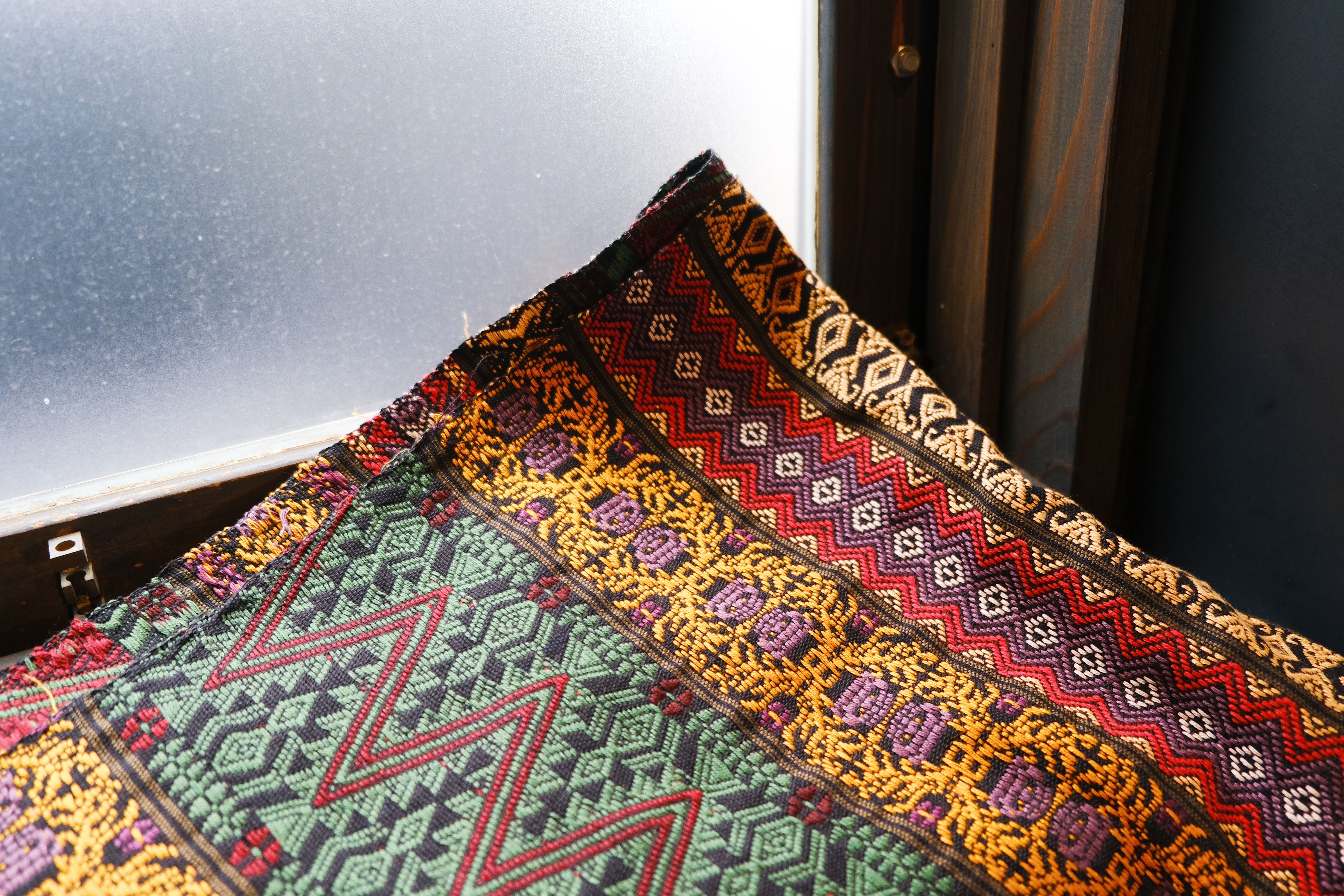
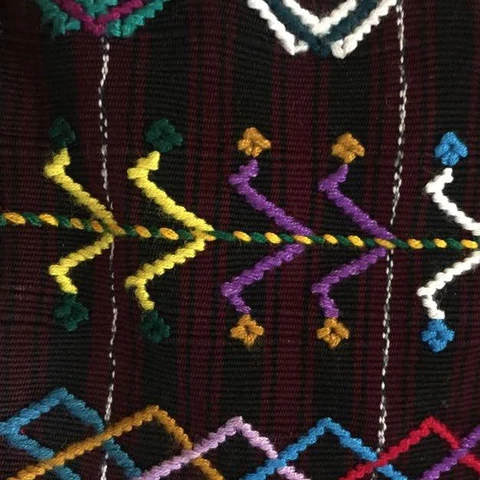
Huipil is a multi-layered robe, usually made of two to three rectangular pieces of fabric connected by stitches, and its length goes from the waist to the floor. There are many woven and embroidered motifs on the neckline and body, each sustaining its own meaning or symbolizing butterflies, hummingbirds, flowers or the tree of life, etc.

Among them, corn is the most important symbol, not only representing the source of food, but also the creation of life. In ancient Mayan legends, the gods used corn to create human beings, using yellow corn to form human muscles, black corn for the hair and eyes, and red corn for the blood. Yellow, black, red, and white have thus become the primary colors of the beginning of the world, and are also the main colors used in weaving.

For the Mayans, man and nature complement each other, and the harmonious coexistence of the two can create a prosperous world. Therefore, natural cotton and plants are used to make yarns and dyes, and the icons that symbolize nature and gods are woven into daily clothes and carpets. It is not only for wear, each piece of fabric conveys the Mayan beliefs, and contains the ancient legends of the Mayans and their views on how things work in the universe.


Figure / Traditional clothing of Mayan women

Source / Mayalla


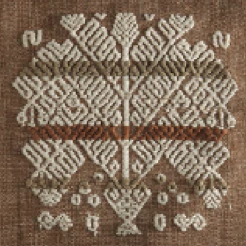
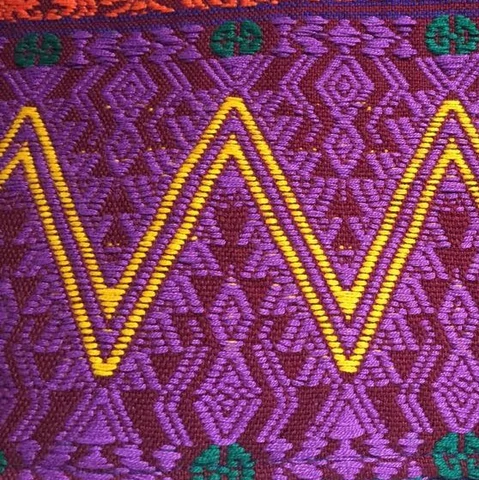
Mayan Totem Description

Corn totem

Quetzal, Guatemala’s national bird

Tree of life

Mayan feathered snake god (Kukulkan)

The Guidance of the Moon Goddess: Mayan Weaving

In Mayan legends, the moon goddess Ixchel taught women to weave, and so weaving became the life skill of Mayan women. In a Mayan traditional ceremony, after a baby girl is born, the midwife will sing to her about the weaving tools and the weaving tradition, and when the girl turns 7 or 8 years old, her mother will teach her the skills of weaving. This weaving tradition passed from generation to generation shows the identity and social status of the family.

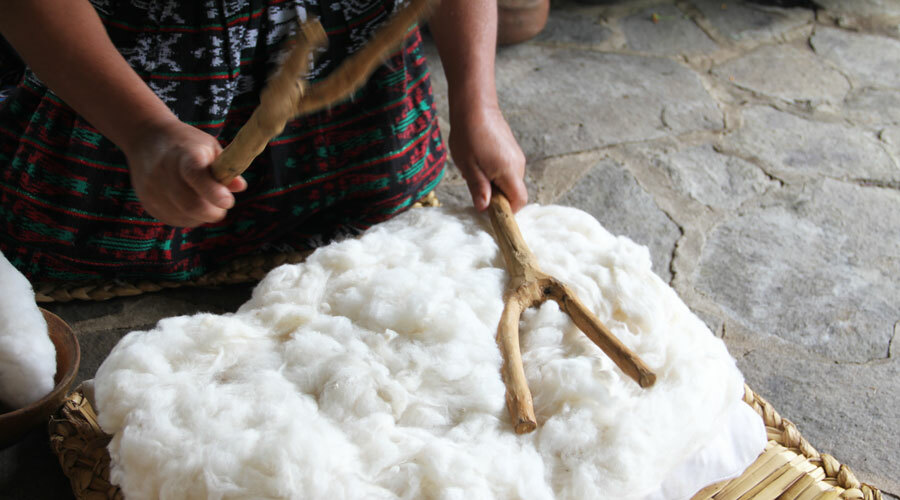
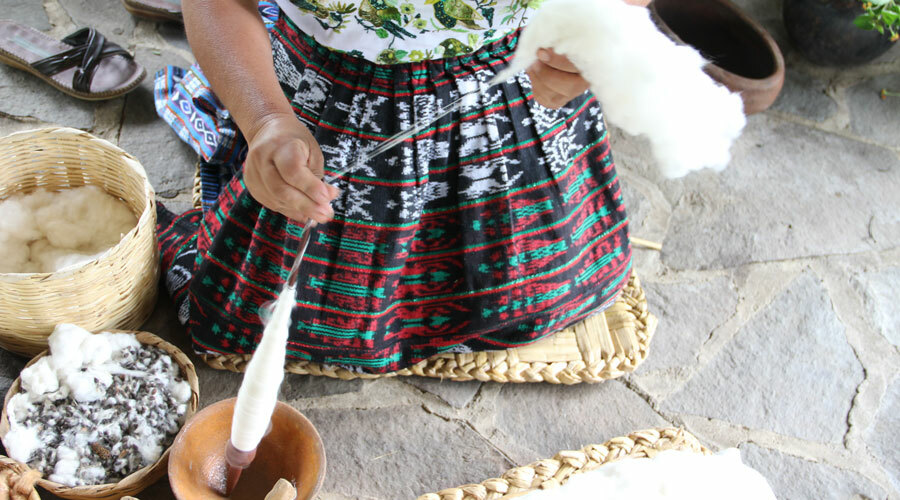
Step1: Spin cotton into thread

Using natural cotton, the women weavers beat the fiber with a stick to soften it before stretching it in small handfuls to remove impurities.  After the cleaning, the cotton needs to be pulled out and rotated into a thread.

Source/ Meridian 

Source/ Meridian 

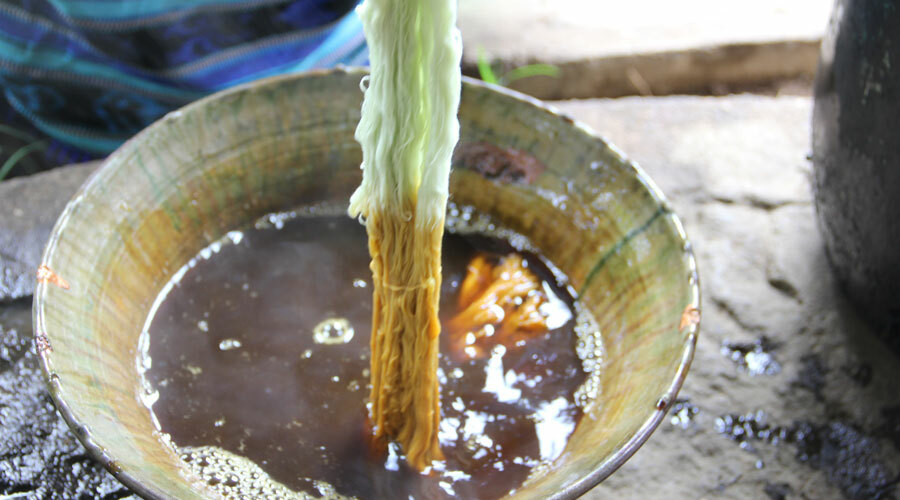
Step2: Dyeing

The cotton threads are dyed with natural plants and insect dyes.

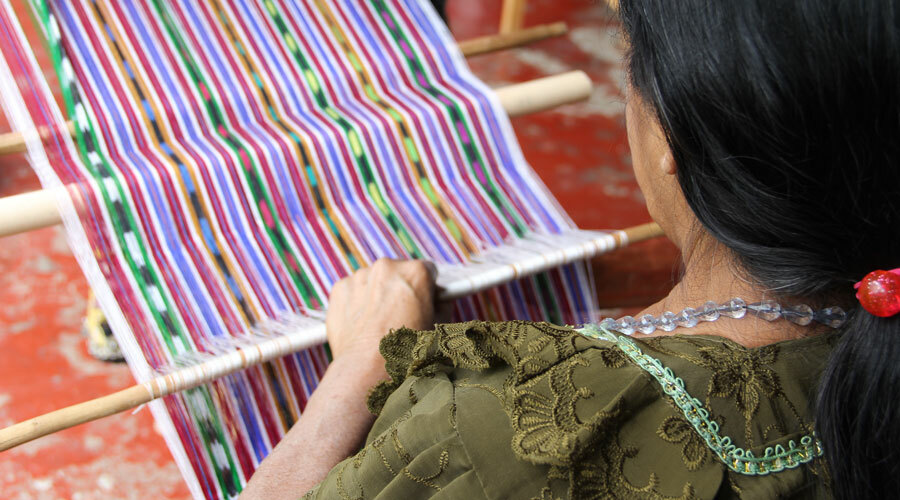
Step3: Weaving

Traditionally, Mayan women use a harness loom for weaving, made of wooden sticks and leather belts, and tied on one side to the weaver's waist and the other tied to a tree or to a post. By moving their bodies back and forth, the wooden slats that shuttle the cotton threads open and close, allowing weavers to create tension on the loom, also known as the waist loom. The waist loom itself is simple in structure, easy to carry, and can be woven anywhere, but the weaver require considerable strength and body control skills in order to balance the loom and sit for long periods of time.

As Western colonization brought new weaving machines and embroidery techniques, Mayan women also began to use different weaving methods.

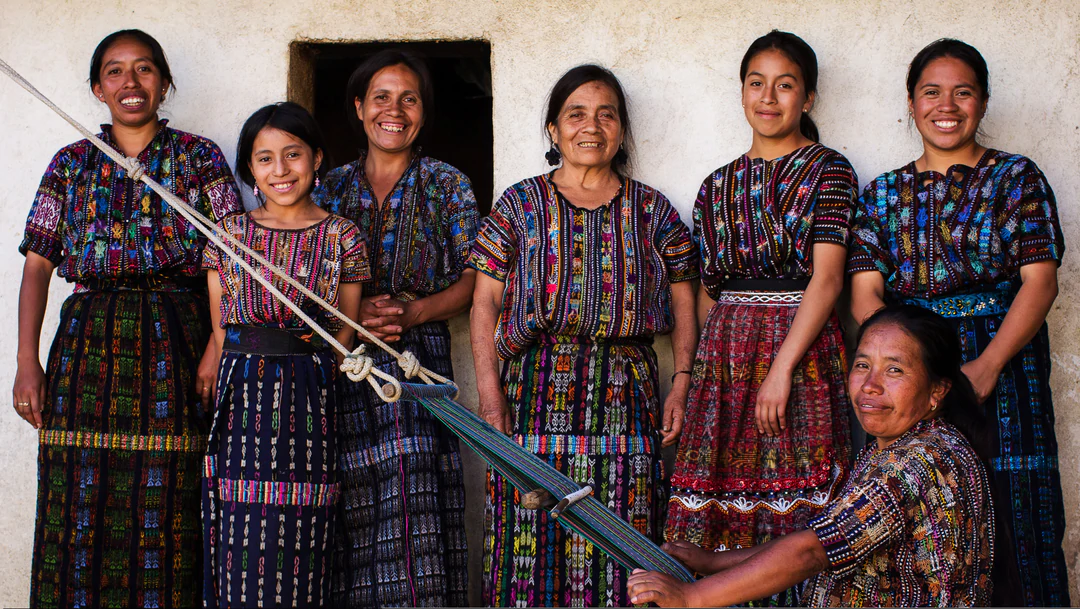
Mayan Weaving Women

Traditional tool for weaning 

Guatemalan Mayan women who stand up for their culture

Due to the Western colonial regime, there were complex racial issues in Central and South America. .  Between 1960 and 1996, a civil war broke out in Guatemala, which led to a genocide that killed 240,000 civilians, the vast majority of whom were indigenous Mayans. In Guatemala, the Mayans make up about half of the country's population, but they are at the bottom of society.  During the civil war, many Mayan women were targeted for slaughter because of their traditional dress.

After the cultural rupture caused by the civil war, traditional weaving almost disappeared. So, Guatemalan women tried to re-establish their culture and identity by reviving the Mayan traditional weaving, but once again they faced the barrier of globalization and multinational corporate culture.

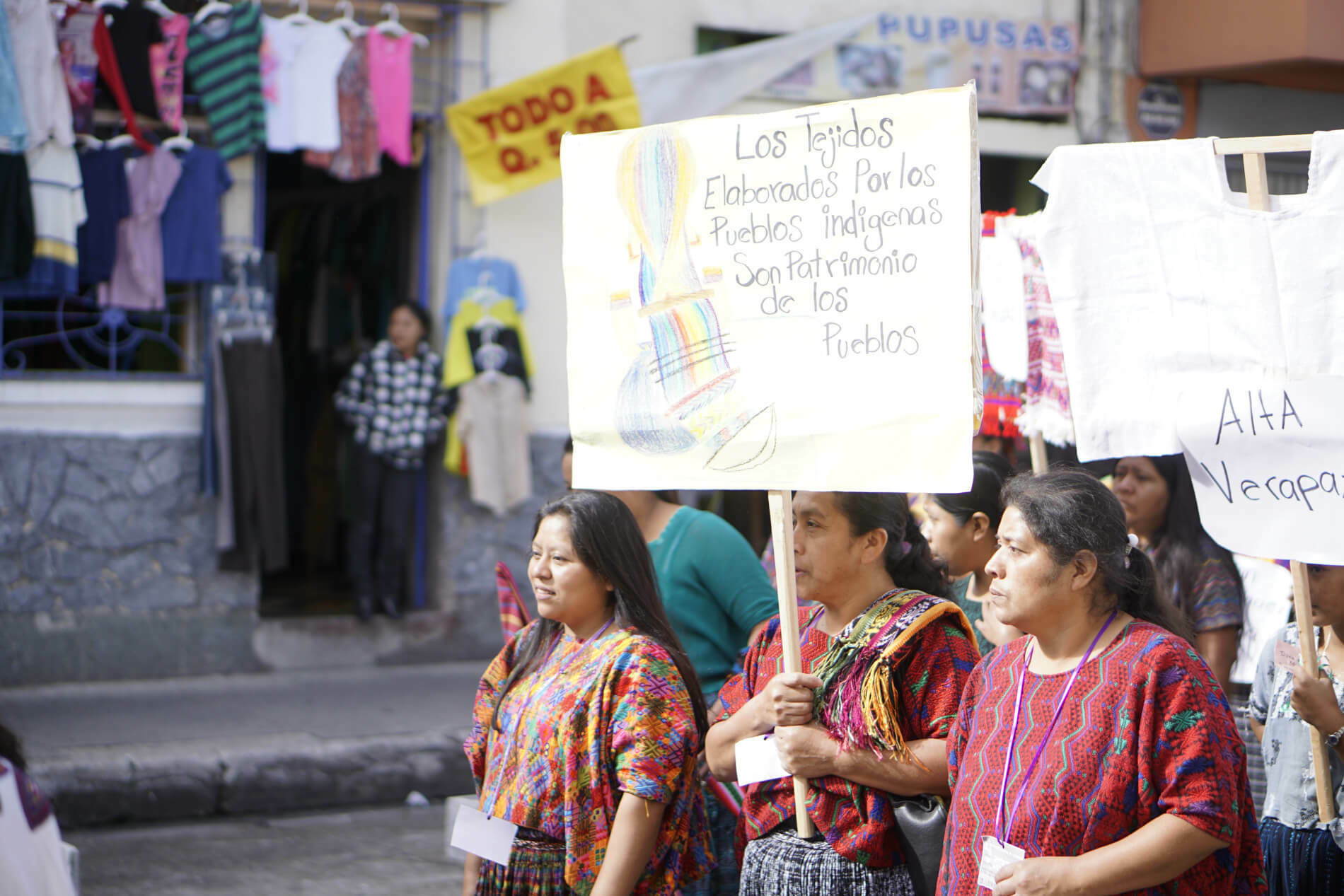
In 2016, more than 30 Mayan communities in Guatemala formed the “Asociación Femenina para el Desarrollo de Sacatepéquez (AFEDES)”, to fight for a "collective intellectual property rights", and to require a legislation to recognize Mayan traditional fabrics as collectively owned by Mayan weavers, rejecting imitations and cultural appropriation by multinational fashion companies.

Nowadays, there are still many Mayan communities opening workshops and striving to make their rich and diverse Mayan weaving and unique patterns continue to pass down, and let more people from all over the world understand the charm of the ancient Mayan civilization.


Figure / Guatemalan women fighting for collective weaving cultural property

Source / AFEDES


Southern Crafts|Mayan Textiles


No product in this category