{{ 'fb_in_app_browser_popup.desc' | translate }} {{ 'fb_in_app_browser_popup.copy_link' | translate }}

{{ 'in_app_browser_popup.desc' | translate }}

Your Shopping Cart is empty.
{{ (item.variation.media ? item.variation.media.alt_translations : item.product.cover_media.alt_translations) | translateModel }} {{ (item.variation.media
                    ? item.variation.media.alt_translations
                    : item.product.cover_media.alt_translations) | translateModel
                }}
{{ 'product.bundled_products.label' | translate }}
{{ 'product.bundle_group_products.label' | translate }}
{{ 'product.buyandget.label' | translate }}
{{ 'product.gift.label' | translate }}
{{ 'product.addon_products.label' | translate }}
{{item.product.title_translations|translateModel}}
{{ field.name_translations | translateModel }}
  • {{ childProduct.title_translations | translateModel }}

    {{ getChildVariationShorthand(childProduct.child_variation) }}

{{ 'product.set.open_variation' | translate }}
  • {{ getSelectedItemDetail(selectedChildProduct, item).childProductName }} x {{ selectedChildProduct.quantity || 1 }}

    {{ getSelectedItemDetail(selectedChildProduct, item).childVariationName }}

{{item.variation.name}}
{{item.quantity}}x NT$0 {{ item.unit_point }} Point
{{addonItem.product.cover_media.alt_translations | translateModel}}
{{ 'product.addon_products.label' | translate }}
{{addonItem.product.title_translations|translateModel}}
{{addonItem.quantity}}x {{ mainConfig.merchantData.base_currency.alternate_symbol + "0" }}
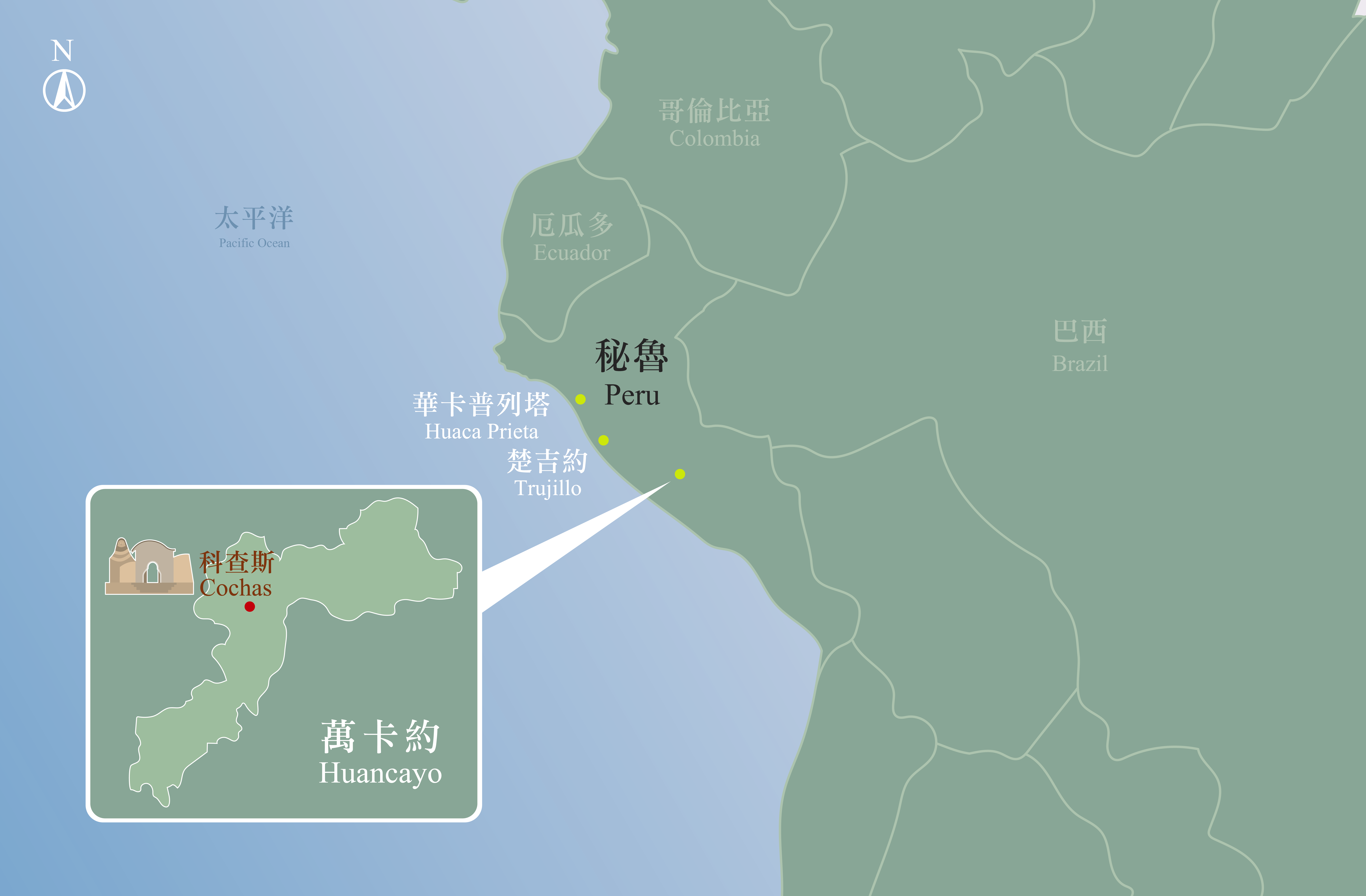
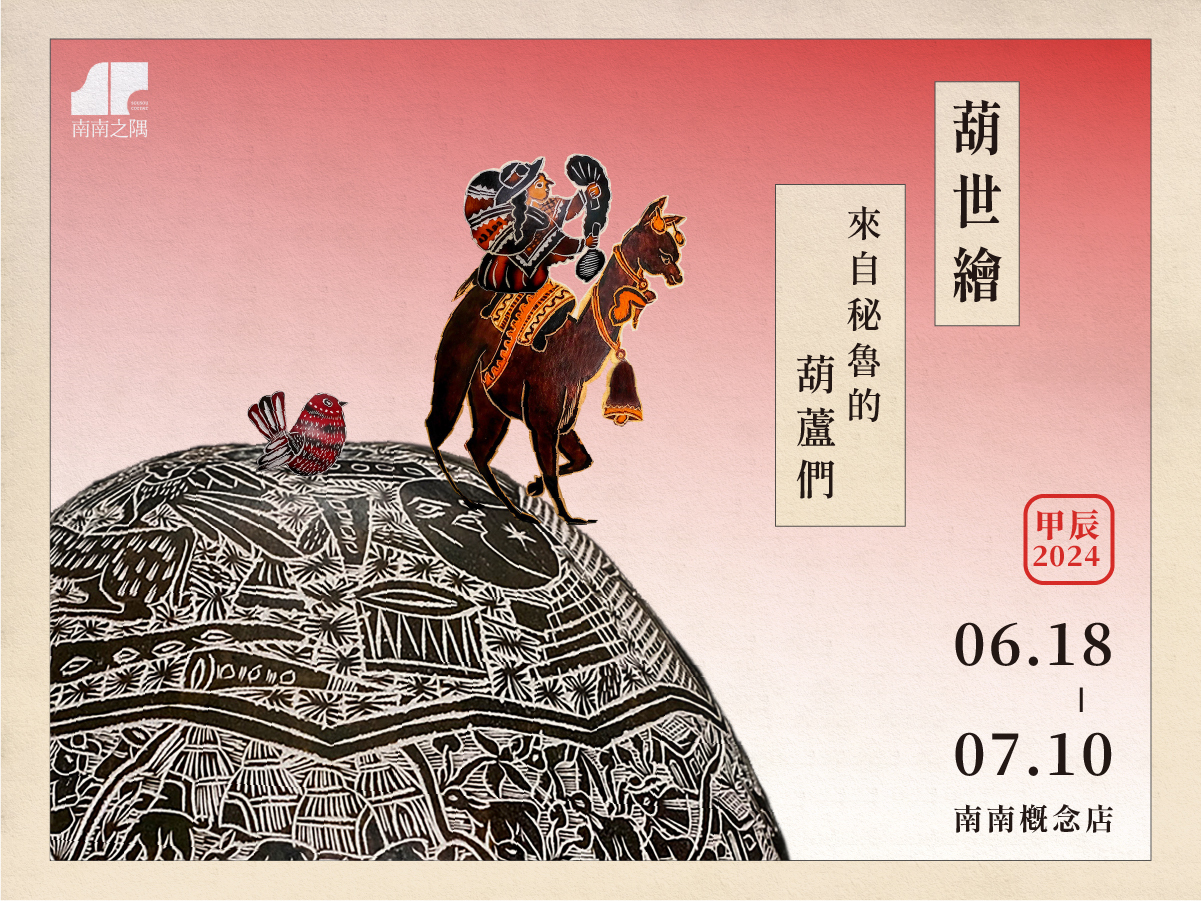
使用葫蘆作為瓢盆、樂器,是世界常見的文化傳統,然而將視角轉到秘魯,葫蘆上竟刻有細小的線條與繁複的紋路,這是傳承四千多年,位在秘魯中部萬卡約(Huancayo)的葫蘆雕刻工藝。

日期:2024.6.18 (二) -  7.10 (三)(週一公休)
時間:12:00 - 20:00
地點:南南之隅概念店(自由入場)

The workshops and craftsmen who give the stones a soul

The history of creating stone sculptures in San Juan de Limay can be traced back to at least 1972, when a priest, Eduardo Mejía, taught stone carving techniques to the locals in order to improve local life. The raw material for the stone carvings is soapstone (Marmolina), which has a texture as smooth as soap and a low hardness. It was originally obtained from nearby the city. However, due to the shortage of raw materials in recent years, the ore produced in El Limón, the second largest city in Nicaragua, together with pebbles or marble from the river bed, are used instead.


There are large and small stone carving workshops in the city. Both adults and children use their skillful hands and chisels to give form to the natural ore through the complicated process of cutting, filing, washing and grinding. The time it takes depends on the size of the stone sculpture. Small stone sculptures can take more than three hours to carve, and large stone sculptures even take one to three months to be completed.

圖 / 萬卡約是秘魯葫蘆雕刻中心,主要由Cochas Chico與Cochas Grande兩個村子製作
來源 / 南南之隅

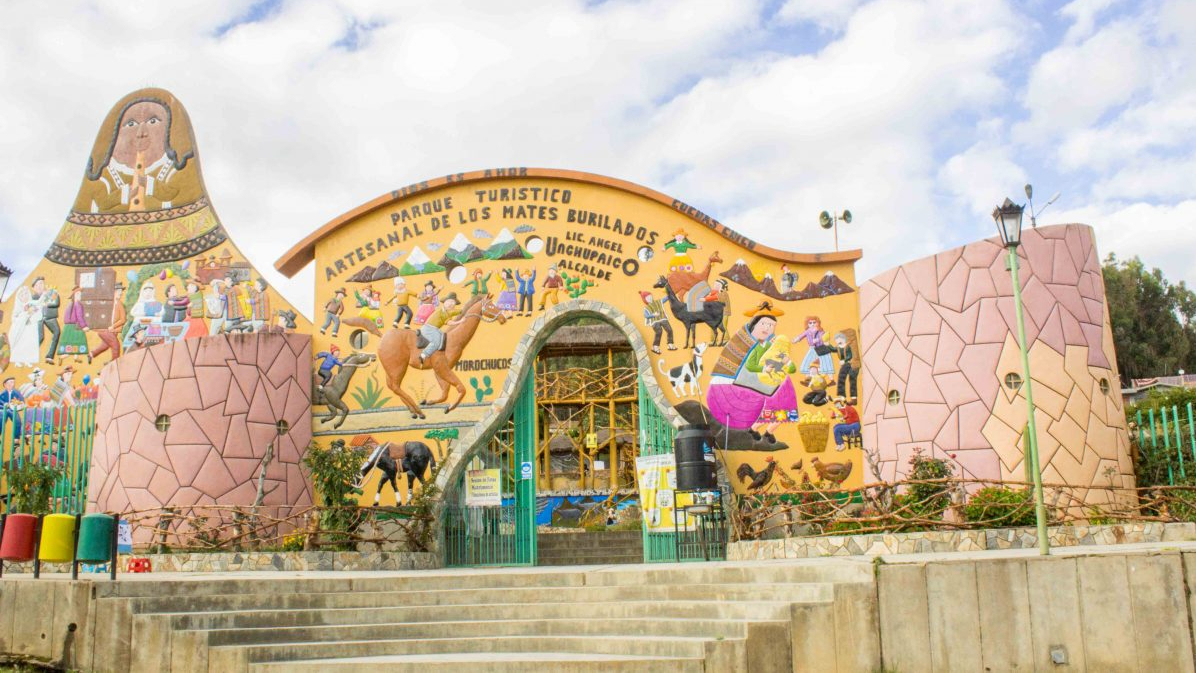
圖/葫蘆雕刻公園
來源/tripadvisor

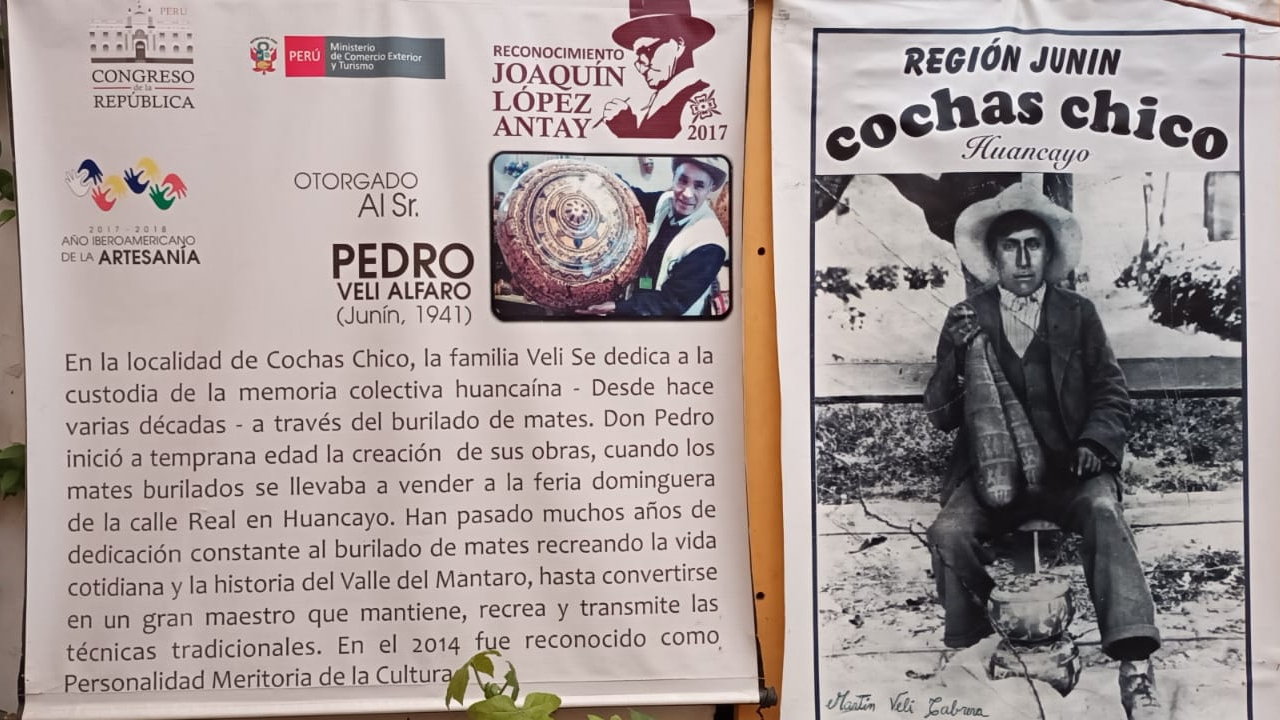
圖/工坊的國寶級大師剪報
來源/南南之隅

The connection between workshops, cooperatives and technical schools

In addition to fat women, animals, human figures and American culture may also become the subjects of stone sculptures. Animals include toucans and green iguanas commonly seen in Central America, as well as frogs and elephants. They all come with the natural texture and color of the ore.


For sculptors, creation is a talent that runs in their blood. Sculptor Juan Sánchez shared: "This is an innate talent. No one taught us. We created these sculptures."

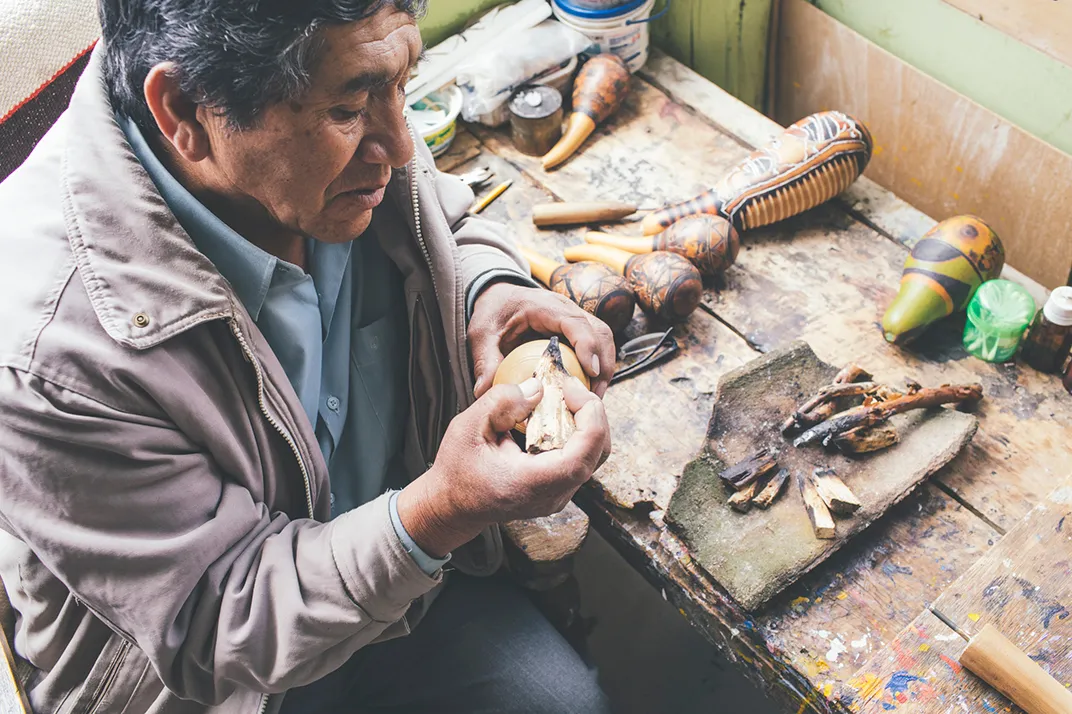
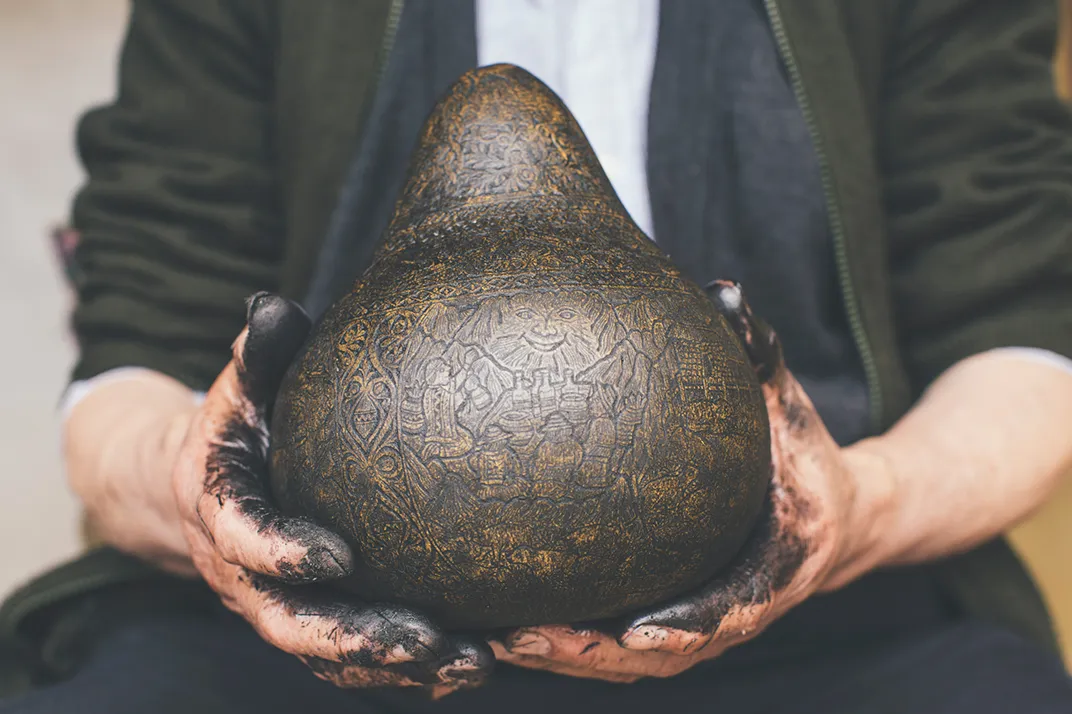
圖/以燒紅的木材在葫蘆上烙畫
來源/Smithsonian Magazine

圖/將葫蘆抹上草木灰
來源/Smithsonian Magazine

Large and small stone carving workshops, connected in the form of cooperatives and the establishment of craft schools, have developed a complete industrial system for San Juan de Limay's stone carving.


Ramón Vinel, sculptor: “I am happy to pass on my experience to these children, so that they can become future craftsmen. Being able to pass on this knowledge to a new generation not only makes us craftsmen happy and proud, it also allows the stone carving craftsmanship of San Juan de Limay to continue and be passed on.”


完整工藝介紹 萬卡約葫蘆雕刻|秘魯

Nicaragua Stone Sculpture

葫蘆雕刻的創作題材五花八門,包含日常生活場景、宗教或安地斯儀式及神話、農作物、典型的舞蹈或動物等等,有些圖案甚至細緻到需要用放大鏡才能欣賞。


如今,葫蘆雕刻對萬卡約的工藝師而言,是傳承家族或當地歷史的重要媒介。Eulogio Medina Sanabria是Cochas Grande的雕刻大師,他認為葫蘆雕刻是家族代代相傳的重要文化,只要有願意傾囊相授的父母,下一代也會是優秀的工藝師,然而隨著人口外流,優秀的工藝師越來越少,也往往為了糊口選擇大量製作簡單的葫蘆雕刻,但他始終視葫蘆雕刻為藝術,願意花長時間創作精緻的藝術品。

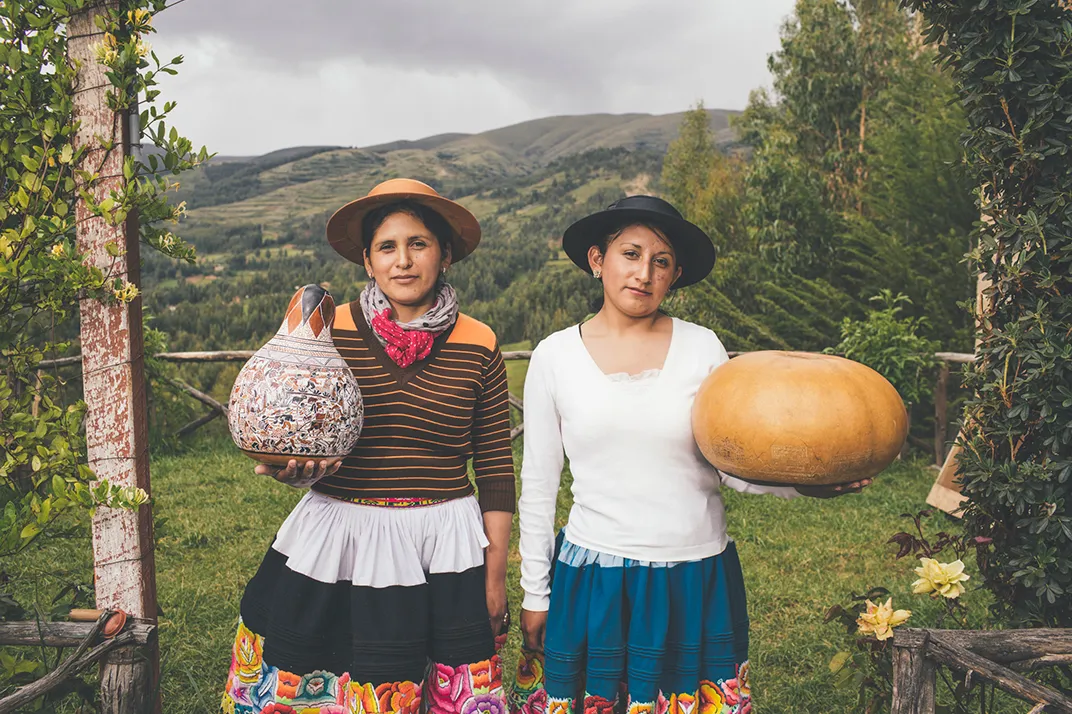
Katya與Blanca兩姊妹不像多數年輕人到大城市打拚,她們選擇回來萬卡約,將家族的葫蘆雕刻工藝傳承下去。她們認為延續父親的手藝是保存當地習俗和家族故事的一種方式,具有巨大的價值。Katya正在創作一個講述她祖父旅行故事的作品,需要數年時間才能完成,Blanca希望將葫蘆雕刻融入家居設計,大師的傳承及新血的加入,期盼讓傳統工藝找到新的可能。


圖/Katya與Blanca Canto選擇回鄉傳承葫蘆雕刻工藝
來源/Smithsonian Magazine

【展覽資訊】

葫世繪 - 來自秘魯的葫蘆們


日期:2024.6.18 (二) -  7.10 (三)(週一公休)
時間:12:00 - 20:00
地點:南南之隅概念店(自由入場)

展品搶先看