{{ 'fb_in_app_browser_popup.desc' | translate }} {{ 'fb_in_app_browser_popup.copy_link' | translate }}
{{ 'in_app_browser_popup.desc' | translate }}
{{ childProduct.title_translations | translateModel }}
{{ getChildVariationShorthand(childProduct.child_variation) }}
{{ getSelectedItemDetail(selectedChildProduct, item).childProductName }} x {{ selectedChildProduct.quantity || 1 }}
{{ getSelectedItemDetail(selectedChildProduct, item).childVariationName }}
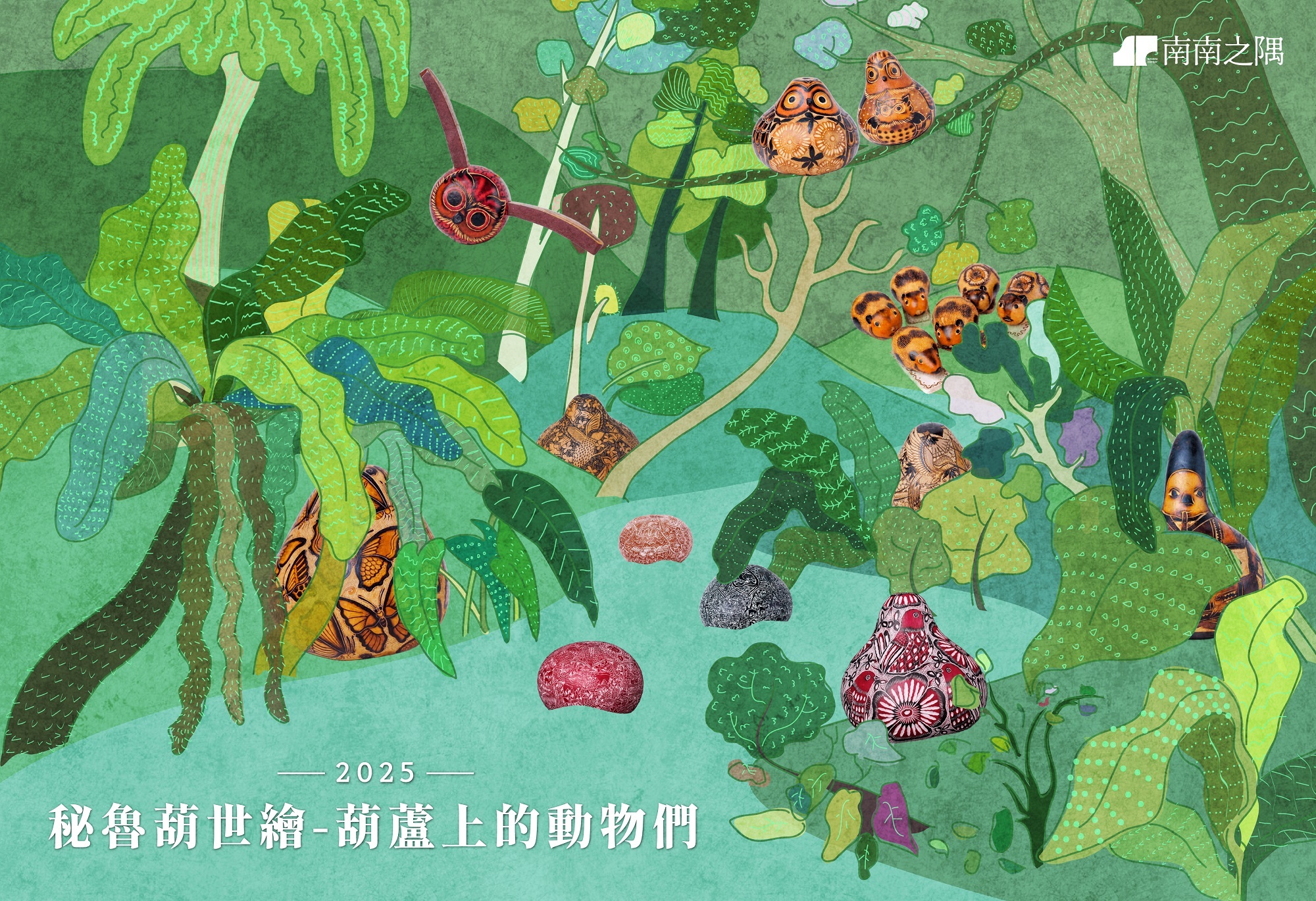
把葫蘆做成瓢盆、樂器,是世界常見的生活器物,秘魯中部的萬卡約省(Huancayo),竟把葫蘆刻出一幅畫。今年「秘魯葫世繪」再度登場,這次讓我們開啟想像力,看工藝師如何從形狀各異的葫蘆中,創造出精彩的動物奇想世界!
秘魯|Huancayo 萬卡約葫蘆雕刻
The workshops and craftsmen who give the stones a soul
The history of creating stone sculptures in San Juan de Limay can be traced back to at least 1972, when a priest, Eduardo Mejía, taught stone carving techniques to the locals in order to improve local life. The raw material for the stone carvings is soapstone (Marmolina), which has a texture as smooth as soap and a low hardness. It was originally obtained from nearby the city. However, due to the shortage of raw materials in recent years, the ore produced in El Limón, the second largest city in Nicaragua, together with pebbles or marble from the river bed, are used instead.
There are large and small stone carving workshops in the city. Both adults and children use their skillful hands and chisels to give form to the natural ore through the complicated process of cutting, filing, washing and grinding. The time it takes depends on the size of the stone sculpture. Small stone sculptures can take more than three hours to carve, and large stone sculptures even take one to three months to be completed.
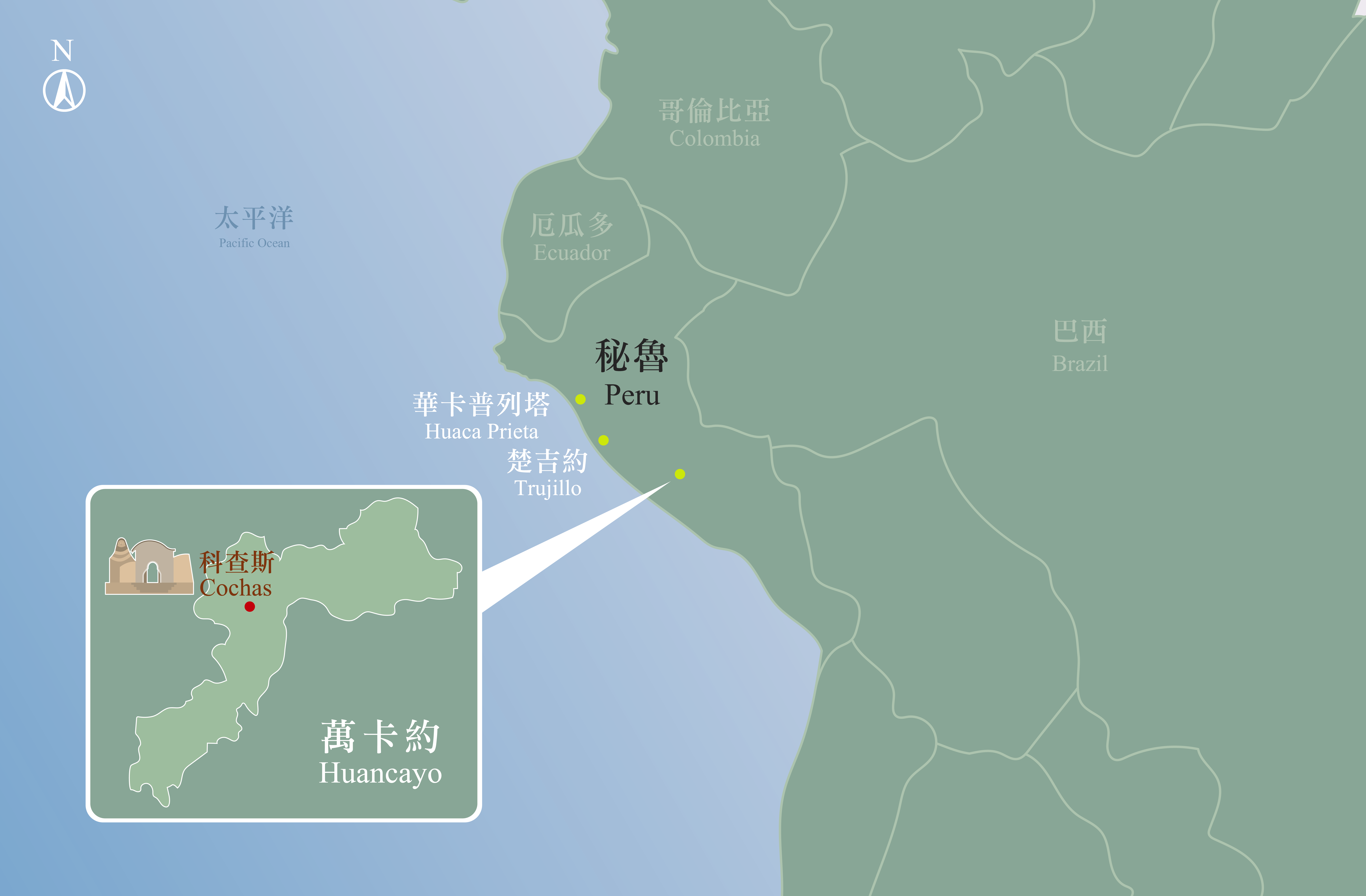
圖 / 萬卡約是秘魯葫蘆雕刻中心,主要由Cochas Chico與Cochas Grande兩個村子製作
來源 / 南南之隅
The connection between workshops, cooperatives and technical schools
In addition to fat women, animals, human figures and American culture may also become the subjects of stone sculptures. Animals include toucans and green iguanas commonly seen in Central America, as well as frogs and elephants. They all come with the natural texture and color of the ore.
For sculptors, creation is a talent that runs in their blood. Sculptor Juan Sánchez shared: "This is an innate talent. No one taught us. We created these sculptures."
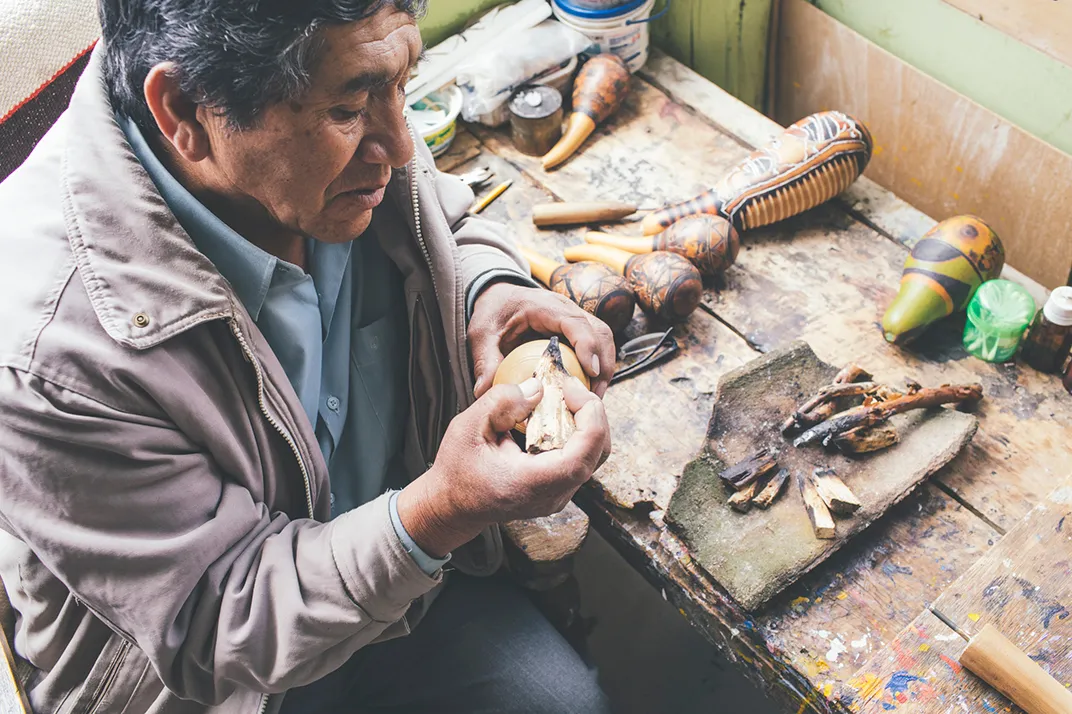
圖/以燒紅的木材在葫蘆上烙畫
來源/Smithsonian Magazine
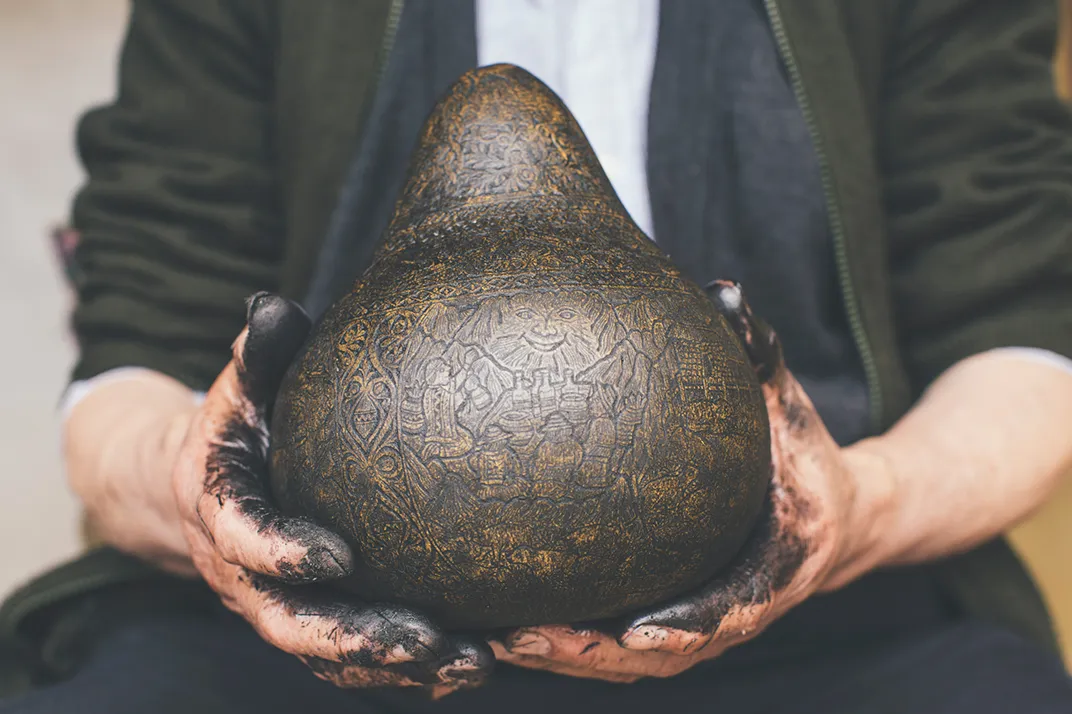
圖/將葫蘆抹上草木灰
來源/Smithsonian Magazine
Nicaragua Stone Sculpture
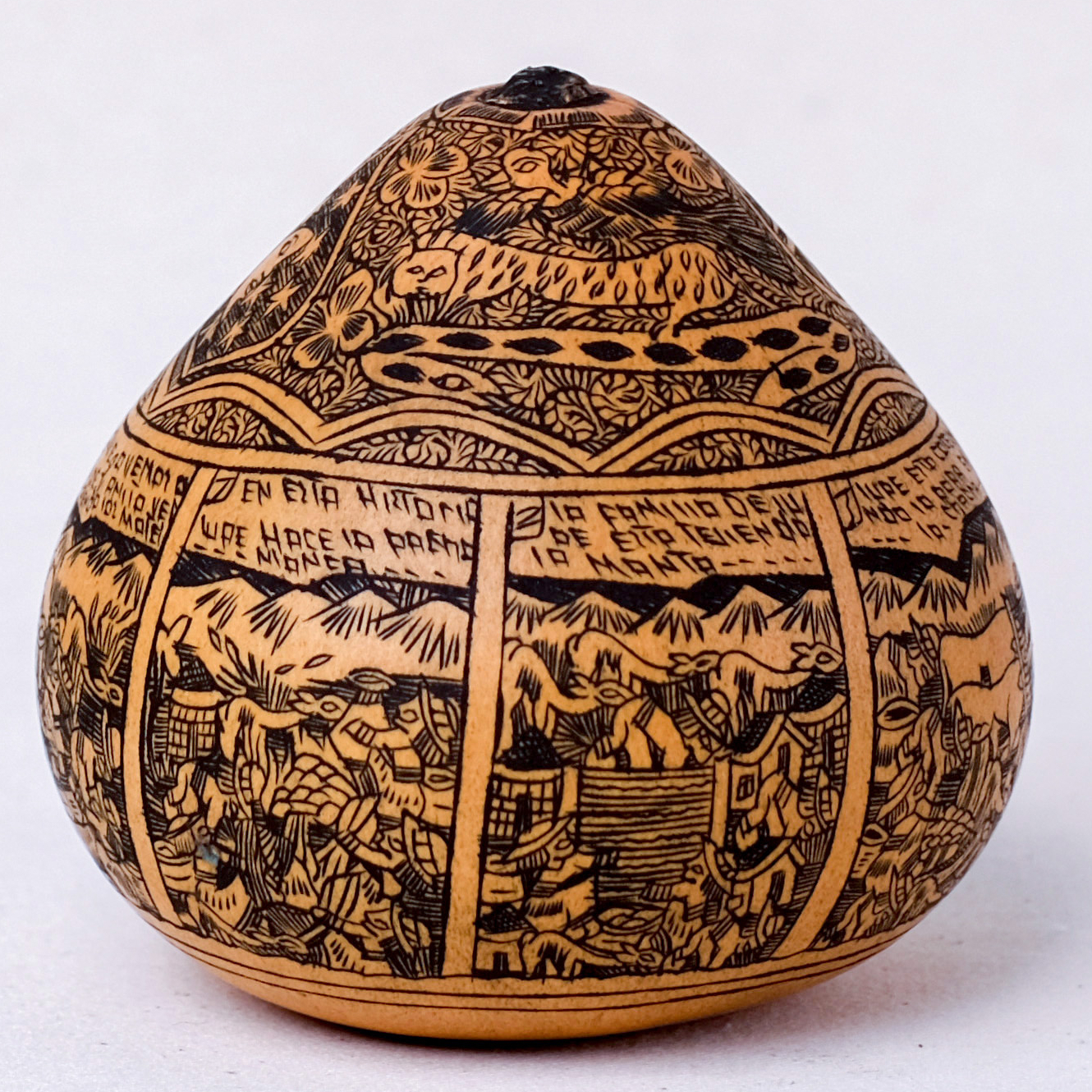
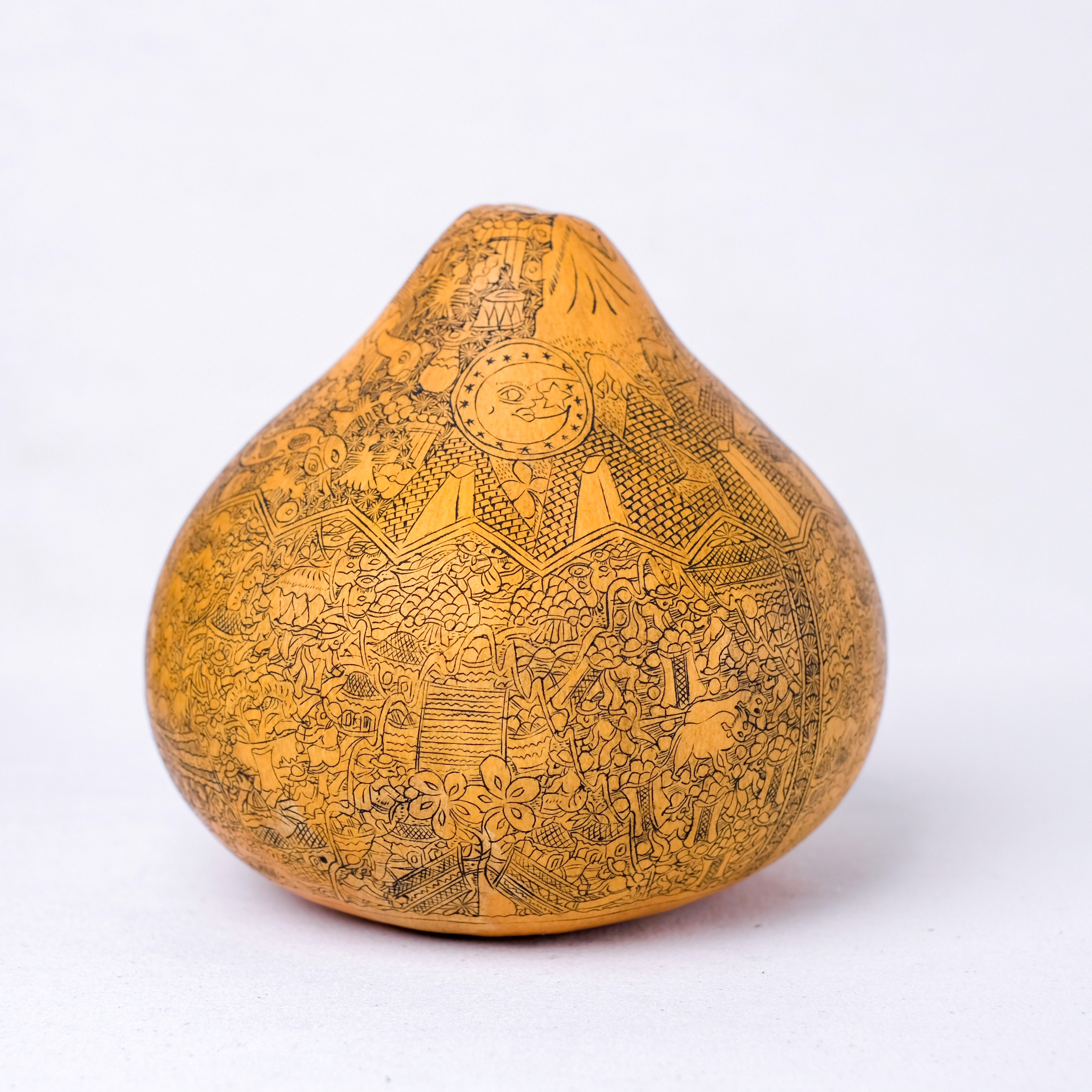
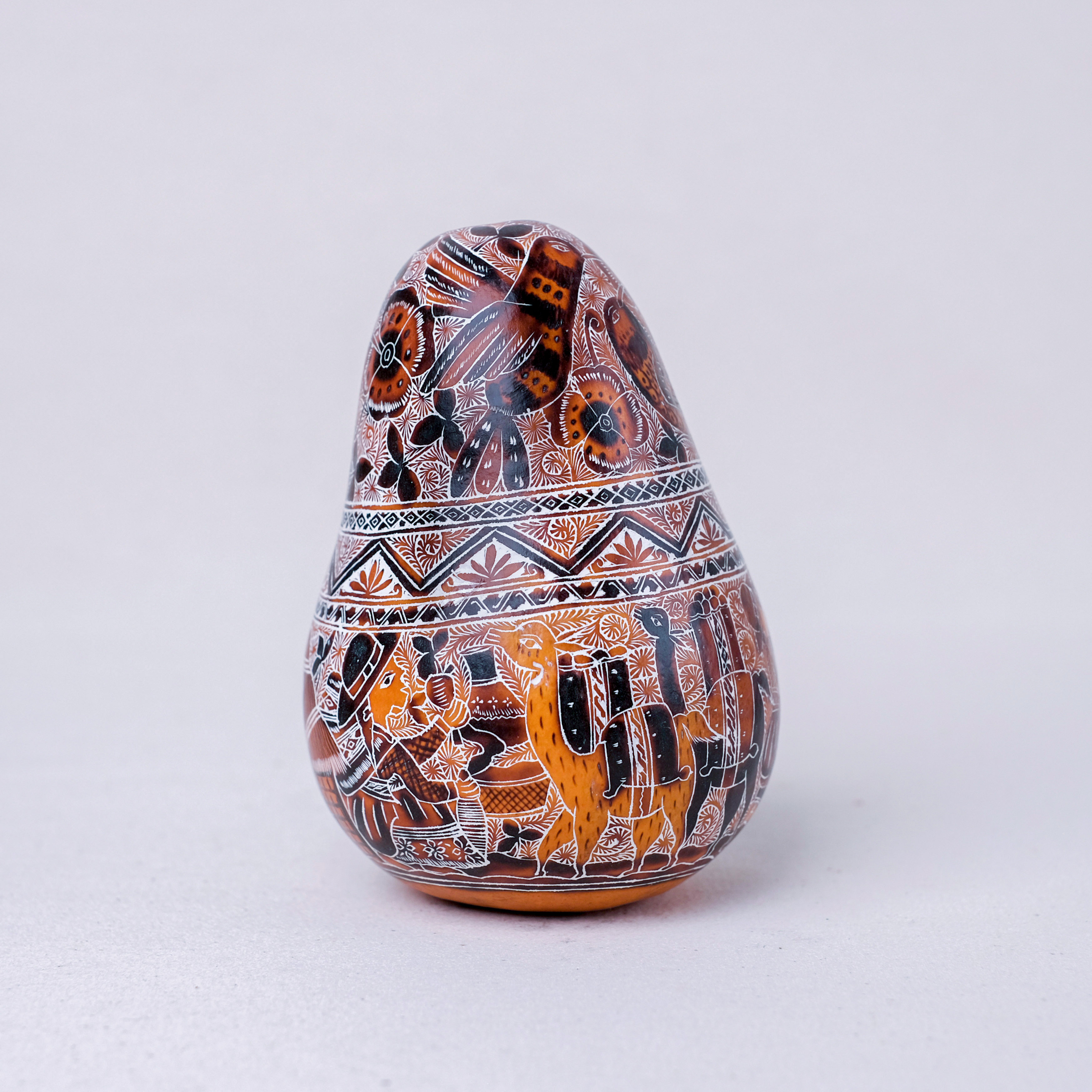
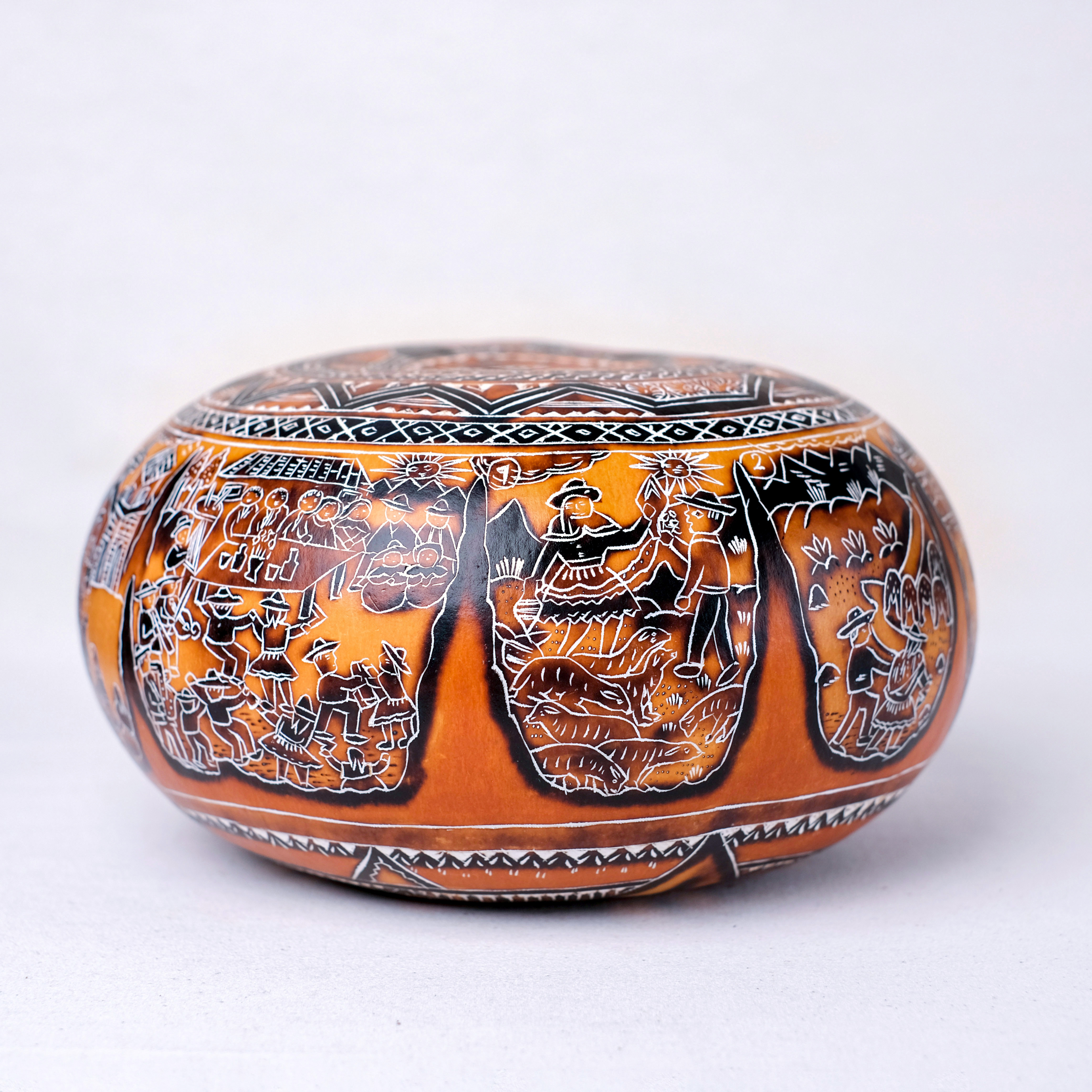
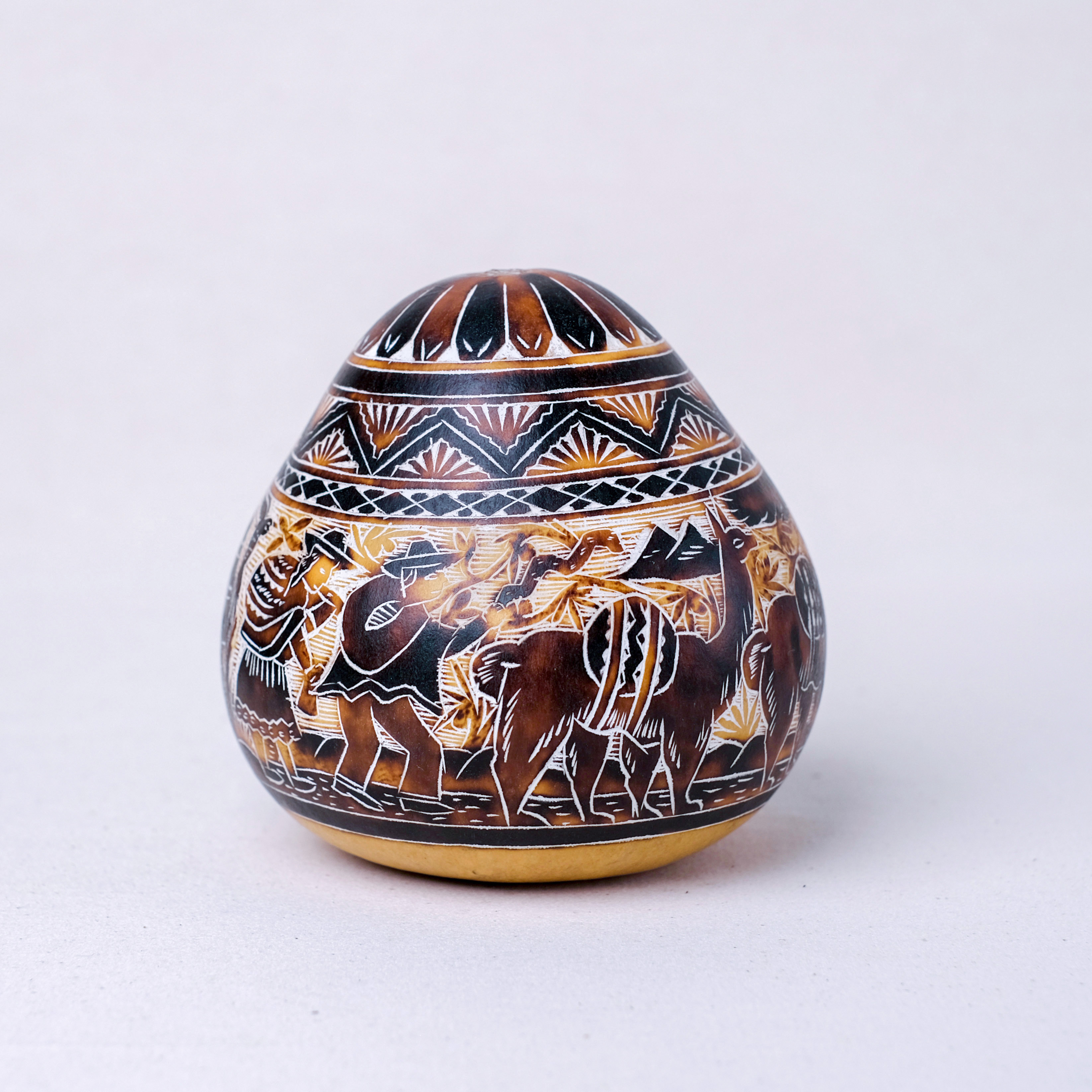
葫蘆雕刻的創作題材五花八門,包含日常生活場景、宗教或安地斯儀式及神話、農作物、典型的舞蹈或動物等等,有些圖案甚至細緻到需要用放大鏡才能欣賞。
傳統神話
以印加帝國的神話象徵展現秘魯的世界觀,這顆葫蘆可以明顯看見一條蛇的上面有一隻美洲豹,最上面則是一隻禿鷹,在印加神話中,美洲豹代表人間,禿鷹則代表天界,蛇則象徵地下世界,三者構成印加世界的三重象徵。也會畫上太陽神印地與月神科尼拉雅,以及印加曆法等等。
自然百獸
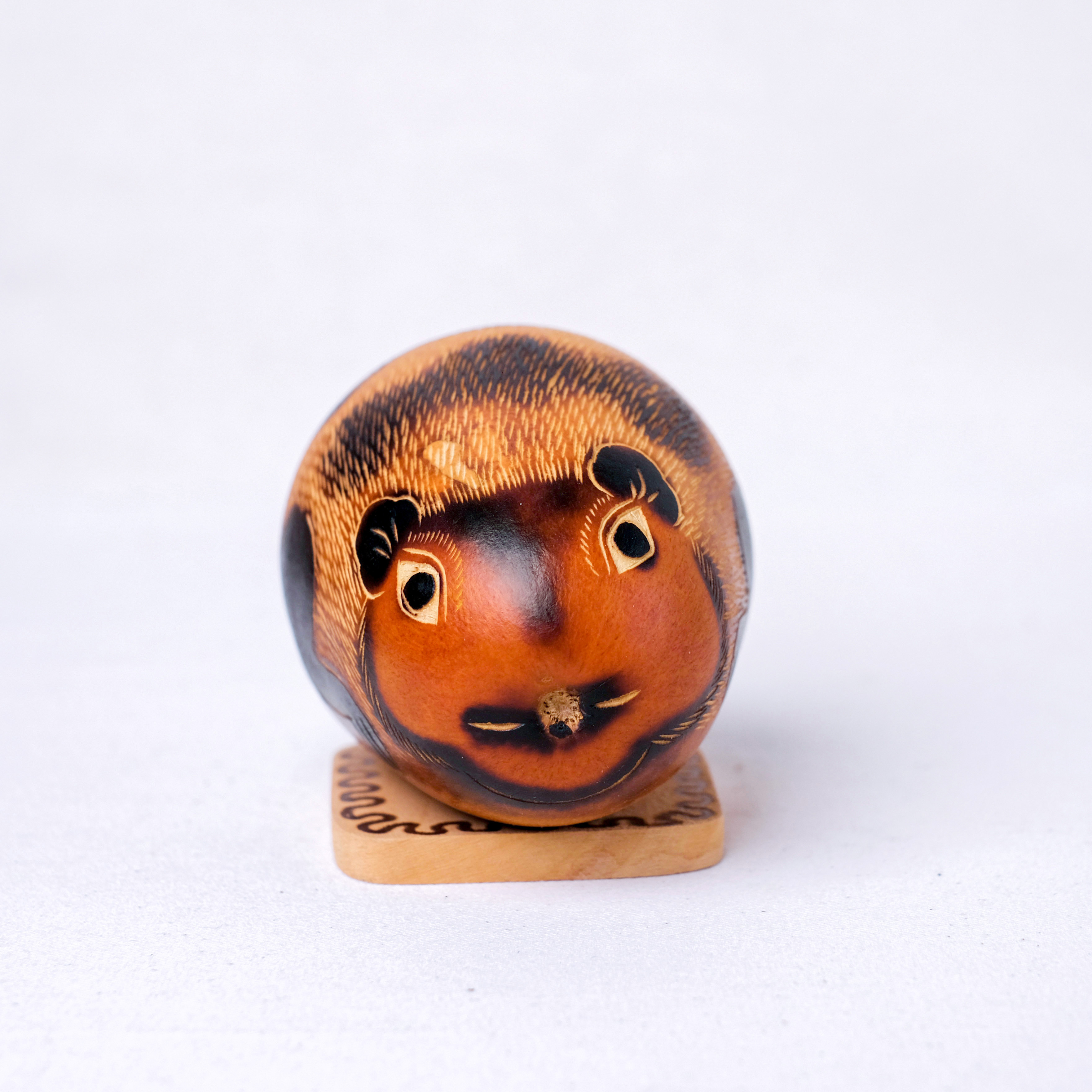
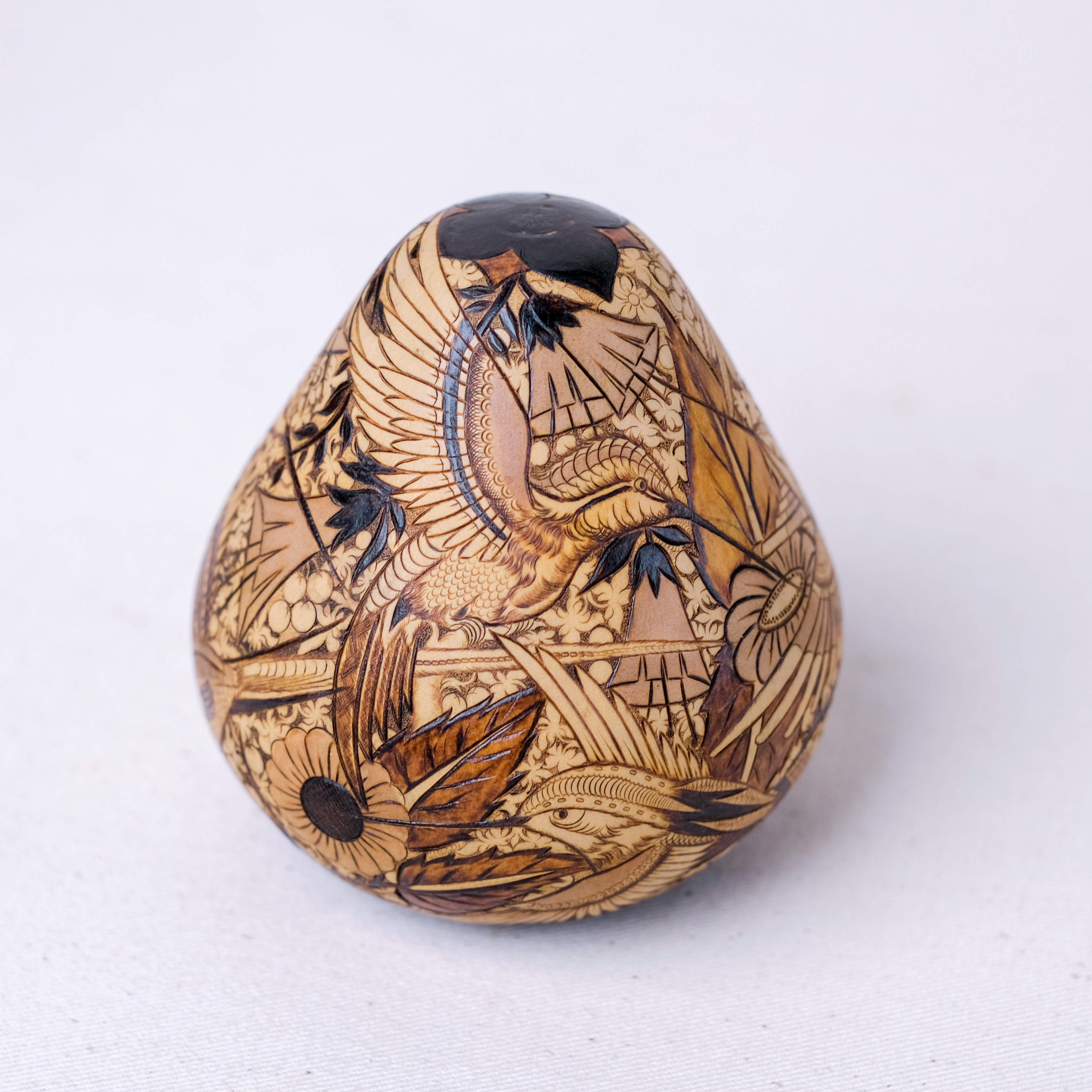
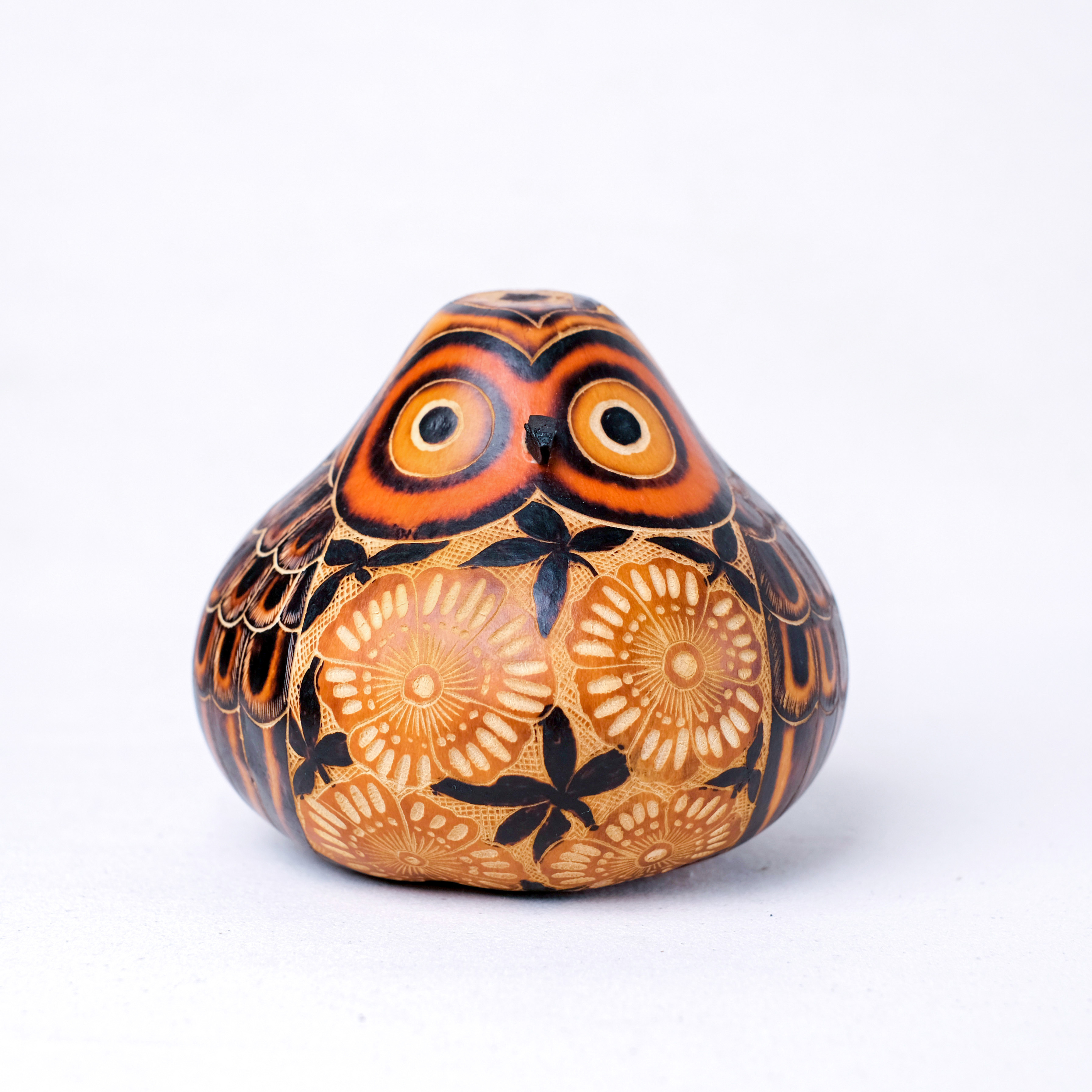
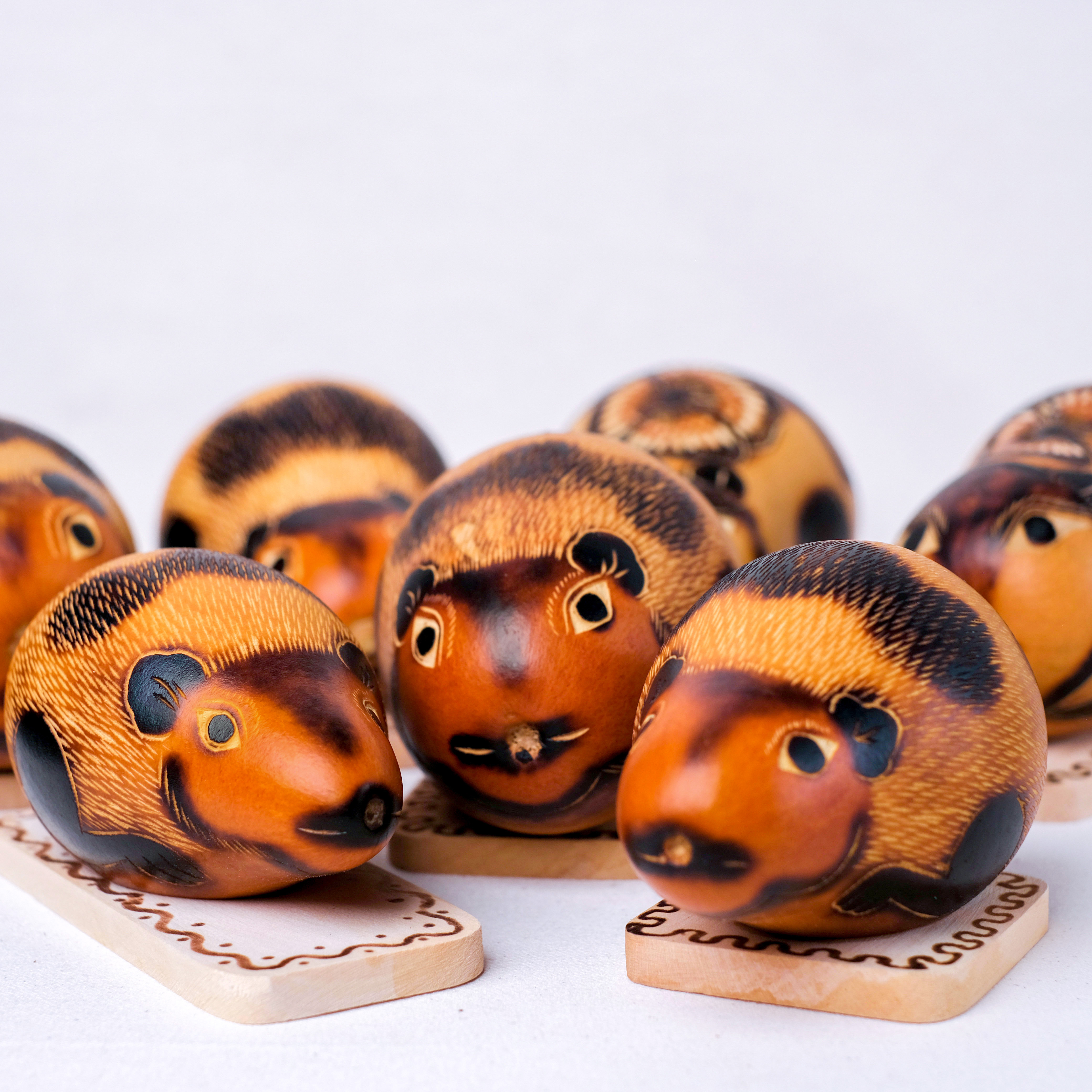
農村往往與大自然更加接近。因此工藝師也會從鳥類、花卉以及典型地區動物找到靈感,例如羊、蜂鳥、貓頭鷹、天竺鼠和羊駝等等。
天竺鼠
蜂鳥與花
貓頭鷹
山村日常
從事葫蘆雕刻的工藝師多在農村或山上生活,鬥牛慶典、婚禮、織布、務農、耕耘機、收穫馬鈴薯等生活周遭的大小事都能是唾手可得的創作題材。
農忙時光
山中婚禮
農忙時光
這次「秘魯葫世繪」展覽以「動物」為主題,展出近百顆來自秘魯的葫蘆雕刻創作,工藝師在小小葫蘆中創造的動物奇想世界令人驚豔,歡迎大家10月來南南看展,尋找葫蘆上有哪些可愛動物!
【展覽資訊】
秘魯葫世繪 - 葫蘆上的動物們
展品搶先看