{{ 'fb_in_app_browser_popup.desc' | translate }} {{ 'fb_in_app_browser_popup.copy_link' | translate }}
{{ 'in_app_browser_popup.desc' | translate }}
{{ childProduct.title_translations | translateModel }}
{{ getChildVariationShorthand(childProduct.child_variation) }}
{{ getSelectedItemDetail(selectedChildProduct, item).childProductName }} x {{ selectedChildProduct.quantity || 1 }}
{{ getSelectedItemDetail(selectedChildProduct, item).childVariationName }}
Before the advent of modern textile and garment industries, embroidery was a vital part of household crafts. Through meticulous stitching, women preserved generational family memories. South Asia, particularly India, boasts dozens of embroidery styles, each reflecting the region’s unique attire and culture.
We’ve previously explored Kashmiri Chain Stitch wool embroidery and Shisheh Embroidery from Jaisalmer. Now, we search into the northwest of India to learn about the Rabari people, often referred to as the "Gypsy Tribe of India," and their embroidery craft.
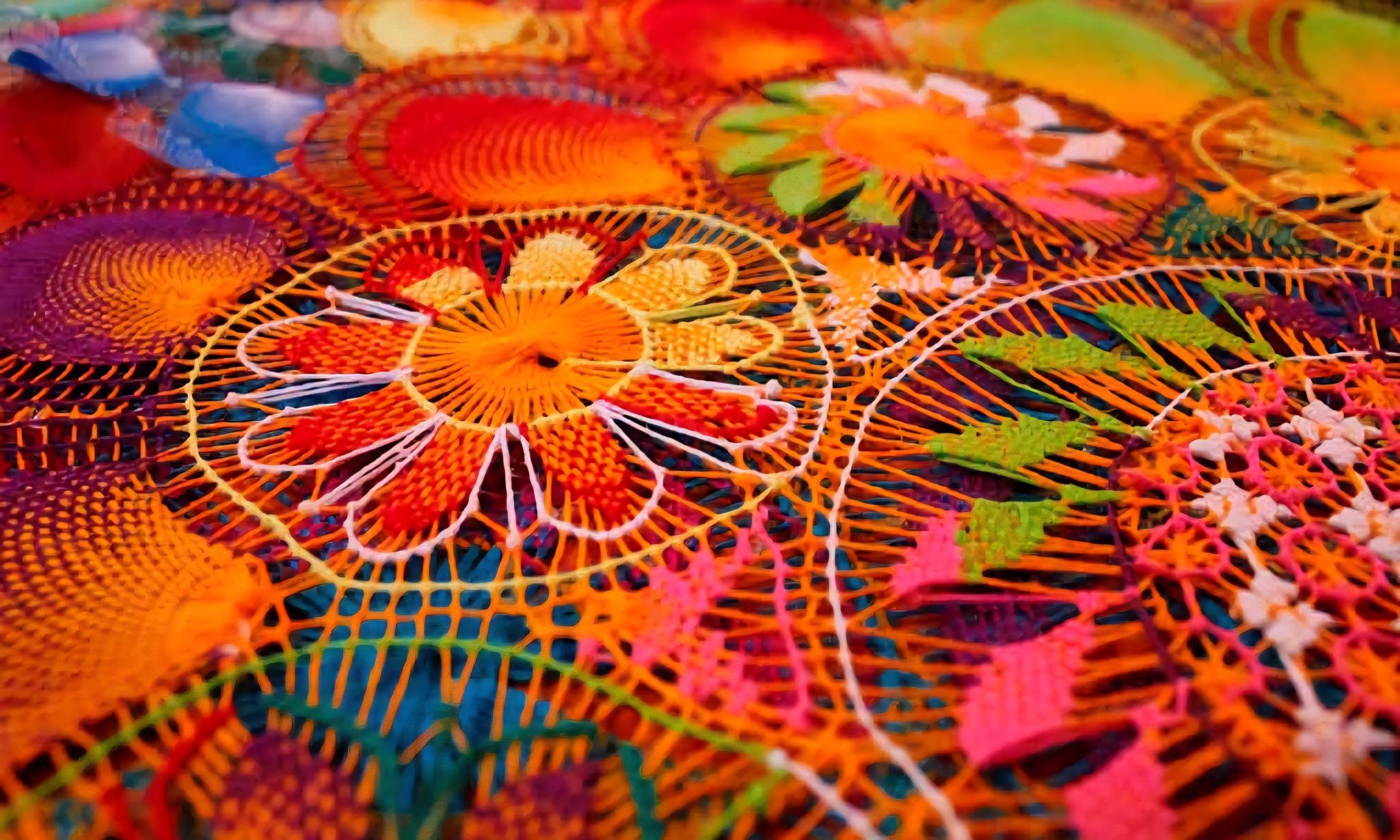
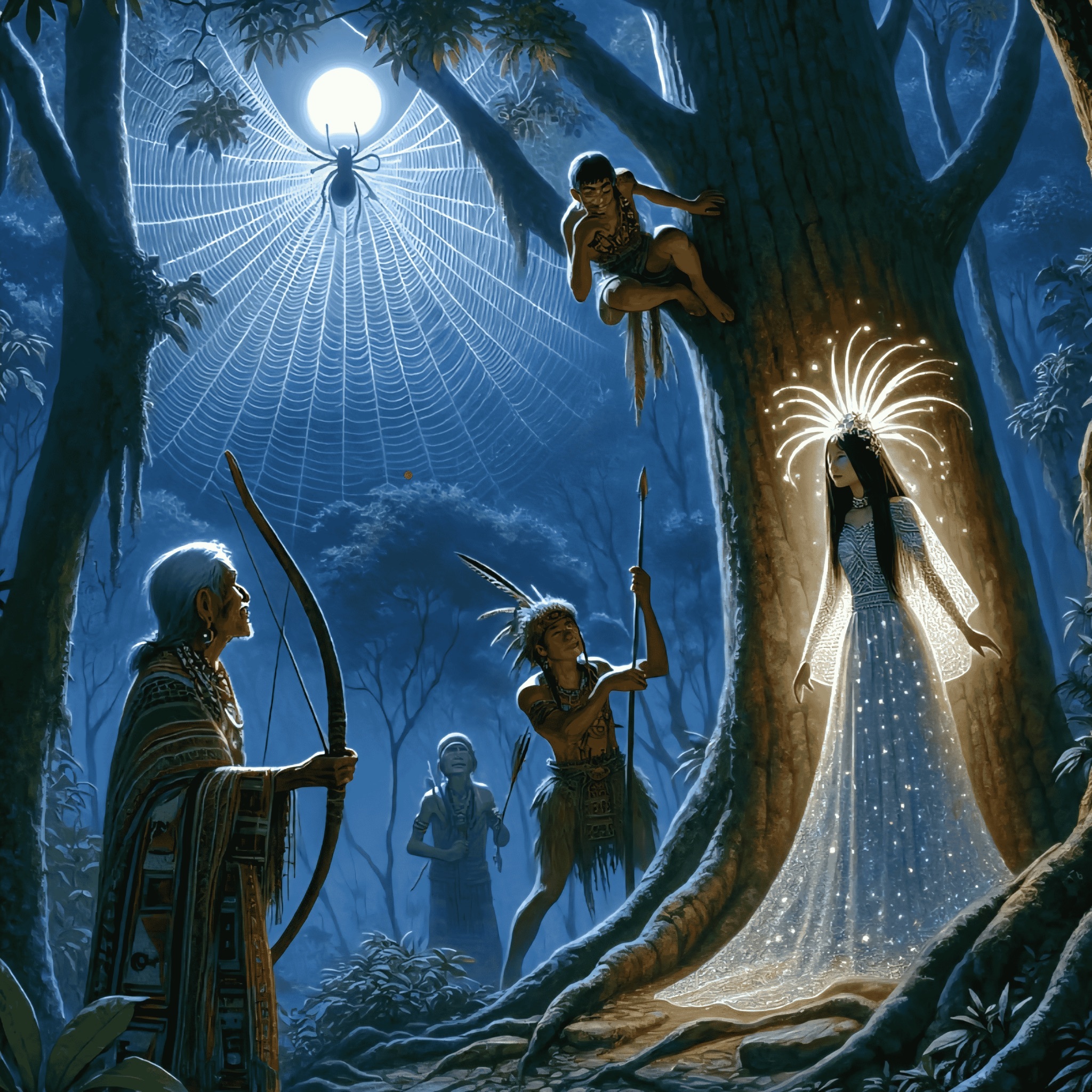
圖 / 蜘蛛刺繡傳說
來源 / asunciontimes
India’s Gypsy Tribe
The Rabari are a nomadic community spread across Gujarat and Rajasthan in northwest India. The name "Rabari" means "outsider." According to their mythology, passed down through generations, the Rabari believe they were created by Parvati, the wife of Shiva. She is said to have molded two boys and a camel from the soil of her body, instructing the boys to care for the camel. Over time, the camel multiplied, providing milk for humans to survive.
Raising animals has become the Rabari's mission and legacy. They see themselves as guardians, not owners, of these creatures. Camels hold a sacred place in their culture, with each family ensuring at least one camel remains in their herd. Grooms ride camels to their weddings, and camel milk is used in religious ceremonies.
At sunrise, the men leave their tents, driving adult livestock to grazing grounds. Once a suitable location is found, they notify others, and the group moves to a new grazing site before sunset.
Image/ Camels are sacred animals for the Rabari.
Source/ Garland Magazine
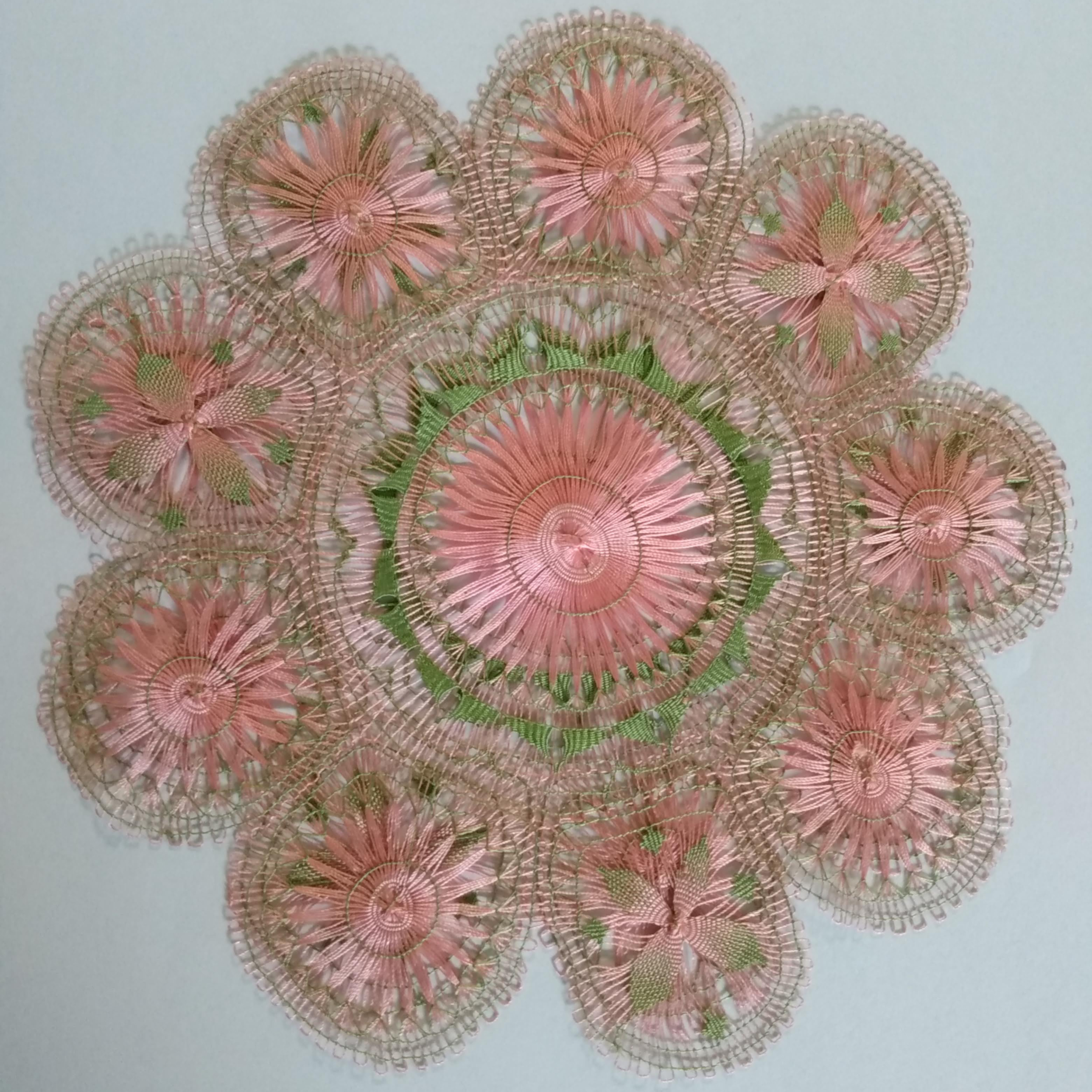
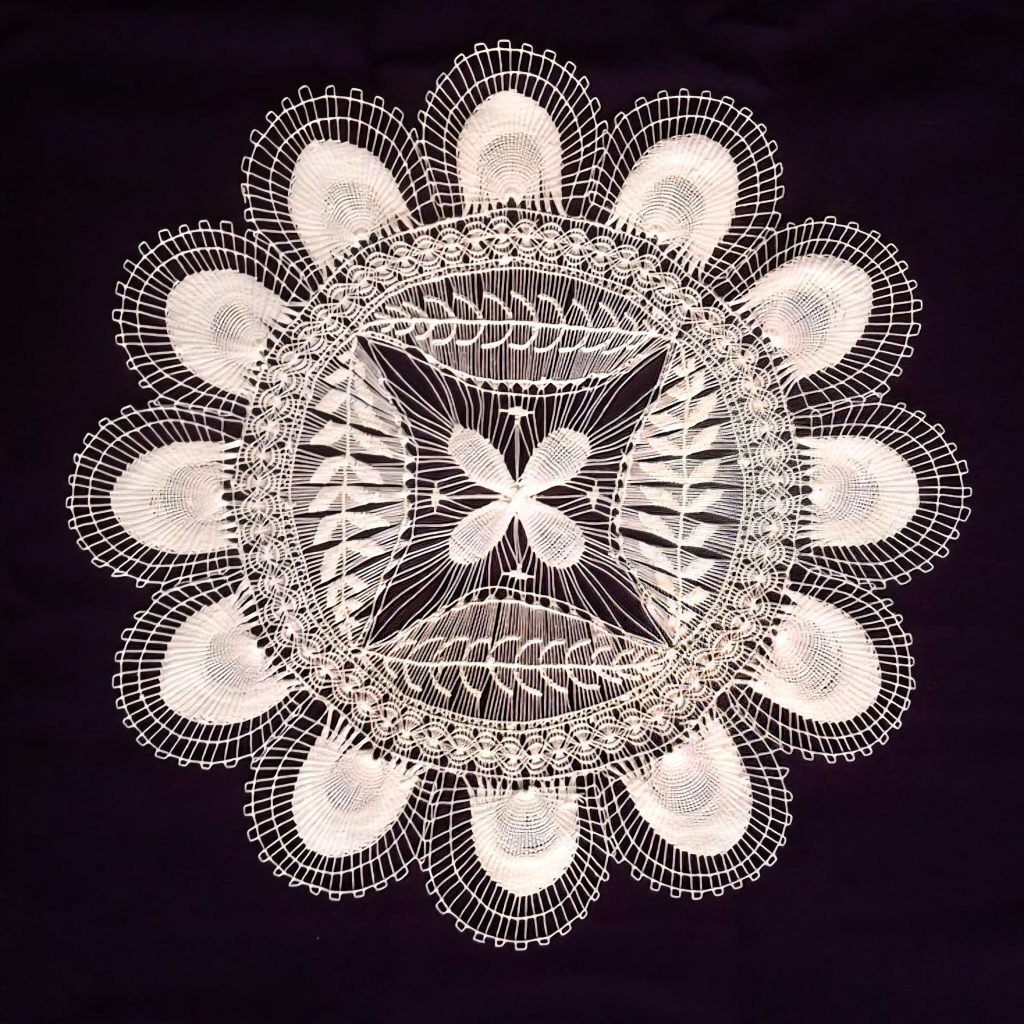
圖 / 巴拉圭蜘蛛刺繡
來源 / asunciontimes
Embroidery in Rabari Culture
Rabari women view embroidery as an essential pursuit of beauty. They embellish traditional attire like Kanchali (backless blouses), Paheranu (wraparound skirts), Ghagharo (stitched skirts), and Ludi (woolen veils). Even bridal dowries and wedding outfits are embroidered by hand.
Weddings are showcases for Rabari embroidery. Before marriage, brides meticulously embroider skirts, wall hangings, pillows, purses, shirts, and other dowry items, which are carried to their new homes in kothalo (sacks). At the ceremony, decorative Toran hang at the entrance to welcome guests, and women wear their handcrafted embroidered blouses to the celebrations.
Women’s embroidery doesn’t stop with weddings. Newborns’ cradles and children’s clothes are adorned with Rabari designs. These garments are often passed down through generations. Mirror embroidery on children’s clothing is believed to ward off evil spirits. Embroidered patterns also appear on men’s wallets, women’s veils, and camel saddle blankets, highlighting the craft’s integral role in Rabari culture.
Embroidery as a Cultural Chronicle
Rabari embroidery is bold and colorful, combining threadwork, beads, buttons, and mirrors of various shapes and sizes. This mirror embroidery, known as Shisha in Hindi, is found in India, Pakistan, and Afghanistan. Originally using mica, these mirrors were believed to ward off evil spirits. Over time, mica was replaced with glass, which reflects light to deter animals outdoors and brighten interiors.
Common motifs include flowers, fruits, and animals like peacocks, parrots, and elephants. For the non-literate Rabari, embroidery acts as a vital medium for preserving their tribal culture. For instance, temple patterns reflect Hinduism’s significance, while women carrying pots on their heads symbolize daily chores like fetching water or selling milk. During festivals, these pots are filled with mangoes or coconuts to welcome visitors from neighboring villages.
From Ban to Transformation
Before 1995, Rabari women embroidered exclusively for themselves and their families. However, rising living costs in the 1990s prompted them to produce embroidered items like bags, accessories, and home decor for sale.
Time constraints reduced the hours available for making dowries and clothing. Because brides needed to complete embroidered dowries before marriage, the time-intensive process led to delayed weddings. In 1995, tribal elders temporarily banned hand embroidery.
Fortunately, Rabari women adapted by using sewing machines to create ribbon and appliqué designs, giving rise to a new embroidery style called Hari Jari. By merging traditional craftsmanship with modern tools, the Rabari ensured their embroidery legacy could endure.
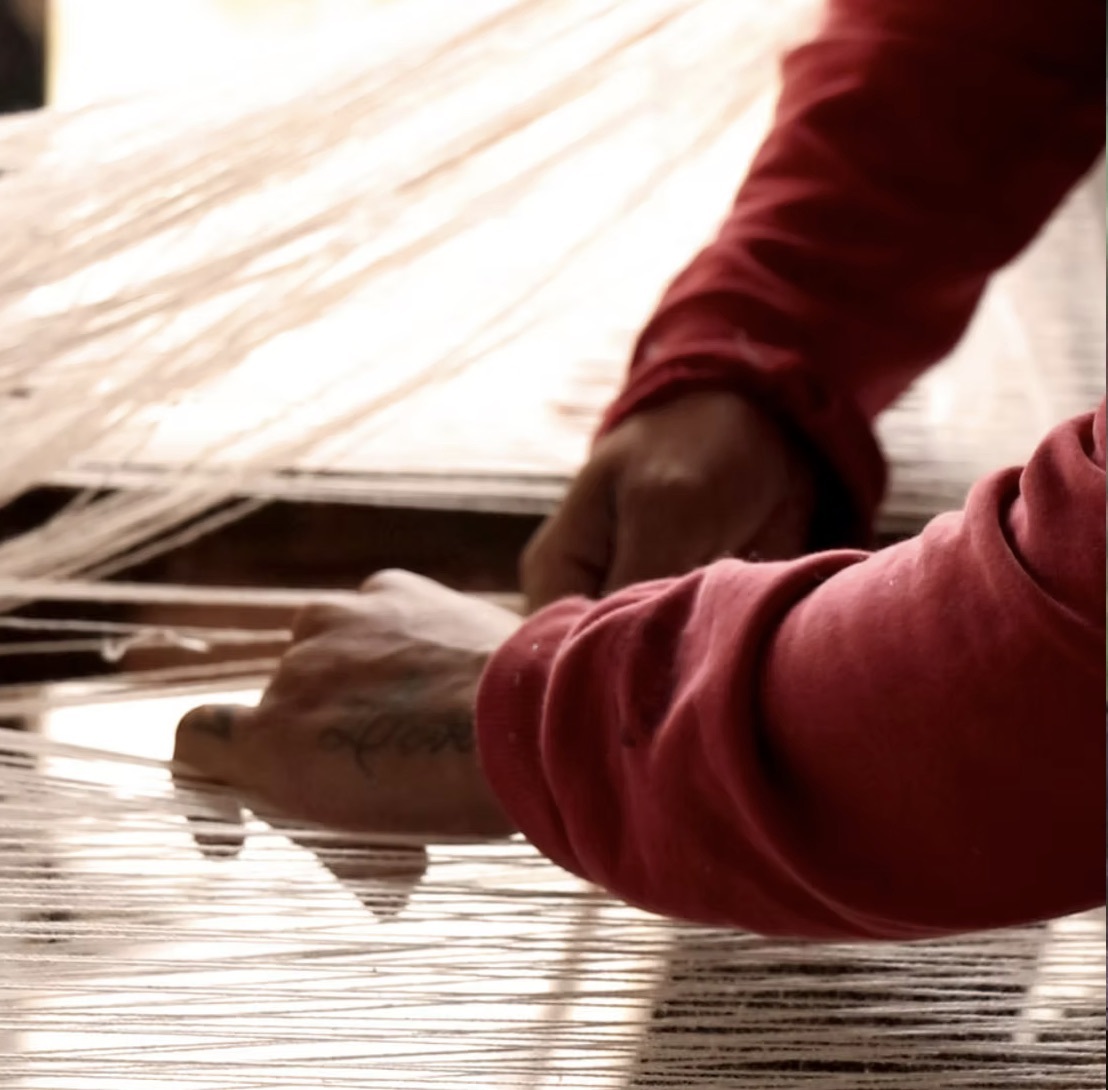
來源 / Morena Toro
巴拉圭文化遺產
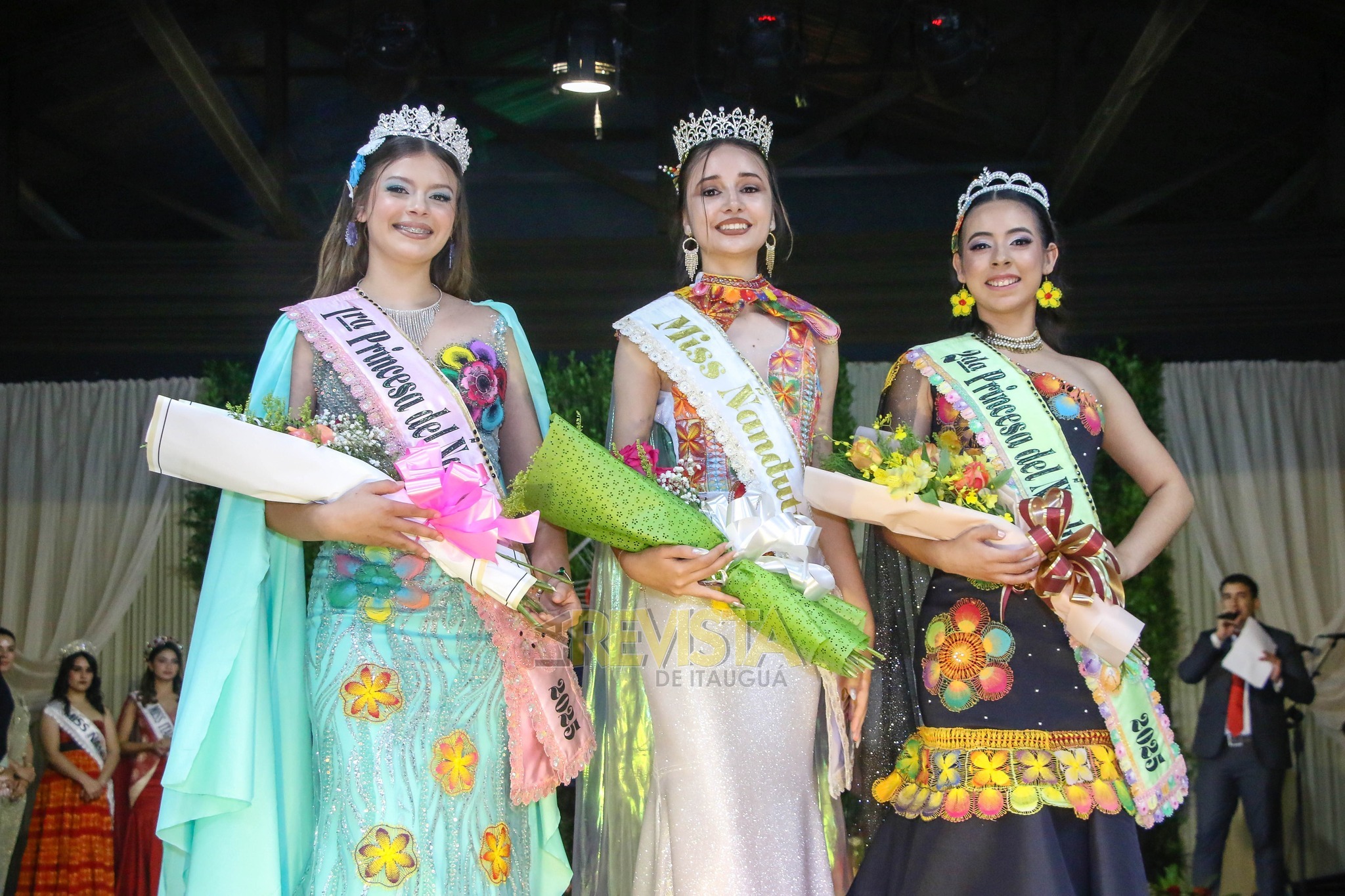
如今,蜘蛛刺繡發展多元,從白色到彩色,從圓形到多邊形,由於這項工藝技術極為獨特且重要,巴拉圭政府在2018年通過決議,宣布每年10月的第二個星期日為「蜘蛛刺繡節」,這天通常會舉辦花車遊行及Miss Ñandutí選美比賽;隔年巴拉圭文化部正式將蜘蛛繡列為國家級非物質文化遺產,可見這項刺繡工藝對巴拉圭的重要意義。
圖 / 穿著蜘蛛刺繡禮服的選美小姐
來源 / La Revista de Itauguá