{{ 'fb_in_app_browser_popup.desc' | translate }} {{ 'fb_in_app_browser_popup.copy_link' | translate }}

{{ 'in_app_browser_popup.desc' | translate }}

Your Shopping Cart is empty.
{{ (item.variation.media ? item.variation.media.alt_translations : item.product.cover_media.alt_translations) | translateModel }} {{ (item.variation.media
                    ? item.variation.media.alt_translations
                    : item.product.cover_media.alt_translations) | translateModel
                }}
{{ 'product.bundled_products.label' | translate }}
{{ 'product.bundle_group_products.label' | translate }}
{{ 'product.buyandget.label' | translate }}
{{ 'product.gift.label' | translate }}
{{ 'product.addon_products.label' | translate }}
{{item.product.title_translations|translateModel}}
{{ field.name_translations | translateModel }}
  • {{ childProduct.title_translations | translateModel }}

    {{ getChildVariationShorthand(childProduct.child_variation) }}

{{ 'product.set.open_variation' | translate }}
  • {{ getSelectedItemDetail(selectedChildProduct, item).childProductName }} x {{ selectedChildProduct.quantity || 1 }}

    {{ getSelectedItemDetail(selectedChildProduct, item).childVariationName }}

{{item.variation.name}}
{{item.quantity}}x {{ item.unit_point }} Point
{{addonItem.product.cover_media.alt_translations | translateModel}}
{{ 'product.addon_products.label' | translate }}
{{addonItem.product.title_translations|translateModel}}
{{addonItem.quantity}}x {{ mainConfig.merchantData.base_currency.alternate_symbol + "0" }}
Before the advent of modern textile and garment industries, embroidery was a vital part of household crafts. Through meticulous stitching, women preserved generational family memories. South Asia, particularly India, boasts dozens of embroidery styles, each reflecting the region’s unique attire and culture.

India’s Gypsy Tribe

We’ve previously explored Kashmiri Chain Stitch wool embroidery and Shisheh Embroidery from Jaisalmer. Now, we search into the northwest of India to learn about the Rabari people, often referred to as the "Gypsy Tribe of India," and their embroidery craft.

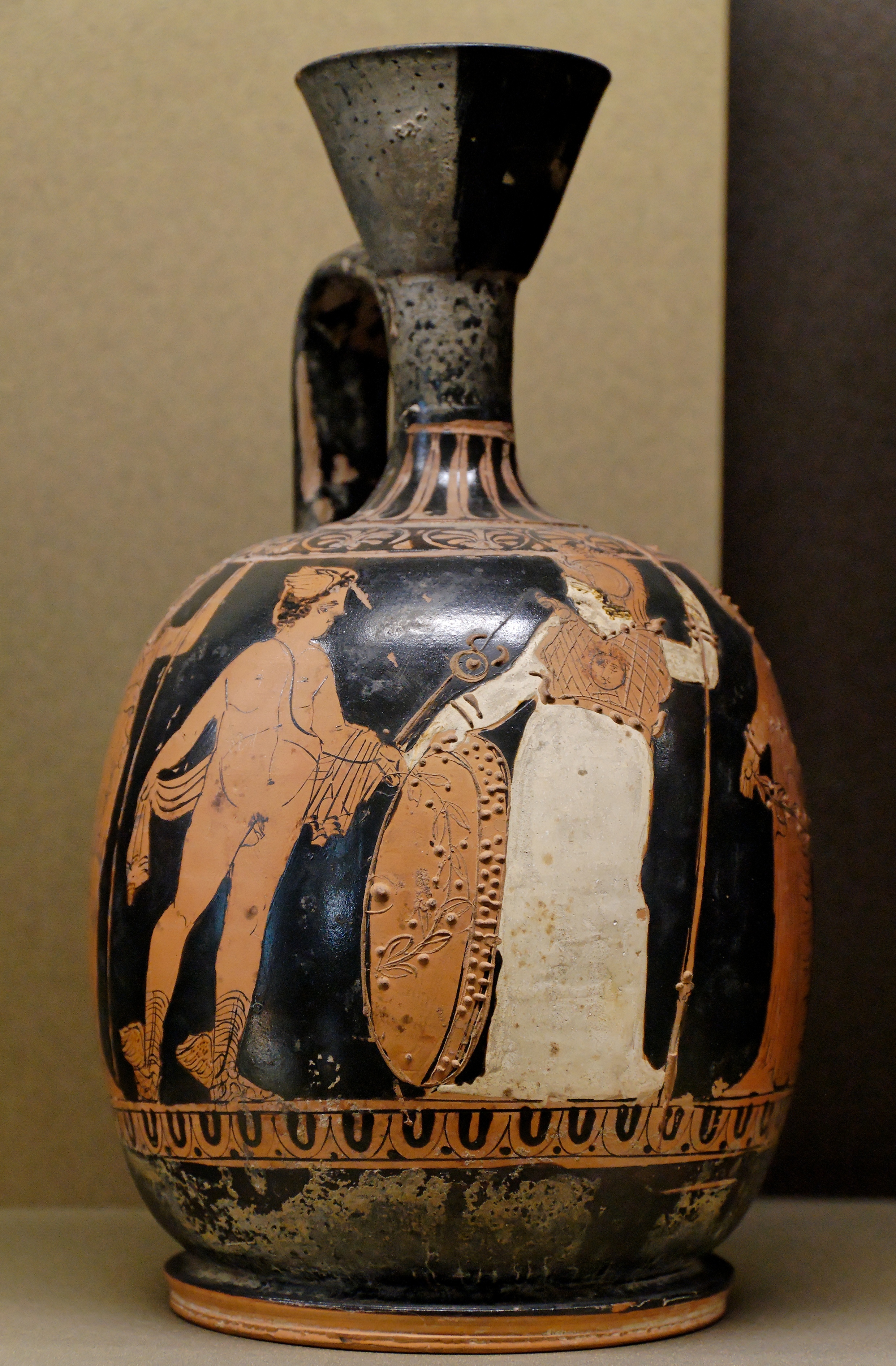
圖/公元前四百年的雅典陶器,女神雅典娜手持刻有橄欖枝的盾牌
來源/Wiki

突尼西亞:橄欖樹的國度

如今橄欖樹主要產地包括南歐的西班牙、義大利、希臘,西亞的土耳其,以及北非的突尼西亞及摩洛哥等地。其中突尼西亞超過三分之一的農業用地都被橄欖樹覆蓋,種植面積達 130 萬公頃、超過 8200 萬棵橄欖樹,近年躍升更為全球第三大橄欖油生產國,根據荷蘭合作銀行(Rabobank)發布的穀物和油籽報告,2025-26 產季突尼西亞產出 38 萬至 40 萬噸橄欖油,未來有望超車排名第二的義大利。


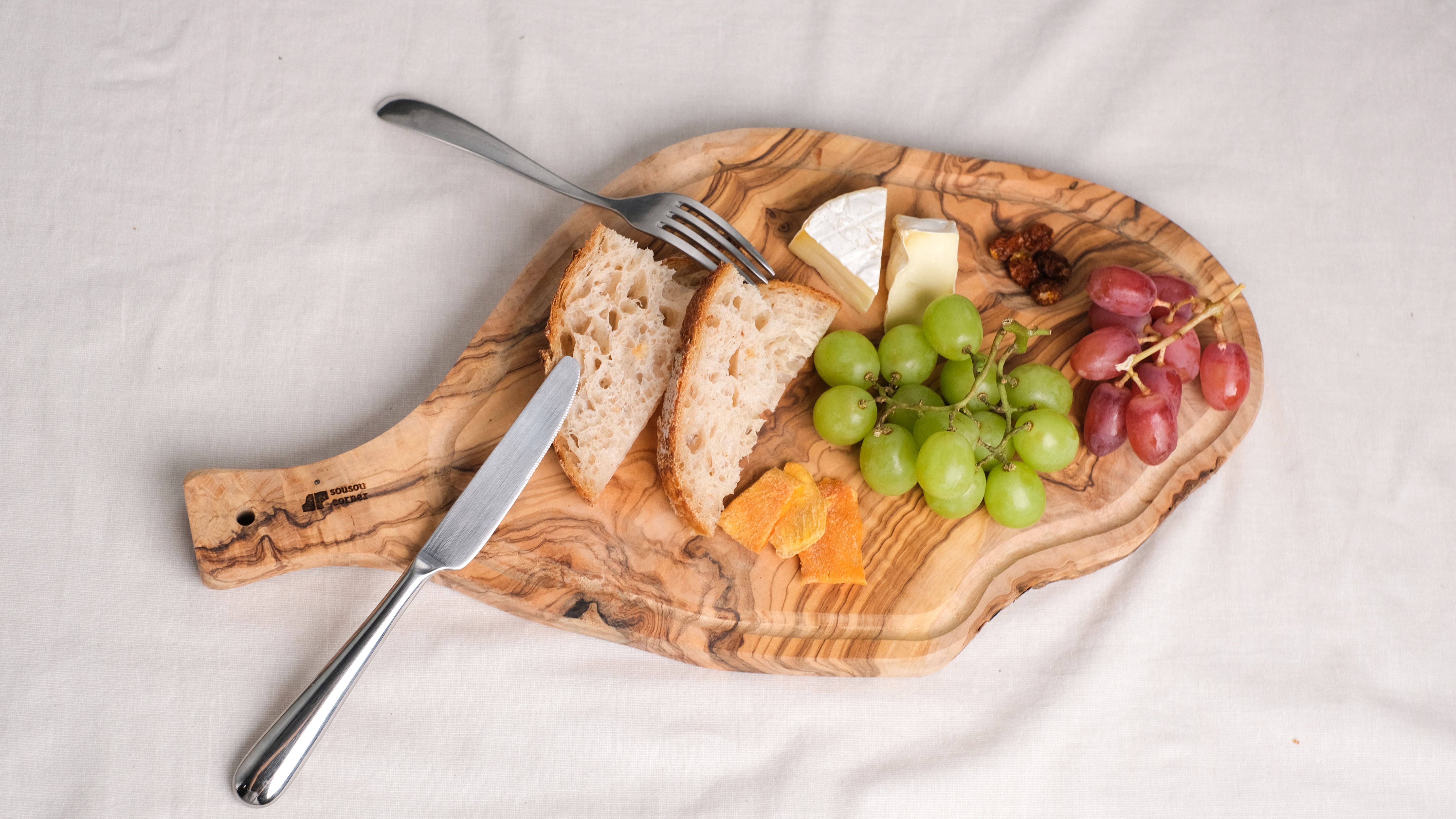
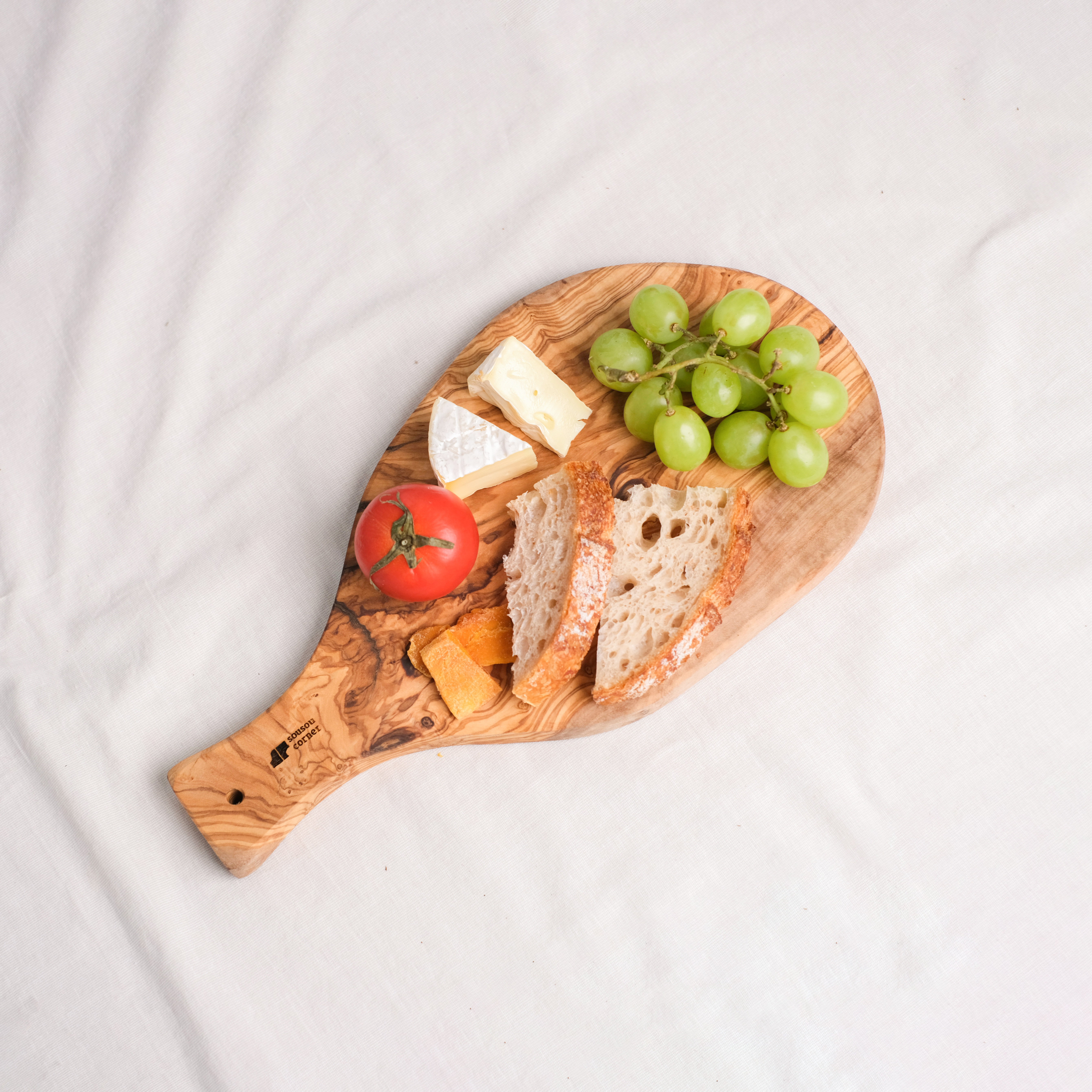
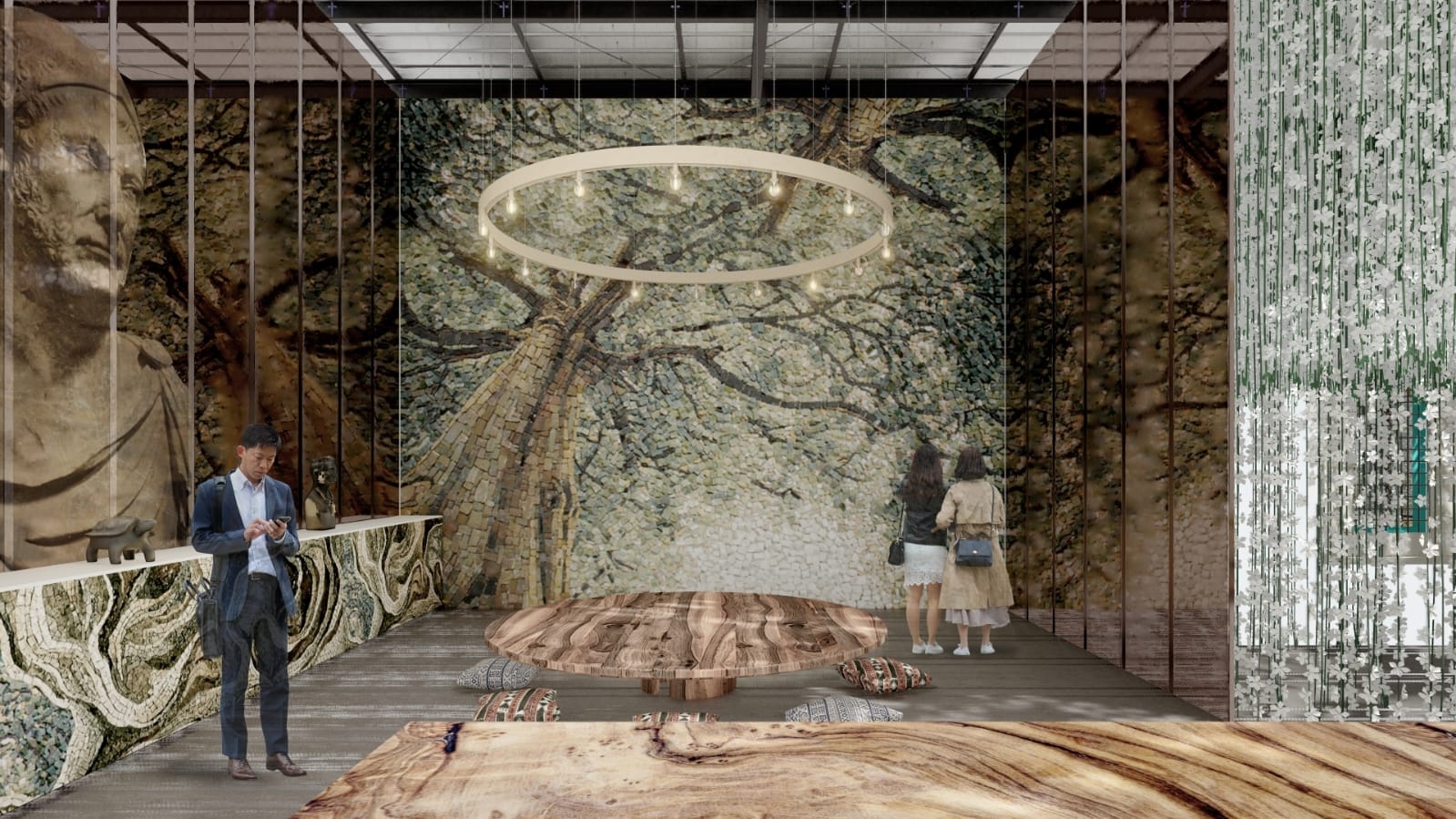
橄欖樹在突尼西亞的經濟與文化都佔有核心地位。突尼西亞人不僅生產橄欖油、把橄欖拿來料理、做沙拉,甚至為新生兒塗抹橄欖油。他們也用沒有果實的老橄欖樹的木材製作木器,從砧板、餐具,到傢俱和裝飾品,展示出橄欖木的耐用與自然之美。2025 年「大阪・關西世界博覽會」的突尼西亞館,也以橄欖木大桌與馬賽克拼貼的橄欖木畫,體現橄欖木對突尼西亞的重要性。

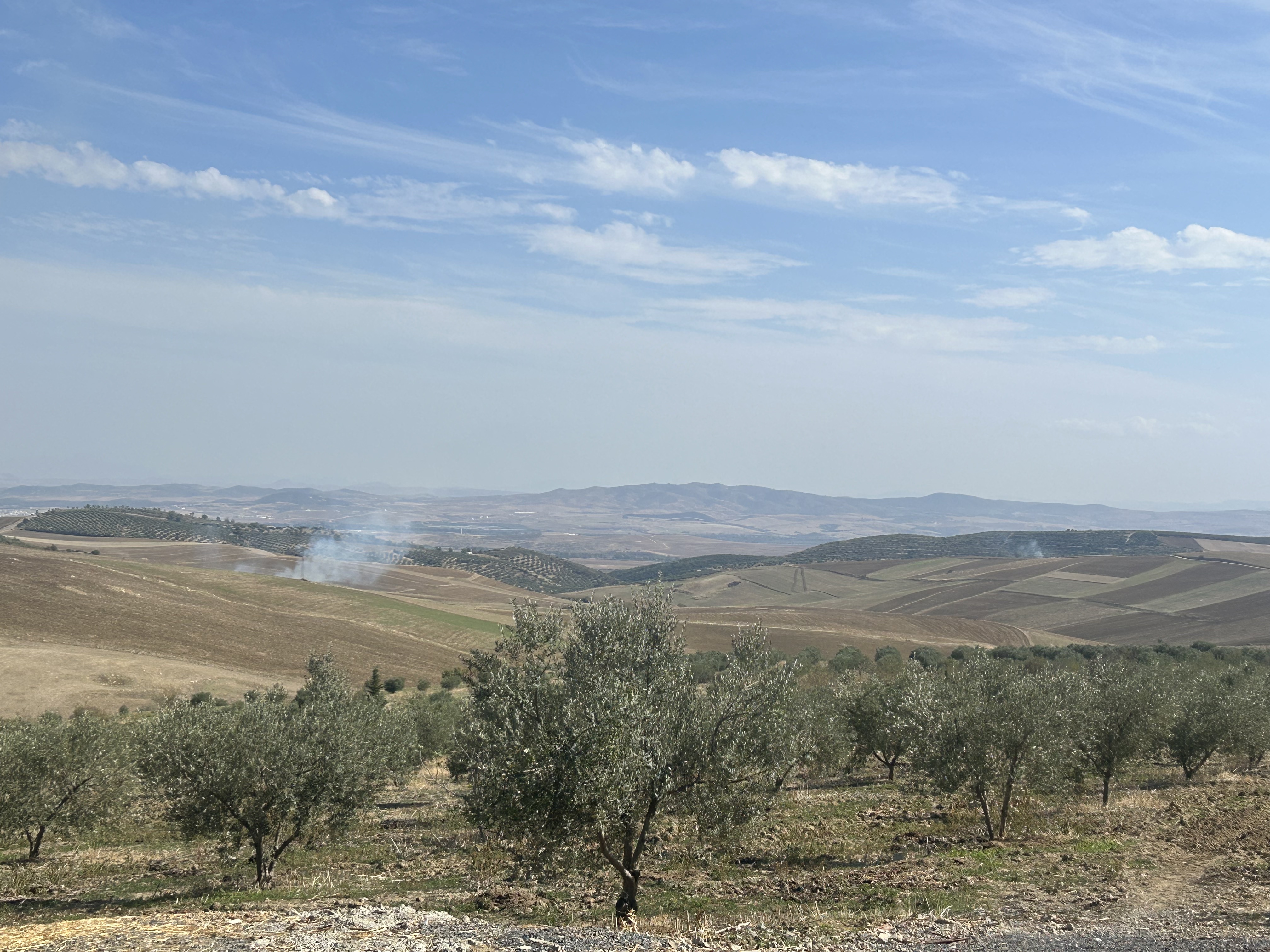
圖/突尼西亞的橄欖園
拍攝/南南之隅

圖/2025 大阪世博突尼西亞館的橄欖樹意象
來源/大阪世博

橄欖木的產區差異

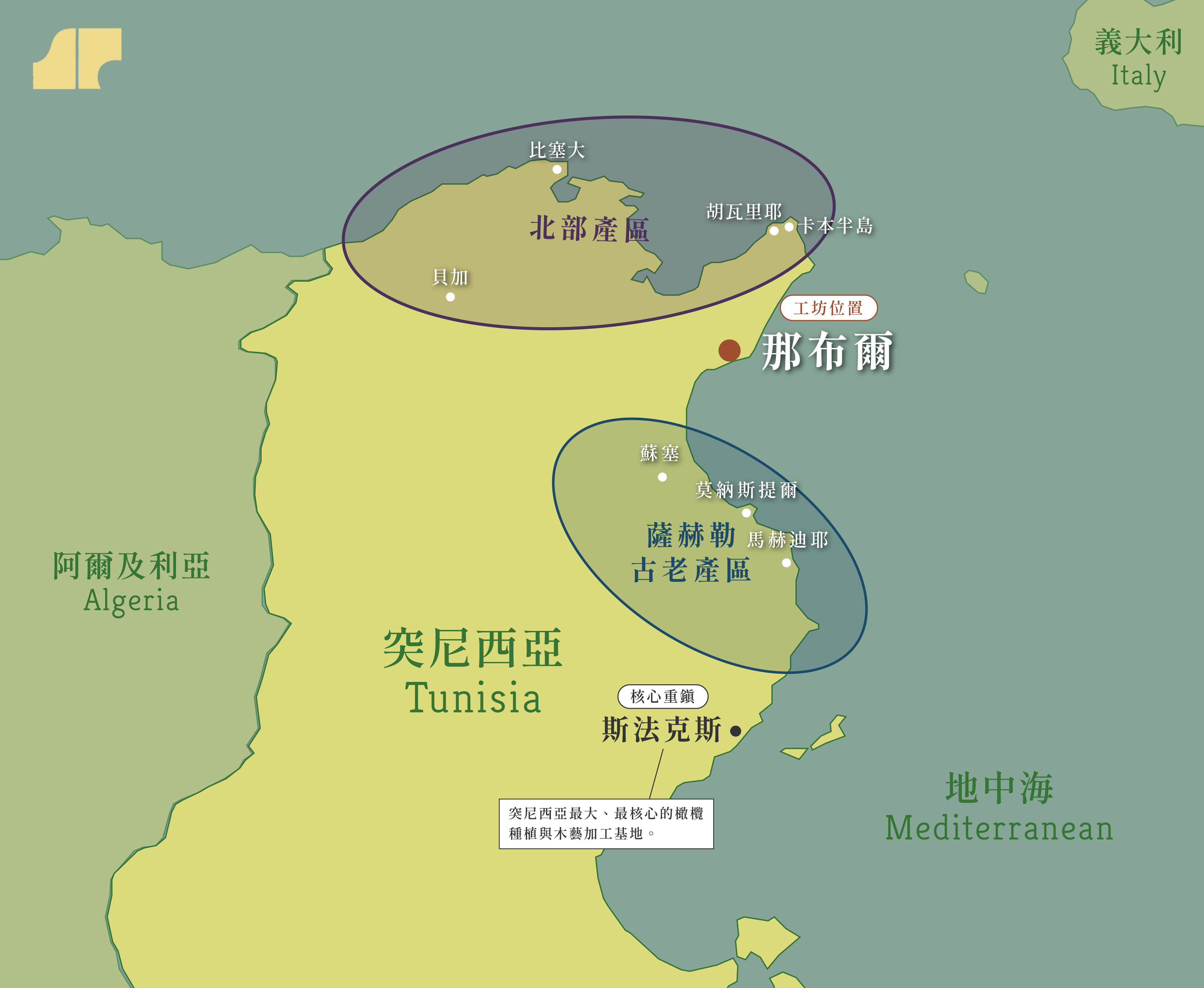
圖 / 突尼西亞橄欖木地圖
製圖 / 南南之隅

北部產區
相較於中南部的廣闊與乾旱,北部地區(如比塞大 Bizerte、巴傑 Béja,以及卡本半島的 Haouaria)氣候較為濕潤。其中卡本半島可以找到突尼西亞已知最古老的橄欖樹,約於 2500 年前的迦太基統治時期種植。因為雨水相對充足,紋理色澤有時會呈現較為柔和、奶油黃與淡褐相間的溫潤感。


薩赫勒古老產區
薩赫勒(Sahel)自古羅馬時代便是帝國的糧倉與橄欖油重鎮,此區的橄欖木歷史文化底蘊深厚,沿海的溫和氣候讓橄欖木質地溫潤。許多世代相傳的工匠家族在此經營手工藝作坊,將傳統的雕刻技藝融於日常器皿中。


斯法克斯
位於中南部的斯法克斯,是突尼西亞最核心的橄欖種植與加工基地。主要種植 Chelmali 品種的橄欖樹,以極佳的耐旱力、強韌的生命力及高產量聞名,因而能適應乾旱的中南部沙漠邊陲與多鹽土壤,因乾旱氣候讓這裡的橄欖木生長速度慢,木質極為堅硬緻密,且帶有非常強烈、對比鮮明且多變的深色年輪與紋理。


南南的橄欖木工藝來自北部產區的納布爾(Nabeul),為卡本半島的加工重鎮。


橄欖木器的特殊性

1. 嚴格的法規管理:

橄欖木的取得在突尼西亞受到嚴格的法規管理,只能用不再結果的樹木或修剪下來的樹枝製作,這種永續策略讓當地的橄欖木工藝兼顧保護環境跟橄欖園健康。


2. 永續利用:

與其他類別的木材不同,橄欖木不是來自大規模森林砍伐,而是精心修剪老橄欖樹的副產品,確保了樹木繼續茁壯成長,同時也能提供永續的木材資源。


3. 耐磨防潮:

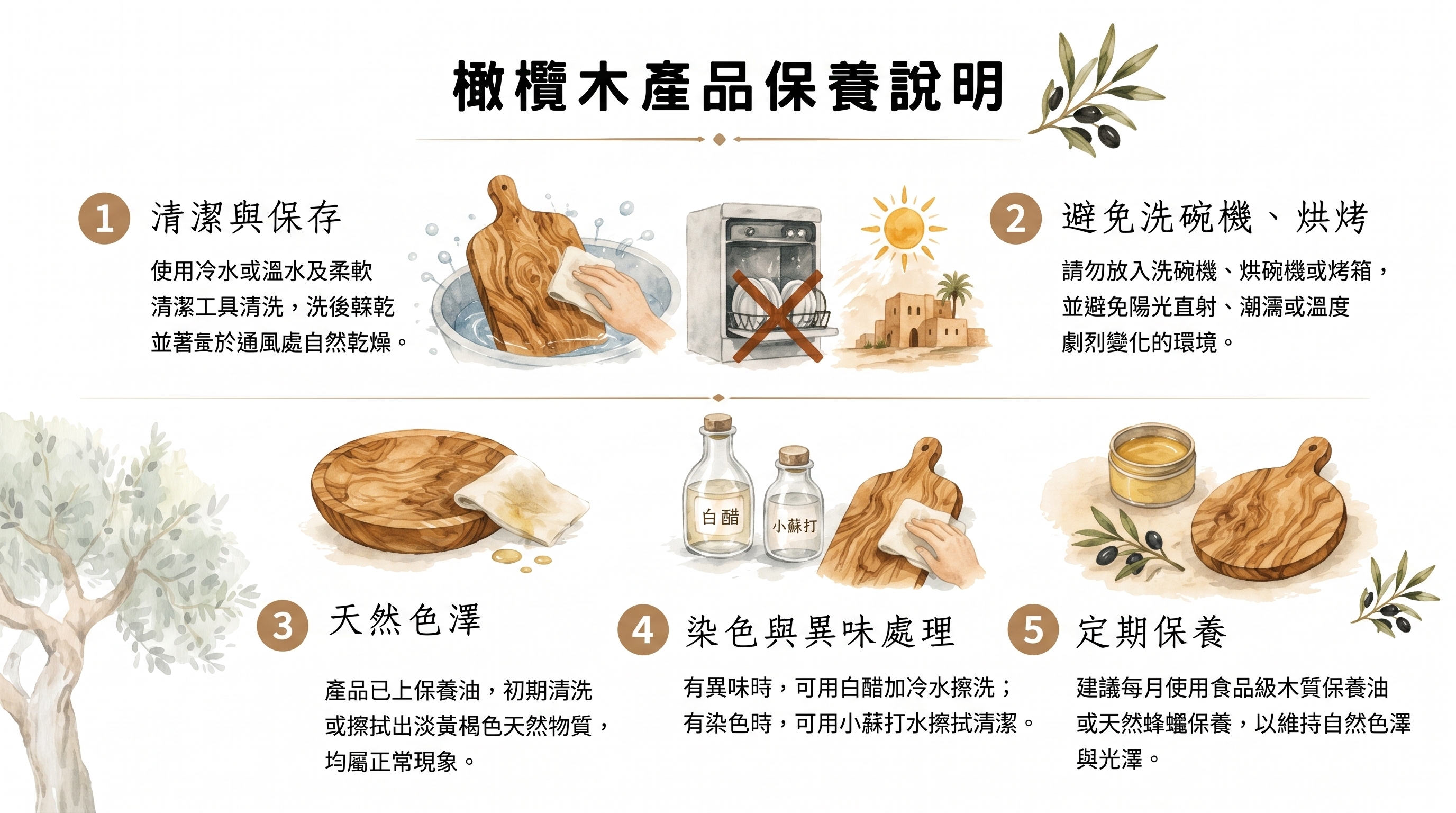
橄欖木以其密度和強度而聞名,高度耐用、耐磨的特性,加上因含油量豐富耐水防潮,使其成為廚房工具、傢俱和裝飾品的理想材料。


4. 紋理與色澤變化:

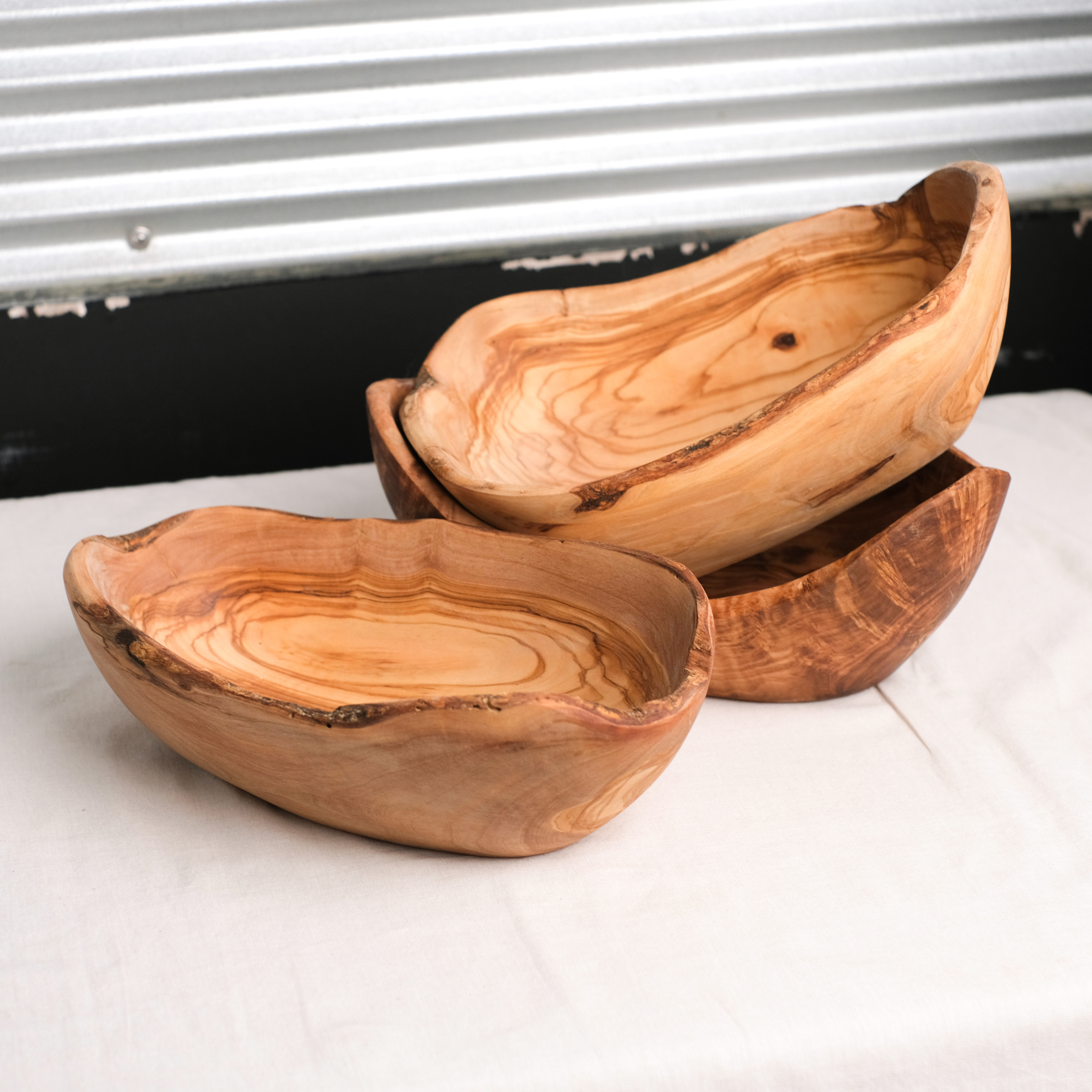
每一塊橄欖木都是獨一無二的,具有自然的木紋,且深色心材與淺色邊材交錯,極具辨識度。

Embroidery in Rabari Culture

Rabari women view embroidery as an essential pursuit of beauty. They embellish traditional attire like Kanchali (backless blouses), Paheranu (wraparound skirts), Ghagharo (stitched skirts), and Ludi (woolen veils). Even bridal dowries and wedding outfits are embroidered by hand.


Weddings are showcases for Rabari embroidery. Before marriage, brides meticulously embroider skirts, wall hangings, pillows, purses, shirts, and other dowry items, which are carried to their new homes in kothalo (sacks). At the ceremony, decorative Toran hang at the entrance to welcome guests, and women wear their handcrafted embroidered blouses to the celebrations.

The Rabari are a nomadic community spread across Gujarat and Rajasthan in northwest India. The name "Rabari" means "outsider." According to their mythology, passed down through generations, the Rabari believe they were created by Parvati, the wife of Shiva. She is said to have molded two boys and a camel from the soil of her body, instructing the boys to care for the camel. Over time, the camel multiplied, providing milk for humans to survive.


Raising animals has become the Rabari's mission and legacy. They see themselves as guardians, not owners, of these creatures. Camels hold a sacred place in their culture, with each family ensuring at least one camel remains in their herd. Grooms ride camels to their weddings, and camel milk is used in religious ceremonies.


At sunrise, the men leave their tents, driving adult livestock to grazing grounds. Once a suitable location is found, they notify others, and the group moves to a new grazing site before sunset.

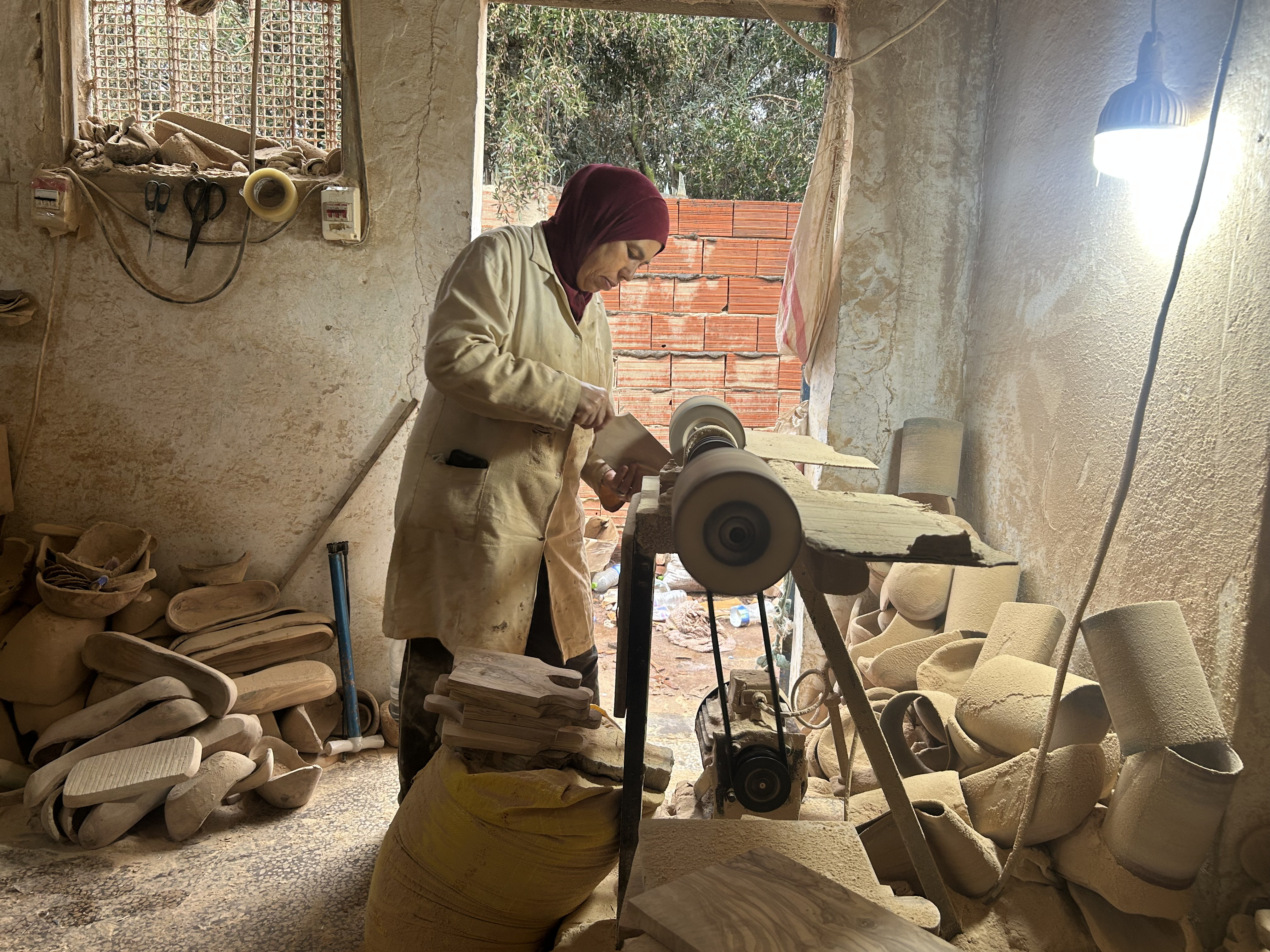
圖 / 橄欖木器製作過程
拍攝 / 南南之隅

突尼西亞|Olive Wood 橄欖木工藝