{{ 'fb_in_app_browser_popup.desc' | translate }} {{ 'fb_in_app_browser_popup.copy_link' | translate }}
{{ 'in_app_browser_popup.desc' | translate }}
{{ childProduct.title_translations | translateModel }}
{{ getChildVariationShorthand(childProduct.child_variation) }}
{{ getSelectedItemDetail(selectedChildProduct, item).childProductName }} x {{ selectedChildProduct.quantity || 1 }}
{{ getSelectedItemDetail(selectedChildProduct, item).childVariationName }}
Before the advent of modern textile and garment industries, embroidery was a vital part of household crafts. Through meticulous stitching, women preserved generational family memories. South Asia, particularly India, boasts dozens of embroidery styles, each reflecting the region’s unique attire and culture.
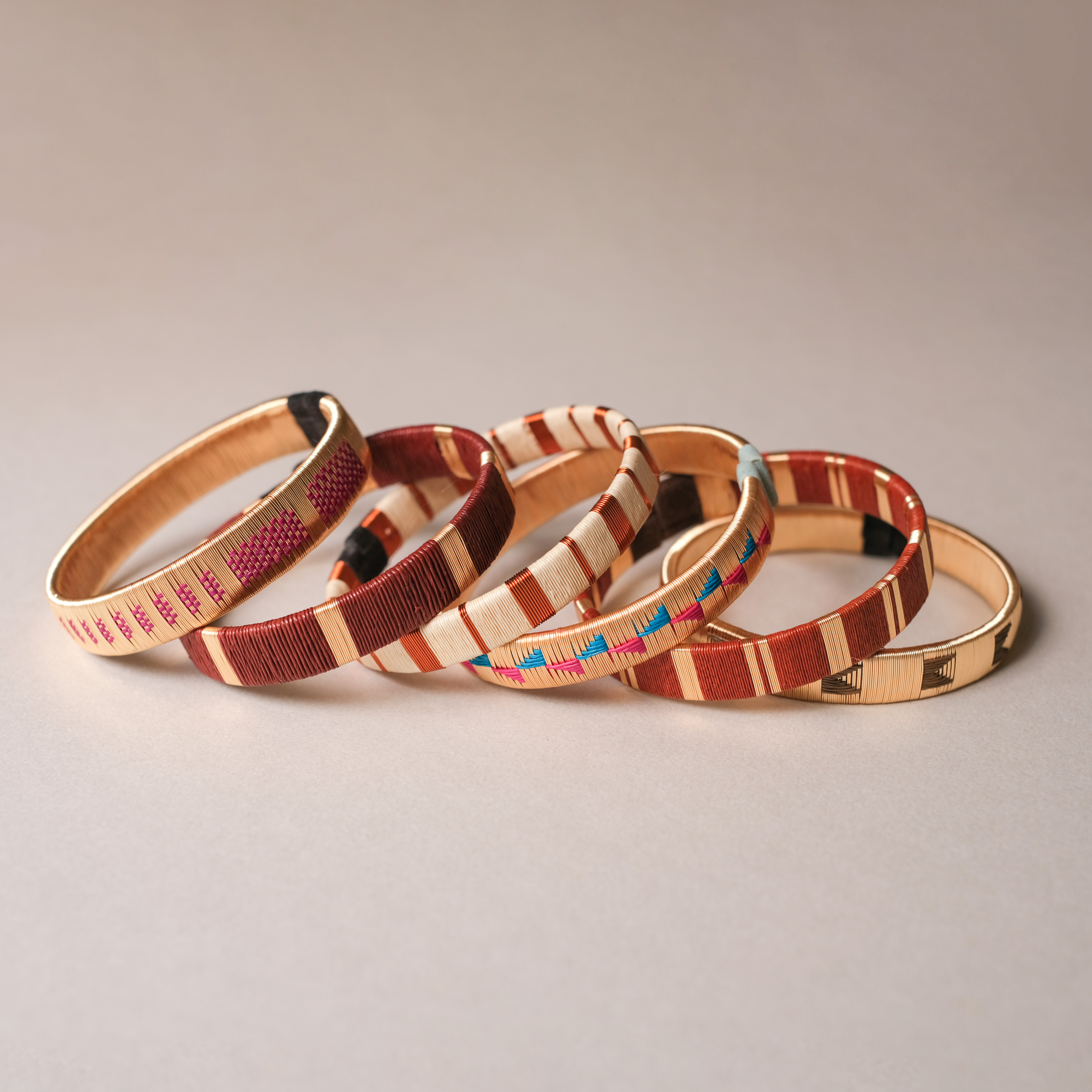
Werregue編織銅手環|哥倫比亞
India’s Gypsy Tribe
We’ve previously explored Kashmiri Chain Stitch wool embroidery and Shisheh Embroidery from Jaisalmer. Now, we search into the northwest of India to learn about the Rabari people, often referred to as the "Gypsy Tribe of India," and their embroidery craft.
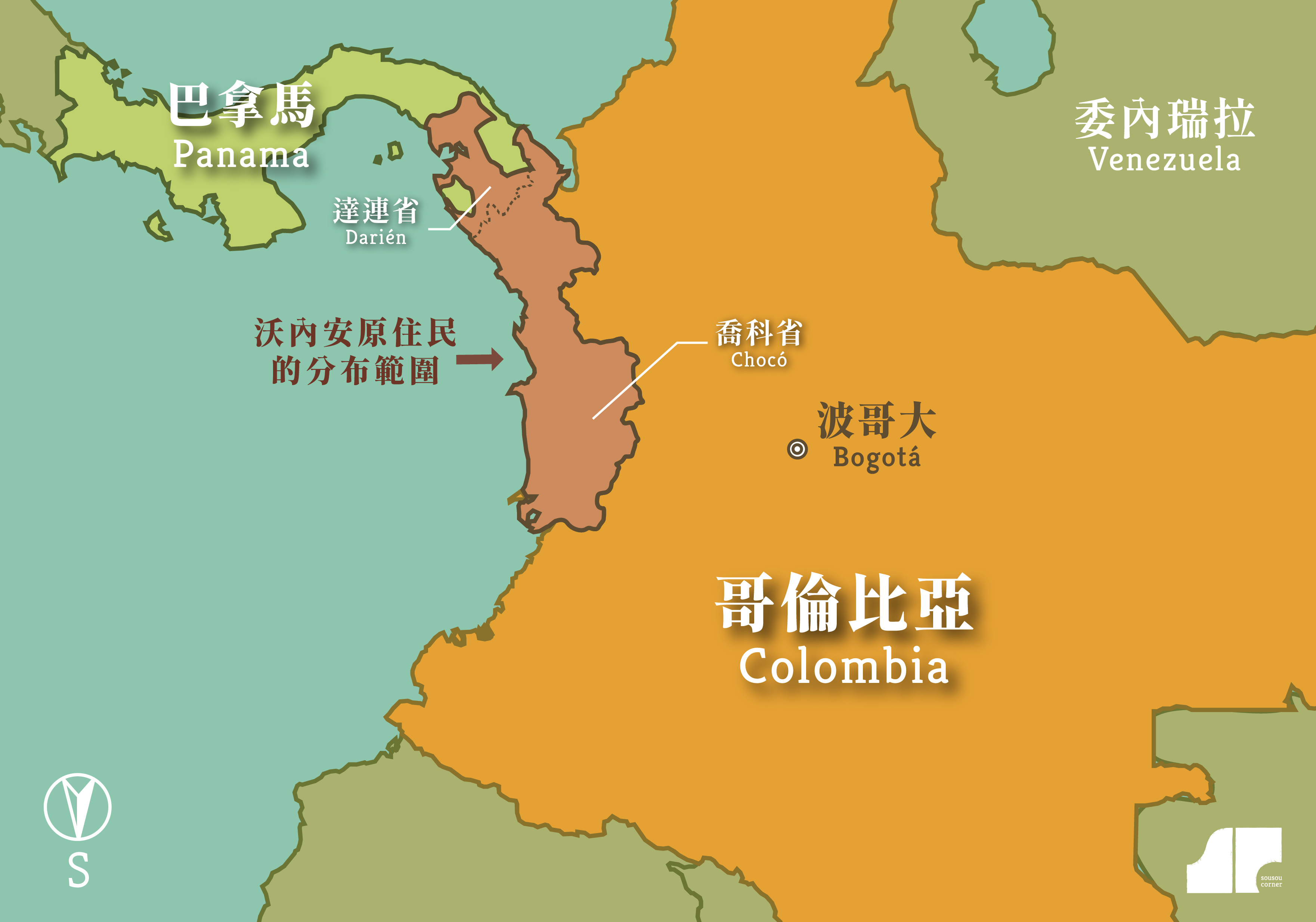
圖 / 沃內安人的分布範圍
製圖 / 南南之隅
Women’s embroidery doesn’t stop with weddings. Newborns’ cradles and children’s clothes are adorned with Rabari designs. These garments are often passed down through generations. Mirror embroidery on children’s clothing is believed to ward off evil spirits. Embroidered patterns also appear on men’s wallets, women’s veils, and camel saddle blankets, highlighting the craft’s integral role in Rabari culture.
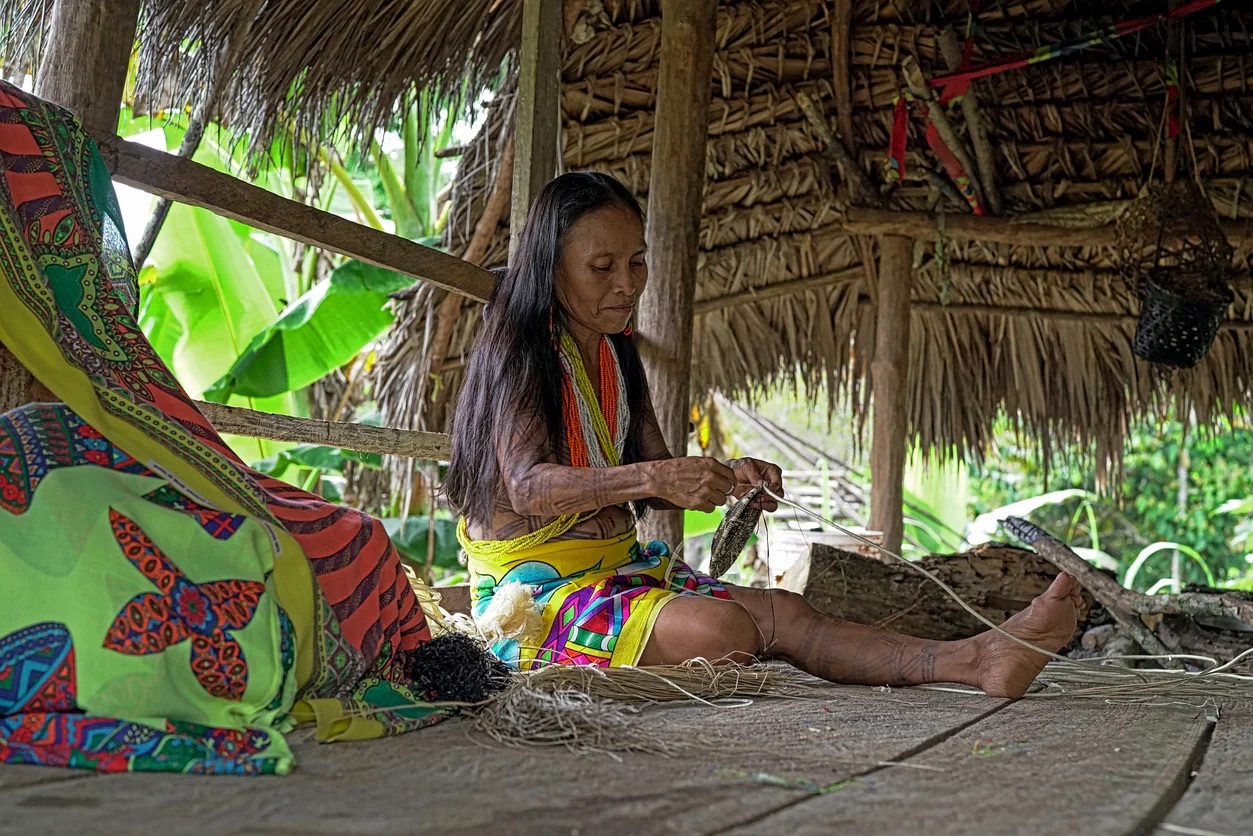
圖 / 正在編織的沃內安人
來源 / Ncasalatina
Embroidery in Rabari Culture
Rabari women view embroidery as an essential pursuit of beauty. They embellish traditional attire like Kanchali (backless blouses), Paheranu (wraparound skirts), Ghagharo (stitched skirts), and Ludi (woolen veils). Even bridal dowries and wedding outfits are embroidered by hand.
Weddings are showcases for Rabari embroidery. Before marriage, brides meticulously embroider skirts, wall hangings, pillows, purses, shirts, and other dowry items, which are carried to their new homes in kothalo (sacks). At the ceremony, decorative Toran hang at the entrance to welcome guests, and women wear their handcrafted embroidered blouses to the celebrations.
The Rabari are a nomadic community spread across Gujarat and Rajasthan in northwest India. The name "Rabari" means "outsider." According to their mythology, passed down through generations, the Rabari believe they were created by Parvati, the wife of Shiva. She is said to have molded two boys and a camel from the soil of her body, instructing the boys to care for the camel. Over time, the camel multiplied, providing milk for humans to survive.
Raising animals has become the Rabari's mission and legacy. They see themselves as guardians, not owners, of these creatures. Camels hold a sacred place in their culture, with each family ensuring at least one camel remains in their herd. Grooms ride camels to their weddings, and camel milk is used in religious ceremonies.
At sunrise, the men leave their tents, driving adult livestock to grazing grounds. Once a suitable location is found, they notify others, and the group moves to a new grazing site before sunset.
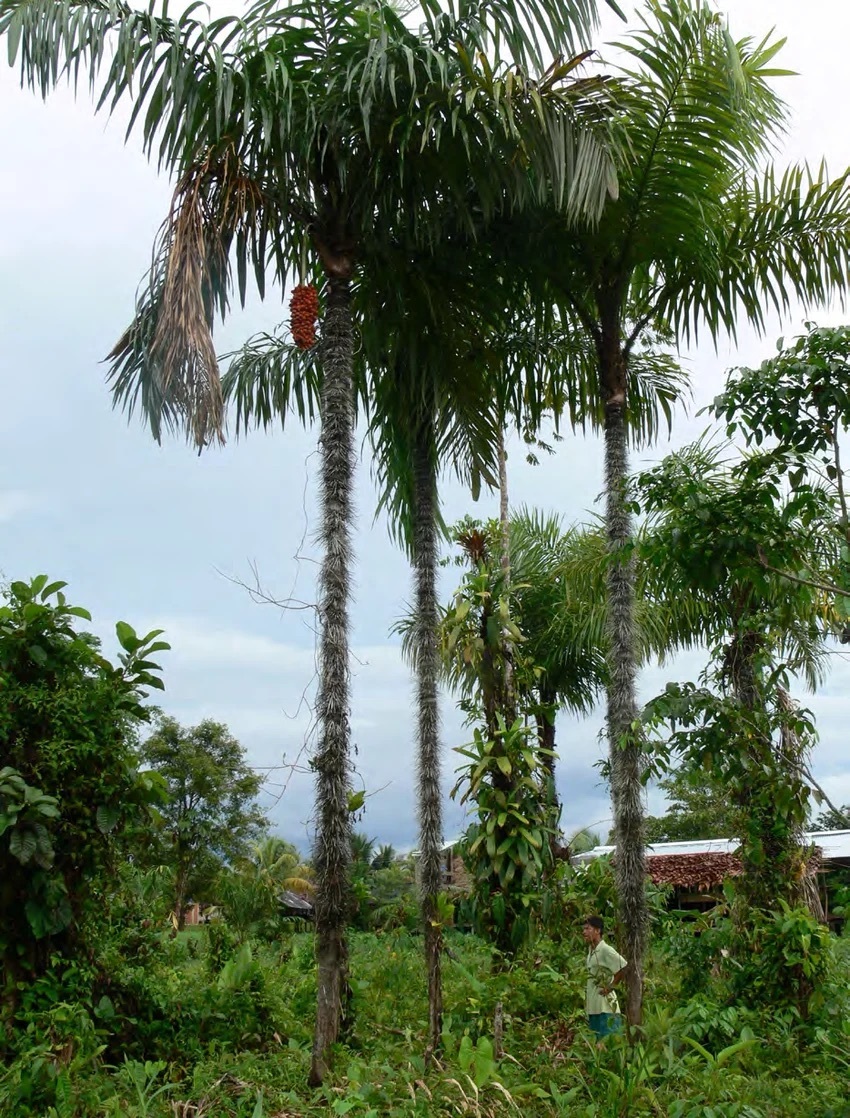
圖 / Werregue棕櫚樹與採集編織過程
來源 / Nestor Garcia
Embroidery as a Cultural Chronicle
Rabari embroidery is bold and colorful, combining threadwork, beads, buttons, and mirrors of various shapes and sizes. This mirror embroidery, known as Shisha in Hindi, is found in India, Pakistan, and Afghanistan. Originally using mica, these mirrors were believed to ward off evil spirits. Over time, mica was replaced with glass, which reflects light to deter animals outdoors and brighten interiors.
Common motifs include flowers, fruits, and animals like peacocks, parrots, and elephants. For the non-literate Rabari, embroidery acts as a vital medium for preserving their tribal culture. For instance, temple patterns reflect Hinduism’s significance, while women carrying pots on their heads symbolize daily chores like fetching water or selling milk. During festivals, these pots are filled with mangoes or coconuts to welcome visitors from neighboring villages.
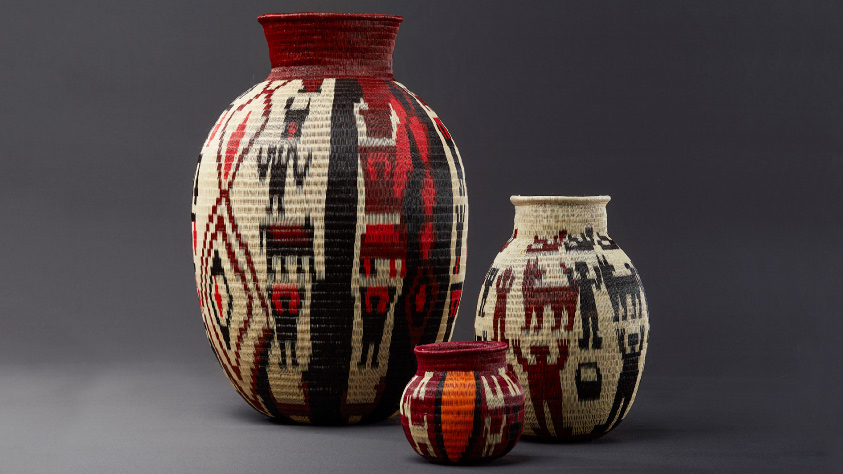
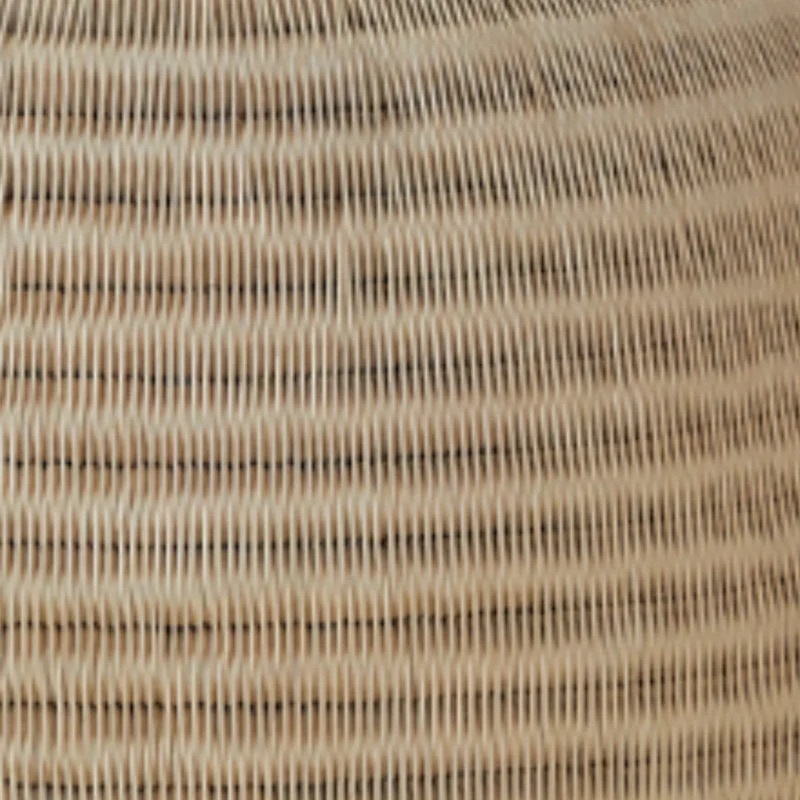
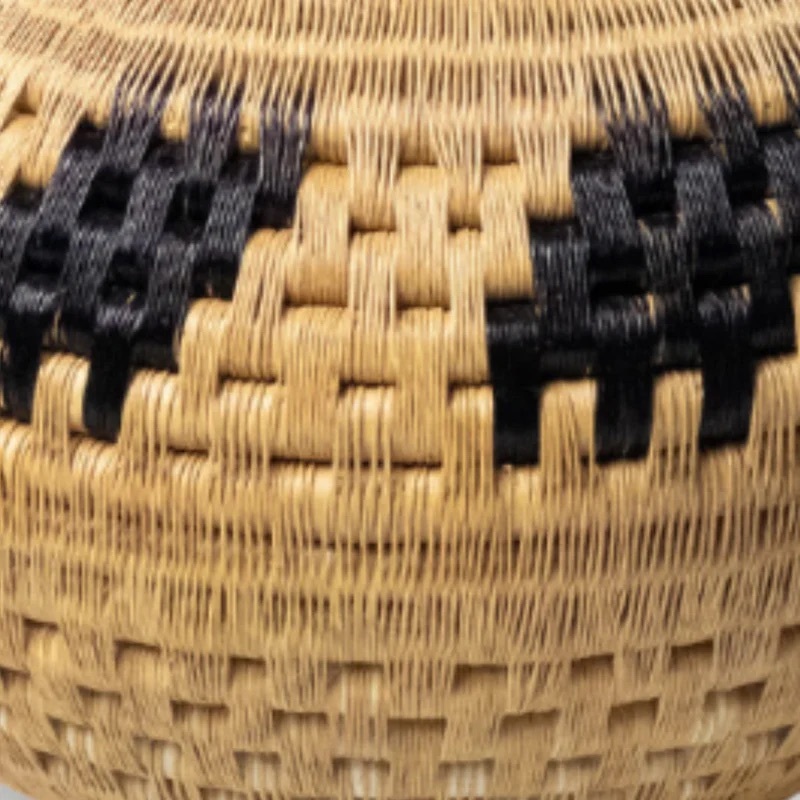
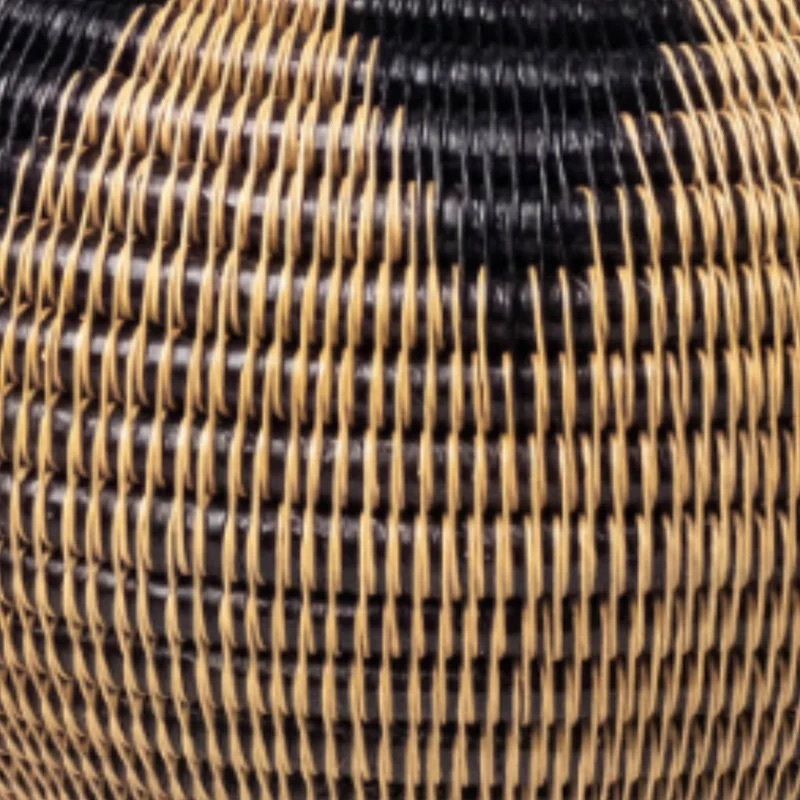
籃狀織法(basket weave)
最精緻且最耗費工時的織法,透過緊密綁定芯線,讓每個針腳之間完全沒有任何縫隙,以這種織法做成的容器可以達到滴水不漏的程度。
緊密織法(closed weave)
透過在每個針腳中綁定三圈芯線,營造出類似傳統編織籃的視覺效果。
鏤空織法(open weave)
為了達到鏤空的效果,工藝師會在每個針腳之間刻意留下間隙,使裡面的結構芯線若隱若現。
Werregue編織的蛻變
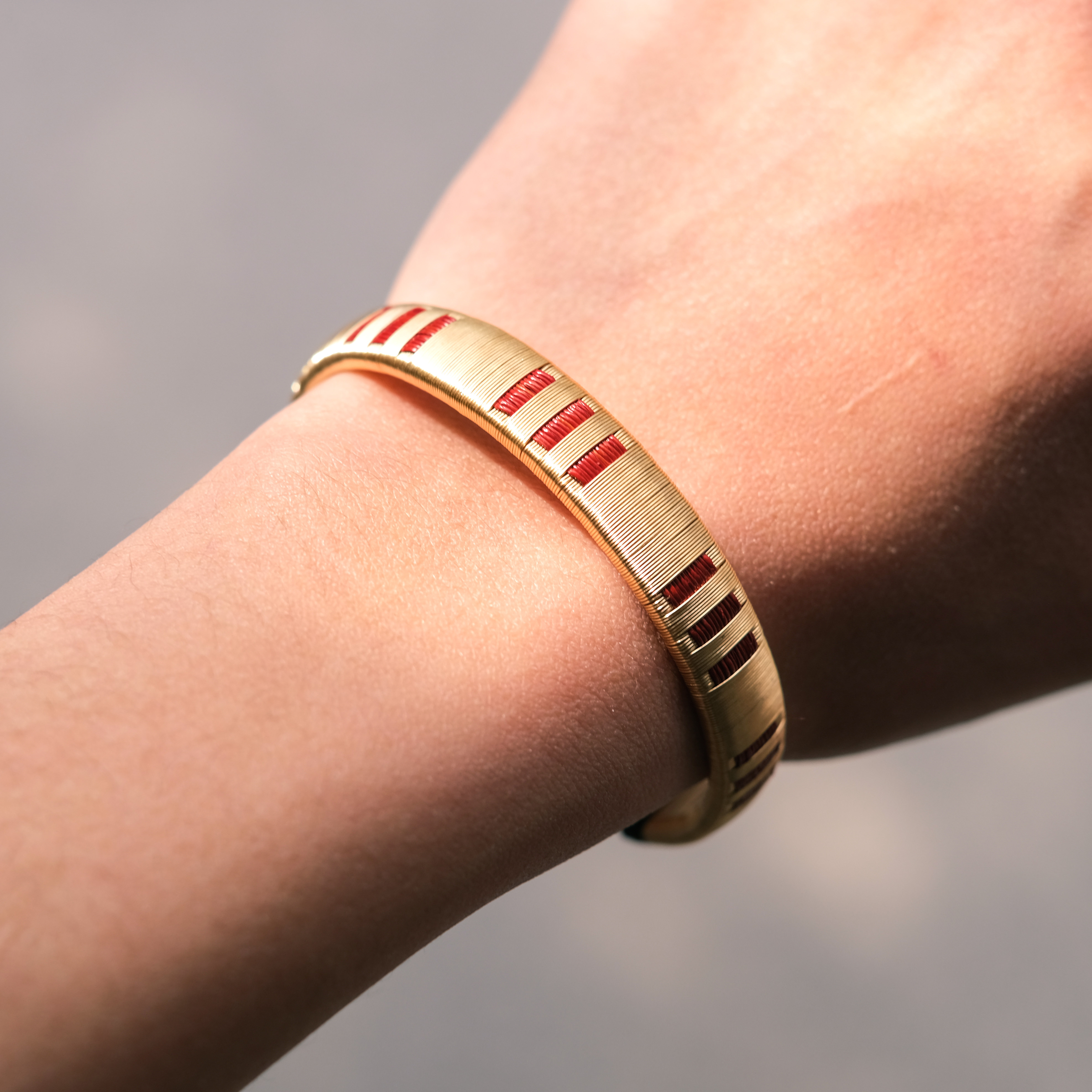
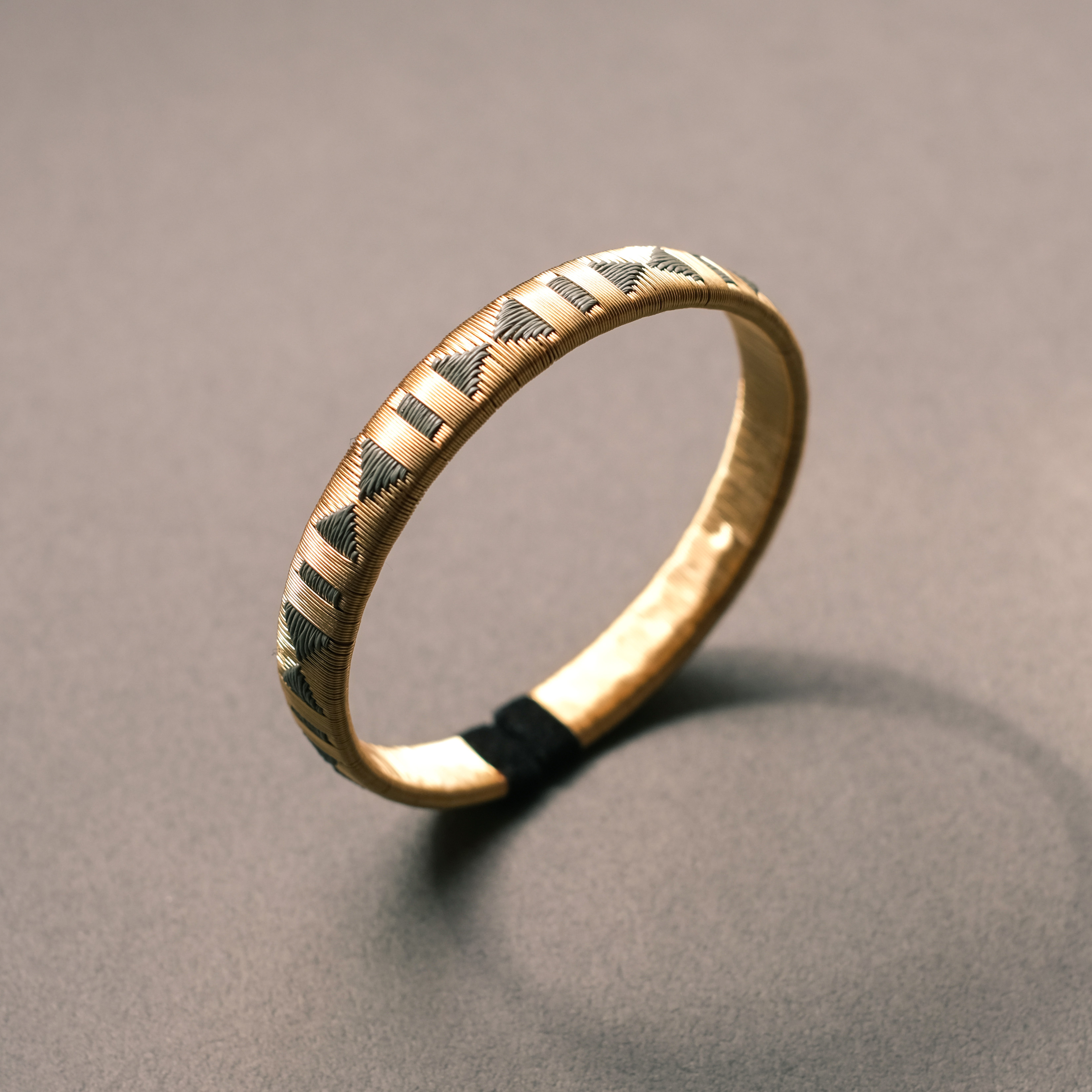
近年因武裝衝突從喬科流離到波哥大的哥倫比亞沃內安人,將Werregue與在都市容易取得的銅兩種材質結合,如今大約30%至40%的哥倫比亞Werregue織品都有加入銅線一起編織,更增添金屬的光澤與質感。
哥倫比亞工藝品牌「AALUNA」,則將Werregue編織轉變成融入日常生活的手環配件,由哥倫比亞設計師參與設計,並與因武裝內戰遷居到首都波哥大的沃內安婦女製作,以Werregue棕櫚纖維製成的手環,加上紅銅的點綴,以更精緻迷人的高雅質感,展現Werregue工藝的演進與蛻變。