{{ 'fb_in_app_browser_popup.desc' | translate }} {{ 'fb_in_app_browser_popup.copy_link' | translate }}

{{ 'in_app_browser_popup.desc' | translate }}

Your Shopping Cart is empty.
{{ (item.variation.media ? item.variation.media.alt_translations : item.product.cover_media.alt_translations) | translateModel }} {{ (item.variation.media
                    ? item.variation.media.alt_translations
                    : item.product.cover_media.alt_translations) | translateModel
                }}
{{ 'product.bundled_products.label' | translate }}
{{ 'product.bundle_group_products.label' | translate }}
{{ 'product.buyandget.label' | translate }}
{{ 'product.gift.label' | translate }}
{{ 'product.addon_products.label' | translate }}
{{item.product.title_translations|translateModel}}
{{ field.name_translations | translateModel }}
  • {{ childProduct.title_translations | translateModel }}

    {{ getChildVariationShorthand(childProduct.child_variation) }}

{{ 'product.set.open_variation' | translate }}
  • {{ getSelectedItemDetail(selectedChildProduct, item).childProductName }} x {{ selectedChildProduct.quantity || 1 }}

    {{ getSelectedItemDetail(selectedChildProduct, item).childVariationName }}

{{item.variation.name}}
{{item.quantity}}x NT$0 {{ item.unit_point }} Point
{{addonItem.product.cover_media.alt_translations | translateModel}}
{{ 'product.addon_products.label' | translate }}
{{addonItem.product.title_translations|translateModel}}
{{addonItem.quantity}}x {{ mainConfig.merchantData.base_currency.alternate_symbol + "0" }}

Located in southern Africa, Eswatini is not only Taiwan’s sole African diplomatic ally but has also seen a booming craft industry in recent years. Embracing the concept of upcycling, the country contributes to global sustainability while creating job opportunities.

    From Swaziland to Eswatini

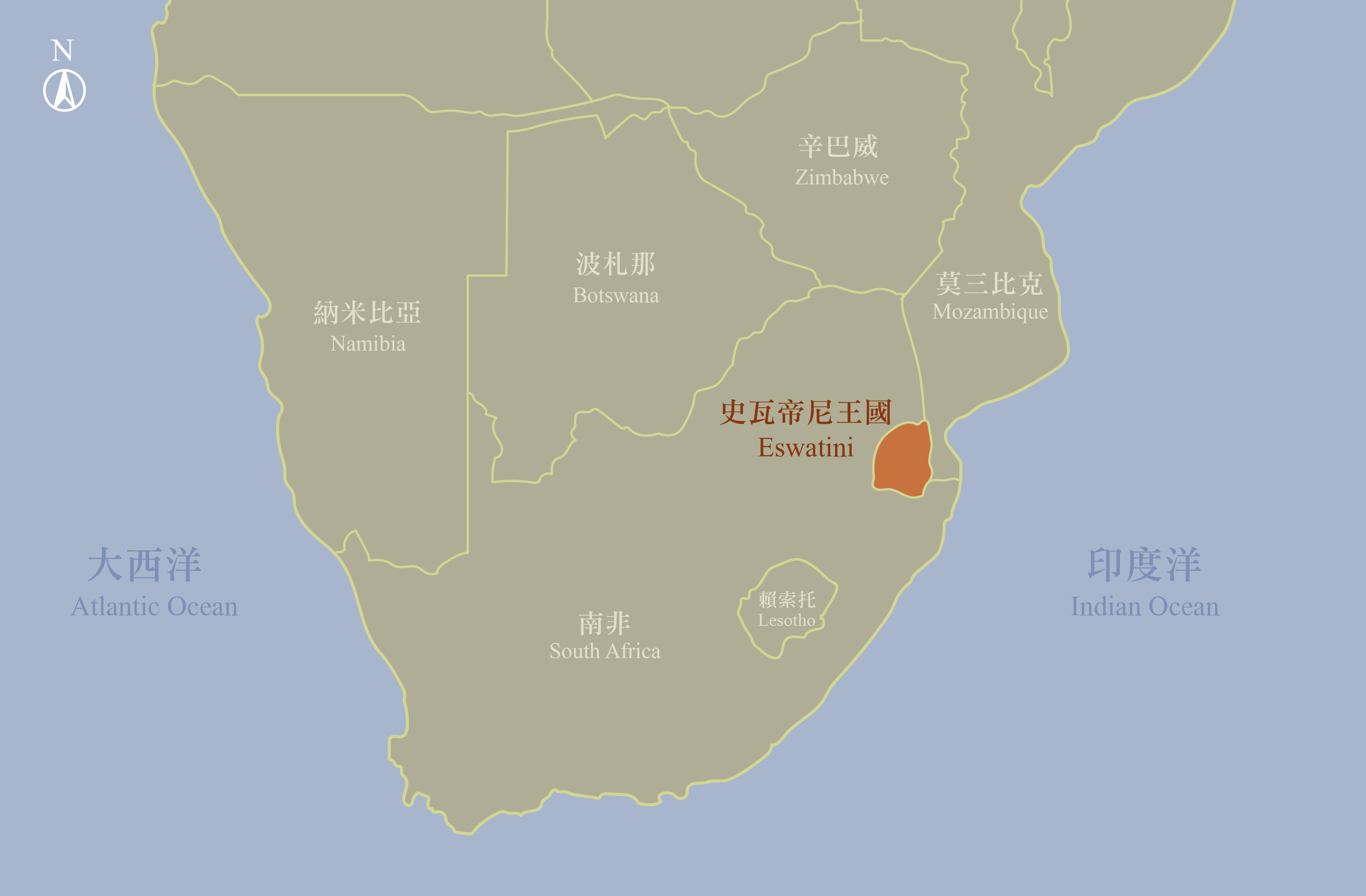
    Situated in southern Africa, Eswatini was formerly known as Swaziland, a name more familiar to many. However, due to the similarity between its English name, Swaziland, and Switzerland, King Mswati III announced in 2018 that the country would be renamed the Kingdom of Eswatini, meaning "land of the Swazi people."


    Eswatini is not only Africa's only remaining monarchy but also Taiwan's sole diplomatic ally on the continent. The country declared independence from British colonial rule on September 6, 1968, the same day it established formal diplomatic relations with Taiwan. To this day, the two nations maintain a very close relationship. King Mswati III, who ascended the throne in 1986, has visited Taiwan 18 times, demonstrating strong support for the island nation.

    Image/ Map of Eswatini

    Source/ SouSou Corner

    A Growing Craft Industry

    While 70% of Eswatini’s population works in agriculture—exporting products like sugarcane, corn, timber, and beef—small and medium-sized enterprises (SMEs) account for 60% of the country’s GDP, with micro-enterprises making up 80% of that figure. In recent years, the craft industry has flourished, and family-run workshops have become increasingly important to Eswatini’s economy. While many countries focus on selling craft items as souvenirs to tourists, Eswatini has gone beyond the tourism market, successfully exporting its crafts to Europe, Asia, and Africa. The Swaziland Fair Trade (SWIFT) organization has been pivotal in this success.


    SWIFT promotes gender equality, freedom of association, opportunities for economically disadvantaged producers, technical education, and environmental respect. It collaborates with local craft entrepreneurs to introduce Eswatini's crafts to the global market. Handcrafted candles, one of Eswatini's most renowned crafts, are popular among tourists and are also exported to European countries. Known for their animal shapes and designs inspired by cave paintings, these candles exude a distinct Eswatini charm and even offer customization services.


    Eswatini remains a patriarchal society, where polygamy is permitted, and men often negotiate marriages directly with the bride’s family without considering the woman's consent. Traditionally, candle-making was a craft reserved for men. However, organizations like SWIFT have encouraged more women to join the craft-making industry, giving them opportunities to launch micro-enterprises.

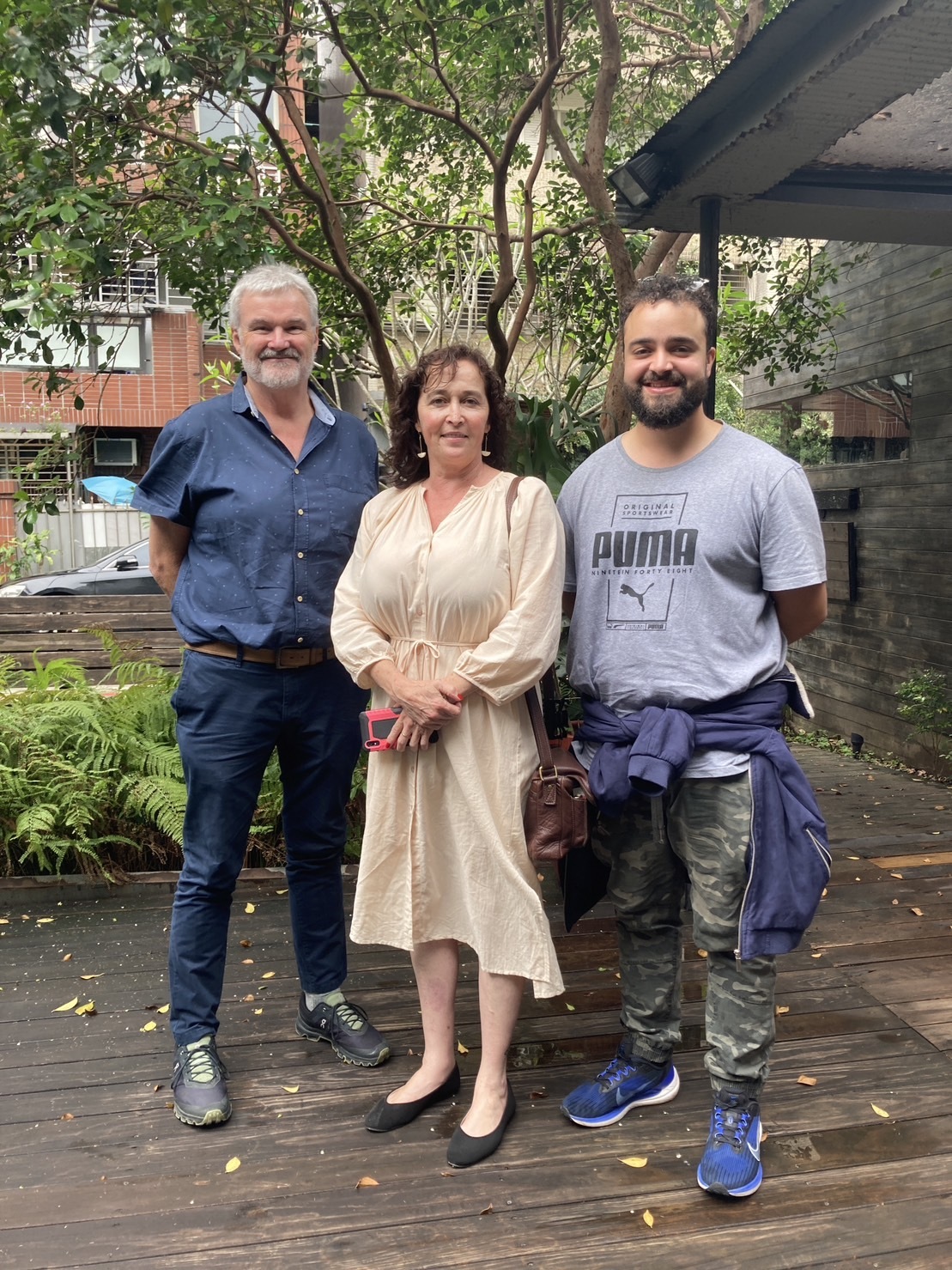
    Image/ 2023: SWIFT founder Julie, handcrafted candle artisan Isaac, and glass artisan Chase visiting SouSou Corner

    Source/ SouSou Corner

    The Sustainability Trend of Upcycling

    Among Eswatini’s crafts, the concept of upcycling has become a central concern for artisans. Unlike recycling or reuse, upcycling transforms raw materials into items of higher value, often conserving energy since the original materials are not destroyed in the process. Materials such as cattle horns, sisal, zippers, and paper pulp from agricultural or manufacturing byproducts are creatively repurposed into unique craft items.

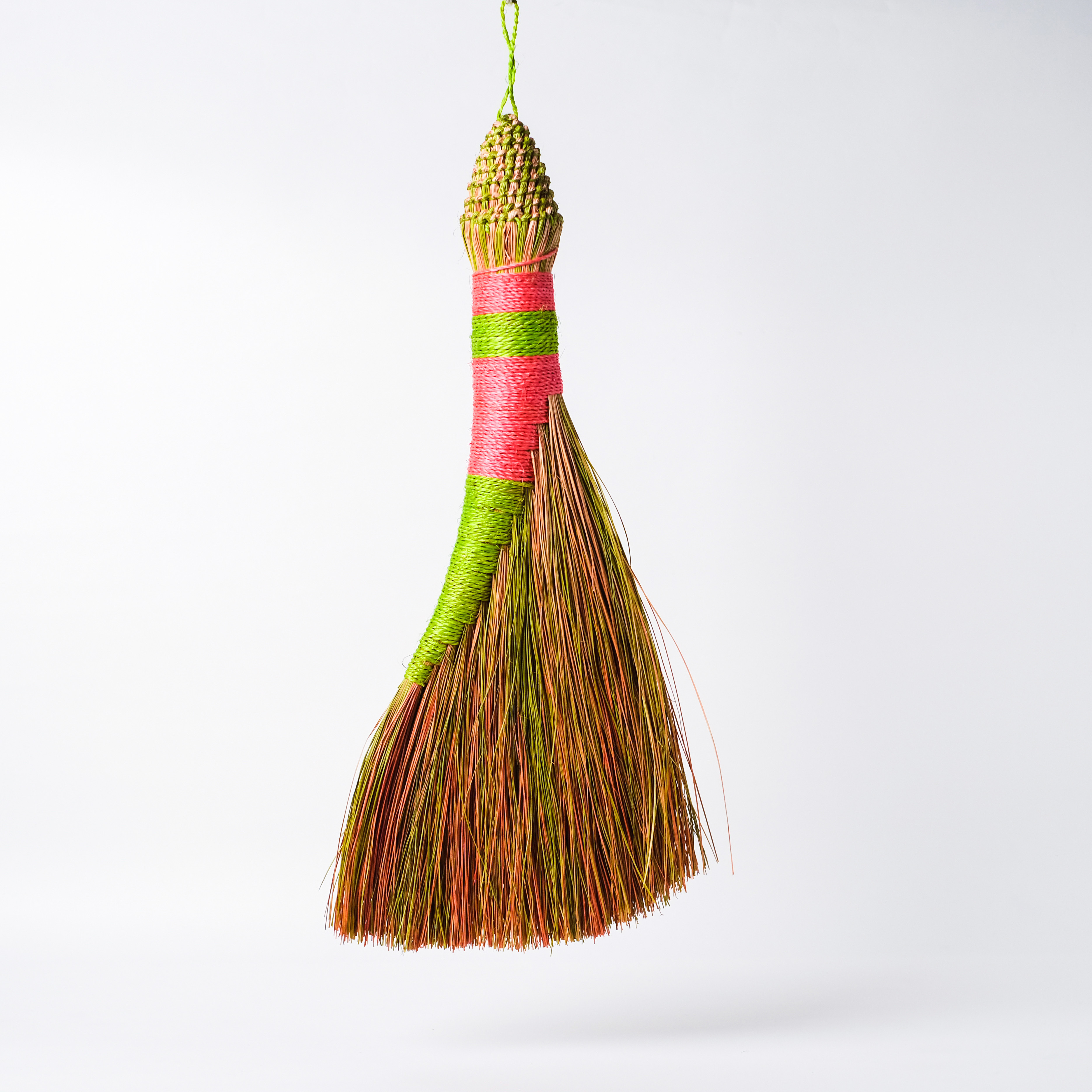
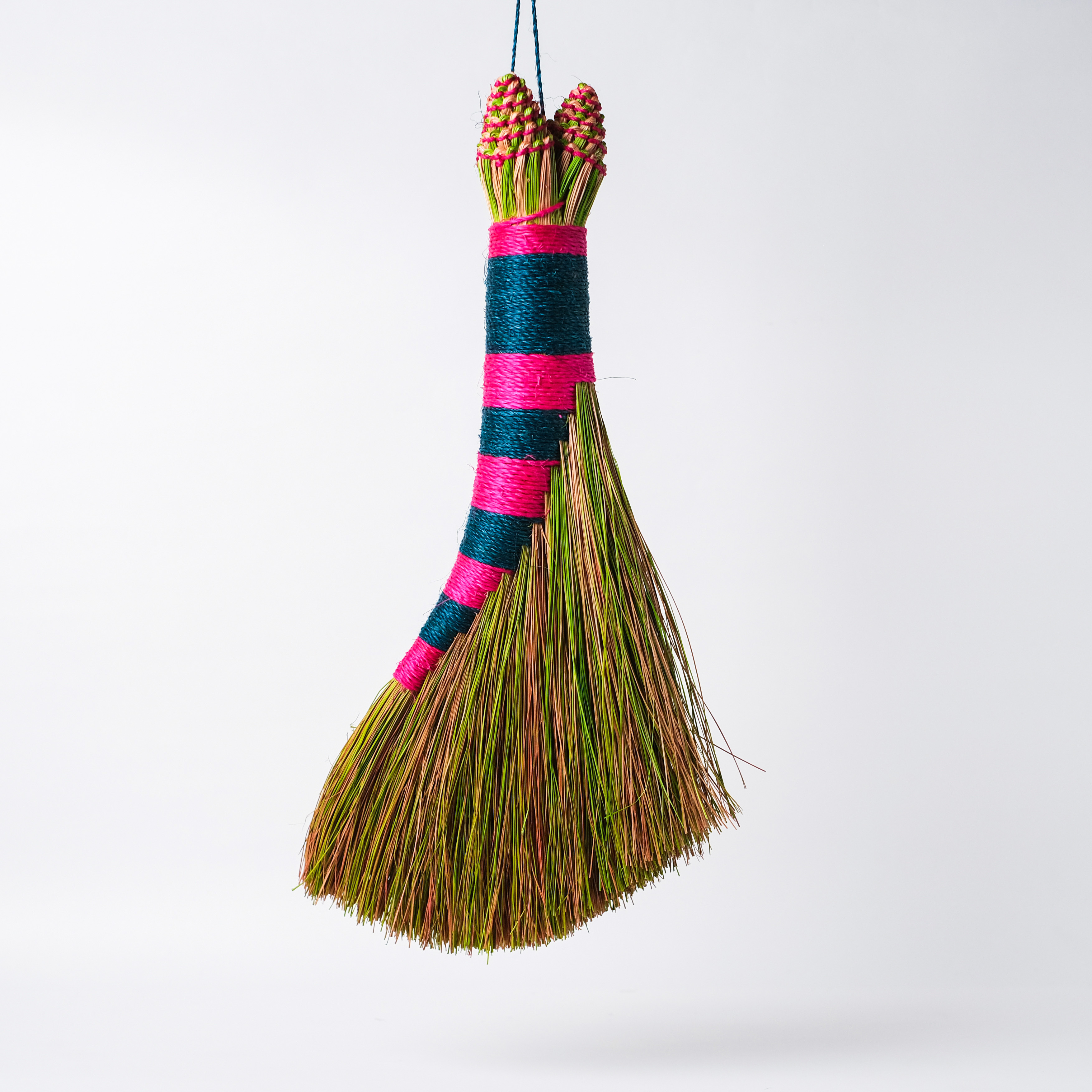
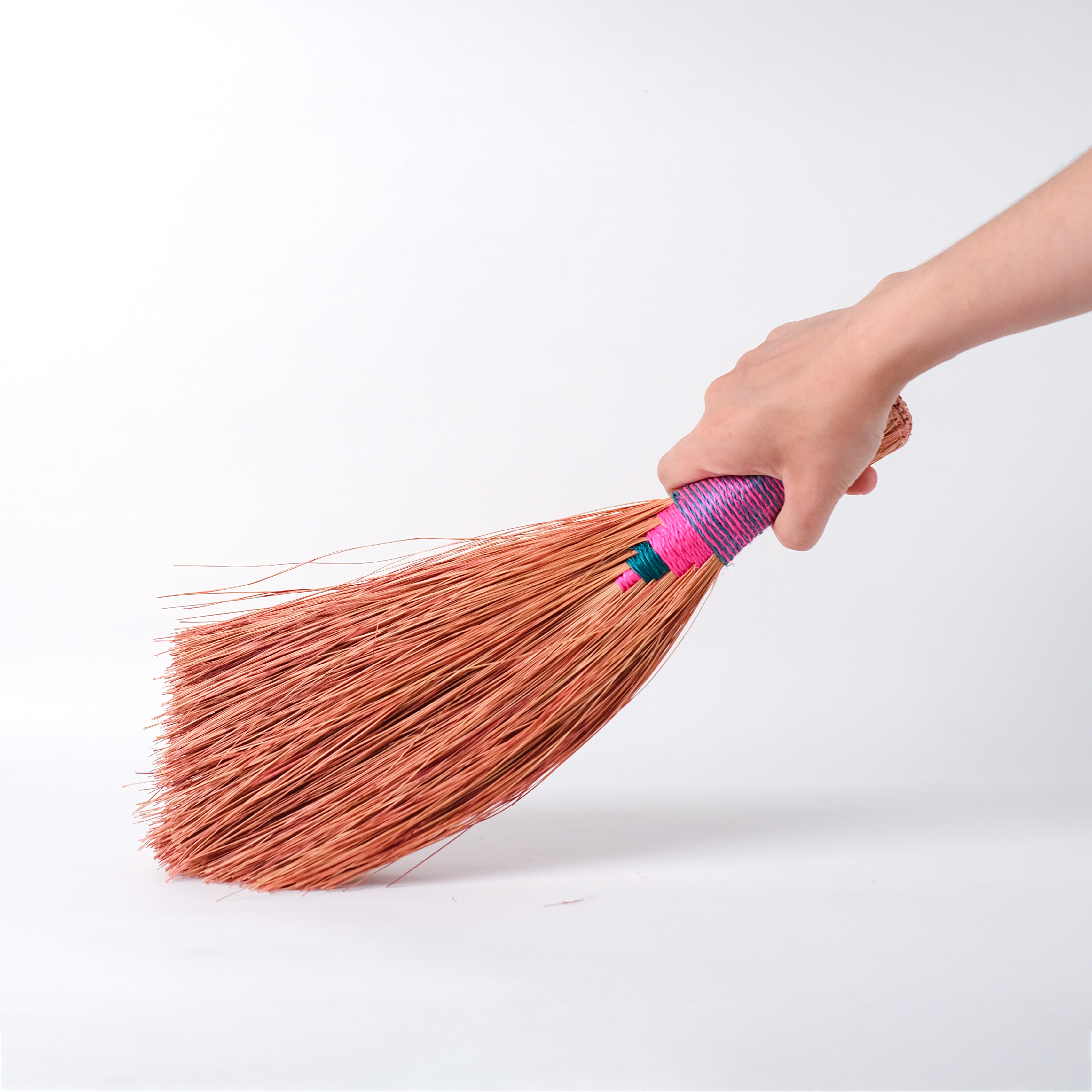
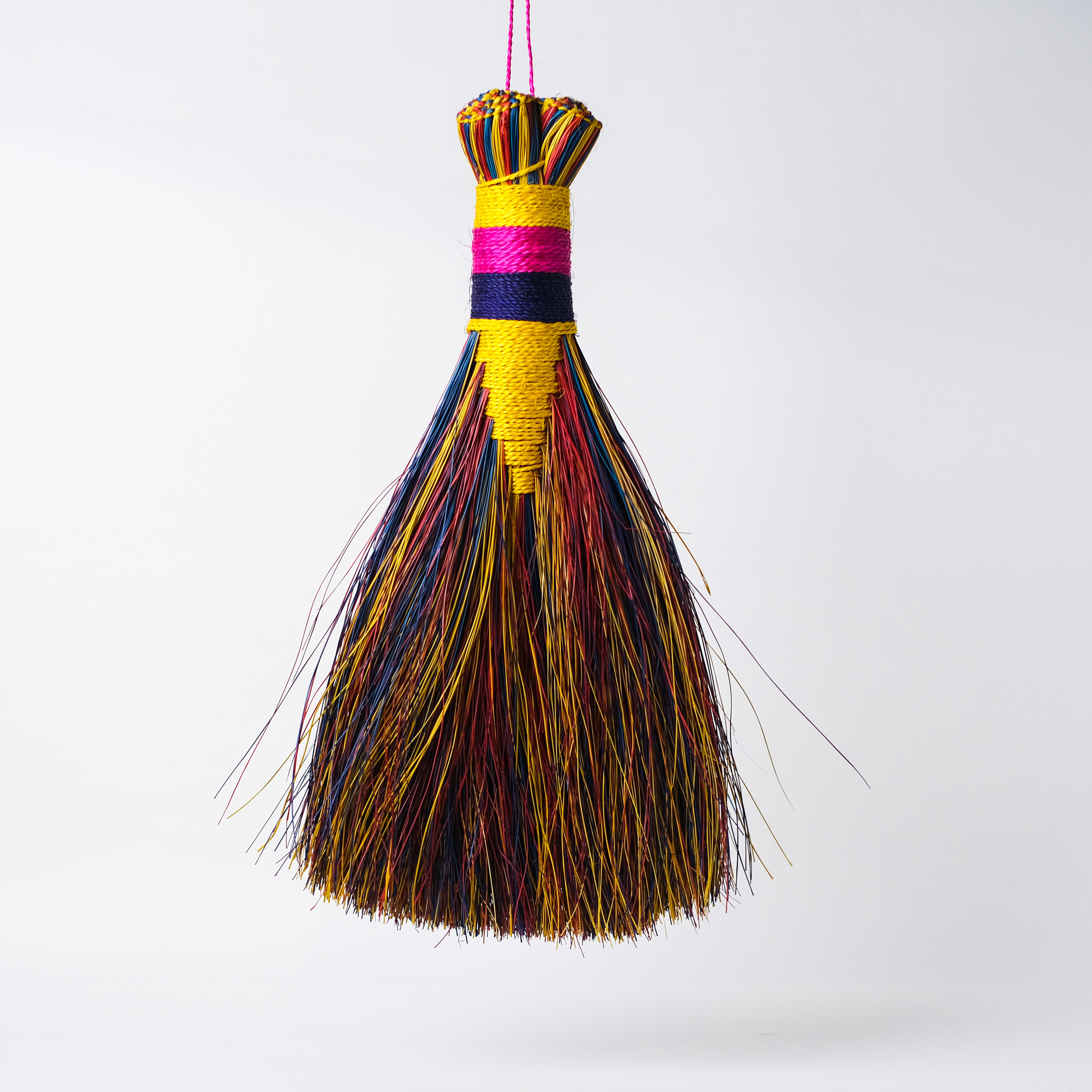
    Lutindzi Grass Brooms

    Before the advent of plastic, brooms were crafted from nature’s bounty, using locally foraged plants bound together by hand. While modern convenience has made such laborious methods rare, these natural brooms have evolved into a precious form of handicraft. Even in Taiwan, one can find a diverse array of brooms made from rice straw, bamboo, or silver date palm—each a testament to unique botanical knowledge and binding techniques that deserve deep exploration.


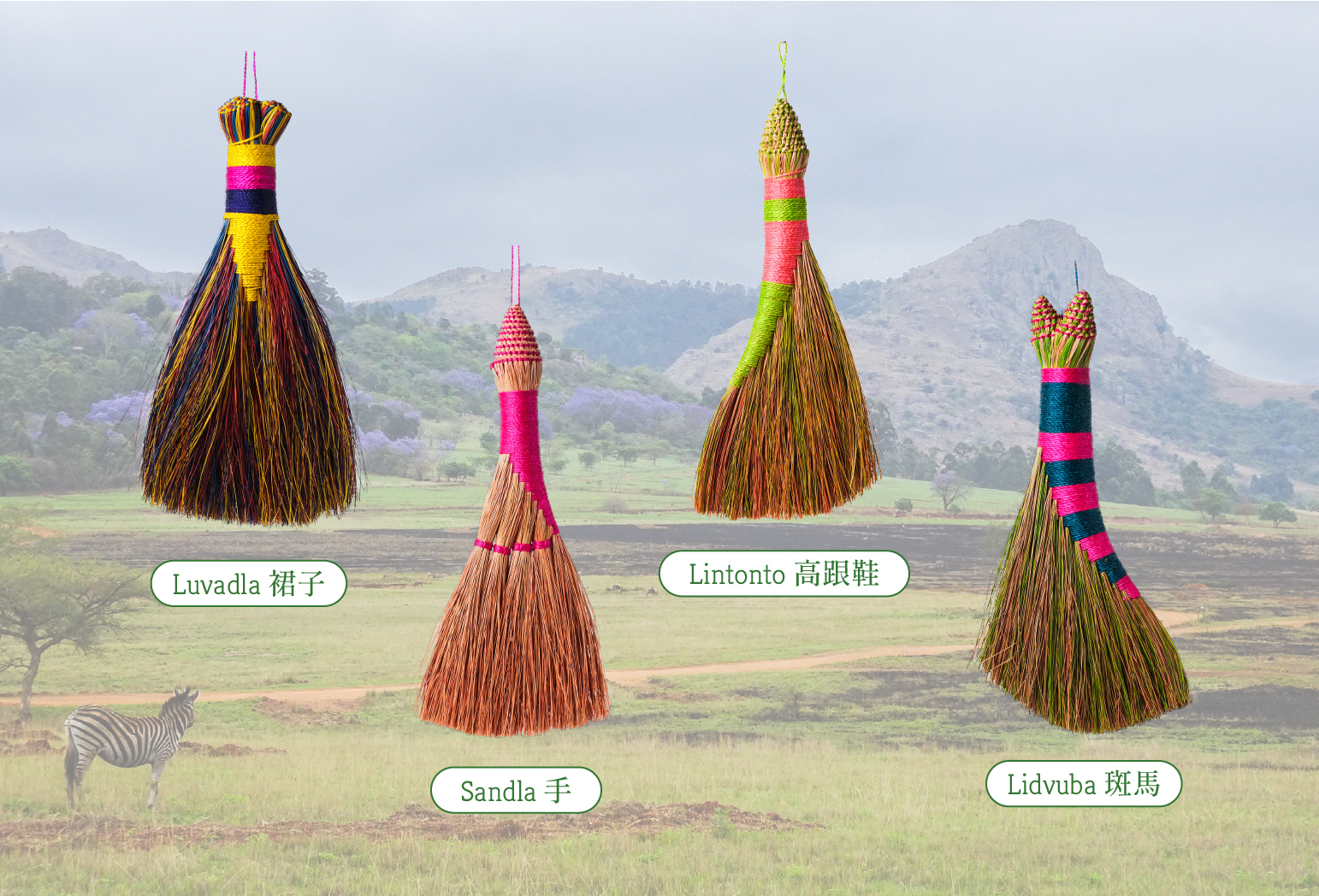
    From Eswatini, the Siyaphambili grass-weaving workshop—founded by female artisan Nomphilo Vilakati—carries a name that means "Moving Forward." Their brooms are crafted from Lutindzi, a wild grass synonymous with Eswatini’s weaving traditions. Thriving on the mountains of the Mantenga Nature Reserve and in lush wetlands, Lutindzi flourishes during the rainy summer months. Renowned for its remarkable flexibility and durability, this grass can last for over a decade. Beyond brooms, it is a versatile material used to create an array of lifestyle crafts, including woven mats and heat-resistant coasters.

    In Eswatini, the women begin harvesting Lutindzi grass following the sacred Ncwala ceremony in December. Once gathered, the grass is sun-dried and dyed, ready to be transformed through weaving. The artisans at Siyaphambili draw creative inspiration from everyday motifs—ranging from zebras and high heels to hands and short skirts—to develop their diverse array of woven designs.

    Through the artisans’ sharing, we discovered several fascinating differences between Eswatini's sweeping habits and those in Taiwan:

    • Short-handled Brooms: Most brooms used for cleaning bathrooms and indoor spaces are short-handled, meaning people often bend over while sweeping.

    • Outdoor Sweeping: Long-handled brooms are reserved exclusively for the outdoors. People sweep in the direction of the wind to prevent debris from blowing back.

    • Dust Control: If it is particularly dusty, a light sprinkle of water is used to keep particles settled. After sweeping, leaves and refuse are gathered and burned.

    • Storage: When not in use, the broom is typically kept behind the main door.

    Additionally, there are several intriguing bits of folklore surrounding African brooms:

    • Prosperity Taboo: Indoor sweeping should ideally be completed before 6:00 PM; otherwise, it is believed one might "sweep their wealth out the door".

    • Discipline: Occasionally, the broom serves a dual purpose as a tool for disciplining children.

    Sisal Weaving Bowls


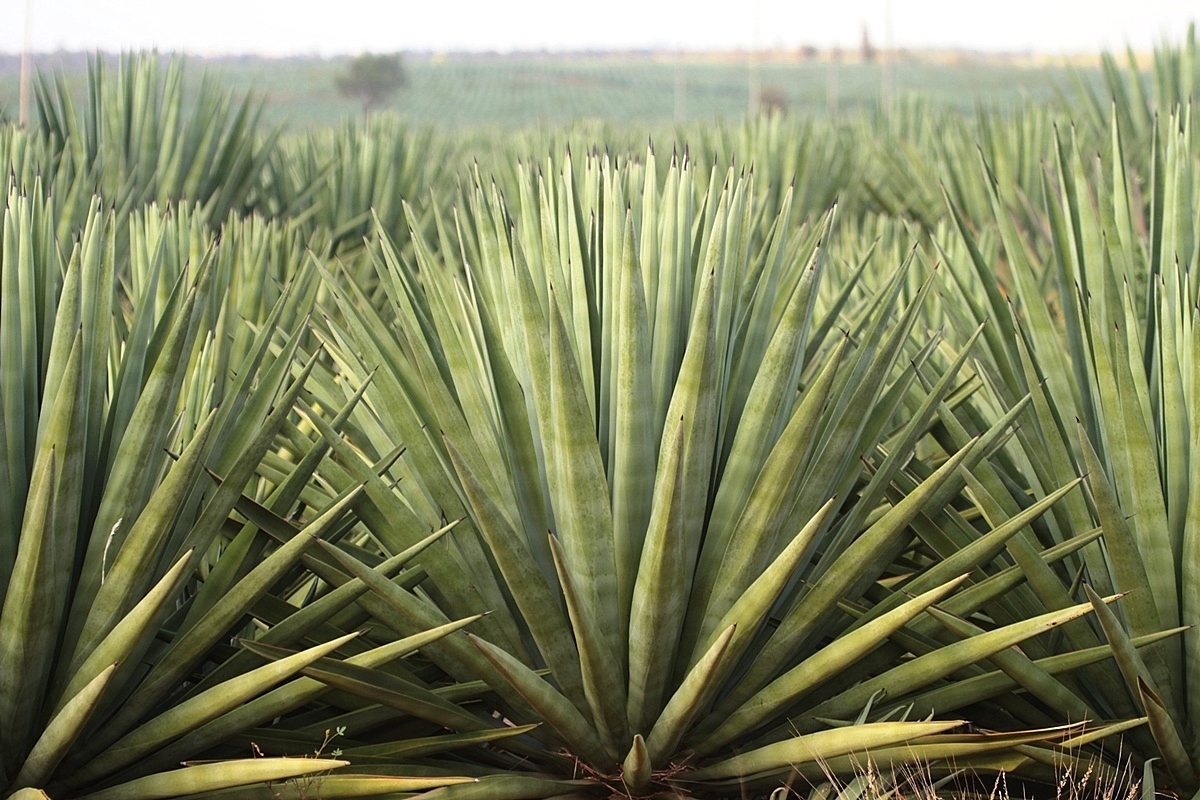
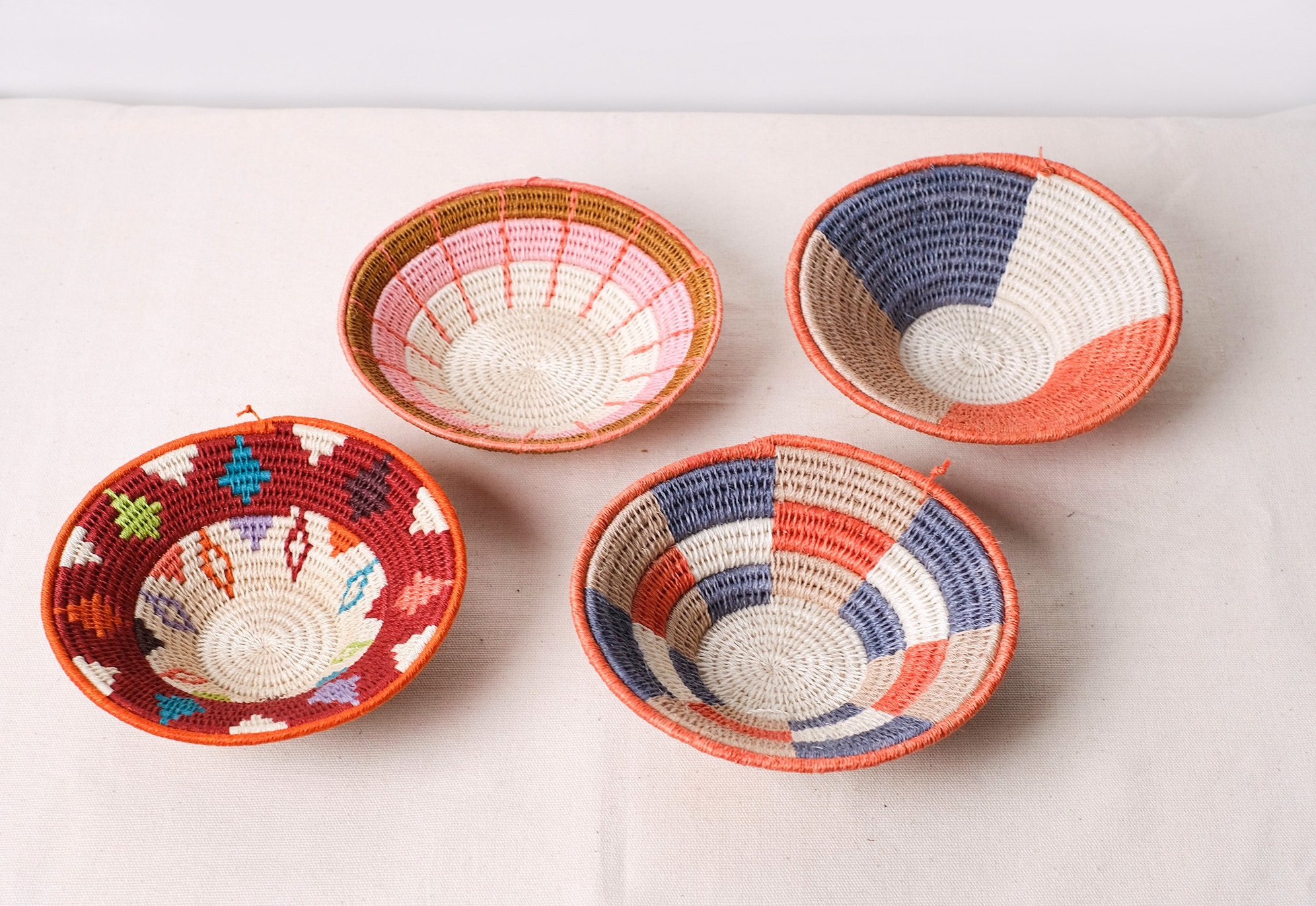
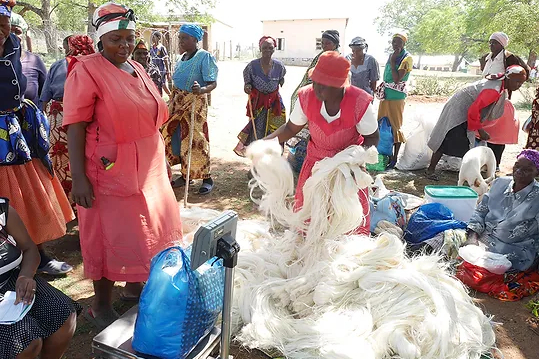
    Sisal (Agave Sisalana), also known as agave, is an invasive plant in Eswatini. To mitigate its ecological impact, locals harvest sisal to produce ropes and fences. Women gather tender leaves, scrape out the juicy pulp with water and tools, extract the fibers, and dry them to weave bowls, turning an abundant plant into a source of income.

    Image/ Eswatini considers it an invasive species that harms the natural ecosystem

    Source/ inaturalist

    Source/ SouSou Corner

    Image/ Fibers extracted from the tender leaves of sisal

    Source/ tintsaba

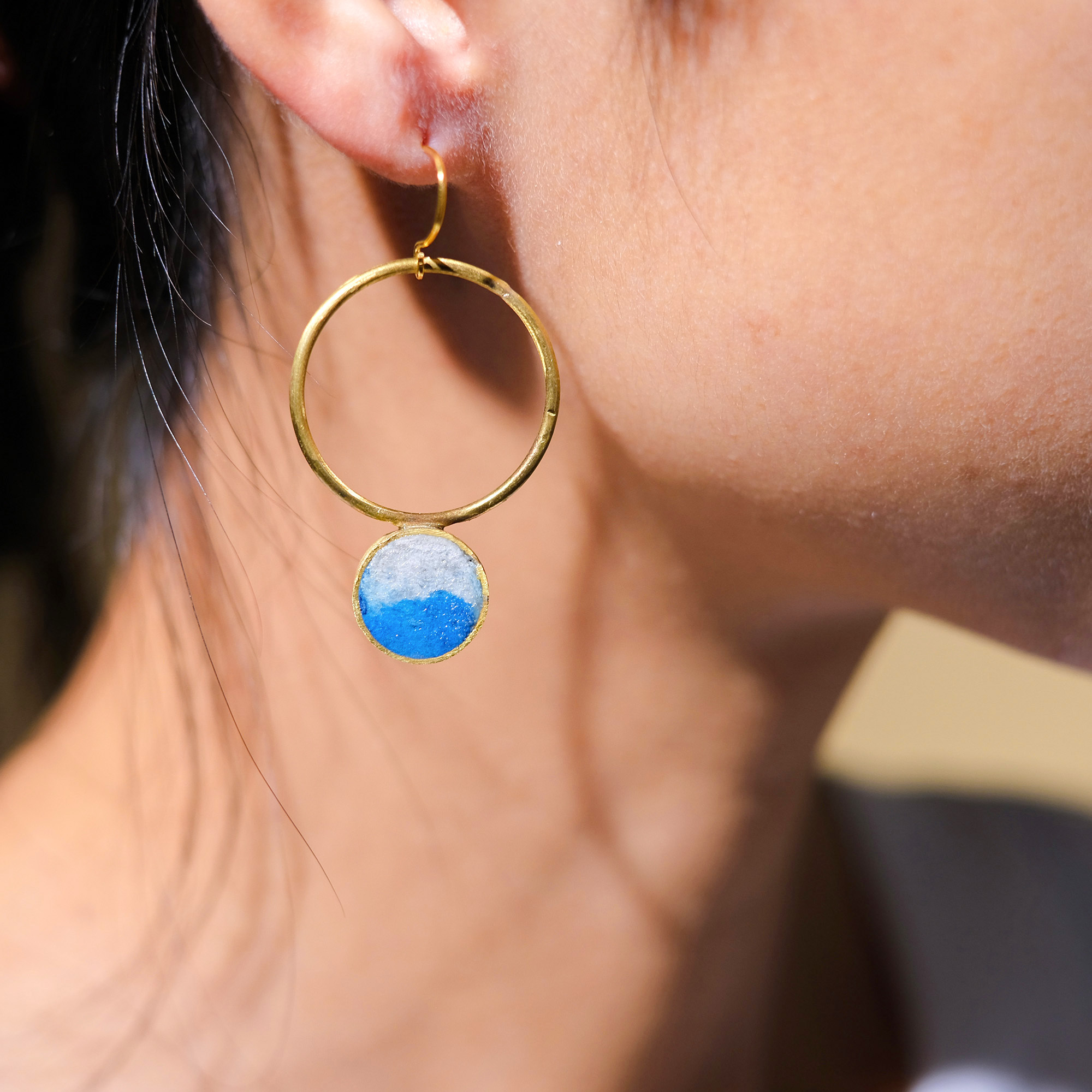
    Cattle Horn Accessories


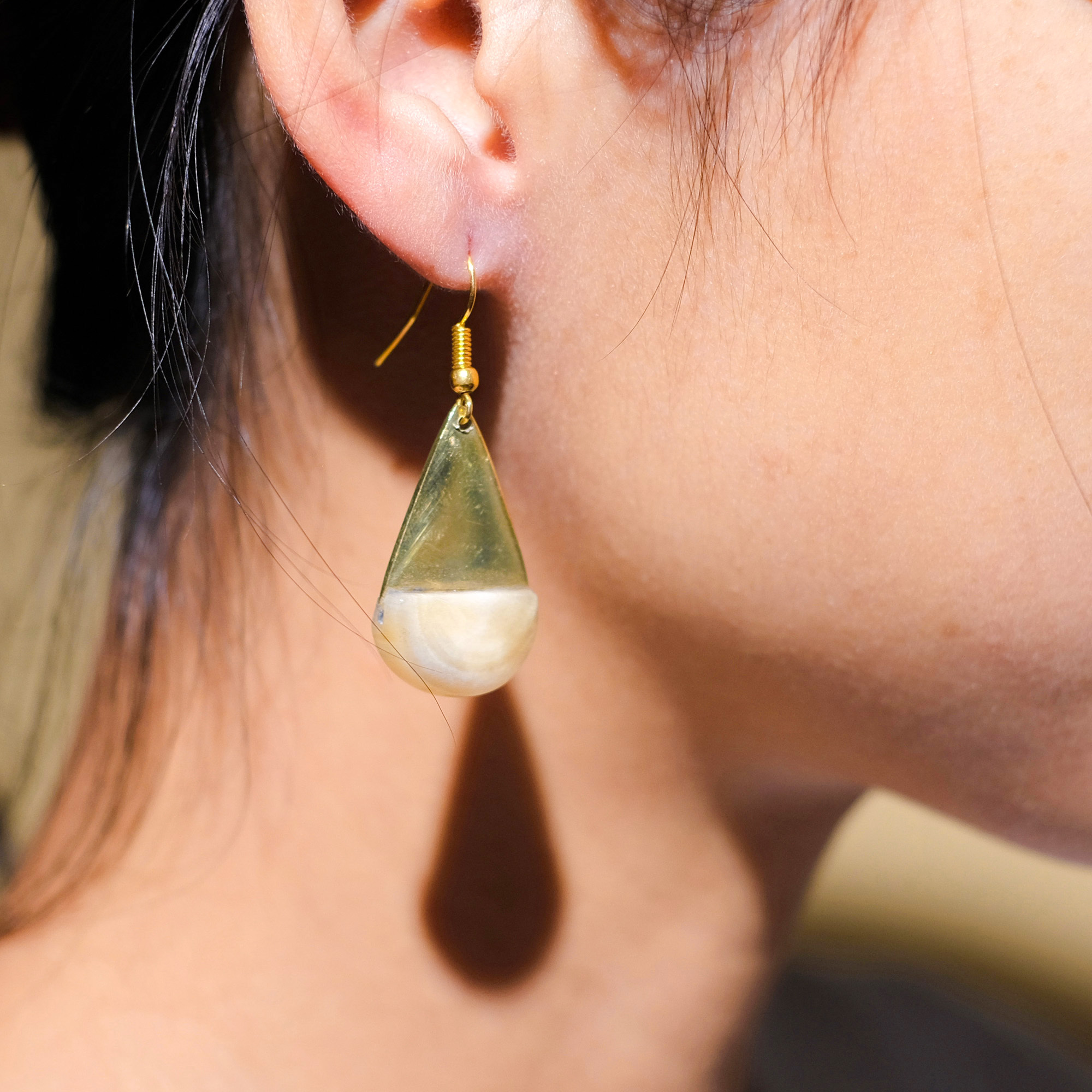
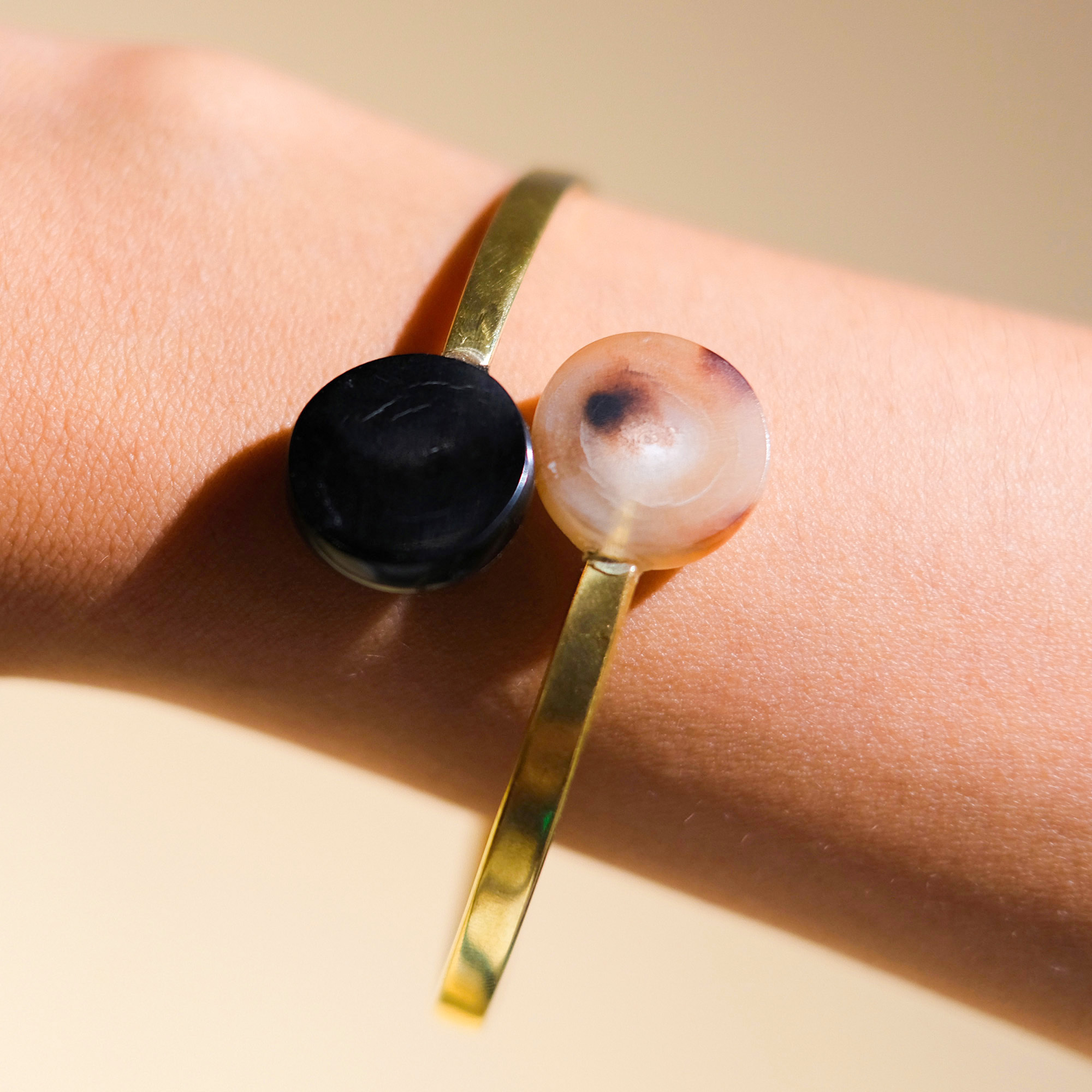
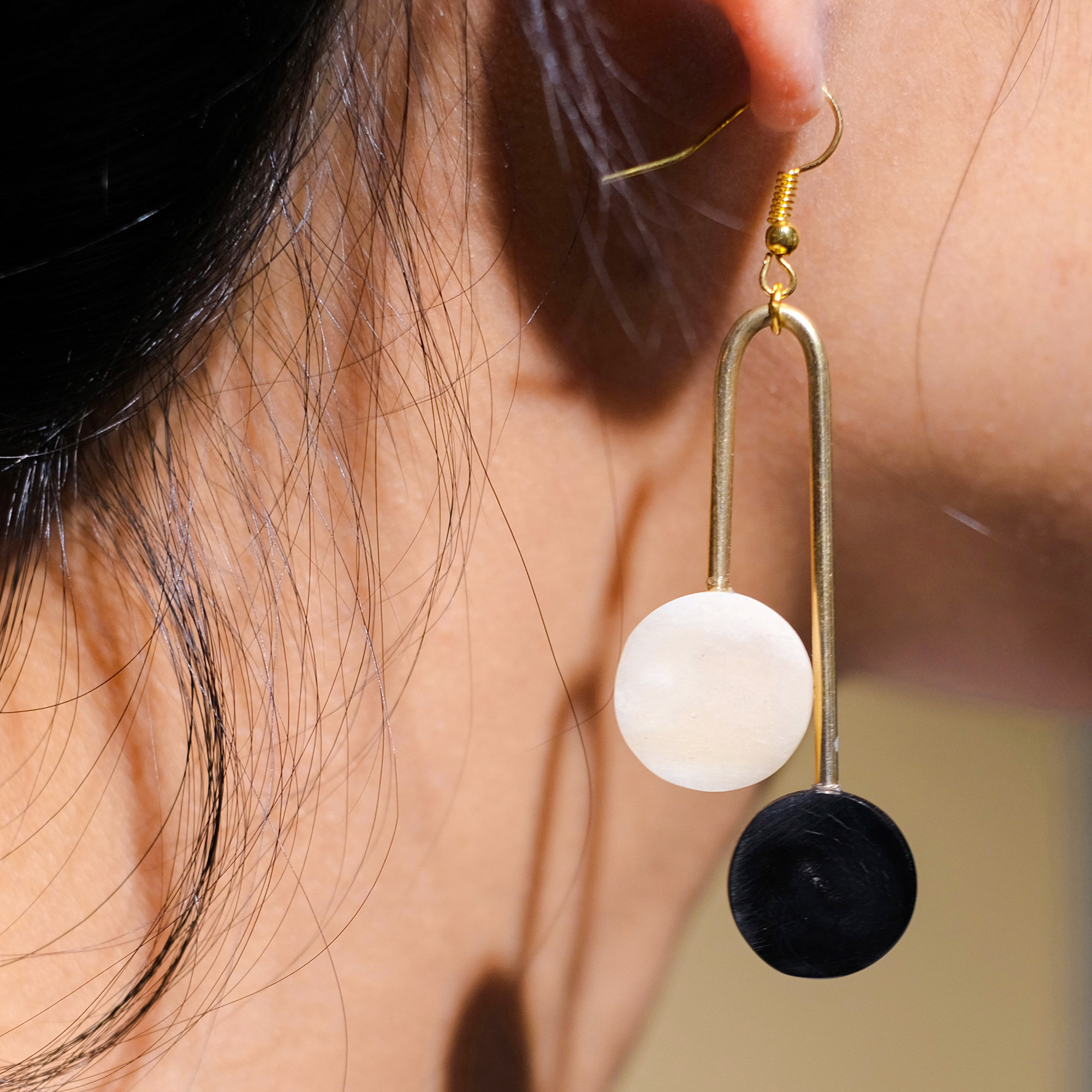
    Eswatini artisan Mdu Dlamini collaborates with local women to design and produce minimalist yet elegant accessories from cattle horns and bones, creating an upcycled fashion brand rooted in Eswatini’s traditions.

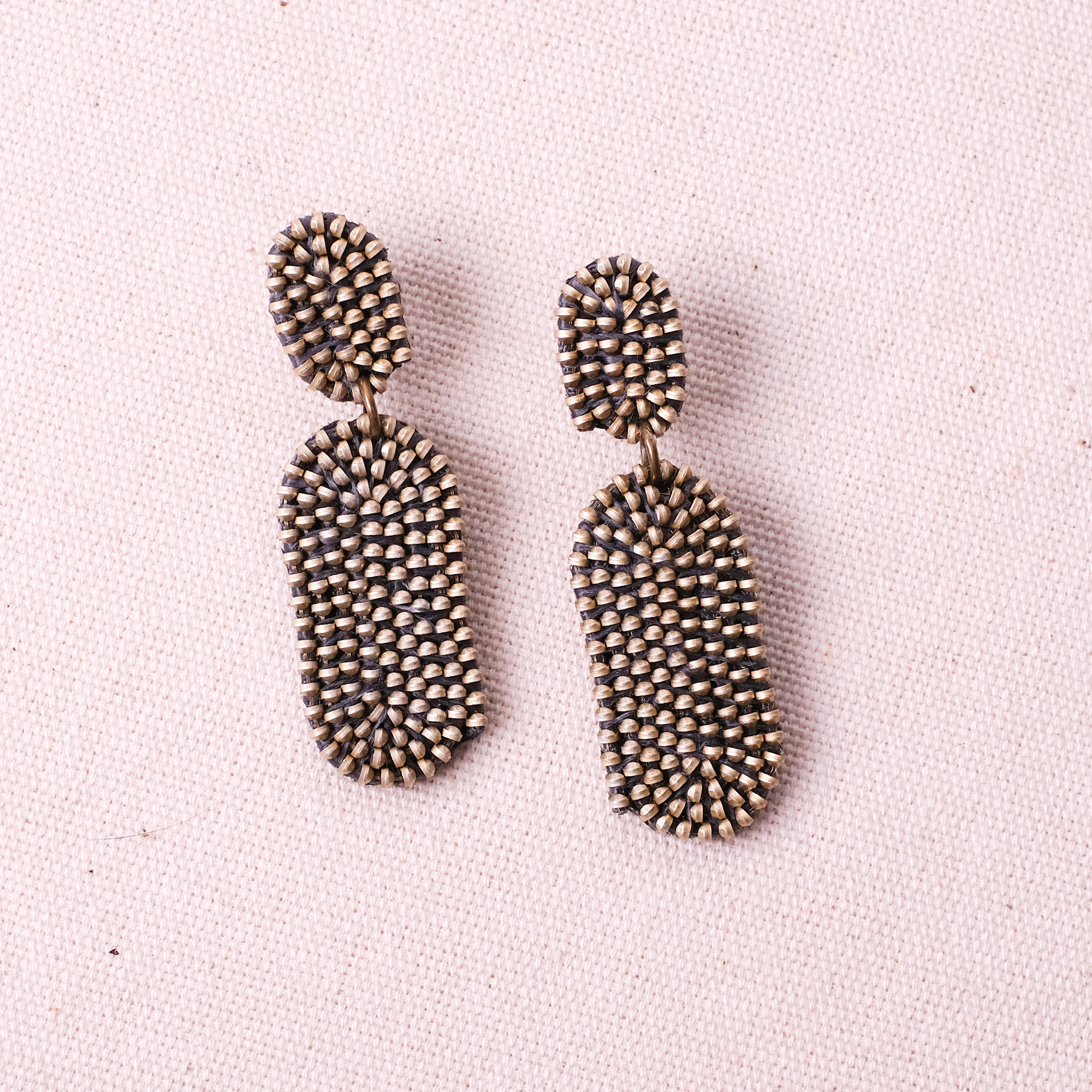
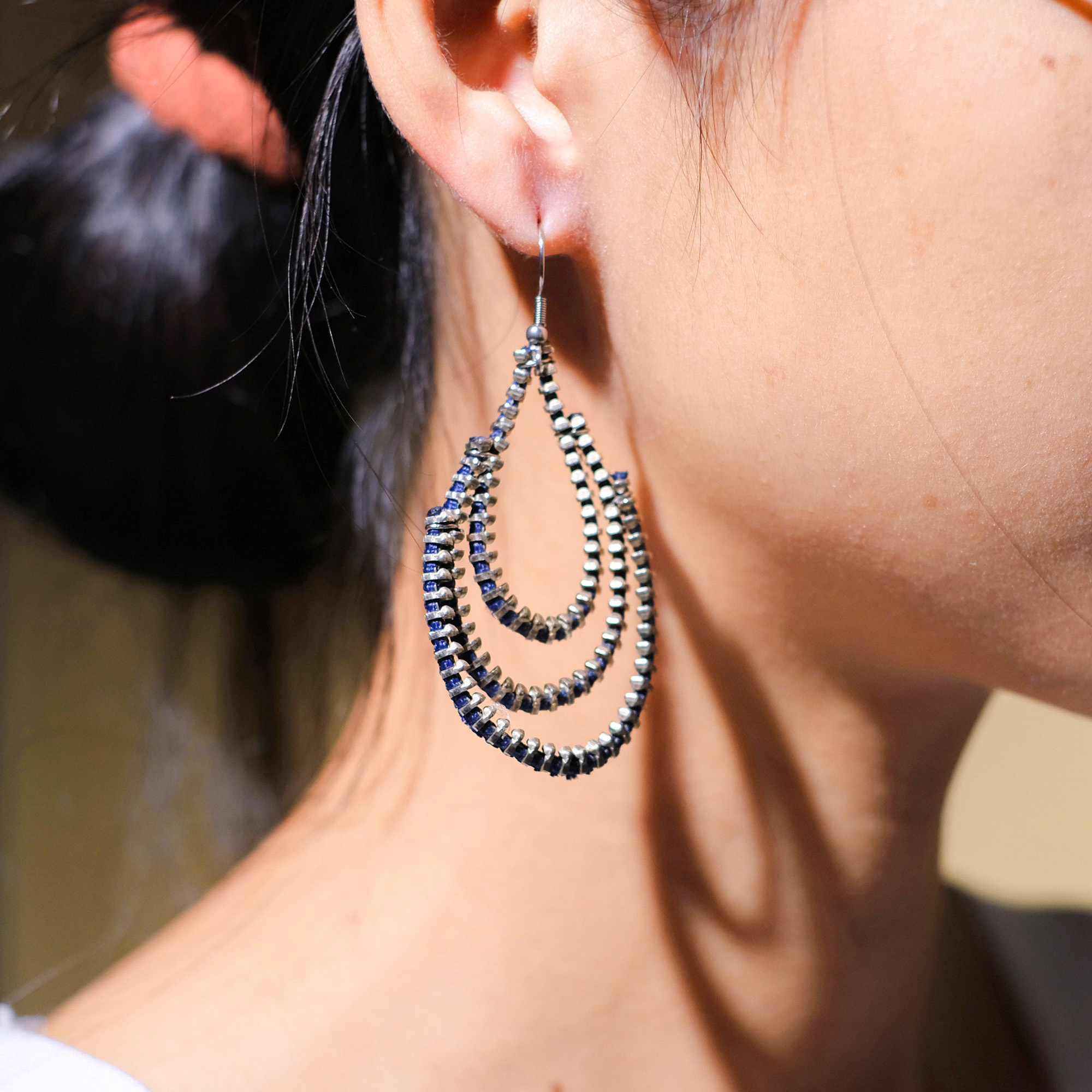
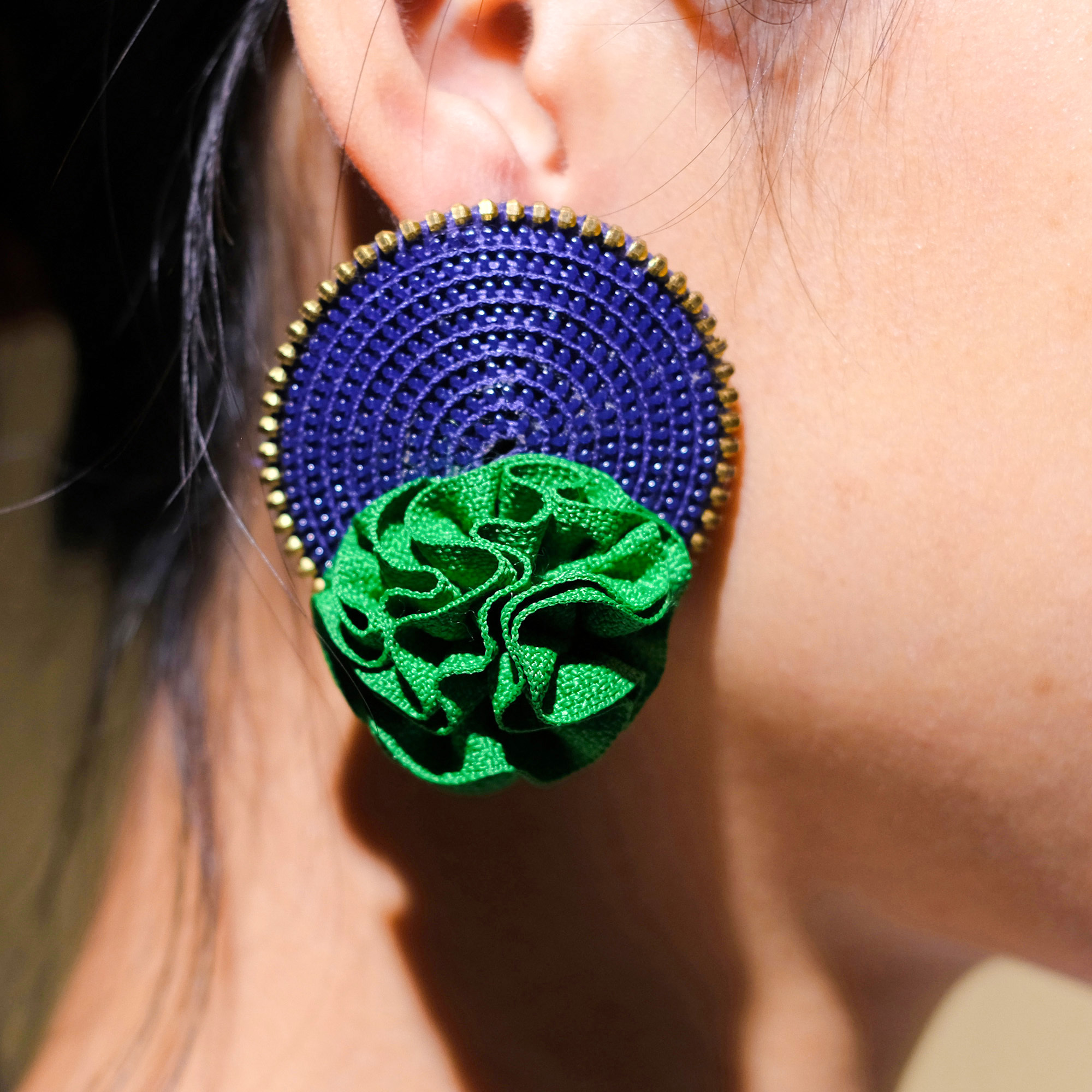
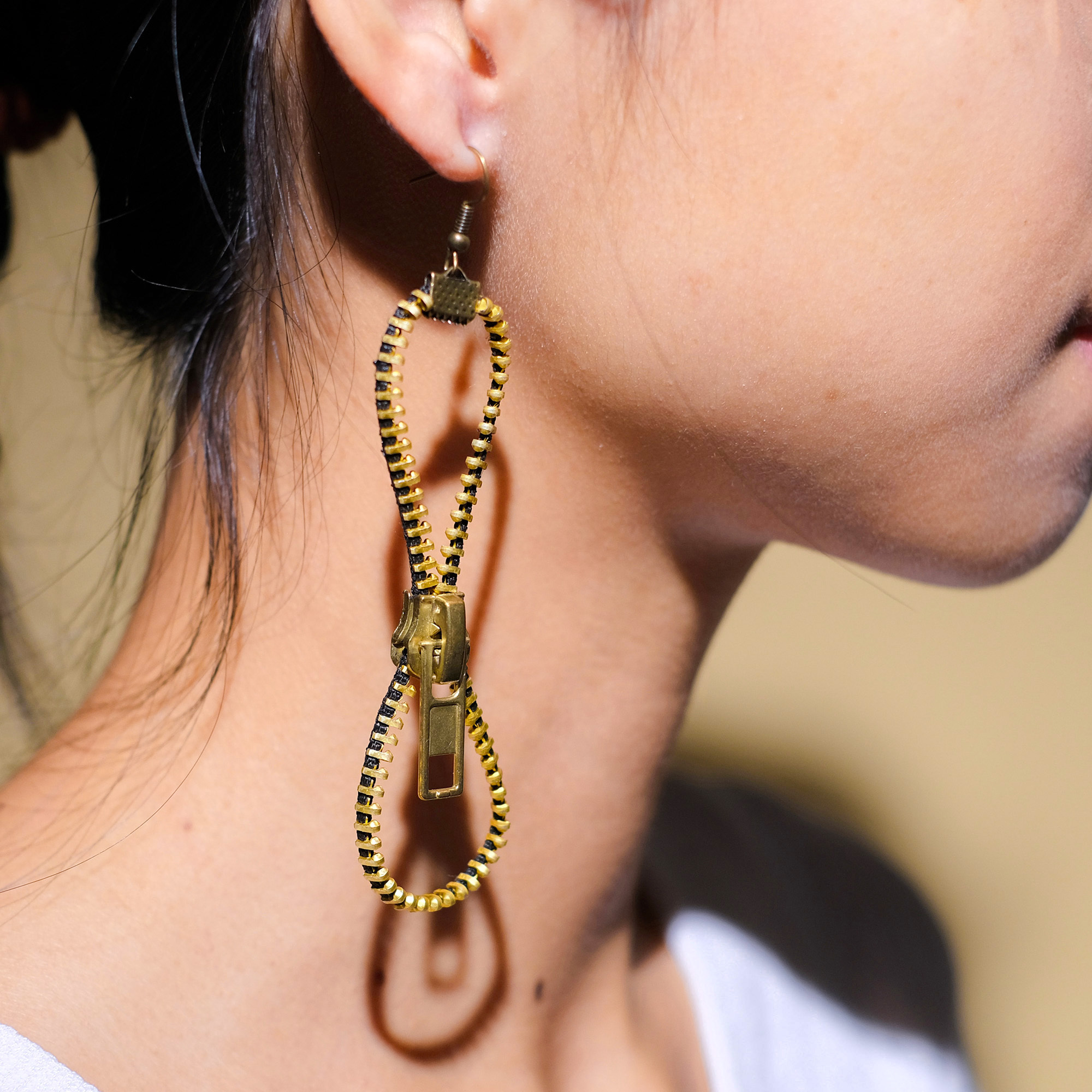
    Eternal Chain Earrings

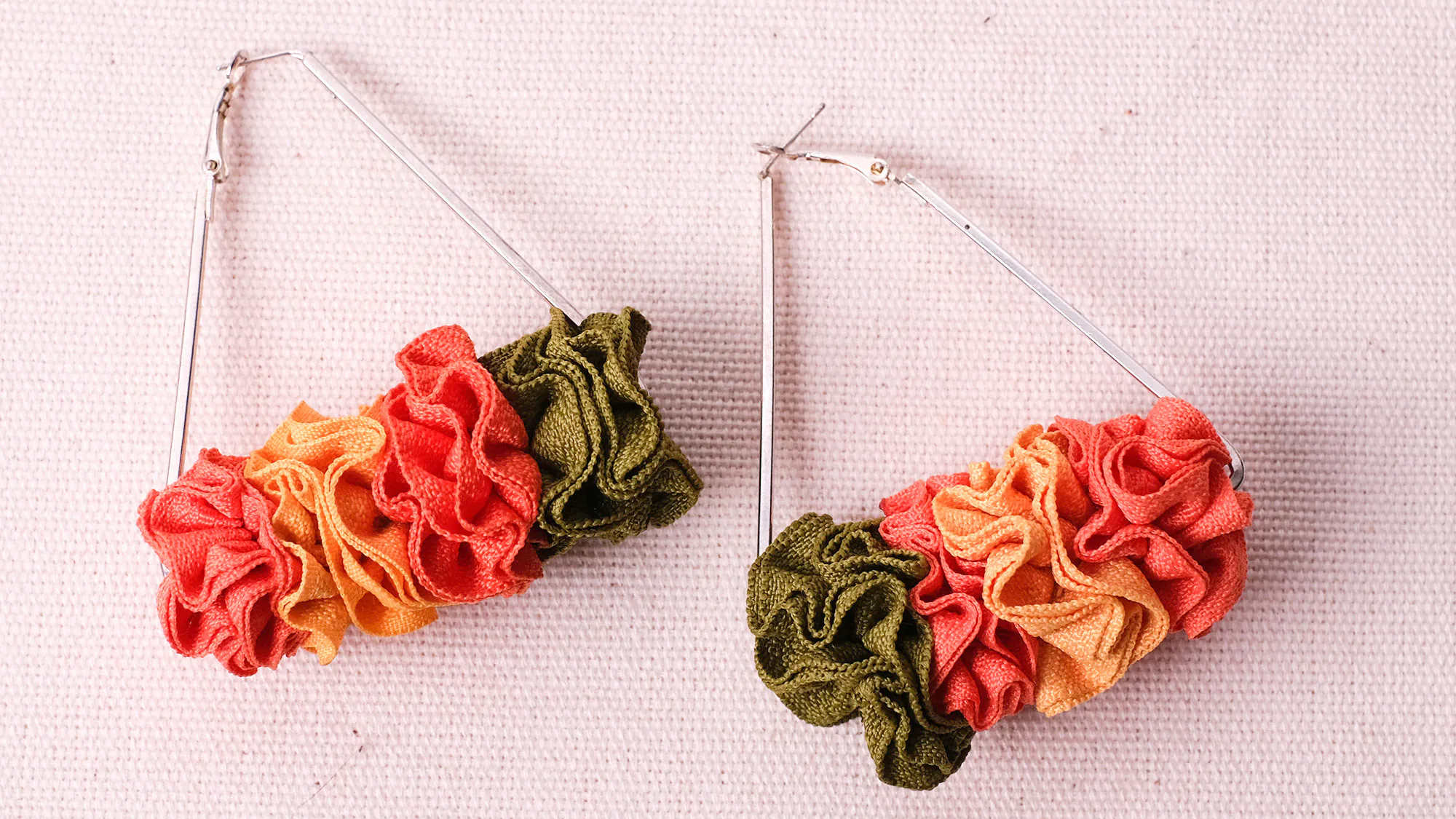
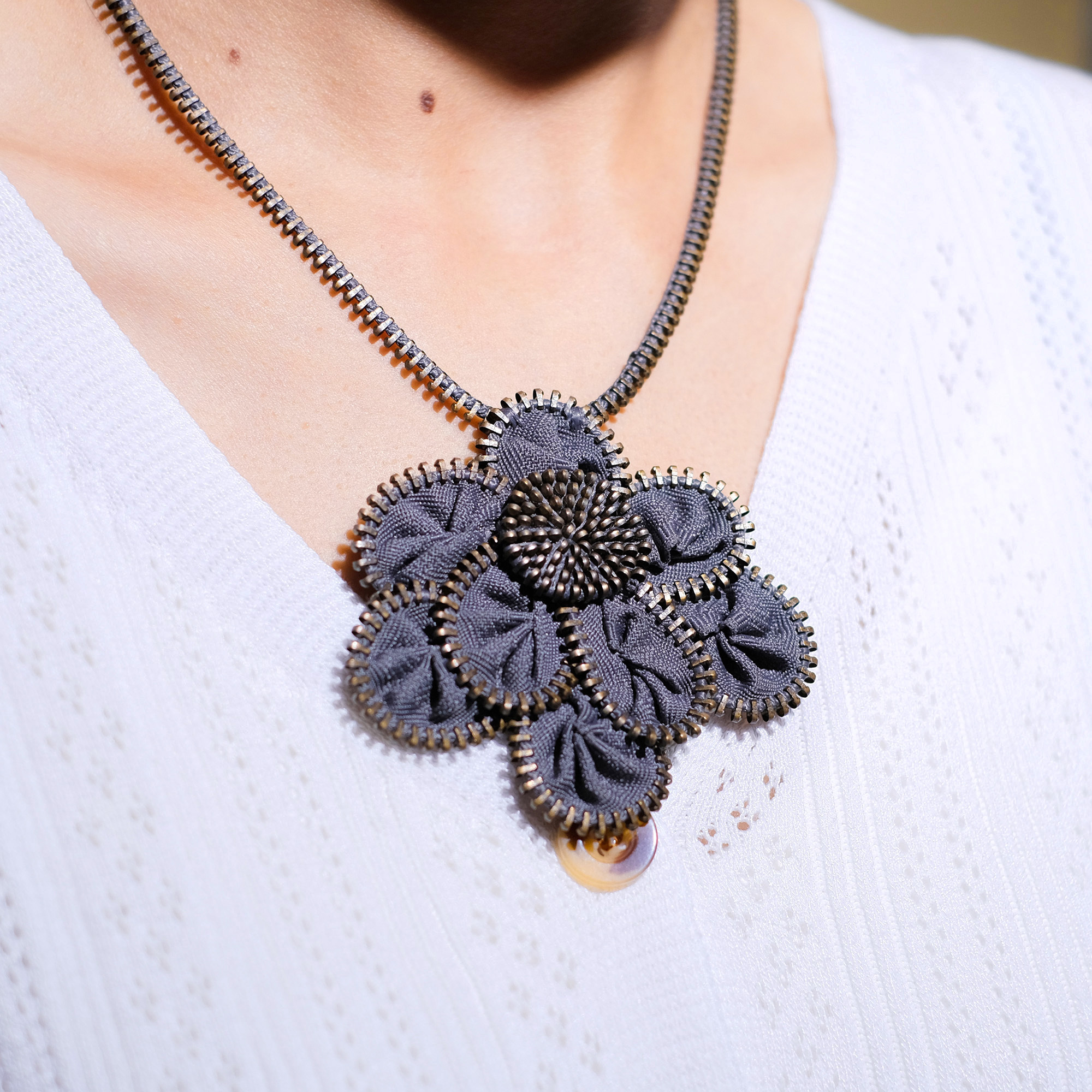
    The Adorable Accessories brand uses surplus zippers, fabric, and buttons to create bold and vibrant jewelry. These pieces combine intricate designs and vivid colors, expanding the imagination of what accessories can be while contributing to a more sustainable planet.

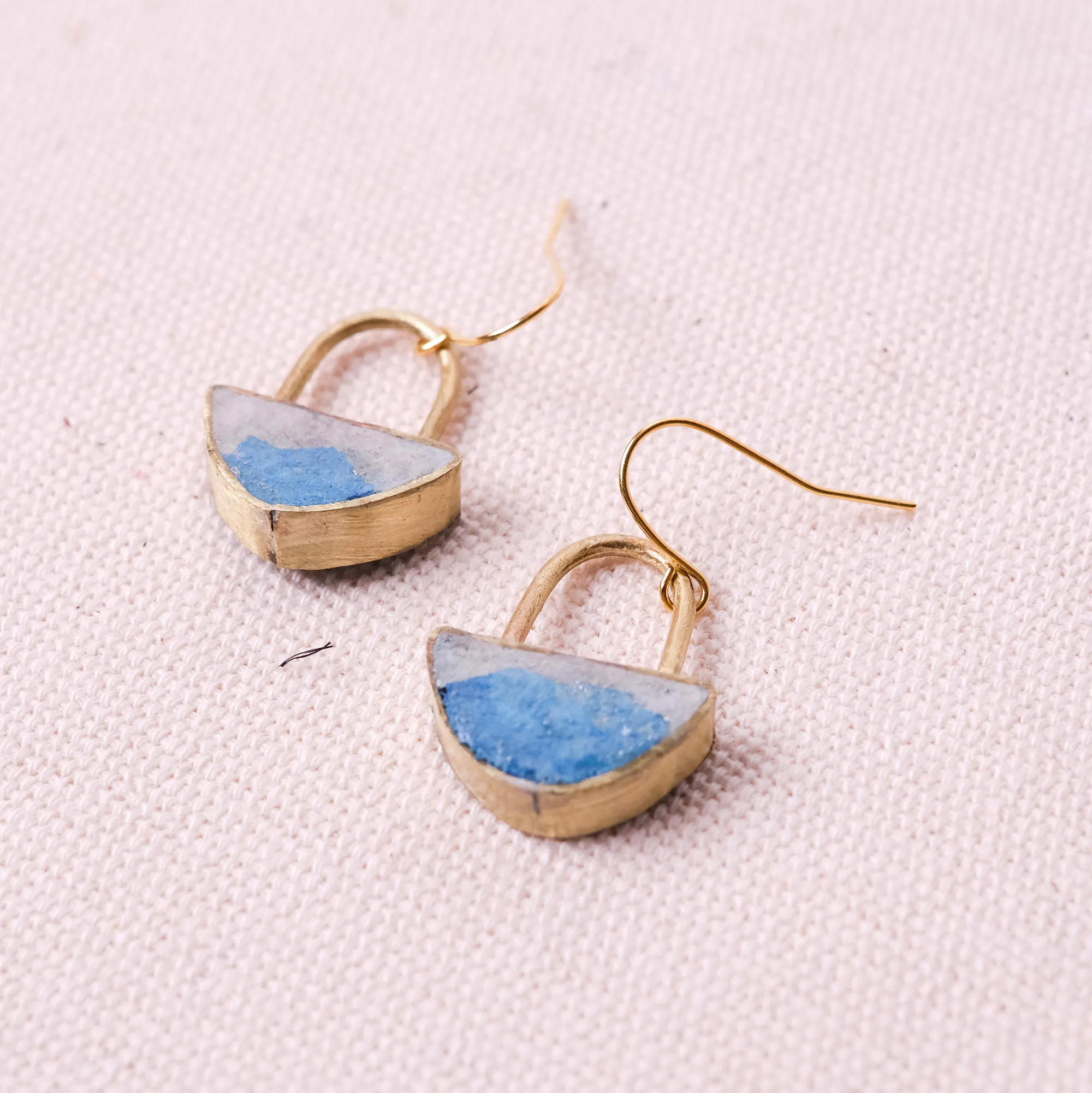
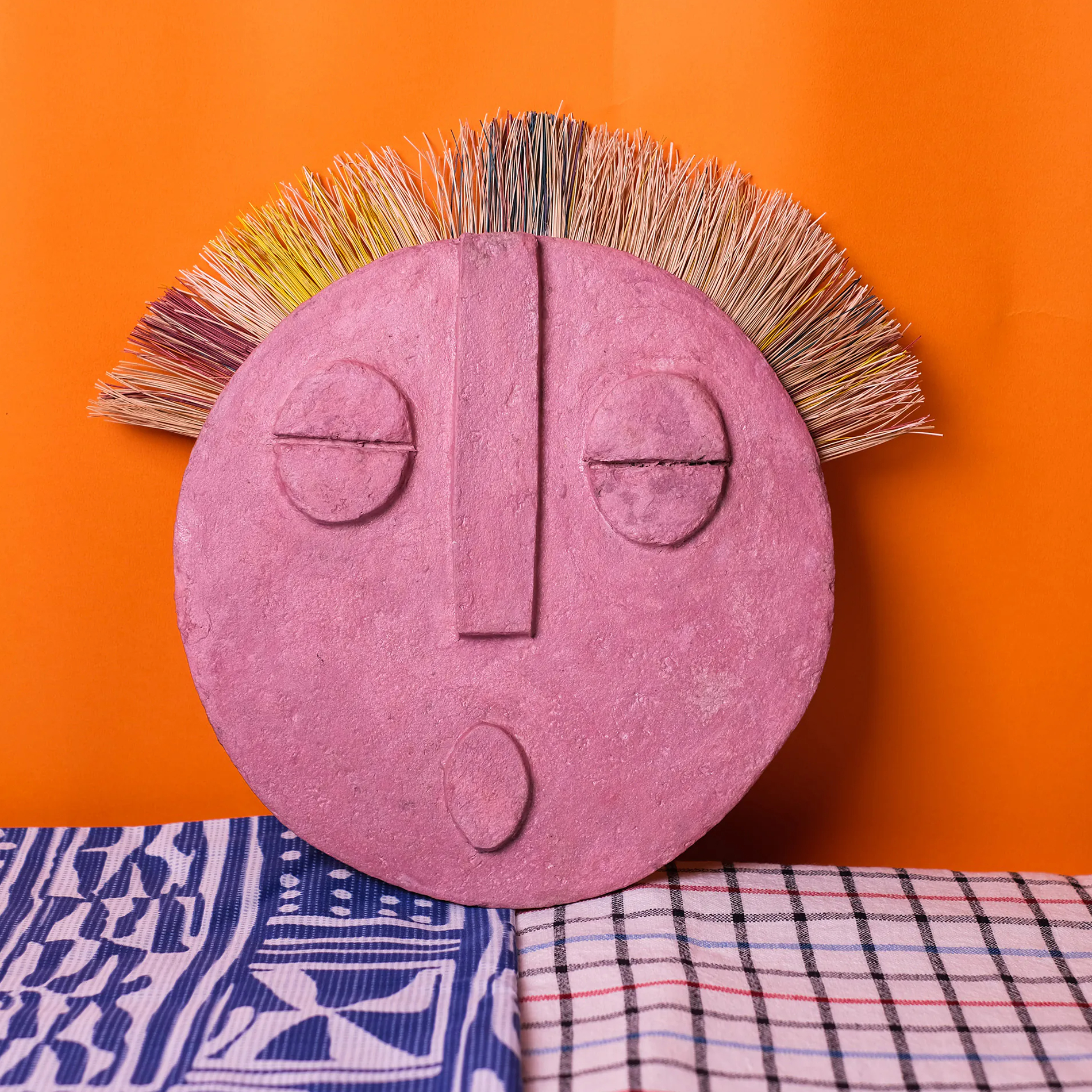
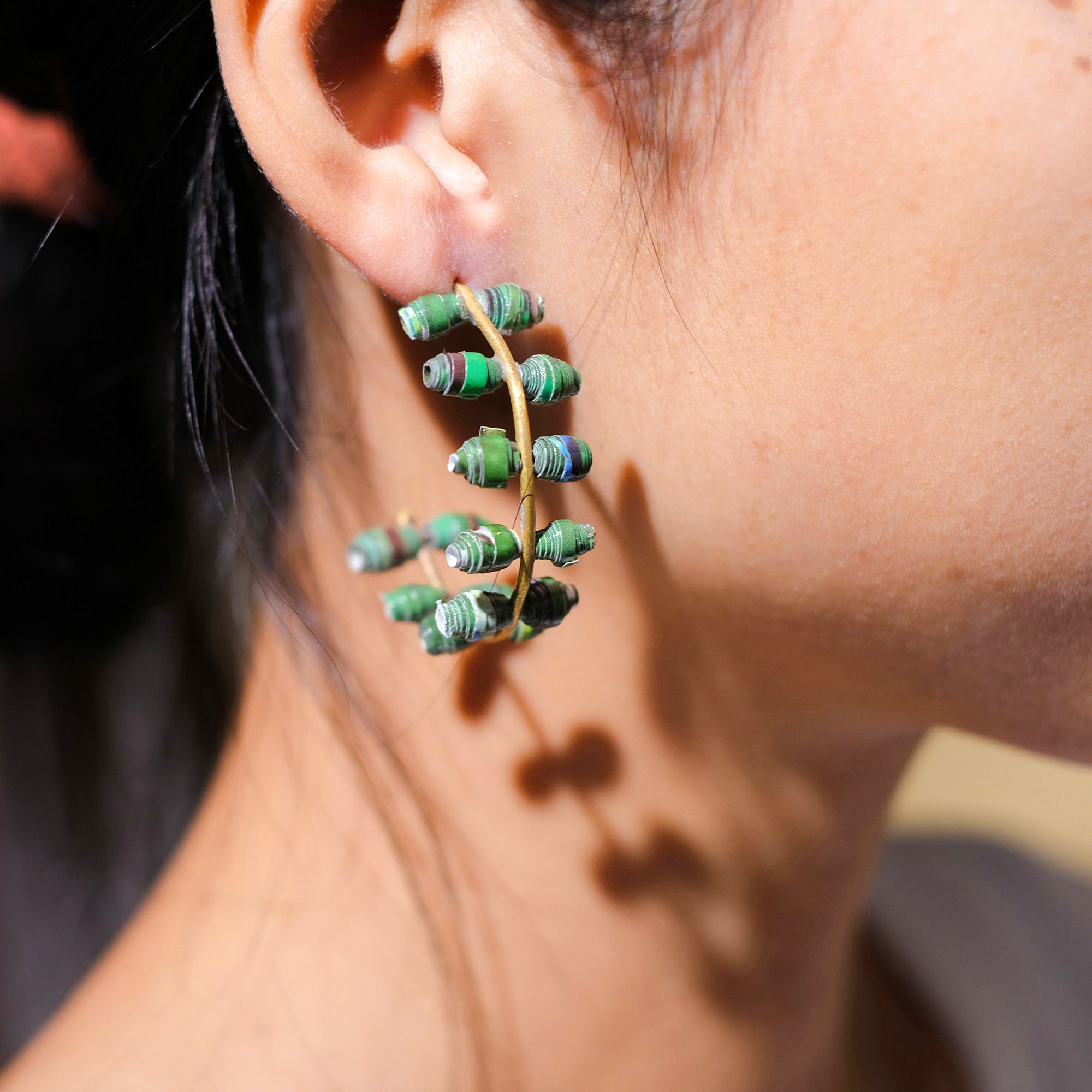
    Paper Craft Jewelry

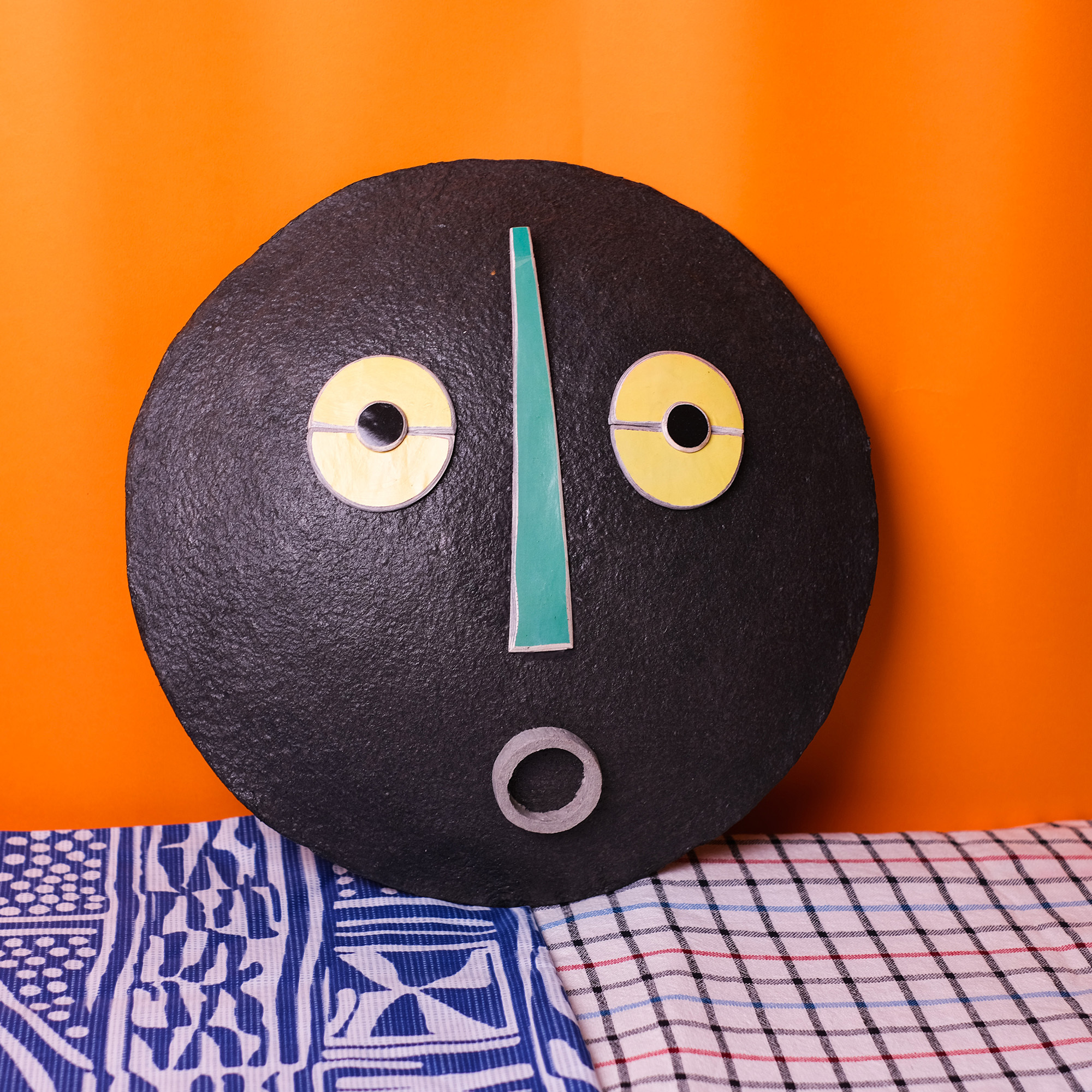
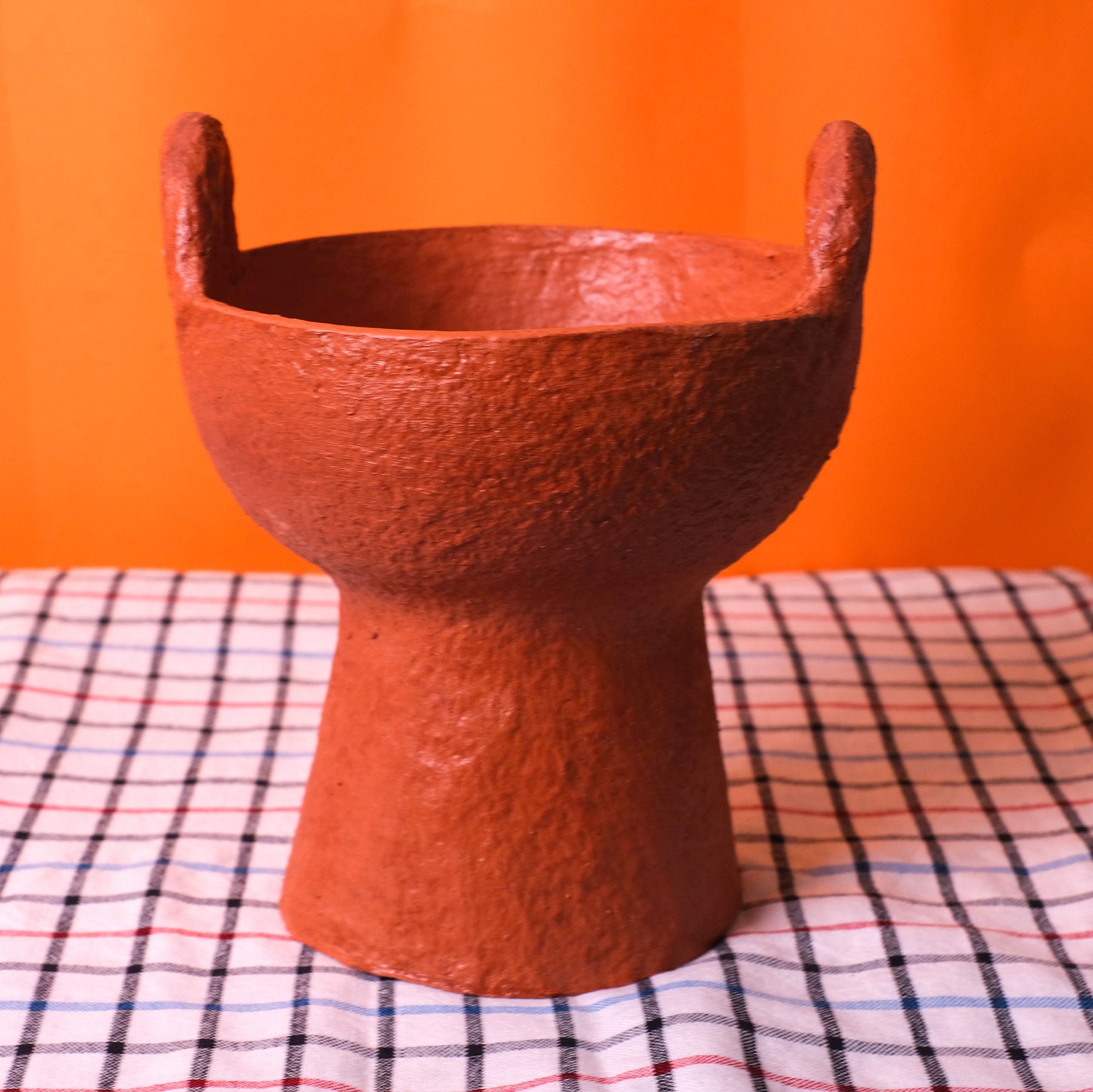
    Eswatini’s Quazi Design brand works with local women and communities to use recycled paper pulp as a medium for creating jewelry. Their handmade pieces simulate textures like wood, clay, stone, ceramics, and metal, blending African elements with playful designs to craft unique upcycled fashion items.

    Animal Woodcarving


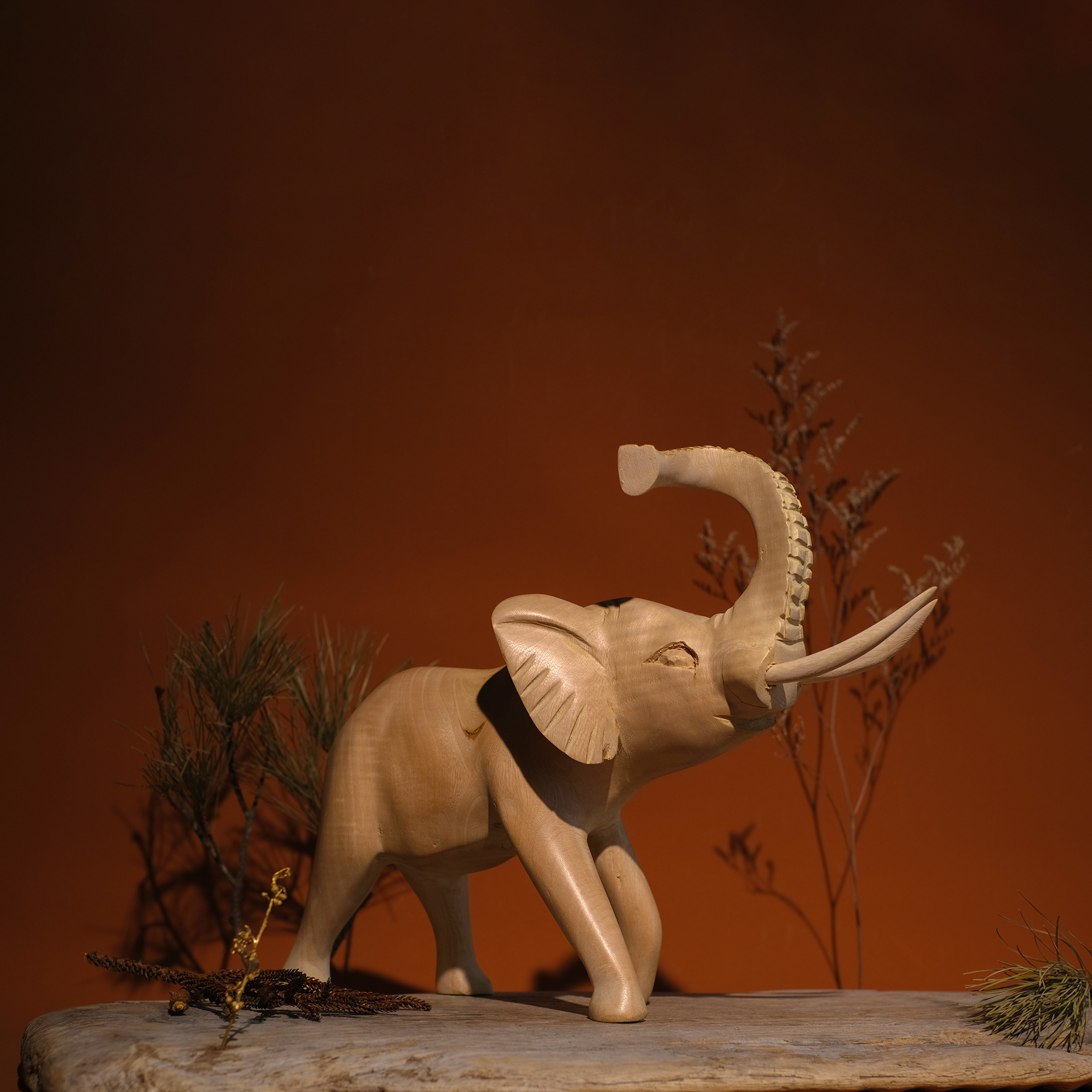
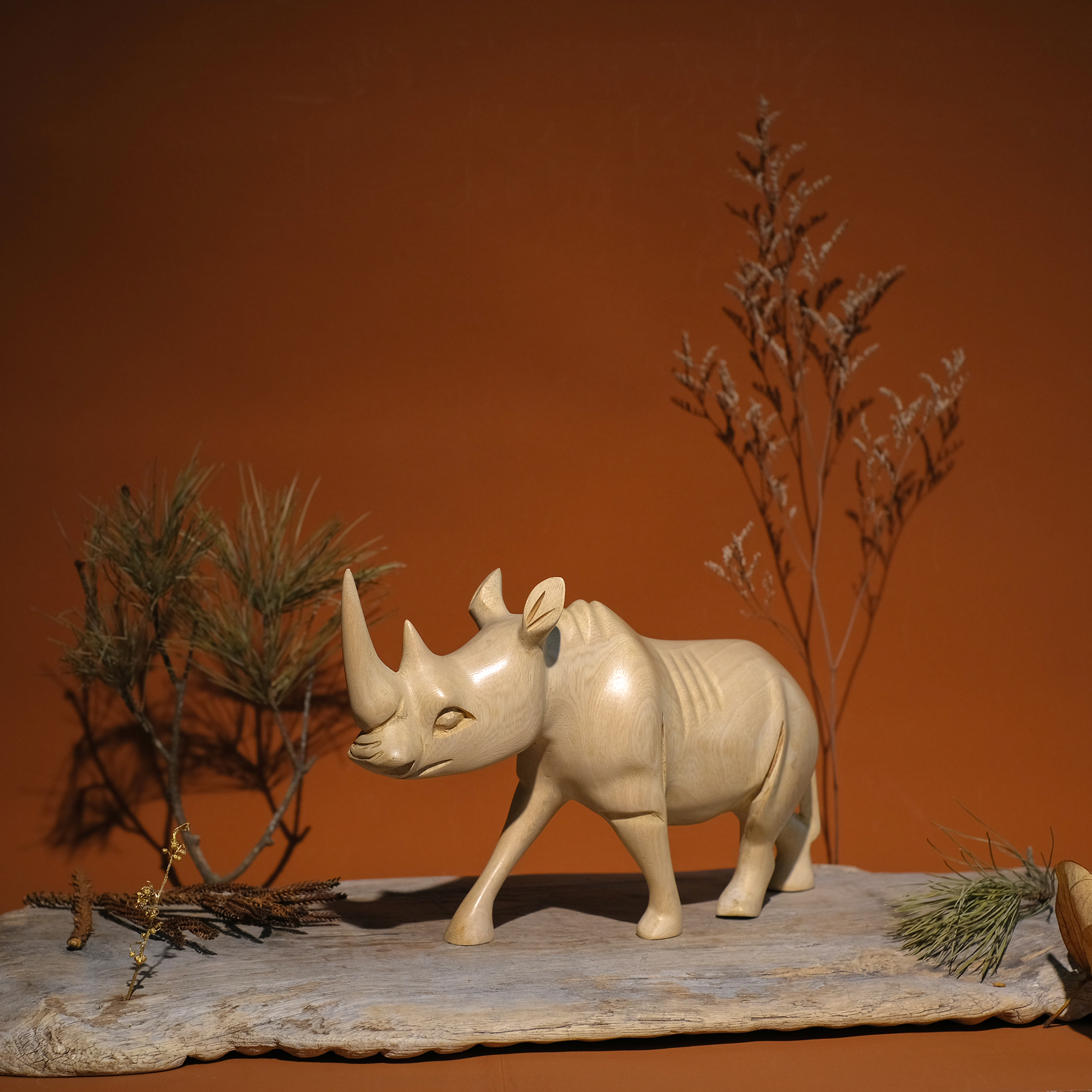
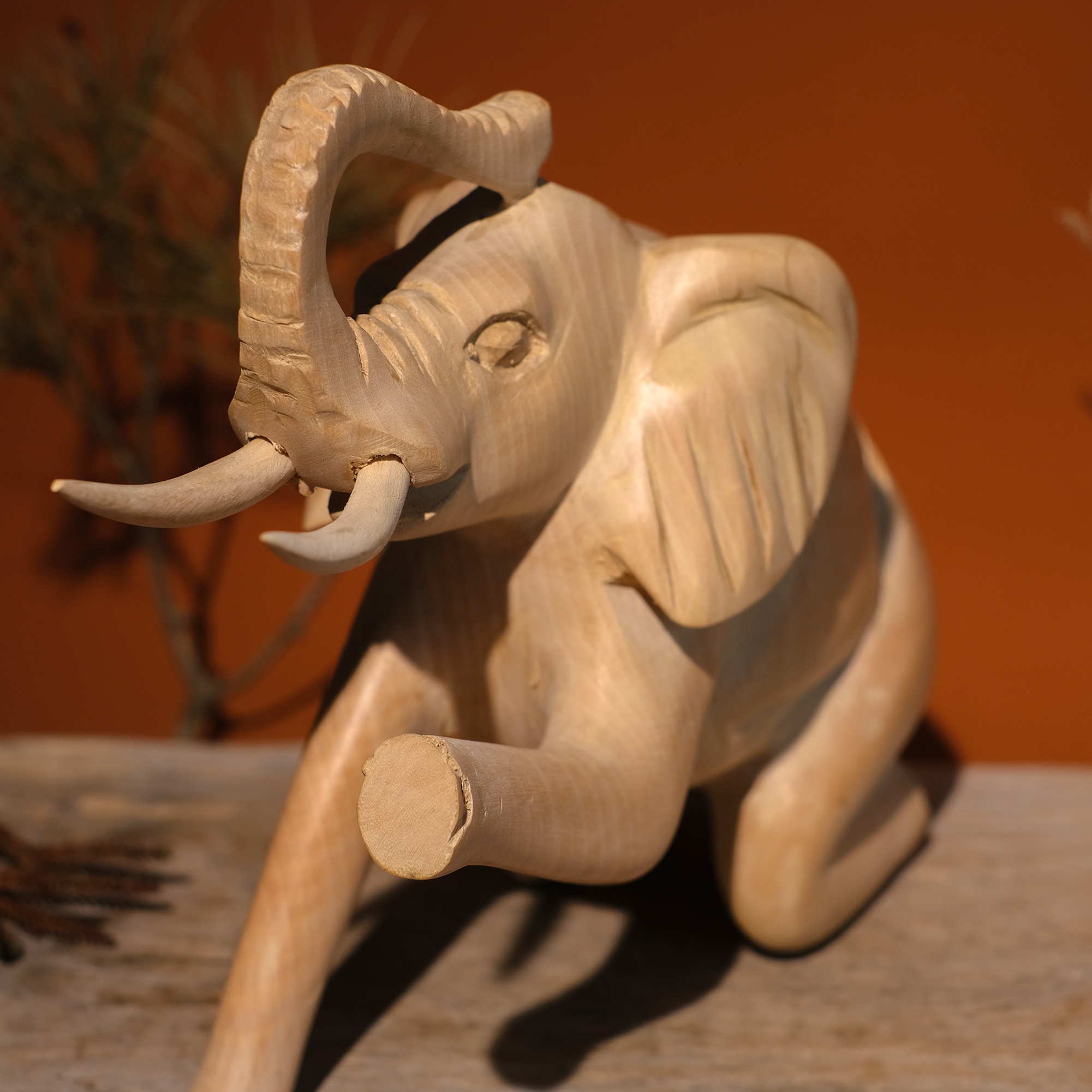
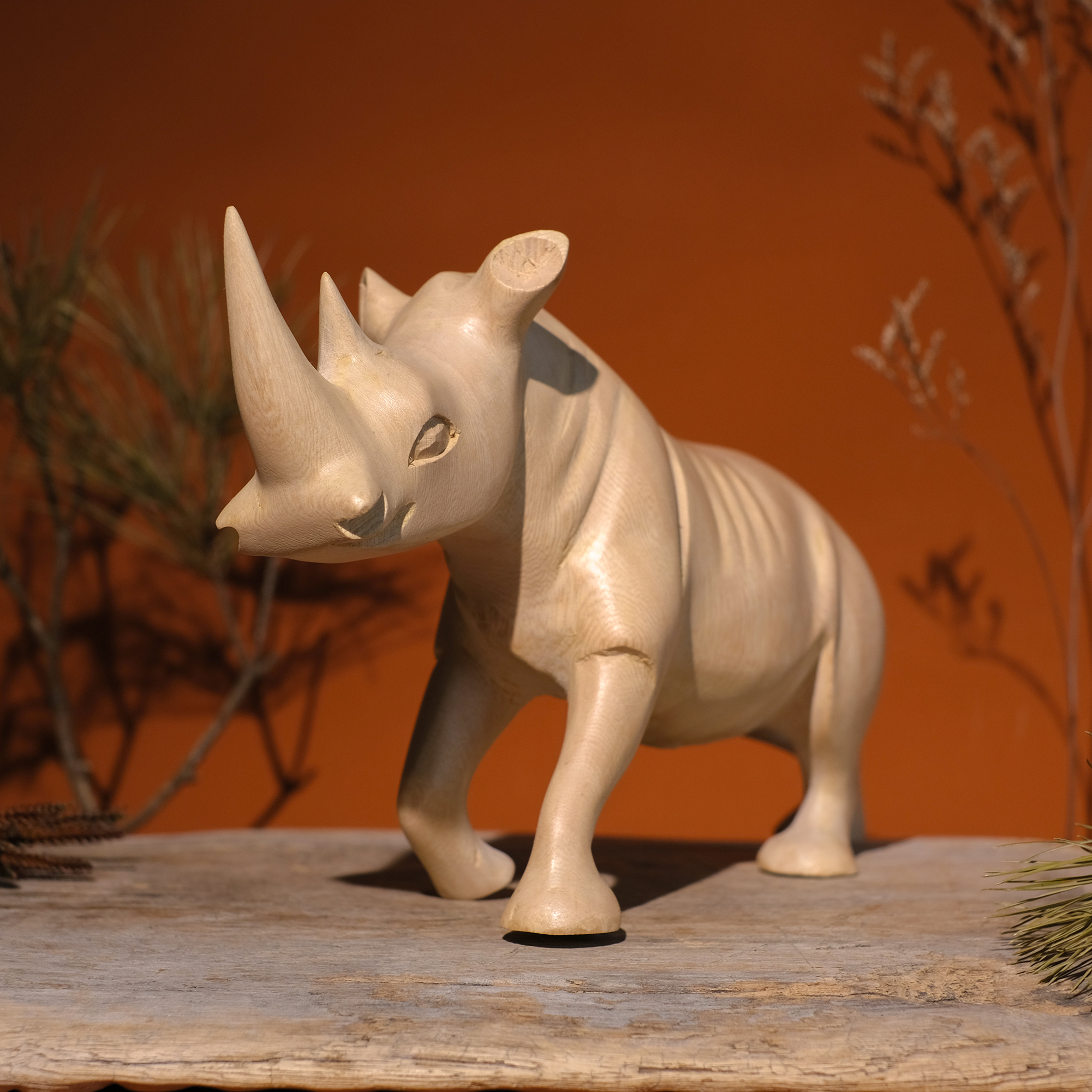
    Eswatini woodcarver Michael crafts lifelike sculptures of African savanna animals like rhinos, elephants, lions, and giraffes using blue jacaranda wood. Each animal showcases distinct postures and expressions, reflecting the artist’s keen observations and creative interpretations.

    Eswatini|Upcycling Earrings