{{ 'fb_in_app_browser_popup.desc' | translate }} {{ 'fb_in_app_browser_popup.copy_link' | translate }}

{{ 'in_app_browser_popup.desc' | translate }}

Your Shopping Cart is empty.
{{ (item.variation.media ? item.variation.media.alt_translations : item.product.cover_media.alt_translations) | translateModel }} {{ (item.variation.media
                    ? item.variation.media.alt_translations
                    : item.product.cover_media.alt_translations) | translateModel
                }}
{{ 'product.bundled_products.label' | translate }}
{{ 'product.bundle_group_products.label' | translate }}
{{ 'product.buyandget.label' | translate }}
{{ 'product.gift.label' | translate }}
{{ 'product.addon_products.label' | translate }}
{{item.product.title_translations|translateModel}}
{{ field.name_translations | translateModel }}
  • {{ childProduct.title_translations | translateModel }}

    {{ getChildVariationShorthand(childProduct.child_variation) }}

{{ 'product.set.open_variation' | translate }}
  • {{ getSelectedItemDetail(selectedChildProduct, item).childProductName }} x {{ selectedChildProduct.quantity || 1 }}

    {{ getSelectedItemDetail(selectedChildProduct, item).childVariationName }}

{{item.variation.name}}
{{item.quantity}}x NT$0 {{ item.unit_point }} Point
{{addonItem.product.cover_media.alt_translations | translateModel}}
{{ 'product.addon_products.label' | translate }}
{{addonItem.product.title_translations|translateModel}}
{{addonItem.quantity}}x {{ mainConfig.merchantData.base_currency.alternate_symbol + "0" }}

I am a modern woman, free to go wherever I please;
Carefree and unconfined, I pay no mind to the world's complexities. 
I only know this modern age, where social life is open and bright;
Men and women, side by side, lined up in plain sight. 
The Foxtrot is what I love best of all. 

— Lyrics from "The Age of Dance," 1933

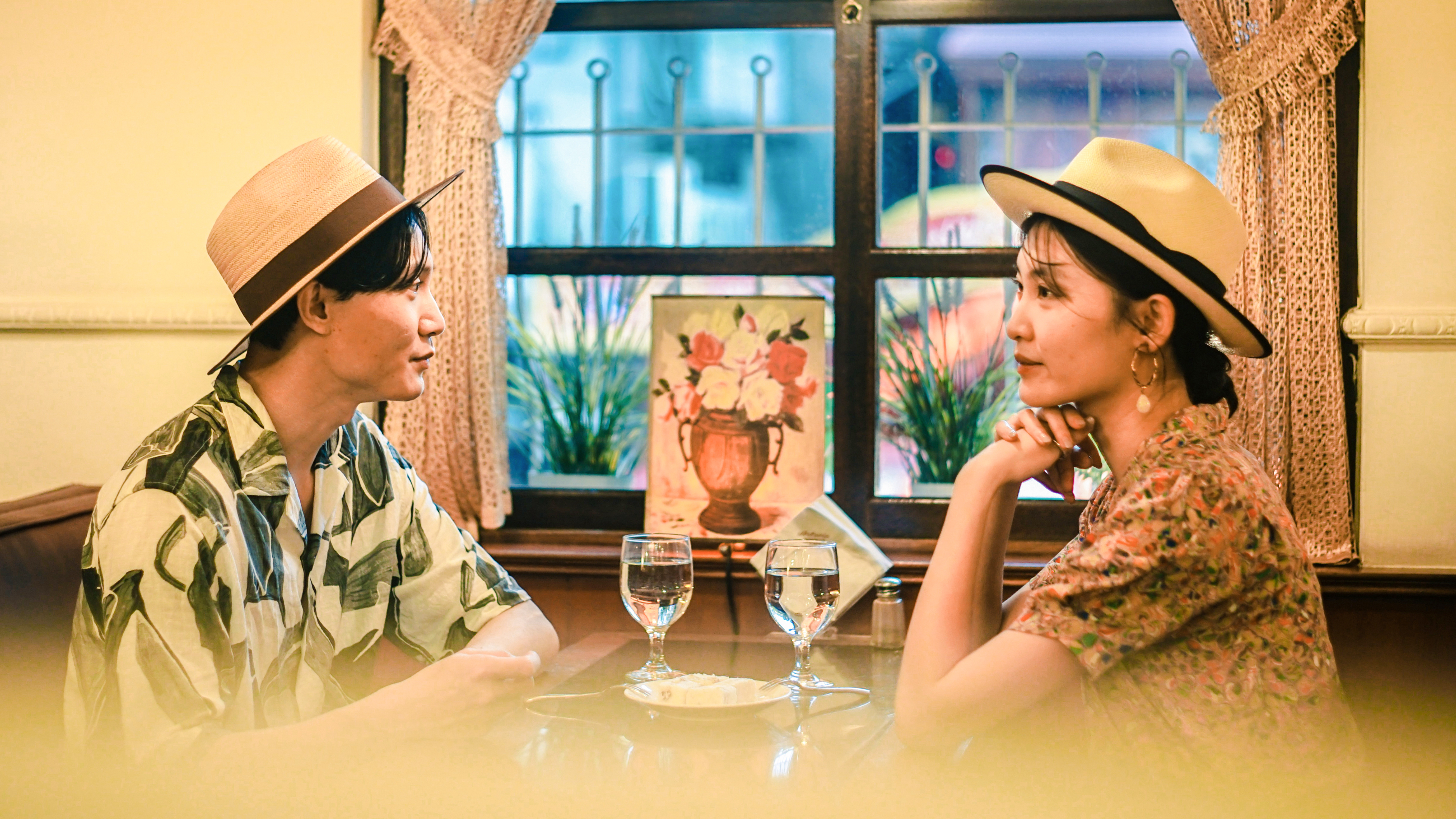
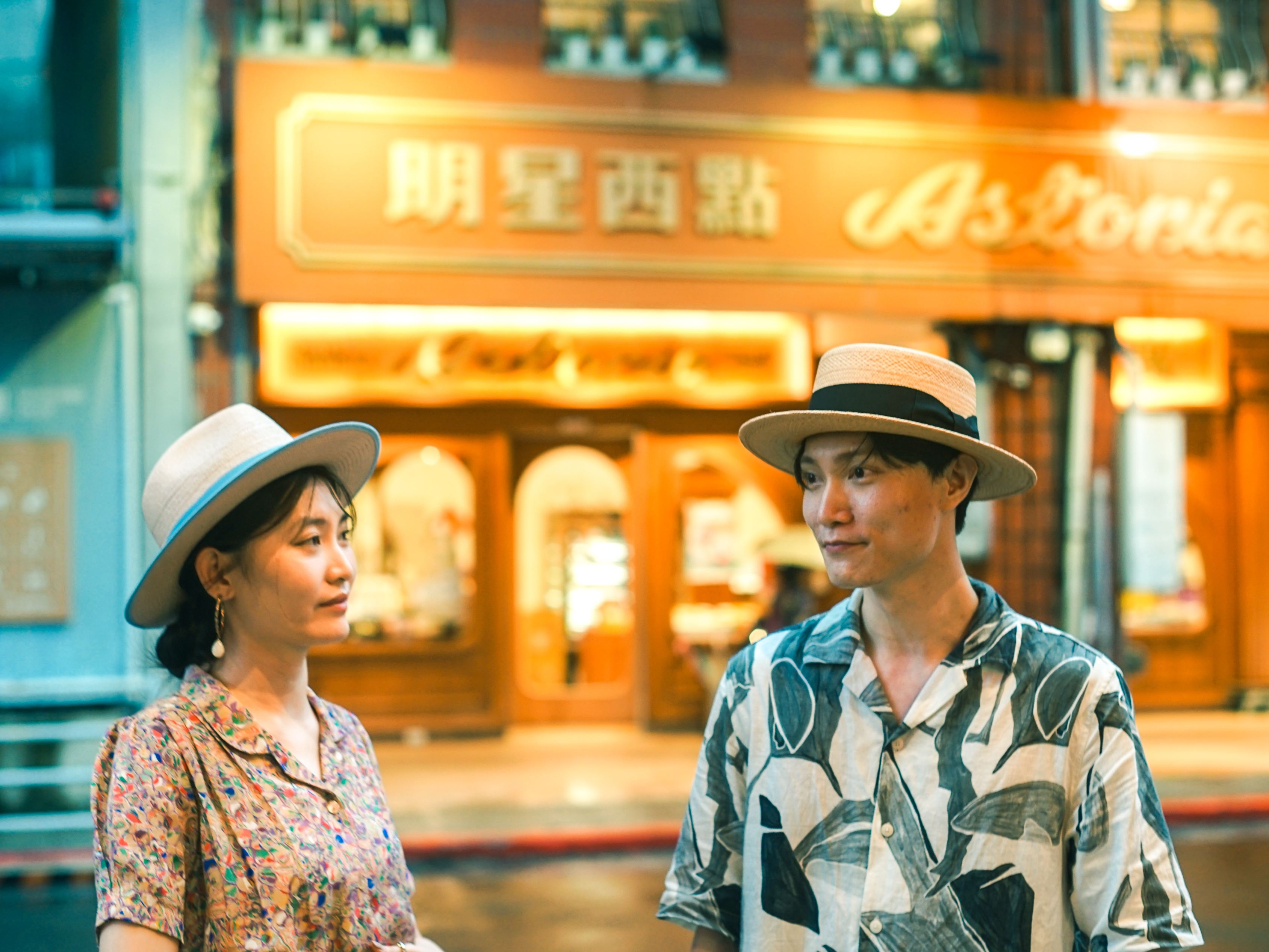
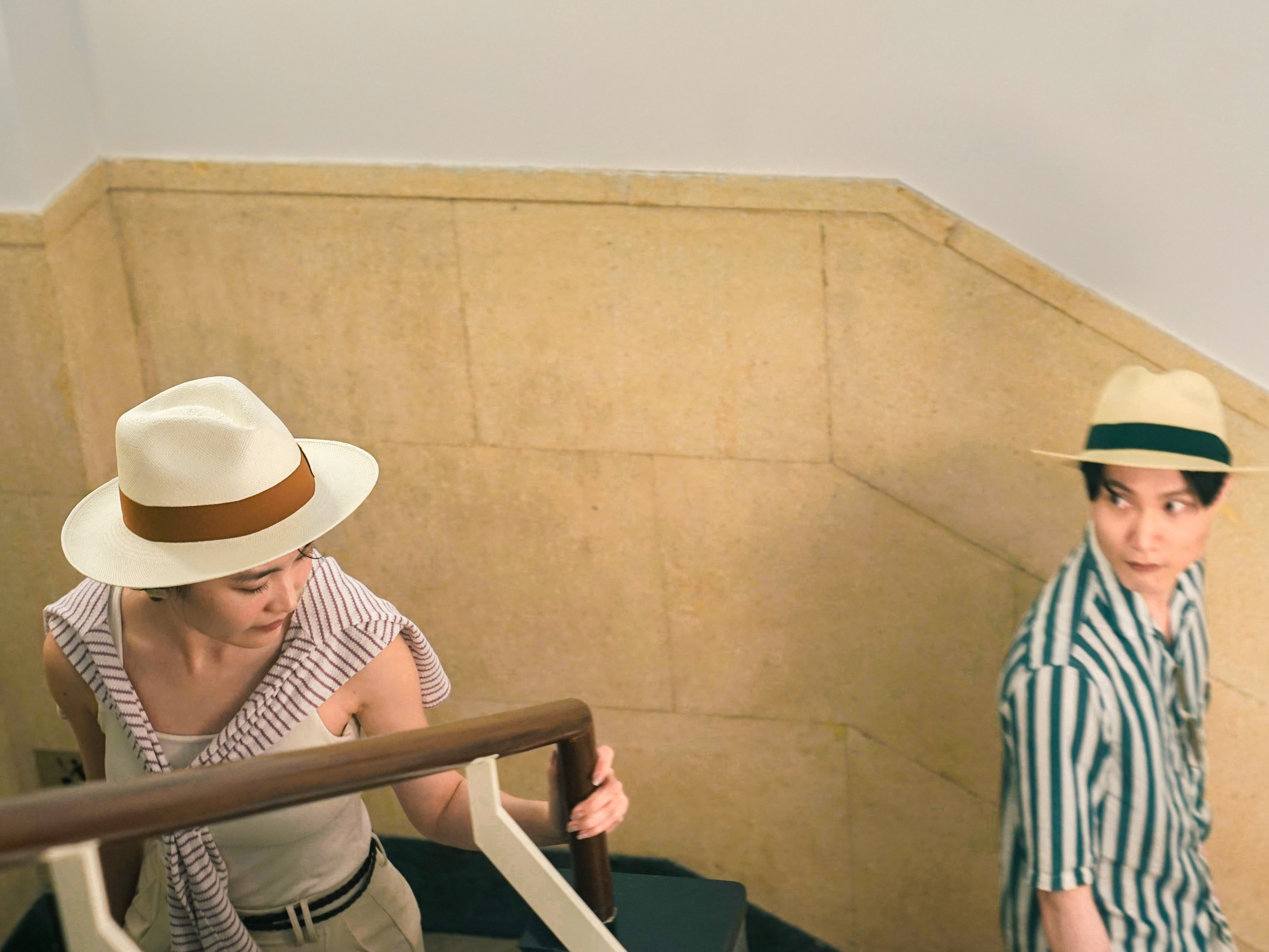
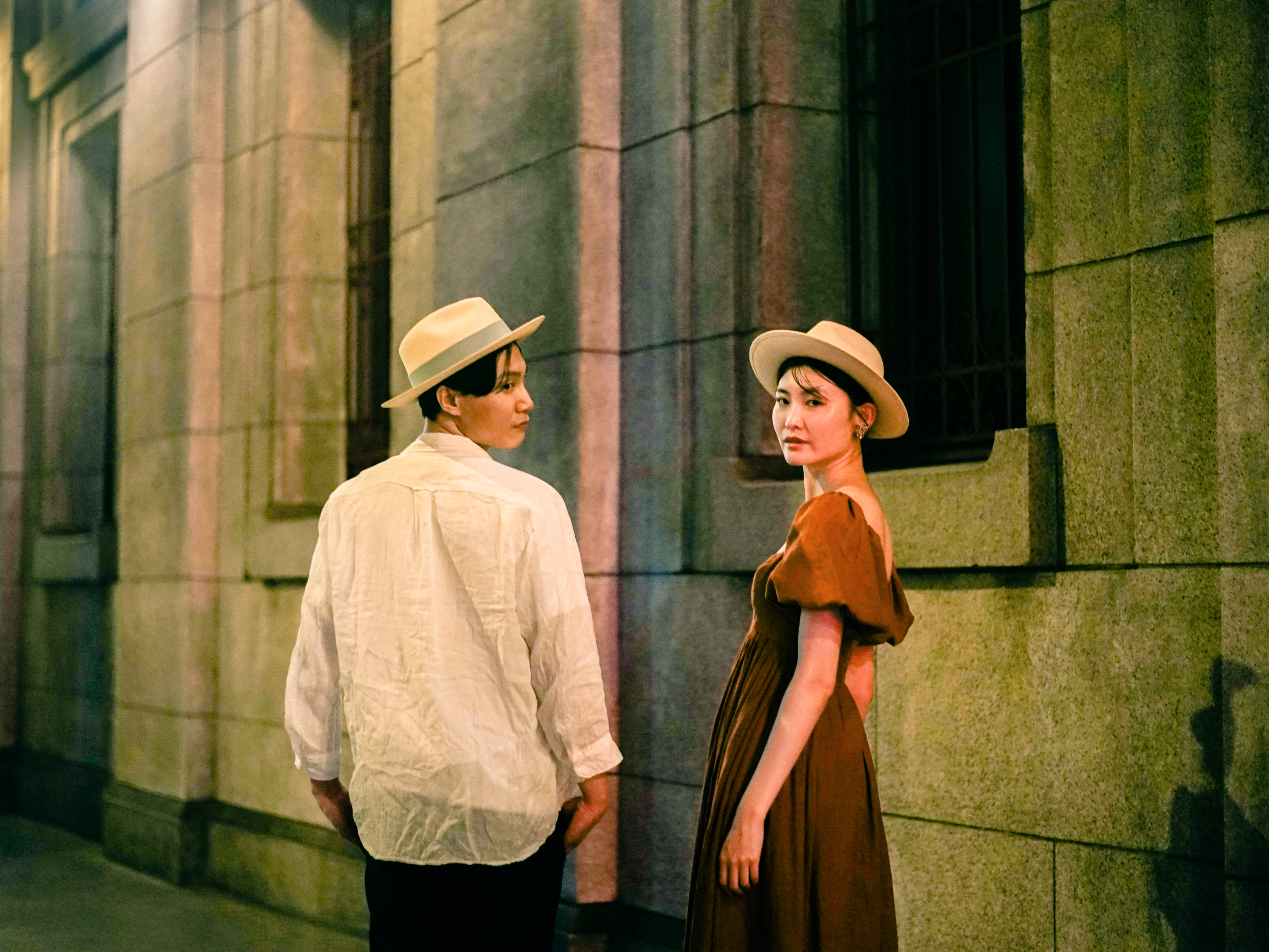
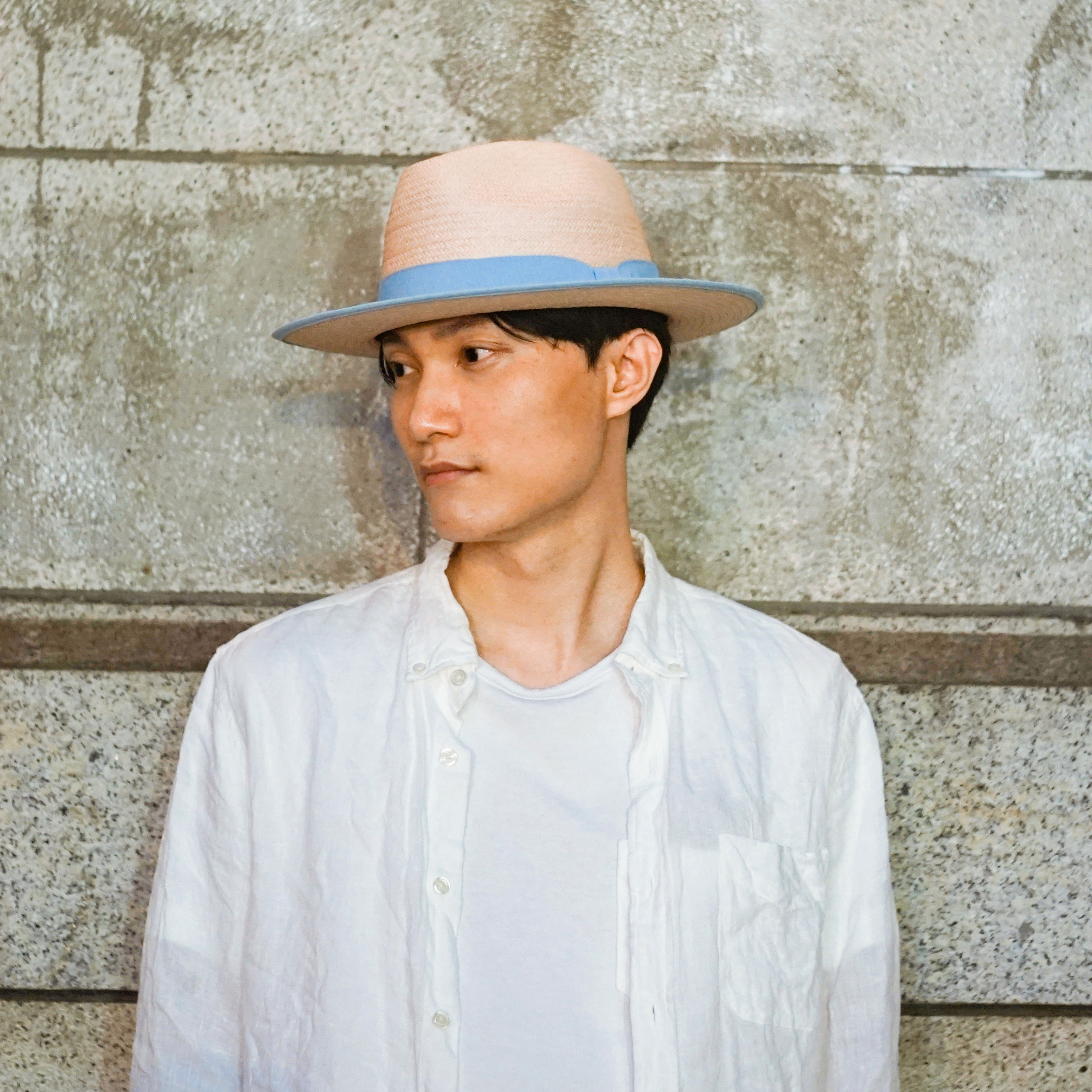
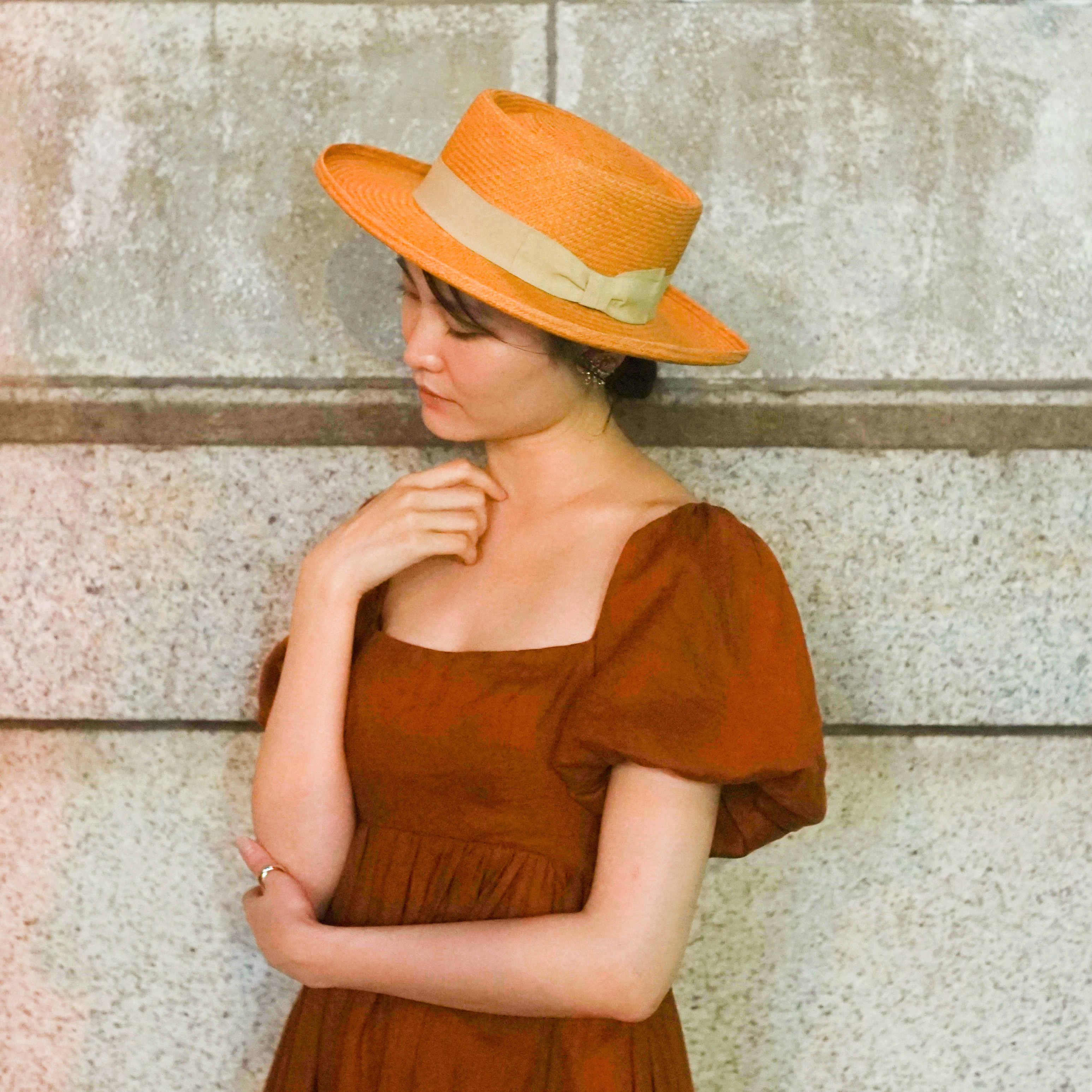
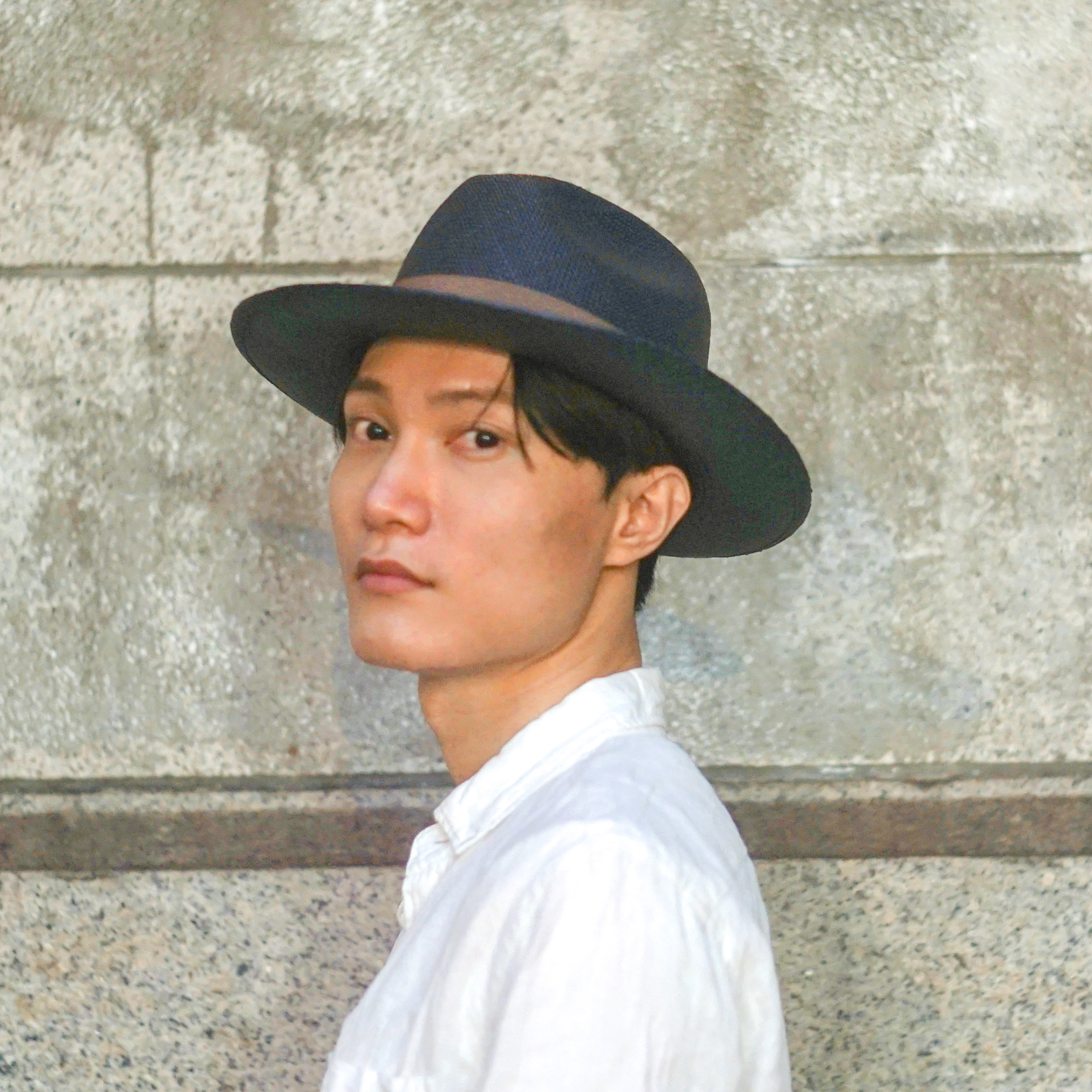
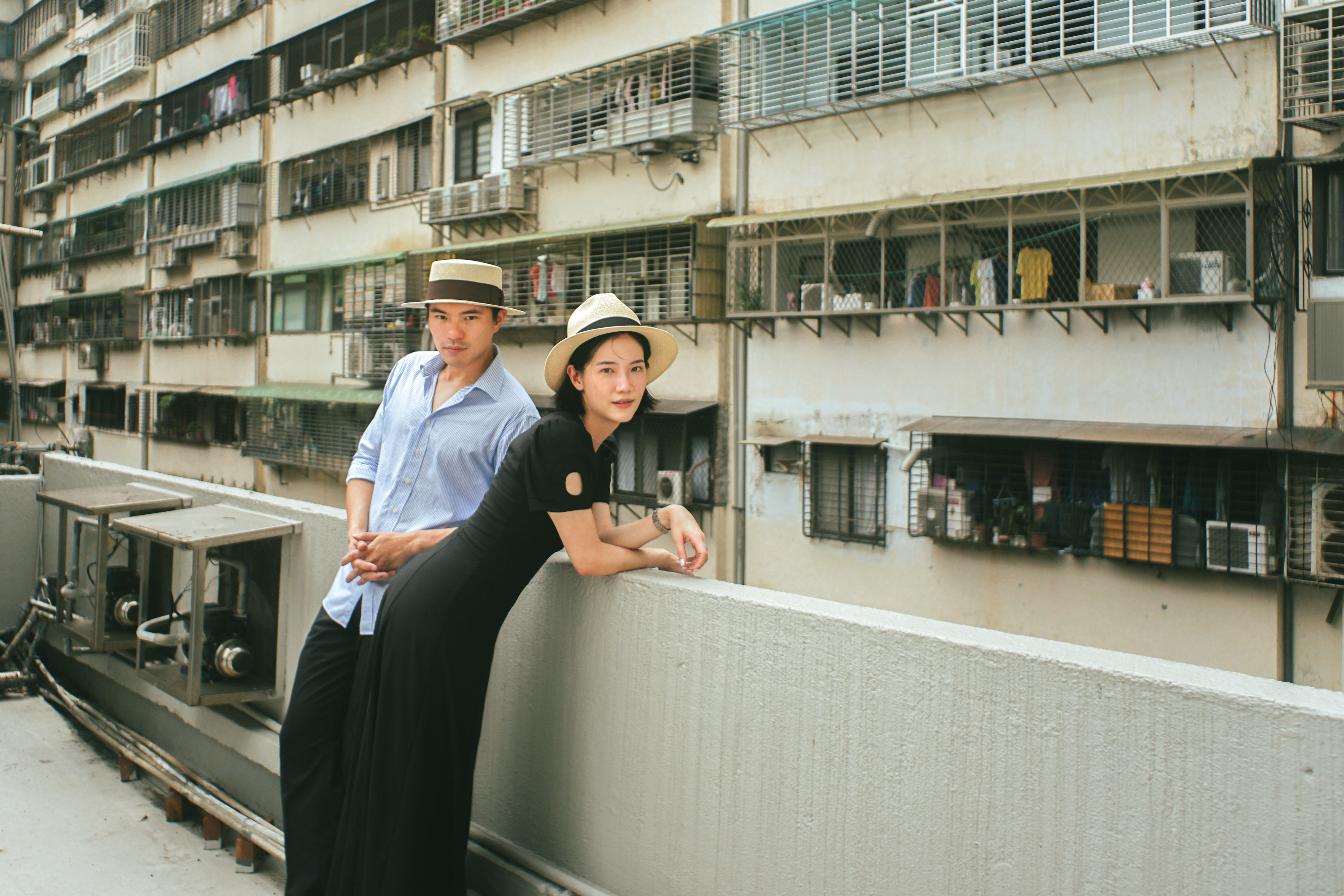
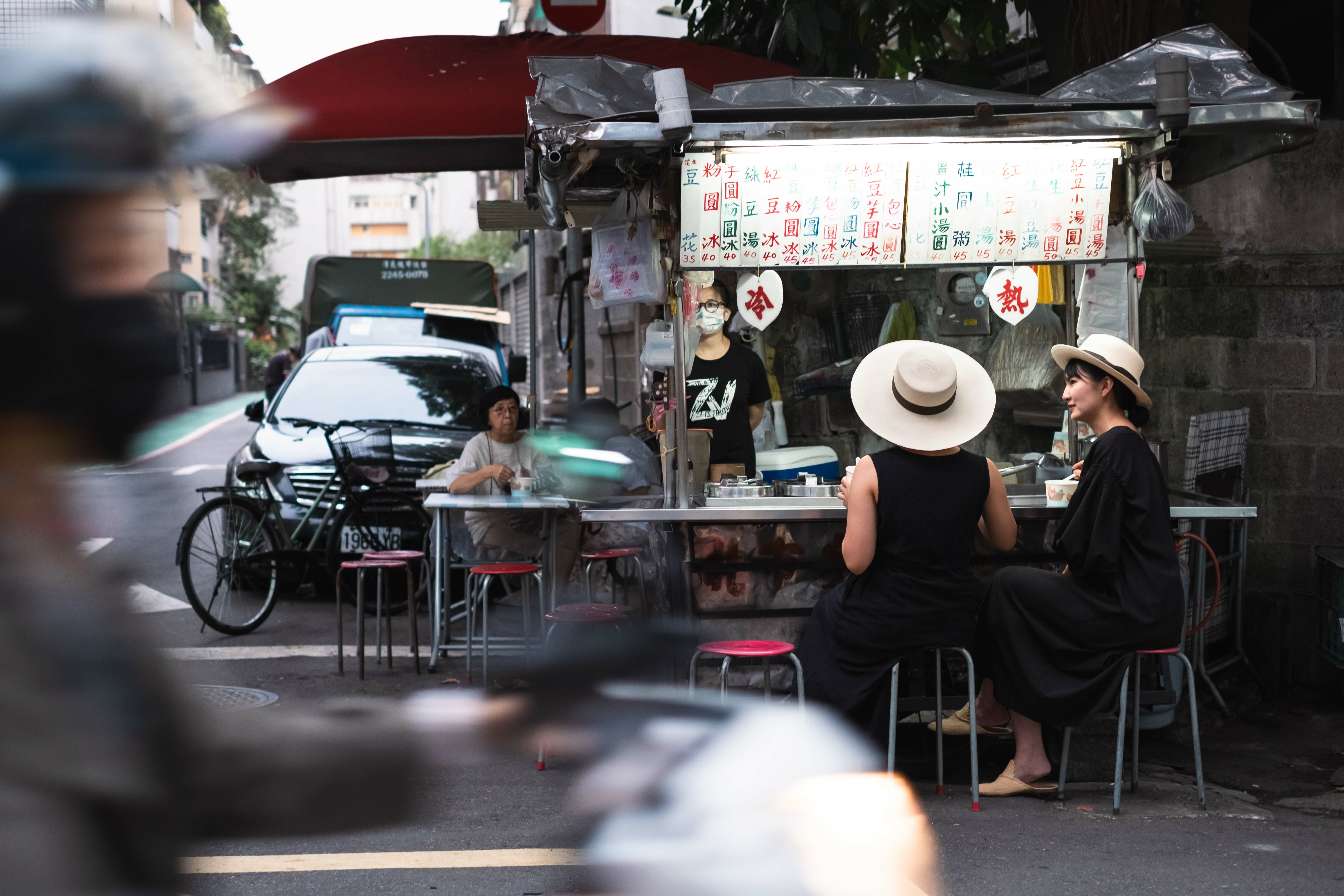
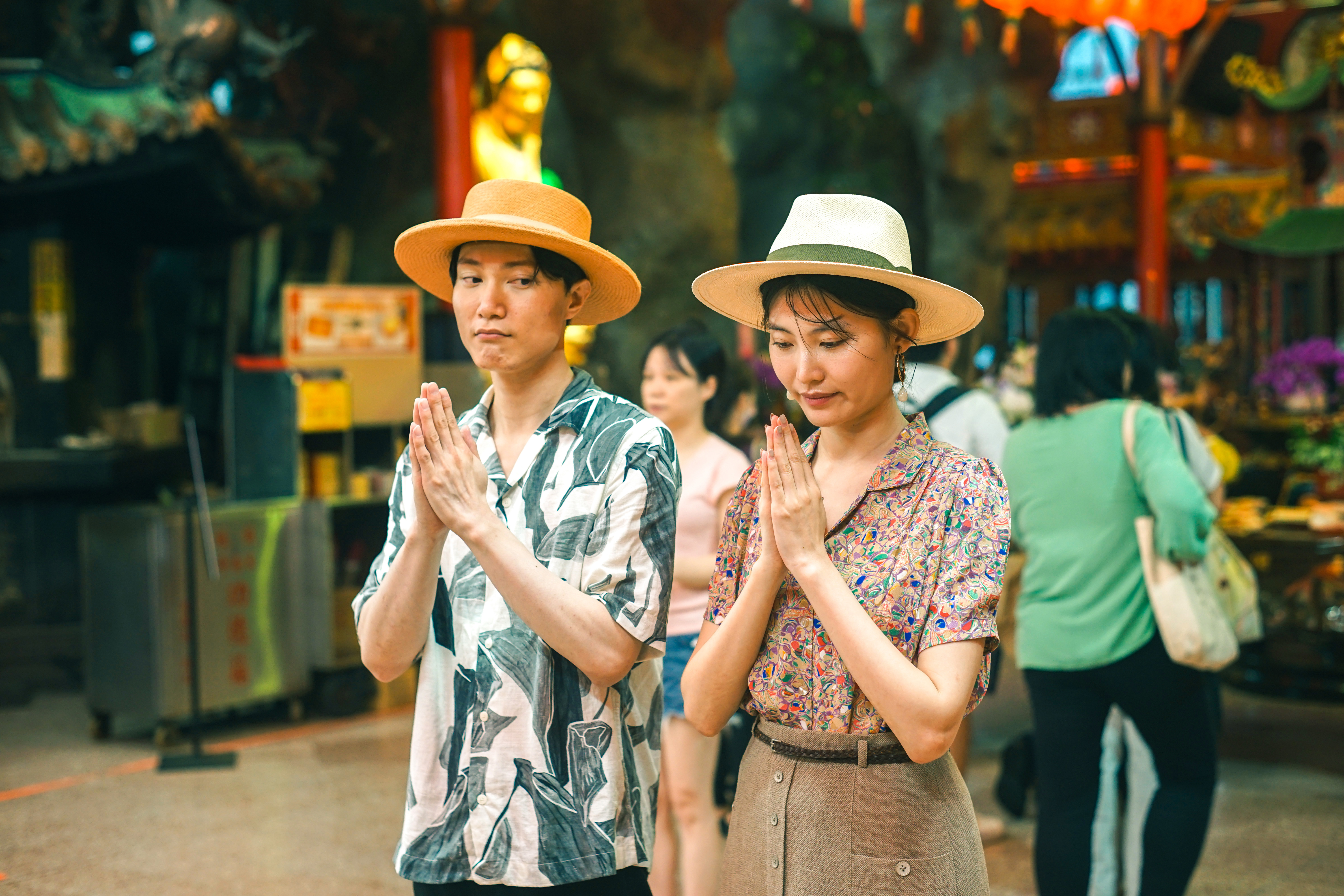
A century ago, men and women adorned in Panama hats gathered in downtown Taipei, embracing a rhythmic era of fashion and modernity—the Age of Dance.

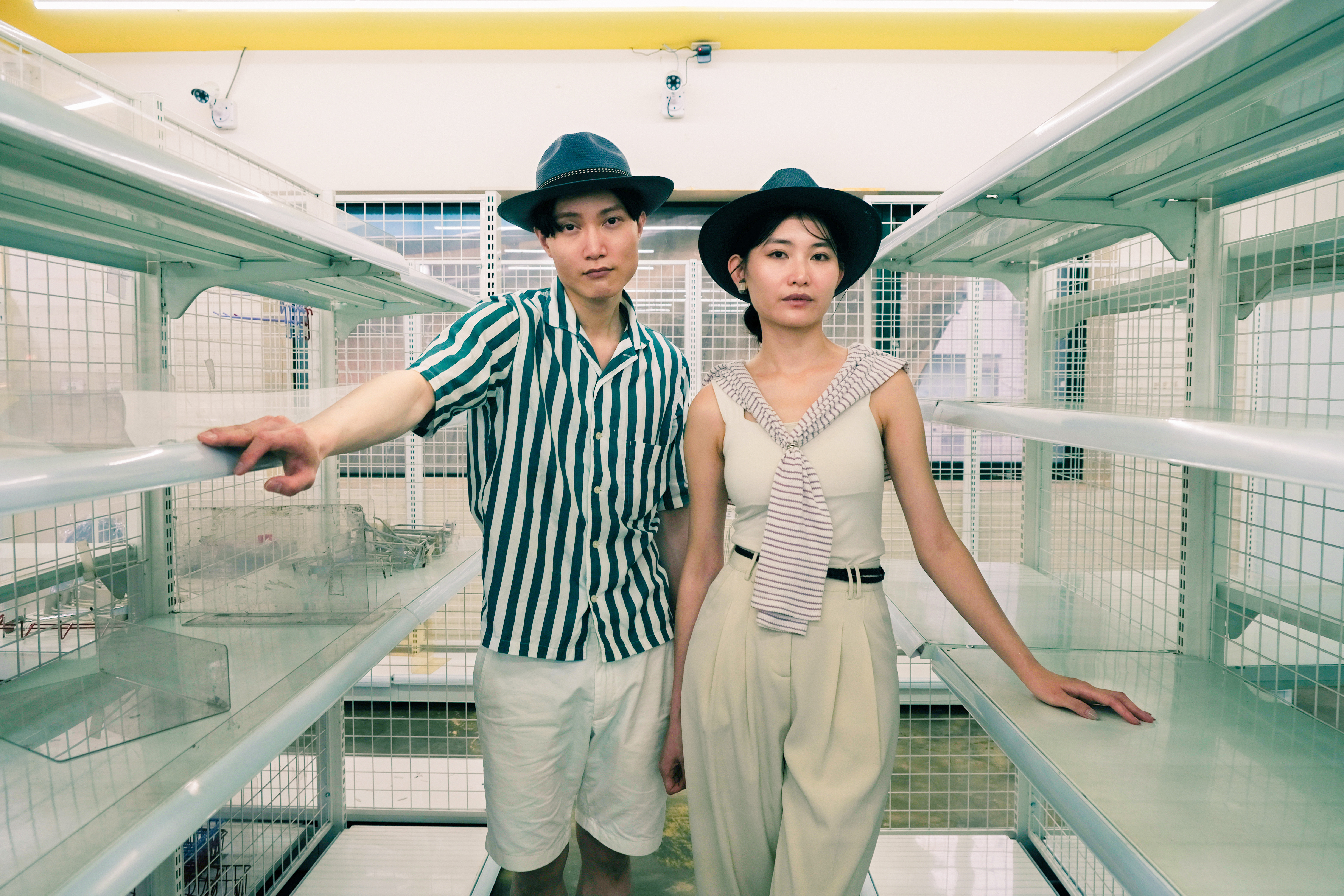
A hundred years later, we keep that same promise through the Panama hat, resurrecting the spirit of that bygone era. We retrace the footsteps of the past, wandering by the Astoria Coffee House and the Columbia Record Company, passing the hallowed sites of old banks and bespoke tailor shops.

While a few of these venerable establishments remain, many more have vanished into the currents of urban change. Though those golden days may never return, we can still move forward, finding our own rhythm in this new Age of Dance.

    A Timeless Classic Loved by the Fashion World

    For more than a century, the Panama hat has remained an enduring icon of style. It was once favored by Emperor Napoleon III of France, and later publicly endorsed by U.S. President Theodore Roosevelt, helping spark its popularity across Europe and the Americas.

    Over the decades, the Panama hat has continued to captivate celebrities and cultural icons alike. From G-Dragon and Mick Jagger, to Madonna, as well as Hollywood stars Sean Connery, Johnny Depp, and Emma Watson—many have embraced the Panama hat as a timeless fashion essential.

    Photo / The Panama Hat can be addressed as a classic fashion icon for celebrities / Source: Pinterest

    Panama hats are graded according to the fineness of their weave and craftsmanship. The finest pieces can cost hundreds of thousands of Taiwanese dollars—and even then, they are not always easy to obtain.

    What kind of craftsmanship and enduring allure could inspire such devotion across generations, cultures, and social classes around the world?

    Woven for Centuries — The “Panama Hat” That Isn’t Made in Panama

    Curiously, despite its name, the Panama hat is not from Panama at all. Its true origins lie over a thousand kilometers away in neighboring Ecuador.

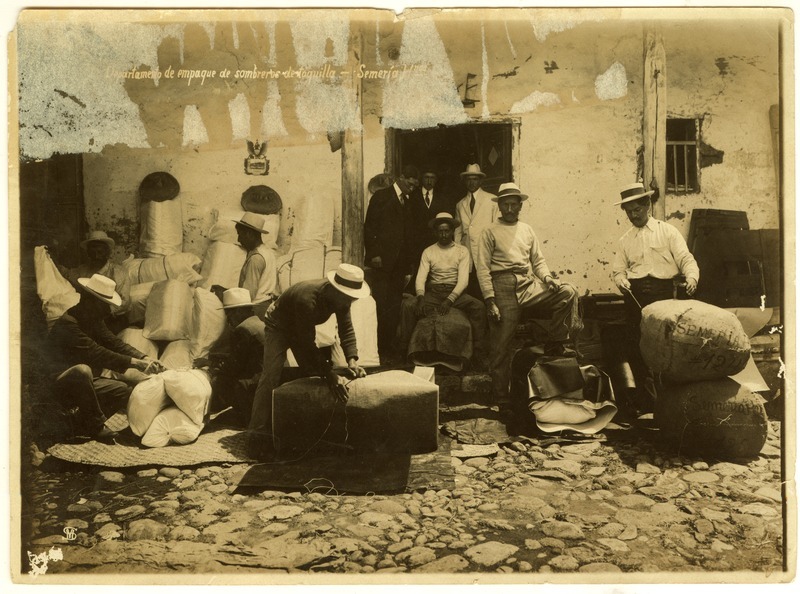
    The weaving of these straw hats has long been a traditional folk craft in Ecuador, dating back to before the arrival of the Spanish in South America. The craft first flourished in the coastal province of Manabí, before gradually spreading from the coast into towns nestled within the Andes Mountains.

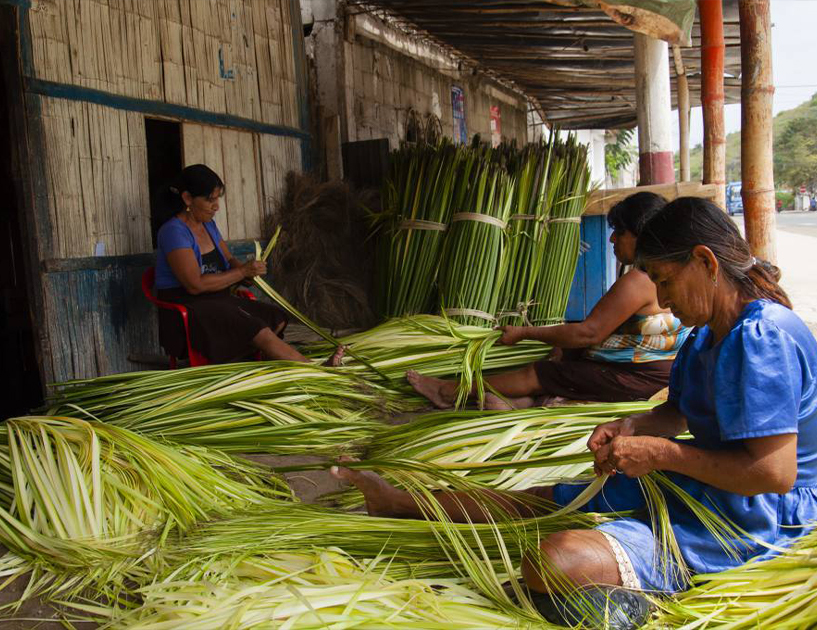
    Photo / Straw Hat weaving is a traditional craft in Ecuadorian villages and towns / Source: Pinterest

    Across many communities in Manabí, nearly every household once wove and wore these hats as part of everyday life—a practical object used for shade while working under the sun. In fact, the Panama hat was not originally called a “Panama hat” at all. It was known instead as the “Ecuador hat,” the “Jipijapa hat,” or the “Toquilla straw hat,” named after the fibers used to weave it: the Jipijapa palm, also known in Spanish as the Toquilla palm.


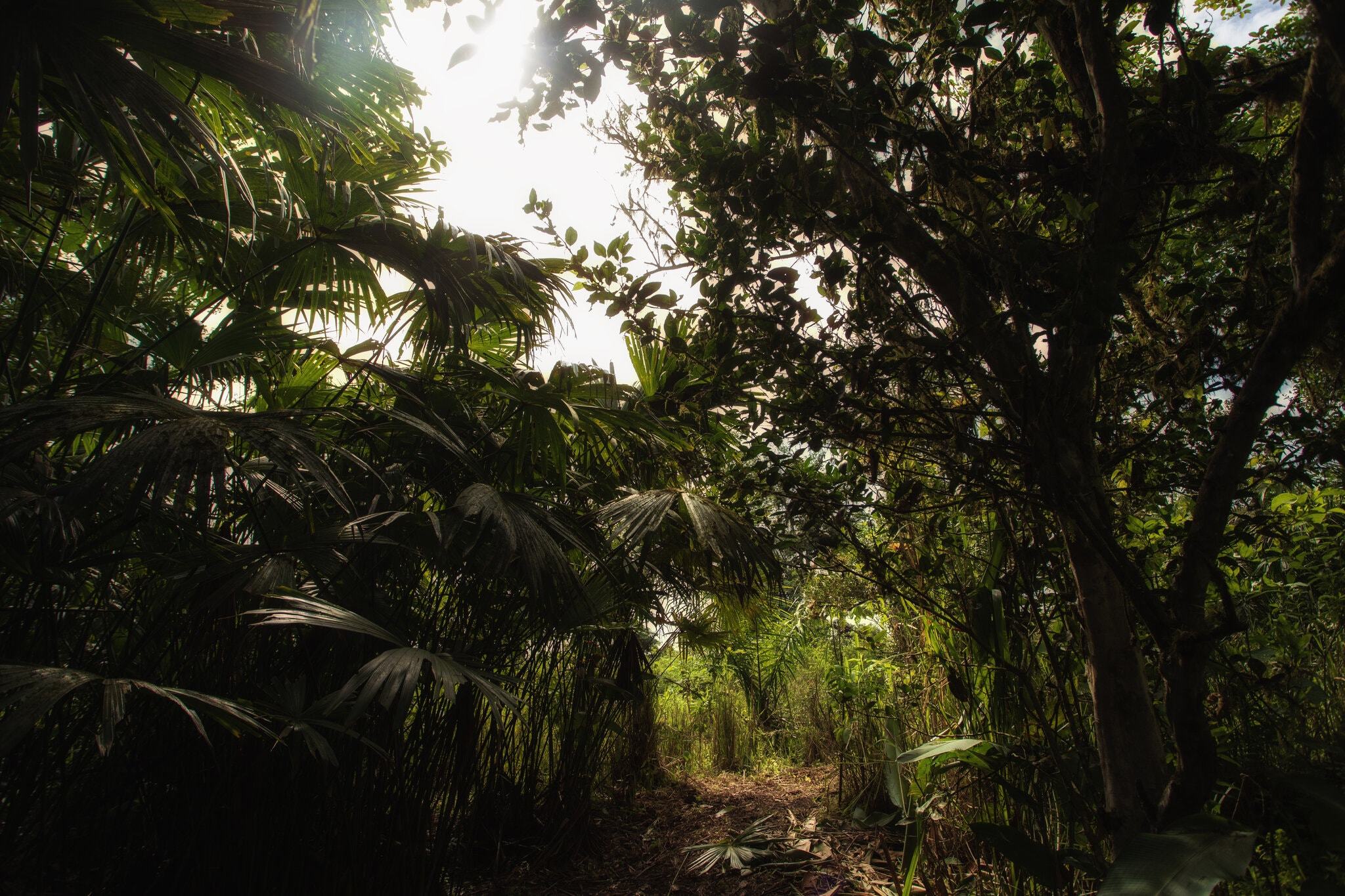
    This plant grows naturally across parts of Central and South America, from Mexico to Ecuador and Peru. The humid wetlands and river-rich landscapes of western Ecuador provide especially ideal conditions for its growth, making it abundant throughout the region.


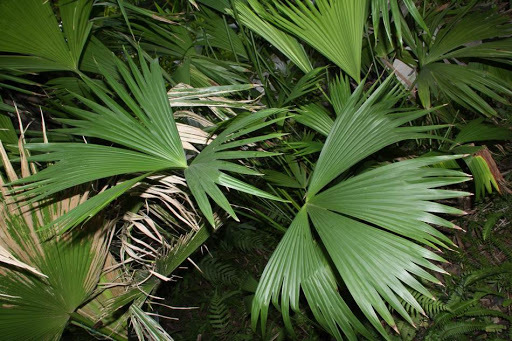
    Today, because of the global fame of the Panama hat, the plant is often simply referred to as “Panama straw.” It can even be found growing in botanical gardens in Taipei and Kenting.


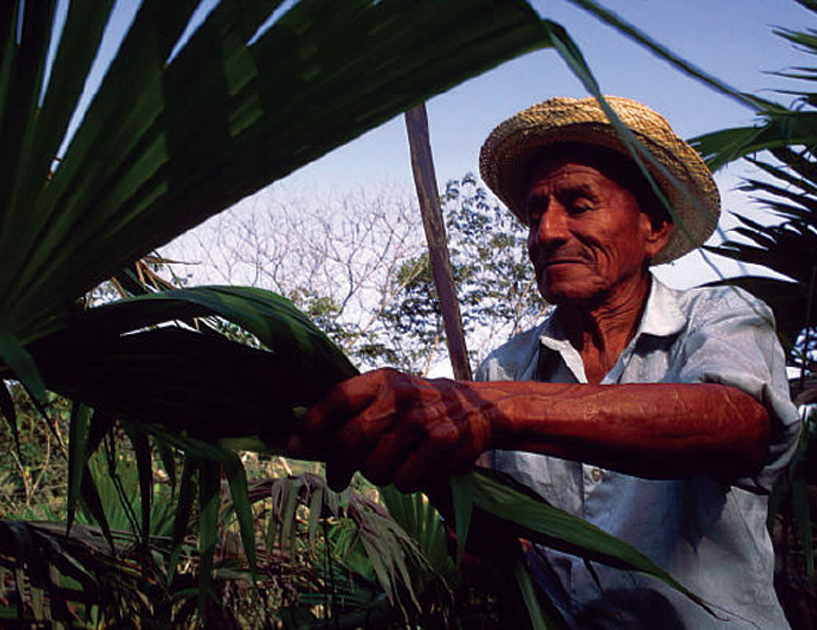
    Photo / Panama grass, which grows like a palm, is often mistaken to belong to the family of the palms / Source: kplant.biodiv.tw

    Photo / The lush Panama grass growing in Ecuador / Source: NY Times

    The Straw Hat Weaving Towns of Ecuador

    The tradition of straw hat weaving originated in Ecuador’s Manabí province, where many towns became deeply rooted in the craft. Across these communities, people of all ages and genders took part in weaving as part of daily life and local livelihood.

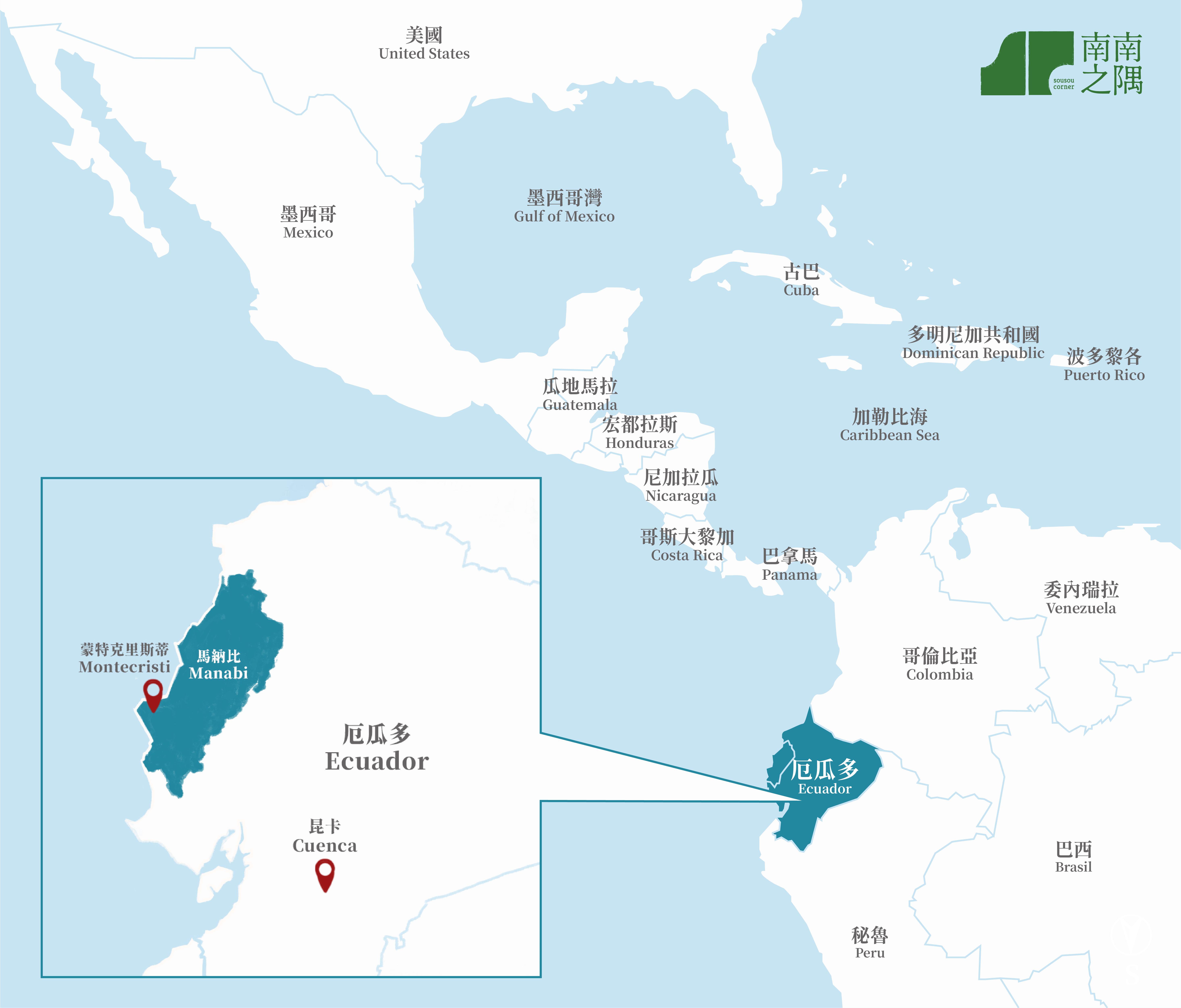
    One of the most renowned weaving towns is Montecristi, long celebrated for producing some of the world’s finest Panama hats. By the mid-19th century, Panama hats had begun to captivate international markets. Encouraged by government initiatives, residents of the Andean town of Cuenca also joined the weaving industry. Today, Montecristi and Cuenca remain the two major production centers of Panama hats in Ecuador.

    Figure / The two main production areas of Ecuador’s straw hat weaving / Source: Sousou Corner

    As the popularity of Panama hats surged across the globe, many countries throughout Central and South America began developing their own hat-making industries. Such as Mexico, Nicaragua, Colombia, and Peru all established weaving workshops of their own.Yet despite this regional expansion, the Panama hats made in Ecuador remain the most celebrated for their refinement and craftsmanship.


    In 2012, Ecuador’s traditional weaving of the Toquilla straw hat was officially recognized by UNESCO as an Intangible Cultural Heritage of Humanity, honoring the craft’s intricate techniques, cultural significance, and increasing rarity.


    What is remarkable is that this globally iconic hat was once simply a practical straw hat worn among sailors for protection from the sun. Its journey toward becoming a timeless fashion classic began more than a century ago—when a Spanish military officer, fleeing political unrest in his homeland, unintentionally helped introduce the hat to the wider world.

    The Road to Becoming a Fashion Icon — Gold Rush, Napoleon, and Roosevelt

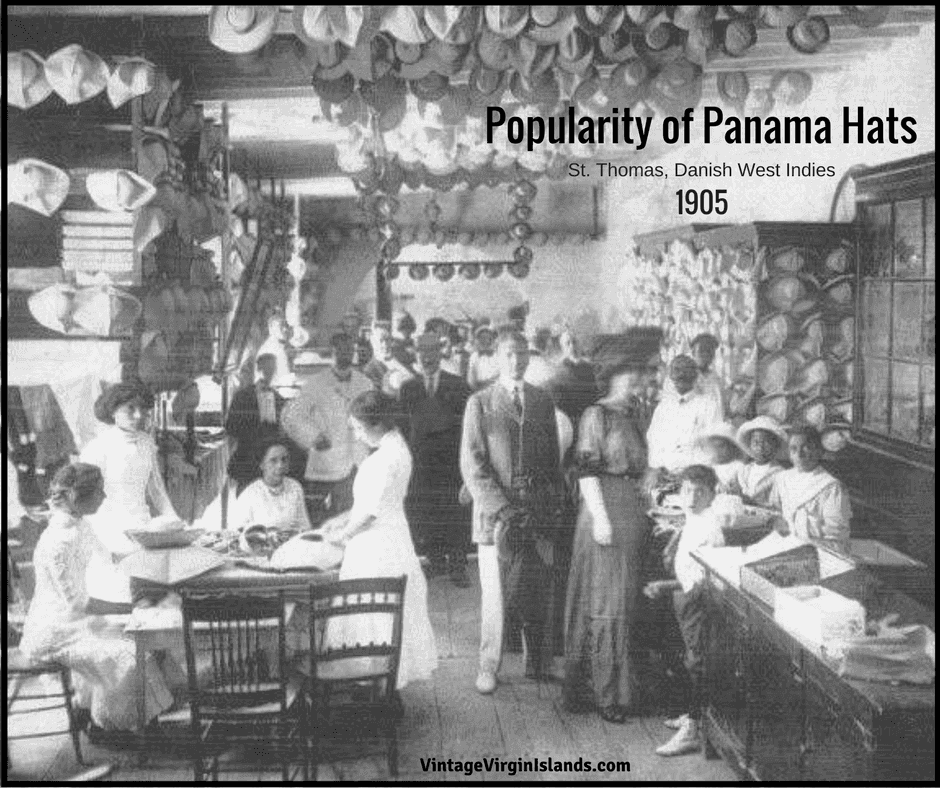
    Photo / 1900’s in the West, the Panama Hat had already become a must-have accessory for the upper class / Source: VintageVirginIslands

    As global maritime trade expanded during the Age of Exploration, the “Ecuador hat” had already become a popular accessory among sailors and travelers by the 18th century. Yet despite its growing reputation, the hat largely remained known only within Ecuador. Everything changed in the 1830s, when a Spanish military officer named Manuel Alfaro was forced to flee his homeland after losing a political uprising. His exile would unexpectedly alter the fate of the Panama hat forever.

    A Spanish Merchant and the California Gold Rush

    After leaving Spain, Manuel Alfaro settled in Ecuador and began a new chapter of his life in the town of Montecristi. There, Alfaro became fascinated by the traditional straw hats woven by local residents—and sensed their commercial potential long before the rest of the world did. Rather than altering the design itself, he focused on building an organized production system. He cultivated dedicated plantations of Toquilla palm, streamlined the weaving and distribution process, and established trade networks that ensured a more stable supply than competing producers. In doing so, he helped usher the craft from household tradition into an era of professional production and international export.


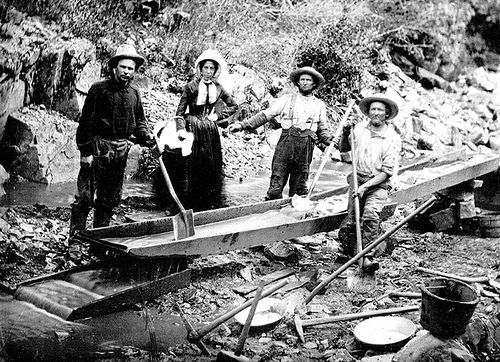
    By the 1850s, the growth of the port city of Guayaquil and the construction of new railway routes allowed Alfaro to export hats from Montecristi to the Isthmus of Panama, then a major transportation hub connecting global trade routes. At the same time, the California Gold Rush was drawing thousands of fortune seekers toward San Francisco. Many travelers passed through Panama in search of a faster route to the American West Coast.


    Along the journey, countless travelers purchased these finely woven straw hats as both protection and souvenir. The hats shielded wearers from the harsh tropical sun while offering something equally appealing: they were lightweight, elegant, and undeniably fashionable.

    Photo / Panama hat became a must-have hat for travelers during the Gold rush / Source: Wikipedia

    Endorsed by a French Emperor and an American President

    At the 1855 World Exposition in Paris, a French resident living in Panama presented a Panama hat to Emperor Napoleon III of France. Napoleon III was said to have greatly admired the hat. As one of the most influential public figures of the era, his appearances wearing it helped introduce the Panama hat to European society.


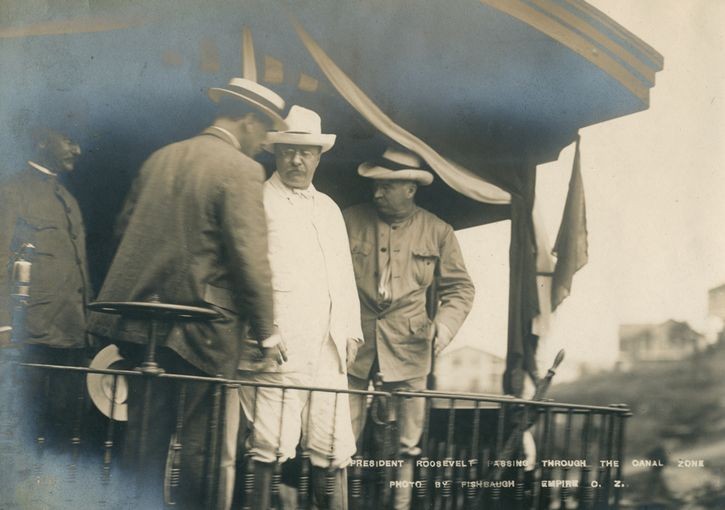
    Before long, the finely woven straw hat captured the imagination of the European upper class and became a coveted fashion accessory of the time. Half a century later, in the early 20th century, another iconic image further elevated the hat’s international fame. During a visit to Panama to inspect the construction of the Panama Canal construction, U.S. President Theodore Roosevelt was photographed wearing a white suit paired with a light-colored woven straw hat.


    Once the image appeared in newspapers, people began referring to the hat simply as the “Panama hat.” From that moment on, the name spread rapidly across Europe and the Americas, transforming Ecuador’s traditional weaving craft into a globally recognized fashion icon.


    Photo / American president Roosevelt visited Panama / Source: marcianosmx.com

    The Panama Hat Trend Reaches Taiwan

    At the turn of the 20th century, hats emerged as an essential fashion accessory, and Taiwan was quick to embrace the trend. The industry began in 1897, when rush grass—originally used for mats—was woven into the island’s first straw hat. This paved the way for a diverse array of creations, including Pandanus, paper, banana fiber, and betel nut fiber hats. With strong support from the Japanese colonial government, these were exported globally under the prestigious names "Oriental Panama Hats" and "Taiwan Panama Hats." By the 1930s, production reached an extraordinary peak of over 10 million hats annually, securing its place as Taiwan’s third-largest export, surpassed only by rice and sugar.

    Among the young gentry and intellectuals of the Japanese colonial period, the Taiwan-made Panama-style straw hat became a staple of the modern wardrobe. This popularity was partially driven by the "Queueless" movement, where men cut off their traditional braids—a practice then considered an outdated custom. The hat became the perfect accessory to ease the transition and navigate the "awkward phase" after cutting one's hair, ultimately serving as a profound symbol of the journey from tradition toward modernity and civilization.

    Finely Woven Straw Hats as Delicate as Cotton Thread

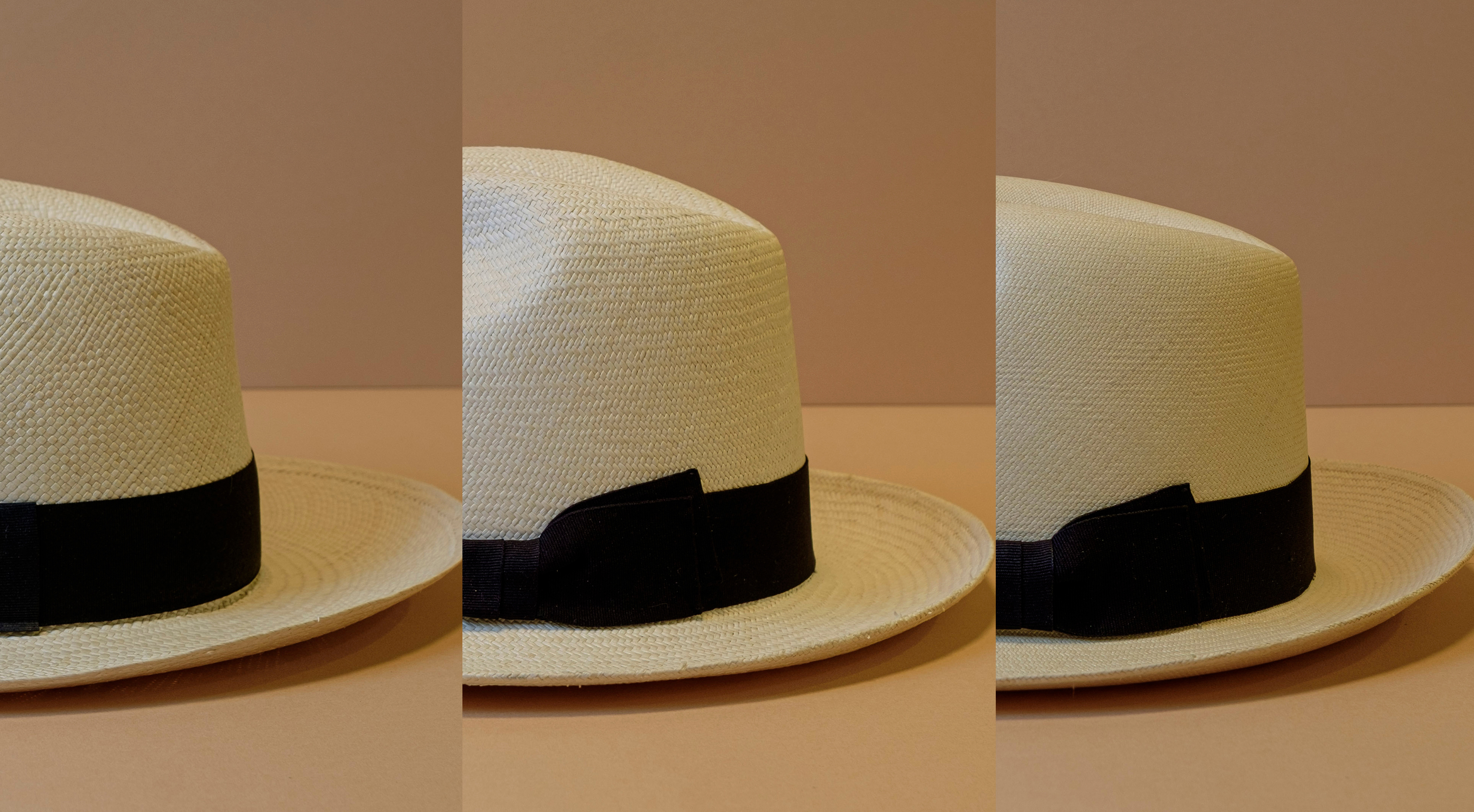
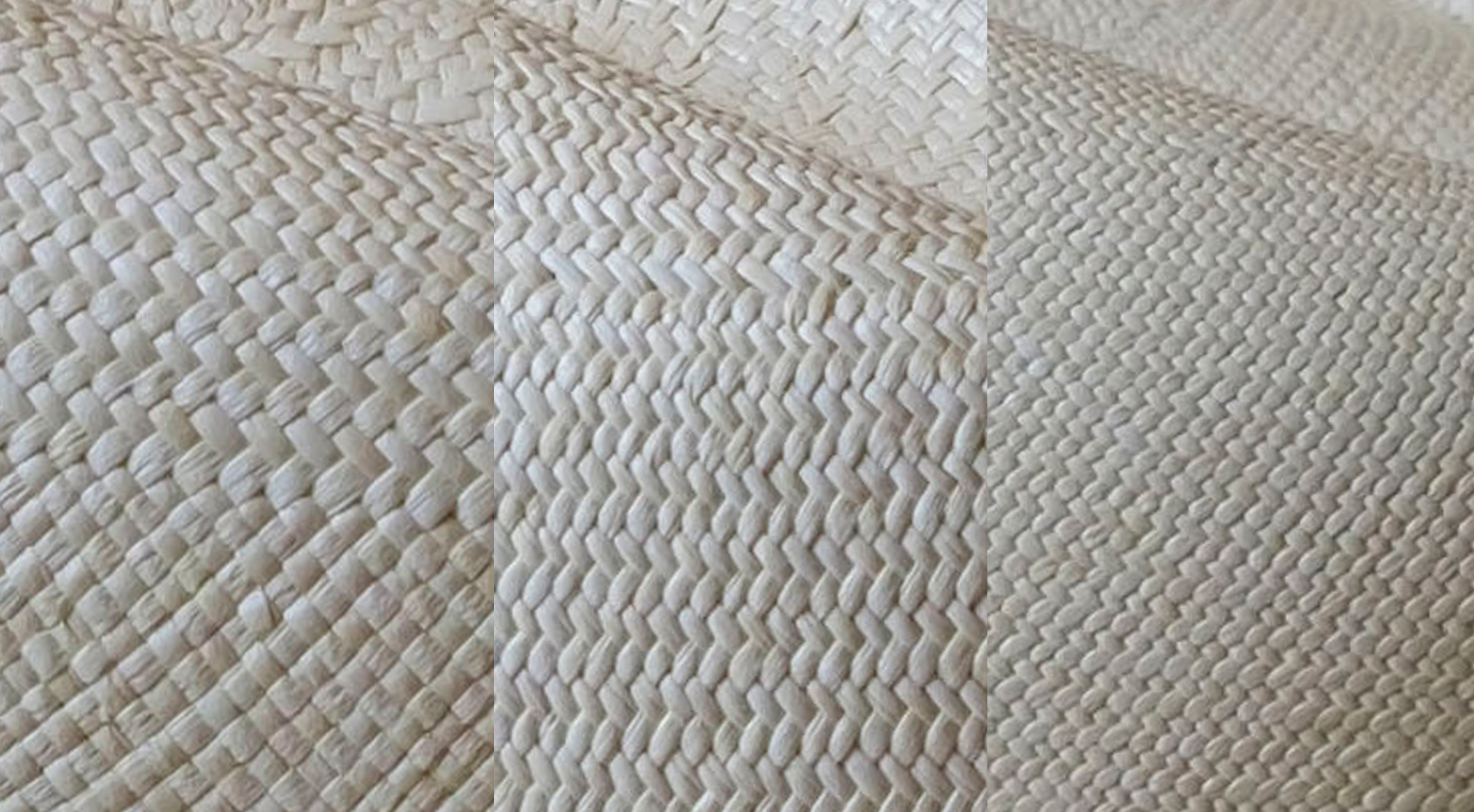
    The hand-woven straw hat has the color and straw pattern of the Panama grass; the variety and irregularity of the hat increases the visual appeal. The grades of the Panama Hat are mainly distinguished by the origin and tightness of the weaving grass, the higher the number of knitting needles per square inch, the more delicate it appears, hence the longer the production time and higher price range. In high quality hats it is not even possible to see the traces of the straw woven, making it resemble a fine fabric in terms of vision and touch.


    It takes more than a few months or even a year to knit the highest quality Panama Hats, and there are also some which have been knitted for years and which cost can reach more than ten thousand US dollars.

    Photo / Panama Hats of different knitting grades, the finest of them can be recognized for the number of knots per inch (From left to right, Fedora classic hats: entry model, advanced model, customized model) / Source: Sousou Corner

    The Craft of Panama Hat Weaving

    1. Extracting the Fibers: The process begins by splitting the stalks of the Panama grass to extract the inner fibers, which serve as the raw material for weaving.

    2. Boiling and Selection: The fibers are tied into bundles and boiled in a large pot for approximately 20 minutes. During this time, they are stirred constantly to ensure the leaves unfurl completely. After being sun-dried, only the finest quality grass is selected for the weaving process.

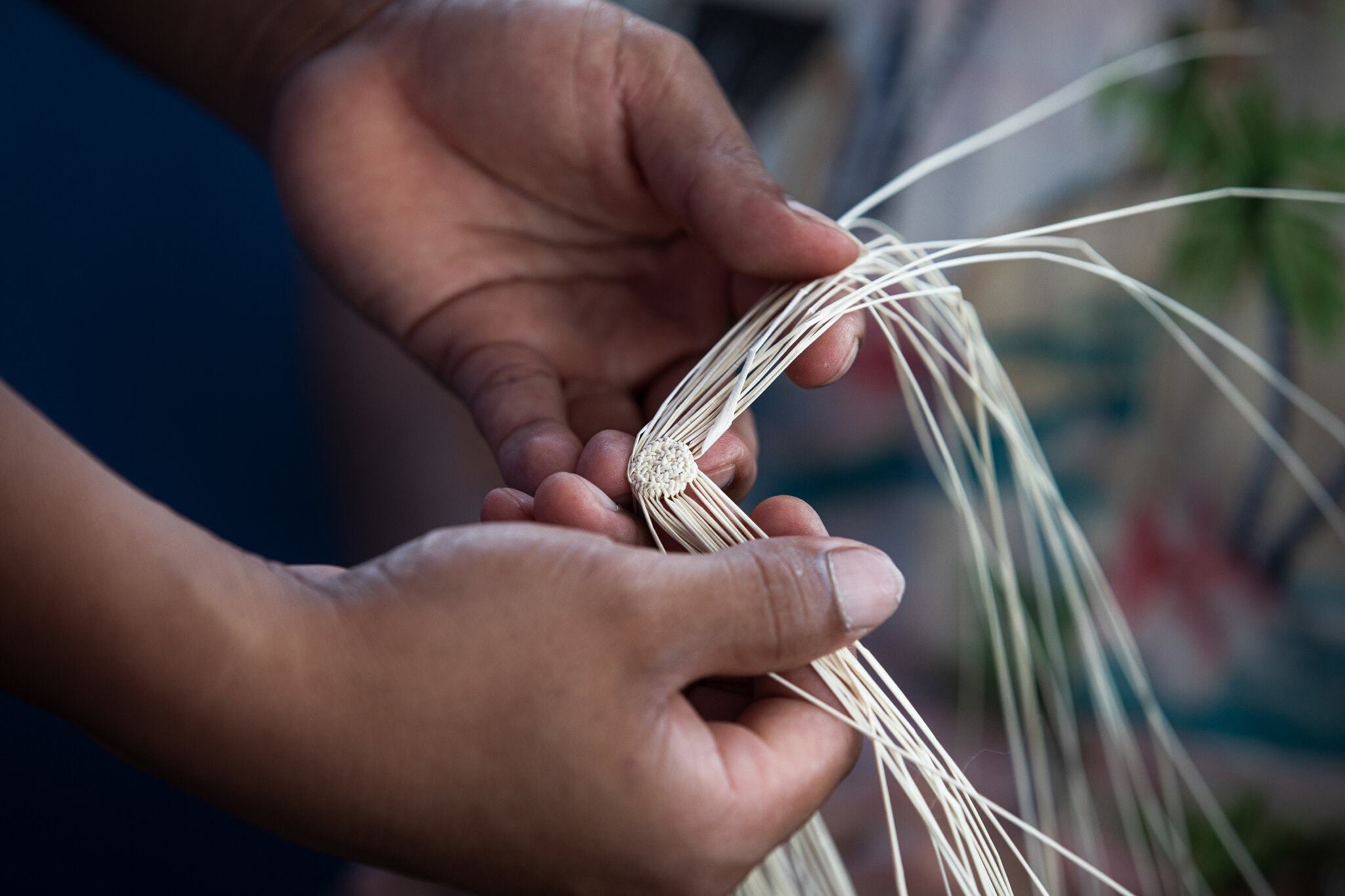
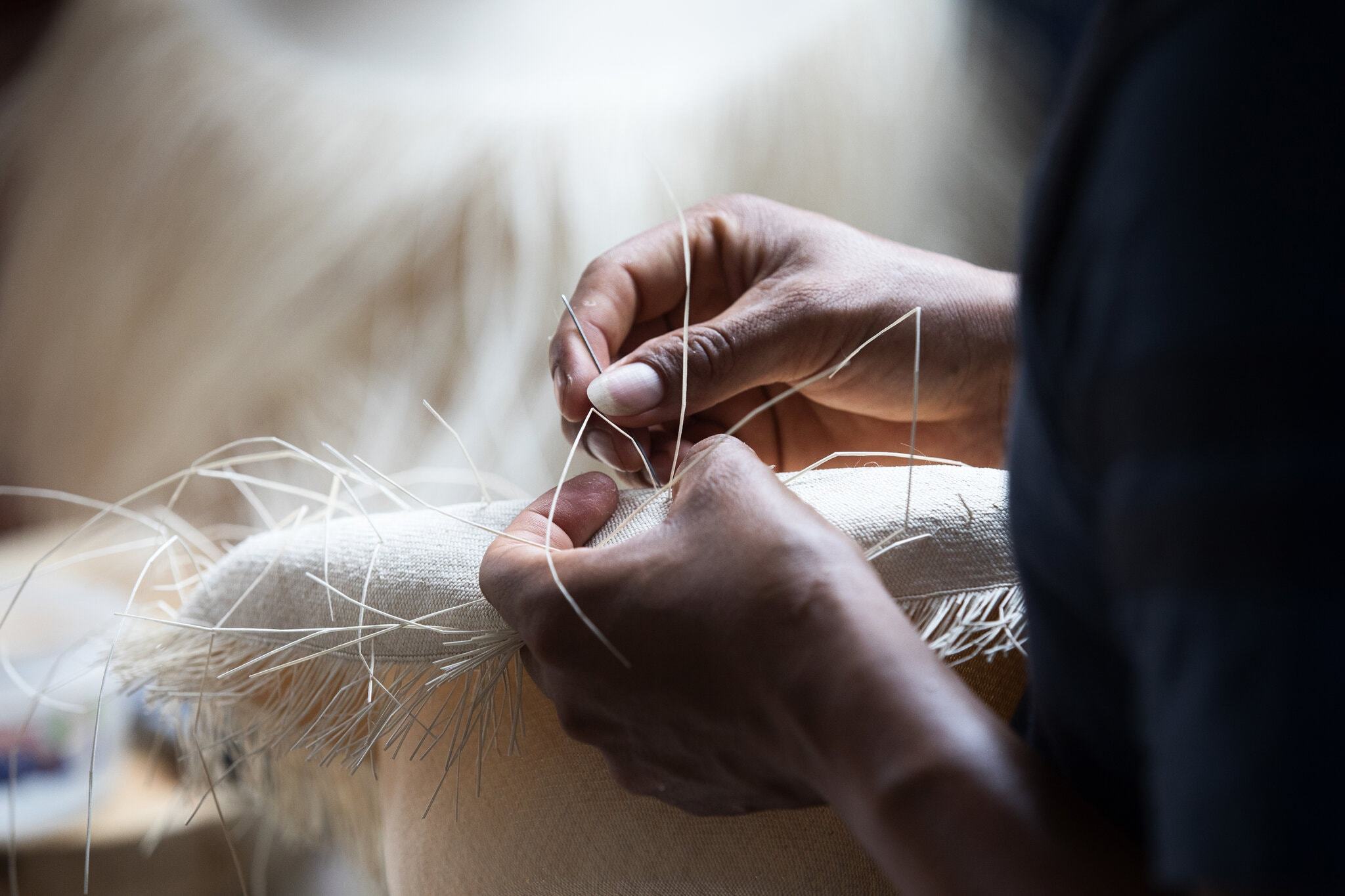
    3. The Weaving Process: Weaving starts at the center of the crown, moving outward in a circular motion before continuing down to the body of the hat. The time required to craft a single hat ranges from a few days to several months, depending on the fineness and quality of the weave; the most premium pieces can take over a year to complete.

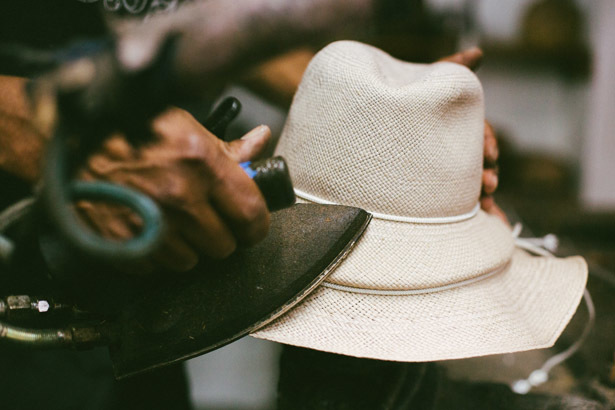
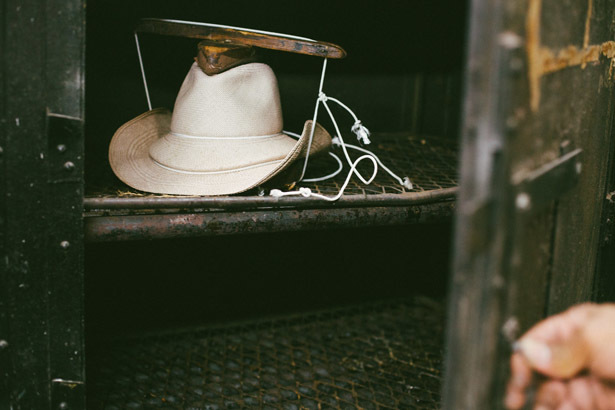
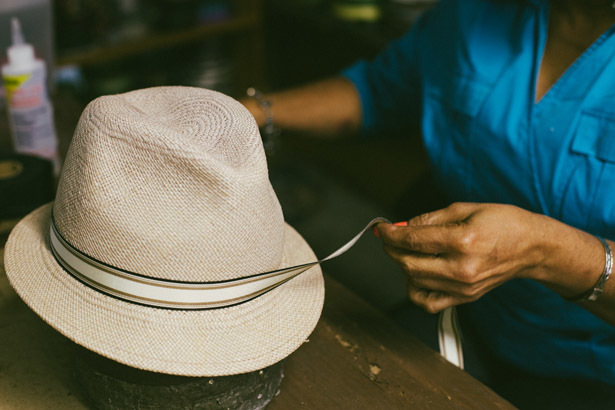
    4. Finishing Touches: Once the weaving is finished, the hat undergoes an initial trim, followed by shaping, ironing, and final refinements. Finally, a hatband is added, completing the creation of a Panama hat.

    Sou Sou Project 08 & Ecuadorian Panama Hat

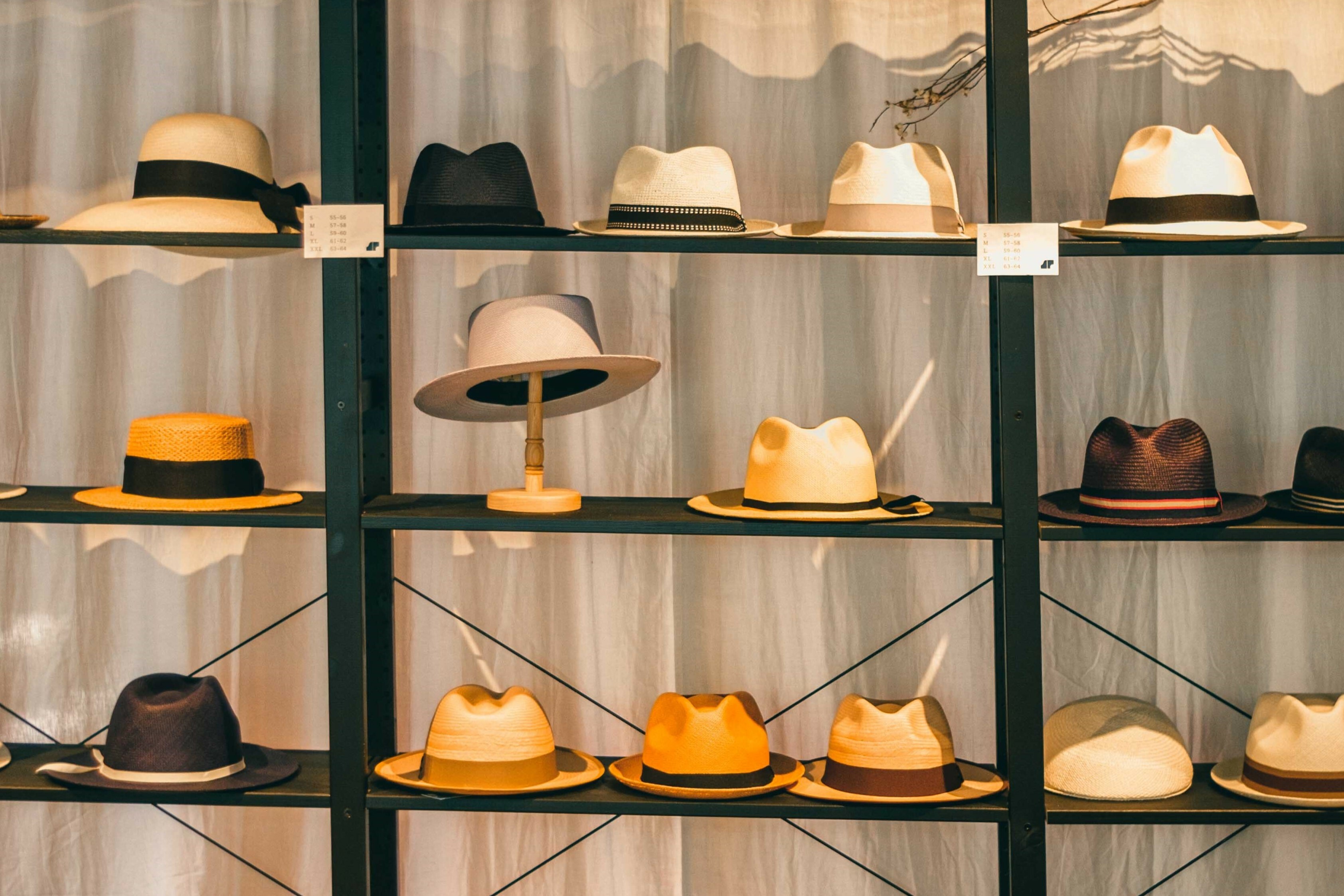
    Find Your Perfect Fit | Visit Us

    Taishun Main Store

    Tuesday – Sunday, 12:00 – 20:00

    No. 4, Lane 16, Taishun Street, Da’an District, Taipei city /span>


    Da’an Store

    Tuesday – Saturday, 12:00 – 20:00

    B1, No. 105, Sec. 1, Da’an Rd., Da’an Dist., Taipei City