{{ 'fb_in_app_browser_popup.desc' | translate }} {{ 'fb_in_app_browser_popup.copy_link' | translate }}
{{ 'in_app_browser_popup.desc' | translate }}
{{ childProduct.title_translations | translateModel }}
{{ getChildVariationShorthand(childProduct.child_variation) }}
{{ getSelectedItemDetail(selectedChildProduct, item).childProductName }} x {{ selectedChildProduct.quantity || 1 }}
{{ getSelectedItemDetail(selectedChildProduct, item).childVariationName }}
Popular hand-woven bag
In the past few years, hand-woven bags from Colombia have quietly become popular in European and American fashion circles, and then spread to Asia. This craze can be traced back to the "Mochila Project" in 2009. The project was initiated by Lauren Domingo, editor of the American Vogue fashion magazine. She brought designers to the tribes in the northeast of Colombia to learn weaving from the women of the tribes, hoping to reinterpret traditions with contemporary design techniques. Later, said works were exhibited in Miami and unexpectedly fetched high bids at auction, changing the tribe's fortunes.
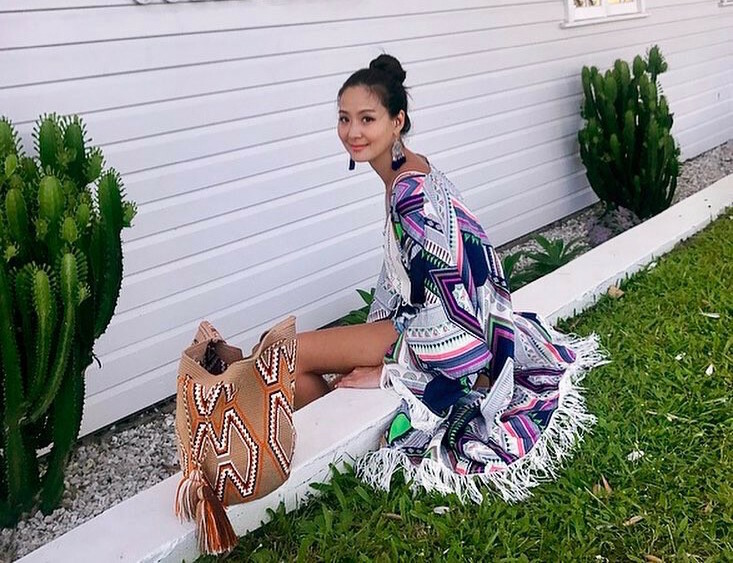
Yun-Yun Sun's outfit (from ETtoday)
Since the Wayuu bag was unveiled at the auction, it has become a trend in European and American fashion circles. Many European and American stars such as singer Katy Perry and Victoria's Secret supermodel Alessandra Ambrosio have been photographed by paparazzi with their backs on their backs. In recent years, this trend has gradually spread in the popular culture of various countries. Korean stars Shin Hye and Song Ji Hyo are paired with Wayuu bags in Korean dramas, and Taiwanese Sun Yunyun also carried one when she went to Australia for a beach vacation.
The artifact tradition of the indigenous Wayúu
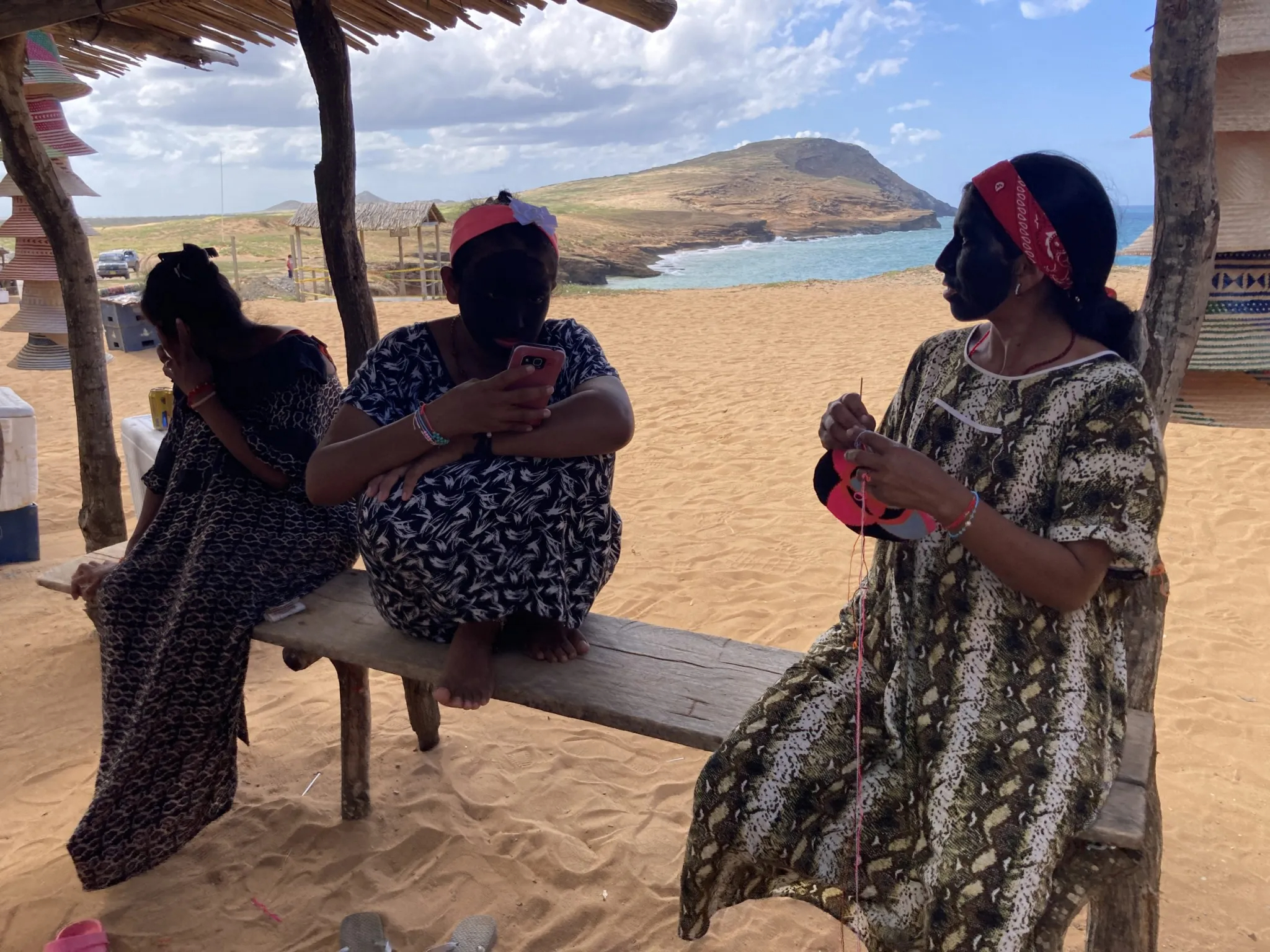
圖/隨處可見編織的婦女們,臉上塗黑色藥草當作防曬
來源/南南之隅
The Wayúu indigenous tribe is located in the desertic Guajira Peninsula which is arid and forbidding due to lack of rainfall. Not so long ago there were three solid years of complete drought due to El Niño and the extreme climate. To make matters worse, local mining industry and dam construction obstructed the access to the Rancheria River which natives reply on for livings. Without clean and sustainable water access from the river, local inhabitants have to walk for 3 hours before they can obtain water from nearest wells.
Water shortage means hardship on animal husbandry and farming. In 5 years up to 4,700 children have died of malnutrition. The Wayúu tribe is located around the Venezuela-Colombia border where falls under neither of the governments’ jurisdiction and assistance. Apart from replying on international aid charities for support, some of the clans also tried to develop local tourism resources, aiming to improve poverty and food insecurity. In the time of difficulties, the Wayúu bags which has taken the lead in global fashion trend unexpectedly became vital in local income support, and the Wayúu women act as leading roles in taking the financial responsibilities.
Material and weaving techniques of Wayúu bags
編織線粗細
流蘇線
40+
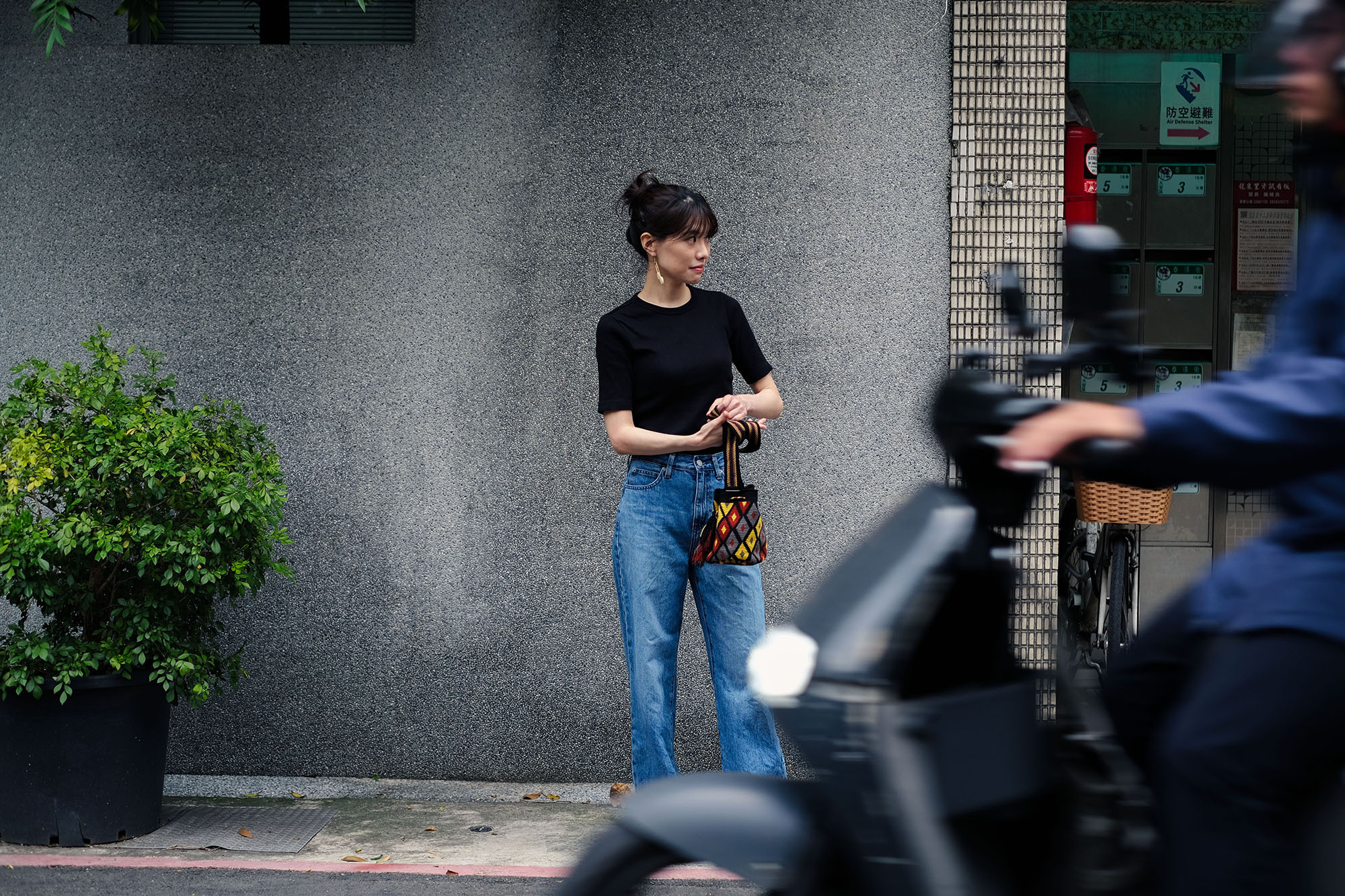
Sousou Project 01|Handmade Colombian Wayúu Bag
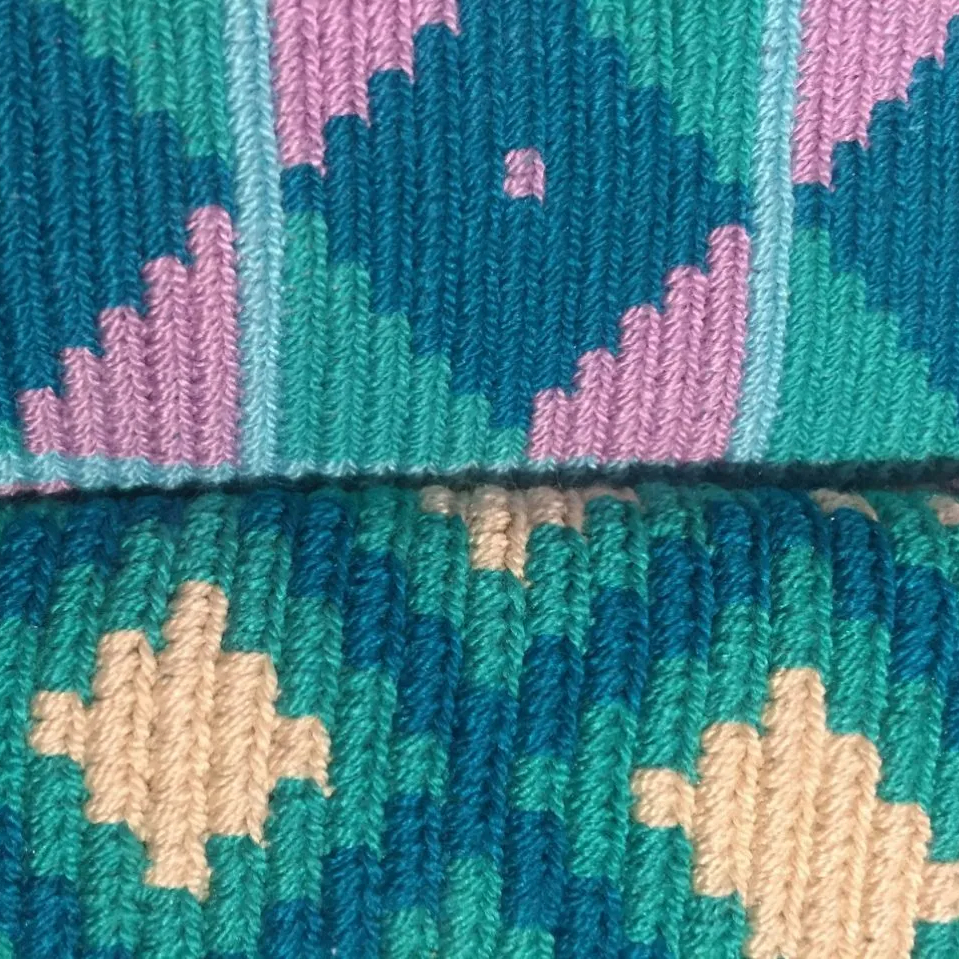
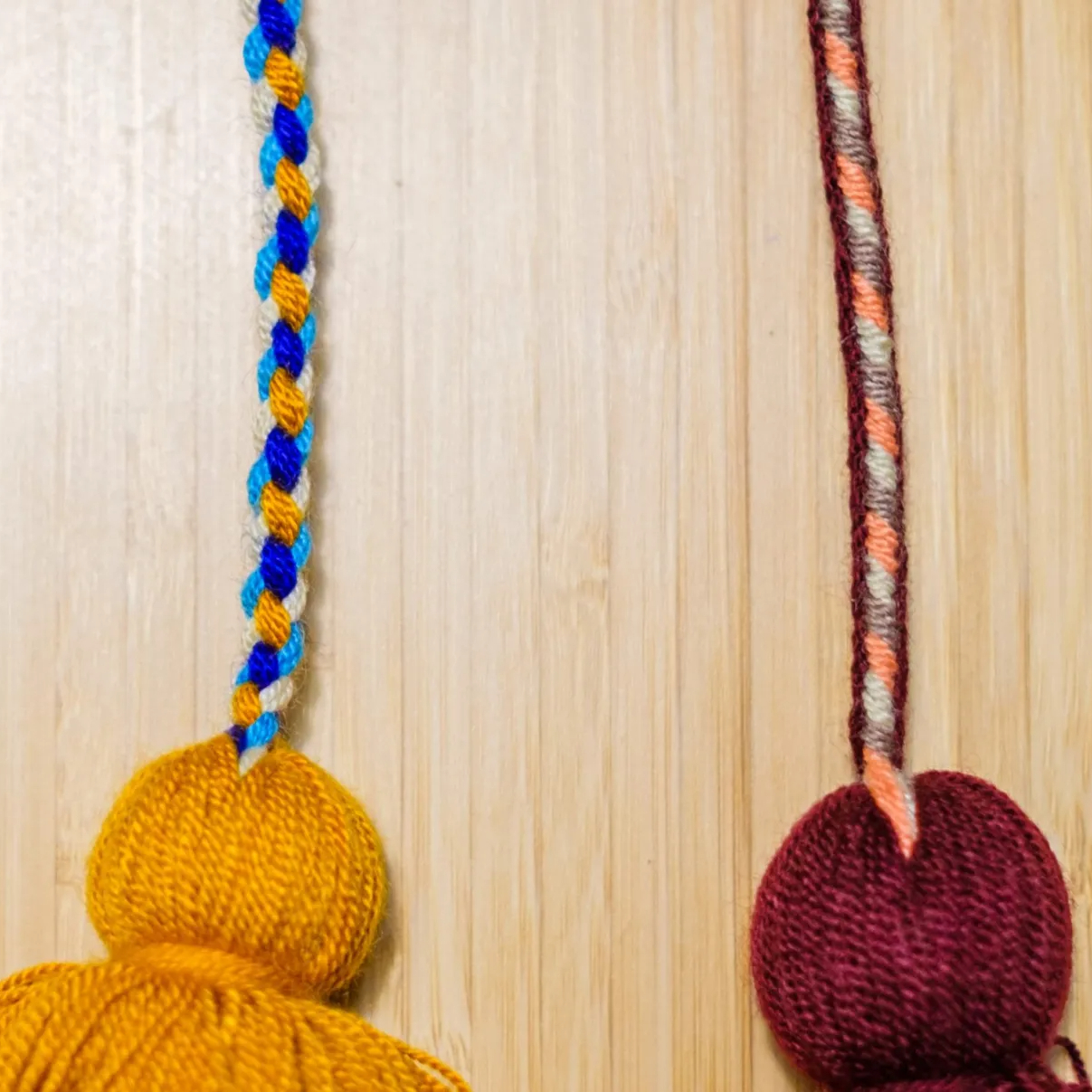
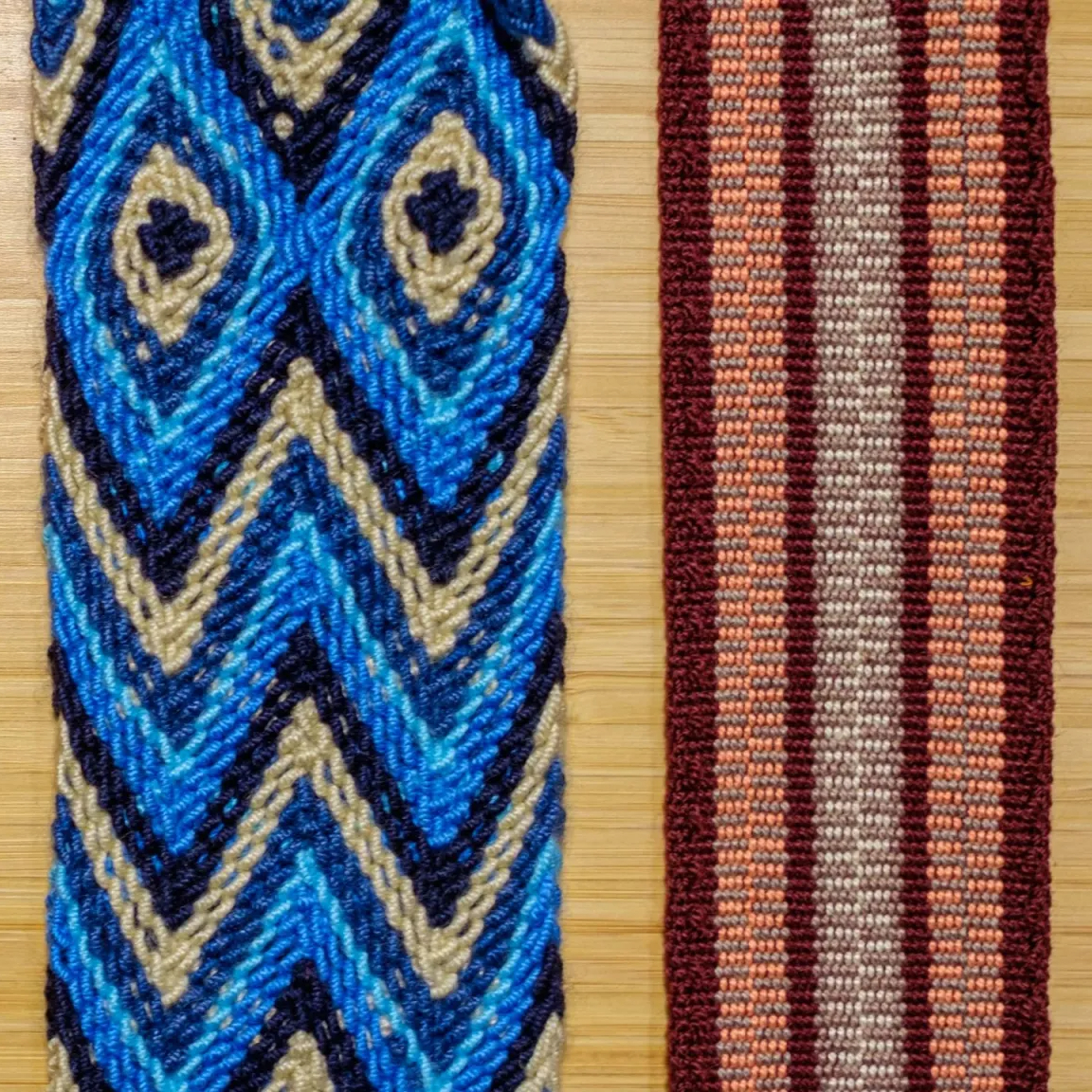
The Wayúu bags originated from the Wayúu indigenous community in Colombia, South America are daily essentials for the Wayúu. Each style of the mochilas is one of a kind and all hand-crocheted by native female artisans. Every mochilas bag unveils the charms of the Wayúu indigenous artifact tradition.