{{ 'fb_in_app_browser_popup.desc' | translate }} {{ 'fb_in_app_browser_popup.copy_link' | translate }}
{{ 'in_app_browser_popup.desc' | translate }}
{{ childProduct.title_translations | translateModel }}
{{ getChildVariationShorthand(childProduct.child_variation) }}
{{ getSelectedItemDetail(selectedChildProduct, item).childProductName }} x {{ selectedChildProduct.quantity || 1 }}
{{ getSelectedItemDetail(selectedChildProduct, item).childVariationName }}
Central and South America have an ancient tradition of burning incense, and for thousands of years the scent of plants has told ancient myth.
Burning plants is a human tradition known for having developed with fire. After burning, many plants with different smells are used as medicine or made into incense, just like the Altar incense and Agarwood which are the ones we are more familiar with. In ancient beliefs of Central and South America, some fragrances emitted by burning trees are considered to be able to cure diseases and purify the body. Among them, the usage of the Peruvian Sacred Tree and Copal has a long history.
The holy product that nourishes the spirit of the gods: the Copal tree
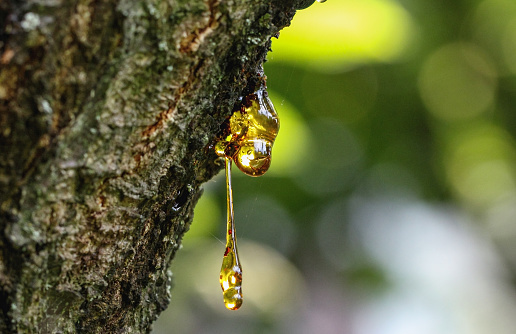
The Copal tree is a species of olive plant (Burseraceae) called Bursera Jorrullensisgrows, that grows in Mexico and the Amazonian region of Peru. When olive plants receive damage, they will secrete a repairing substance called "resin". The fine resin obtained by the Copal tree, a golden-yellow resin that sustains a dazzling luster and which Mesoamericans regarded as "the blood of the tree", together with crops of cocoa and corn, were used as offerings during ceremonies. The Copal resin was a sacred product and its smell was believed to be able to nourish the gods.
The ancient Mayans would burn blocks of copal trees inside incense burners made of wood, gourd or ceramic, just as we light incense sticks today, because they believed that the smoke that raised into the sky could convey their thoughts to the gods and pray for rain and a good harvest.
Figure / Copal resin secreted by the Copal tree
Source / Nada Bascarevic
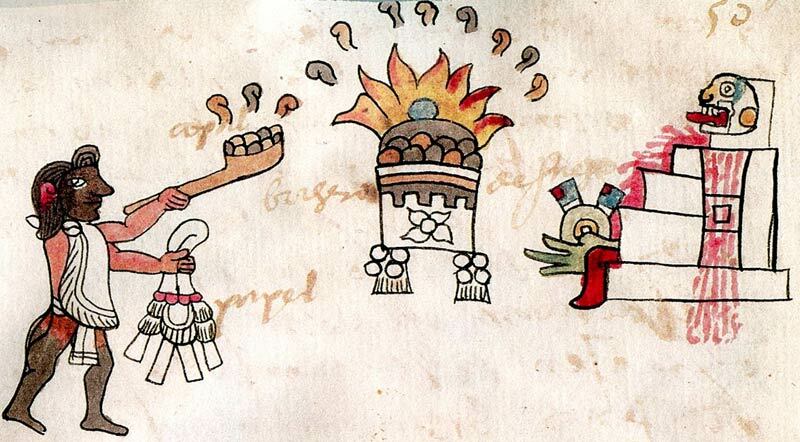
The Mayan incense-burning culture continued into the Aztec Empire of Mesoamerica during the 14th to 16th centuries. Every day before dawn, a small piece of Copal tree was burned in every Aztec home to worship the gods, and the burned incense ashes were scattered in the wind; the same ritual was performed several times a day inside the temples. The Codex Tudela, a 16th-century manuscript regarded as the Aztec cultural encyclopedia, records rituals in which priests put copal resin and fragrant plants into censers to worship their gods.
Nowadays, inside the Mexican ruins, remains of organic matter left from the incense burners can still be found. Among them, Copal was the most used plant, followed by rubber and tobacco.
Figure / Codex Tudela - Aztec Incense Ceremony
Source / Wikipedia
Healing Copal Tree: The Mexican Temazcal Ritual
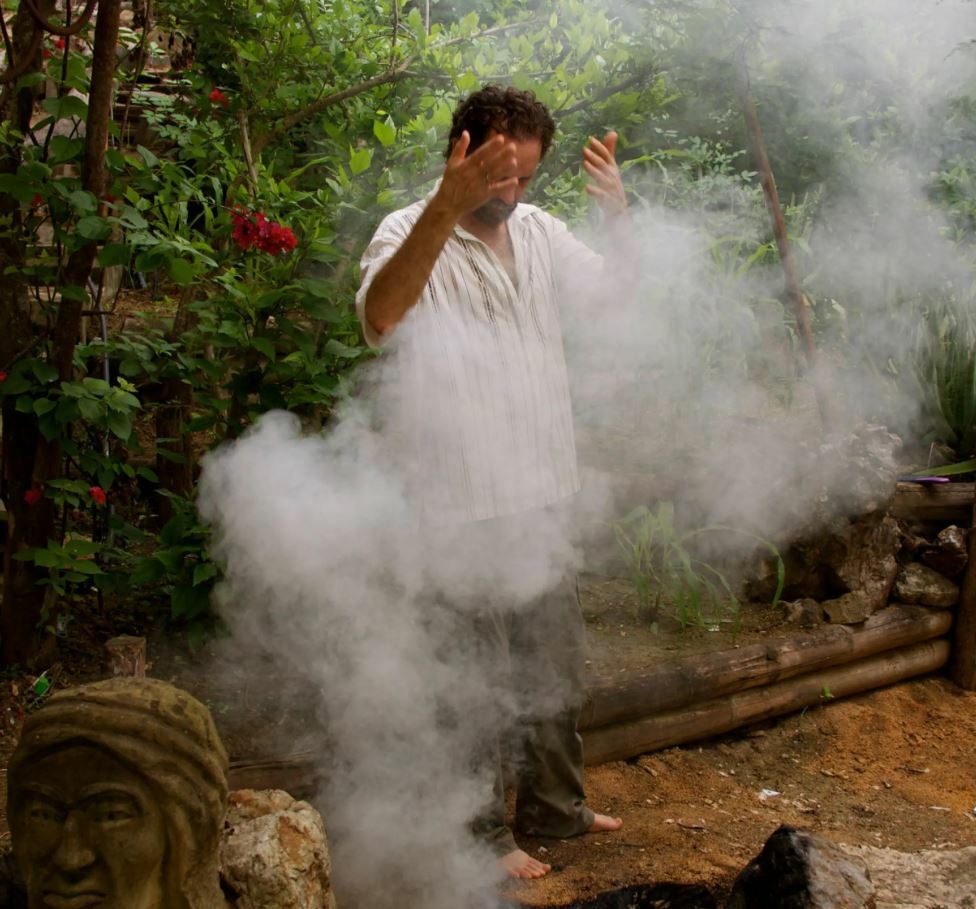
The usage of the Copal tree was so widespread that it can be seen almost throughout the whole Americas. Apart from its use in ceremonies, the copal tree was also believed to have healing powers, to ward off evil spirits, and to cure various ailments such as toothaches, bloating, poisonous animal bites, blisters, diarrhea and even hiccups. In traditional Mexican Temazcal rituals, shamans burn cobalt trees inside circular mud-brick huts, where the steam from the plants are used to let the body sweat out toxins, help women give birth, and to relieve the fatigue of soldiers after fighting.
Nowadays, such traditional ceremonies are more popular among European and American people as part of their journey of introspection and self, as it is said that with the smoke and smell of burning, people can be purified and regenerated.
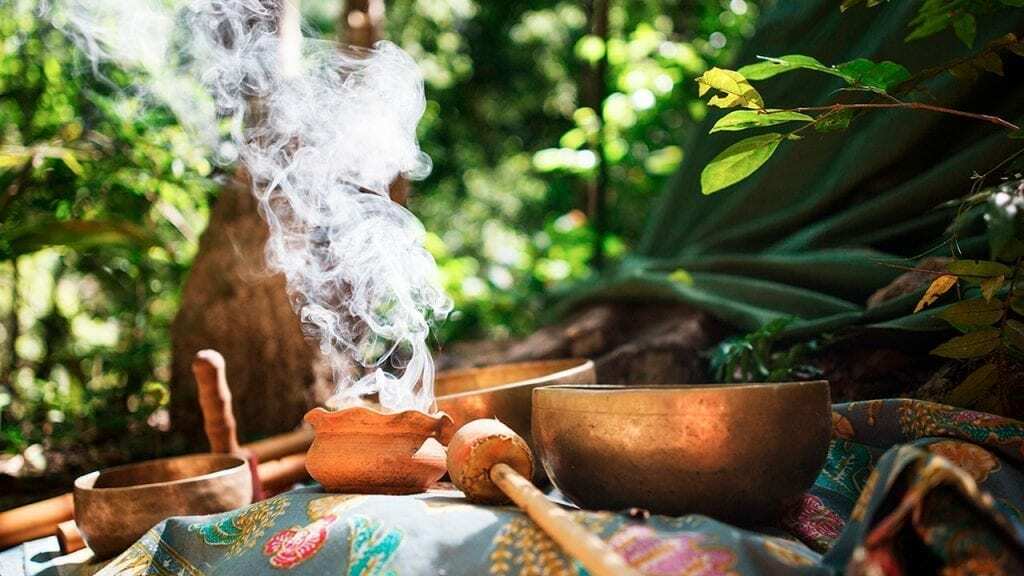
Copal tree is burned in Temazcal ritual to heal and detoxify the body
Source / Mexperience、Nayeli Rueda、Espíritu
Dry wood with spiritual power: Peruvian Sacred Tree
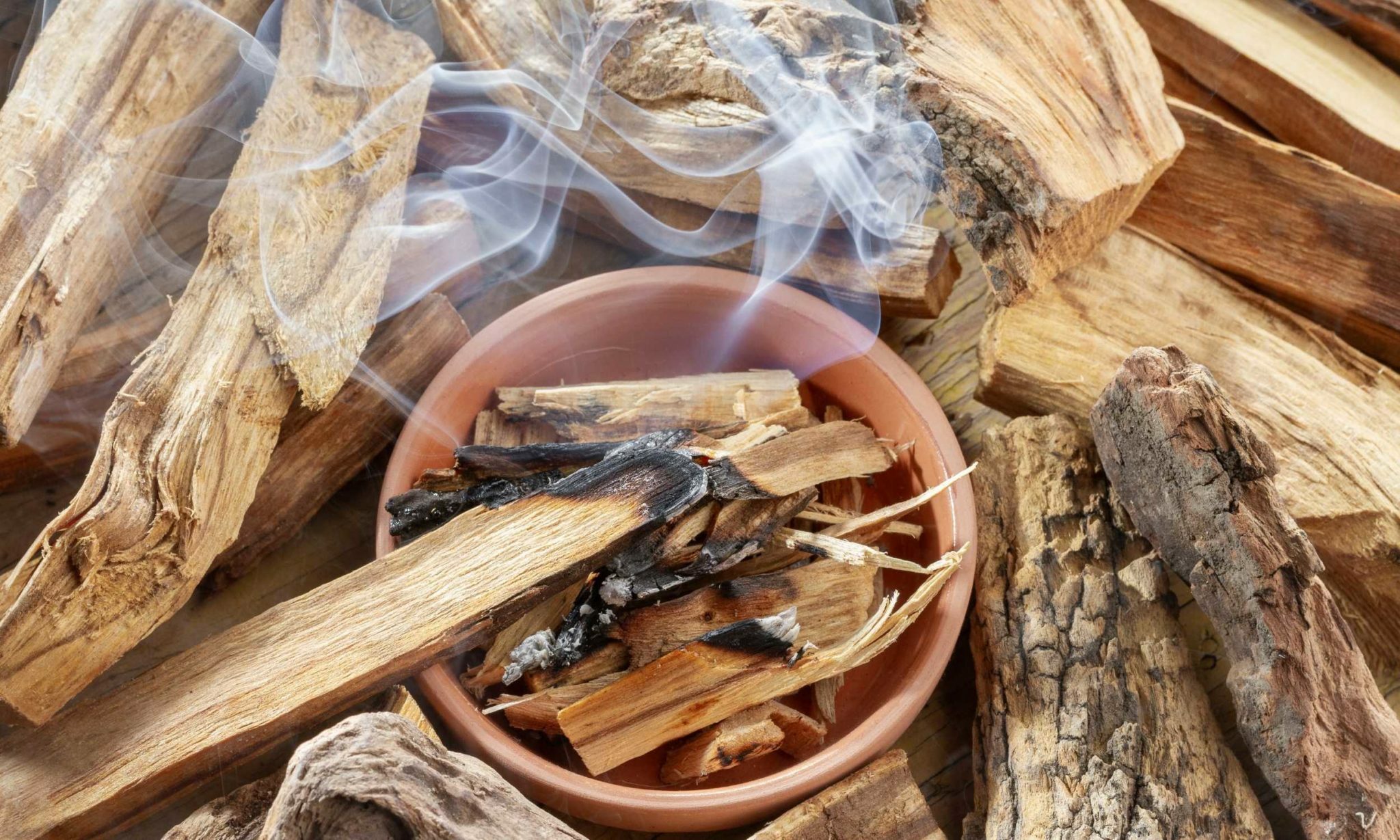
Figure / Peruvian sacred wood
Source / Mystiqyoga
Another incense tree species with a thousand-year history in the Americas is the Sacred Tree of Peru. Also belonging to the olive family (Burseraceae), the Peruvian sacred tree scientifically named Bursera Graveolens, produces a rich oil that when ignited gives off a strong scent of wood and earth.
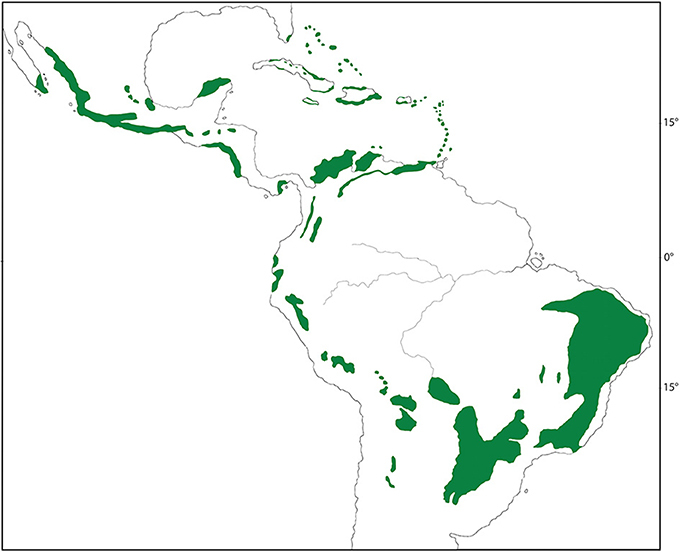
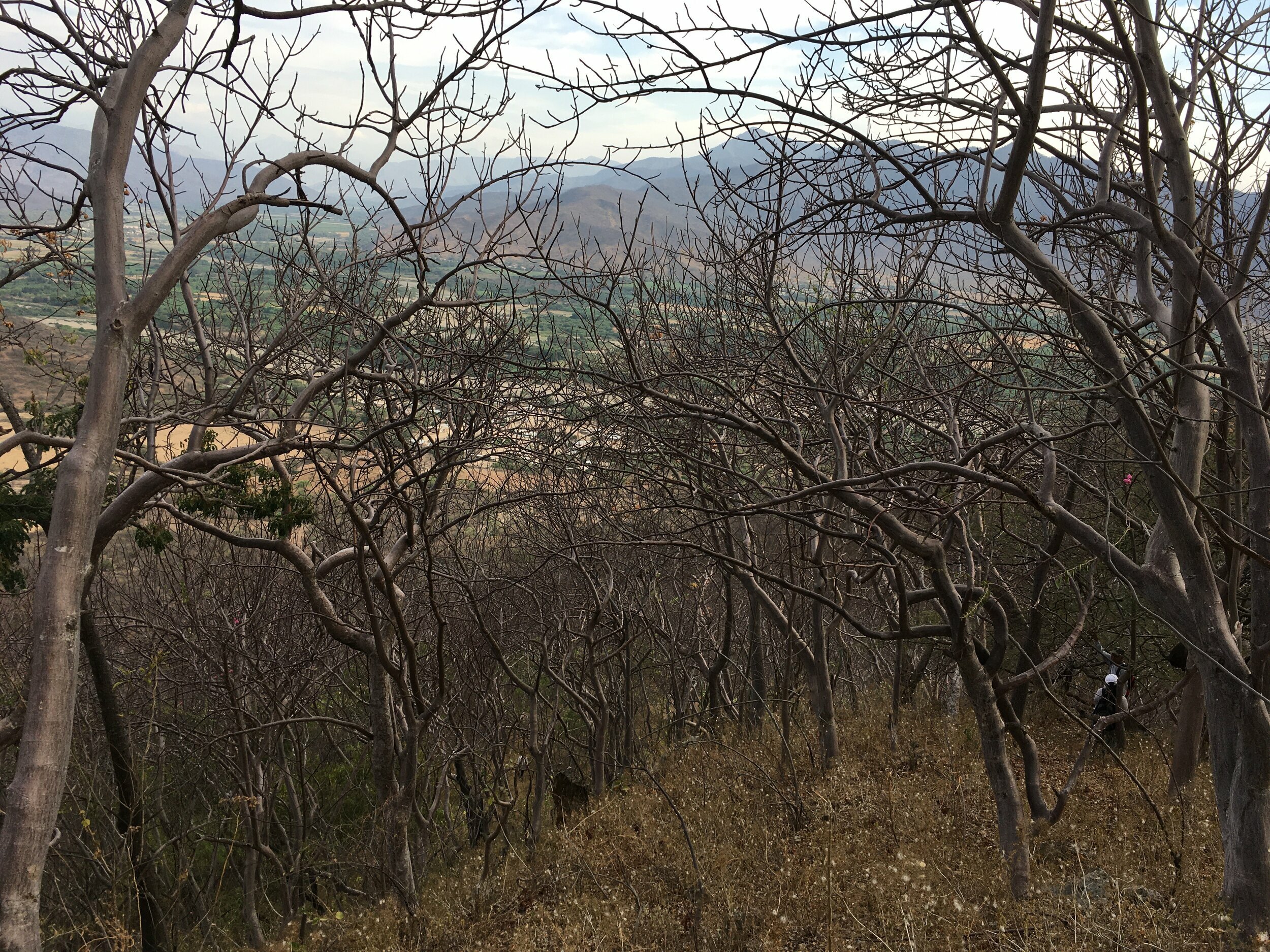
The Peruvian sacred tree comes from one of the driest regions in the world: the Dry Tropical Forest. Dry tropical rainforests are mostly distributed between coastal deserts and foothills in Central and South America; looking like dry forests, their rare ecosystem comprises a rich and diverse variety of creatures and tree species. According to a legend, more than 300 years ago, a Spanish monk went there and found that this tree could remove evil and purify, so he named it Palo Santo, which means the “saint wood”.
Figure / Dry tropical rainforest distribution area
Source / Researchgate
Figure / Peruvian sacred wood in the dry forest
Source / Caminoverde
In modern times, the Western world has new experiences for spirituality through yoga, meditation, tarot cards, etc., and the Peruvian sacred tree is also widely used. However, before the 1990s, the Peruvian sacred tree was almost unknown and for thousands of years only Peruvians, Ecuadorians, and the indigenous people of the Amazon used the Peruvian sacred tree in their daily lives and ceremonies.
Shamanic rituals and the Peruvian Sacred Wood in everyday life
The history of the usage of the Sacred Tree of Peru dates back to the Inca Empire and even earlier. In oral records passed down from generation to generation, shamans used it in rituals and incineration with medical purposes, to communicate with gods or to help dying souls enter the afterlife.
Shamans believe that the Sacred Tree of Peru has a unique spirituality that will forever live among the sacred trees of natural death. Such spirituality has the power to heal and purify, and its smoke carries spirit, wisdom and emotion. It can retain the spirituality in the body, giving people mindfulness and energy.
In addition to its ceremonial usage, the Peruvian sacred tree can also be seen everywhere in the daily life of ordinary families. The burning of this sacred tree as firewood is common in valleys where malaria is recurrent; or to symbolize the bond in wedding ceremonies. In Bolivia, indigenous people plant a Peruvian sacred tree as a witness of their marriage.
Wait for its death, it should not be cut down at will
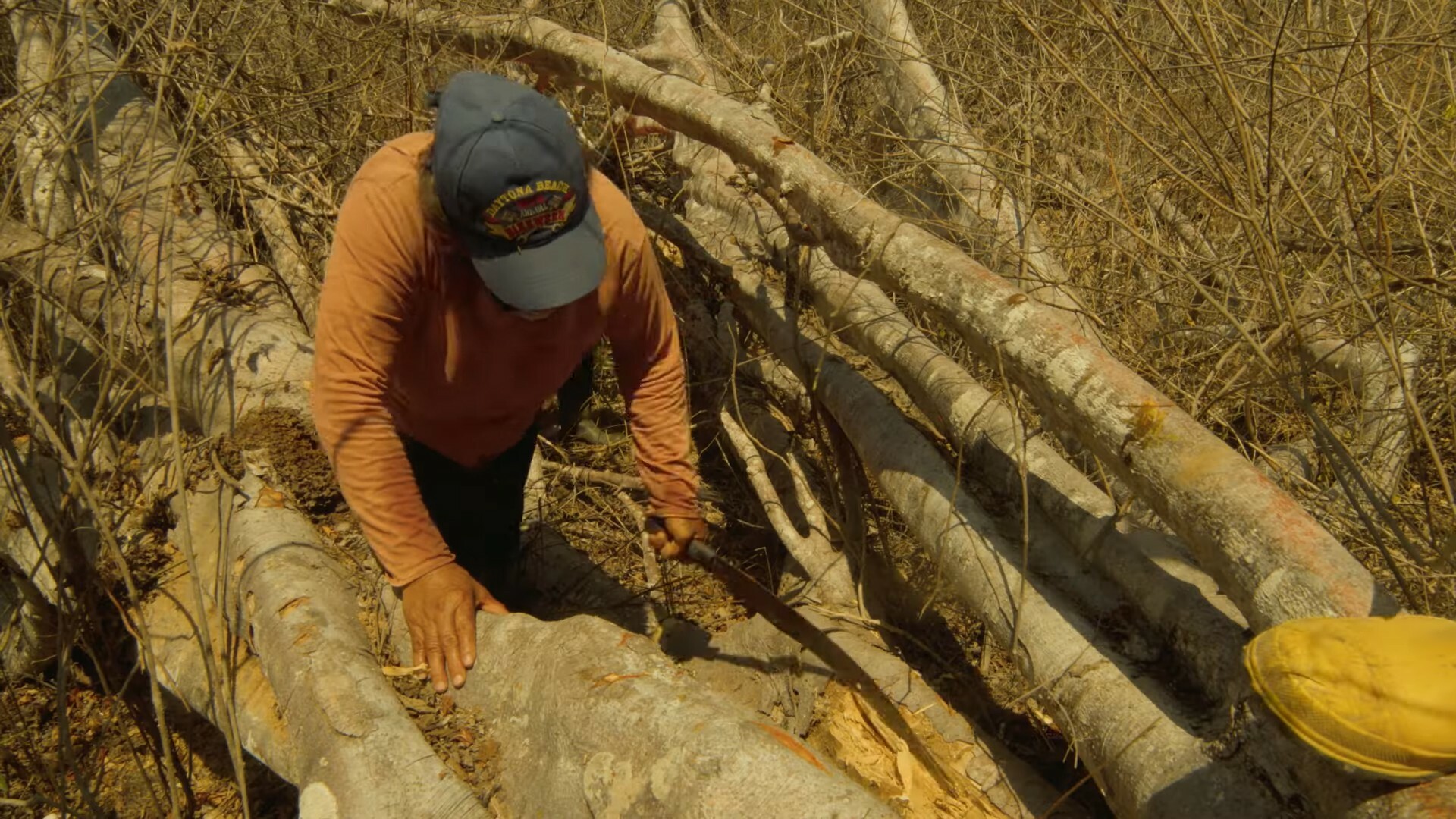
Taking the information from above, it is clear that the sacred tree of Peru is very important to the local culture and belief of South America, both spiritually and culturally. In order to respect its spirit and spirituality, local shamans and aboriginal people do not cut down sacred trees at will, but wait for the trees to grow old naturally and leave them on the land for five to ten years, so that their spirituality and oils will grow richer over time.
However, in modern times, the sacred tree of Peru has been mined in large quantities in South American countries and used to make incense, medicine, fuel, etc. In 2006, Peru established the "National Committee on the Classification of Endangered Species of Wild Fauna and Flora", which listed Peru's sacred tree as a critically endangered species. The Peruvian and Ecuadorian governments also stipulated that the cutting of living trees is prohibited, and only sacred trees that have fallen naturally and have been dead for up to three years, are allowed to be collected. In 2019 the International Union for Conservation of Nature (IUCN) released a review of the protection status of the Sacred Tree of Peru, and it was announced that it was not in the range of endangered species anymore, and that it could be harvested moderately to increase economic value.
Even though the usage of sacred trees has not been cut down, the traditional South American reverence and culture for the Sacred Tree is still gradually disappearing. When using it for burning, it not only allows one to return to themselves, but also to feel the local cultural connotation of this Holy Wood in the incense.
Figure / Local residents only collect Peruvian sacred wood that fell naturally
Source / Sacred Wood Essence
Southern Craft|Peru Incense